Choosing the best Boltless Systems in 2026 requires more than comparing prices or counting shelf levels. Global buyers need stable frames, clear load ratings, simple assembly, and dependable replacement parts. A system that works in a dry warehouse may fail near a humid port. Small details matter.
Warehouse design expert James A. Tompkins once said, “The warehouse is the heart of the supply chain.” That principle still applies to Boltless Systems. Shelving affects picking speed, worker movement, inventory accuracy, and long-term operating costs. The best option should match the actual load, not an optimistic estimate. Measure carton weight, shelf depth, aisle width, ceiling height, and floor condition before ordering.
Safety comes first.
This guide compares leading Boltless Systems for international use, including adjustable shelving, rivet racks, steel decking, and hybrid storage units. It also considers corrosion protection, packaging quality, installation instructions, certifications, and after-sales support. Buyers should review local building requirements and relevant workplace standards before installation. Import duties, shipping volume, spare components, and regional service networks can change the final cost significantly.
No ranking is perfect. Some suppliers publish impressive capacities without explaining testing conditions or deflection limits. That deserves caution. A lower-priced system may also require more labor, stronger packaging, or earlier replacement. We will examine these weaknesses openly, using practical purchasing criteria rather than polished marketing claims. The goal is simple: help distributors, contractors, and warehouse operators choose Boltless Systems that remain useful after delivery, assembly, and daily loading.
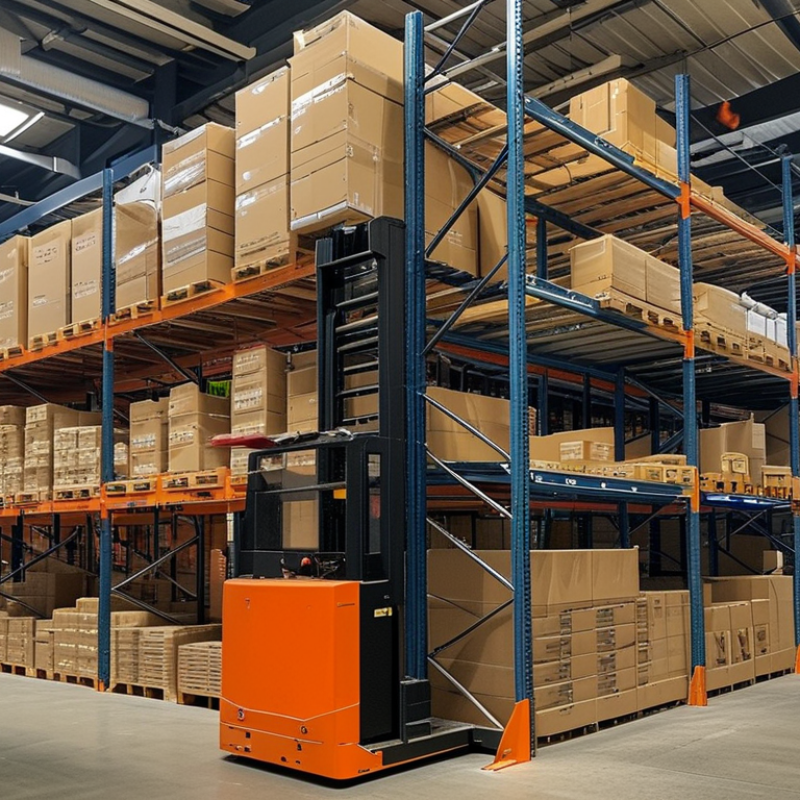
2026 Best Boltless Systems for Global Buyers?
Boltless systems use clip-in frames, beams, and shelves without traditional nuts and bolts. Workers connect each beam through punched frame slots. This can shorten assembly time and simplify layout changes. Shelf capacities commonly range from 250 to 1,000 kg. These figures usually assume evenly distributed loads, not one heavy object placed at the center.
A 250 kg shelf may suit cartons, tools, or small machine parts. A 1,000 kg shelf needs stronger frames, stable flooring, and careful load planning. Check whether the rating applies to one shelf or the entire bay. That detail matters. In practical warehouse assessments, uneven loading often causes more concern than the advertised capacity. I still find product sheets unclear sometimes. Buyers should request test conditions, steel thickness, beam dimensions, and deflection limits before ordering.
Tips: Measure aisle width, ceiling height, and floor levelness before selecting a system. Confirm the usable shelf load after adding decking weight. Keep heavier items on lower levels. Inspect clips and frame connections after installation. For international projects, request drawings, packing details, and assembly instructions in clear English. Local handling equipment may also affect shelf spacing. A system can look efficient on paper but fail operationally when forklifts cannot turn safely.
It uses clip-in frames, beams, and shelves instead of traditional nuts and bolts. Workers insert beams into punched frame slots. Assembly is usually faster. Connections still require inspection.
Common capacities range from 250 to 1,000 kilograms per shelf. These ratings usually assume evenly distributed loads. One heavy object in the center may create extra stress. Confirm whether the rating covers one shelf or the entire bay.
Measure aisle width, ceiling height, and floor levelness. Request steel thickness, beam dimensions, test conditions, and deflection limits. Confirm usable capacity after adding decking weight. Product sheets can be unclear.
Place heavier items on lower levels. Spread cartons across the shelf surface. Do not concentrate a machine part in one small area. Keep forklift paths and turning space clear.
Ask for structural calculations, load tables, material grades, and inspection guidance. Regional rack standards may use different assumptions and testing methods. Certification paperwork alone is not proof of safe installation. A neat PDF proves little.
No. Quality-management certification can show controlled production procedures. It does not certify rack strength or installation safety. Check the certificate scope, validity, issuing body, and production site. Request traceable material and batch inspection records.
Yes, when the layout matches the stored items. Garages may need moisture resistance and space for vehicle doors. Shallow shelves improve access to tires, tools, and containers. Retail rooms need quick replenishment and a clean appearance.
Uneven floors, loose clips, and missing impact protection can reduce reliability. Installer competence matters as much as product documentation. Recheck the layout after real use. My ideal plan once blocked a cabinet door. That mistake still matters.
Boltless Systems are modular storage solutions built with clip-in frames, allowing shelves to be assembled without bolts or specialized tools. In 2026, global buyers can compare designs by bay width, steel gauge, number of levels, and shelf capacities typically ranging from 250 to 1,000 kg. The right configuration depends on available space, load requirements, access needs, and future expansion plans.
Before purchasing, buyers should request clear safety and quality documentation, including relevant ANSI MH16.1, EN 15512, and ISO 9001 records where applicable. International comparisons should also consider usable capacity, flat-pack freight efficiency, installation time, durability, and total cost of ownership rather than focusing only on the initial price. Warehouses may prioritize high capacity and scalability, while garages often need compact flexibility. Retail spaces may favor accessible multi-level layouts, and light industry users may require stronger frames and reliable long-term performance.

 Xinyi Racking