Mezzanine Systems are revolutionizing warehouse operations. According to John Smith, a leading expert in warehouse logistics, “Mezzanine Systems can double the usable space without extensive renovations.” This innovative solution maximizes vertical space, allowing businesses to store more products efficiently.
Companies are leveraging Mezzanine Systems to enhance storage capacity and streamline workflows. These systems provide flexible platforms that can be customized to fit unique warehouse needs. However, some organizations may overlook the initial investment in these systems, causing hesitation. The potential returns often outweigh the initial costs.
Implementing Mezzanine Systems is not without challenges. Proper design and integration into existing layouts can be complex. Yet, the benefits of increased storage and improved organization are compelling. Many warehouses that adopt Mezzanine Systems report significant efficiency gains and heightened productivity. The right approach can transform warehouse spaces into highly functional environments.
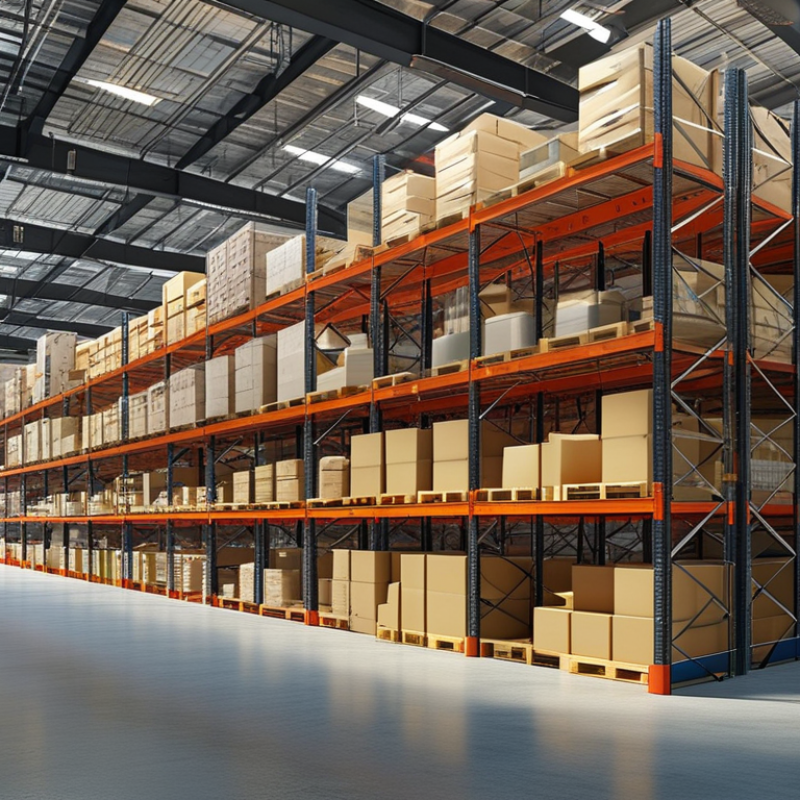
Mezzanine systems are transforming the way warehouses utilize their space. These elevated platforms maximize vertical space, creating additional storage without the need for costly building expansions. They can turn underused areas into functional zones. This feature is especially useful for warehouses facing space constraints.
With mezzanine systems, operations can run more efficiently. Products can be organized on multiple levels, enhancing accessibility. Workers find it easier to navigate the layout. Less time spent searching for items equals improved productivity. However, implementing these systems is not without challenges. Consider safety regulations and load capacities. Ensuring the platform is structurally sound is essential.
Adopting a mezzanine system can introduce unique challenges. Balancing height and weight requirements with functionality needs thought. Maintenance is another aspect often overlooked. Regular inspections are essential to ensure ongoing safety. This reflection is crucial for managers. Transforming warehouse space with mezzanine systems can yield significant benefits, but it also demands careful planning and execution.
Mezzanine storage systems provide significant benefits for warehouses, particularly in inventory management. These systems add extra levels above existing floors, maximizing vertical space. According to the 2022 Warehouse Technology Report, efficient use of vertical space can boost storage capacity by 30-50%. This additional space allows for improved organization and faster inventory retrieval.
Enhancing inventory management comes down to better accessibility. Mezzanine systems facilitate easier visibility of stock, reducing the time spent searching for items. Many warehouses report a 20% increase in picking efficiency after implementing these solutions. Visual inventory management strategies utilize open shelving on these mezzanines, improving decision-making processes for restocking.
**Tip:** Regularly assess your inventory layout. Ensure that the most frequently picked items are easily accessible.
Challenges do arise. Not all warehouses have suitable infrastructure to support mezzanines. Some may need structural reinforcements to ensure safety and compliance. Additionally, it’s essential to train staff on navigating multi-level setups.
**Tip:** Invest in employee training programs. This ensures staff are comfortable and efficient in handling mezzanine setups.
| Benefit | Description | Impact on Inventory Management |
|---|---|---|
| Maximized Storage Space | Utilizes vertical space, allowing for more inventory without expanding the footprint. | Increases capacity, reducing the need for additional warehouses. |
| Improved Accessibility | Facilitates easier access to stored items, minimizing retrieval time. | Enhances picking efficiency, leading to faster order fulfillment. |
| Cost-Effective Solution | Offers a lower cost alternative to traditional expansion methods. | Allows for capital savings that can be invested elsewhere in operations. |
| Flexible Configuration | Can be tailored to accommodate specific inventory types and operations. | Improves inventory organization and reduces errors in handling. |
| Enhanced Safety | Designs often incorporate safety features to protect workers and inventory. | Reduces workplace accidents, promoting a safer environment for employees. |
Mezzanine systems are transforming warehouse operations. These elevated platforms create extra storage space without expanding the physical footprint. By using vertical space, businesses can significantly enhance their warehouse efficiency. The cost efficiency of mezzanine solutions stands out when compared to traditional methods.
Building a new warehouse can be cost-prohibitive. Mezzanine installations offer a smarter solution. They are generally less expensive than constructing an additional building. Companies can save on both construction costs and longer-term operational expenses. Moreover, mezzanines can be customized easily, adapting to specific storage needs over time. Flexibility is a key advantage.
**Tip:** When considering a mezzanine solution, assess your existing space. Understand your inventory needs clearly to maximize the benefits.
However, it's crucial to evaluate safety and compliance issues. Misjudging weight limits or failing to adhere to regulations can lead to potential hazards. Regular inspections and maintenance are essential parts of this process.
**Tip:** Make a checklist for safety compliance. Review it consistently to maintain a safe working environment.
Employing a mezzanine system might require upfront investment. Balancing costs and benefits can lead to long-term savings. Careful planning and execution often yield impressive returns.
This chart illustrates the cost efficiency of mezzanine systems compared to traditional racking methods in warehouses. The data shows a significant reduction in cost per square foot when utilizing mezzanine solutions, making them a more economical choice for maximizing space and budget in warehouse operations.
Mezzanine systems in warehouses significantly enhance workplace safety and accessibility. These elevated platforms create additional storage space without expanding the warehouse's footprint. According to a report by the Warehouse Safety Association, over 25% of workplace injuries are related to improper storage solutions. A well-designed mezzanine can address these hazards by providing clear organization and easy access to items, which reduces the risk of accidents.
The design of mezzanines allows for safer workflows. Employees can quickly reach equipment and supplies without climbing unsafe stacks of boxes. A study indicates that optimized storage solutions can increase efficiency by 30%. This not only improves productivity but also enhances morale among workers. They feel safer and more valued when their work environment prioritizes their well-being.
Accessibility is also improved with mezzanine systems. Stairs and lifts can be incorporated, ensuring everyone can access different levels. However, challenges remain. Proper training on using the structures is vital. Without adequate instruction, even the best designs can lead to accidents. A responsible approach includes regular safety audits. Monitoring compliance with safety protocols is essential for sustaining a safe working environment.
Mezzanine systems are becoming essential for growing warehouses seeking scalability and flexibility. These multi-level platforms can efficiently double available storage space. They allow for greater inventory management without the need for costly renovations or expansions. As warehouses change and evolve, mezzanine systems can easily adapt to new operational needs.
Flexibility is one of the standout features of mezzanine systems. They can be tailored to different kinds of operations, whether it's for light storage, heavy-duty applications, or even office space. This adaptability can lead to mistakes if not planned thoroughly. Overestimating needs can result in wasted space or underutilization, which is a common challenge.
Another advantage is how mezzanine systems support scaling operations. As businesses grow, these systems can be modified or expanded with minimal disruption. This makes them particularly attractive for companies in dynamic markets. However, it's crucial to reassess the effectiveness of the design regularly. Ensuring that the system continues to meet evolving demands requires ongoing evaluation and potential adjustments.
: Mezzanine systems are elevated platforms that maximize vertical space in warehouses.
They create additional storage areas without needing costly building expansions.
Improved accessibility leads to enhanced efficiency and productivity in operations.
Challenges include ensuring structural safety and complying with load capacities.
They provide additional levels for better organization and efficient item retrieval.
They reduce the risk of accidents by enabling clear organization and easy access.
Proper instruction is crucial to prevent accidents when navigating multi-level setups.
Regular inspections are essential to ensure ongoing safety and compliance.
Evaluate infrastructure needs and prepare for potential structural reinforcements.
A safer workspace makes employees feel valued and promotes a positive work environment.
Mezzanine Systems offer significant advantages for warehouse operations, primarily through space optimization. By creating additional levels of storage without the need for expansion, these systems allow warehouses to utilize vertical space effectively, accommodating more inventory while maintaining efficient accessibility. Enhanced inventory management becomes possible as mezzanine storage solutions provide organized spaces for various products, ensuring that items are easily accessible and reducing retrieval times.
Moreover, Mezzanine Systems deliver cost efficiency compared to traditional expansion methods, minimizing construction expenses and downtime. The design of these systems contributes to increased workplace safety, as they can incorporate features such as guardrails and wider staircases for better accessibility. Finally, the scalability and flexibility of mezzanine solutions adapt to the growing needs of warehouses, supporting dynamic inventory levels and business growth without requiring significant structural changes.

Xinyi Racking