How to Choose the Best Vertical Racks for Your Needs

Time:2026-11-05 Author:Madeline
0%

Choosing the right Vertical Racks starts with the work they must do, not the product photo. A rack beside a busy packing bench faces different demands from one storing long steel bars or bulky sheet goods. Measure the actual load, including its shape, weight, and handling method. Check ceiling height, aisle width, floor condition, and equipment clearance. Small details matter.

Industry reports offer useful context, though they cannot choose a rack for your building. MHI’s 2024 Annual Industry Report surveys supply-chain professionals on technology and operational priorities, including automation. CBRE’s 2024 U.S. Industrial & Logistics Figures tracks market conditions such as availability and rents. Together, they reinforce a practical point: warehouse space has value, and storage decisions affect how efficiently teams use it. Neither report replaces a site assessment.

This guide explains how to compare rack types, load ratings, materials, access needs, and installation requirements. It also considers whether a fixed layout or adjustable system better fits changing inventory. Ask suppliers for documented capacity information, installation guidance, and compatibility details for your handling equipment. Verify specifications against real operating conditions. A neat drawing can hide awkward turns, blocked sightlines, or hard-to-reach stock. It happens.

No single configuration suits every operation. The best choice balances safe access, usable capacity, durability, and room for future changes. A little uncertainty is normal; inventory rarely stays perfectly predictable.
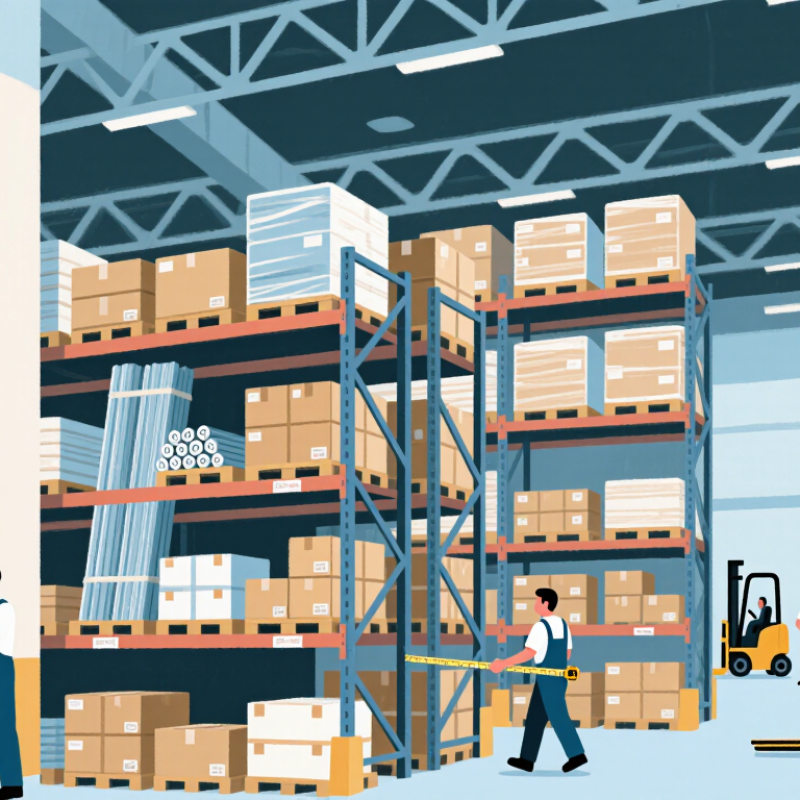
How to Choose the Best Vertical Racks for Your Needs

Understanding Vertical Racks and Their Main Types

Vertical racks store long or flat materials upright, using floor space more efficiently than horizontal shelving. They can hold lumber, sheet goods, pipes, metal bars, or panels, depending on their design. The basic idea is simple. The rack supports materials while keeping them visible and accessible.

Common types serve different loads. Cantilever racks use projecting arms and work well for long items such as pipes or timber. A-frame racks hold boards or panels in angled bays, often allowing access from both sides. Vertical sheet racks use narrow slots to separate plywood, glass, or other flat stock. Some systems rotate, bringing stored materials to the operator, but they need room to move and careful loading. These types are not interchangeable.

Choosing between them starts with the actual materials: measure their length, thickness, weight, and usual quantity. Check each rack’s rated capacity, and confirm that the floor and any required anchors can support the loaded system. Leave enough clearance to remove items without striking nearby equipment. A rack that looks efficient when empty may become awkward once wide panels are stored in it. That detail is easy to miss. Review the layout with the people who will use it, since their handling habits may reveal problems a floor plan cannot.

Assessing Your Storage Needs, Space, and Environment

How to Choose the Best Vertical Racks for Your Needs
Assessing Your Storage Needs, Space, and Environment

Choosing vertical racks starts with what you actually store, not catalog dimensions. List each item’s length, width, height, and weight, including packaging or protective sleeves. Measure the heaviest load, too. Note how often staff retrieve each item and whether one person can handle it safely. A rack that fits every object may still slow daily work if access is awkward.

Measure the room at floor level and at several heights. Pipes, lights, and door tracks often steal usable space. Check ceiling clearance, aisle width, turning space, and the route items take from receiving to storage. Small details matter. Leave room for carts and safe lifting instead of filling every gap. Confirm the floor can support the rack and stored load, and follow the stated capacity.

Environment changes the right choice. Dusty workshops, damp basements, cold rooms, and temperature swings can affect materials and stored goods differently. Consider corrosion resistance, ventilation, cleaning access, and protection from light or moisture. A quick walk-through can miss overhead obstructions; I would recheck the measurements. If conditions vary, ask a qualified supplier or installer to review the layout and load assumptions.

How to Choose the Best Vertical Racks for Your Needs

Assessing Your Storage Needs, Space, and Environment

This illustrative space assessment compares a sample room’s clear ceiling height with the planned rack height, aisle width, and rack depth. Measure your own space, account for sprinkler and lighting clearances, handling equipment, floor loading, and environmental conditions, and confirm all requirements with applicable codes and rack specifications. These example values are not universal standards.

Comparing Rack Materials, Dimensions, and Load Capacity

Choosing a vertical rack starts with the material you store. Steel suits heavy sheet stock and frequent handling; wire shelves improve visibility and airflow for smaller items. In damp work areas, a corrosion-resistant finish may be worth the extra cost. Measure the full load, including packaging, then check rack height, depth, aisle clearance, and ceiling obstructions. A rack that fits the room but blocks access is still the wrong choice.

Capacity is not a single number. The Rack Manufacturers Institute’s ANSI MH16.1-2023 standard treats industrial steel rack capacity as dependent on the rack’s specific design and configuration. Check the rated capacity for each beam level and upright, and confirm that the planned load matches the supplier’s stated conditions. One easy-to-miss detail: unevenly placed stock can create different loading than a uniformly distributed load. The label alone may not tell the whole story.

Tips: Measure your longest and heaviest items, then leave practical clearance for safe loading. Keep a written list of load weights. Recheck it when your inventory changes. A little extra space can save awkward lifting later.

How to Choose the Best Vertical Racks for Your Needs — Comparing Rack Materials, Dimensions, and Load Capacity
Rack Type Common Material Illustrative Planning Dimensions Load Capacity Guidance Best Suited For Key Selection Checks
Wall-mounted vertical lumber rack Powder-coated or galvanized steel arms with steel wall rails About 72 in high; 12–18 in arm projection; rail width depends on the number of storage levels Use the rack maker’s rated capacity for each arm and the complete assembly. Capacity depends on arm spacing, wall construction, anchors, and load distribution. Lumber, trim, molding, and other long, relatively narrow stock Confirm that the wall and anchors can support the loaded rack. Check maximum material length, arm spacing, and whether the rating applies per arm or per rack.
Freestanding vertical sheet-material rack Welded or bolted structural steel; some models use aluminum components Example footprint for planning: about 72 in high × 48 in wide × 24 in deep; slot width should match the stored sheets There is no universal capacity based on material or dimensions alone. Verify the rated capacity per slot and for the entire rack, including any floor anchoring requirements. Plywood, drywall, panels, doors, and other flat sheet goods Measure sheet thickness and size; allow room to insert and remove sheets. Check dividers, base stability, floor loading, and protection against sheets tipping.
Vertical pipe and bar rack Steel frame with steel or reinforced polymer dividers Example planning envelope: about 72 in high × 36 in wide × 24 in deep; compartment dimensions depend on stock diameter and length Check the rated capacity of each compartment and the overall frame. Long or unevenly distributed stock can create leverage and instability even when total weight is below the rack rating. Pipe, conduit, tubing, rods, and similar long materials Match compartment size to the largest stock diameter. Use end stops or dividers as designed, and secure the unit if required by its installation instructions.
Heavy-duty cantilever rack used vertically Structural steel columns and arms Column height and arm length are selected for the goods; common designs are configured to order rather than to one standard size Use the manufacturer’s load chart for the exact column, arm length, number of levels, and loading pattern. Arm and column ratings may differ. Heavy long goods such as metal sections, large timbers, and bundled stock Check load per arm, per column, and per rack; base and anchor requirements; maximum stock length; and whether the load is centered or offset.
Light-duty wooden storage rack Solid timber or plywood components with suitable fasteners Dimensions are commonly built to fit the available space and stored materials; determine shelf or divider depth from the load Do not assume a capacity from the wood type alone. Capacity varies with lumber grade, member size, span, joints, fasteners, moisture, and support conditions. Light workshop stock, small panels, or occasional-use storage Inspect for splitting, warping, loose joints, and moisture damage. For heavy or valuable loads, choose a rack with a documented rating.

Important: Dimensions above are illustrative planning measurements, not product specifications. Always follow the exact rack manufacturer’s installation instructions and posted load rating. Keep loads within the rated limits, distribute weight as instructed, and secure racks against tipping where required. One inch equals 25.4 mm.

Evaluating Safety, Accessibility, and Installation Requirements

How to Choose the Best Vertical Racks for Your Needs
Evaluating Safety, Accessibility, and Installation Requirements

Safety starts with the loads you actually store, not an idealized estimate. Check each rack’s rated capacity and compare it with the weight and dimensions of your materials. Long items can shift or extend beyond the supports, so plan for secure contact points. Small details matter. Keep heavier goods lower when the rack design allows, and avoid loading damaged or visibly unstable components. A rating is useful only when the rack is assembled and used as specified.

Accessibility affects both picking speed and daily handling. Measure the longest items, then leave enough room to remove them without striking nearby racks, walls, or lights. Consider who will retrieve the materials and whether they can reach safely without stretching or climbing. A layout that looks compact on paper may feel awkward in use. It is worth marking the rack footprint on the floor and testing the path with a sample item before committing.

Installation requirements deserve equal attention. Confirm that the floor is level and suitable for the expected load, and follow the supplied instructions for anchoring and assembly. Check ceiling height, doorways, and access for installation tools. If the floor condition or structural capacity is uncertain, ask a qualified professional to assess it rather than guessing. I would recheck clearances after installation, too; measurements can be right while real movement still feels tight.

Selecting a Rack and Planning for Ongoing Maintenance

A useful vertical rack should fit the materials you handle every day, not just the space available on a floor plan. Measure the longest items, their weight, and how often staff need to retrieve them. Compare those figures with the rack’s rated capacity and the manufacturer’s installation instructions. Measure twice. Leave enough room for safe loading and clear walkways; a rack that fits tightly may be awkward to use.

Check floor condition, ceiling height, and whether the unit requires anchoring. If stored items vary in length, adjustable dividers can reduce shifting, but they still need to be positioned securely. Watch a normal work shift before settling on a layout. The first plan may look efficient and still slow people down. That is worth reconsidering.

Maintenance should be scheduled, not left to chance. Set a recurring inspection and check for bent supports, loose fasteners, damaged surfaces, or signs of movement. Confirm that labels showing load limits remain readable, and keep heavy items within the rack’s specified capacity. Report damage promptly and restrict use of affected sections until a qualified person has assessed them. Small details matter. Keep a simple inspection log with dates, observations, and repairs; photographs can help track changes over time. Revisit the arrangement when inventory or handling routines change, since yesterday’s safe setup may no longer suit today’s workload.

FAQS

What materials can vertical racks store?

They can hold lumber, pipes, metal bars, plywood, glass, and other long or flat materials.

How does a cantilever rack differ from an A-frame rack?

Cantilever racks use projecting arms for long items like pipes. A-frame racks hold boards or panels in angled bays.

What measurements should I take before choosing a rack?

Measure item length, thickness, weight, and typical quantity. Include the longest board, not just the average one.

How much clearance should a vertical rack have?

Leave room to load and remove materials without hitting nearby equipment. Keep walkways clear; a tight layout may be awkward.

Do vertical racks need floor anchors?

Some systems require anchoring. Check the installation instructions, floor condition, ceiling height, and loaded capacity.

How can adjustable dividers help with mixed-size materials?

They can reduce shifting when item lengths vary. Position them securely, though. That detail is easy to overlook.

What should routine rack inspections include?

Look for bent supports, loose fasteners, damaged surfaces, or signs of movement. Check that load-limit labels remain readable.

What should staff do if part of a rack appears damaged?

Report it promptly and restrict use of the affected section until a qualified person assesses it. Keep dated inspection notes and photos.

When should a rack layout be reconsidered?

Revisit it when inventory or handling routines change. A plan can look efficient, yet slow people down during a busy shift.

Conclusion

Choosing the right Vertical Racks begins with understanding the main rack types and how each one supports different storage needs. Consider what you plan to store, how often items must be accessed, and the amount of floor and ceiling space available. The surrounding environment also matters: factors such as moisture, temperature, and exposure to dust can affect which materials are suitable and how long a rack will last.

Compare rack dimensions, materials, and load capacity with the size and weight of your items, allowing for safe, practical storage. Before making a choice, check stability, accessibility, and installation requirements, including whether the rack needs secure anchoring or professional assembly. A well-matched rack should fit your space without obstructing movement and make stored items easy to reach. Finally, plan for routine inspections and maintenance to help keep the rack in good condition and ensure it continues to meet your needs.

Madeline

Madeline

Madeline is a dedicated marketing professional with a wealth of expertise in our company's core offerings. With a keen understanding of the industry, she brings a unique perspective to her role, consistently delivering high-quality content that highlights the superior aspects of our products. As......