Choosing the right Carton Flow Storage system can change how quickly, safely, and accurately a warehouse serves customers. It is not simply a matter of filling empty rack space. Product dimensions, order frequency, replenishment routes, carton weight, and worker reach all shape the decision. A fast-moving beverage carton needs different treatment from a slow-moving spare part.
Industry evidence supports a careful approach. The MHI 2024 Annual Industry Report surveyed more than 1,100 supply chain professionals. It found that 55% planned to increase technology investment over the next two years. This figure reflects growing pressure to improve throughput and resilience. However, automation alone does not solve poor slotting or unclear replenishment rules. The 2023 Zebra Warehousing Study also reported that many warehouse leaders expect greater use of automation and scanning technologies by 2028. Carton Flow Storage can support these goals, but only when its design matches actual workflows.
Walk the picking aisle.
Watch the operator.
A practical evaluation should measure travel distance, picks per hour, replenishment time, carton presentation, and ergonomic strain. A 2.4-meter lane may appear efficient, yet it can create awkward replenishment if stock arrives from the opposite side. Likewise, inclined rollers may improve carton movement, but incorrect carton dimensions can cause jams and product damage. This guide examines lane depth, FIFO suitability, load capacity, modularity, maintenance, and total cost. It also questions a common assumption: the densest storage layout is not always the most productive one. Reliable decisions require warehouse data, staff experience, supplier specifications, and a willingness to revise the plan after real-world testing.
Carton Flow Storage: How It Works and How to Choose It
What Is Carton Flow Storage and How Does It Work?
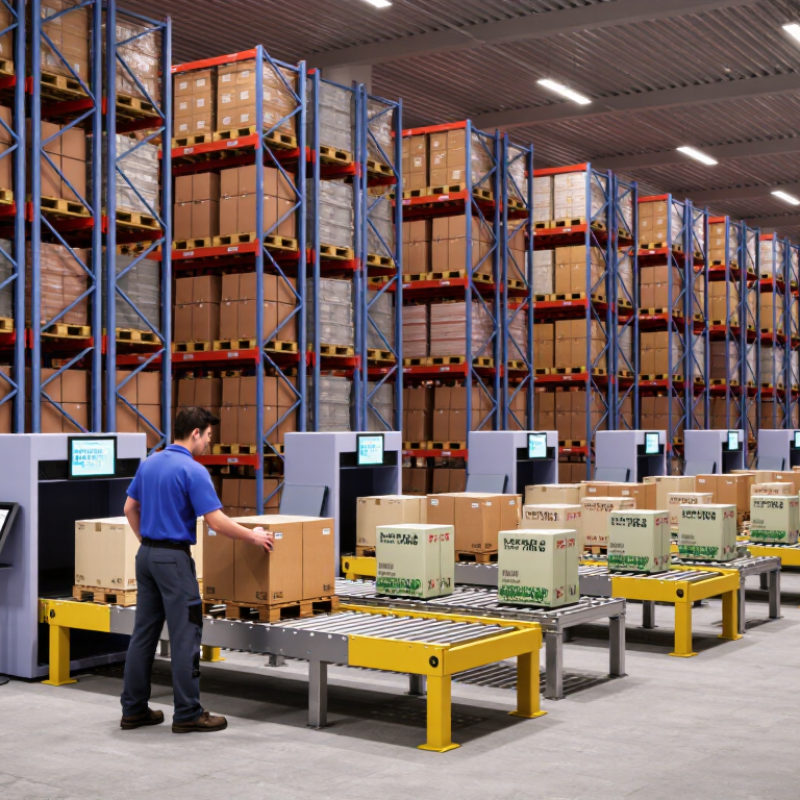
Carton flow storage uses inclined roller or wheel tracks inside a rack frame. Workers load cartons from the rear, then pick them from the front. Gravity moves each carton gently toward the picking face. A lane usually follows the first-in, first-out principle. This helps keep dated goods visible and reduces unnecessary reaching. It also separates replenishment from order picking, which can make busy aisles calmer.
The system works best with cartons that have stable bases and predictable dimensions. A brake roller or lane divider can control movement when boxes are heavy. Clear labels help operators identify each SKU without opening cartons. During a site review, measure carton width, depth, height, and weight across real product samples. Do not rely on one “average” box. That shortcut often causes jams.
Choose lane depth according to daily demand, replenishment frequency, and available floor space. High-volume items may need wider lanes or several facing positions. Slow movers can use narrower channels. Check picking height, aisle clearance, and maintenance access. Test a loaded lane before installation. Some cartons slide beautifully when empty but stop when fully packed. That detail is easy to miss. Inspect rollers regularly, remove damaged packaging, and adjust dividers as products change. Warehouse demand rarely stays still.
Assess the physical space before selecting carton flow storage. Measure clear height, aisle width, column positions, and door locations. A rack may fit on paper but block a turning forklift. Leave room for safe replenishment and daily movement. Do not measure only the empty floor. Observe the busiest shift.
Review your inventory by carton size, weight, and picking frequency. Fast-moving items should sit between waist and shoulder height. Slower products can use higher or less accessible lanes. Cartons must move smoothly without tipping or jamming. Test several carton samples, including damaged or partly filled boxes. Small differences matter. A lane designed for one carton depth may waste space when packaging changes.
Study the actual workflow from receiving to shipping. Place replenishment access away from the main picking path whenever possible. Track how often workers bend, reach, turn, and walk for each order. These details reveal hidden labor costs. I once saw a storage layout reduce walking distance but create frequent cross-traffic. The design looked efficient. It was not. Review seasonal demand, product substitutions, and future SKU growth before fixing lane widths. A simple trial section can expose problems early. Record pick times for several days, then adjust the layout based on evidence rather than assumptions.
Choosing carton flow storage starts with the product, not the rack. Measure carton width, weight, case stiffness, and daily movement. A shallow carton may stop on a roller track. A soft package may deform under pressure. Match lane depth to the fastest-selling stock, while slower items can use deeper lanes. Test real cartons, not empty samples. That small detail matters.
Picking style changes the required features. For single-item picking, smooth rollers and clear labels reduce reaching and searching. For case picking, stronger tracks and adjustable dividers prevent cartons from drifting. High-volume zones may need replenishment from the rear, keeping pickers on one side. Keep popular items between waist and shoulder height. Short travel helps. However, fixed slotting is not always efficient. Seasonal demand can make yesterday’s layout awkward.
In a working warehouse, inspect lane performance during a busy shift. Watch for carton collisions, gaps, and labels hidden by front stock. Use stop guides, brakes, or separators when product behavior demands control. A pilot lane with actual staff often reveals more than a spreadsheet. I have seen teams over-specify every lane, increasing cost without improving picks. The better approach is measured adjustment: record errors, observe fatigue, and revise spacing. A perfect setup rarely appears on the first attempt.
Match carton flow features to product and picking needs by comparing typical operating profiles. Higher pick frequency favors easy-access lanes and frequent replenishment, while heavier cartons require stronger lane capacity and controlled flow.
The example profiles use practical warehouse measurements: average picks per SKU per day, carton weight, carton height, and replenishment frequency. Use your own SKU and order data to validate the final carton flow configuration.
Carton flow storage should be judged beyond its purchase price. Installation time matters when every shutdown affects order fulfillment. Choose modular frames, adjustable lanes, and clear load ratings. A system that fits existing rack bays usually reduces cutting, drilling, and labor hours. MHI’s 2024 Annual Industry Report found that 55% of supply chain leaders planned to increase technology investment. That spending still needs practical control.
Safety deserves daily attention. OSHA guidance highlights housekeeping, stable storage, clear aisles, and routine equipment inspections. Use front-facing flow lanes to reduce reaching and twisting. Add lane dividers when cartons slide unpredictably. Heavier cartons belong on lower levels. Small mistakes become expensive. Durability depends on roller quality, frame thickness, wheel spacing, and actual carton weight. Test the heaviest package, not the average one. In humid or dusty areas, inspect bearings and rails more frequently. A cheaper system may create higher replacement costs, though this is often missed during purchasing.
Tips: Measure carton dimensions across several weeks. Review peak-season weights. Ask installers for a maintenance schedule and spare-part lead times. Compare labor savings with cleaning, repairs, and replenishment costs. Include a pilot lane before expanding. It may reveal awkward carton movement that drawings cannot show. Record picking time before and after installation, using the same order profile. Reliability improves when supervisors and operators both review the results.
Choosing carton flow storage should begin with tomorrow’s workload, not today’s empty space. Measure carton dimensions, product weight, order frequency, and replenishment paths. These details determine lane depth, roller strength, and shelf spacing. A system that fits only current cartons may become restrictive after one product redesign.
Leave room for growth. A practical plan may reserve 15 to 25 percent of the rack area for new stock keeping units. Keep fast-moving items near the picking face and place slower products in less accessible positions. Adjustable dividers can support changing carton sizes, but they do not solve every problem. Oversized cartons may still require separate shelving.
I have seen warehouses lose efficiency when replenishment aisles are too narrow. Workers then wait for access, even when picking lanes are available. Check turning space for carts, walking routes, lighting, and floor conditions before installation. Calculate expected order lines for three to five years, then test the layout during a busy shift. The result may reveal an uncomfortable truth: maximum storage density is not always maximum productivity. Review the plan with pickers and maintenance staff. Their practical objections often expose risks that drawings miss.
Measure clear height, aisle width, column positions, door locations, and turning space. Empty-floor measurements can mislead.
Review carton size, weight, depth, and picking frequency. Test full, partly filled, and damaged cartons.
Keep them between waist and shoulder height near the picking face. This can reduce bending and reaching.
Consider reserving 15 to 25 percent of rack space for new stock keeping units. Growth rarely stays predictable.
Check whether cartons roll smoothly without tipping. Test packaging variations because small size changes can stop movement.
Separate routes can reduce cross-traffic and waiting. Narrow access creates delays, even when picking lanes are available.
Watch workers bend, reach, turn, and walk during the busiest shift. Drawings often miss these small movements.
Build a small trial section and record pick times for several days. The result may challenge the original plan.
No. Dense storage may slow replenishment, increase walking, or create unsafe traffic. More capacity is not always better.
Ask pickers and maintenance staff to inspect it. Their objections may reveal practical problems. I would still revise it after testing.
Carton Flow Storage is a dynamic shelving solution designed to improve product organization, picking speed, and inventory visibility. Using inclined lanes with rollers or wheels, cartons move forward automatically as items are removed, allowing workers to load products from the rear and pick them from the front. Before selecting a system, warehouse managers should evaluate available space, inventory sizes, product turnover, and current workflow to determine the most suitable layout and lane configuration.
The right solution should match product weight, carton dimensions, picking frequency, and replenishment methods. It is also important to compare installation requirements, safety features, structural durability, maintenance needs, and total operating costs. A well-planned Carton Flow Storage system should support efficient daily operations while remaining flexible enough for changes in product volume, inventory variety, and warehouse growth. Proper planning can improve space utilization, reduce unnecessary movement, and create a safer, more productive picking environment.

Xinyi Racking