Choosing Steel Containers for global shipping is not simply a matter of comparing prices and dimensions. The right unit must protect cargo through port handling, ocean spray, temperature changes, and repeated lifting. In practice, small details matter. A bent corner casting, weak door seal, or rusty floor can create delays and unexpected repair costs. Experienced shippers inspect welds, locking bars, ventilation points, and payload ratings before booking. They also confirm internal length, width, and height against the actual cargo, including pallets and protective packaging. A few centimeters can change the loading plan.
Reliable selection also depends on documented standards and route-specific requirements. Buyers should review the container’s identification plate, inspection records, and applicable CSC safety approval with qualified suppliers. Carrier acceptance, port procedures, and destination conditions can differ, so one checklist may not fit every route. Weathering steel resists corrosion, but it is not maintenance-free. Salt air, standing water, and abrasive cargo can still damage surfaces over time. A careful plan includes pre-shipment photographs, weight verification, secure lashing, and a realistic maintenance budget. These steps support traceability when something goes wrong. No container is perfect. Even experienced teams can overlook a hidden floor defect or underestimate unloading equipment. This guide examines how to balance cost, condition, cargo sensitivity, route risk, and supplier credibility before making a dependable choice.
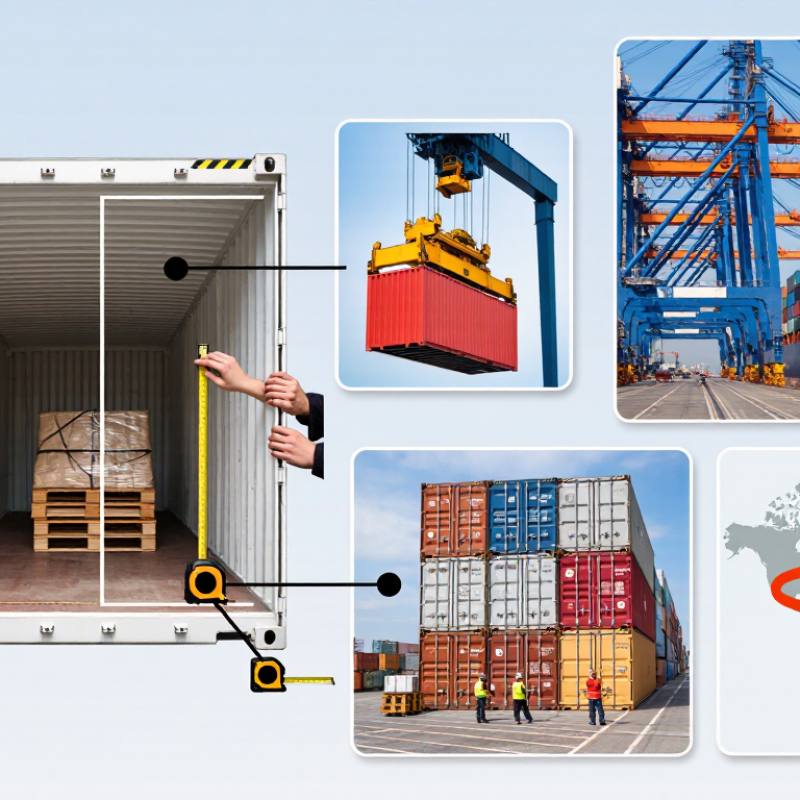
How to Choose Steel Containers for Global Shipping?
Define Shipping Requirements and Container Use Cases
Container selection should begin with the cargo, route, and handling process. A steel container for machinery needs different protection than one for packaged food or moisture-sensitive components. List the cargo’s weight, dimensions, center of gravity, loading method, and expected transit time. Do not estimate loosely. A few centimeters can change the required container type.
UNCTAD’s Review of Maritime Transport 2023 reports that over 80% of global merchandise trade by volume moves by sea. This makes salt air, condensation, port transfers, and repeated lifting practical concerns. For long ocean routes, inspect door seals, corner castings, floor condition, and internal corrosion. ISO 668 provides standardized external dimensions, while the CSC framework supports safety checks for international transport. Standards help, but they do not replace a physical inspection.
Think about the full use case. A standard dry container may suit palletized cargo with stable dimensions. Oversized equipment may require an open-top or flat-rack design. Ventilated cargo needs airflow, but ventilation alone cannot solve poor packaging. The World Bank Logistics Performance Index 2023 evaluates customs, infrastructure, shipment arrangements, and timeliness. These factors affect container planning because delays can expose cargo to heat and humidity longer than expected.
Leave room for doubt. A “weatherproof” container is not automatically moisture-proof. Photograph the container before loading, record its identification details, and use desiccants when the cargo allows. I would also test the loading plan with a simple scale drawing. It feels slow, yet rushed loading often creates the costliest damage.
Start with the cargo, route, and handling process. Record weight, dimensions, center of gravity, loading method, and transit time. Measure carefully. A few centimeters may change the required container type.
Standard dry containers suit stable pallets and general machinery. High-cube units provide extra height for bulky, lightweight goods. Open-top units suit tall cargo loaded by crane, while flat racks support oversized equipment. Ventilation helps airflow, but it cannot repair weak packaging.
Compare steel grade, weld quality, floor strength, corner posts, and coating condition. Galvanized steel may help in humid environments, while weathering steel suits ordinary ocean exposure. Neither removes the need for inspection. Salt, damaged paint, and trapped moisture still cause corrosion.
Inspect door seals, roof seams, floor edges, and internal surfaces before loading. Use desiccants when the cargo and packaging allow them. A weather-resistant container is not automatically moisture-proof. Photograph the interior and seal area before closing the doors.
Compare internal dimensions with cargo dimensions, packaging, door clearance, and lashing space. Check payload, tare weight, and lifting limits. Do not choose the largest unit automatically. Empty space can let cargo move during handling.
Verify standardized dimensions, maximum gross mass, structural markings, inspection status, and safety approval records. Review repair history and current carrier requirements. A clean exterior can mislead. The paperwork must match the cargo, packaging, labels, and route.
Spread weight evenly and keep the center of gravity low. Use suitable forklifts, approved lifting points, and correctly rated securing equipment. Inspect twistlocks, lashing points, hinges, and locking rods. Never trust damaged fittings.
Recheck container numbers, seals, locking bars, documents, and photographs before departure. Consider road axle limits and terminal lifting limits for every transport leg. A small mismatch can delay cargo for days. I sometimes skip photos when schedules tighten, and that is a poor habit.
Choosing the right Steel Containers for global shipping begins with clearly defining the cargo type, shipment volume, loading frequency, route, and environmental conditions. These requirements help determine the most suitable container size, configuration, door arrangement, ventilation, insulation, and internal layout. Comparing steel grades is also important, as material strength, corrosion resistance, and structural design directly affect service life and cargo protection. Buyers should evaluate payload capacity, stacking performance, weather resistance, locking systems, and other protective features to ensure reliable use during handling and transit.
Before making a decision, confirm that the containers support standard lifting, loading, securing, and transport methods used across international supply chains. Review applicable transport requirements, inspection records, dimensions, tare weight, and maintenance history. A complete cost assessment should include purchase or rental price, transportation, storage, repairs, and long-term operating expenses. Finally, inspect workmanship, weld quality, door seals, floors, and identification details, then select a dependable supplier that provides consistent quality, clear documentation, responsive service, and practical after-sales support.

 Xinyi Racking