Choosing Wire Shelving is not just a question of finding a rack that fits. It is about matching capacity, environment, and access to the work your shelves must do. A pantry may need narrow, easy-to-clean tiers; a stockroom may need deeper shelves that hold labeled cartons without sagging. Small differences matter.
Industry reports offer useful context, but they are not load ratings. Grand View Research’s warehouse racking market analysis tracks demand as storage operations evolve, while MHI’s Annual Industry Report explores pressures shaping supply chains and facilities. These reports help explain why adaptable storage attracts attention. They cannot tell you whether a particular shelf will safely support your equipment. For that, check the manufacturer’s published capacity, the load per shelf, and whether the rating assumes evenly distributed weight. A box stacked at one corner changes the picture.
Fit the shelf to the space. Then fit it to the load. Check wire spacing, finish, caster ratings, and how often workers will adjust the tiers. Moisture, dust, and frequent cleaning can influence material choice. There is no universal best option. That is worth admitting.
MHI CEO John Paxton has publicly emphasized supply-chain resilience, a useful reminder that storage choices should support changing operations. This is a paraphrase, not a verified verbatim quotation about Wire Shelving. Before buying, compare real product specifications with the task at hand. A tidy-looking shelf is not automatically the right one.
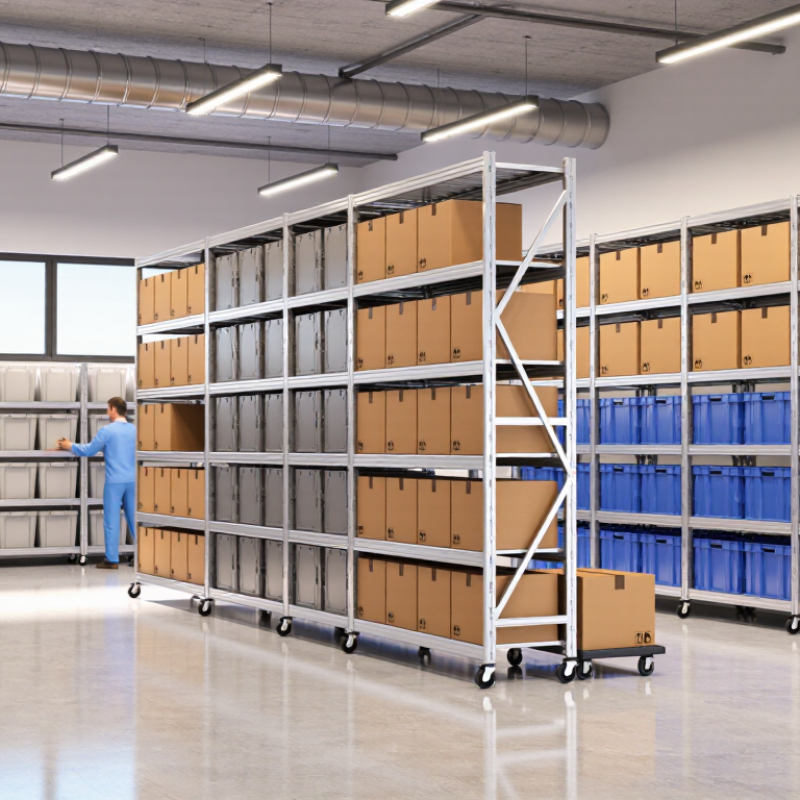
Start with what you actually need to store, not the shelf dimensions in a product listing. Measure the tallest carton, widest bin, and heaviest item you expect to place on each level. Leave room to lift items out without scraping knuckles. Small details matter. If you store cleaning bottles, for example, include their handles and any trays beneath them. Check the stated load capacity for each shelf, and plan to distribute weight evenly. Ratings vary by design, so confirm the manufacturer’s specifications rather than guessing.
Measure the available space at floor level and at shelf height; pipes, trim, and sloping ceilings can reduce usable room. Note door swings, nearby appliances, and the width of the aisle you need to reach stored items. A shelf may fit on paper but block a drawer in daily use. I’ve found it helpful to mark the proposed footprint with painter’s tape before ordering. It takes a few minutes. Still, tape can’t show every awkward reach, so think through how often you’ll use each item. Adjustable shelves help when storage changes, though I tend to underestimate how much clearance bulky items need. Open wire shelves allow airflow, but small parts may need bins or liners.
Chrome-plated steel is a common choice for dry closets, pantries, and storerooms. It has a bright finish and is usually easy to wipe clean. However, scratches can expose the steel beneath the plating, so frequent moisture may lead to rust. Keep it dry. For a laundry area or garage, inspect the finish for chips after installation.
Epoxy-coated steel adds a protective layer and often comes in darker colors. It can suit damp spaces better than basic chrome, but coating quality matters: a deep scratch may leave the metal vulnerable. Stainless steel resists rust more reliably, making it useful near sinks or in humid rooms. It generally costs more, and “stainless” does not mean stain-proof under every condition. A quick wipe still helps.
Material is only part of the decision. Compare each shelf’s stated load capacity, and check whether that rating applies to evenly distributed weight. A stack of books creates a different load pattern from several light storage bins. I once thought a shiny finish signaled better durability; that was an unreliable shortcut. Look closely at joints, welds, and cut ends, where wear may show first. If the shelf will hold small objects, a fitted liner can prevent items from tipping through the wires, though liners may trap dust or moisture underneath.
Measure the space before comparing wire shelving sizes. Record width, depth, and height, then check doorways, pipes, and nearby equipment. A unit’s outside dimensions may differ from its usable shelf area. Leave room to reach items without scraping knuckles against a wall. A few centimeters can matter.
Estimate the weight each shelf will hold, not just the total weight of the unit. Canned goods, toolboxes, and liquid containers add up quickly. Check whether the stated capacity applies to one shelf or the entire rack, and whether it assumes evenly distributed weight. A concentrated load, such as a heavy machine part in one corner, may strain the shelf more than several lighter items spread across it. Keep heavier objects low, and allow a sensible margin rather than planning right up to the stated limit.
Consider what will actually sit on the shelves. Measure storage bins, not just the items inside them, and check whether the shelf spacing can adjust to fit. Sketching the layout can reveal awkward gaps before installation. It is easy to focus on maximum capacity and overlook access; a shelf that technically fits may still be frustrating if you cannot slide a container out cleanly.
| Shelf Width × Depth | Approximate Dimensions | Typical Use | Example Capacity per Shelf | Good Fit When You Need |
|---|---|---|---|---|
| 24 × 14 in | 61 × 36 cm | Compact storage, pantry items, or small containers | Up to 300 lb (136 kg) | A narrow footprint for light-to-medium items |
| 36 × 18 in | 91 × 46 cm | General-purpose household or stockroom storage | Up to 500 lb (227 kg) | A balance of usable space and manageable shelf span |
| 36 × 24 in | 91 × 61 cm | Storage bins, kitchen supplies, or larger equipment | Up to 600 lb (272 kg) | More front-to-back space for bulky items |
| 48 × 18 in | 122 × 46 cm | Retail backrooms, garages, and utility rooms | Up to 500 lb (227 kg) | A longer shelf with a relatively shallow depth |
| 48 × 24 in | 122 × 61 cm | Warehousing, workshops, and larger storage bins | Up to 600 lb (272 kg) | A wide, deep shelf for heavier, evenly distributed loads |
| 60 × 24 in | 152 × 61 cm | Bulky supplies or long items in open storage areas | Up to 600 lb (272 kg) | Extra width, provided the shelf rating supports the load |
Capacity note: These figures are illustrative examples of possible shelf ratings, not universal specifications. Actual capacity depends on the shelving system, materials, connectors, and setup. Ratings generally assume a static load distributed evenly across the shelf; always follow the manufacturer’s stated limits and account for the total load on the unit.
Choose a configuration around the items you actually store, not an idealized list. Measure the floor space, doorway, and tallest container before selecting shelf width and height. A narrow unit may fit beside a workbench, while wider shelves can hold bulky bins without stacking them precariously. For frequently used supplies, keep everyday items between waist and eye level. Check the stated capacity for each shelf, and spread heavy objects evenly. Measure twice. It is easy to overlook a baseboard or a low ceiling.
Accessories should solve a specific problem. Shelf liners help steady small jars and protect items from wire marks; dividers keep trays or folders upright. Hooks can hold lightweight tools along the sides, while label holders make shared storage easier to navigate. In damp or wash-down areas, choose materials and finishes suited to that environment, and avoid assuming every coating handles moisture equally well. Casters are useful when shelves need to move for cleaning, but confirm their load rating and lock them before loading or unloading. A less obvious choice may be the best one: fixed feet often provide steadier storage. Reconsider the setup after a week of use; the items you reach for most may not end up where you expected.
Select a configuration and useful accessories by matching shelf depth to the items you plan to store.
These are common planning depths, not fixed rules: 12 inches suits compact items, 18 inches works for general storage, and 24 inches provides room for bulkier items. Check the product’s available sizes and load rating, allow enough aisle clearance, and consider shelf liners, dividers, or baskets to keep smaller items organized.
How to Choose the Right Wire Shelving for Your Needs?
Review Assembly, Safety, and Maintenance Needs
Assembly should fit the space and the people who will build the unit. Check the shelf dimensions, ceiling clearance, and whether tools are required. A rubber mallet may help seat the posts, but forcing a connector can bend it. Keep the instructions nearby. That helps.
Safety depends on more than the listed weight capacity. Confirm the rating for each shelf, then spread items evenly instead of stacking heavy boxes at one corner. On uneven floors, adjustable feet can reduce wobbling. If the unit has casters, lock them before loading or unloading. Tall shelving may need wall anchoring, following the supplied instructions. Small details count.
Maintenance is simple, but easy to put off. Wipe spills promptly, especially near joints where grime can collect. During routine checks, look for loose sleeves, bent wires, rust, or movement when the shelves are loaded. Remove stored items before tightening or adjusting components. Not every wobble means the shelving is defective; an uneven floor or overloaded shelf may be the cause. Still, guessing is not a good repair plan. Compare the setup with the instructions, and replace damaged parts rather than relying on a quick fix.
Measure your tallest carton, widest bin, and heaviest item. Check floor space, shelf height, door swings, and nearby pipes. Measure twice.
Mark its footprint with painter’s tape. Then check whether drawers open and the aisle stays clear. Tape won’t show every awkward reach.
Keep frequently used supplies between waist and eye level. Spread heavy objects evenly across each shelf, and check its stated capacity.
They help when storage needs change. Leave extra clearance for bulky bins; I often underestimate how much room they need.
Liners steady small jars, while dividers keep trays upright. Hooks can hold lightweight tools, and label holders help shared storage.
Casters help when shelves must move for cleaning. Check their load rating and lock them before loading or unloading. Fixed feet may feel steadier.
Follow the assembly instructions, and don’t force connectors into place. Use adjustable feet on uneven floors. Tall units may need wall anchoring as instructed.
Wipe spills promptly, especially around joints. Check for loose sleeves, bent wires, rust, or movement. Remove stored items before adjusting parts.
Check the floor, shelf load, and assembly instructions before making repairs. Replace damaged parts instead of relying on a quick fix. Don’t guess.
Choosing the right Wire Shelving starts with understanding what you need to store and measuring the available space. Consider the size, weight, and quantity of your items, along with where the shelving will be used. Compare materials and finishes to find an option suited to the environment, such as a dry room or a space where moisture may be present.
Next, check shelf dimensions and weight capacity to ensure the unit can hold your items safely. Choose a configuration that fits your layout, and consider useful accessories such as dividers or shelf liners. Before making a decision, review how the shelving is assembled, whether it needs to be secured for stability, and what routine cleaning or maintenance it requires. These factors can help you select a practical, durable setup that makes efficient use of your space.

Xinyi Racking