In the dynamic landscape of data storage, multi-tier storage solutions have emerged as a crucial strategy for global businesses. With a projected market growth of 23% annually, the demand for innovative storage options is rising. Multi-tier storage effectively combines different storage types to optimize performance and cost, catering to both short-term access needs and long-term archival requirements.
Data show that organizations implementing multi-tier solutions can reduce data retrieval costs by up to 40%. This approach enables companies to adjust their storage strategy based on data value and access frequency. However, some businesses still struggle with determining the most effective tiering strategy, reflecting a common challenge in the industry.
Despite the clear benefits of multi-tier storage, not all solutions are created equal. Companies must analyze their unique data flows and access patterns to achieve optimal performance. Comprehensive understanding and careful selection are essential to enhance both efficiency and return on investment.
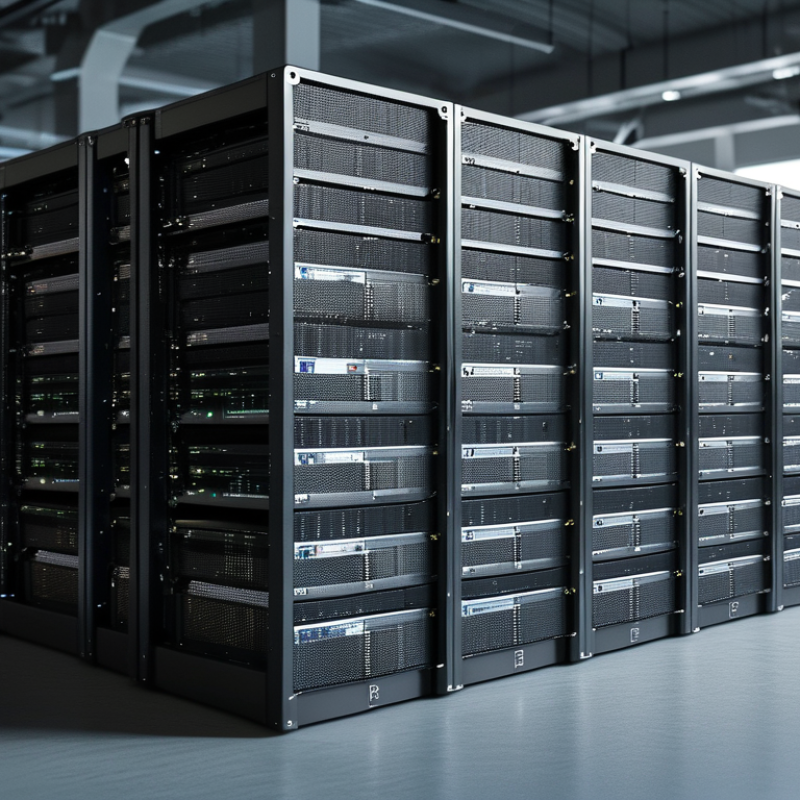
Top Multi-tier Storage Solutions for Global Buyers
Multi-tier storage solutions have become vital for organizations worldwide. These systems provide a structured approach to data management. They combine different storage types, ensuring efficiency and cost-effectiveness. A well-designed multi-tier system often includes options like flash storage, hard drives, and cloud solutions.
Businesses confront challenges when choosing the right configuration. Each type of storage comes with unique strengths and weaknesses. Careful analysis is essential to achieve the desired balance. For instance, flash storage offers speed but can be costly. On the other hand, traditional hard drives are more affordable but slower. The complexity of integrating these systems is another hurdle. Stakeholders must consider scalability and accessibility.
Moreover, aligning storage solutions with organizational needs is crucial. It requires ongoing evaluation and adjustments. A set-it-and-forget-it approach is unrealistic. Regular monitoring of performance indicators and costs is necessary. Users might find some tiers underperforming over time. Thus, adaptability remains a key virtue in the evolving landscape of data storage.
Overview of Multi-tier Storage Solutions in the Current Market
The current landscape of multi-tier storage solutions is evolving rapidly. These systems are designed to optimize data management across different storage media. A recent report by Gartner highlights that organizations can see up to 30% cost savings by implementing tiered storage. This efficiency comes from intelligently moving data based on access patterns and latency requirements.
Moreover, an IDC survey indicates that nearly 60% of enterprises are currently using or planning to adopt multi-tier storage strategies. Key drivers include increasing data volumes and the rising need for fast access to critical data. Multi-tier systems provide flexibility, allowing businesses to balance between speed and cost. However, many companies still face challenges in properly configuring these systems.
Despite the benefits, a significant number of organizations notice that their tiered storage becomes complex over time. Mismanagement can lead to data sprawl and inefficiencies. Regular assessments are crucial to ensure that tiers remain relevant to changing data usage patterns. Continuous optimization of storage solutions is necessary for maximum effectiveness in today's fast-paced digital environment.
Top Multi-tier Storage Solutions for Global Buyers
This chart illustrates the market share of different types of multi-tier storage solutions in the current market based on capacity utilization and performance metrics.
Key Benefits of Multi-tier Storage: Cost Efficiency and Performance
Multi-tier storage solutions are transforming how organizations manage their data. Cost efficiency is a significant advantage of using such systems. By categorizing data based on access frequency, businesses can save money. Frequently accessed data can be placed in faster, more expensive storage. Less critical data can reside in more economical options. This strategy reduces overall storage costs while ensuring essential data remains readily available.
Performance is another critical benefit of multi-tier storage. Different data types require varying access speeds. Real-time analytics and applications demand high performance. With multi-tier solutions, businesses can achieve optimal performance tailored to their specific needs. However, these systems can complicate data management. Keeping track of where each data type resides requires careful planning and organization.
Despite the advantages, there are challenges to consider. Integration with existing infrastructure can be complex. Some companies may struggle with implementation. Employee training is also vital to ensure effective use. An effective multi-tier storage strategy needs continuous evaluation. Businesses should regularly assess their data needs and refine their storage approach.
Leading Providers by Market Share in Multi-tier Storage Solutions
Multi-tier storage solutions have emerged as a vital component for businesses seeking to optimize data management. These systems allow organizations to store data on various tiers, balancing performance with cost. While high-performance SSDs serve immediate needs, slower HDDs offer cost-effective storage for archived data. Many global buyers are now recognizing the importance of these sophisticated solutions.
The market for multi-tier storage is competitive, with several leading providers vying for dominance. Each provider has carved out specific strengths, offering unique features tailored to different business requirements. Understanding the landscape is crucial for buyers who aim to make informed decisions. However, choosing the right solution can be overwhelming. Buyers need to analyze their data usage patterns carefully. A misstep in selecting a provider may lead to inefficiencies and increased costs.
It's essential to consider not just the brand, but also the underlying technology. The reliability and scalability of the systems are key factors in their effectiveness. By evaluating options based on proven performance and user feedback, companies can mitigate risks. Staying informed about market trends will empower organizations to adapt as storage needs evolve.
Comparative Analysis of Tiered Storage Technologies and Architectures
In the realm of data management, multi-tier storage solutions offer a structured approach. This strategy ranks storage types by speed, cost, and access frequency. Modern architectures combine cloud, on-premises, and hybrid models. It’s crucial to understand how each tier plays a role in your overall strategy.
When analyzing tiered storage technologies, consider their scalability. Systems must adapt to growing data needs. Remember, data access patterns are not static. Striking the right balance between performance and cost is essential. Some configurations may become inefficient as user demands shift.
Tips: Keep an eye on storage performance metrics. These can indicate when upgrades are necessary. Don’t forget about data security across different tiers. Regular audits ensure compliance and reduce risks. Explore automation tools to manage data placement intelligently. This reduces manual errors and enhances efficiency.
Periodically reassess your tiered storage strategy. What works today may not fit future needs. Look for signs of over-provisioning or under-utilization. Adjustments are vital to maintaining an optimized environment. A flexible, data-centric approach is key to navigating the complexities of storage solutions.
Future Trends and Innovations in Multi-tier Storage Solutions
The landscape of multi-tier storage solutions is evolving rapidly. Businesses are increasingly focused on efficiency and cost-effectiveness. Emerging trends highlight hybrid solutions that combine traditional storage with cloud options. This blend offers scalability and accessibility, catering to diverse business needs. Companies crave flexibility in storage, and the rise of edge computing plays a crucial role. It brings data processing closer to the source, enhancing speed and reducing latency.
Artificial intelligence is making waves in this domain. AI-driven analytics improve storage management and lifecycle efficiency. Organizations benefit from predictive maintenance, reducing downtime and costs. However, not all implementations succeed. Some face challenges in integration and system complexity. Lack of expertise can lead to suboptimal configurations.
Sustainability has become a vital focus. Businesses want eco-friendly solutions to reduce their carbon footprint. Innovative materials and energy-efficient designs are gaining traction. Yet, there is still a long way to go. Many solutions fall short of meeting sustainability goals. Organizations must continuously evaluate their storage strategy. The future depends on balancing efficiency, innovation, and environmental responsibility.
FAQS
: They are systems combining different storage types for efficient data management.
Companies seek efficiency and cost-effectiveness in managing their data.
Common types include flash storage, hard drives, and cloud solutions.
Each type has unique strengths and weaknesses which must be carefully analyzed.
Regularly monitoring performance helps identify underperforming tiers and necessary adjustments.
AI improves management efficiency and enables predictive maintenance, but challenges persist.
Businesses aim to reduce their carbon footprint with eco-friendly storage options.
Continuous evaluation and adaptability are essential to align with evolving needs.
Companies must evaluate how easily their storage can grow with their demands.
Lack of knowledge can lead to poor configuration choices and inefficiencies.
Conclusion
The article "Top Multi-tier Storage Solutions for Global Buyers" provides a comprehensive overview of the current landscape of multi-tier storage solutions, emphasizing their growing importance in data management. With the increasing need for cost efficiency and performance, multi-tier storage systems have emerged as a viable solution, allowing businesses to optimize their data storage strategies by utilizing different tiers based on access frequency and performance requirements.
Key benefits of implementing multi-tier storage include reduced operational costs and enhanced performance, making it an attractive option for organizations of all sizes. The article also explores leading providers within the market and offers a comparative analysis of various tiered storage technologies and architectures. Furthermore, it delves into future trends and innovations shaping the multi-tier storage landscape, highlighting the ongoing evolution and potential advancements in this field.

 Xinyi Racking