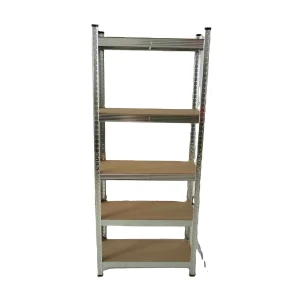
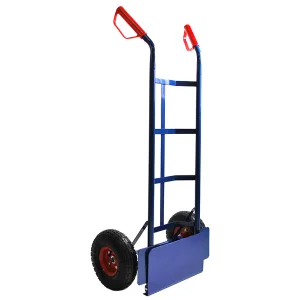
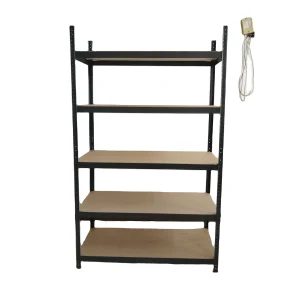
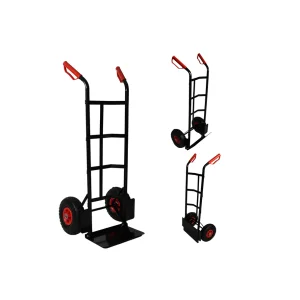
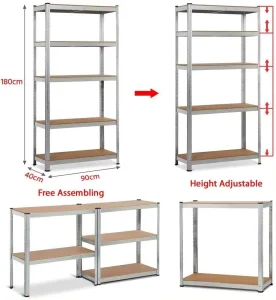
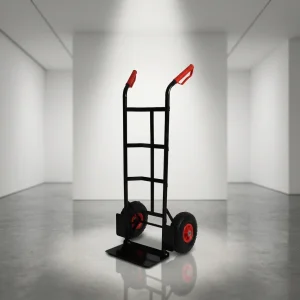
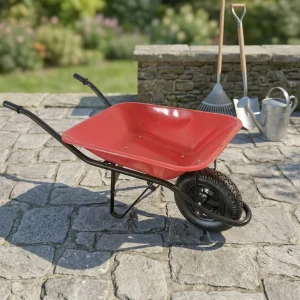
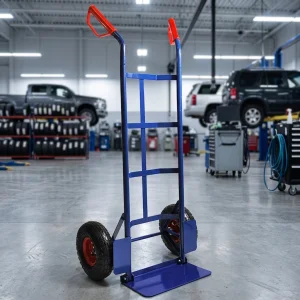
Explore our foundational range of heavy-duty warehouse utilities and logistics equipment designed for seamless facility operations.
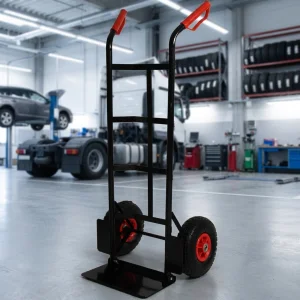
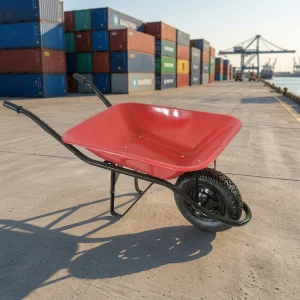
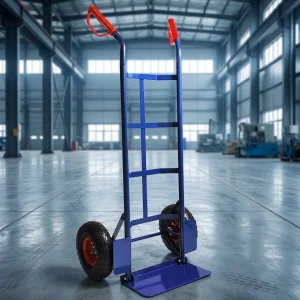
The global logistics and supply chain sectors are transitioning away from manual warehousing to high-density, automated systems. This evolution is driven by escalating warehouse leasing costs, labor deficits, and the demand for rapid fulfillment cycles. Modern industrial operations utilize Automated Storage and Retrieval Systems (AS/RS) as a core solution to maximize volumetric space. By substituting conventional forklift aisles with crane-operated or shuttle-driven structures, facilities can increase storage density by up to 60% and improve throughput precision.
CE Certification serves as a critical indicator of safety and reliability for automated storage equipment operating within the European Economic Area (EEA) and globally. This compliance ensures that structural load calculations, electric motors, control units, and automated mechanisms conform to directives including the Machinery Directive (2006/42/EC), the Low Voltage Directive (2014/35/EU), and the Electromagnetic Compatibility (EMC) Directive (2014/30/EU). For global enterprise buyers, purchasing certified racking and dynamic automated structures is a standard risk mitigation step that ensures structural integrity under continuous load cycles.
CE Certification establishes a baseline for safety in high-density automated racking. Unlike static storage systems, automated racking handles dynamic stress, vibration, and acceleration forces exerted by stacker cranes, high-speed shuttles, and autonomous mobile robots (AMRs). Without proper structural validation, structural fatigue can accumulate, posing risks to inventory and personnel.
Established in 2015, Ningbo Xinyi Metal Products Co., Ltd. is a major manufacturer specializing in heavy-duty industrial storage racks, pallet racking systems, and customized warehouse material handling solutions. Spanning a modern production facility of 38,000 square meters, we deliver high-performance racking products to global logistical hubs, distributors, and enterprise facilities.
With 11 years of industry experience and 8 years of international trade history, our annual export revenue has reached over $28 million USD. Our products are exported to North America, Western Europe, Southeast Asia, and the Middle East, serving diverse client segments such as third-party logistics (3PL) providers, e-commerce fulfillment centers, industrial distributors, and retail chains.
Quality and structural integrity are central to our manufacturing processes. Supported by a Quality Assurance team of 45 certified inspection professionals, we enforce full-process quality control. Our quality testing methods integrate ultrasonic weld inspection, raw material tensile testing, load-capacity deflection testing, and salt-spray corrosion resistance evaluation to verify durability and safety compliance.
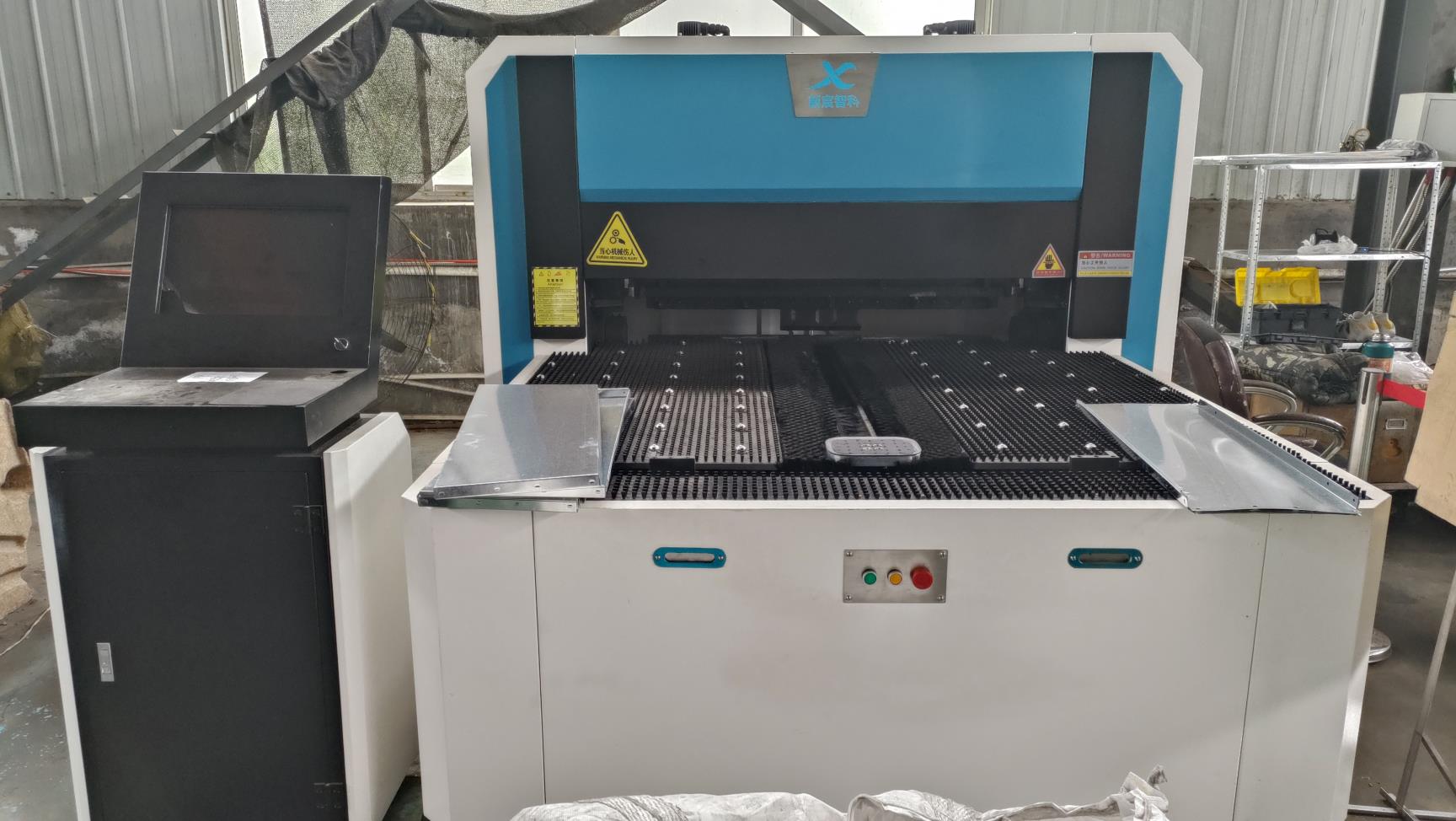
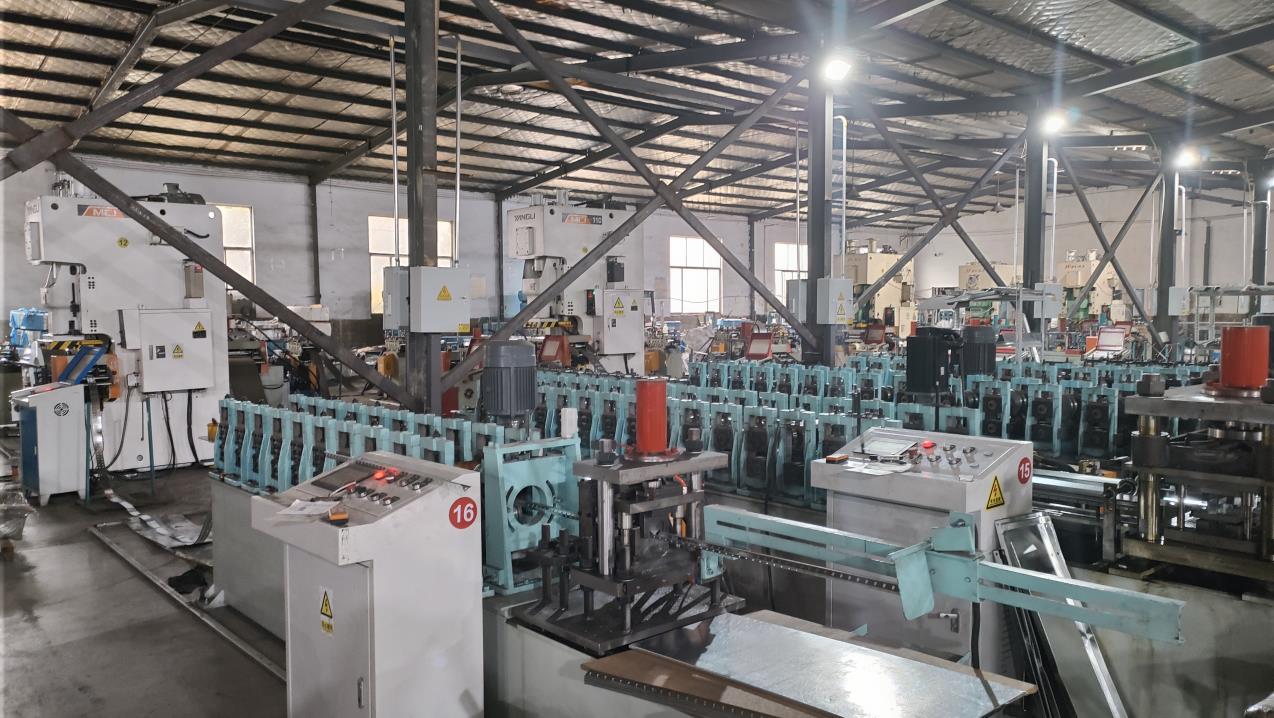
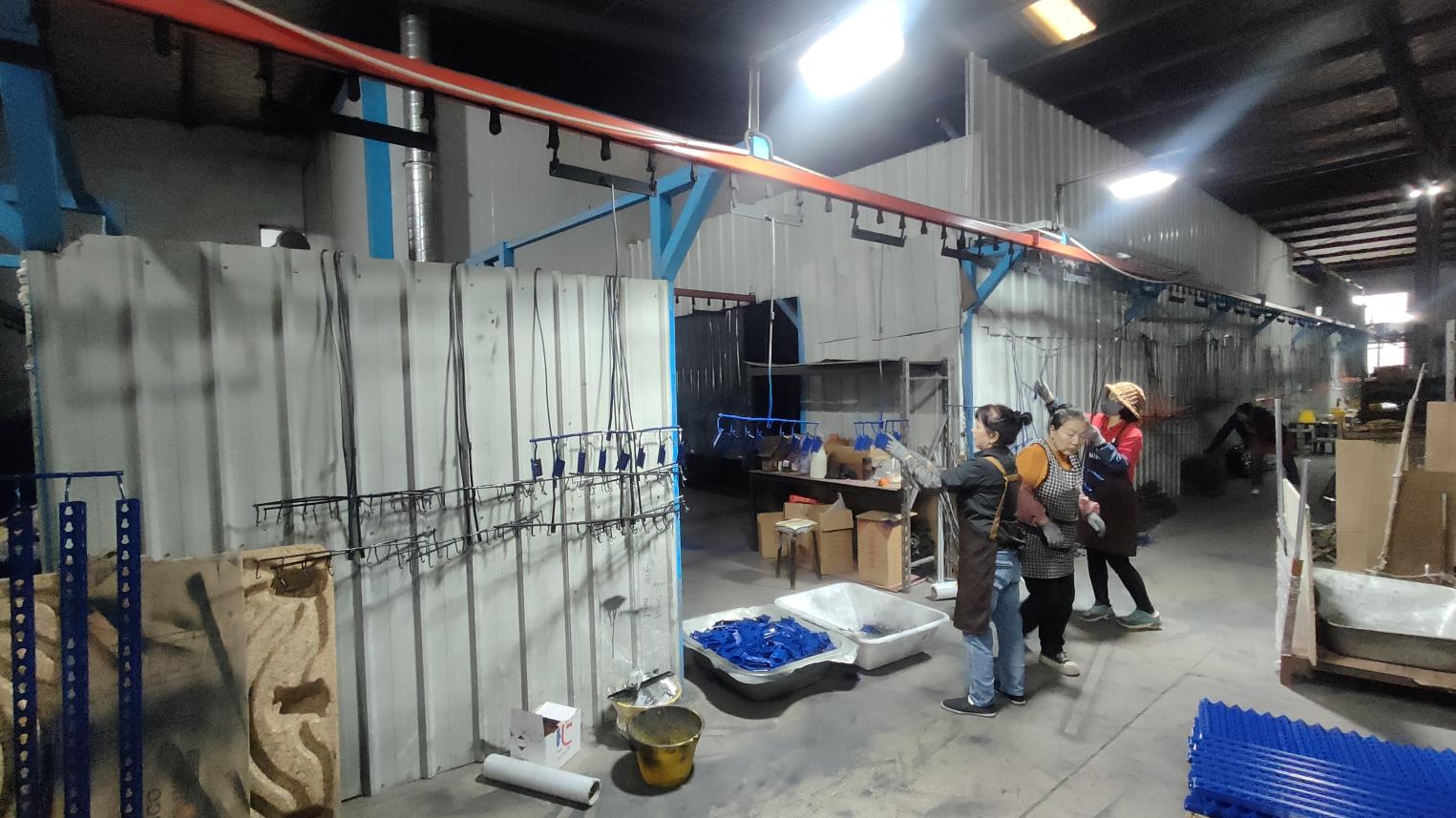
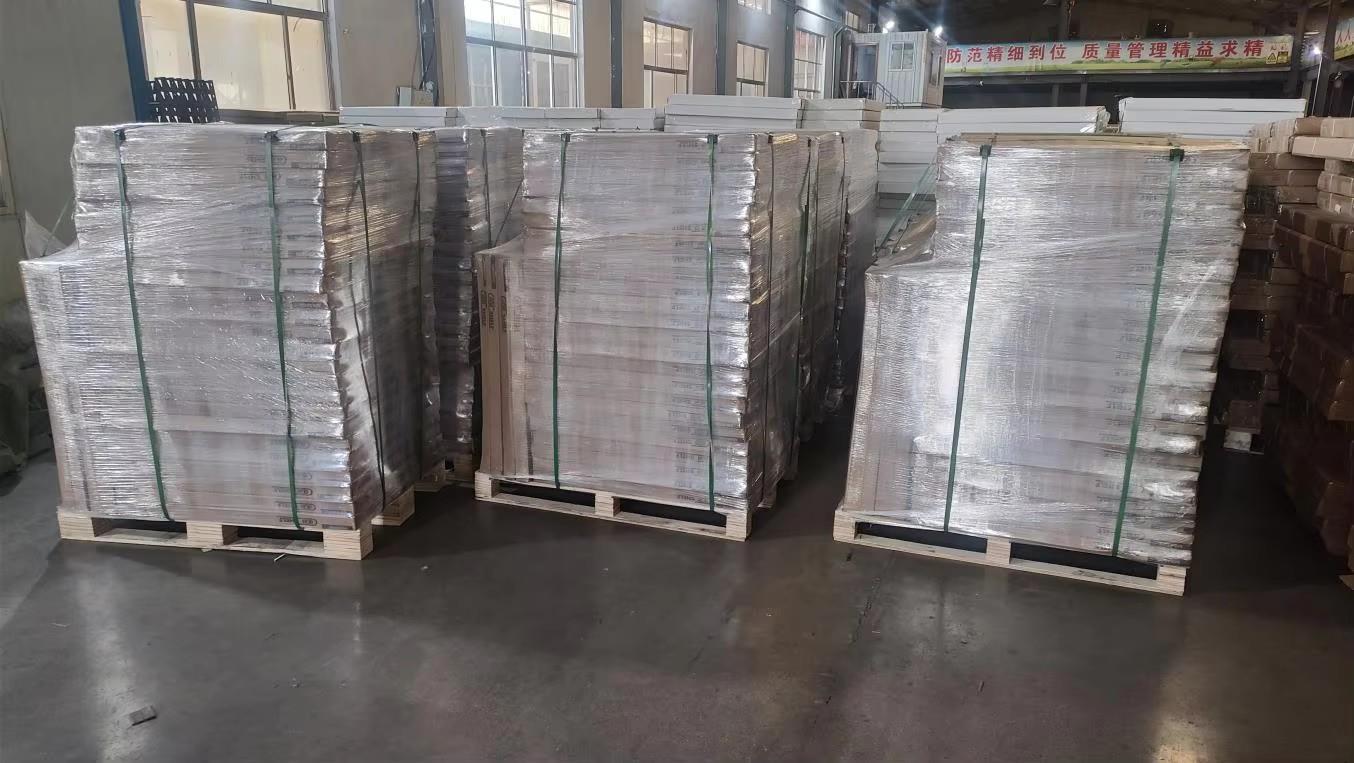
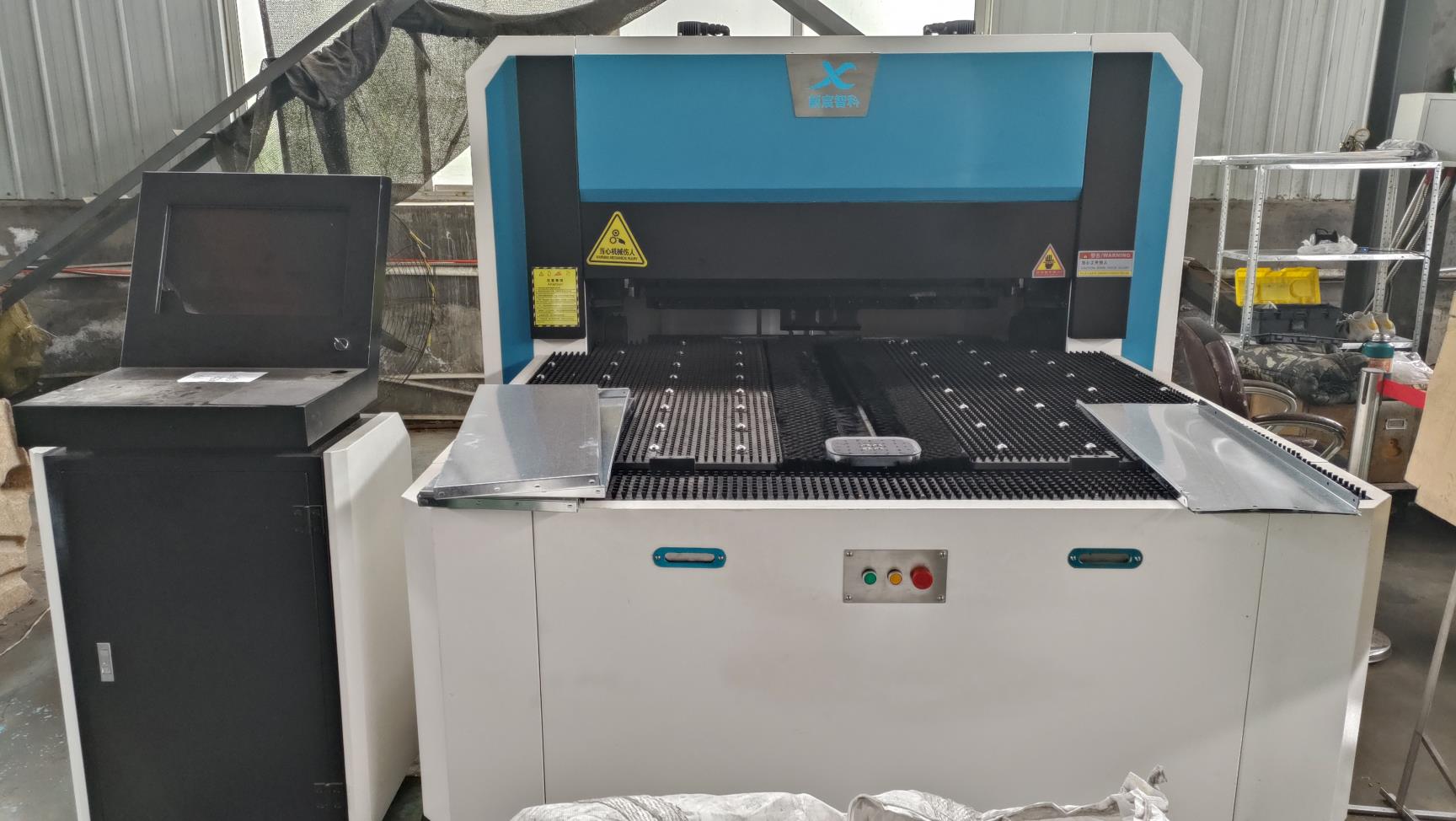
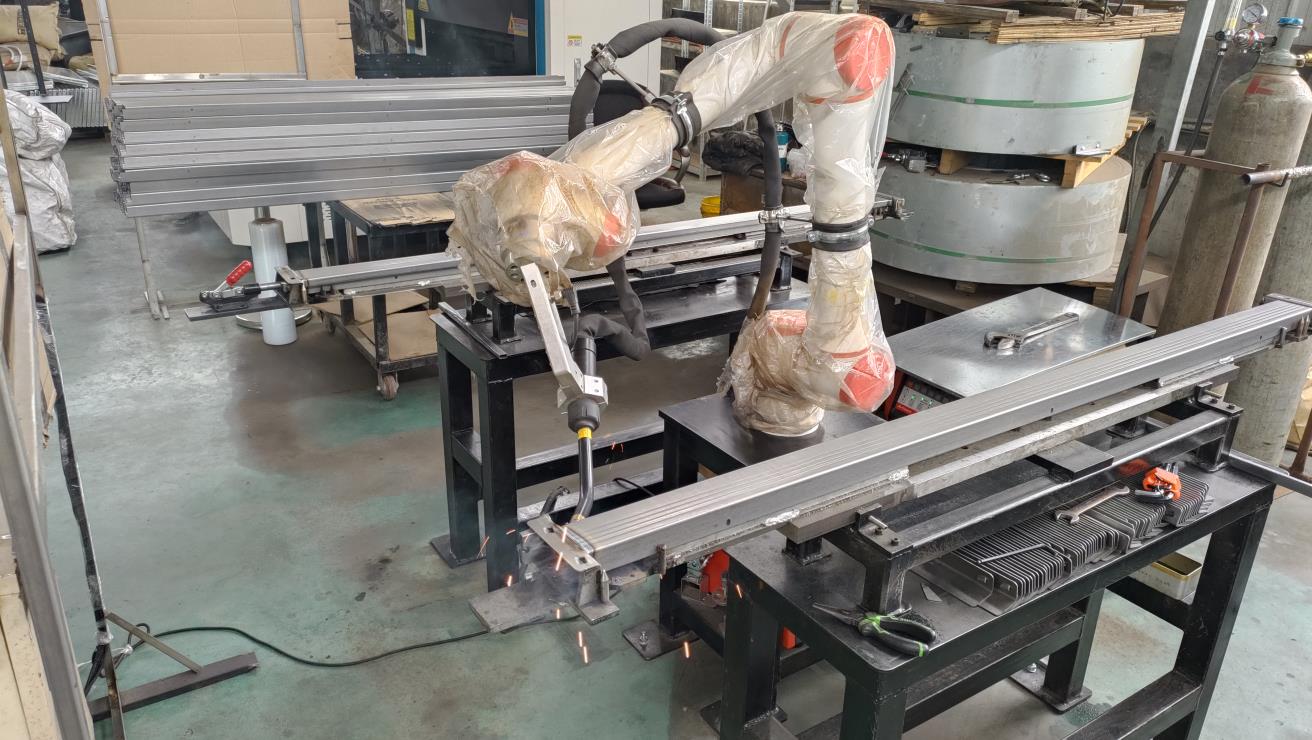
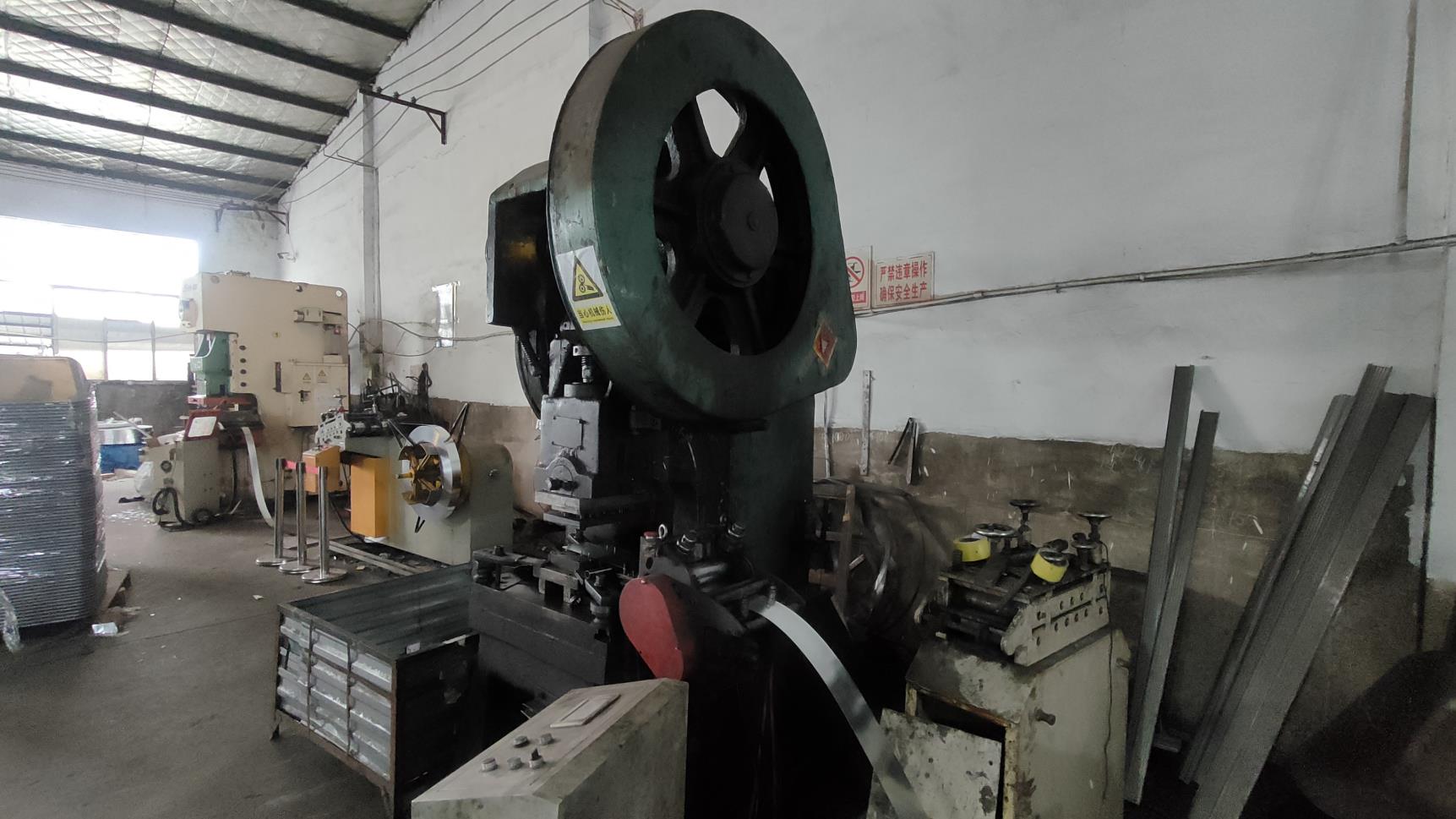
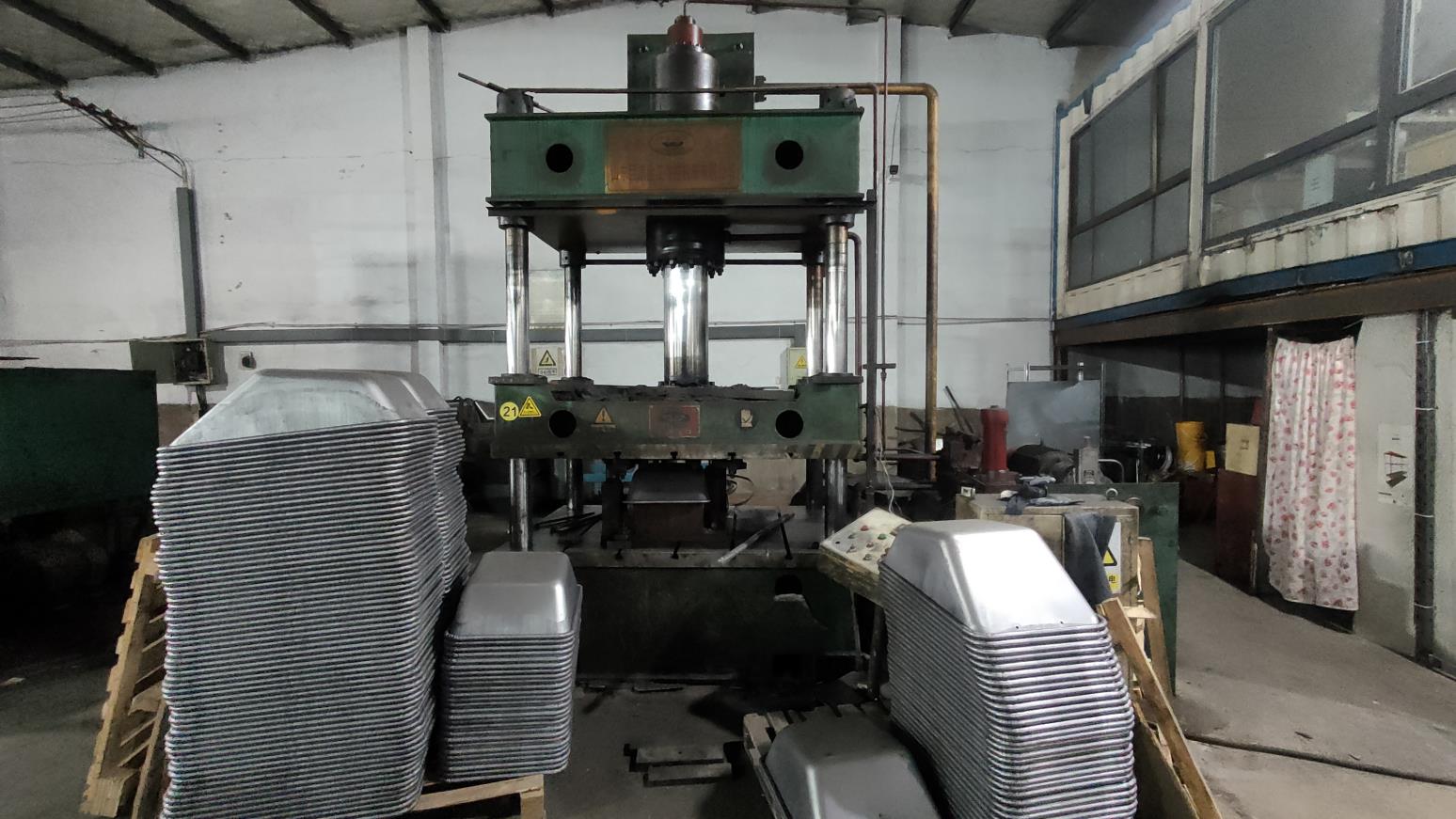
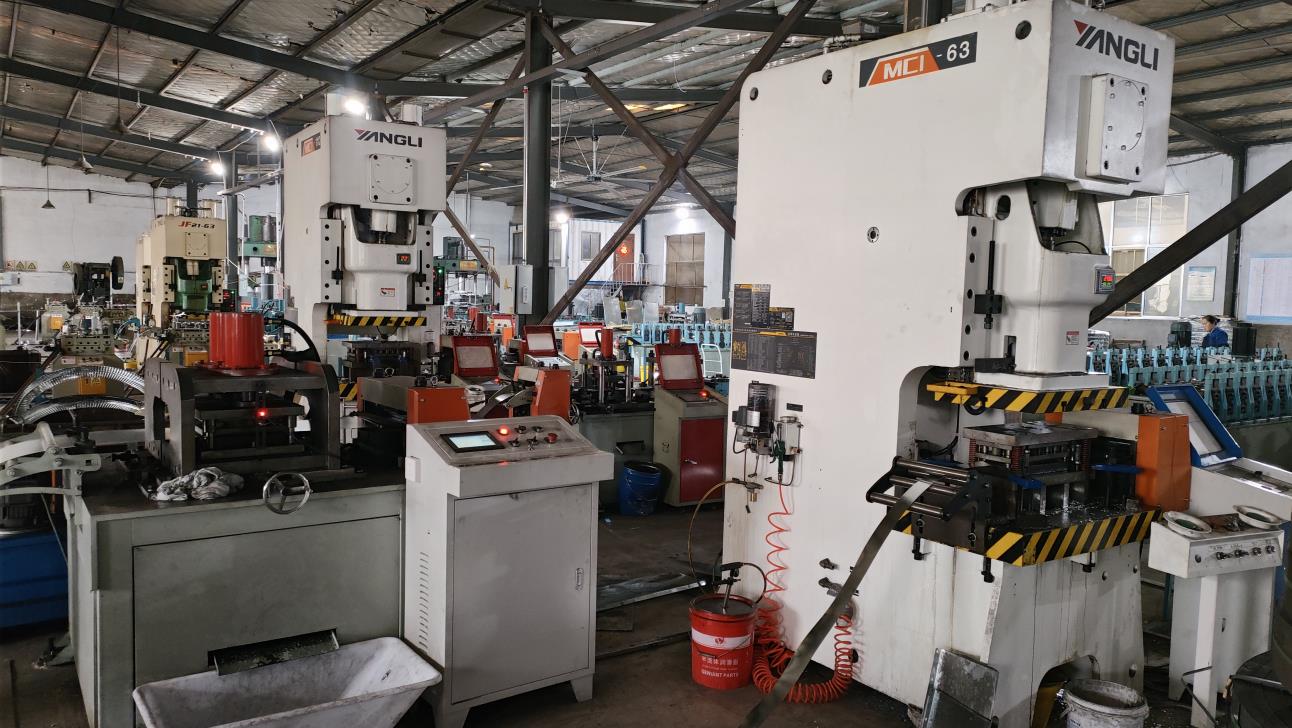
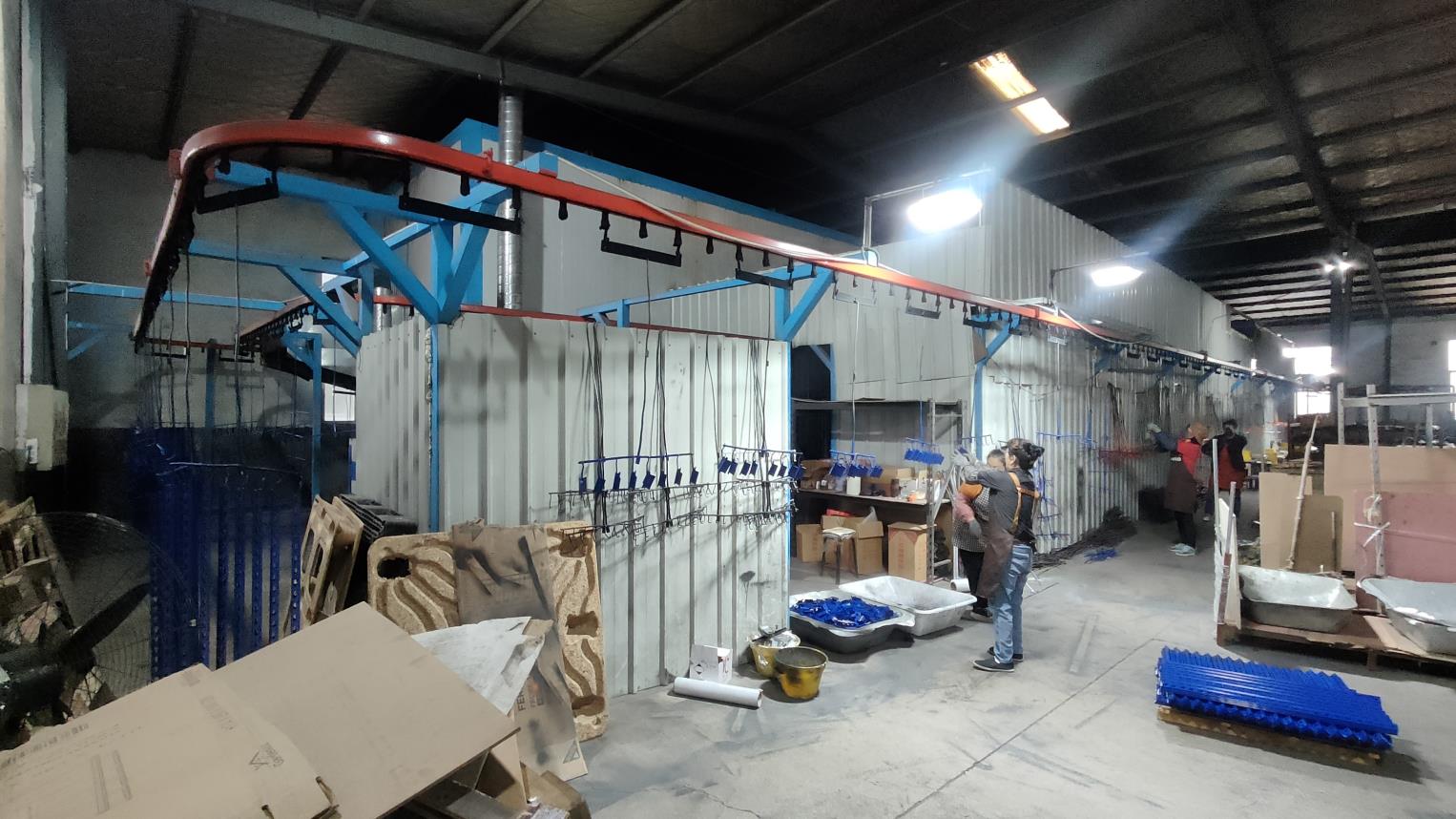
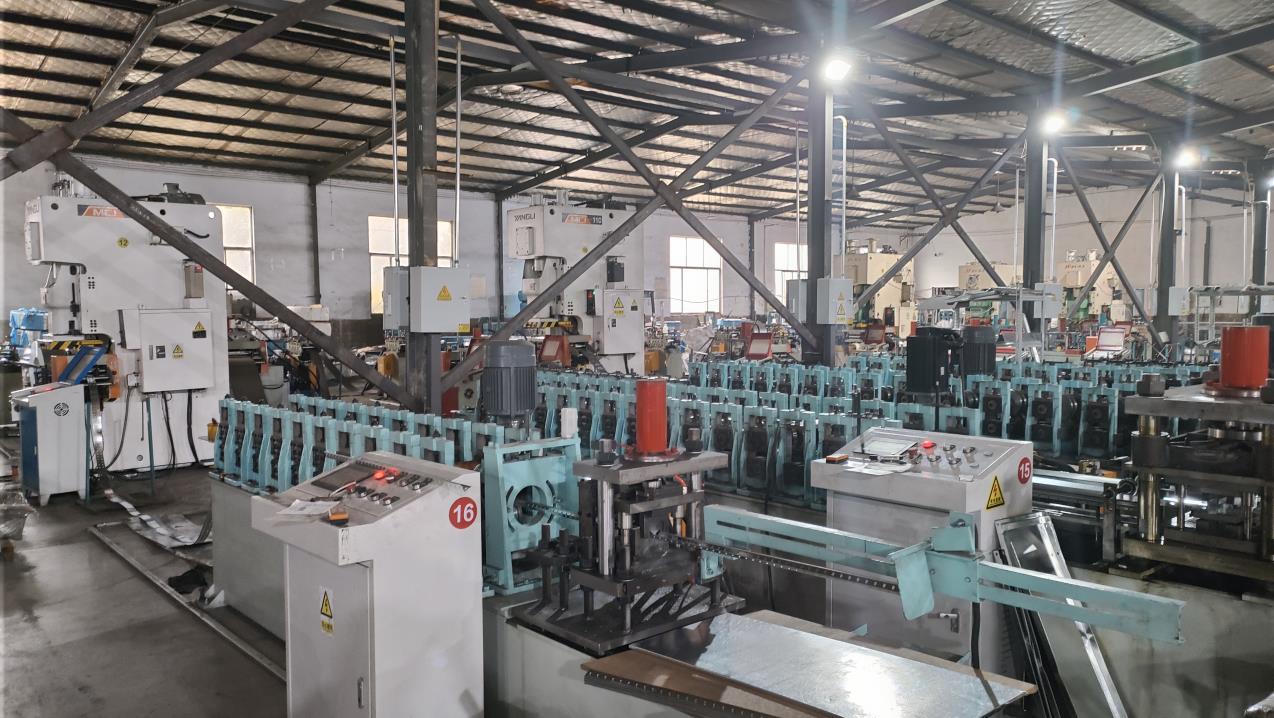
Our production facilities utilize automated equipment to achieve tight tolerances, structural integrity, and clean surface finishes on all custom storage products.
Sourcing automated storage systems from China offers distinct supply chain advantages. The concentration of upstream raw material manufacturers, specialized surface coating companies, and hardware component suppliers in coastal hubs like Ningbo allows us to lower production overheads while maintaining strict quality standards.
Our proximity to primary steel mills in East China secures access to certified high-grade structural steel coils. This close integration minimizes freight costs and supports consistent steel chemical composition.
Located near the Ningbo-Zhoushan Port—one of the world's largest deep-water ports—we offer streamlined logistics. Direct ocean freight routing reduces terminal handling delays, transit times, and associated costs.
Our production facilities utilize automated bending machines, robotic multi-spot welders, and automated electrostatic powder coating lines, ensuring dimensional accuracy and product consistency.
Automated storage systems are customizable and scale to support diverse storage layouts, environmental conditions, and logistical workflows. Typical configurations include:
Designed for cold storage environments down to -30°C. By deploying high-density automated shuttle systems, cold storage facilities optimize cubic capacity, reducing overall cooling volume and energy consumption.
Configured for high SKU diversity and rapid throughput. Dynamic shuttle setups integrate with warehouse management software (WMS) to streamline picking, staging, and sorting operations.
Engineered for high load capacities, including automotive parts, machinery, and raw material storage. These systems support dynamic loads exceeding 3,000 kg per storage slot while managing operational deflection.
When selecting automated storage systems, global procurement teams must review structural specifications and regulatory compliance records. Industrial buyers should evaluate several technical parameters:
The warehouse automation industry is moving toward modular and reconfigurable storage systems. As business models shift, fixed racking configurations are giving way to adaptable structures. Modular automated systems allow facilities to expand, shorten, or relocate components with minimal disruption.
Furthermore, green warehousing initiatives demand eco-friendly manufacturing methods. Ningbo Xinyi meets these demands by utilizing zinc-rich epoxy powder coatings, eco-friendly surface passivation pre-treatments, and energy-efficient automated lines. These choices help lower the carbon footprint of structural logistics components.
Expert insights into compliance, engineering specifications, and sourcing logistics for international buyers.
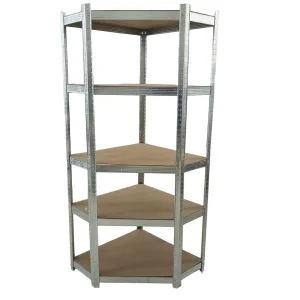
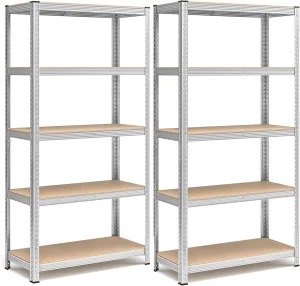
Explore our heavy-duty structural racks and configurable shelving units designed for warehouses, workshops, and commercial facilities.
 Xinyi Racking