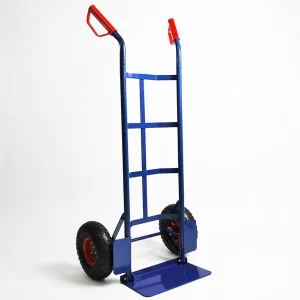
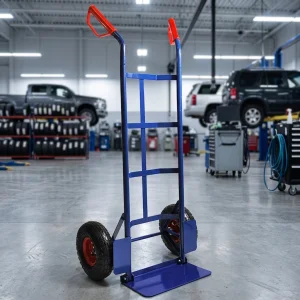
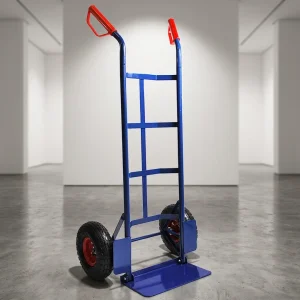
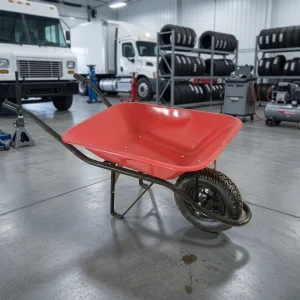
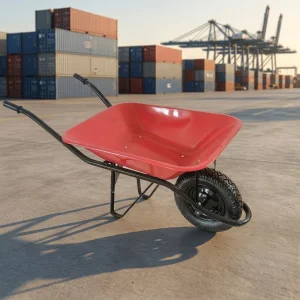
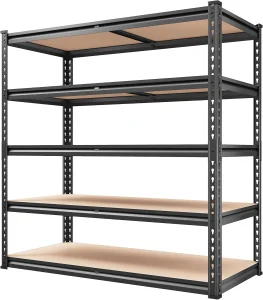
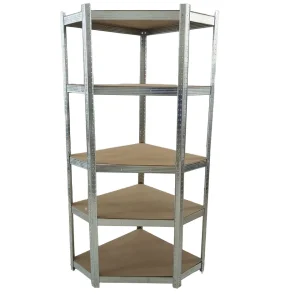
CE Certified Material Handling Solutions Suppliers & Exporter

High-Capacity Industrial Racking, Intelligent Pallet Handling Systems, and Optimized Logistics Infrastructure Built for Extreme Durability

38,000㎡

Production Facility

$28M+

Annual Export Value

45+

Certified QC Inspectors

28+

Senior R&D Engineers

1. The Critical Imperative of CE Certification in Industrial Material Handling

In modern, high-throughput logistical nodes and heavy-load manufacturing zones, structural failure is not an option. European Union standards, such as EN 15635 for steel static storage systems and machinery directive guidelines, mandate that all material handling structures must bear strict certifications to protect workforce operators, assure structural reliability, and prevent systemic distribution downtime.

Ningbo Xinyi Metal Products Co., Ltd. builds and engineers each storage component and mobile handling platform around structural performance protocols. Earning our status as a premier CE Certified Material Handling Solutions Supplier, we construct racking networks and utility carts that respect international compliance criteria, ensuring frictionless import clearances and operational greenlighting in stringent regulatory zones across the EU, North America, and beyond.
Our CE status goes beyond simple document filings; it means raw steel materials must undergo rigid structural yield tests. Standard carbon steels are processed to withstand structural deflection thresholds and localized fatigue. When choosing material handling gear for industrial platforms, understanding safety margins and compliance ensures long-term operational viability and minimizes liability.
Defining Information Gain: CE Material Verification

Industrial components imported into the European Economic Area (EEA) without authentic CE markings face immediate impound risks. Our CE Certified solutions ensure all load ratings, welding processes, and modular configurations comply fully with the Machinery Directive 2006/42/EC and standard EN 15512 for structural racking designs.

2. The Chinese Supply Chain Edge: Ningbo Port Proximity & Scale

Positioning our manufacturing operations within the industrial cluster of Ningbo, China, allows Ningbo Xinyi Metal Products Co., Ltd. to optimize logistics, material sourcing, and automation efficiencies for high-volume international distribution.

Leveraging access to the world’s busiest seaport (Ningbo-Zhoushan Port), we reduce container haulage times and logistics costs. This geographical advantage connects us directly to primary domestic steel mills. By securing high-grade cold-rolled and hot-rolled coils, we avoid the supply chain volatility that often impacts Western suppliers.

Automated Scale Manufacturing

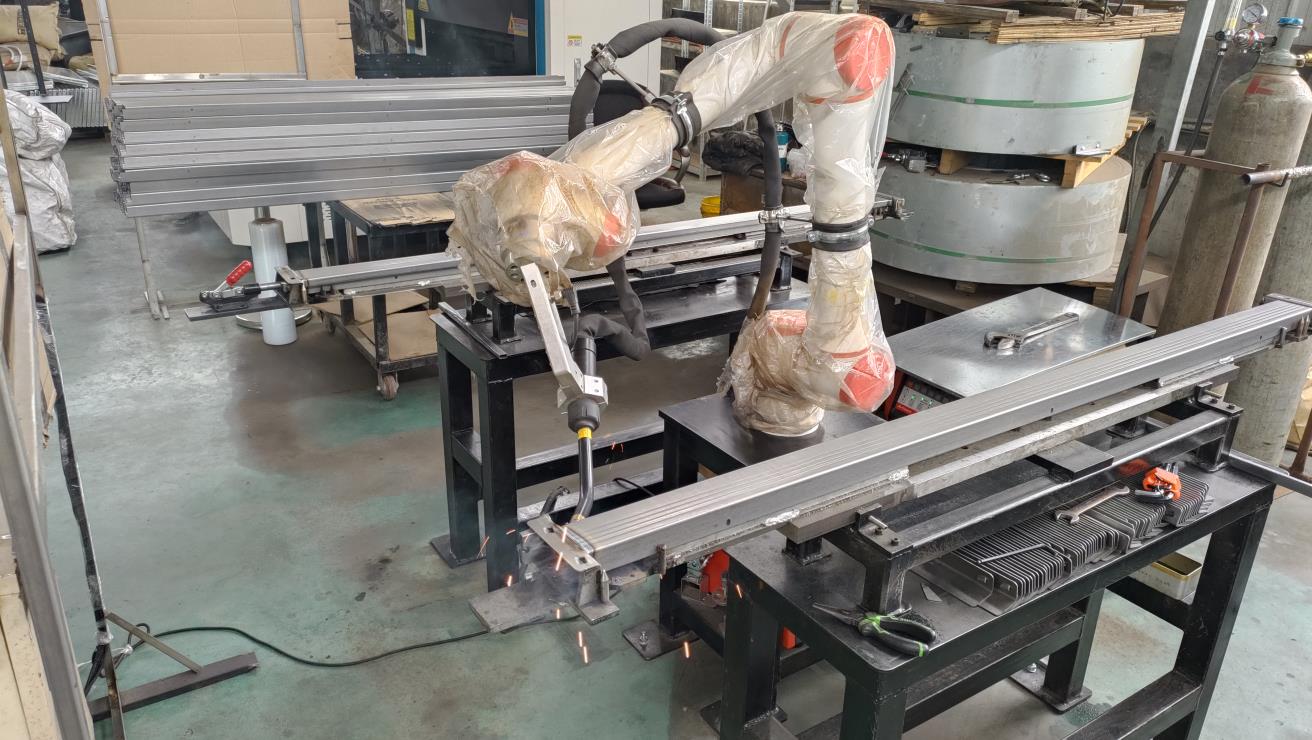
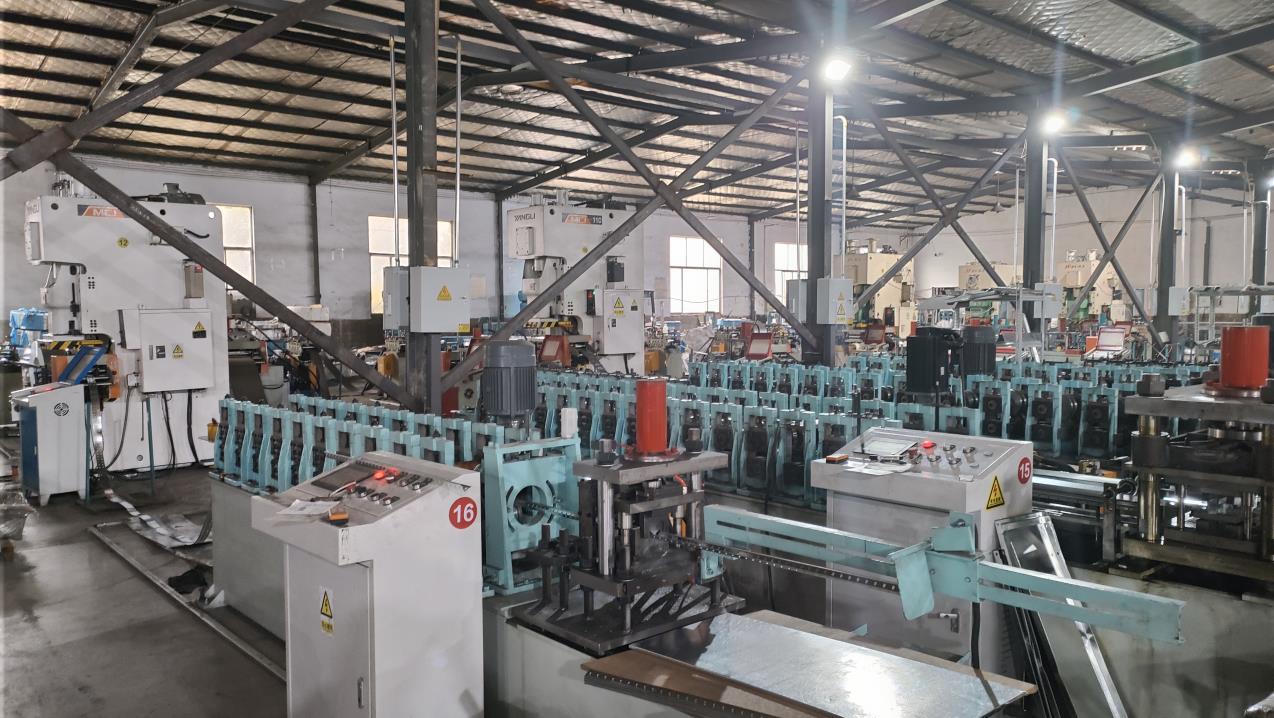
Our 38,000 square meter factory operates modern manufacturing equipment. Automated sheet rolling and multi-spot welding lines run continuously to guarantee consistent dimensional tolerances.

Integrated Surface Treatment

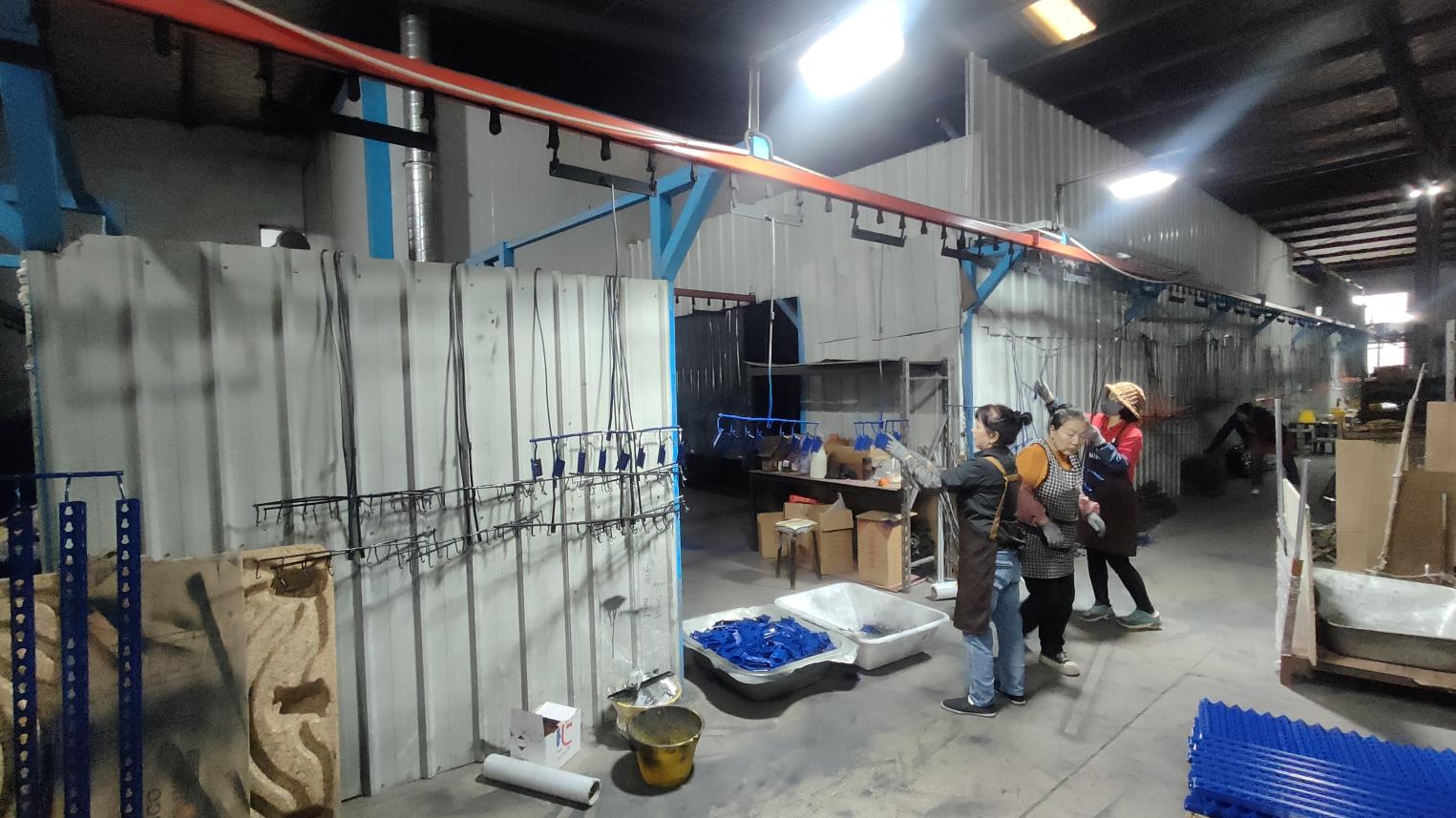
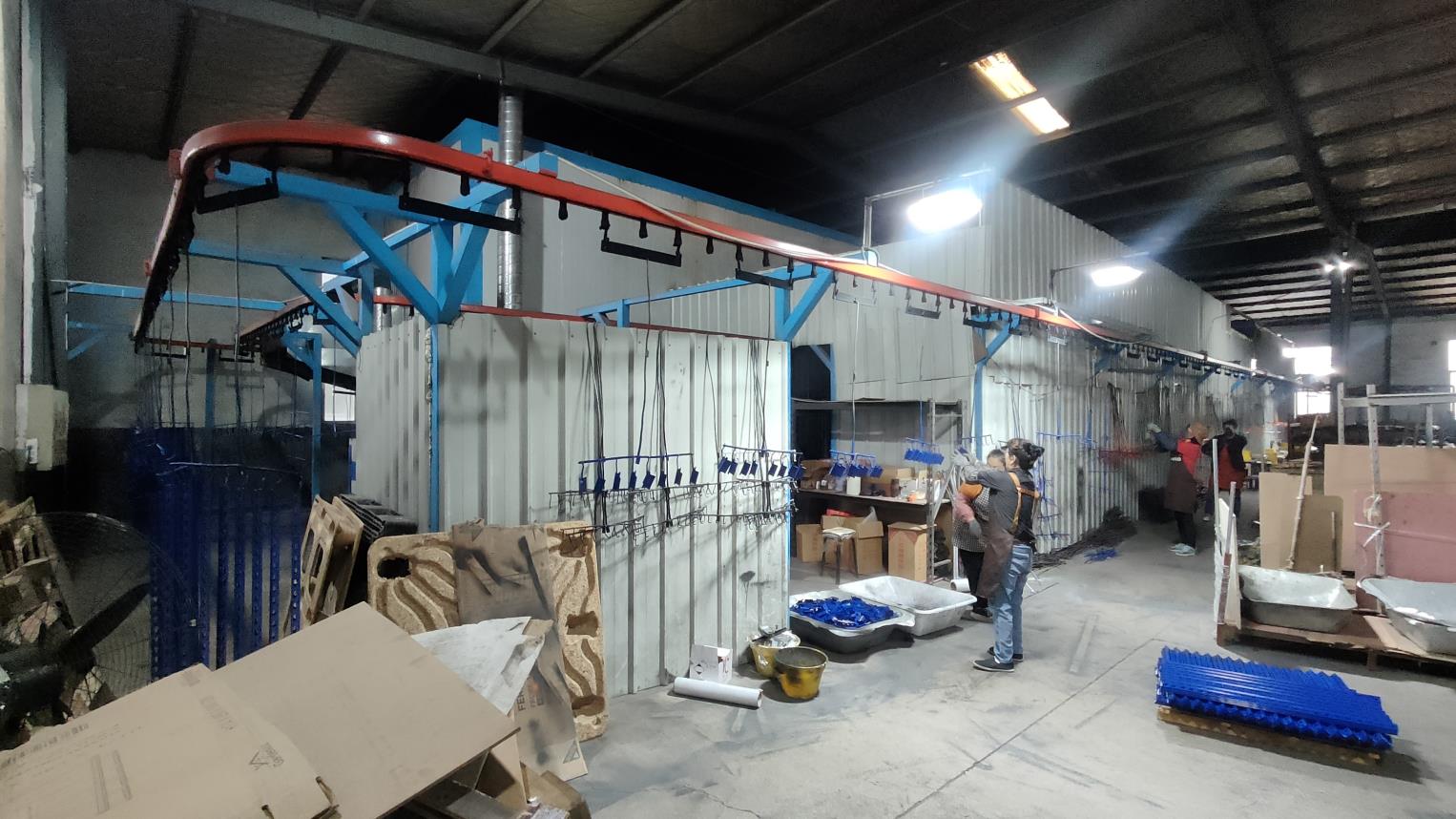
By operating our own eco-friendly powder coating lines, we maintain complete control over the chemical wash, application, and baking processes. This helps eliminate structural peeling or rust risks over years of active use.

Global Port Connectivity

Located near Ningbo, we offer fast container consolidation and shipping routes to Western Europe, North America, and Southeast Asia, keeping transit times as short as possible.

3. Fully Vertical Advanced Manufacturing Workflow

Every piece of raw metal coil that enters our Ningbo facility undergoes a multi-stage fabrication process to ensure maximum load performance and structural durability.
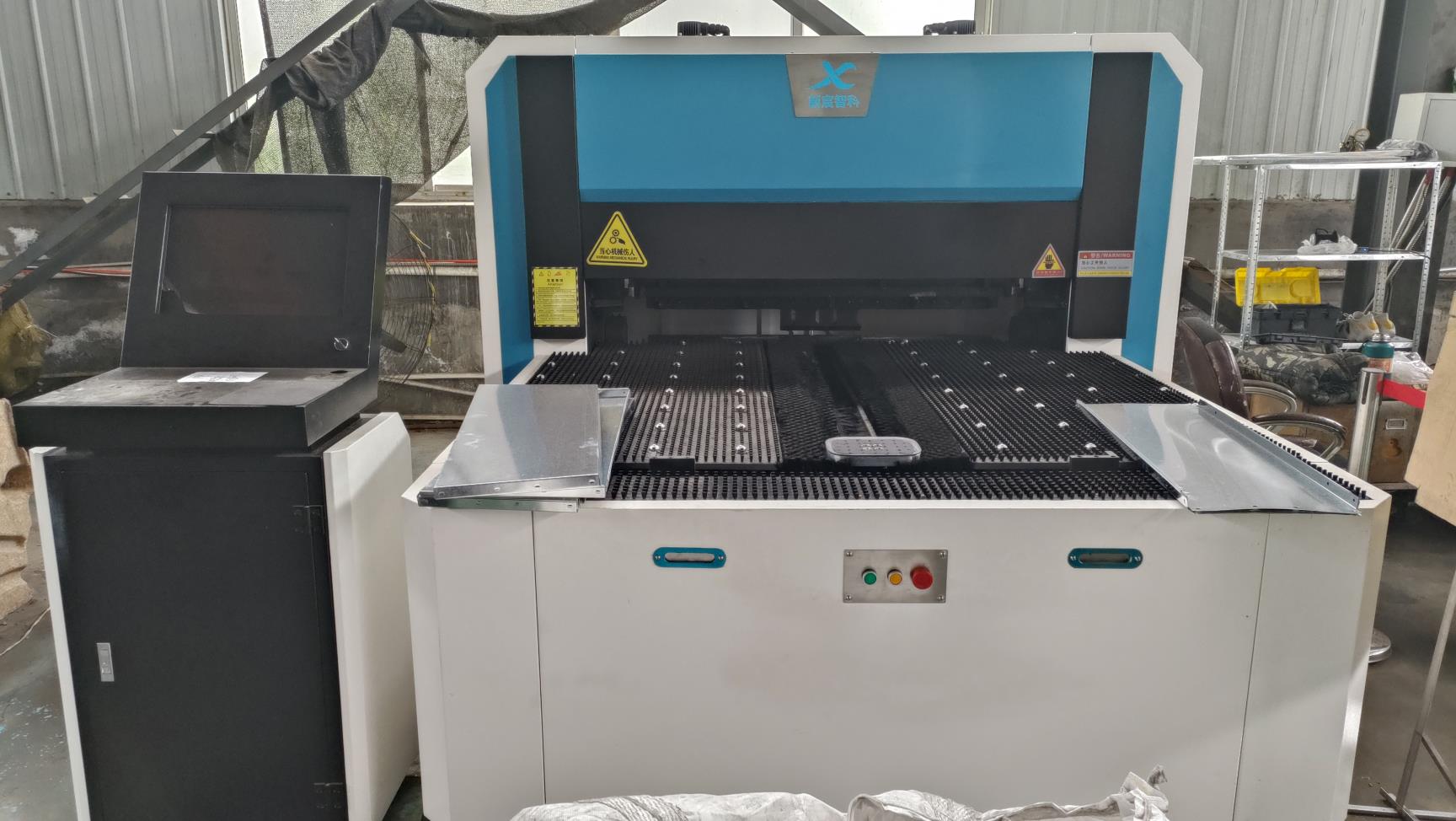
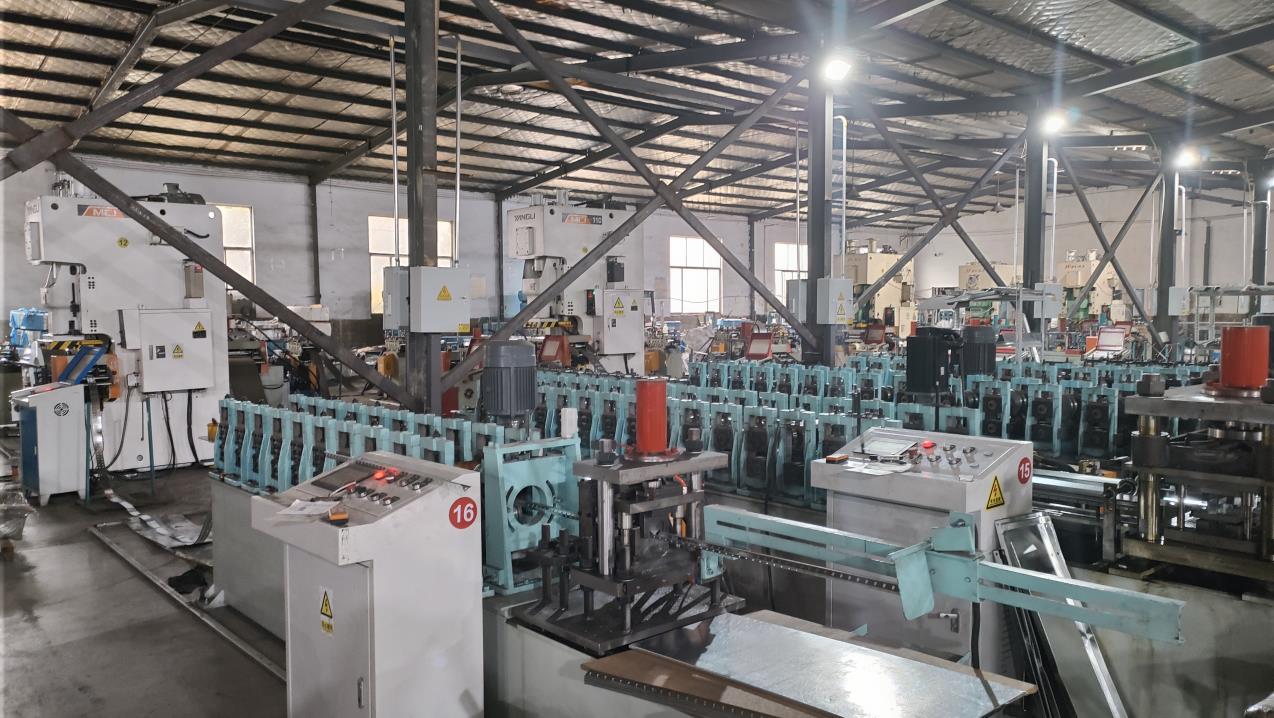
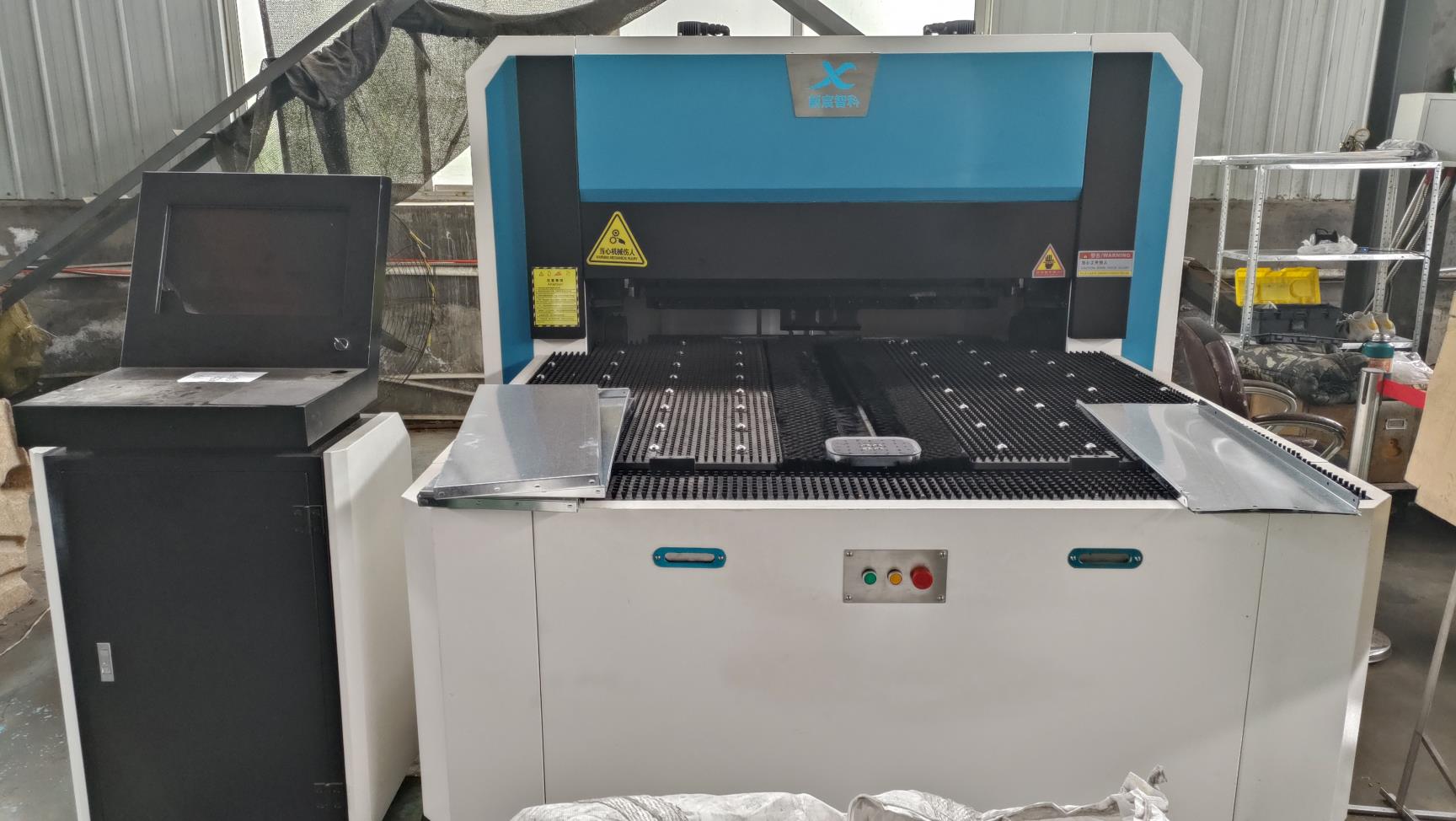
Raw material bending
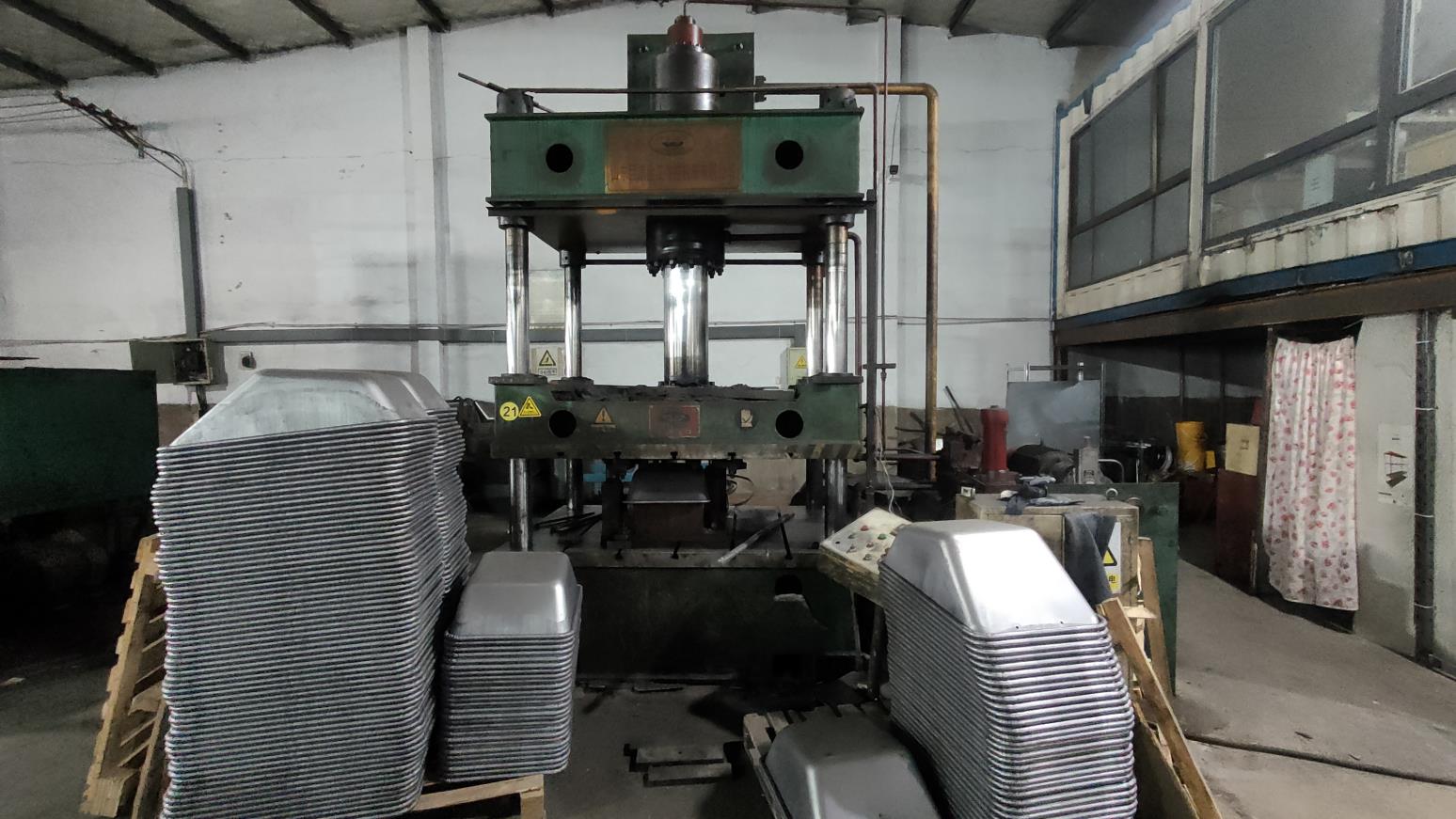
Stamping forming
Stamping forming
Spray treatment
Spray treatment
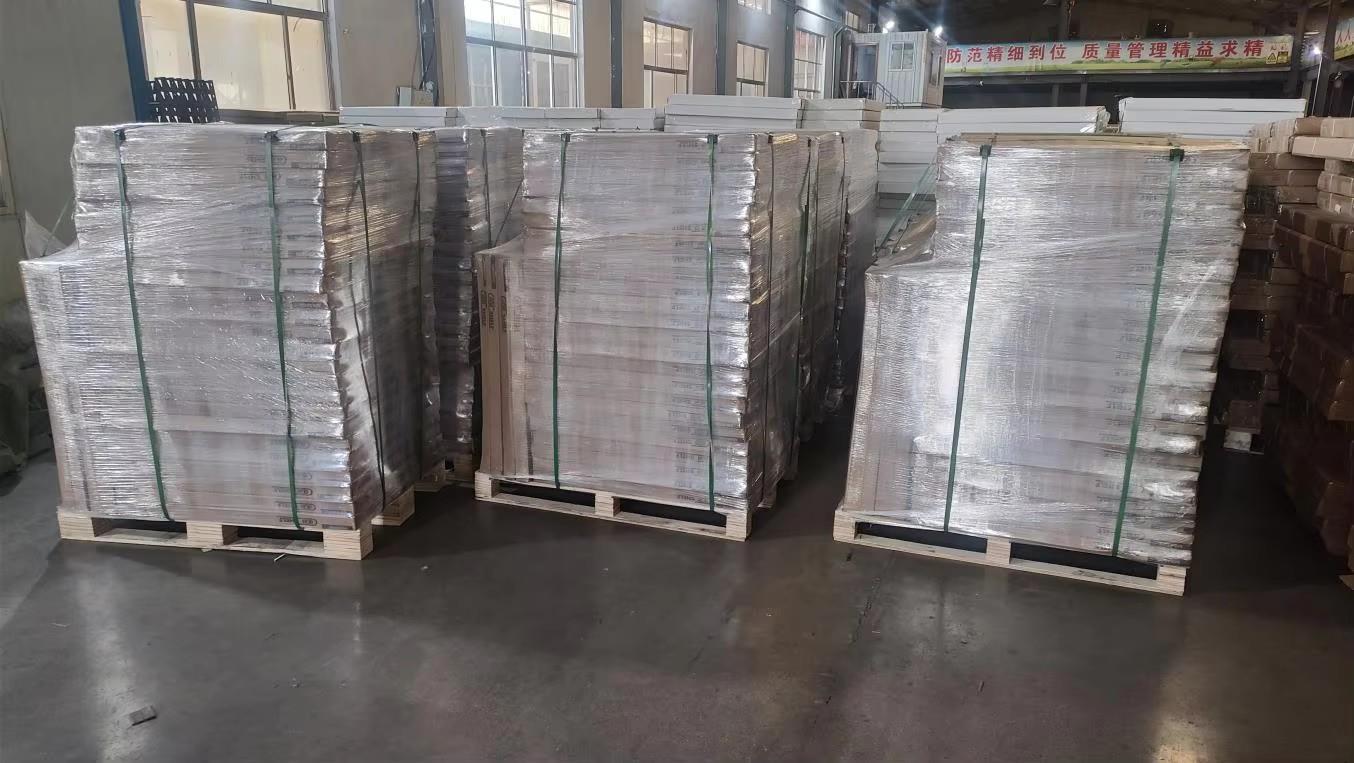
packaging and warehousing
Automatic bending machine
Automatic welding machine
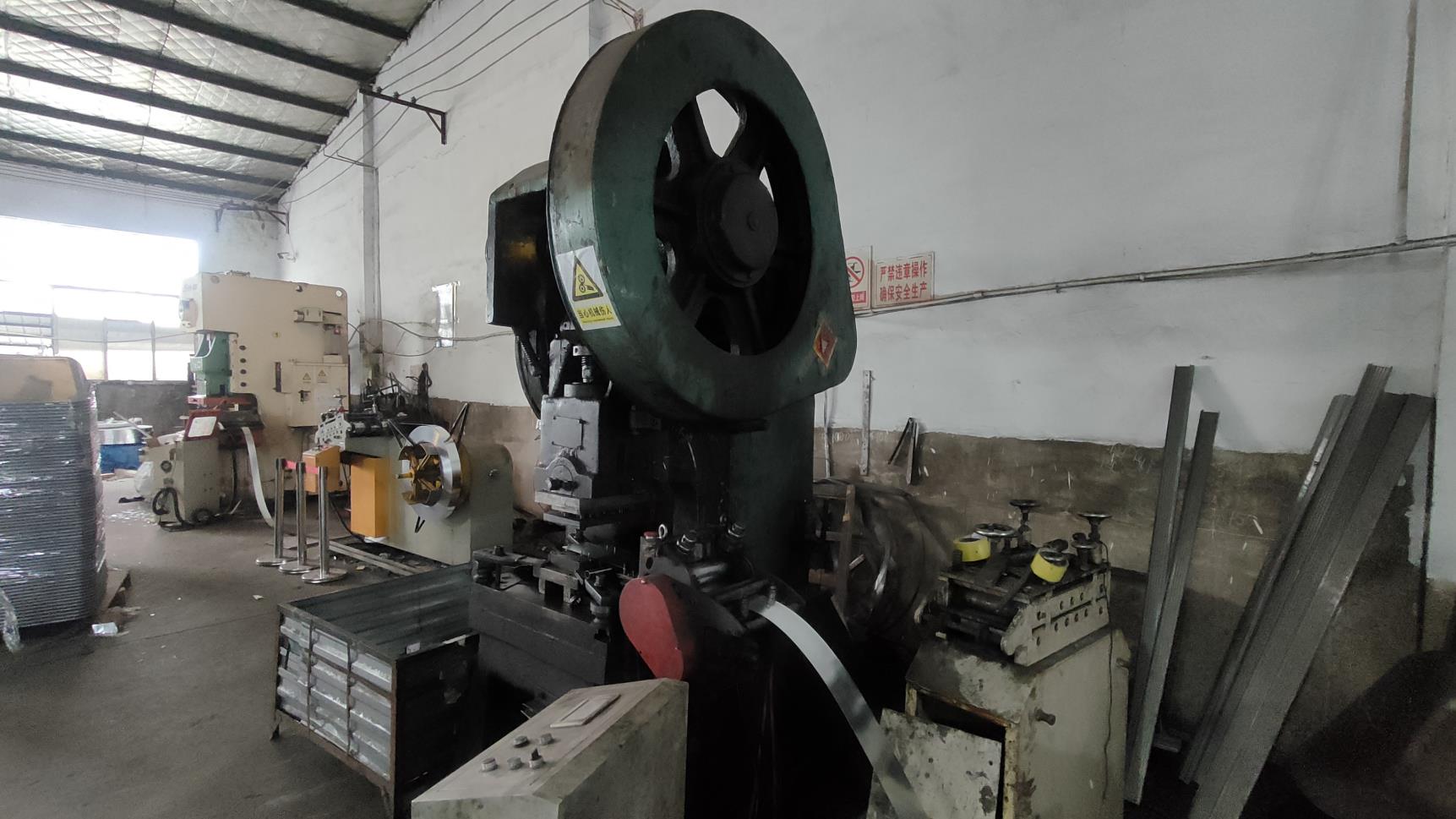
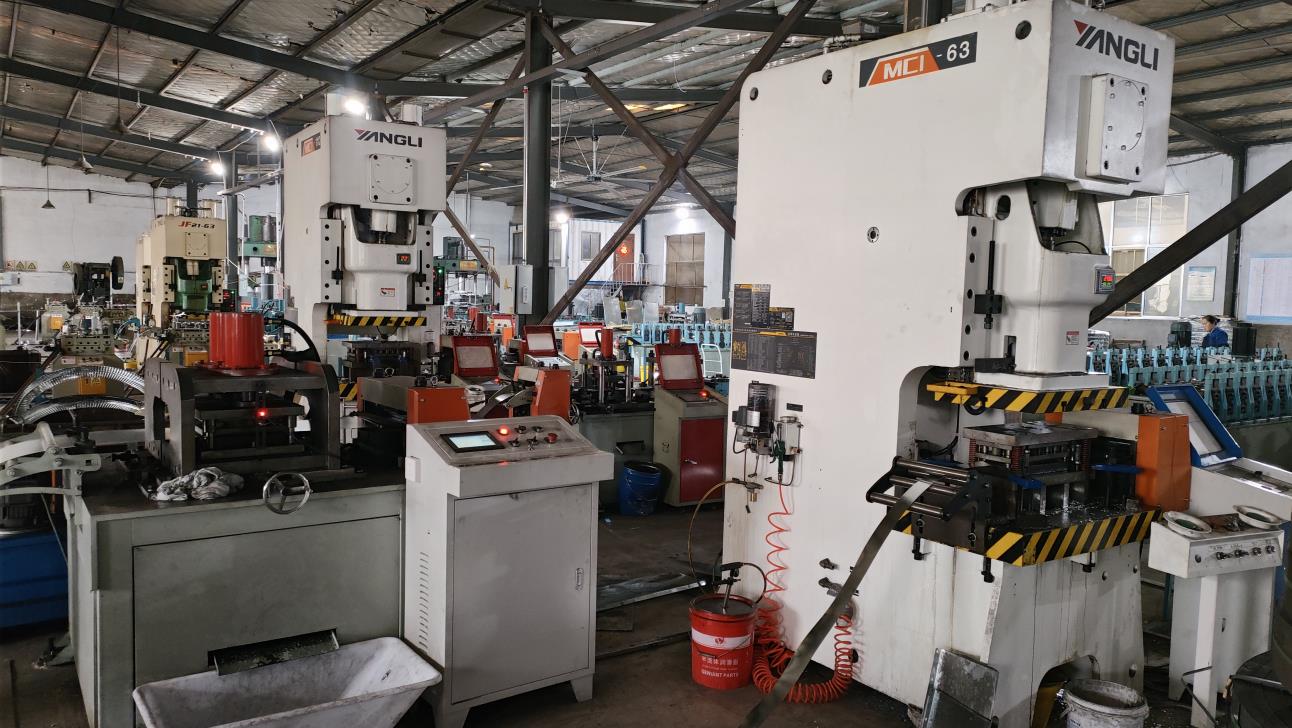
Stamping press
Stamping press
Press
Press
Stamping press
Stamping press
Automatic spraying line
Forming line
Forming line

4. Rigorous Industrial QA Methodologies & Deflection Standards

Safety in material handling equipment is directly related to quality control. A failure in a multi-tier warehouse rack can cause warehouse rack collapses, damaged inventory, or personnel injury. At Ningbo Xinyi, our 45-person Quality Assurance team enforces strict full-process quality control to help mitigate these risks.

Our QA protocols monitor product quality through four main testing phases:
1. Ultrasonic Weld Inspection (EN ISO 17640): Used to verify the integrity of load-bearing structural joints. This ensures there are no internal air pockets or micro-cracks in weld lines that could lead to structural failure under heavy loads.
2. Raw Material Tensile Testing (ASTM A370): Every batch of incoming steel coil is tested to verify its yield strength and elongation limits. This guarantees the material behaves predictably when loaded to its maximum capacity.
3. Load-Capacity Deflection Testing: We measure vertical deflection under full load conditions. Structural racking parts must satisfy the L/200 deflection limit according to FEM 10.2.02 and RMI standards to prevent permanent deformation.
4. Salt-Spray Corrosion Resistance Evaluation (ASTM B117): All metal surfaces receive a chemical pre-treatment and powder coating. We test panels in a continuous salt-spray chamber for 500 hours to ensure they remain rust-resistant in humid or harsh environments.
Engineering R&D Team Capabilities

Our engineering center is staffed by 28 R&D engineers who specialize in seismic hazard assessments, custom configurations, and automated storage integrations. Last year, the team designed and delivered 185 custom products, helping clients solve unique warehouse space constraints.

5. Industry Trends & Localized Application Scenarios

Modern warehousing relies on flexible, scalable space utilization. Companies are shifting away from static, single-use storage in favor of modular, reconfigurable options that can adjust to changing market demands.
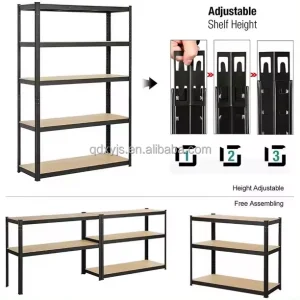
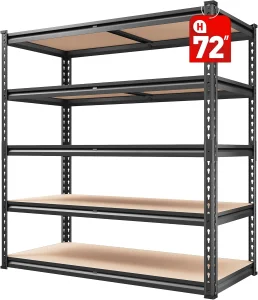
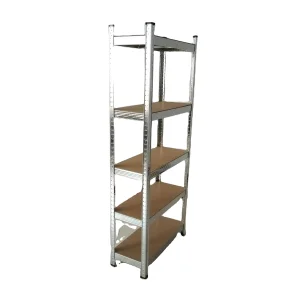
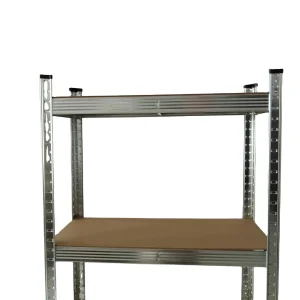
Third-Party Logistics (3PL) & E-Commerce Fulfillment: High inventory turnover rates require racking systems that can adapt to varying package shapes and sizes. Our boltless shelving systems allow storage heights to be adjusted quickly without needing specialized tools.
Cold Chain & Clean-Room Operations: Cold storage environments place high demands on steel structures. Condensation can accelerate rust on standard finishes. Our galvanized steel shelving and custom powder-coated options are designed to withstand temperature shifts and moisture.
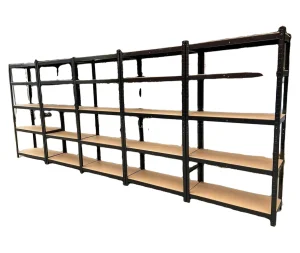
Heavy-Duty Industrial Warehouses: High-payload manufacturing sites require heavy-duty racking designed to withstand forklift impacts. Our integrated column guards, seismic base plates, and heavy-duty frame designs help maintain warehouse safety and structural integrity.
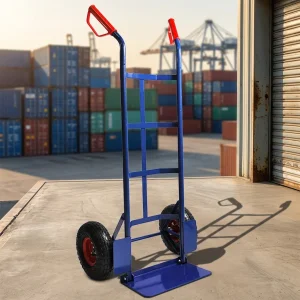
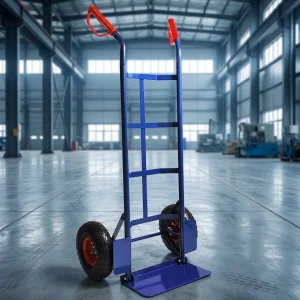
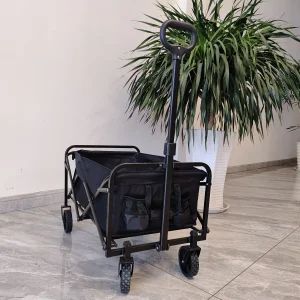
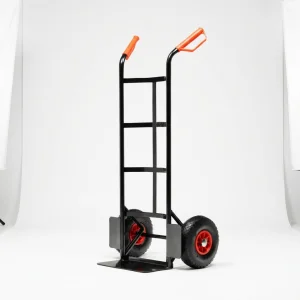
Last-Mile Retail Hubs: Urban fulfillment centers need to maximize vertical storage space within smaller floor plans. Our customizable mobile carts and high-density racking units allow operators to consolidate stock while keeping pick access fast and efficient.

6. Sourcing Strategies for Procurement Teams: TCO & Lead Time Optimization

Sourcing managers look at total cost of ownership (TCO), safety records, and lead-time predictability when evaluating potential suppliers.

Optimizing Total Cost of Ownership (TCO): Comparing initial purchase price with ongoing maintenance, replacement costs, and installation times is key. Standardized dimensions and interchangeable components simplify future warehouse reconfigurations, helping lower long-term costs.
Seismic and Local Engineering Compliance: In seismic regions (such as parts of North America and Europe), racking must comply with specific structural standards. Our engineers can provide seismic calculations and designs to help local structural engineers approve the installation.
Reducing Lead Times: Delayed shipments can stall warehouse expansions and disrupt operations. By maintaining a large safety stock of raw materials and using automated manufacturing processes, we keep our production cycles consistent and predictable.
Custom Packaging & Mixed Container Shipping: To minimize transit damage and simplify unloading, we use customized wooden pallets and heavy strapping. We also support mixed-product containers, allowing customers to order both steel shelving and warehouse trolleys in a single shipment.

Frequently Asked Questions: Industrial Material Handling

1. What specific testing standards does Ningbo Xinyi apply to verify load capacity ratings?
We verify our load capacities through a structured testing program. This includes material coupon tensile testing to ASTM A370, finite element analysis (FEA) modeling, and physical prototype load testing. Deflection limits are calculated in accordance with FEM 10.2.02 standards (typically not exceeding L/200 under full load).
2. How does the CE certification process work for industrial storage racks?
For structural static racking, CE compliance aligns with EN 15512 and EN 15635 standards. We prepare detailed Technical Construction Files (TCF) containing material certificates, structural calculations, welding quality records, and deflection testing reports to confirm compliance with European safety regulations.
3. Can your R&D department design and engineer racking for seismic zones?
Yes. Our 28-person R&D team can design custom components tailored to the seismic load requirements of your location. We can adjust the steel gauge thickness, specify heavy-duty base plates, add cross-bracing configurations, and provide structural data to support your local building permit process.
4. What standard finishes are available for corrosion protection?
We offer thermosetting powder coating (polyester or epoxy-polyester), pre-galvanized finishes, and hot-dip galvanizing. Our standard powder coatings are tested to withstand 500 hours of continuous salt-spray exposure (ASTM B117) to provide reliable corrosion protection in warehouse environments.
5. What is the typical lead time from order confirmation to port delivery?
Standard OEM production runs typically take 25 to 35 days, depending on the complexity of the design. Once production is complete, we arrange container loading and transport to Ningbo Port within 48 hours to ensure timely export shipping.
6. Do you support third-party factory inspections before shipment?
Yes. We welcome independent inspections by recognized agencies such as SGS, TÜV, or Bureau Veritas. We can grant inspectors full access to our manufacturing floor, material testing labs, and completed inventory to verify specifications before packaging.
7. What custom styling and branding options do you offer for OEM/ODM orders?
We provide full OEM and ODM customization. This includes custom dimensions, load ratings, and design configurations. We can match specific RAL colors, apply private labeling, and develop custom packaging boxes to suit your brand’s retail requirements.
8. How do you ensure structural quality when shipping mixed-product containers?
We design custom container load plans using specialized software. Heavy items like steel racking uprights and beams are placed at the bottom, while lighter items like components or carts are secured on top. We use heavy strapping and wood blocks to prevent shifting during transit.