Explore our foundational heavy-duty storage catalog. Optimized for structural load bearing, garage and industrial workshop application, and high-density material staging.

As modern logistics centers face escalating warehouse footprint costs and demands for accelerated order fulfillment, structural design efficiency has transitioned from simple static shelving to high-density dynamic mechanisms. Gravity Racks (also referred to as Gravity Flow Racks or Dynamic Flow Pallet Racking) operate on the First-In-First-Out (FIFO) methodology. Utilizing inclined wheel or roller lanes, pallets or totes automatically slide from the loading aisle to the picking interface. This gravity-driven movement reduces reliance on forklift travel distances, yielding massive improvements in spatial utility and labor cycle times.
In global industrial logistics, particularly in food and beverage cold storage, high-velocity distribution centers (3PL), and automotive component sub-assembly buffers, the deployment of engineered gravity flow systems reduces operational overhead by up to 40% compared to selective selective racking. By segregating replenishment traffic from pedestrian harvesting zones, the design drastically mitigates workfloor safety hazards and enhances stock visibility.
The physics of gravity-driven storage mandates rigorous math calculations. A typical gravity lane operates on an incline gradient between 3% and 4.5%. If the angle is too shallow, heavy pallets fail to initiate motion (friction threshold); if too steep, pallets build excessive momentum, threatening system structural integrity and picker safety. To control deceleration, heavy-duty gravity racks integrate centrifugal speed controllers (braking rollers) positioned at precise intervals along the flow path. These braking assemblies generate opposing drag proportional to pallet velocity, maintaining pallet movement at a safe, controlled speed (typically 0.25 to 0.3 meters per second).
Additionally, specialized pallet separators are positioned at the discharge terminal. These mechanical latch triggers isolate the leading pallet from the force of the trailing line load. Forklift operators can retrieve the first pallet without the cumulative weight pushing behind it, preventing load binding and ensuring smooth, safe extractions.
Established in 2015, Ningbo Xinyi Metal Products Co., Ltd. is a premier structural racking manufacturer. Spanning a state-of-the-art facility of 38,000 square meters, we export high-performance heavy-duty systems globally.
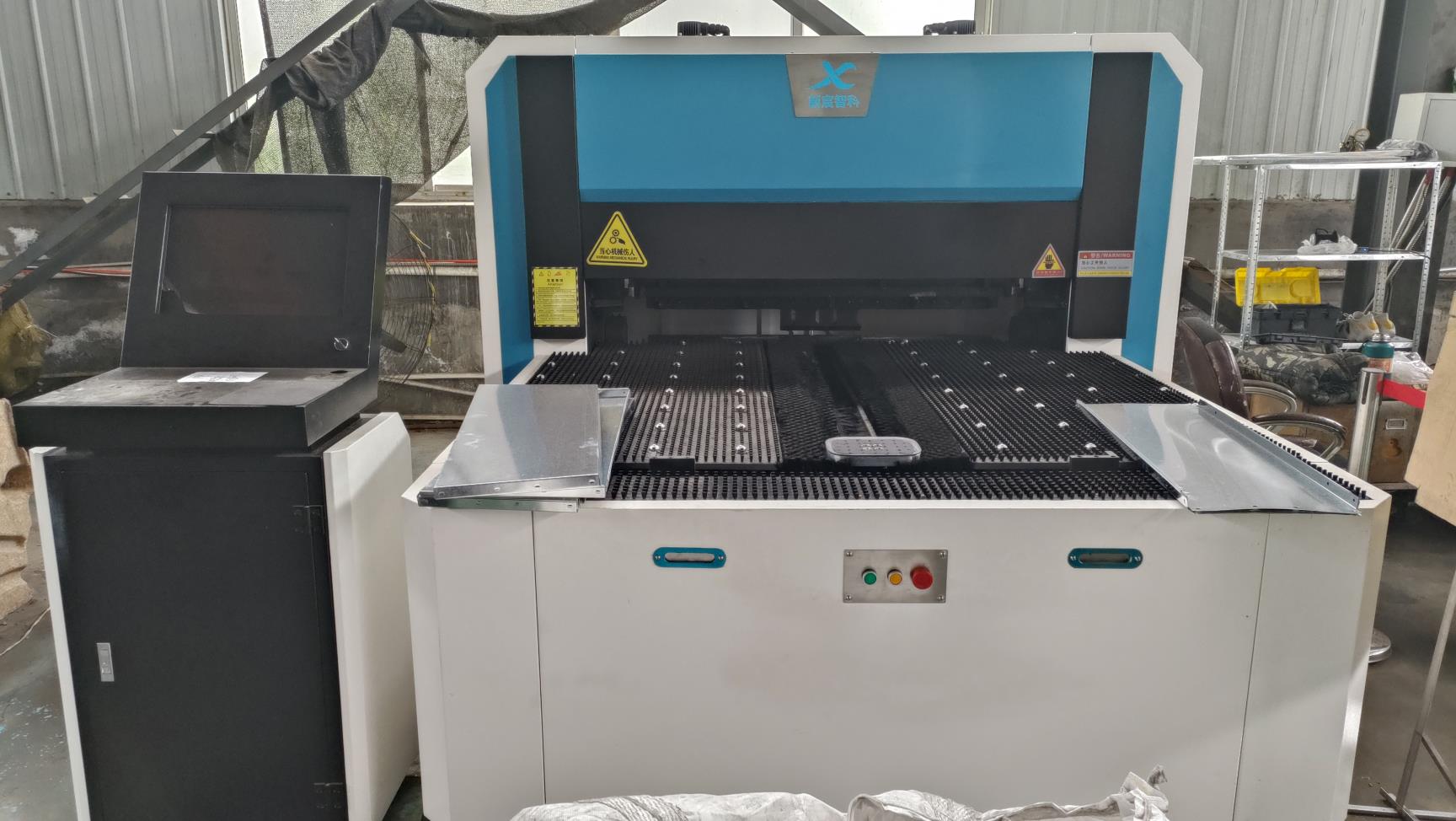
High-accuracy CNC press brakes convert structural steel sheets into rigid channel sections with tight dimensional tolerances.
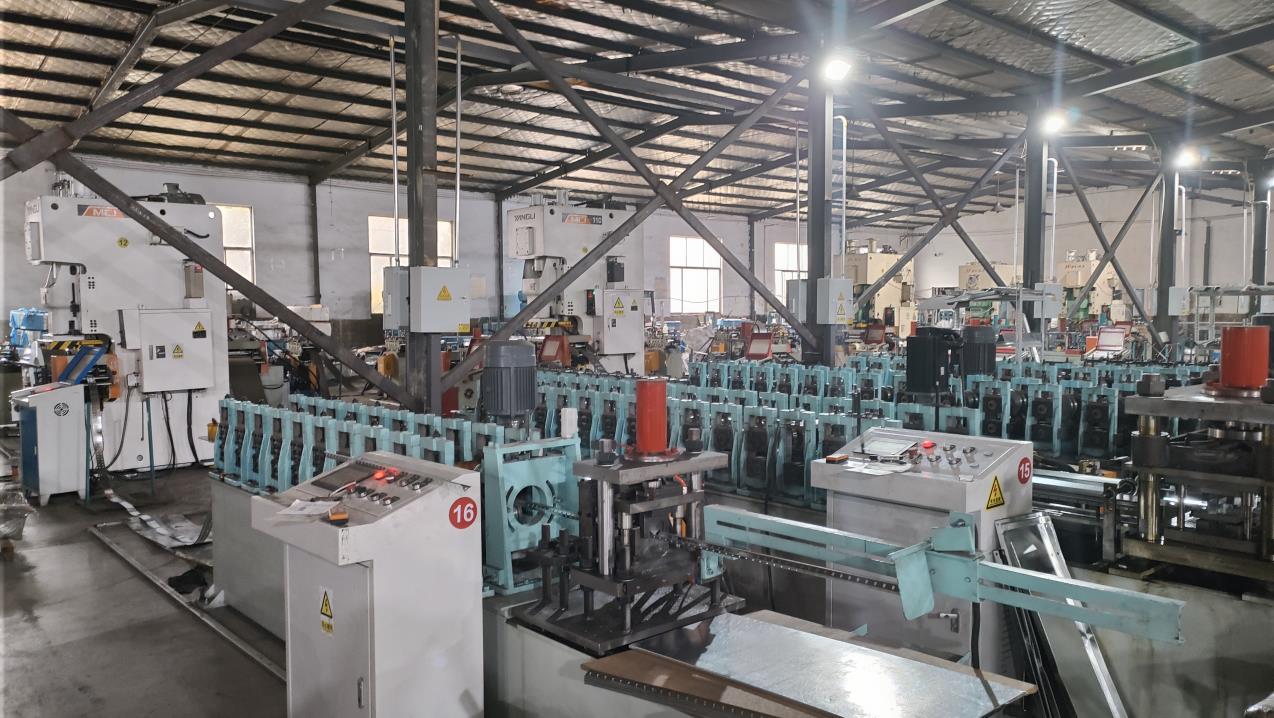
Progressive die punching creates multi-point connection patterns along the length of beam upright profiles.
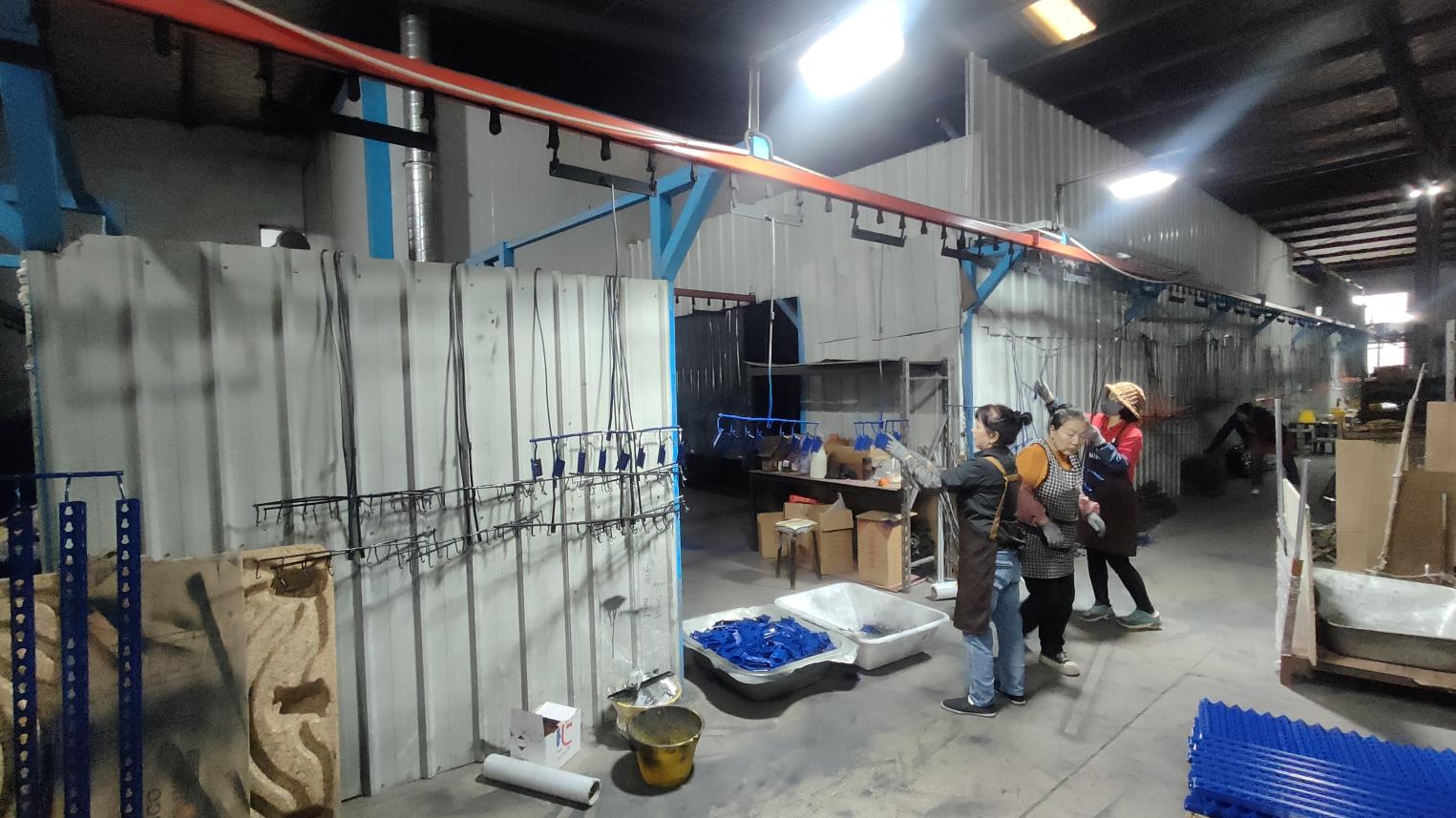
Electrostatic powder-coating chambers apply a thick polymer barrier, cross-linking in high ovens for corrosion resistance.
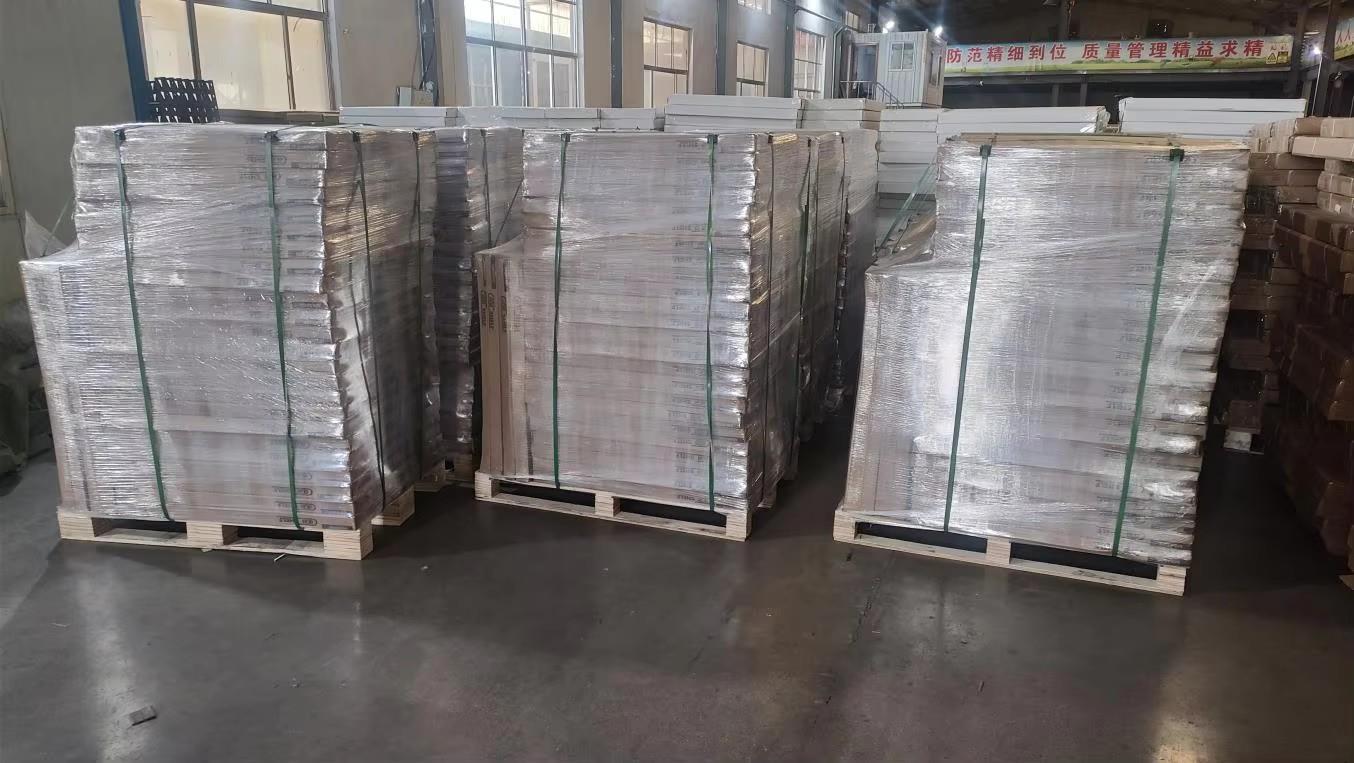
Finished components are bundled and shrink-wrapped using heavy strap barriers to prevent shipping damage.
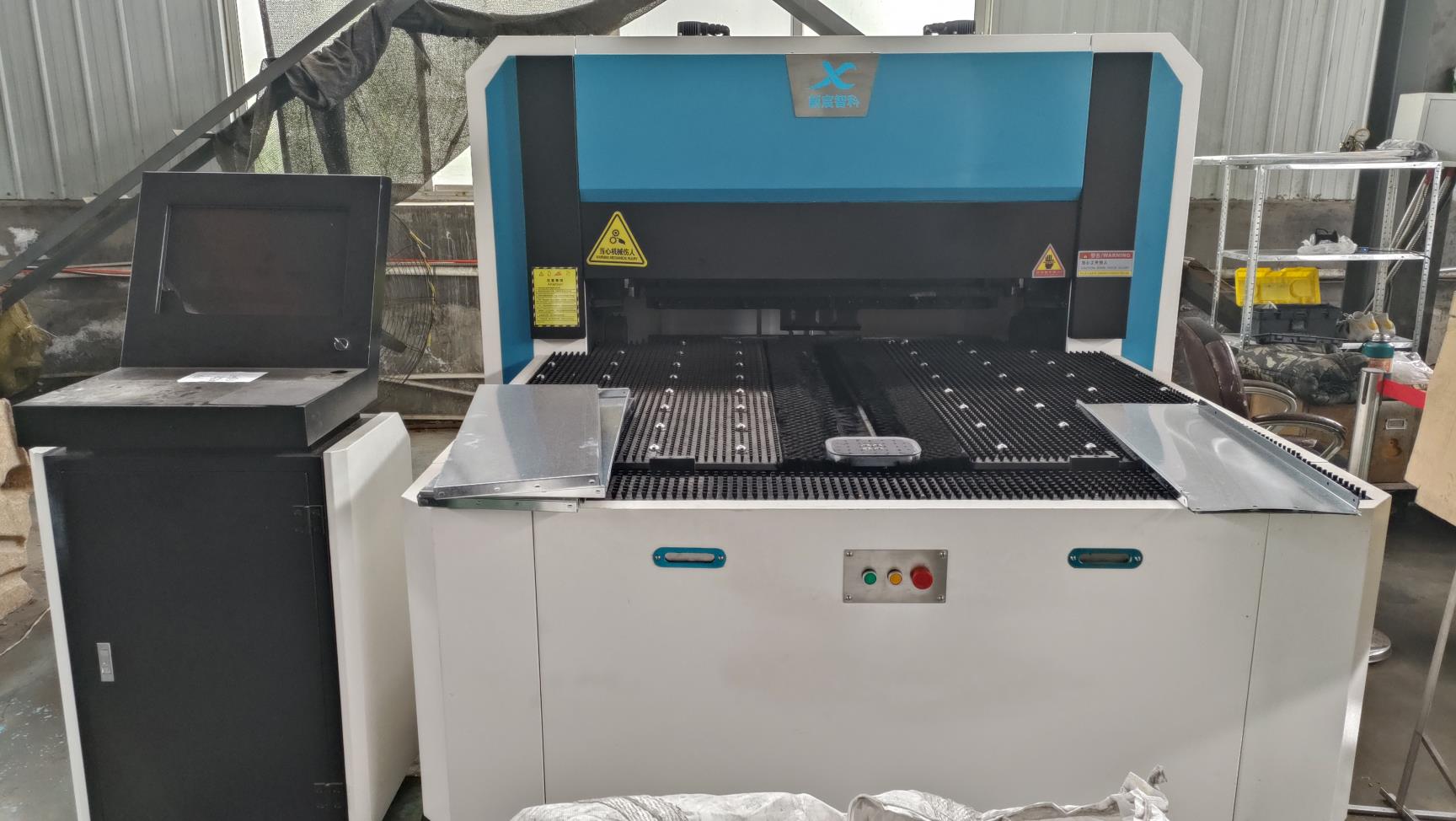
High-speed robotic bending systems maintain angular accuracy, ensuring uniform performance during rack assembly.
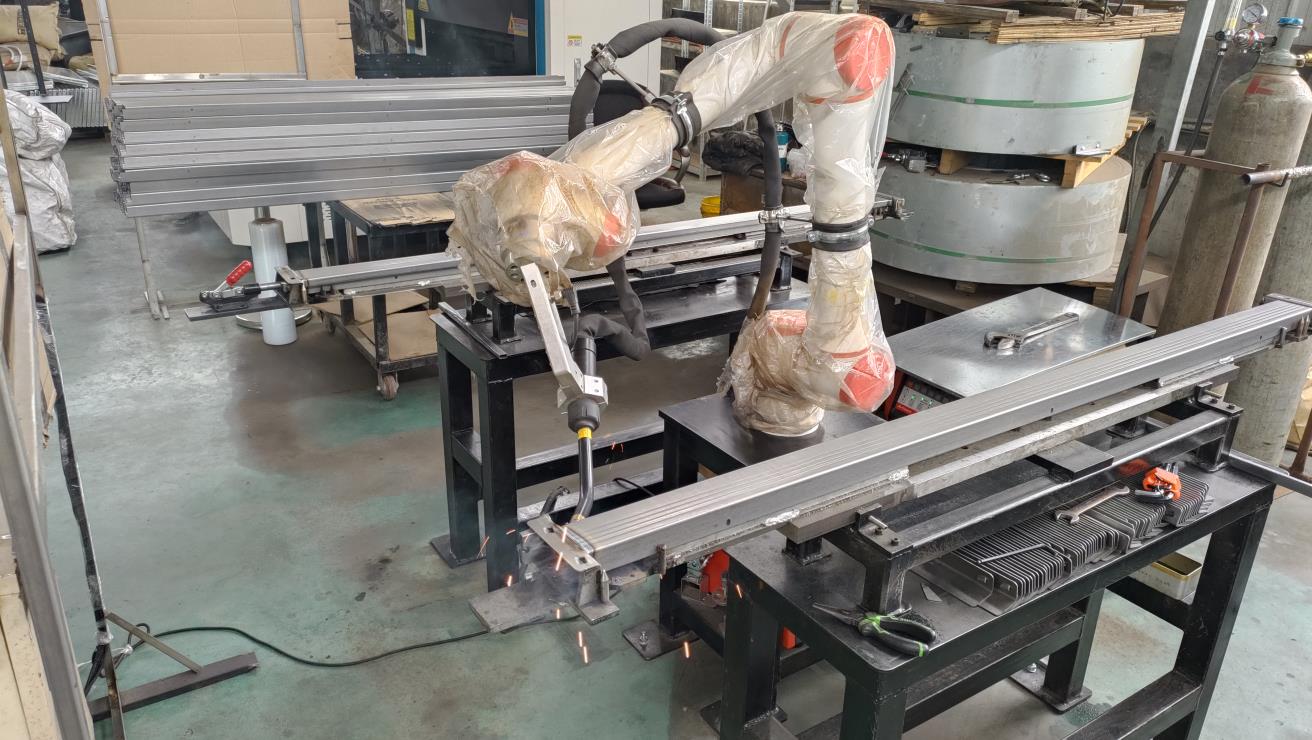
Robot MIG welding cells ensure deep structural penetration, reducing weld failure risks under load.
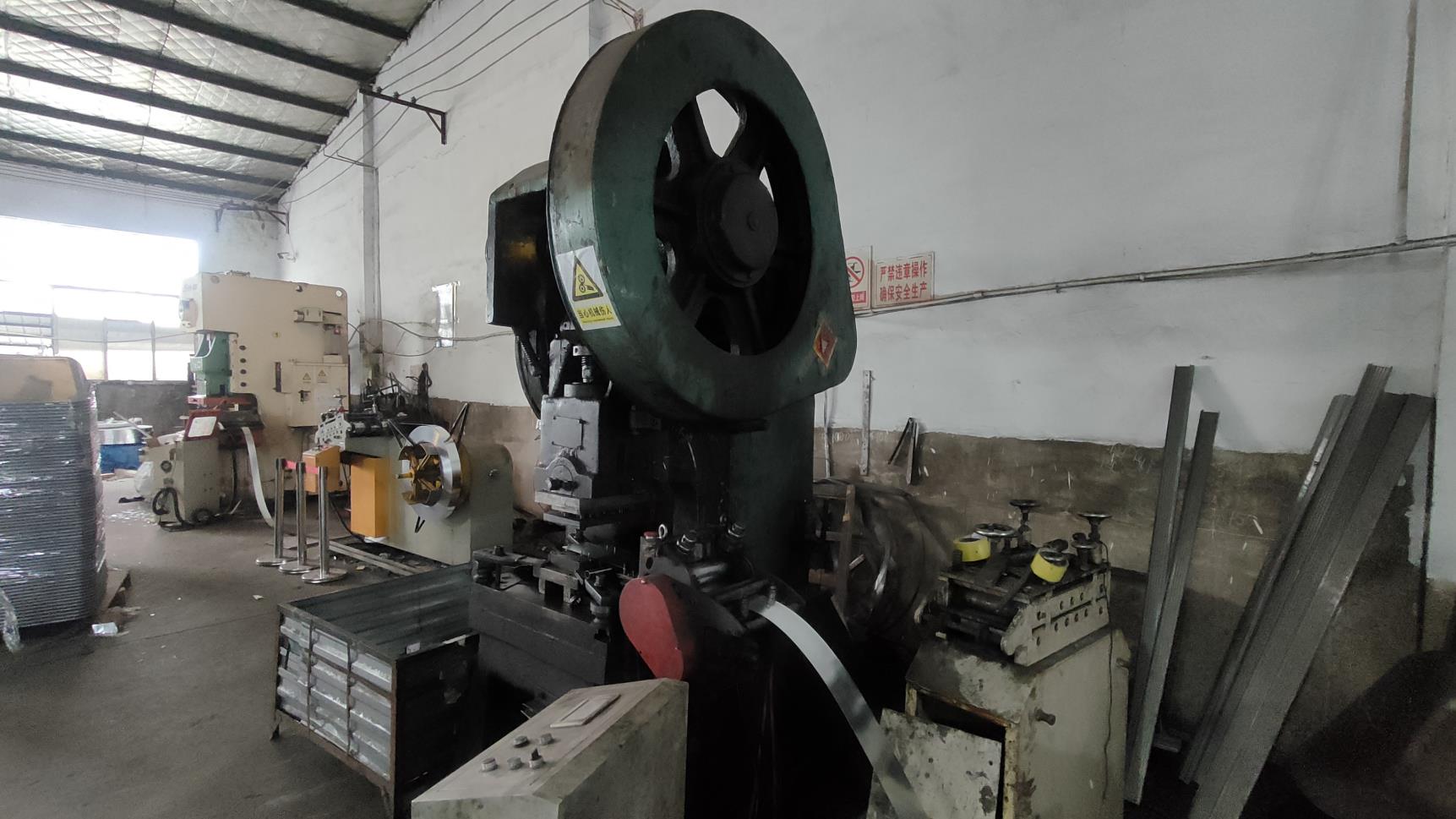
High-tonnage stamping stations cut mounting holes in structural frames with precision.
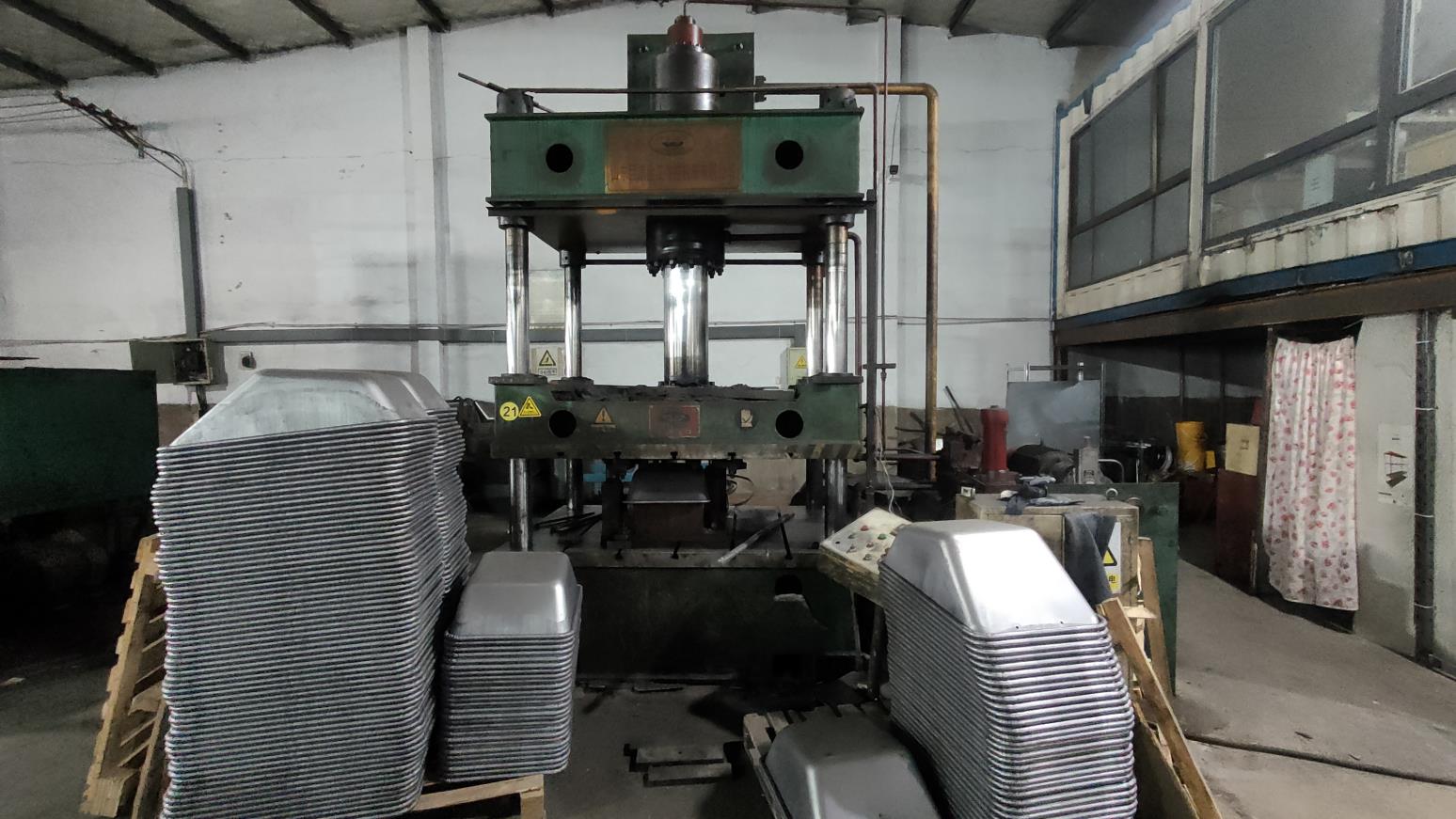
Multi-axis hydraulic presses shape secondary connectors, safety locks, and baseplates.

Dedicated press tooling handles structural modifications for customized OEM/ODM projects.
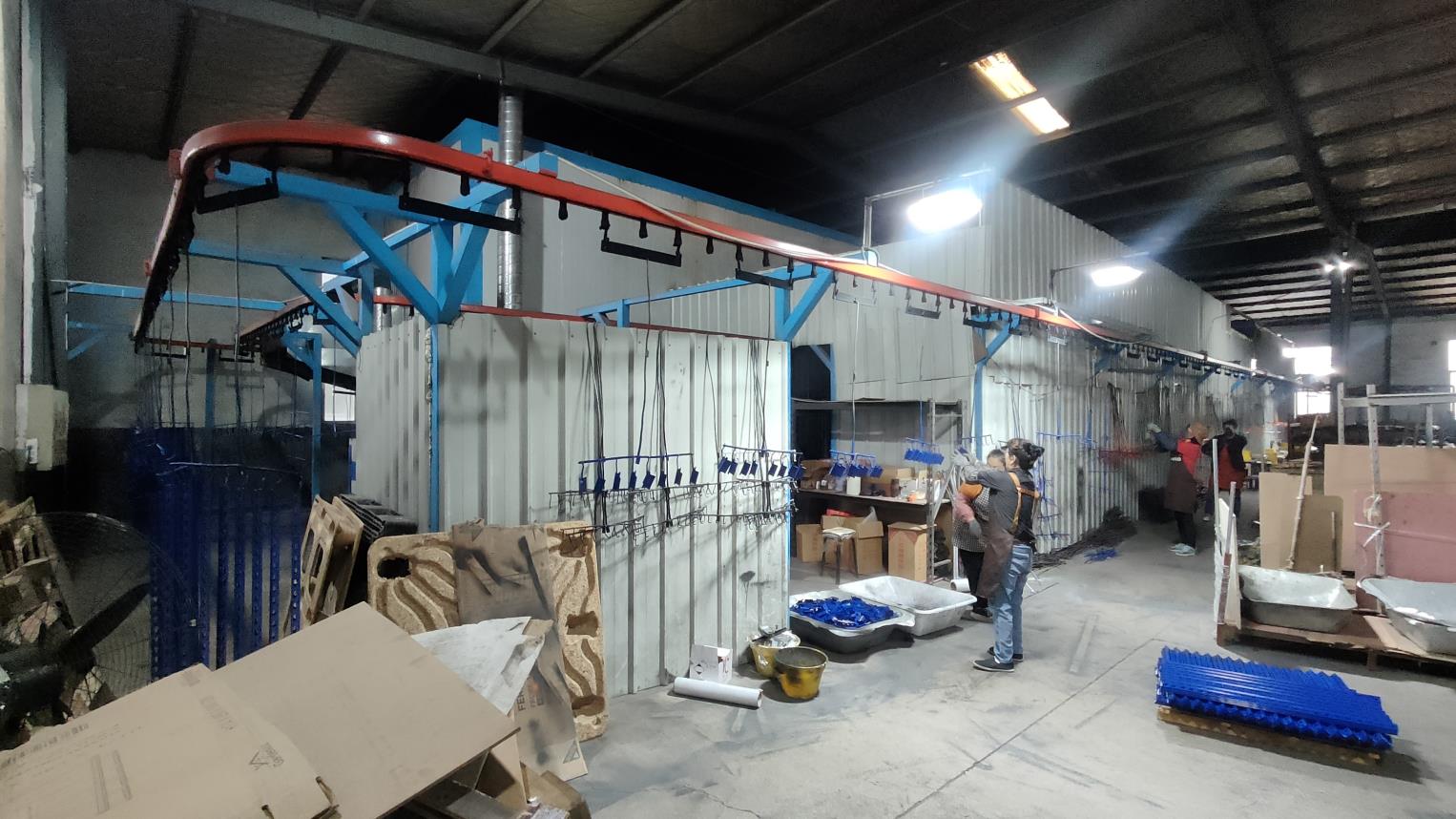
A continuous overhead line moves parts through chemical pretreatment, rinsing, and powder curing.
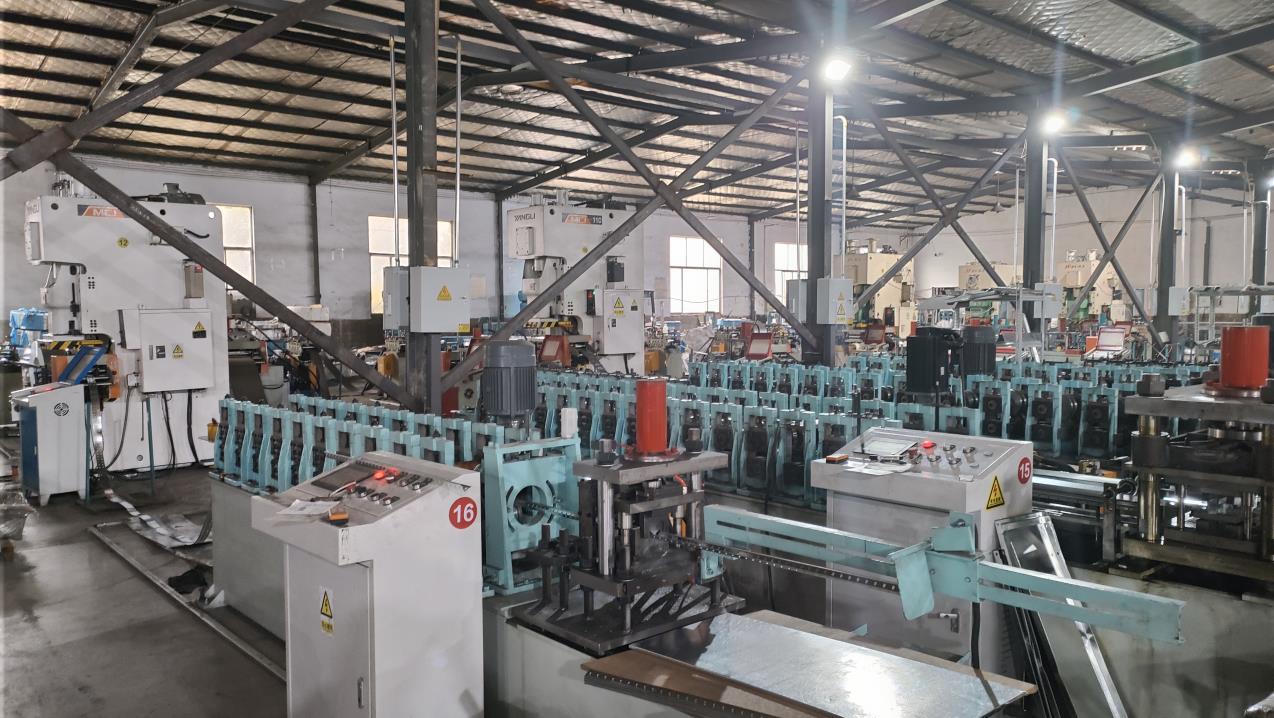
Continuous cold roll forming line constructs high-strength structural profiles with dimensional accuracy.
Ningbo Xinyi subjects all structural steel elements to extensive lab verifications to guarantee compliance with regional building codes (such as standard RMI MH16.1 and EN 15512 specifications):
With an annual export value exceeding $28 million USD, Ningbo Xinyi Metal Products Co., Ltd. has established a robust distribution footprint spanning North America, Western Europe, Southeast Asia, and the Middle East. Our logistics capabilities align with the demands of third-party logistics (3PL) providers, cold-chain operations, and manufacturing plants worldwide.
Our manufacturing capacity is backed by a supply chain of over 850 verified partners supplying raw steel, hardware, and surface treatment materials. This ecosystem mitigates material supply bottlenecks, ensuring predictable lead times and price stability during global metal market volatility.
Our quality control is overseen by 45 QA specialists who manage raw material inspection, weld testing, coating verification, and load tolerance assessments. In tandem, our engineering division—comprising 28 R&D engineers—designed and manufactured 185 new products and configurations last year. This highlights our capability to deliver tailormade structural answers for demanding spatial and seismic requirements.
| Structural Parameter | Technical Specification | Standards Compliance |
|---|---|---|
| Load Capacity Per Pallet | 500 kg to 1,500 kg per pallet position | RMI MH16.1 / EN 15512 |
| Structural Materials | Q235B / Q355B High-Yield Cold-Rolled Steel | ASTM A1011 / GB/T 1591 |
| Lane Incline Gradient | 3.0% to 4.5% (Configurable based on pallet weight) | DIN 18202 Class III |
| Deceleration Mechanics | Centrifugal self-regulating speed controller rollers | CE Standard Safety Directive |
| Finished Coat Treatment | Electrostatic epoxy powder coating (70-90μm thickness) | ISO 9227 / ASTM D3359 |
| Standard Seismic Performance | Configured for Zones 1-4 based on structural analysis | ASCE 7 / IBC Compliance |
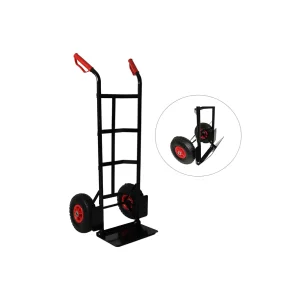
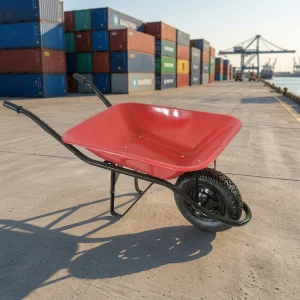
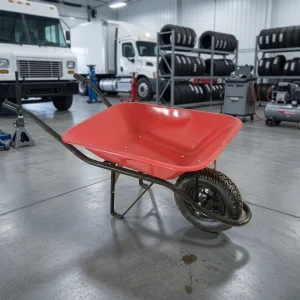
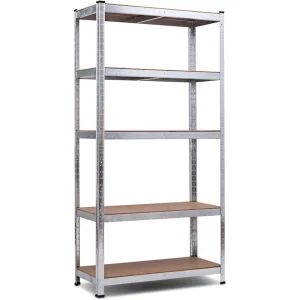
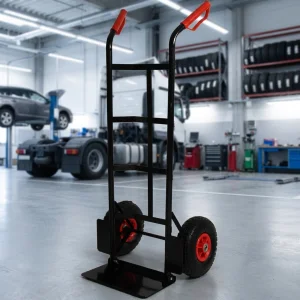
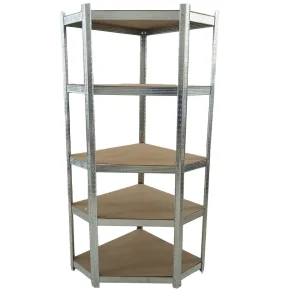
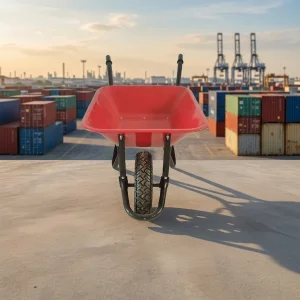
Explore our supporting logistics and transport products, including heavy-duty hand trucks, wheelbarrows, and specialized transport trolleys optimized for industrial environments.

Essential operational strategies for international procurement teams looking to optimize supply chain value when sourcing structural racking solutions from China.
Procurement specialists must verify that raw materials match mill certificates. Structural integrity is direct-link proportional to carbon and manganese ratios in steel chemistry. Always request testing documentation showing mill certifications matching EN 10204 3.1 parameters.
Storage systems are load-bearing building structures. Standard specifications cataloged by a factory must undergo localization calculation checks (FEA modeling). These engineering calculations must factor in localized concrete slab characteristics, subsoil class profiles, and local wind or snow load limits.
Cold storage facilities run at sub-zero ranges (-20°C to -30°C), resulting in elevated condensation rates. Under these conditions, standard electrostatic dry powder finishes may suffer from moisture infiltration. Specifying epoxy-rich zinc coatings or hot-dip galvanized structural profiles prevents corrosion.
Detailed answers to technical questions concerning the engineering, procurement, safety standards, and operation of gravity flow racking systems.
The standard incline angle for gravity flow racking systems is between 3% and 4.5% (approximately 1.7° to 2.6°). The specific angle depends on pallet configuration, weight distribution, and roller type. Systems designed for heavy pallets (over 1,000 kg) may function with a slightly lower incline to prevent excessive acceleration. Conversely, lighter loads require a steeper angle to overcome static friction and roll smoothly to the discharge face.
Braking rollers, or speed controllers, use a internal centrifugal brake assembly. When a pallet passes over the controller, the roller's rotation forces internal flyweights outward against a friction drum. This generates braking torque proportional to the pallet's speed, preventing runaway acceleration. These braking assemblies are placed at calculated intervals, typically every pallet length (approx. 1.2 meters), to control velocity.
A pallet separator is a mechanical latch that isolates the first pallet in line from the pressure of the trailing pallets. Without a separator, the cumulative weight of the rear pallets (line pressure) pushes against the lead pallet. This pressure makes it difficult and unsafe for forklift operators to extract the load. The separator holding latch triggers once the first pallet is lifted, allowing the next pallet to slide forward safely.
At Ningbo Xinyi Metal Products Co., Ltd., structural safety is verified through three primary methods: material verification, FEA simulation, and physical stress tests. We verify the yield point of structural Q235B/Q355B steel, model designs to meet localized RMI and EN 15512 standards, and perform load-deflection tests (ensuring deflection stays below L/300 under dynamic loading).
Yes, gravity racks are well-suited for cold storage due to their high-density layout. However, sub-zero temperatures (-20°C to -30°C) require specific design modifications. These include selecting low-temperature grease for roller bearings, specifying thicker powder coat layers or hot-dip galvanization to resist moisture condensation, and verifying structural steel impact toughness under extreme cold.
 Xinyi Racking