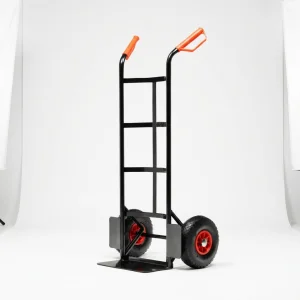
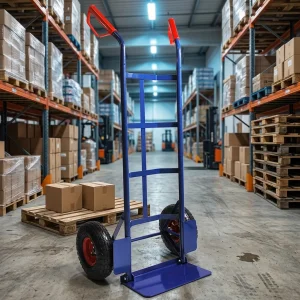
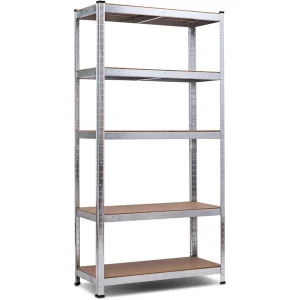
Engineered for heavy industrial loads, curing management, and streamlined logistics within automated manufacturing facilities.
Unlocking Global Supply Chain Efficiency and Advanced Plant Infrastructure for High-Performance Polyurethane Foaming.
The performance of modern Polyurethane (PU) foam relies on molecular-level design. From flexible foams used in high-resilience cushioning to rigid foams for structural thermal insulation, top Chinese manufacturers are shifting toward low-VOC, bio-compatible chemical pathways. Polyether and polyester polyols are meticulously reacted with aromatic isocyanates (MDI/TDI) under precisely metered catalyst packages to ensure uniform cell structures, low compression set, and customizable rebound dynamics.
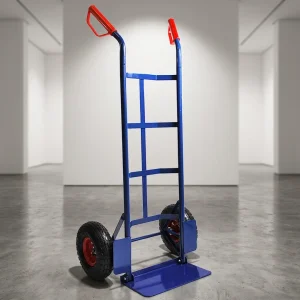
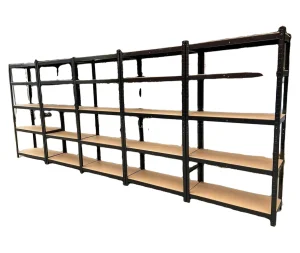
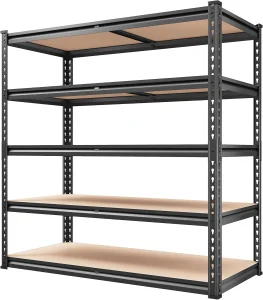
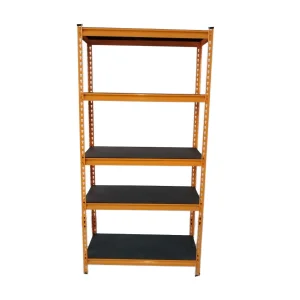
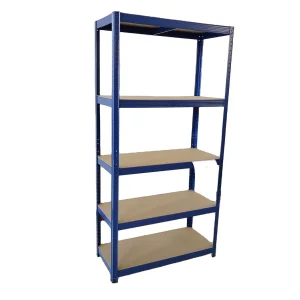
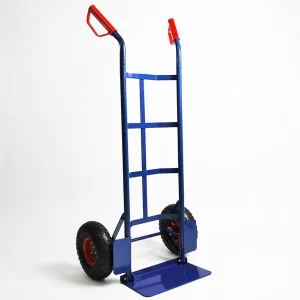
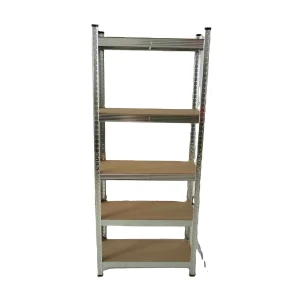
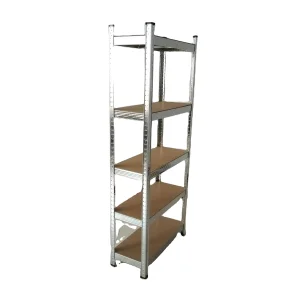
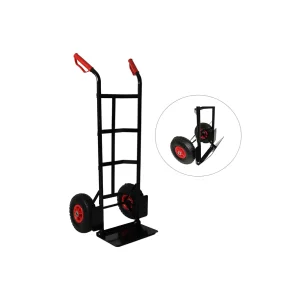
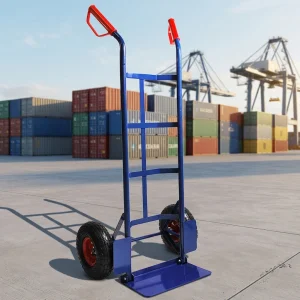
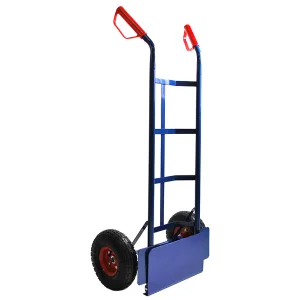
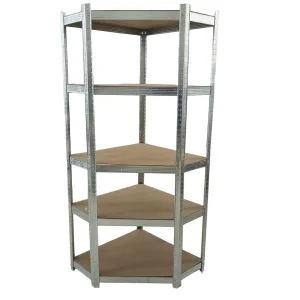
High-volume manufacturing of PU foam buns requires extensive maturing halls and highly engineered curing racks. Freshly extruded foam buns pose significant exothermic safety hazards and structural deformation risks. Utilizing state-of-the-art heavy-duty steel shelving and custom cargo handling trolleys, such as those engineered by Ningbo Xinyi Metal Products Co., Ltd., enables automated storage, optimized vertical ventilation, and precise density retention during the critical curing phase.
Analyzing the shift from conventional hydrocarbon blowing agents to green polymers and high-performance physical properties.
To comply with stringent EU F-gas regulations and the Kigali Amendment, Chinese PU foam factories are upgrading to fourth-generation Hydrofluoroolefins (HFOs) and liquid CO2 co-blowing systems. These alternatives achieve a Global Warming Potential (GWP) close to zero while preserving the superior thermal resistance of rigid PIR and PUR boards.
Circularity is driving R&D efforts. Modern factories are synthesizing polyols from castor oil, soybeans, and chemically recycled post-consumer PET bottles. This bio-based content reduces dependence on fossil feedstock while delivering high chemical resistance and thermal stability required by modern industries.
Under Industry 4.0 paradigms, continuous slabstock lines are governed by real-time density sensors and viscosity closed-loop controllers. Automated adjustments to chemical dosing pumps optimize block shape, minimize scrap rates, and ensure consistent mechanical properties from the core to the crust of the foam bun.
How specialized PU foam formulations and custom metal racks optimize material yield across key global industries.
| Application Sector | Polyurethane Foam Types | Key Performance Indicators (KPIs) | Industrial Logistics & Storing Needs |
|---|---|---|---|
| Automotive NVH & Interiors | MDI-based molded flexible foam, acoustic absorbing PU, semi-rigid backing. | Low VOC emission, high acoustic damping, flame retardancy (FMVSS 302). | High-density stacking racks, heavy-duty logistics trolleys, dust-controlled staging. |
| Furniture & Mattresses | High-Resilience (HR) foam, viscoelastic memory foam, gel-infused foam. | Indentation Load Deflection (ILD), tensile strength, durability, air permeability. | Curing-hall vertical racking systems, automated conveyors, compression packaging shelves. |
| Building Insulation | Rigid Polyisocyanurate (PIR) and Polyurethane (PUR) sandwich panels. | Thermal conductivity (K-factor λ ≤ 0.022 W/m·K), compressive strength. | Long-span heavy-duty cantilever racks, weather-resistant structural steel systems. |
| Cold Chain Logistics | Ultra-low temperature rigid closed-cell polyurethane. | Closed-cell content (>95%), dimensional stability at sub-zero temperatures. | Corrosion-resistant powder-coated stacking racks, heavy-duty mobile warehouse shelving. |
Inside the advanced production workflows and heavy-duty logistics engineering behind Ningbo Xinyi Metal Products Co., Ltd.
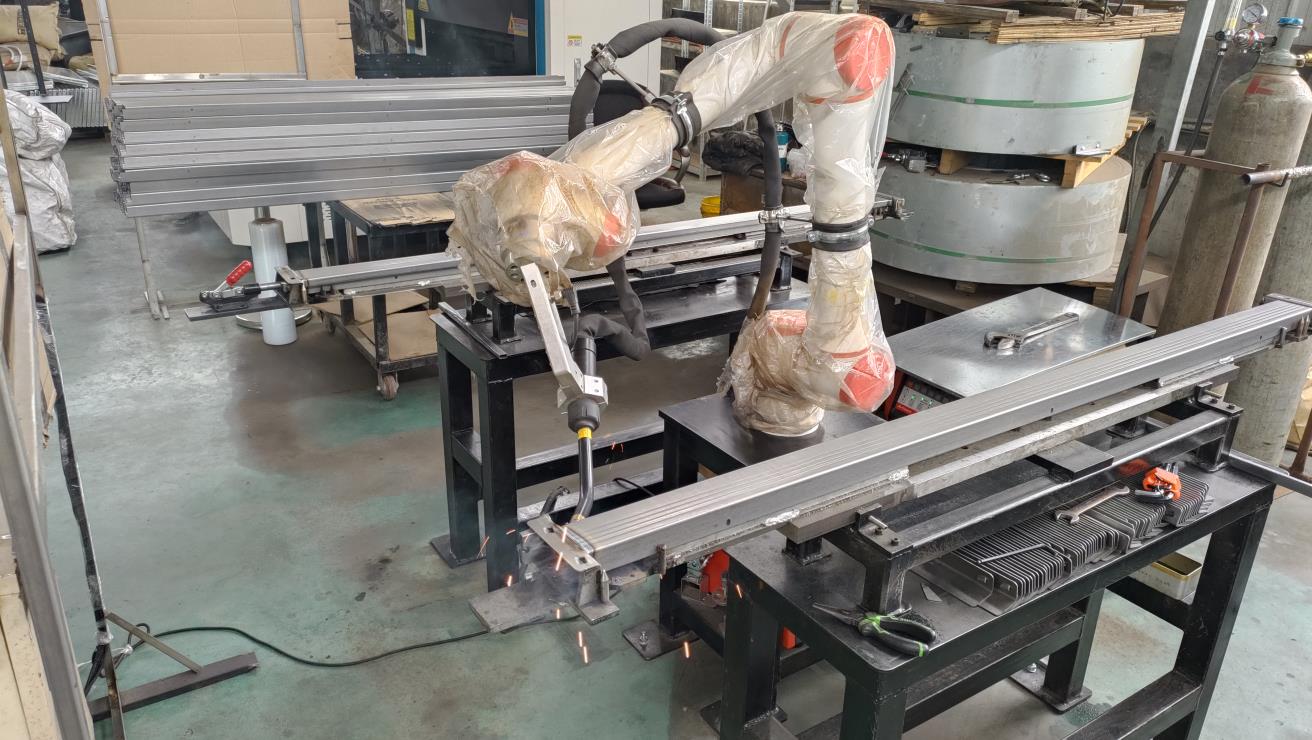
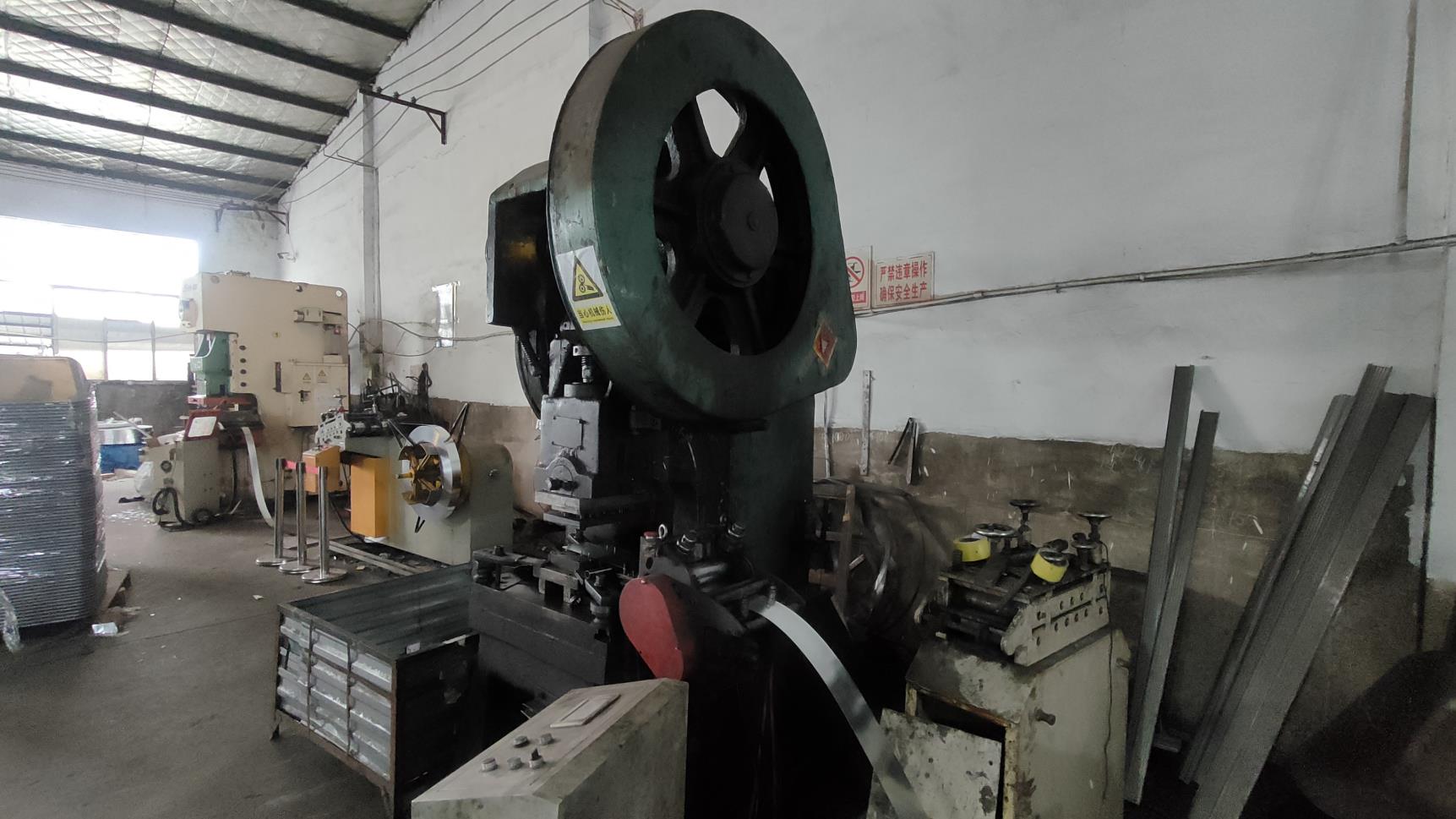
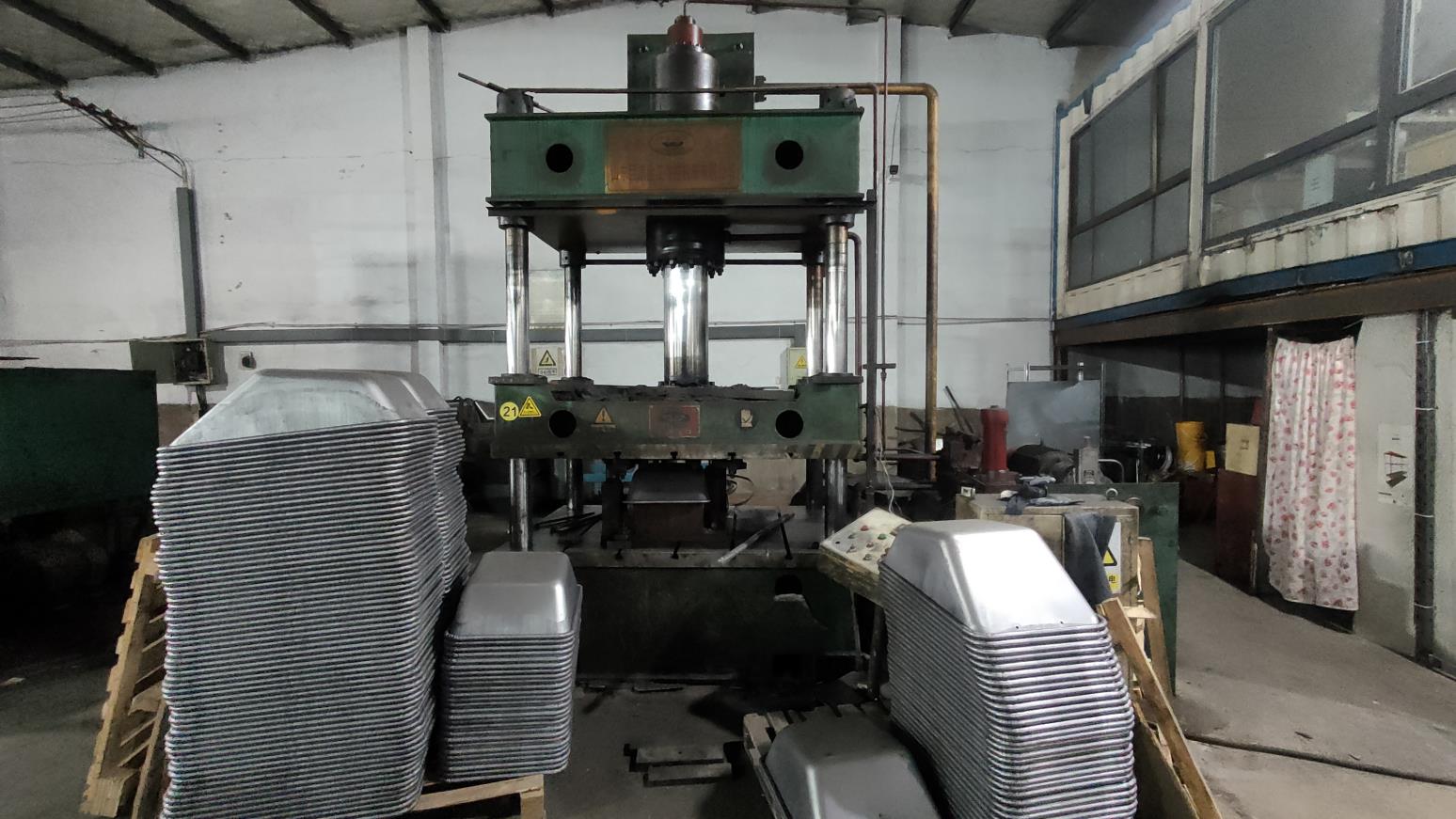
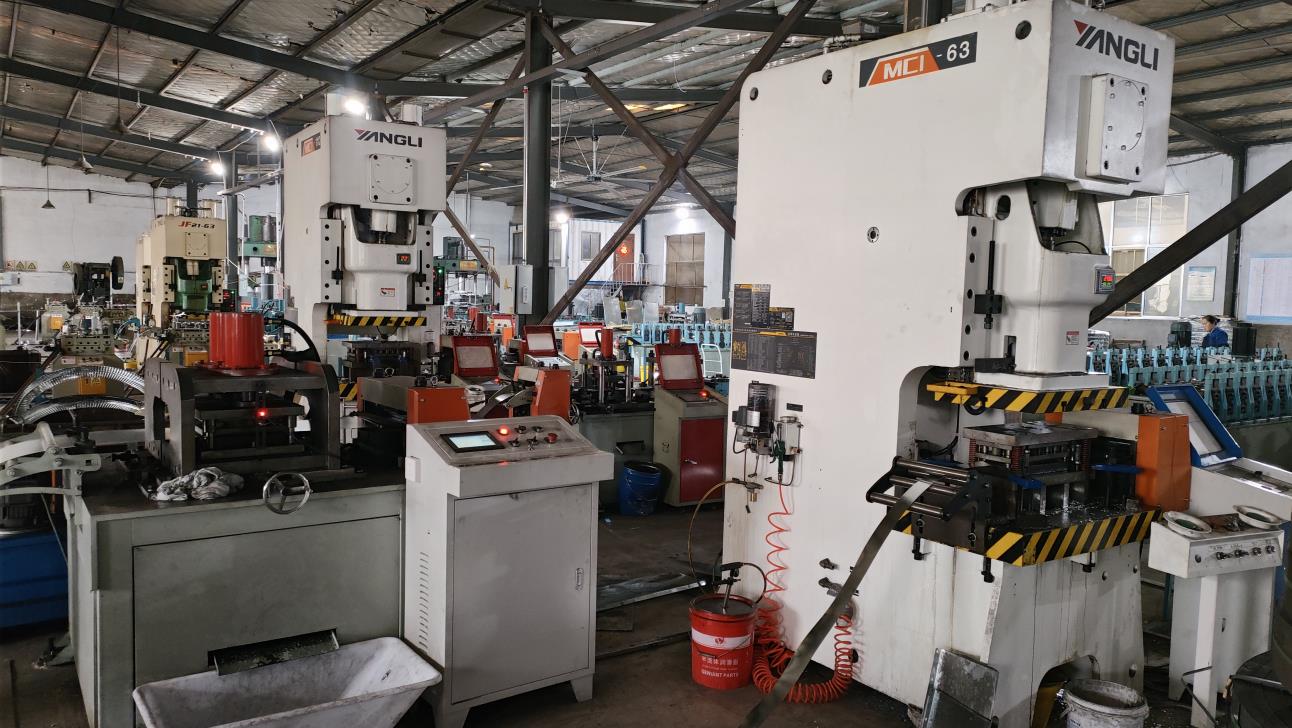
Established in 2015, Ningbo Xinyi Metal Products Co., Ltd. is a leading manufacturer specializing in heavy-duty industrial storage racks, pallet racking systems, and customized warehouse material handling solutions. Spanning a state-of-the-art production facility of 38,000 square meters, we deliver high-performance racking products to global logistical hubs, distributors, and enterprise facilities.
With 11 years of deep industry expertise and 8 years of dedicated international trade experience, our annual export revenue has reached over $28 million USD. Our footprint spans major global markets, including North America, Western Europe, Southeast Asia, and the Middle East, serving diverse client segments such as third-party logistics (3PL) providers, e-commerce fulfillment centers, industrial distributors, and large-scale retail chains.
Quality and structural integrity are at the core of our manufacturing processes. Supported by a rigorous Quality Assurance team of 45 certified inspection professionals, we enforce strict full-process quality control. Our quality testing methods integrate ultrasonic weld inspection, raw material tensile testing, load-capacity deflection testing, and salt-spray corrosion resistance evaluation to guarantee long-term durability and safety compliance.
Driven by strong research and development capabilities, our engineering center hosts 28 experienced R&D engineers who specialize in custom structural design, seismic analysis, and automated storage and retrieval systems (AS/RS). We offer extensive OEM/ODM customization options, including custom load capacities, dimensions, powder-coating finishes, and modular accessory integrations. Last year alone, our R&D team successfully launched 185 new products and customized configurations to meet evolving market demands.
Backing our operational strength is a robust supply chain network of over 850 trusted partners providing premium steel materials, eco-friendly surface coatings, and specialized hardware components. Ningbo Xinyi Metal Products Co., Ltd. remains committed to delivering reliable, safe, and space-optimized storage solutions to empower our clients' global supply chain infrastructure.
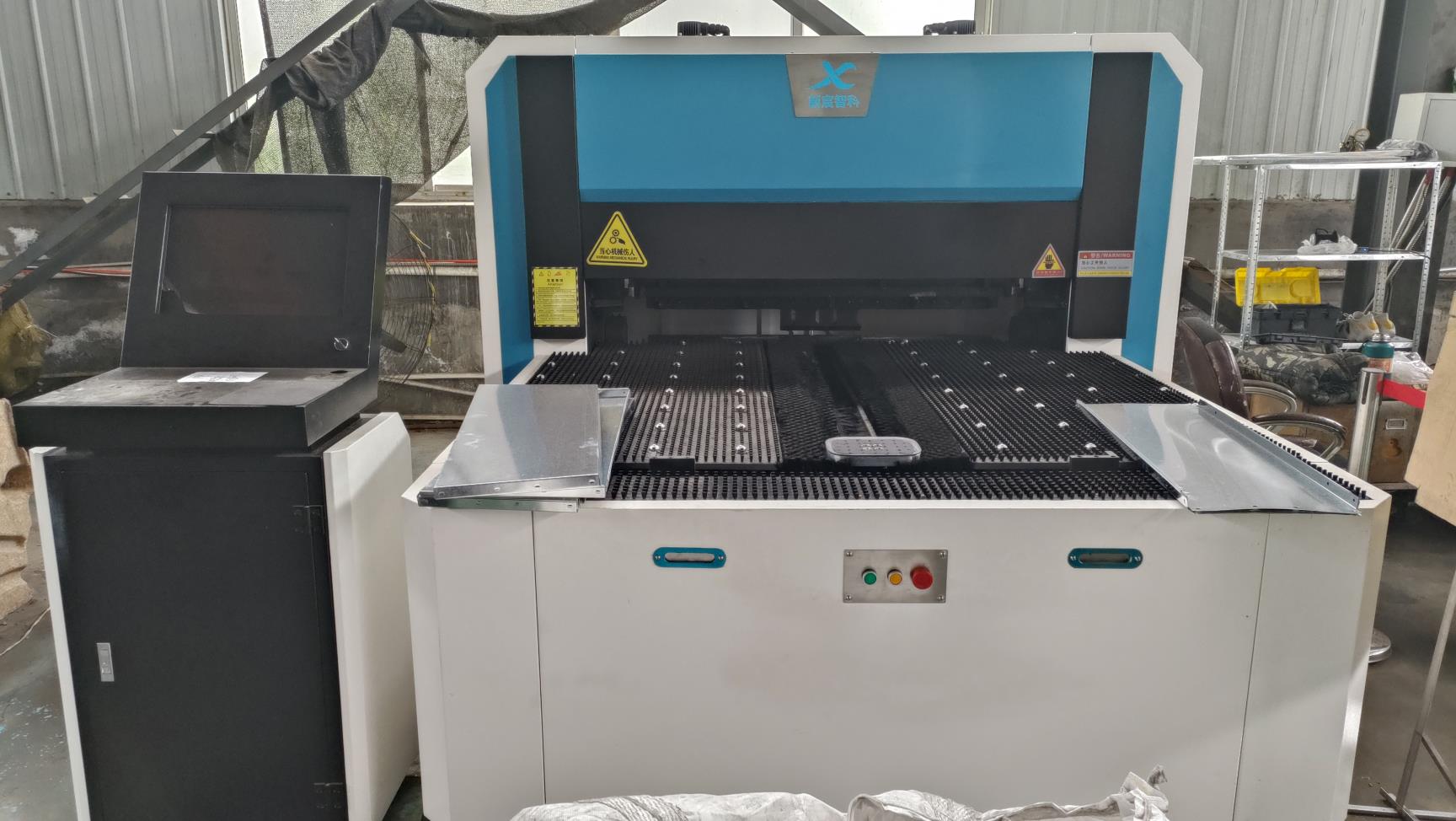
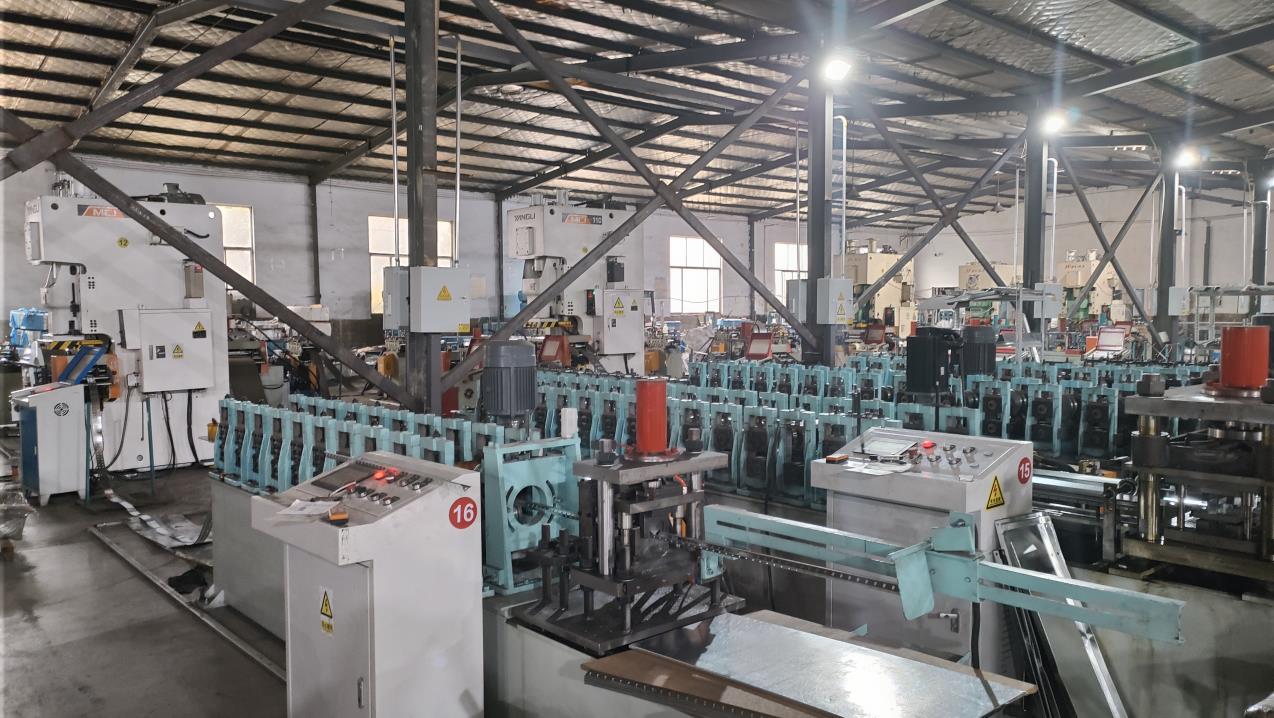
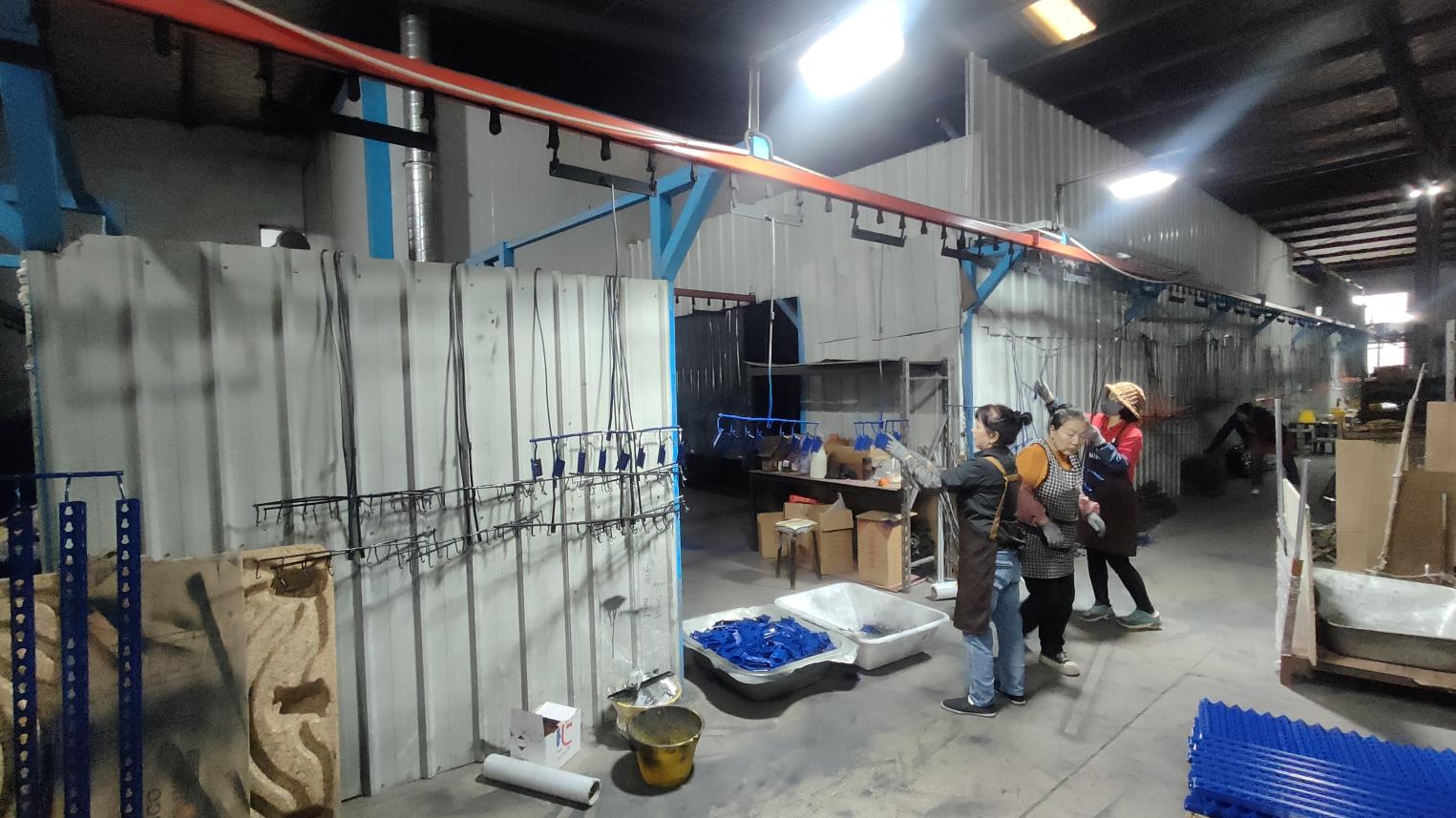
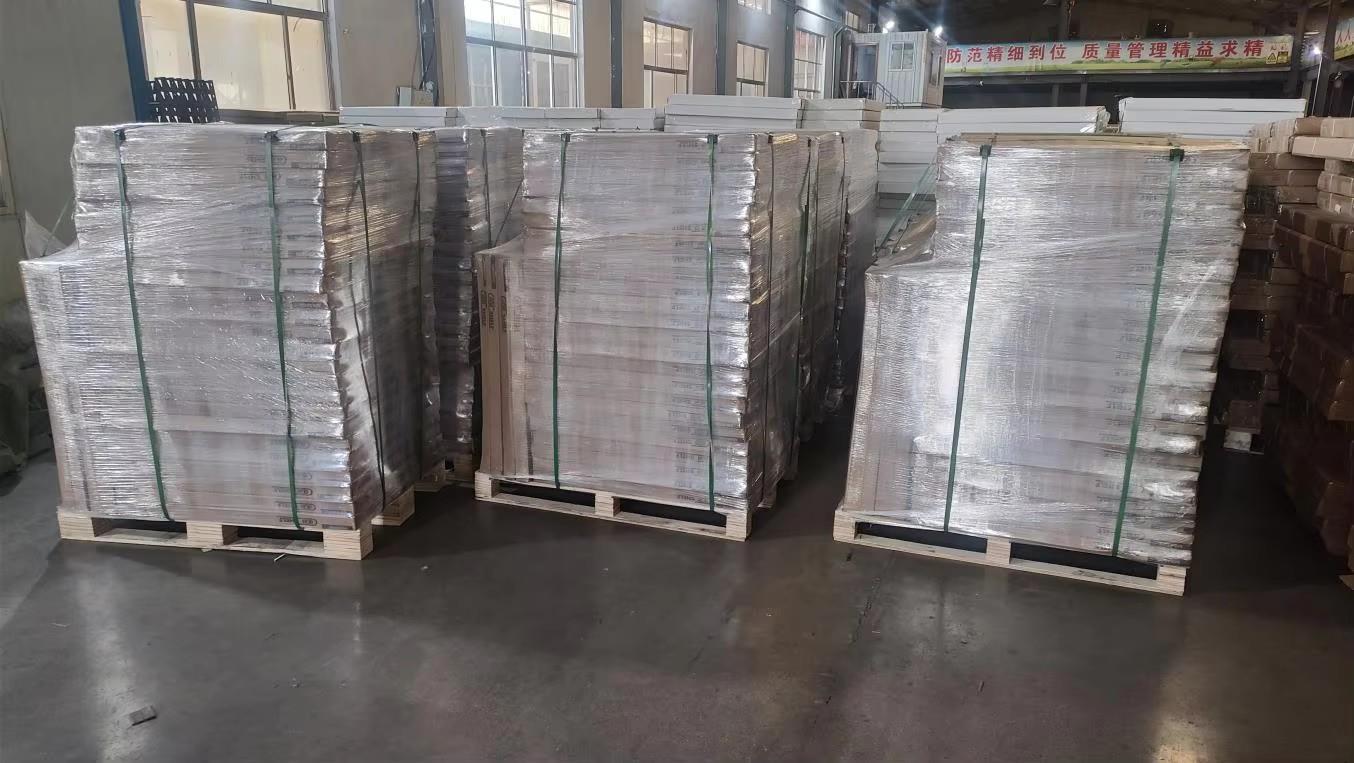
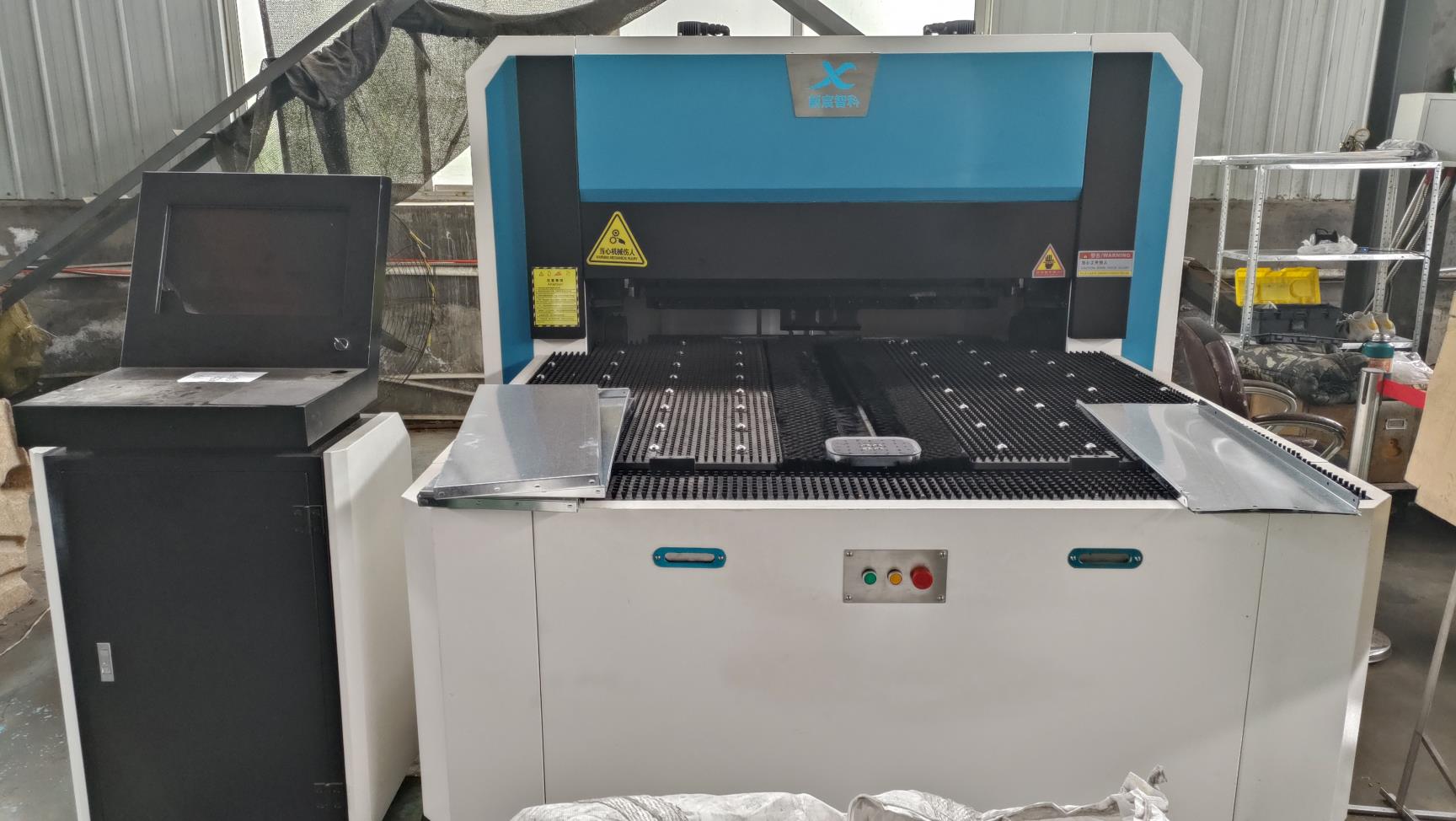
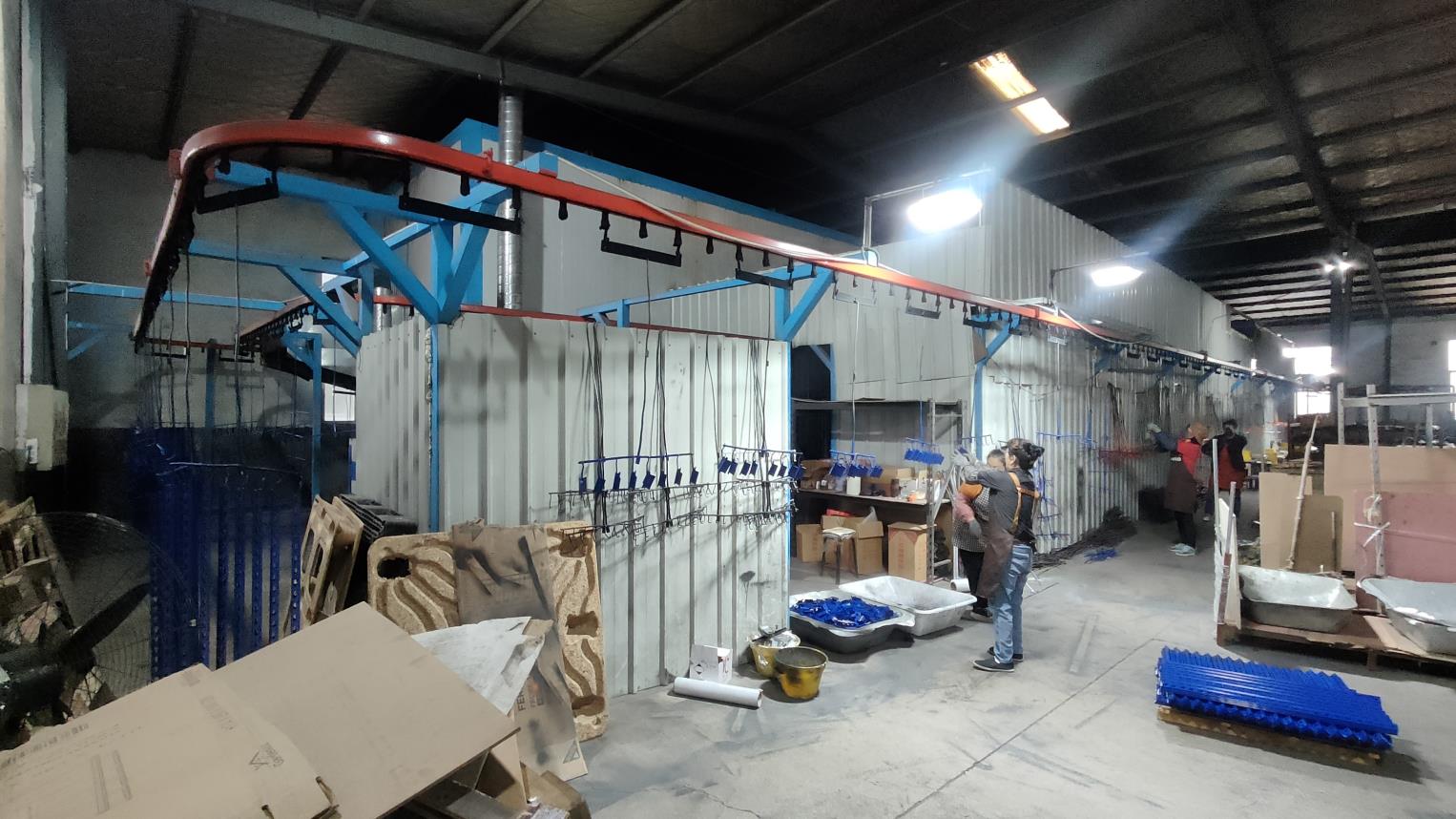
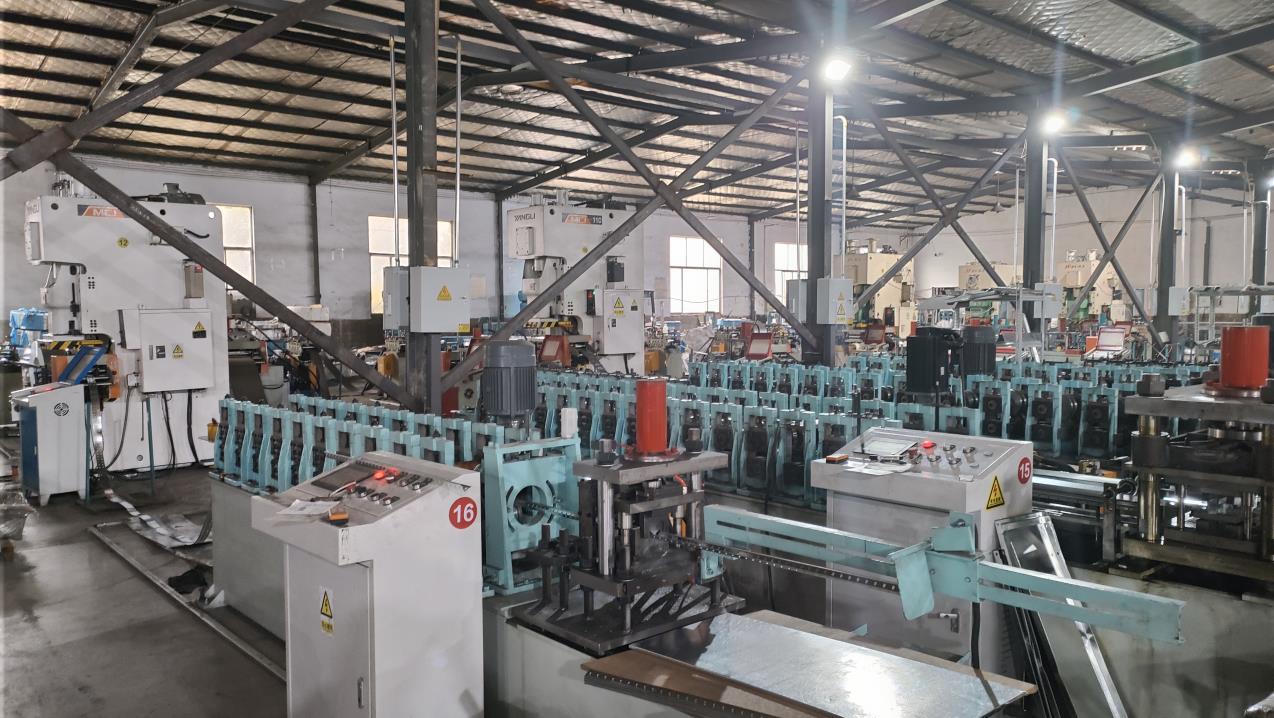
Key structural parameters and quality checks required to ensure long-term structural integrity and compliance.
For storage structures handling high-volume PU foam rolls or blocks, static and dynamic loading limits must be calculated under Finite Element Analysis (FEA). Engineering tolerances must adhere to EN 15512 or RMI standards to prevent rack collapse or beam bowing under structural stress.
In foam manufacturing environments with chemical vapors or humidity, steel components must undergo electrostatic powder coating with corrosion-resistant finishes. Racking systems should undergo extensive salt-spray validation (ASTM B117) to prevent oxidation.
PU curing halls are fire-sensitive zones. Stacking and racking systems must be designed to accommodate overhead sprinkler dispersion patterns. Proper open mesh wire decking or steel spacers are essential to prevent localized heat containment during exothermic curing.
Supporting enterprise infrastructure across international markets with verified compliance certifications.
Leading Chinese exporters maintain strict compliance with global quality and structural benchmarks. Production lines operate under certified ISO 9001:2015 quality management systems. All structural steel racking, platforms, and automated components conform to CE directives and comply with OSHA and AS4084 guidelines for structural integrity and operational safety.
Every facility demands a specific architectural layout. Through 3D CAD modeling and seismic simulation software, engineering teams design custom pallet racks, mezzanine flooring, and custom transport trolleys tailored to the exact cell configuration of the facility. This ensures safety factors are balanced with material yield and warehousing density optimization.
Heavy-duty transport cargo systems and high-density boltless shelving configurations engineered for seamless plant floor transitions.
Expert answers regarding PU foam processing requirements, metal racking specifications, and factory sourcing standards.
 Xinyi Racking