Engineered to maximize warehouse utilization and secure industrial cargo during dynamic transit phases.
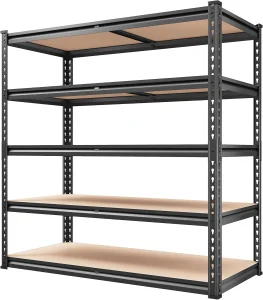
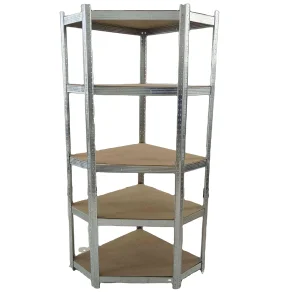
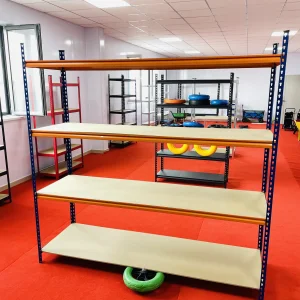
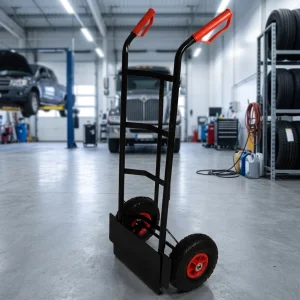
Analyzing global supply chain resilience, structural design philosophies, and localized integration frameworks.
In the high-intensity theater of modern industrial operations, logistics efficiency is no longer simply an operational metric—it is the cornerstone of global supply chain resilience. As enterprise distribution hubs, third-party logistics (3PL) providers, and advanced manufacturing centers scale horizontally, the demand for optimized transport racks and heavy-duty structural pallet solutions reaches unprecedented volumes. Modern industrial material handling demands structural systems that not only withstand massive static loads but also remain resilient under the mechanical dynamics of rapid transshipment, global sea freight, and automatic crane retrieval.
This whitepaper details the engineering, production scale, and quality assurance framework required to manufacture heavy-duty metal racking and material handling equipment. With strategic focus on Ningbo Xinyi Metal Products Co., Ltd., we investigate how custom structural integration, advanced anti-corrosion science, and localized compliance ecosystems enable logistics networks to unlock untapped storage capacity, enhance workplace safety, and mitigate supply chain disruptions.
Founded in 2015, Ningbo Xinyi Metal Products Co., Ltd. represents the cutting edge of industrial metal fabrication and racking engineering. Spanning a 38,000 square meter state-of-the-art facility, the company leverages 11 years of deep industry expertise alongside 8 years of dedicated international trade experience to provide premium logistics, racking, and platform trolley configurations. Serving diverse client segments across North America, Western Europe, Southeast Asia, and the Middle East, our enterprise operates with a robust supply network of over 850 trusted materials and coatings partners, ensuring zero-latency supply continuity for the global supply chains we support.
Key drivers forcing procurement professionals to optimize racking systems and transport logistics hardware.
With real estate costs rising exponentially in urban distribution hubs, supply chain executives are looking up. Racking structures must support greater weights at heights exceeding 12 meters, requiring tighter tolerances, superior vertical steel straightness, and optimized load-deflection metrics under severe structural loads.
Increasingly rigid international guidelines (such as OSHA in the US and EN 15512 in Europe) require that transport racks feature robust mechanical locks, anti-corrosion chemical barriers, and standardized weight capacity ratings clearly labeled to prevent catastrophic collapse or workforce injury during daily warehouse maneuvers.
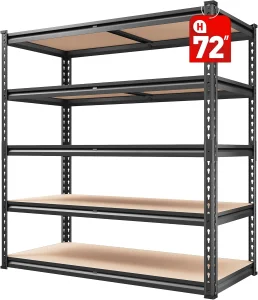
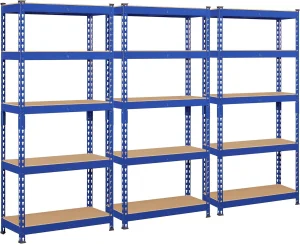
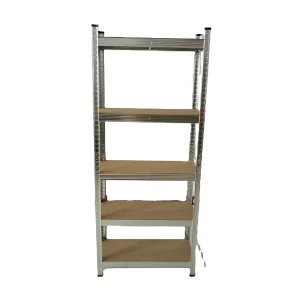
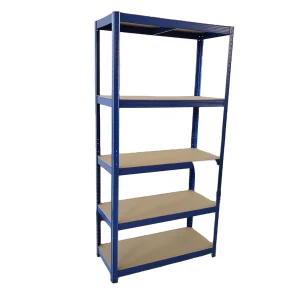
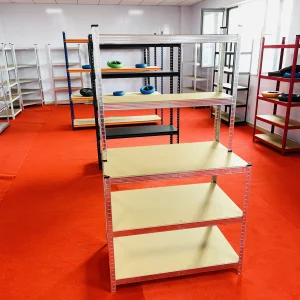
Static storage setups slow down layout scaling. Enterprise users are shifting to modular, boltless rivet designs that allow swift modification, multi-level customization, and knock-down shipping configurations, dramatically lowering ocean freight shipping volume and simplifying local assembly.
By coupling extensive local steel supply chains with advanced automated welding, punching, and high-volume electrostatic powder-coating lines, China-based manufacturers like Ningbo Xinyi can achieve precision tolerances at scale. This integration keeps capital expenditure under tight control, delivering direct capital efficiency back to worldwide distribution networks.
A visual breakdown of our state-of-the-art metal forming, robotic welding, and automated surface treatment processes.
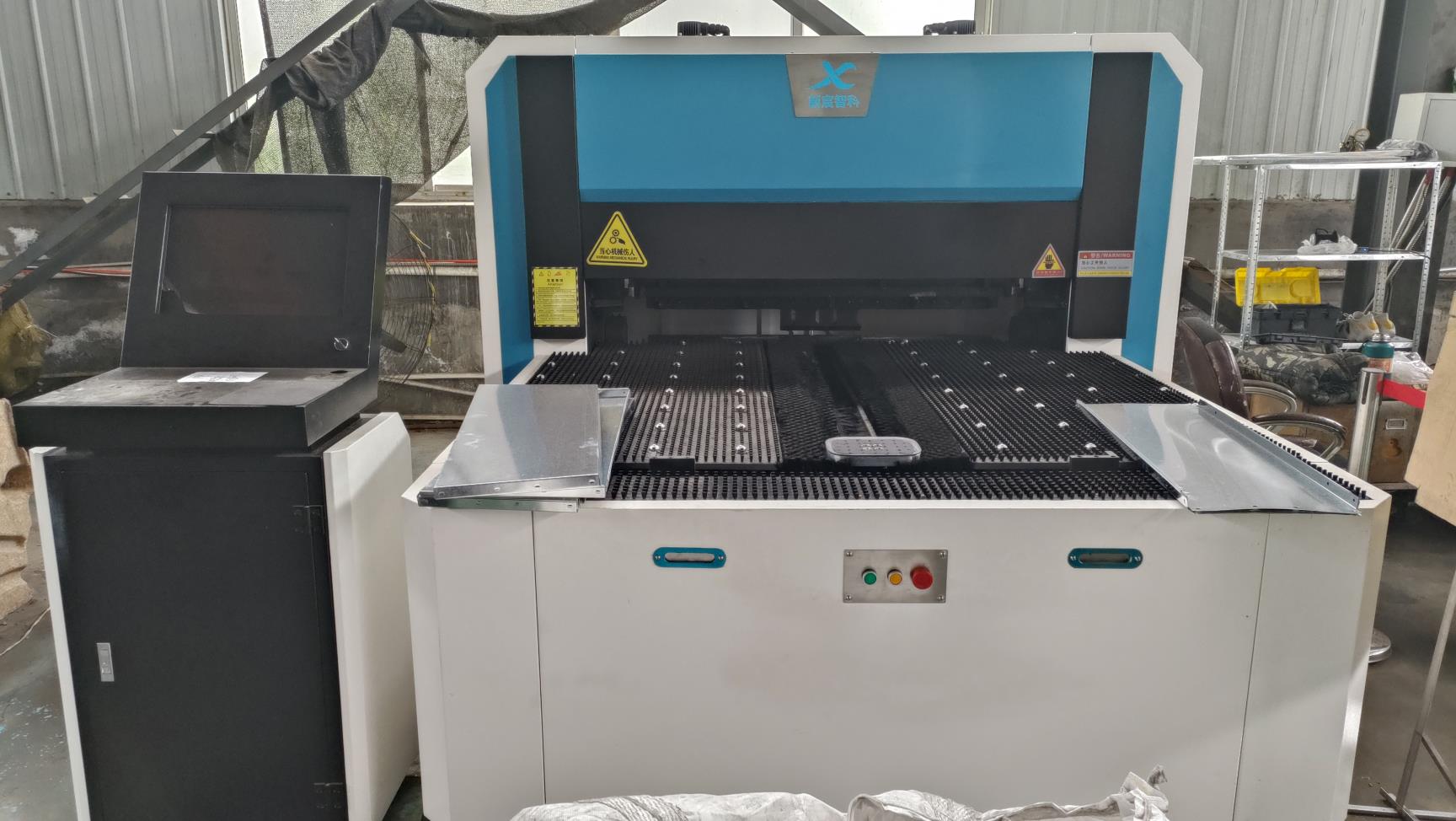
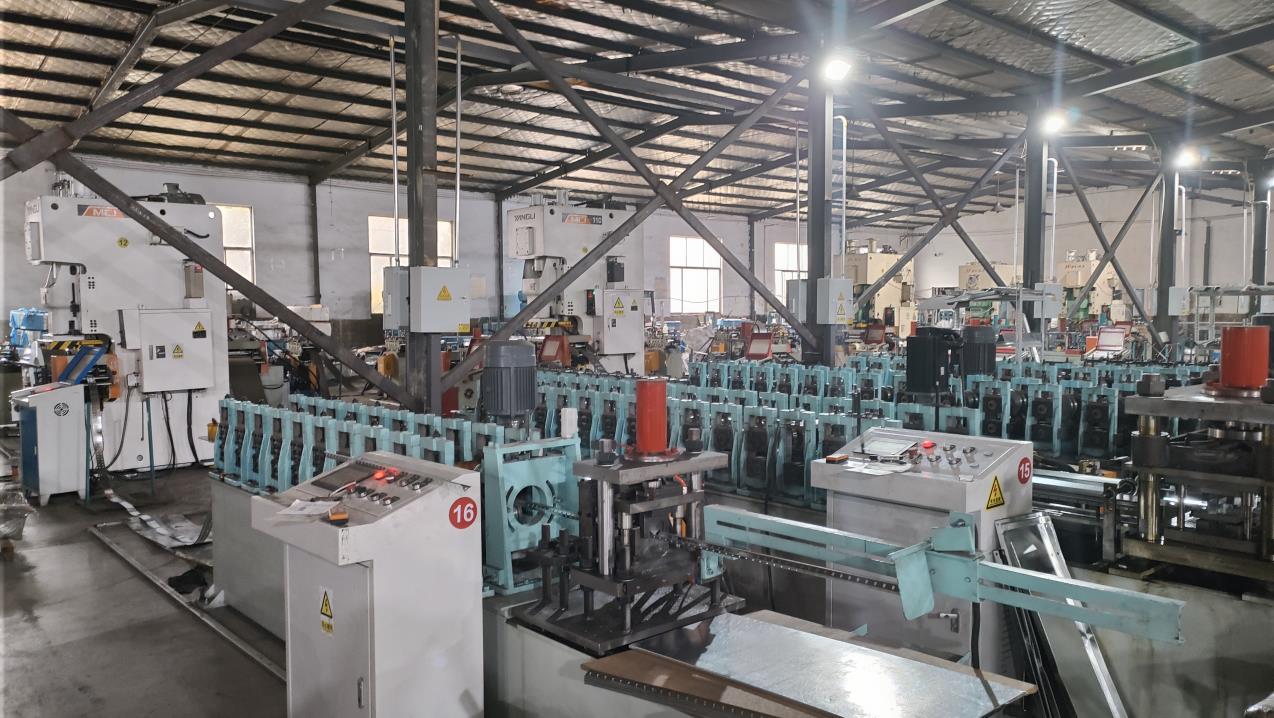
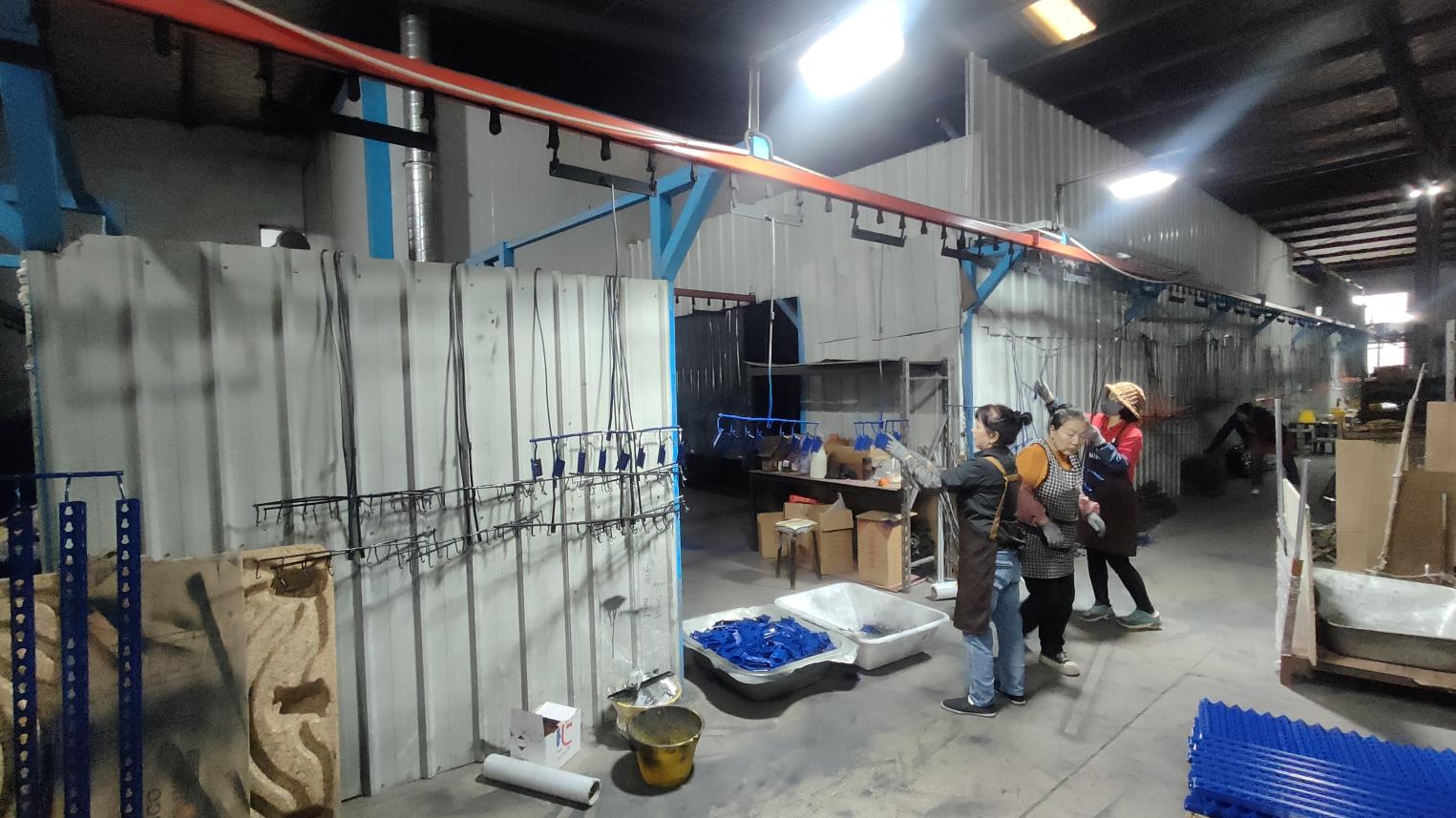
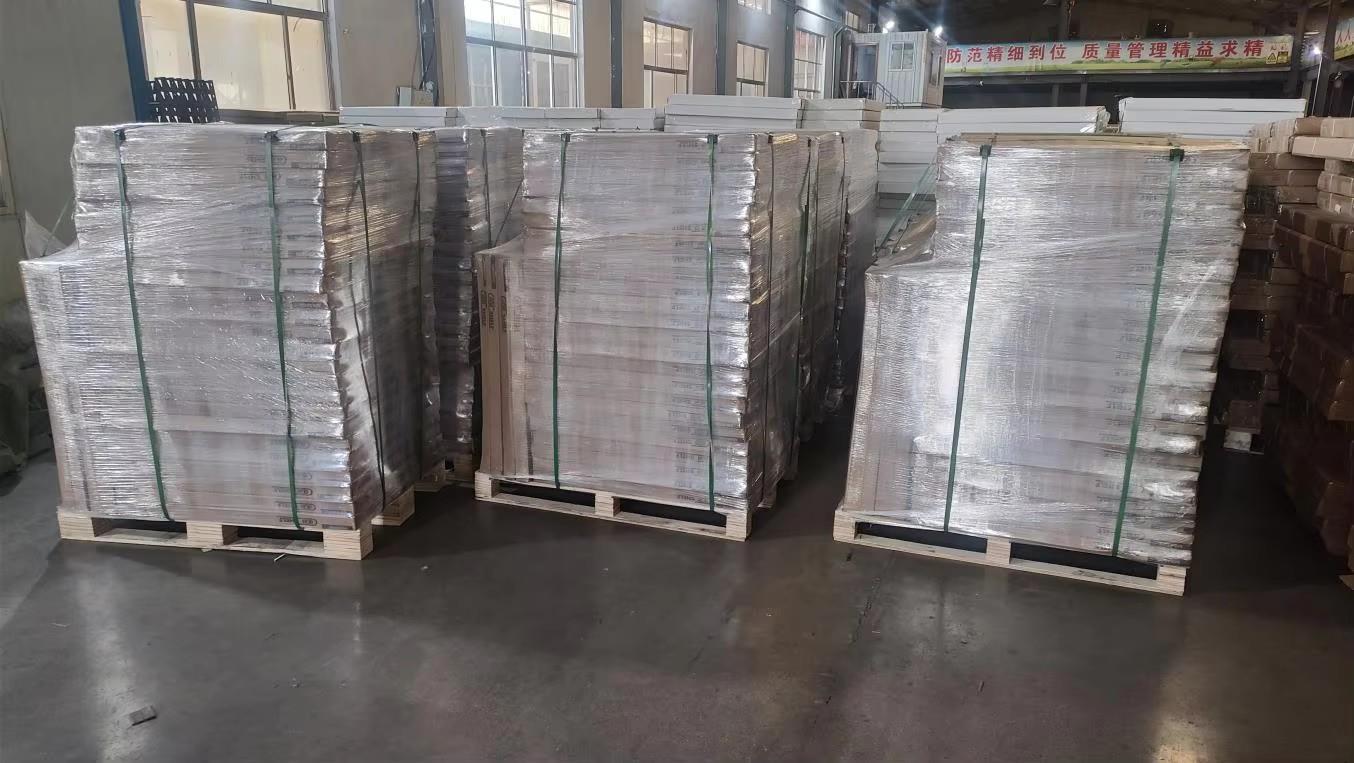
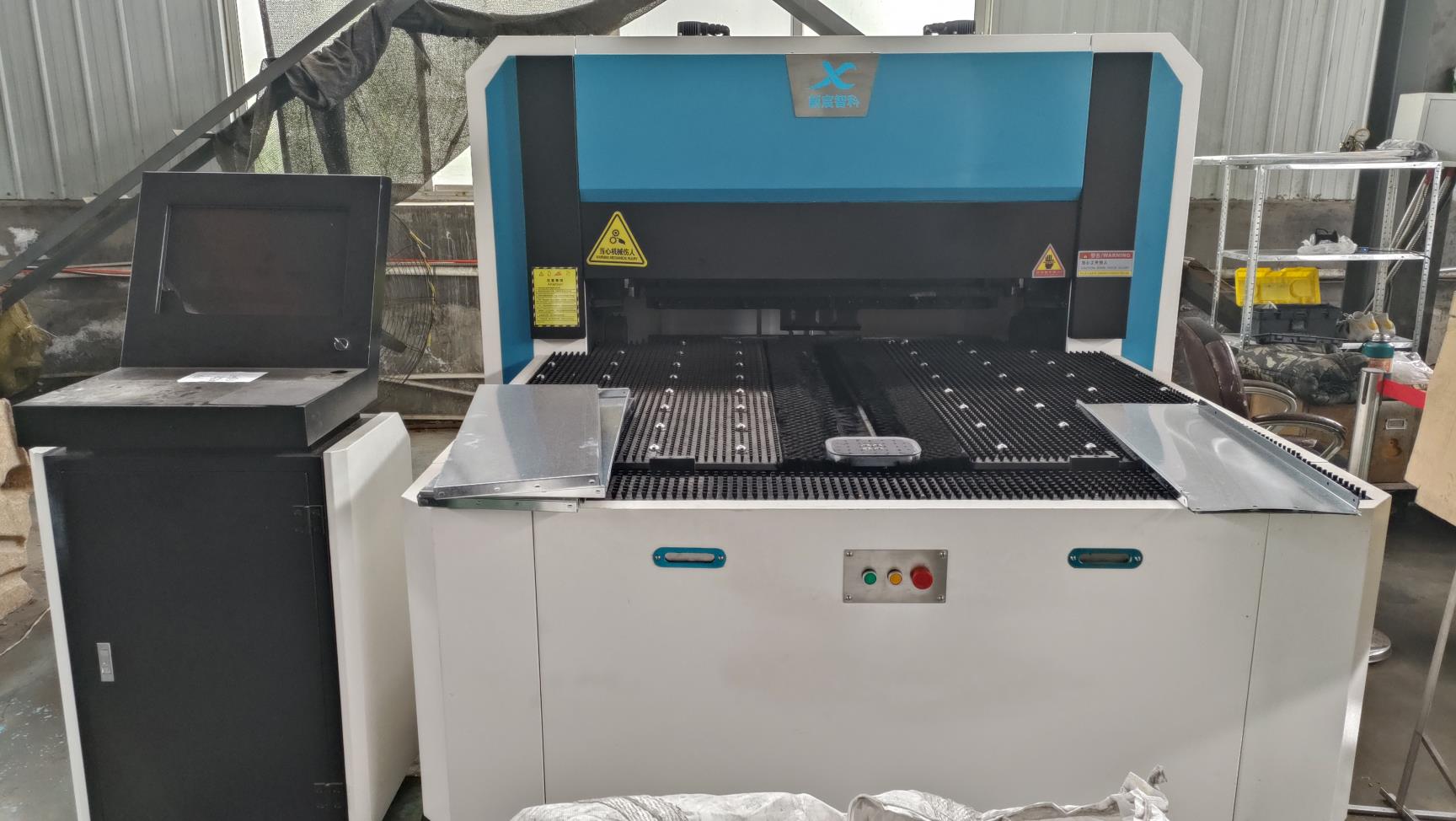
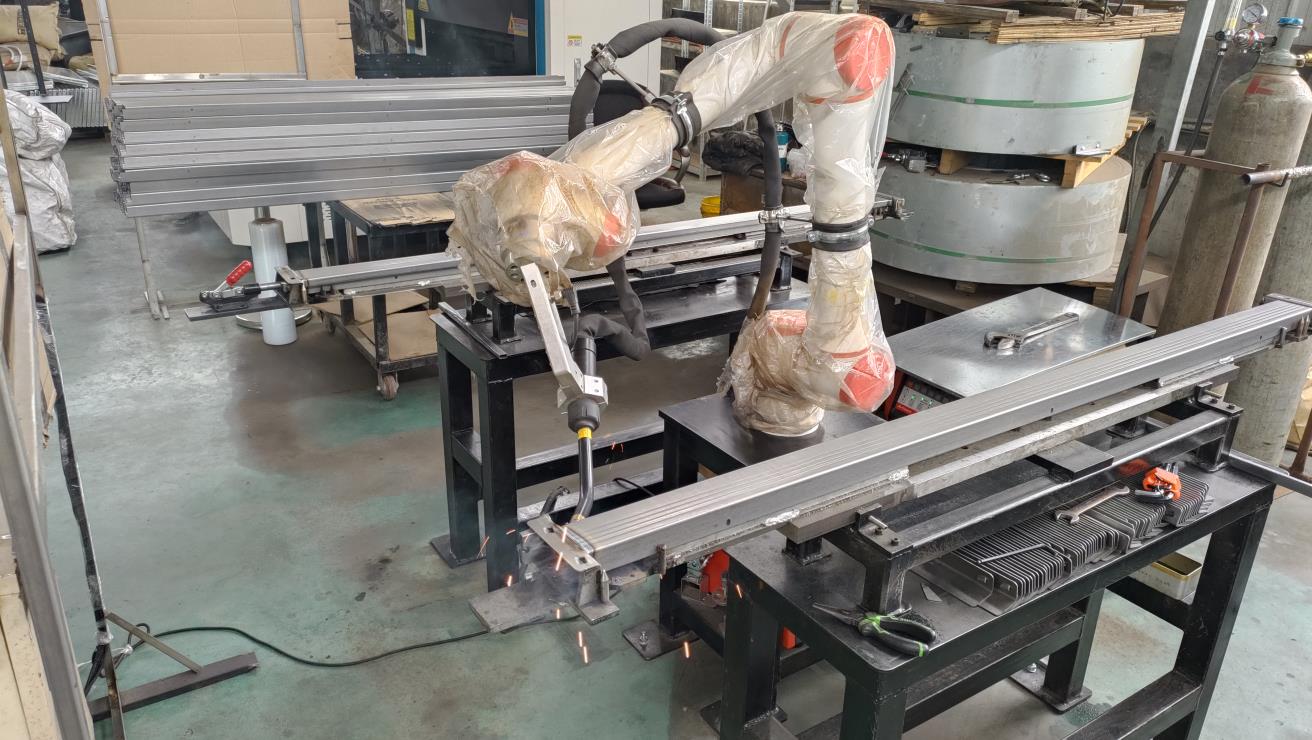
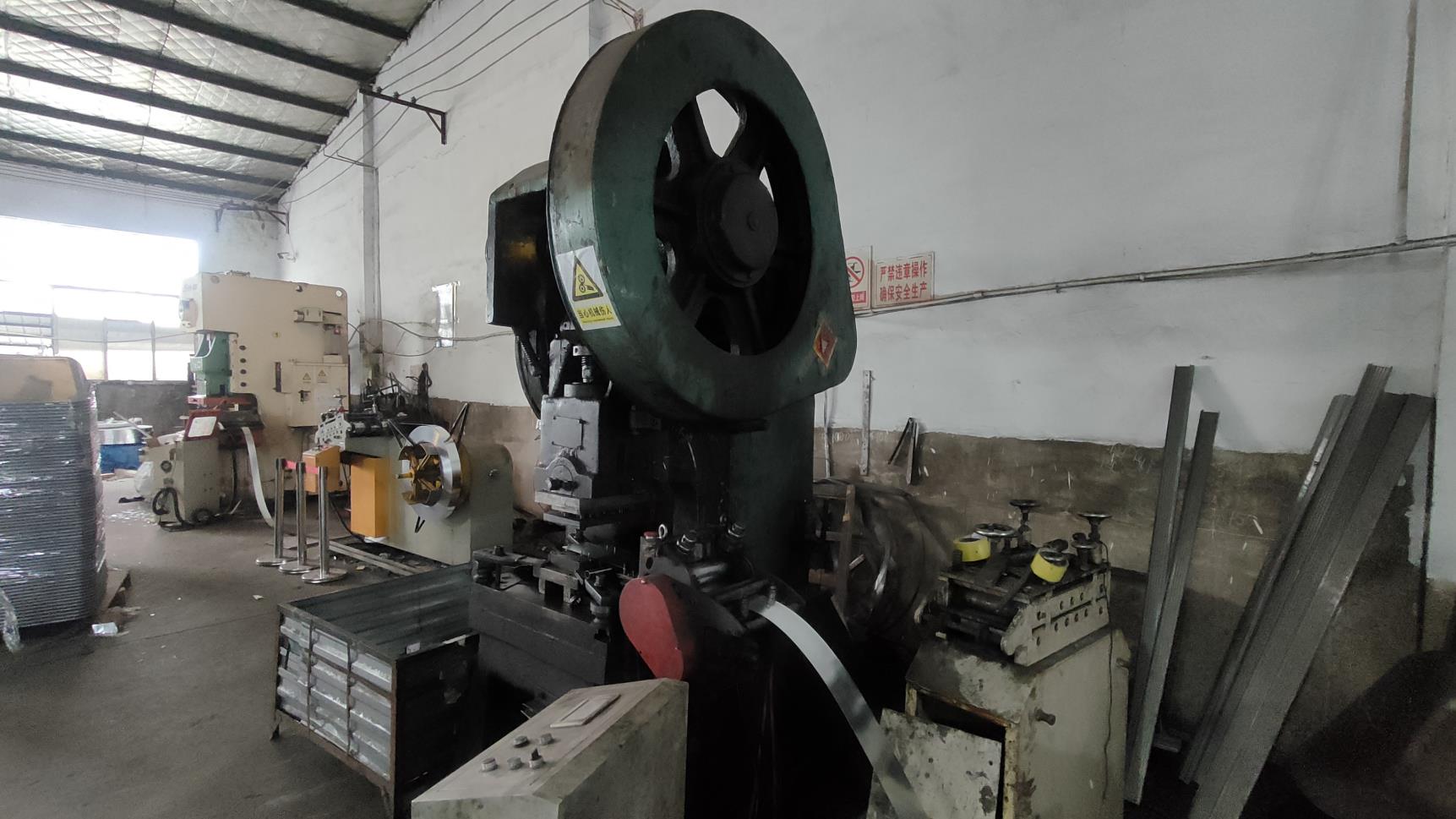
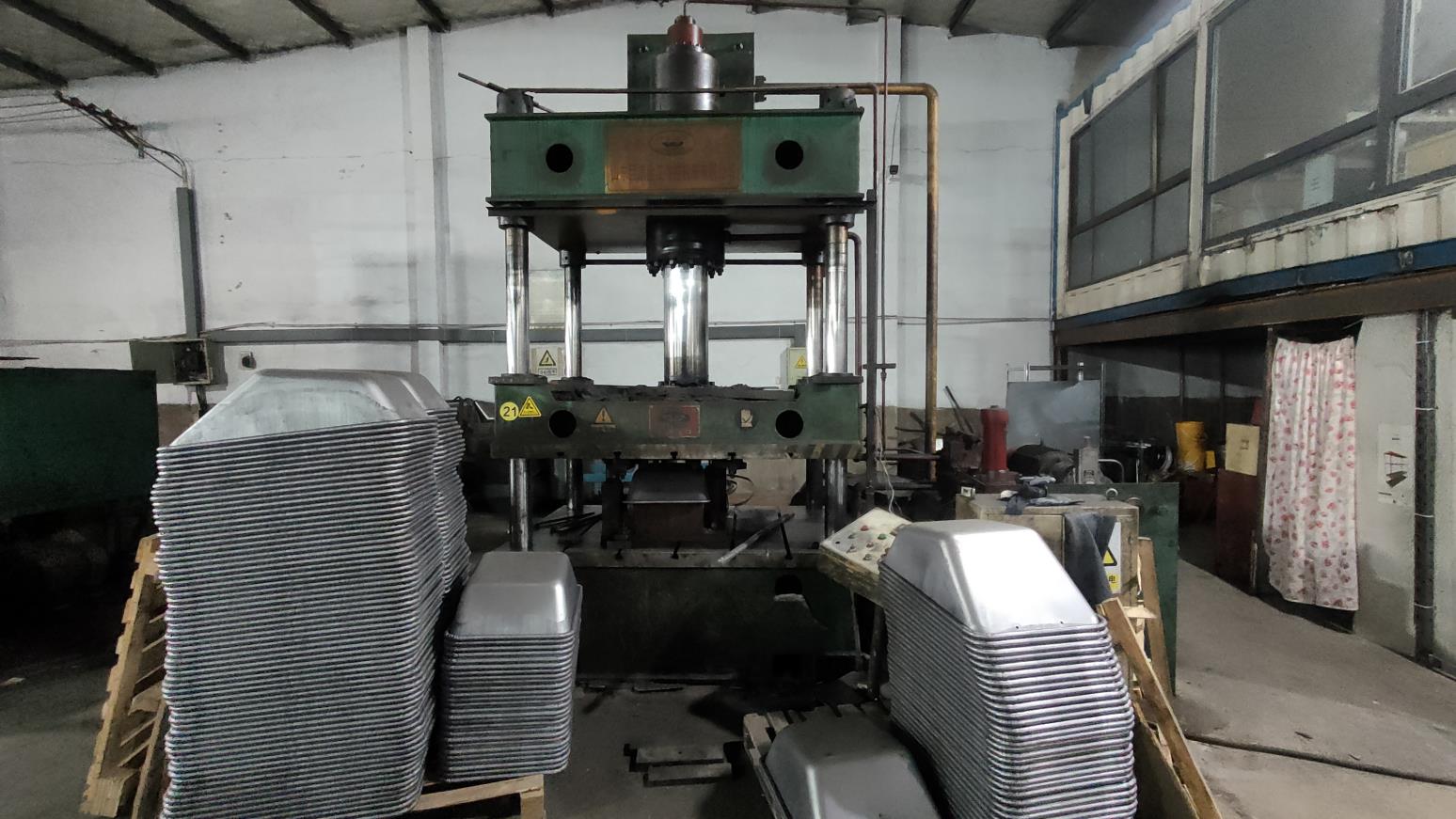
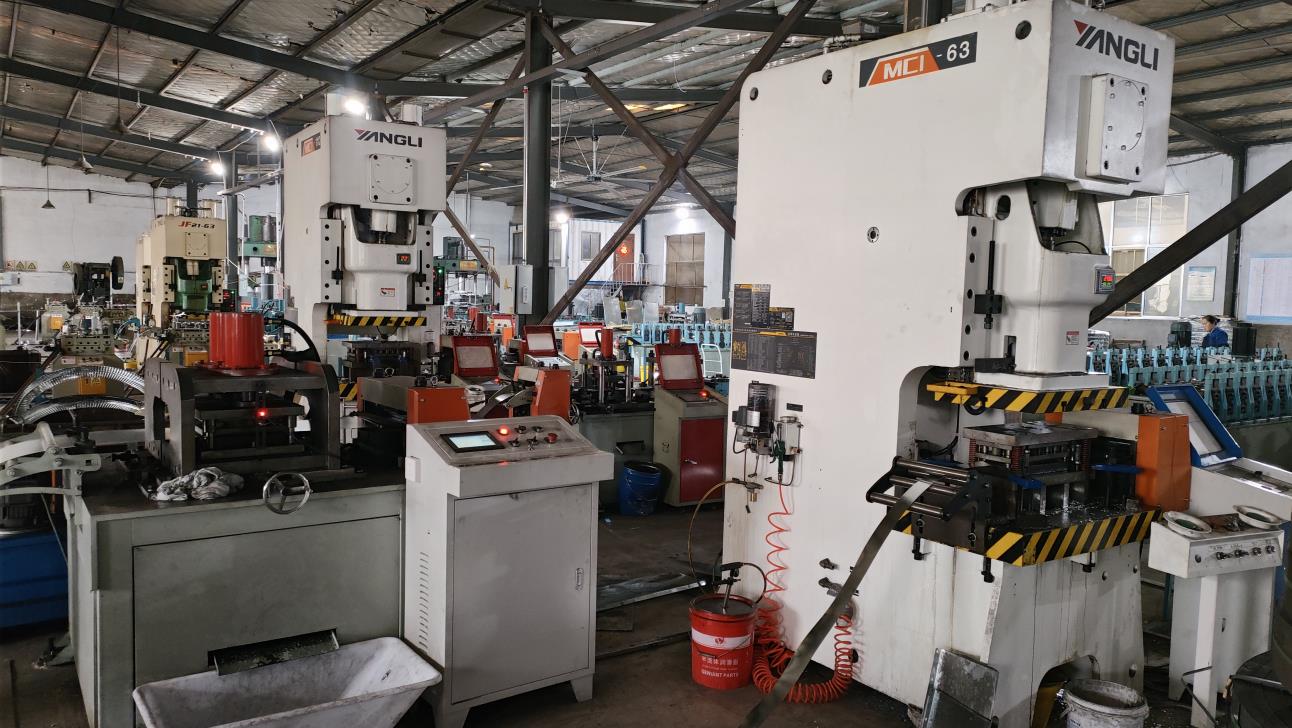
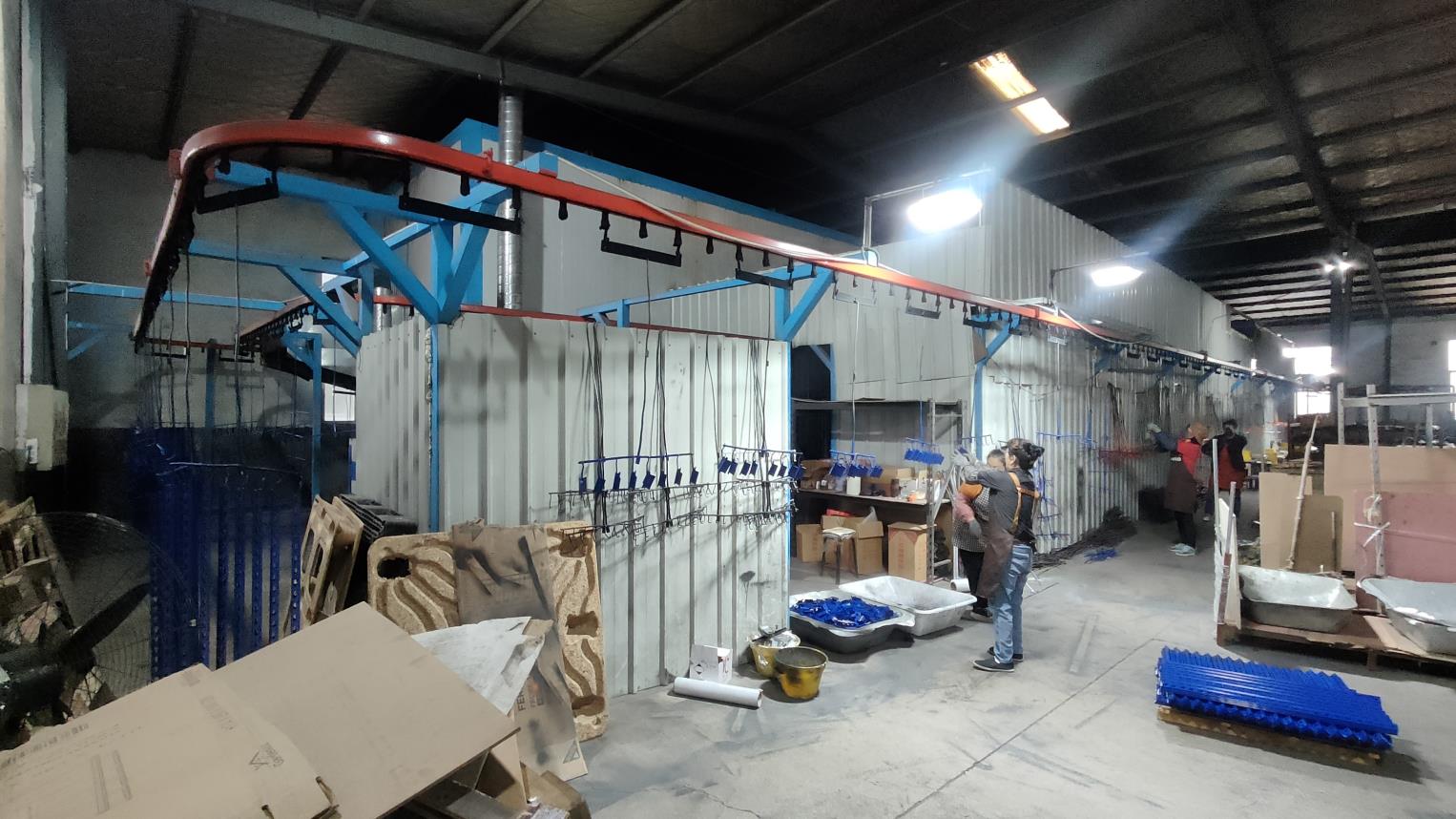
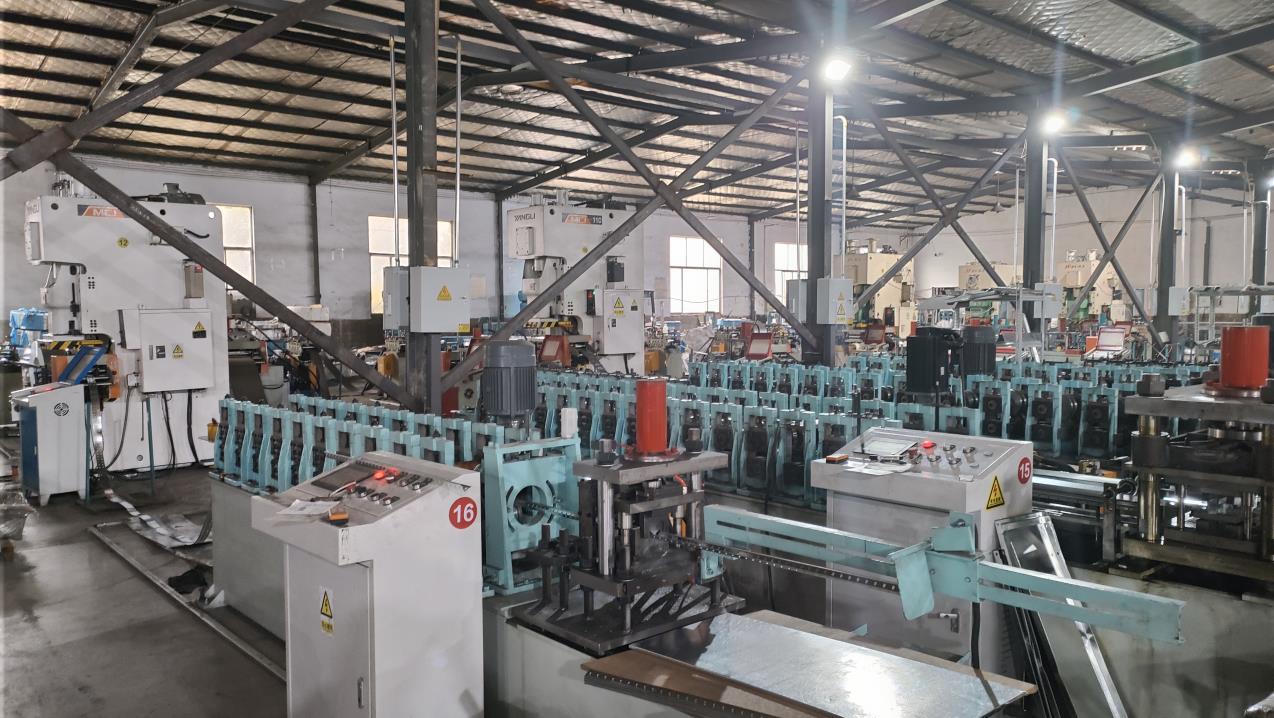
Ensuring compliance with localized safety directives and delivering structurally sound racking solutions worldwide.
Ningbo Xinyi designs systems that address complex material handling challenges across international logistics channels:
Structural stability is the fundamental core of Ningbo Xinyi's manufacturing philosophy. Backed by a dedicated division of 45 QA inspection professionals, every production lot undergoes a series of destructive and non-destructive evaluations:
We perform routine yield-strength and elongation tensile tests on incoming steel coils, validating structural capacities prior to bending and forming.
Our engineers use non-destructive ultrasonic sweeps on structural base plates and joints to identify micro-fractures, ensuring weld integrity.
Powder-coated and galvanized steels undergo long-term salt-spray chambers to verify protection against moisture and chemicals.
Our commitment to custom development is demonstrated by the 185 new products and customized configurations designed by our 28-person R&D engineering team in the past year alone. This capability enables our clients to secure storage systems tailored precisely to their mechanical handling environments and material handling protocols.
Anticipating next-generation intralogistics innovations to keep global facilities ahead of the technology curve.
Material handling is transitioning from passive steel framing to active, intelligent components. Ningbo Xinyi is developing advanced solutions to prepare global supply chains for tomorrow's technology requirements:
Integrating next-generation micro-alloyed steel formulations to decrease overall system weight while retaining structural load performance, reducing carbon emissions during transport and assembly.
Deploying advanced zero-VOC electrostatic powder systems to enhance scratch resistance and protect the environment, supporting global corporate sustainability initiatives.
Researching smart rack concepts using strain-gauge sensors to monitor load distribution and detect structural fatigue in real time, alerting operations before overload events occur.
Professional insights addressing technical questions concerning structural design, customization, and supply chain logistics.
We primarily utilize high-grade carbon steel such as Q235B and Q355B. The choice of grade is critical as it determines the yield strength and tensile limits. Q355B steel is typically utilized for heavy-duty upright sections and critical structural beams in high-density systems, ensuring stability and preventing structural deformation under max loading conditions.
All of our products undergo a rigorous multi-stage surface preparation sequence. This includes mechanical shot-blasting, chemical pickling, and phosphating, followed by the electrostatic application of heavy-duty thermosetting powder coating or hot-dip galvanization. The resulting protective barrier shields the underlying steel from salt air and high relative humidity.
Our engineering division conforms strictly to regional design rules, applying safety factors ranging from 1.5 to 2.0 based on the localized operating environment. This ensures that in unforeseen operational conditions—such as forklift impacts or minor loading imbalances—the structure maintains its structural integrity without failure.
Boltless rivet designs provide exceptional flexibility for rapid, tool-free adjustment. They dismantle efficiently to sit flat in ocean containers, reducing international transport costs. Welded structures, while rigid and suited to high static loads, are significantly more expensive to ship and modify, making boltless setups the standard for retail and e-commerce distribution centers.
Upon finalizing structural engineering drafts, our R&D division produces digital prototype models within 3 to 5 business days. Once configurations are verified and approved, custom production runs generally take between 25 and 35 days, depending on order volume and specific powder-coating requirements.
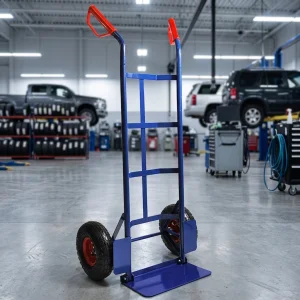
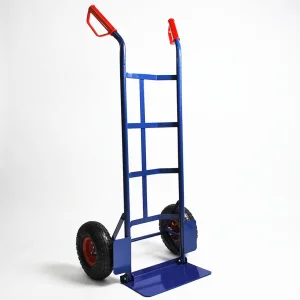
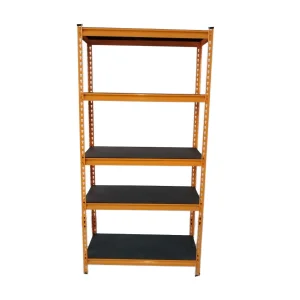
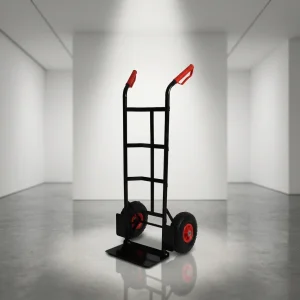
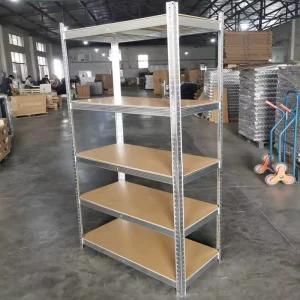
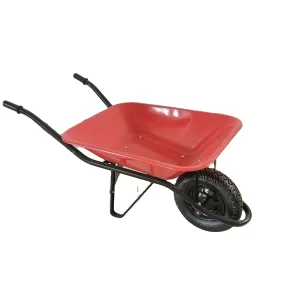
Explore our high-capacity cargo trucks, hand trolleys, and corrosion-resistant boltless shelves.
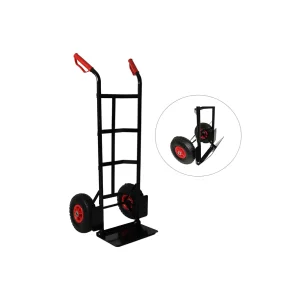
 Xinyi Racking