Explore our top-tier industrial shelving units, high-capacity cargo trucks, and heavy-duty steel configurations designed for optimized warehouse performance.
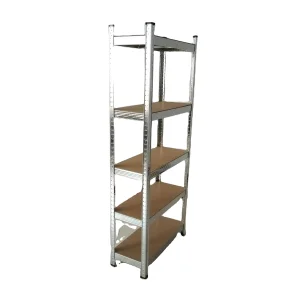
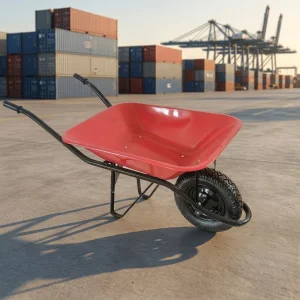
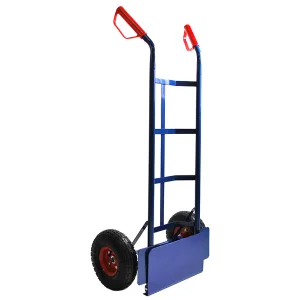
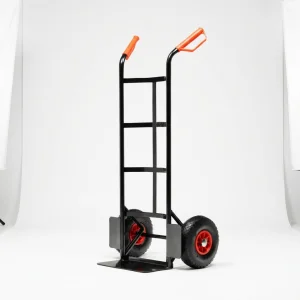
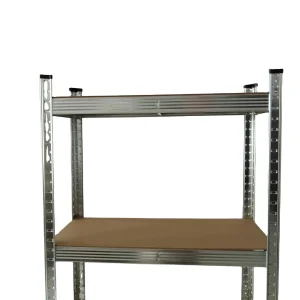
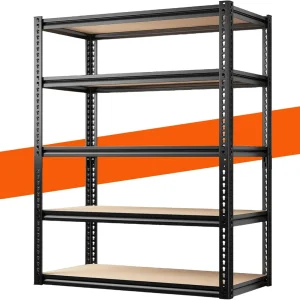
In the modern era of hyper-optimized supply chains and automated material flows, industrial bulk storage is no longer just a passive real estate utility. It functions as the skeletal infrastructure of global commerce. Driven by the explosive rise of third-party logistics (3PLs), complex e-commerce fulfillment requirements, and omni-channel distribution models, global enterprises are demanding unprecedented density, structural safety, and modularity in their warehousing environments.
Macroeconomic forces, including escalating urban land values and the demand for rapid distribution, have forced warehouses to expand vertically. This structural shift highlights the critical importance of selecting highly reliable heavy-duty industrial storage systems, selective pallet rack structures, and high-density racking configurations. In critical regions such as North America, Western Europe, and key Asian hubs, warehouses must comply with stringent structural directives that govern structural steel loads, structural deflection coefficients, and complex seismic design rules.
Modern global procurement teams prioritize suppliers that can deliver engineering adaptability, certified safety compliance, and robust raw material tracking. When managing cross-border procurement for heavy industrial hardware, standard off-the-shelf items rarely meet the rigorous demands of modern facilities. Custom design engineering, finite element analysis (FEA) testing, and specialized corrosion resistance are essential requirements for modern industrial infrastructure.
A rack's reliability depends entirely on the quality of its structural steel and its engineering design. Premium manufacturers rely heavily on structural grade carbon steels like Q235B and high-strength low-alloy steels like Q345B. These materials offer the optimal yield strength, tensile performance, and elongation properties required for roll-formed profiles and heavy structural shapes.
Understanding load capacity requires analyzing structural deflection limits. Under global industry guidelines, structural deflection of loaded beams must not exceed 1/200th (or 1/300th in high-precision automated systems) of the clear span distance. Structural integrity depends on advanced welding and connection designs. Patented beam-to-column connector configurations with multi-point safety locks ensure optimal load transfer while protecting against accidental impacts from fork trucks.
"Structural safety is determined by the weakest point in the connection. Our heavy-duty racking columns feature multi-point hook locks that increase locking force as load stress grows, minimizing rotational deflection at the beam-column interface."
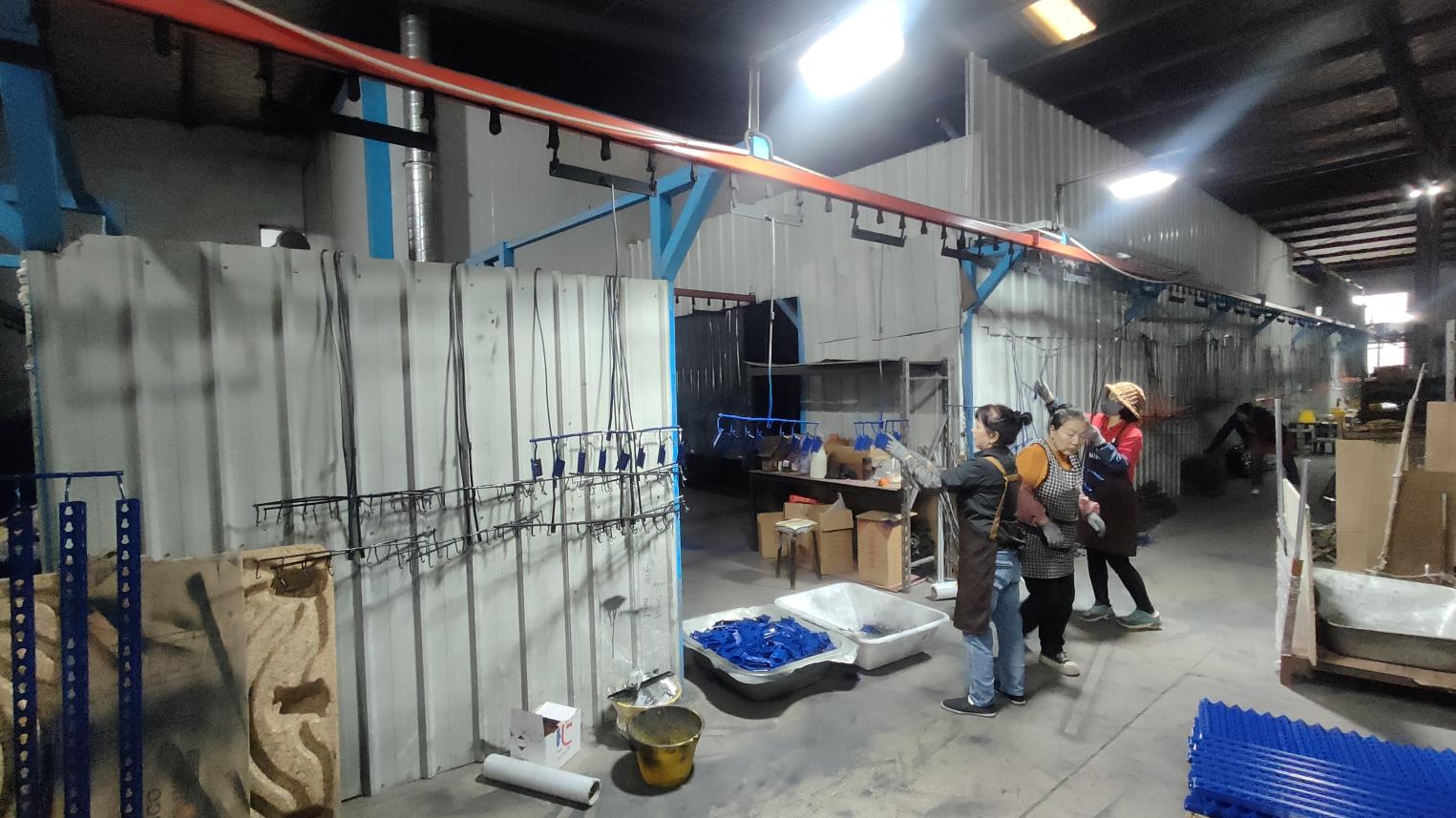
Corrosion resistance is another critical metric, particularly for cold storage operations, chemical processing plants, and marine cargo terminals. High-durability finishes depend on electrostatic powder coating lines and hot-dip galvanizing technology. Raw steel undergoes multi-stage chemical pre-treatments, including acid pickling, phosphating, and deionized water rinsing. This process guarantees strong powder adhesion and delivers over 500 hours of continuous salt spray testing resistance (ISO 9227 compliant), protecting structures against rust and deterioration.
| Engineering Property | Standard Specification (Q235B Steel) | High-Strength Specification (Q345B Steel) | Testing Protocol / Compliance Code |
|---|---|---|---|
| Yield Strength (Fy) | ≥ 235 MPa | ≥ 345 MPa | GB/T 700 / ASTM A36 Equivalent |
| Tensile Strength (Fu) | 370 - 500 MPa | 470 - 630 MPa | GB/T 1591 / ASTM A572 Equivalent |
| Safety Factor (Load) | 1.65 to 1.8 | 1.8 to 2.0 | ANSI/RMI MH16.1 Design Codes |
| Powder Coating Thickness | 60 - 80 Microns | 80 - 120 Microns | ISO 2178 Magnetic Induction Method |
| Corrosion Resistance | Up to 250 Hours Salt Spray | 500+ Hours Salt Spray / Galvanized | ASTM B117 / ISO 9227 Standards |
Established in 2015, Ningbo Xinyi Metal Products Co., Ltd. has grown to become a premier manufacturer specializing in heavy-duty industrial storage racks, pallet racking systems, and custom warehouse material handling solutions. Spanning a state-of-the-art production facility of 38,000 square meters, we deliver high-performance racking products to global logistical hubs, distributors, and enterprise facilities.
With 11 years of deep industry expertise and 8 years of dedicated international trade experience, our annual export revenue has reached over $28 million USD. Our footprint spans major global markets, including North America, Western Europe, Southeast Asia, and the Middle East, serving diverse client segments such as third-party logistics (3PL) providers, e-commerce fulfillment centers, industrial distributors, and large-scale retail chains.
Quality and structural integrity are at the core of our manufacturing processes. Supported by a rigorous Quality Assurance team of 45 certified inspection professionals, we enforce strict full-process quality control. Our quality testing methods integrate ultrasonic weld inspection, raw material tensile testing, load-capacity deflection testing, and salt-spray corrosion resistance evaluation to guarantee long-term durability and safety compliance.
Driven by strong research and development capabilities, our engineering center hosts 28 experienced R&D engineers who specialize in custom structural design, seismic analysis, and automated storage and retrieval systems (AS/RS). We offer extensive OEM/ODM customization options, including custom load capacities, dimensions, powder-coating finishes, and modular accessory integrations. Last year alone, our R&D team successfully launched 185 new products and customized configurations to meet evolving market demands.
Backing our operational strength is a robust supply chain network of over 850 trusted partners providing premium steel materials, eco-friendly surface coatings, and specialized hardware components. Ningbo Xinyi Metal Products Co., Ltd. remains committed to delivering reliable, safe, and space-optimized storage solutions to empower our clients' global supply chain infrastructure.
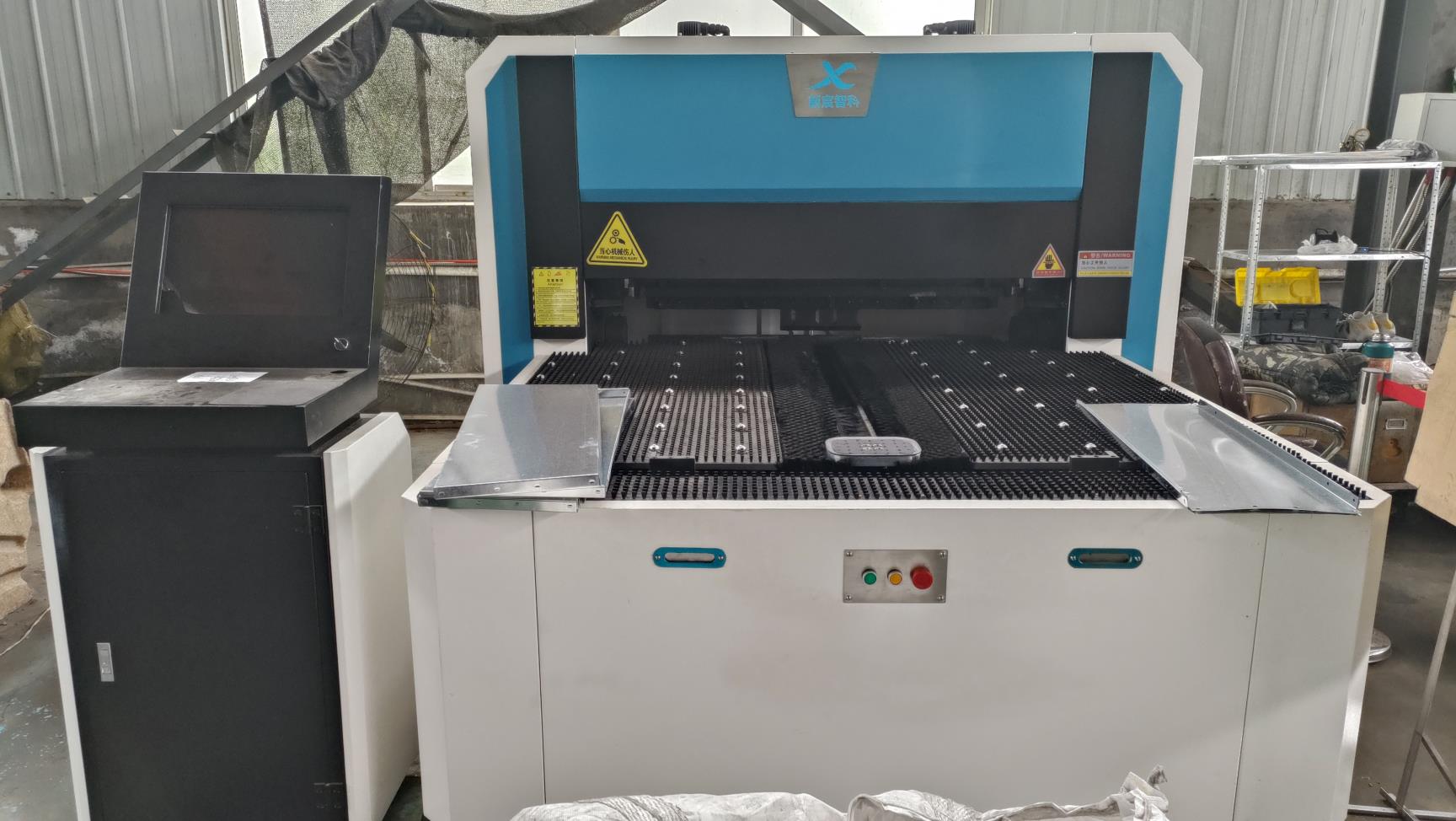
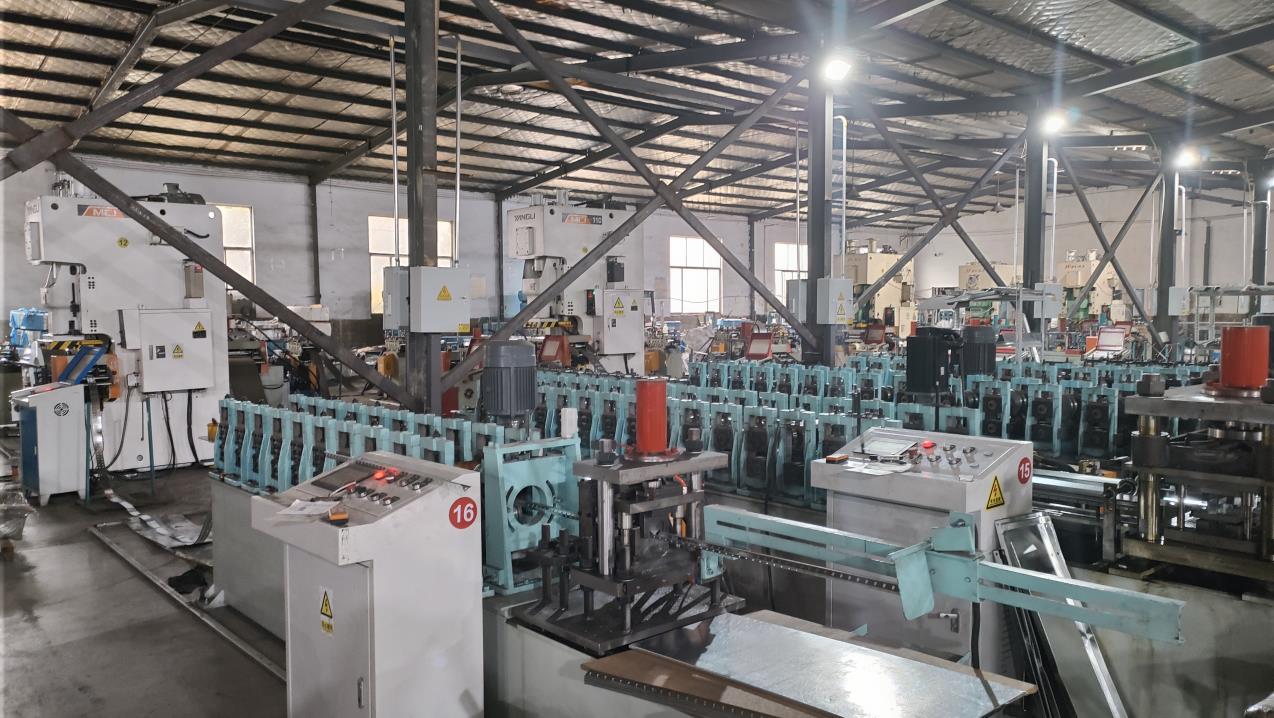
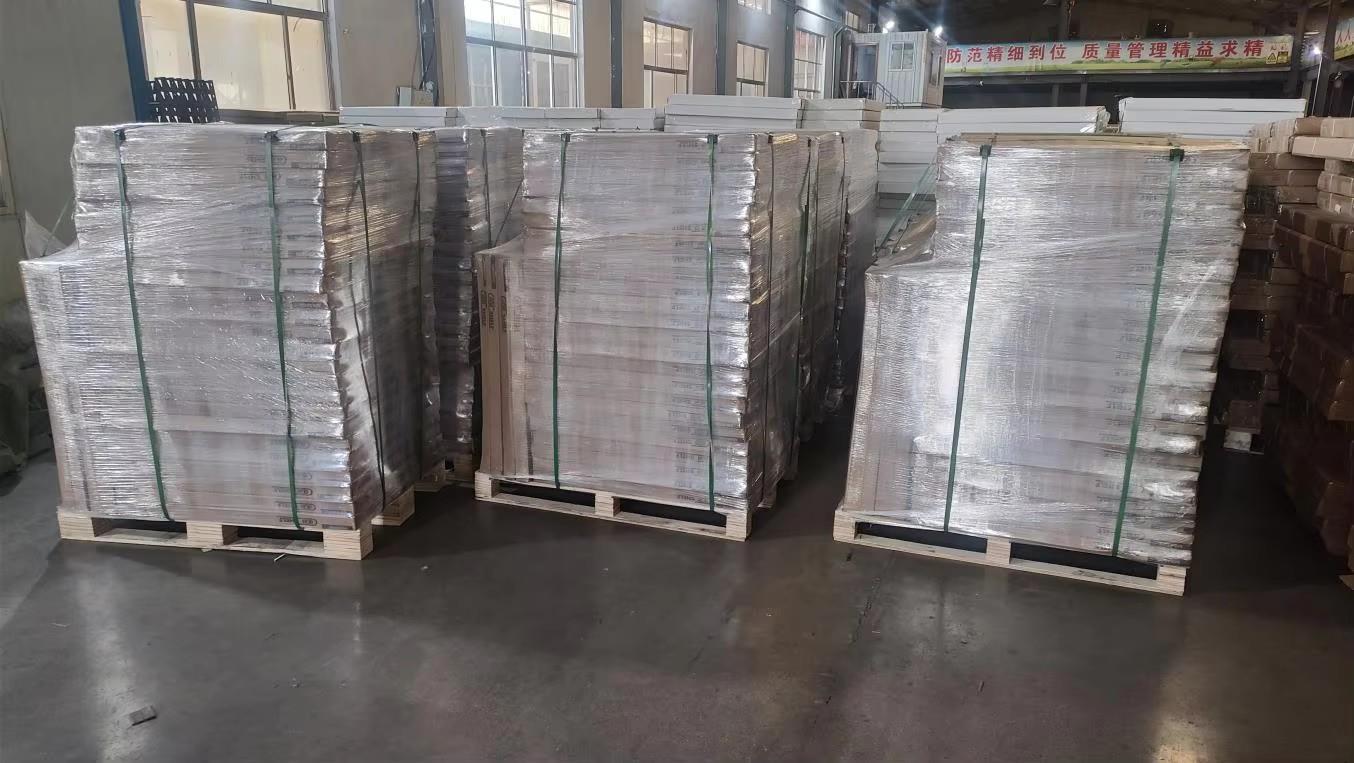
A detailed view inside our 38,000㎡ manufacturing facility, showing our automated fabrication lines and quality control processes.
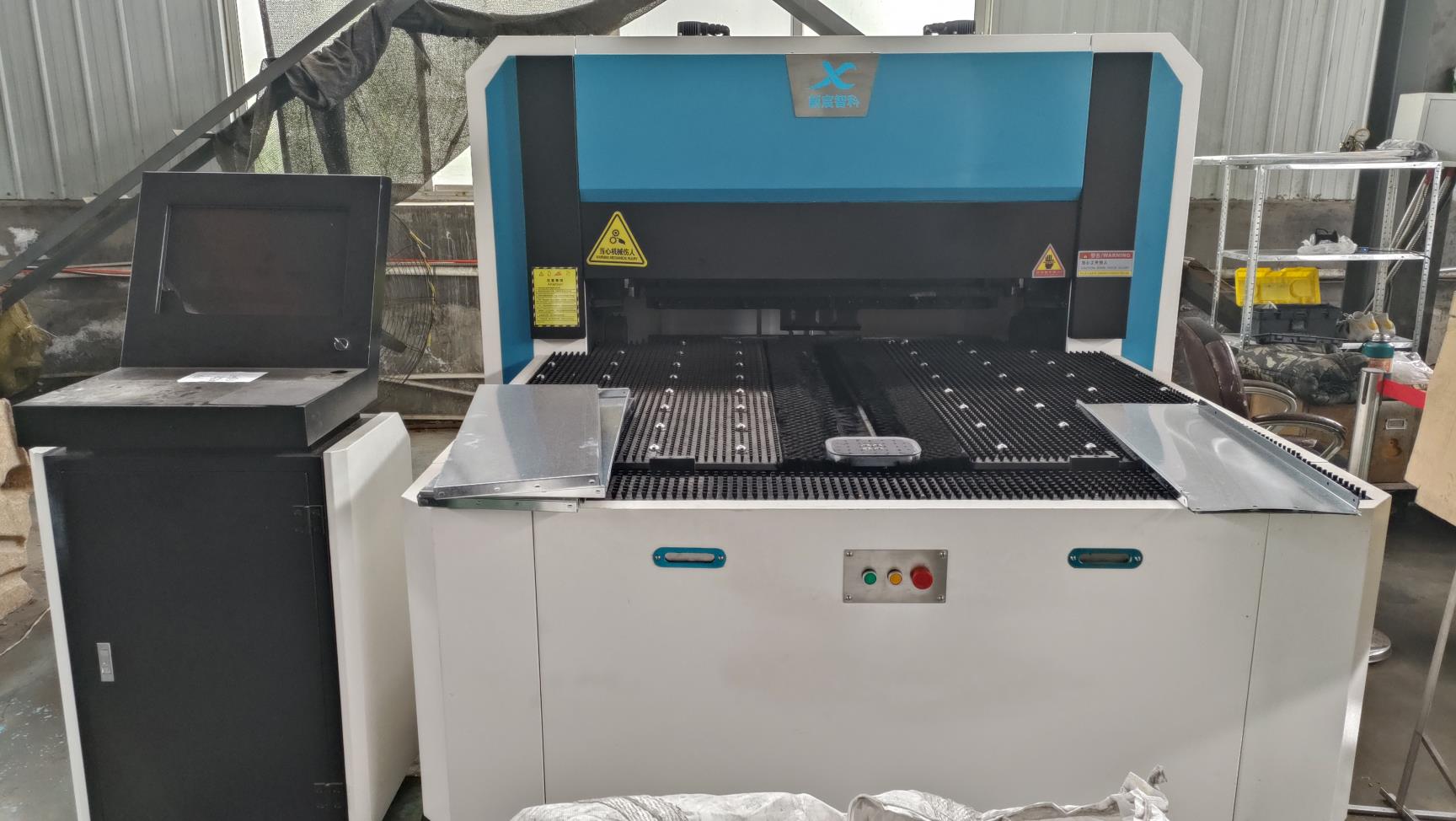
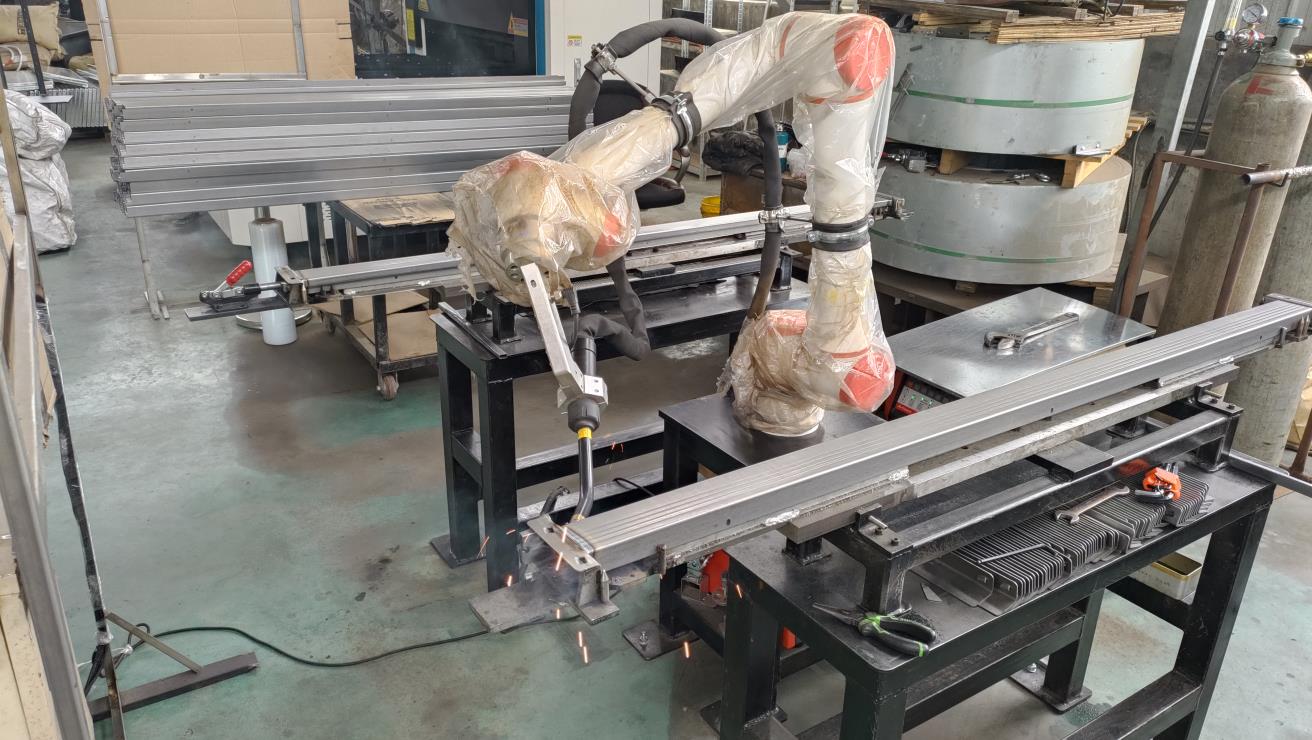
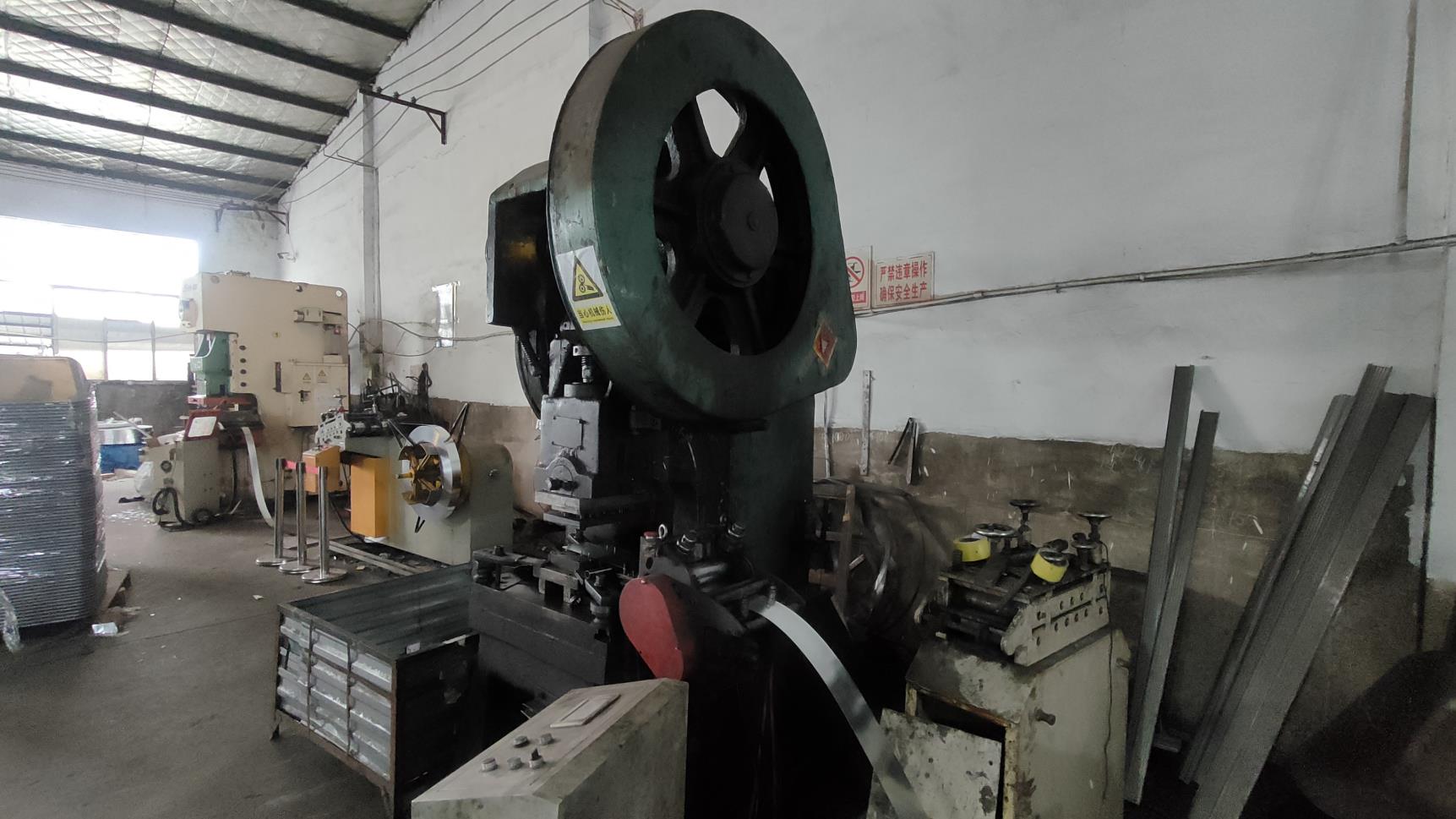
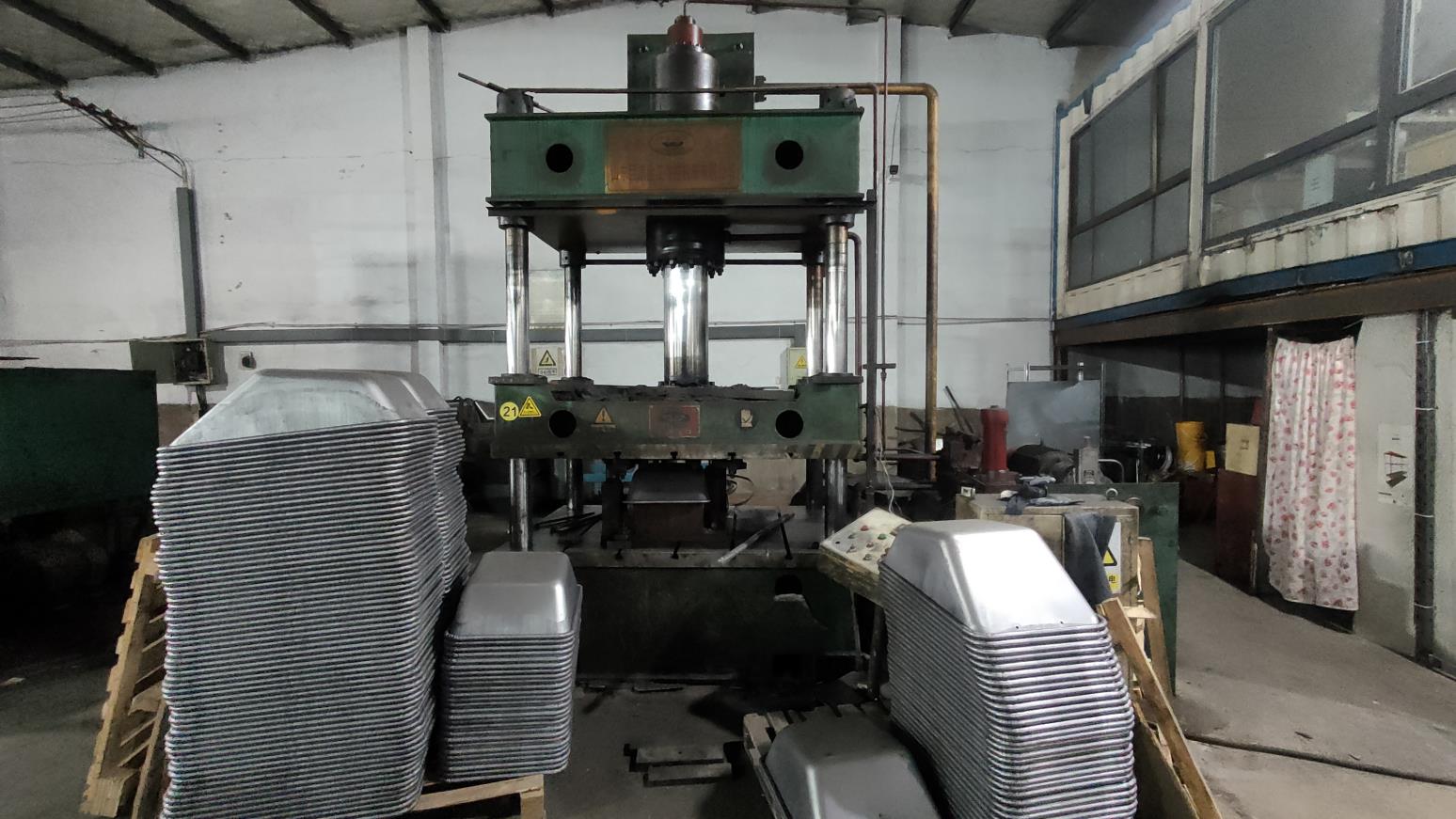
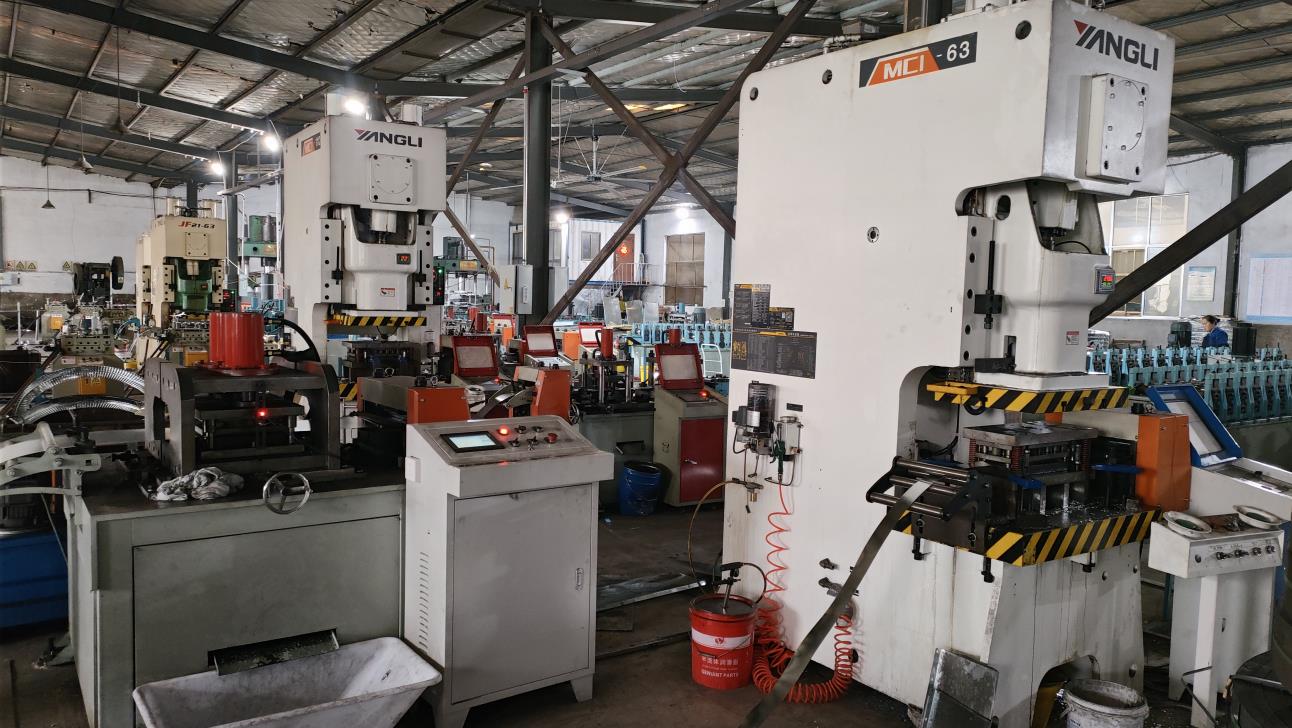
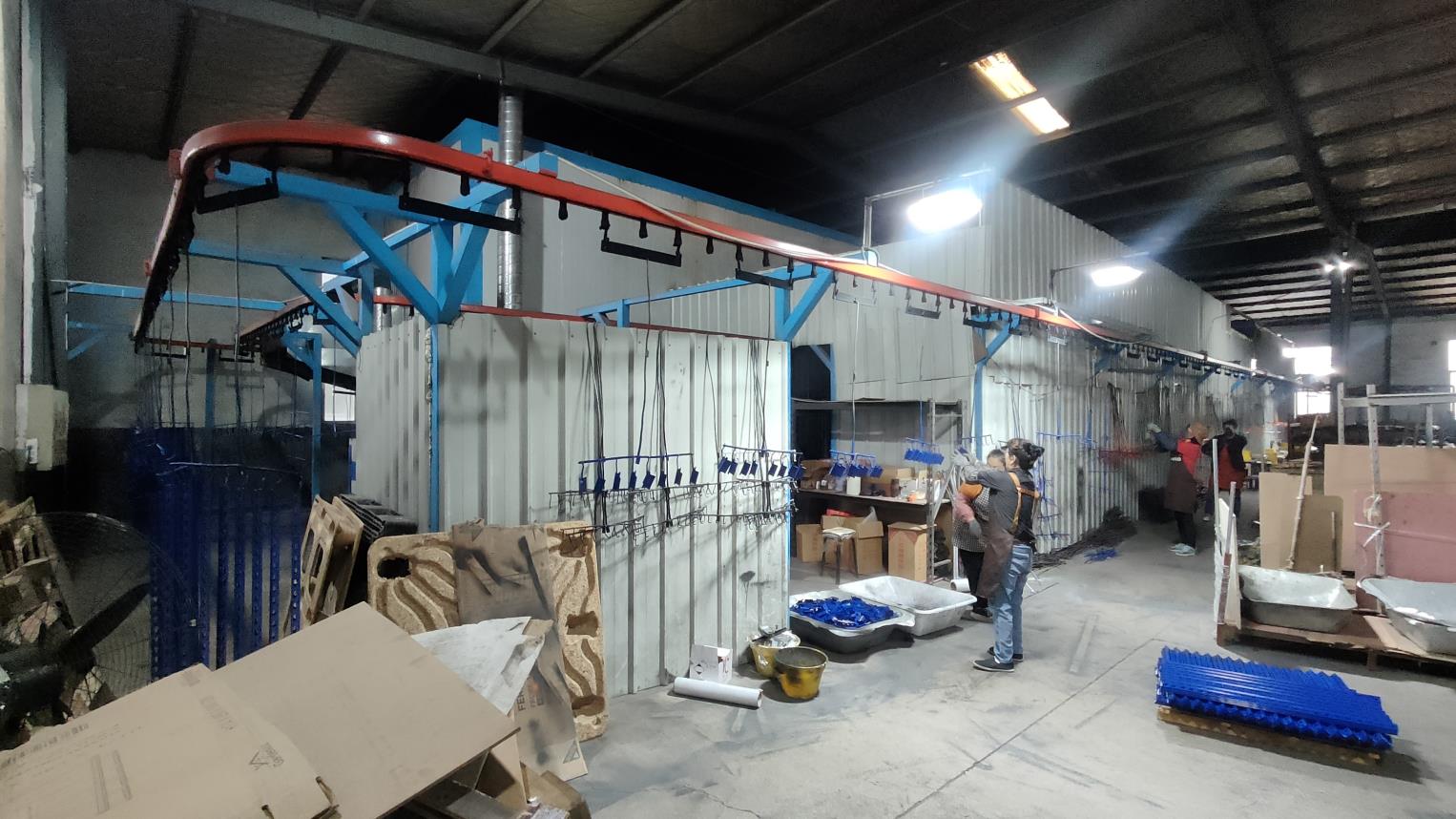
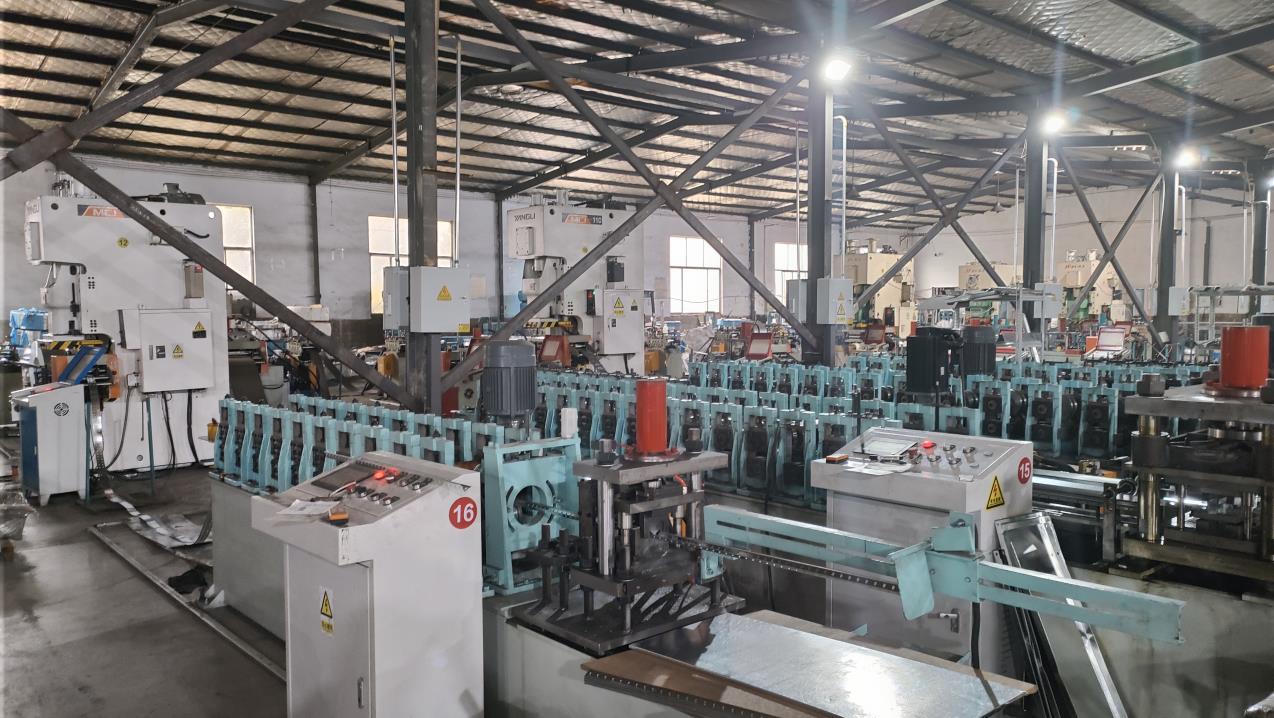
For industrial racking systems, compliance with structural safety standards is essential. Leading manufacturers must design and produce systems in accordance with regional regulations, ensuring safe operation under heavy loads.
For North American markets, structural analysis must comply with the Rack Manufacturers Institute (RMI) MH16.1 specification. This governs the design, testing, and utilization of industrial steel storage racks. In European markets, systems must meet FEM 10.2.02 (Fédération Européenne de la Manutention) codes and EN 15512 standards. In Australia, compliance with AS4084-2012 is required. These specifications cover safety parameters, base plate load distribution, column spacing, and dynamic beam performance.
To verify safety parameters, raw materials undergo tensile and bend testing. This ensures yield points and tensile limits match standard mill specifications. Welded joints are verified using ultrasonic testing (UT) and magnetic particle inspection (MPI). This ensures the structural integrity of connection points, protecting columns and beam hangers against shear stress.
Additionally, high-seismic configurations require advanced engineering, including oversized, thick baseplates, dual anchor holes, and heavy-duty frame bracing. These design features protect warehouses and workers during seismic events.
Technical answers to common questions about engineering specifications, testing, safety standards, and global logistical operations.
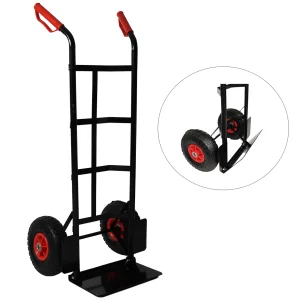
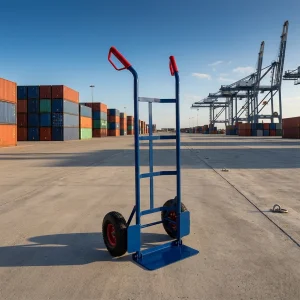
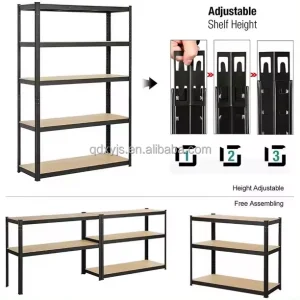
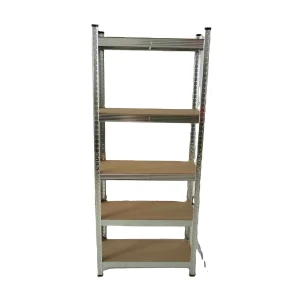
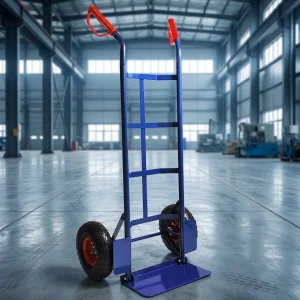
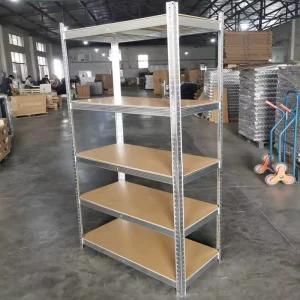
Browse our extensive selection of high-capacity warehouse racks, heavy-duty utility trolleys, and corrosion-resistant steel configurations.
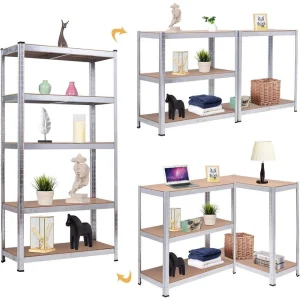

 Xinyi Racking