In modern industrial logistics, storage capacity optimization is no longer just a warehouse space management challenge—it is a critical driver of supply chain throughput, workplace safety, and bottom-line efficiency. Ningbo Xinyi Metal Products Co., Ltd., established in 2015, stands at the forefront of this industrial evolution. As a premier Chinese manufacturer of heavy-duty industrial storage racks and freestanding systems, we bridge the gap between structural integrity, regulatory compliance, and scalable cost-efficiency.
This whitepaper outlines the technical advancements in freestanding racking systems, metallurgical standards, dynamic loading methodologies, and automated logistics integration. In a global trade environment marked by fluctuating supply demands and tightening safety standards (such as OSHA and EN regulations), selecting the right high-performance racking supplier determines your operational resilience.
Engineered for high density, seismic durability, and optimized material flow.
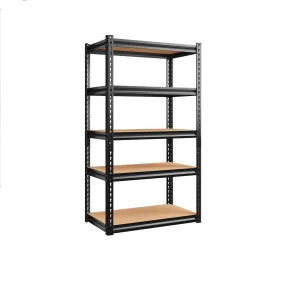
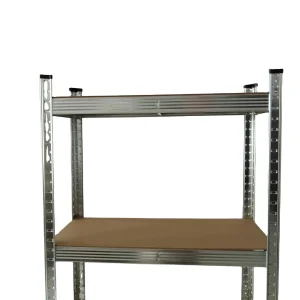
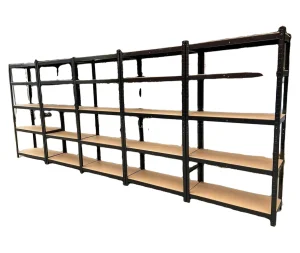
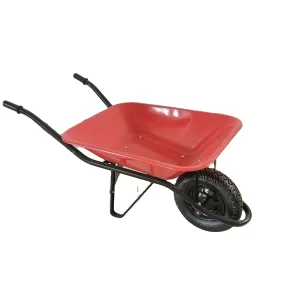
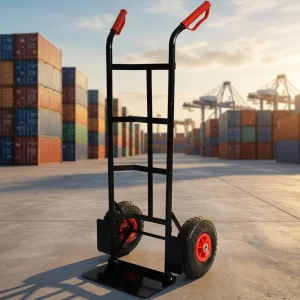
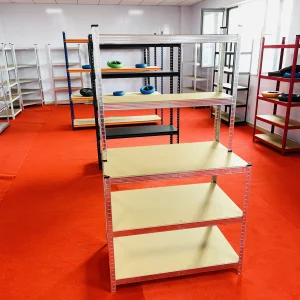
From standard e-commerce fulfillment to complex manufacturing setups, our systems are optimized for scale.
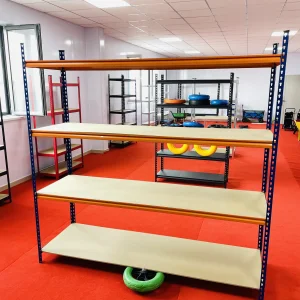
High-turnover SKU profile management requires flexible and adjustable freestanding racking configurations. Our systems support seamless floor-level picking as well as multi-tier mezzanine scaling to double processing speed without footprint expansion.
Heavy tooling, raw materials, and precision component staging demand high weight tolerances. Ningbo Xinyi's custom pallet racking systems provide rigid, heavy-duty structures utilizing high-grade Q235 and Q355 structural steel to withstand grueling conditions.
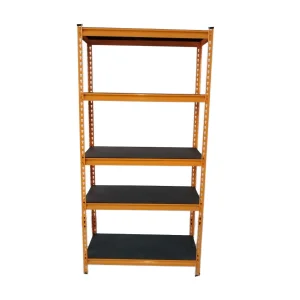
Integrating direct-to-consumer store display shelves with warehouse back-room storage. We manufacture aesthetics-driven, corrosion-resistant steel displays and boltless shelves that adapt instantly to changing seasonal products.
How metallurgical engineering guarantees warehouse longevity and occupational safety.
Freestanding racking integrity relies on two primary scientific metrics: yield strength limit and structural deflection ratios. Under full load, the beam deflection ratio must not exceed L/200 (1/200th of the span length) according to international standards such as FEM 10.2.02 and RMI specifications.
Ningbo Xinyi implements automated stamping and roll forming lines to maintain thickness tolerances within ±0.05mm. Furthermore, all galvanized steel elements undergo standardized ASTM B117 salt-spray testing to confirm their corrosion protection capabilities. This prevents hydrogen embrittlement and long-term deterioration in cold storage or high-humidity coastal ports.
| Material Standard | Yield Strength (MPa) | Tensile Strength (MPa) | Surface Treatment Method | Salt Spray Test Lifespan |
|---|---|---|---|---|
| Q235 (ASTM A36 Equiv.) | ≥ 235 | 370 - 500 | Electrostatic Powder Coated | Up to 500 Hours (ISO 9227) |
| Q355 (ASTM A572 Equiv.) | ≥ 355 | 490 - 630 | Hot-Dip Galvanized (HDG) | ≥ 1000 Hours (ASTM B117) |
| Pre-Galvanized DX51D | ≥ 140 | 270 - 500 | Zinc-Coated (Z120-Z275) | Excellent for Indoor Humid Zones |
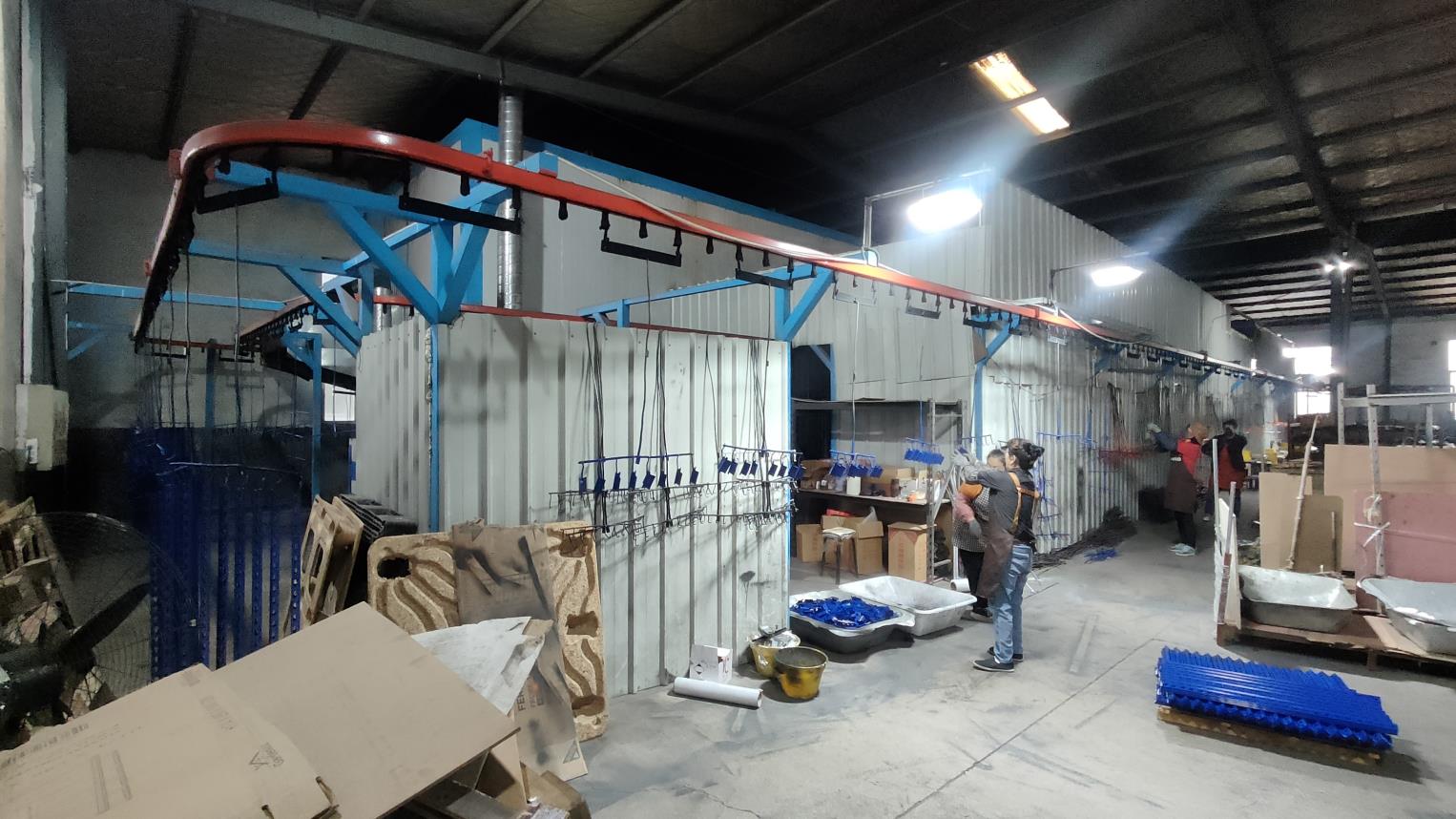
Take a look inside our 38,000 m² state-of-the-art facility featuring automatic production machinery.
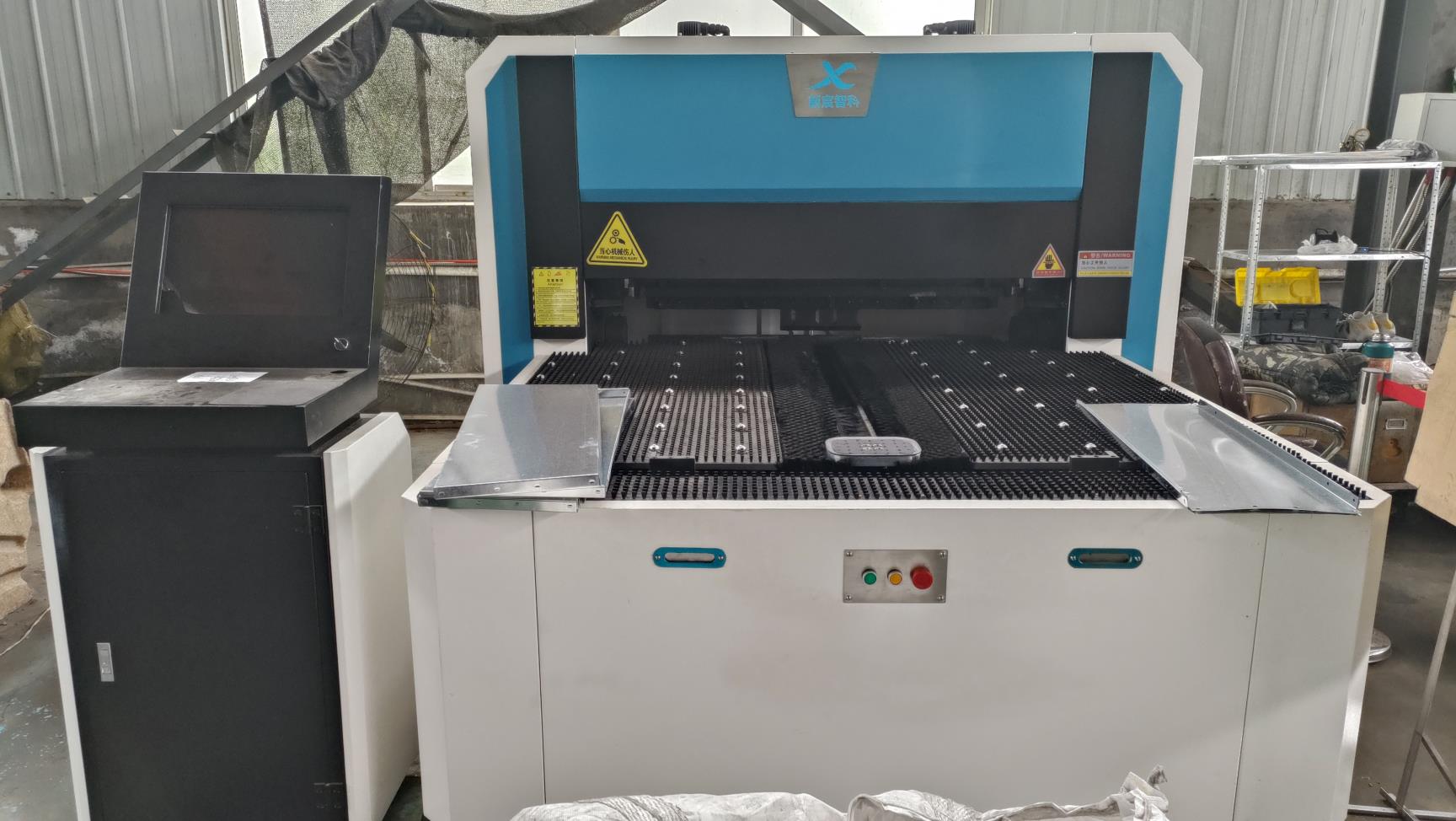
Raw material bending
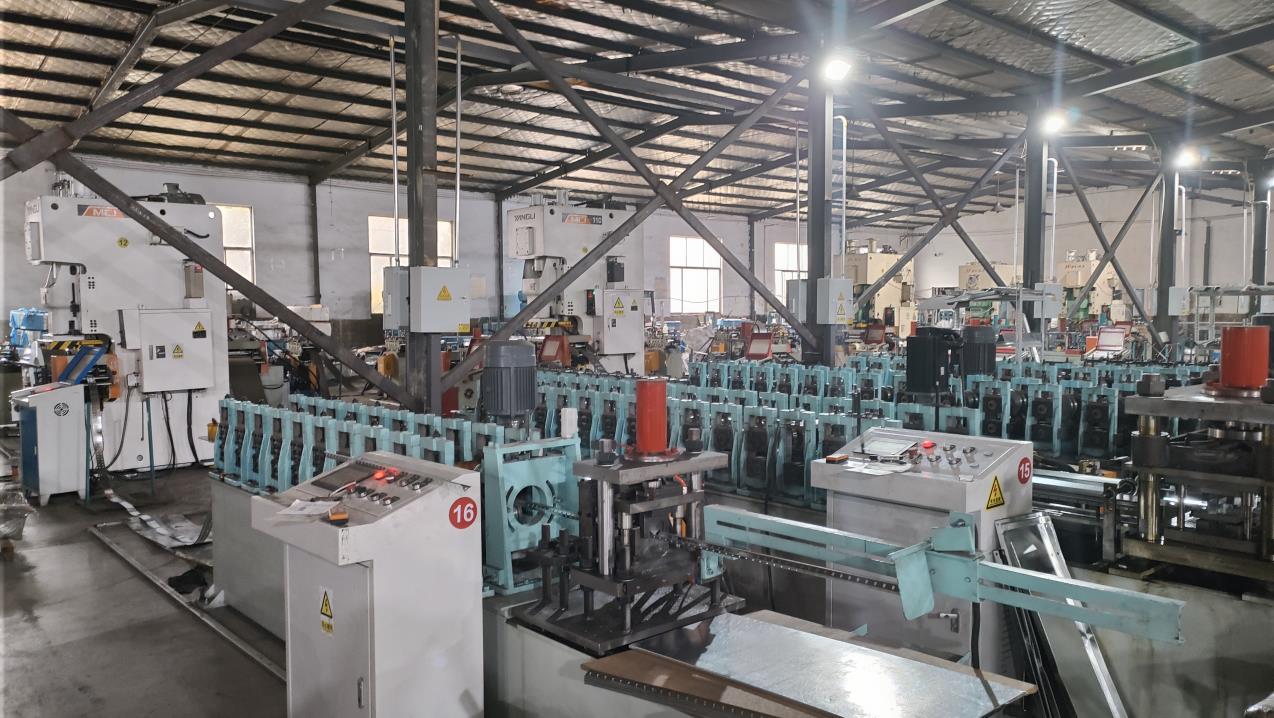
Stamping forming
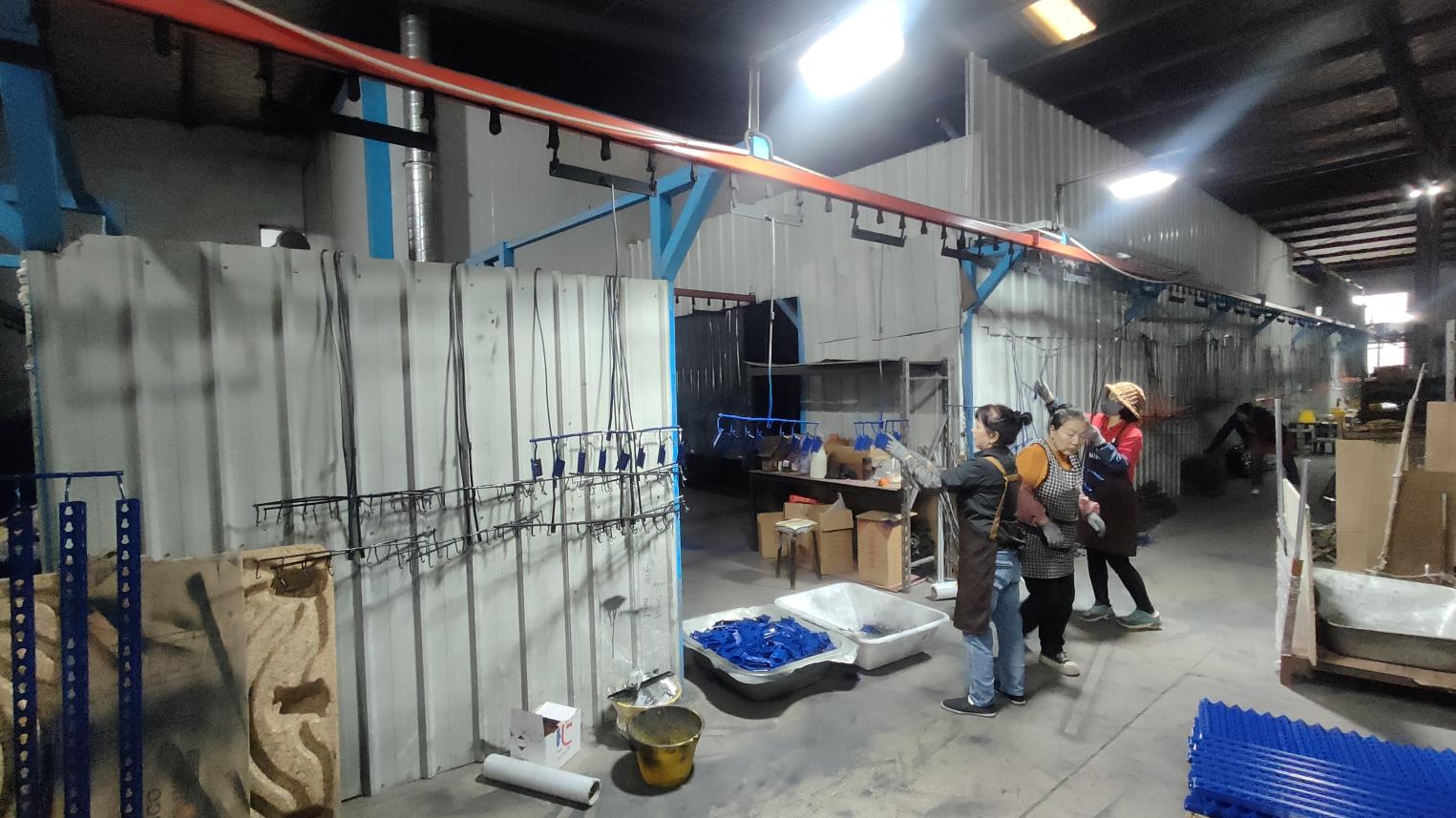
Spray treatment
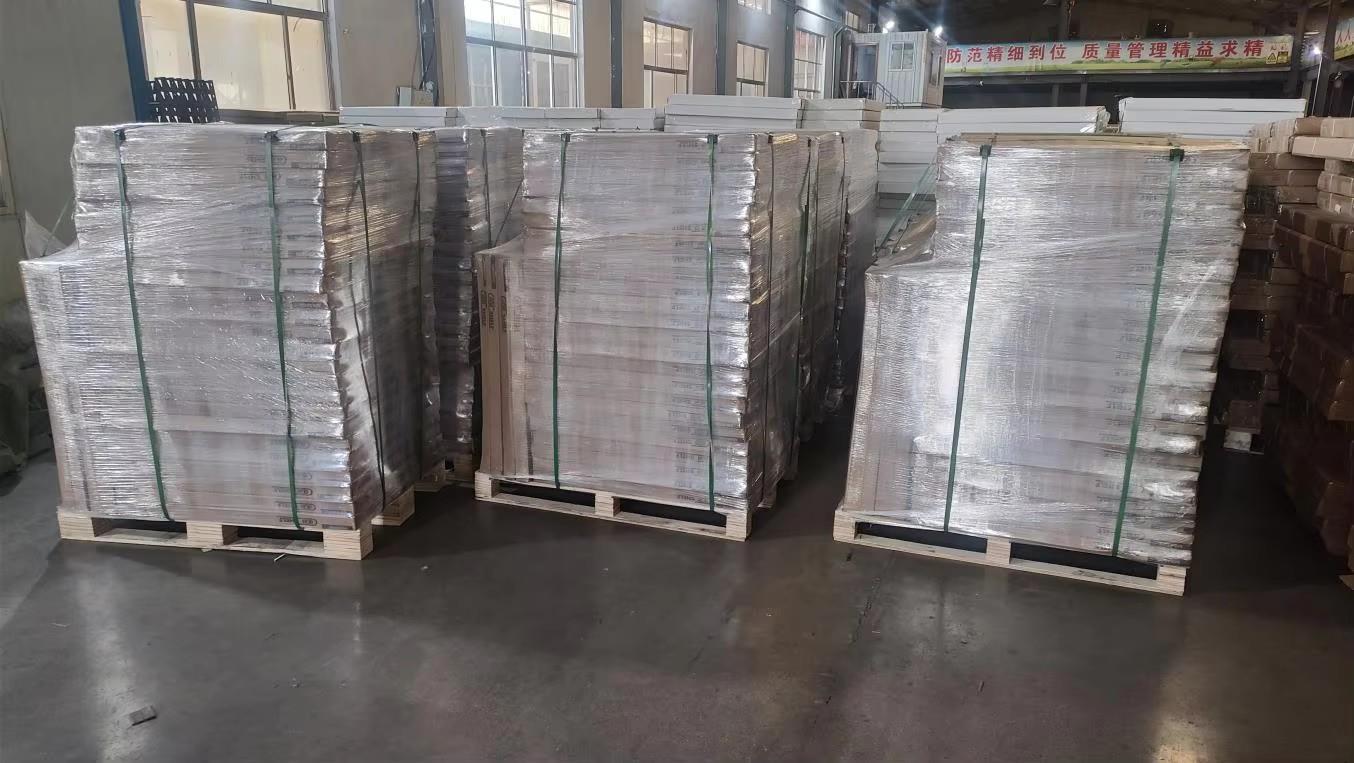
packaging and warehousing
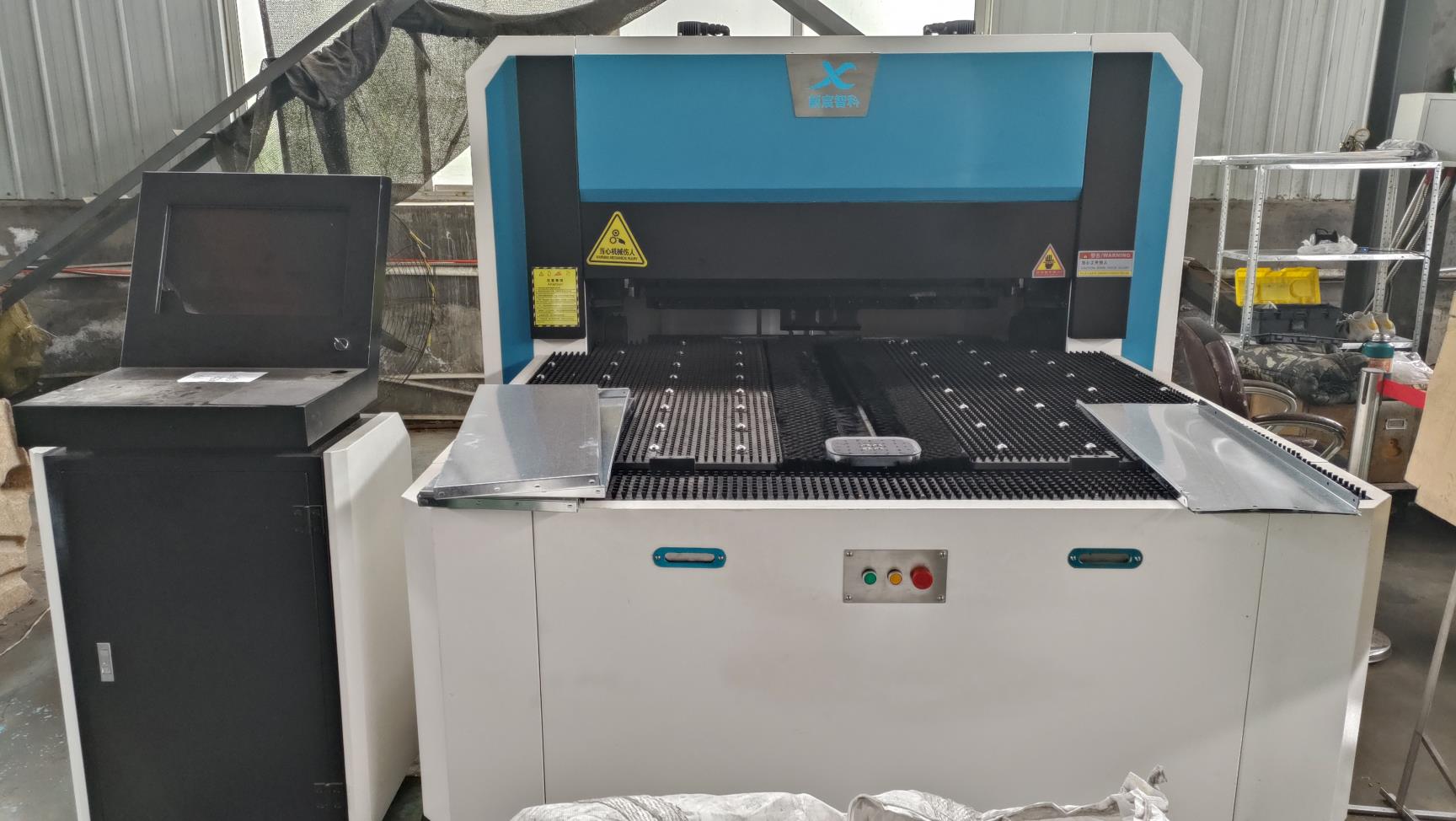
Automatic bending machine
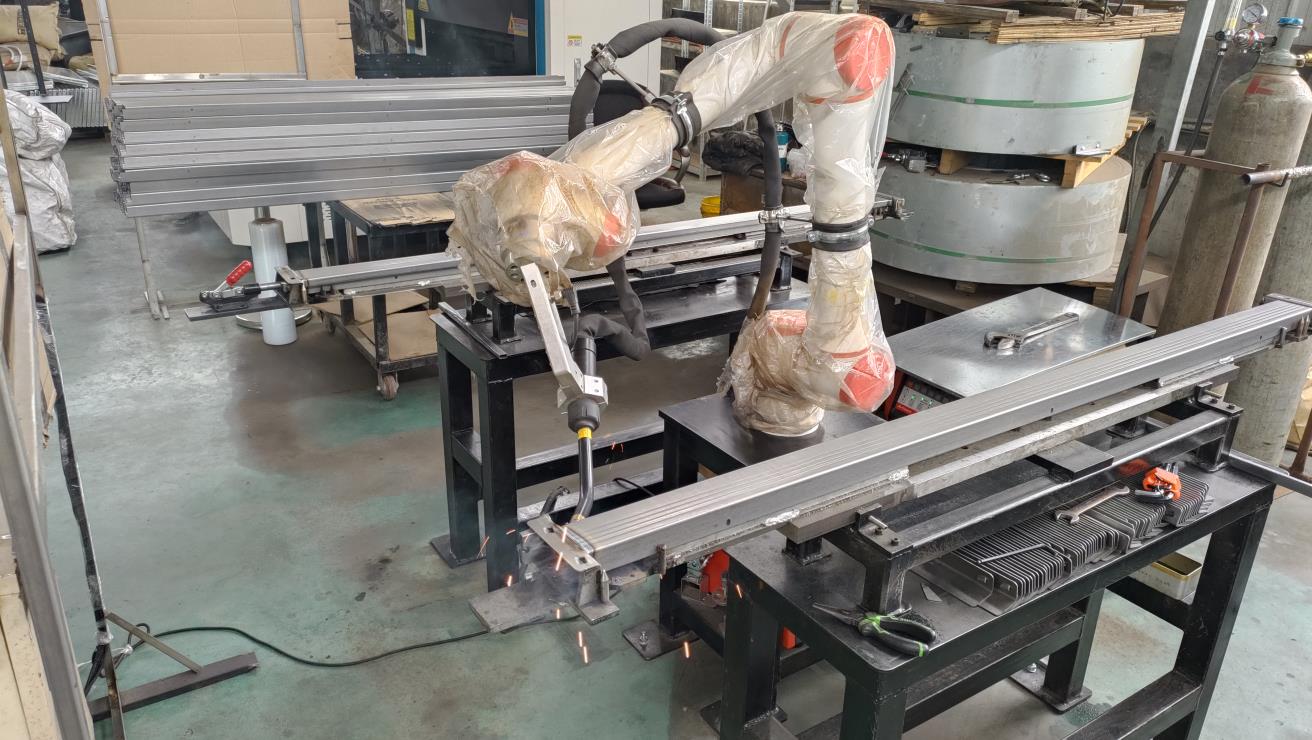
Automatic welding machine
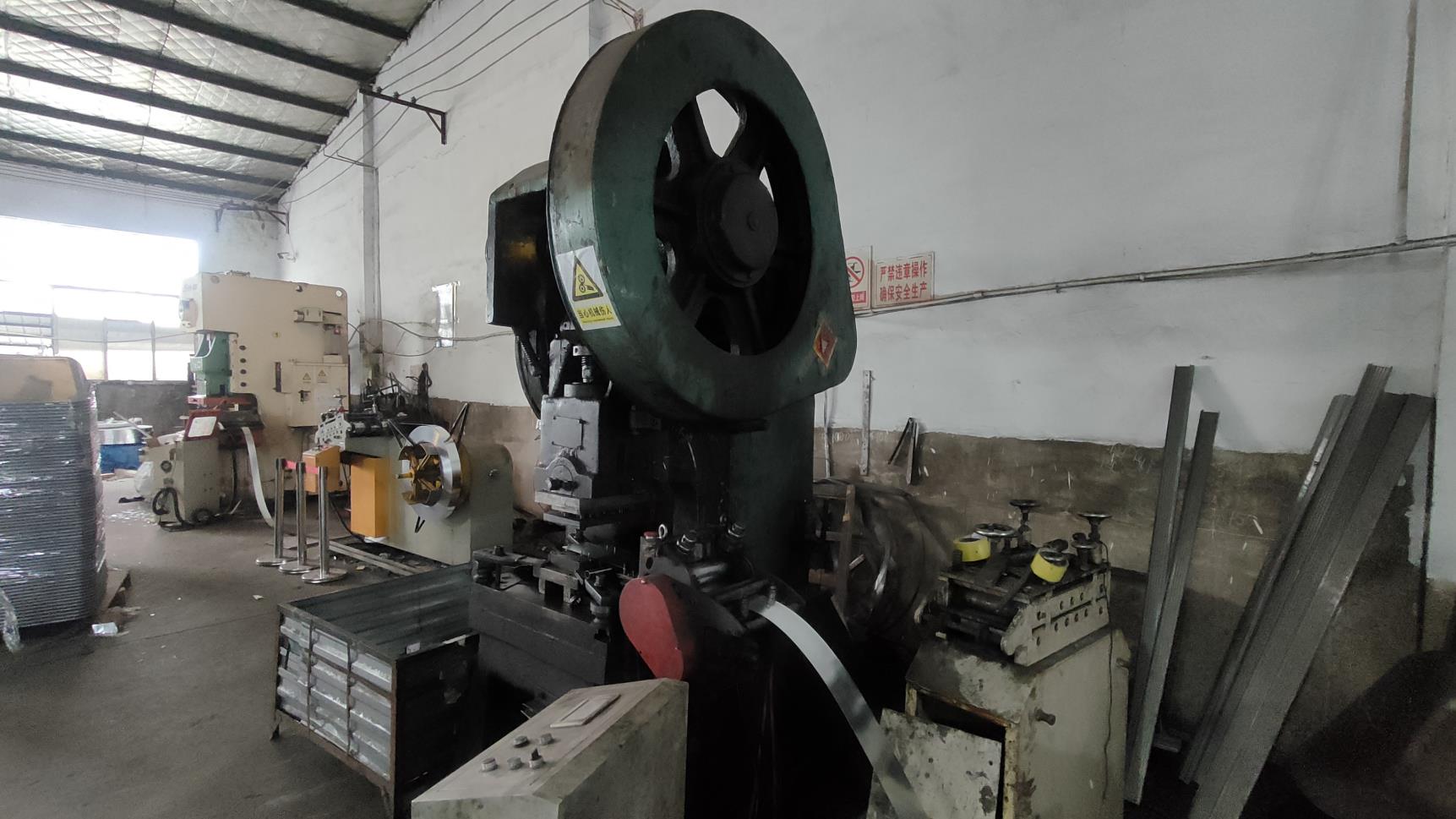
Stamping press
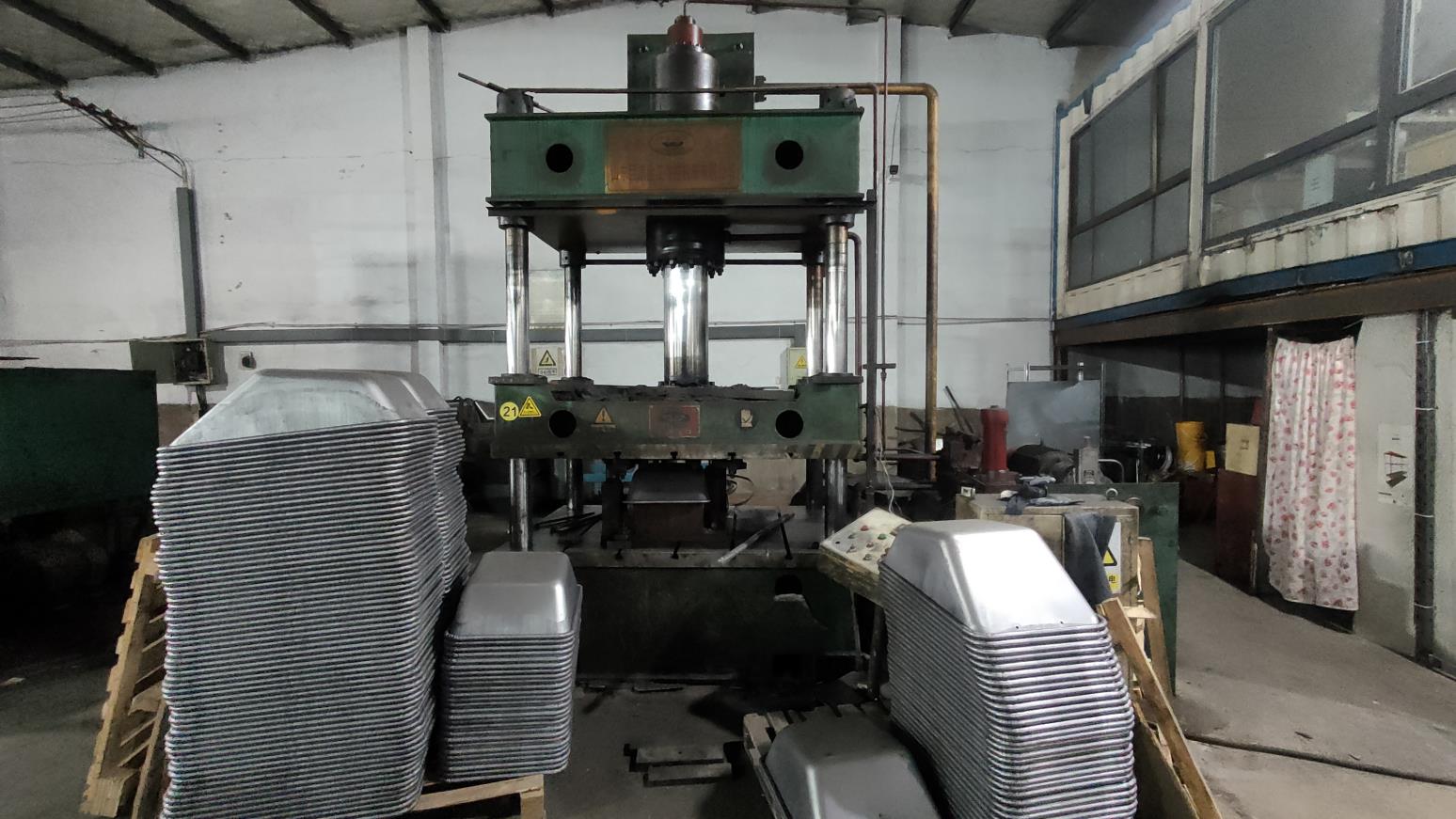
Press
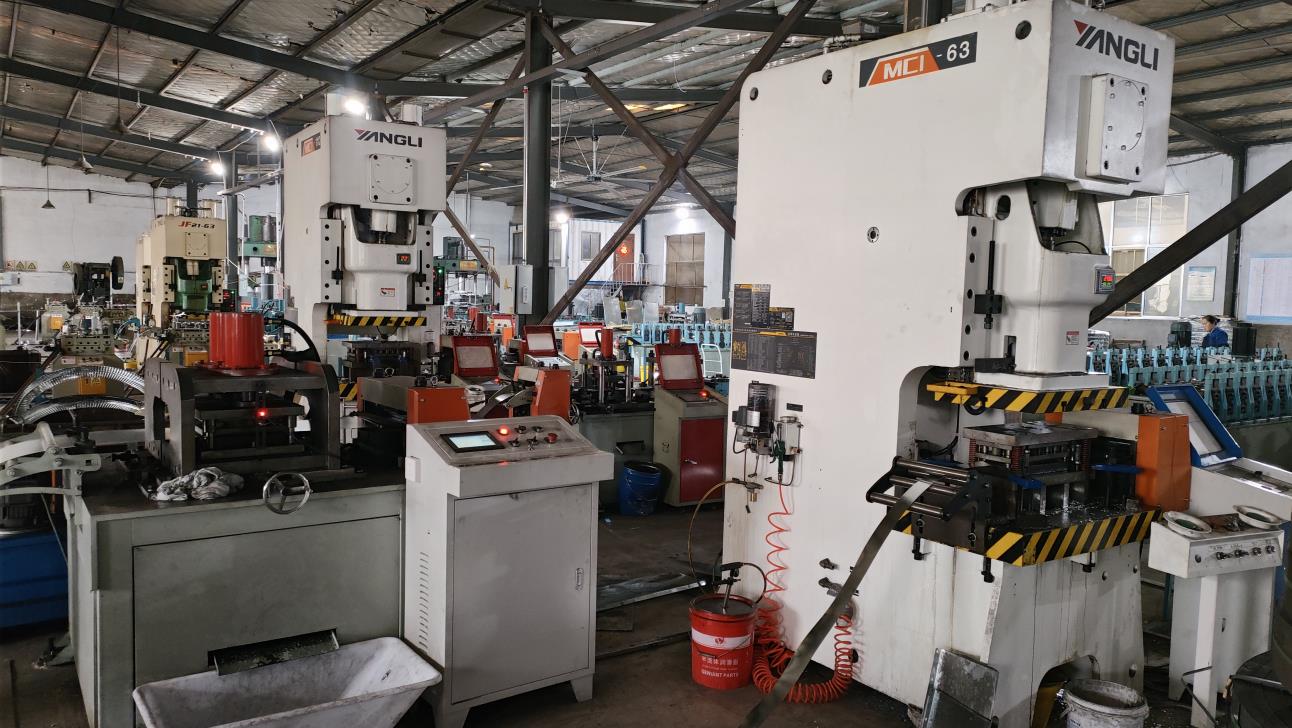
Stamping press
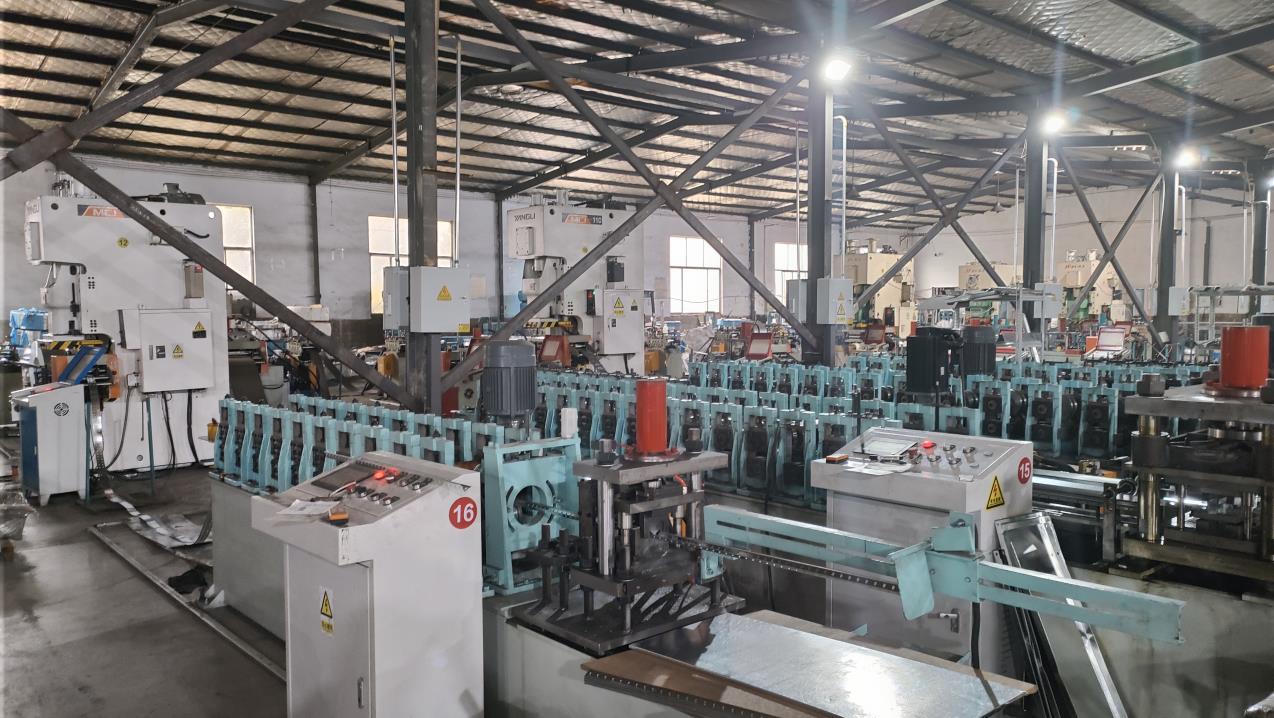
Forming line
At Ningbo Xinyi Metal Products Co., Ltd., safety compliance is the bedrock of our business model. Supporting our manufacturing process is a robust quality team of 45 certified inspection professionals who carry out multi-point quality checks. We conduct systematic non-destructive testing (NDT), ultrasonic weld inspections, dynamic deflection measurements, and ultimate yield strength limit verification on every production run.
In high-risk seismic zones (such as areas in Western Europe, the US West Coast, and the Ring of Fire in Southeast Asia), static load calculations are insufficient. Dynamic forces generated during a seismic event can cause unanchored or poorly braced racks to collapse. Ningbo Xinyi’s structural engineering team leverages finite element analysis (FEA) software to simulate seismic loads based on local building codes (e.g., Eurocode 3, RMI standards). We optimize the bracing structures and upright footplates to safely absorb and distribute lateral acceleration forces.
A racking system is only as reliable as its raw materials. Backed by a strategic supply chain of over 850 verified partners, we source premium structural carbon steel directly from China's top steel mills (such as Baosteel and Ansteel). This extensive supplier network ensures stable material pricing and steady delivery times, even during volatile global market shifts. It also guarantees that all steel plates, coils, and structural profiles arrive at our facility with certified metallurgical tracking documentation.
Modern distribution warehouses are transitioning toward Automated Storage and Retrieval Systems (AS/RS). These automated setups demand tighter structural tolerances (often within ±1.5mm overall deviation) to allow robotic crane systems and automated guided vehicles (AGVs) to operate without interruption. Ningbo Xinyi’s team of 28 R&D engineers designs custom racking configurations compatible with automated logistics tech. Last year, our engineering center launched 185 new customized products and modular accessories to meet changing global demands.
Premium corrosion-resistant and ISO9001 certified components.
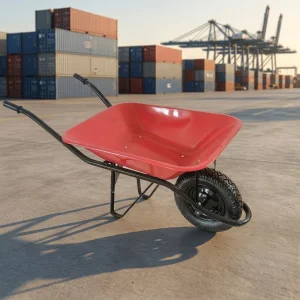

How we adapt to the digital transition of industrial warehousing.
Deploying AI-driven robotic welding arms and advanced vision-guided inspection stations to keep dimensional deviation under 1.0mm, a crucial requirement for dynamic high-bay AS/RS systems.
Adopting volatile organic compound (VOC)-free thermosetting powder coatings and closed-loop water treatment processes, helping global enterprise clients meet their ESG carbon emission targets.
Developing structural components embedded with RFID and IoT-compatible sensor brackets. This design supports real-time load cell monitoring to detect overload risks and optimize storage safety.
Answers to common structural engineering, procurement, and safety compliance questions.
Our structural engineering center calculates load limits using Finite Element Analysis (FEA) software. We verify these calculations through load-capacity deflection testing on physical test frames, confirming they meet FEM 10.2.02 and RMI standards. A safety factor (typically 1.5 to 2.0) is factored in to prevent material fatigue or accidental overloads.
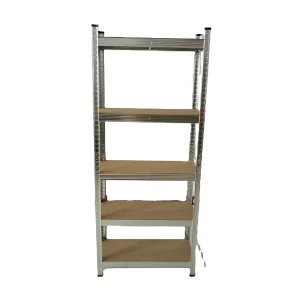
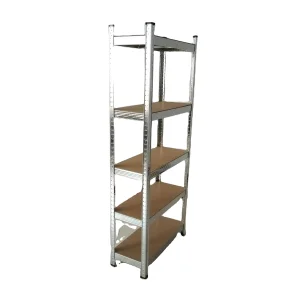
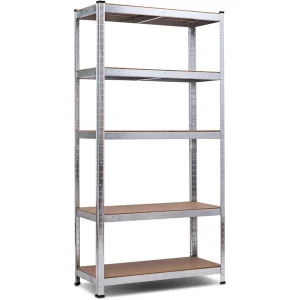
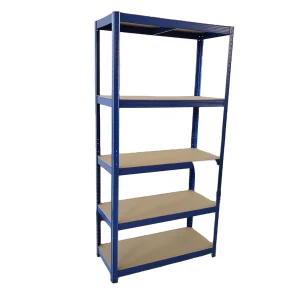
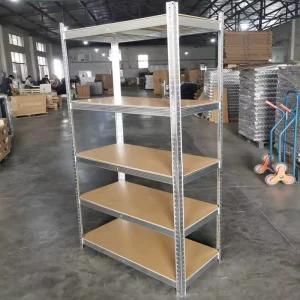
Boltless freestanding storage shelves rely on a friction-fit interlocking design, such as rivet or butterfly-key connections. This removes the need for hardware fasteners, making installation up to 60% faster. It also allows workers to easily adjust shelf spacing without specialized tools to fit changing product sizes.
We use high-grade galvanized steel and electrostatic powder coatings. Our finished components undergo rigorous ASTM B117 salt-spray tests to ensure they withstand high humidity, chemical exposure, and freezing temperatures without rusting or peeling.
Yes. Our R&D engineering center employs 28 experts specializing in custom steel fabrication, CAD drawing, and structural design. We regularly customize dimensions, load capacities, colors, and layout configurations. Last year alone, we delivered 185 unique custom products for global industrial distributors and 3PL companies.
 Xinyi Racking