Engineered for high structural integrity, optimized floor footprint, and long-term durability in commercial and industrial settings.
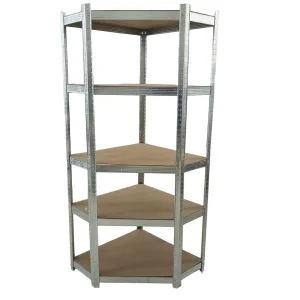
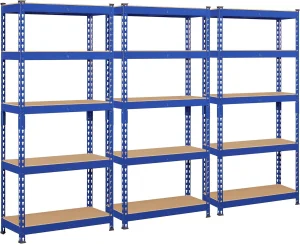
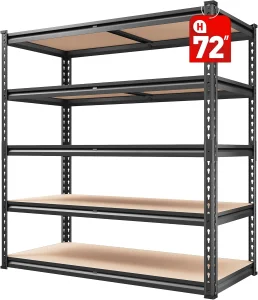

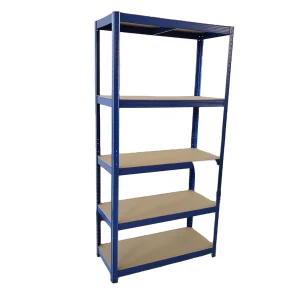
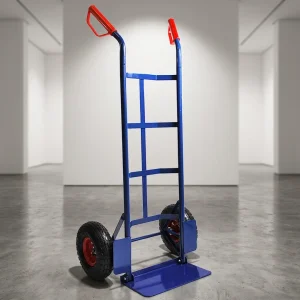
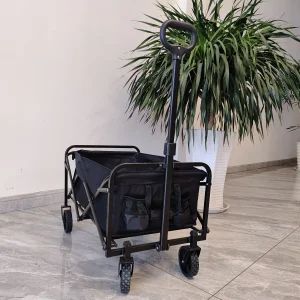
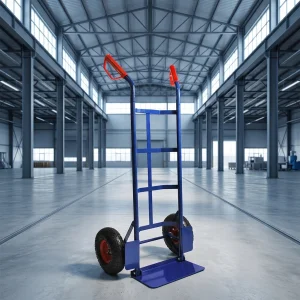
Serving global supply chains with structurally tested, highly reliable vertical rack architectures.
Established in 2015, Ningbo Xinyi Metal Products Co., Ltd. stands as a premier manufacturer of heavy-duty industrial storage racks, pallet racking configurations, and specialized warehouse material handling equipment. By leveraging premium grade structural steels, state-of-the-art automation lines, and advanced surface finishes, we supply structural integrity to major logistics terminals, 3PL distributors, and enterprise storage networks worldwide.
Our operation is characterized by a deep-rooted expertise spanning 11 years of metal fabrication mastery alongside 8 years of intensive global trade execution. From structural load modeling to automated batch manufacturing, our teams ensure compliance with international safety protocols and performance metrics.
Our commercial systems are deployed extensively across North America, Western Europe, Southeast Asia, and the Middle East. Through a dedicated supply chain network of more than 850 vetted sub-tier suppliers, we guarantee consistent raw material availability, ensuring that lead times remain compressed even during global steel volatility.
Analyzing how modern macro-logistics and real estate pressures dictate high-density, vertical spatial models.
In the contemporary logistics paradigm, industrial warehouse footprints represent major cost centers. Urban land scarcity and the exponential surge of global e-commerce have inflated industrial real estate premiums globally by over 30% in metropolitan nodes. Consequently, operators must prioritize the volumetric maximization of space—expanding vertically rather than horizontally.
Vertical racks are no longer basic storage structures; they form the mechanical foundation of modern distribution hubs. By utilizing specialized heavy-duty modular racking frameworks, warehouses can increase their storage capacity up to 300% without expanding the physical site footprint. This spatial reclamation is key for cold storage facilities, chemical depots, and 3PL fulfillment depots where operational costs per square meter are high.
The rise of automated material handling systems (AMHs), automated guided vehicles (AGVs), and Automated Storage and Retrieval Systems (AS/RS) demands highly rigid structural racking tolerances. Traditional storage units do not suffice; modern distribution operations require high precision tolerances (often under ±1.5mm deflection limits) to allow robotic pickers to operate without misalignment errors.
Furthermore, globalization has standardized international transport containers and pallet formats (such as ISO pallets and EPAL standards). Vertical rack manufacturers must design systems that seamlessly integrate with standard freight dimensions while providing the flexibility to adjust beam configurations in modular increments to support shifting inventory requirements.
A closer look at our 38,000 square meter facility and automated manufacturing workflows.
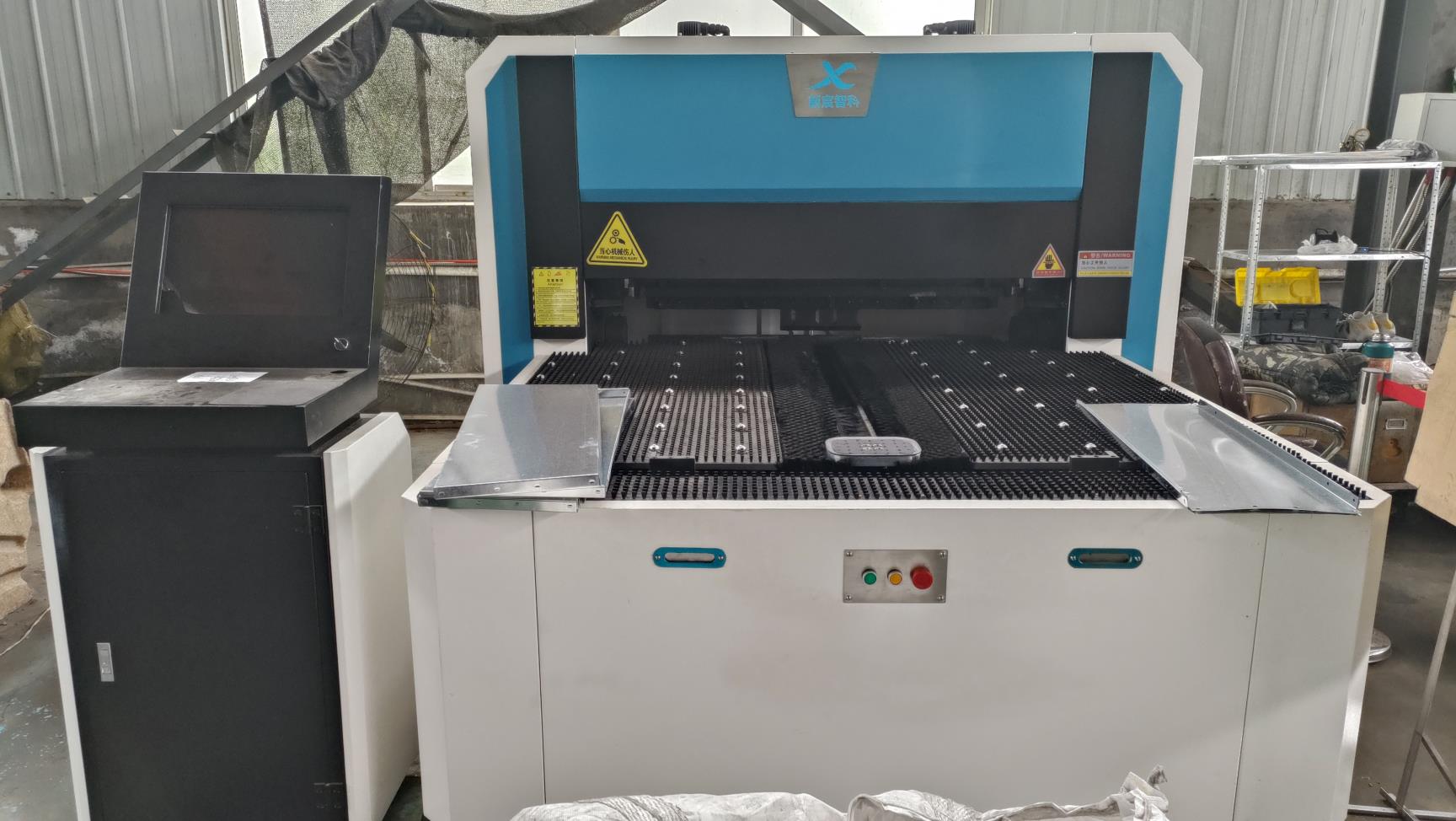
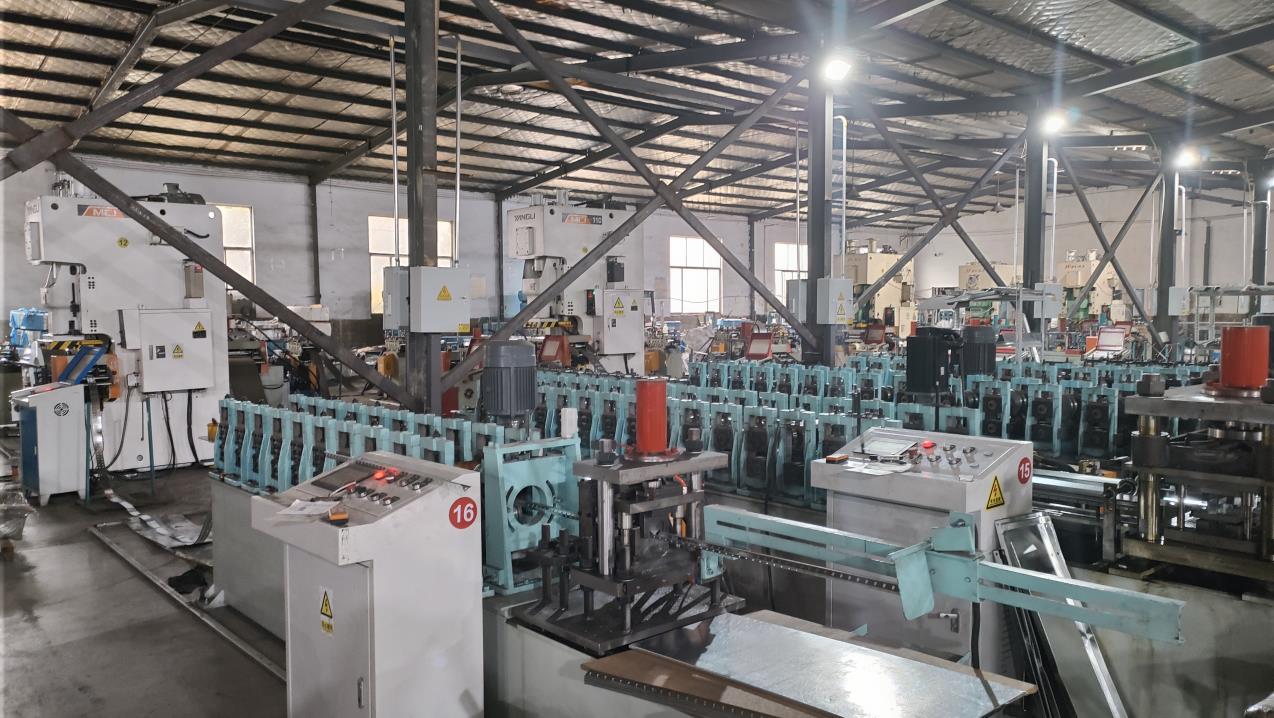
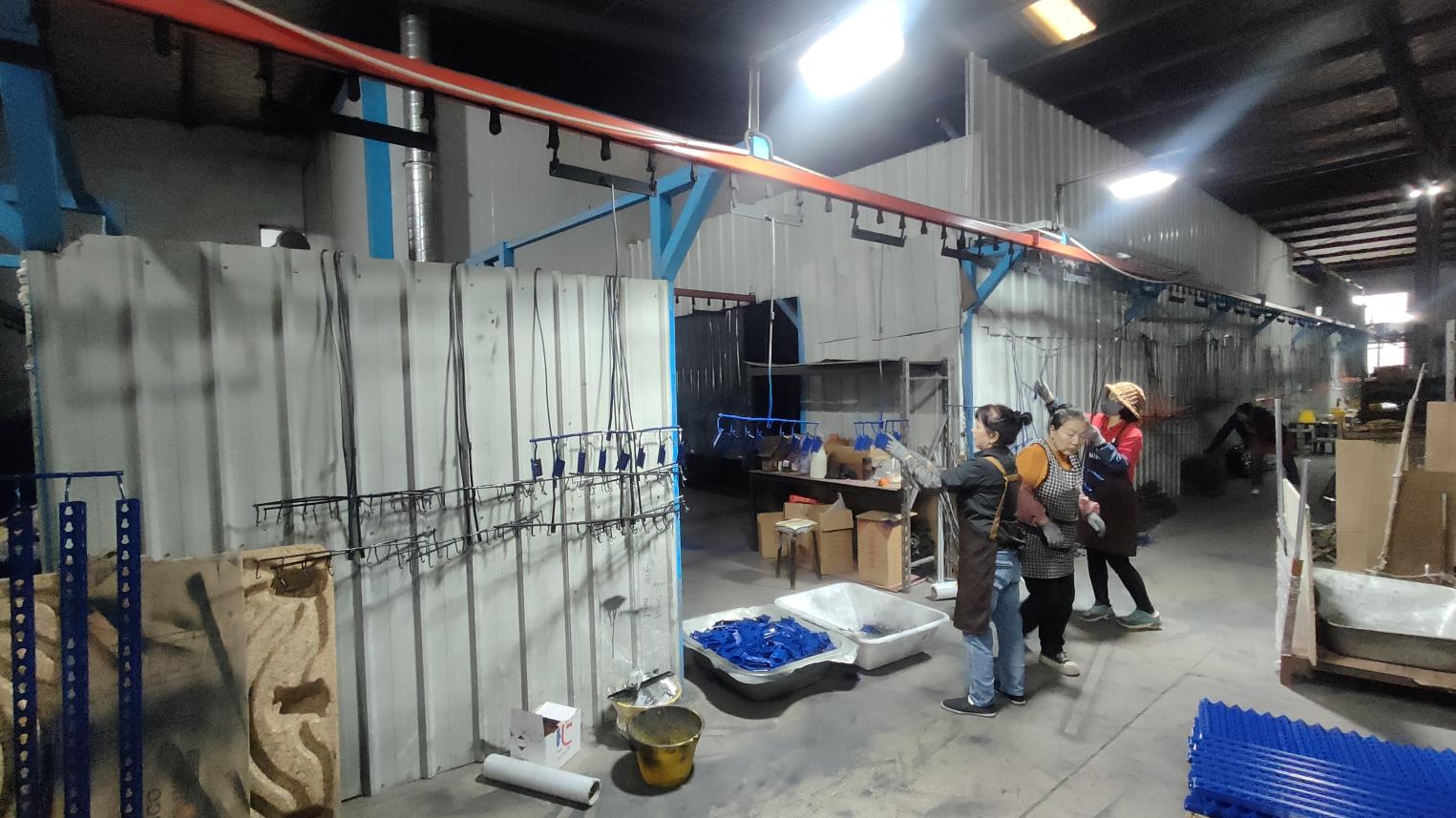
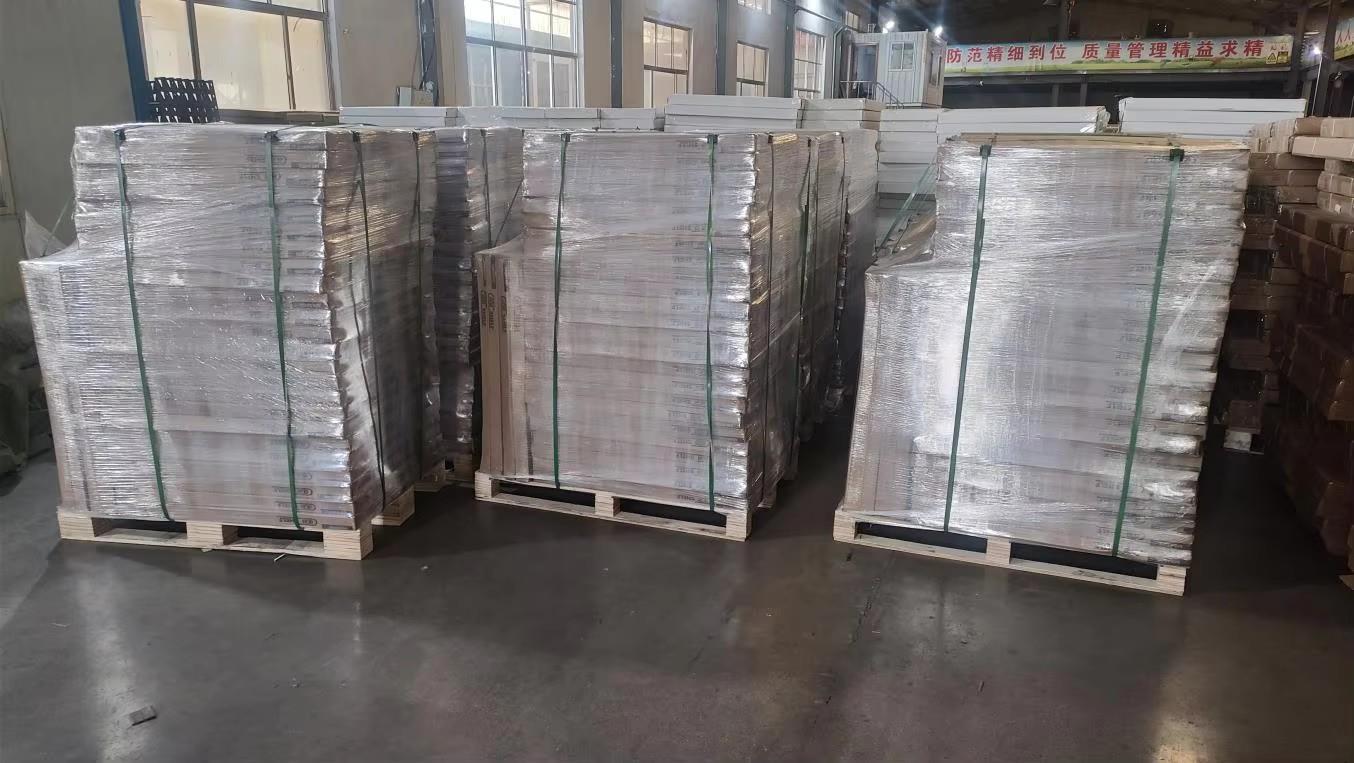
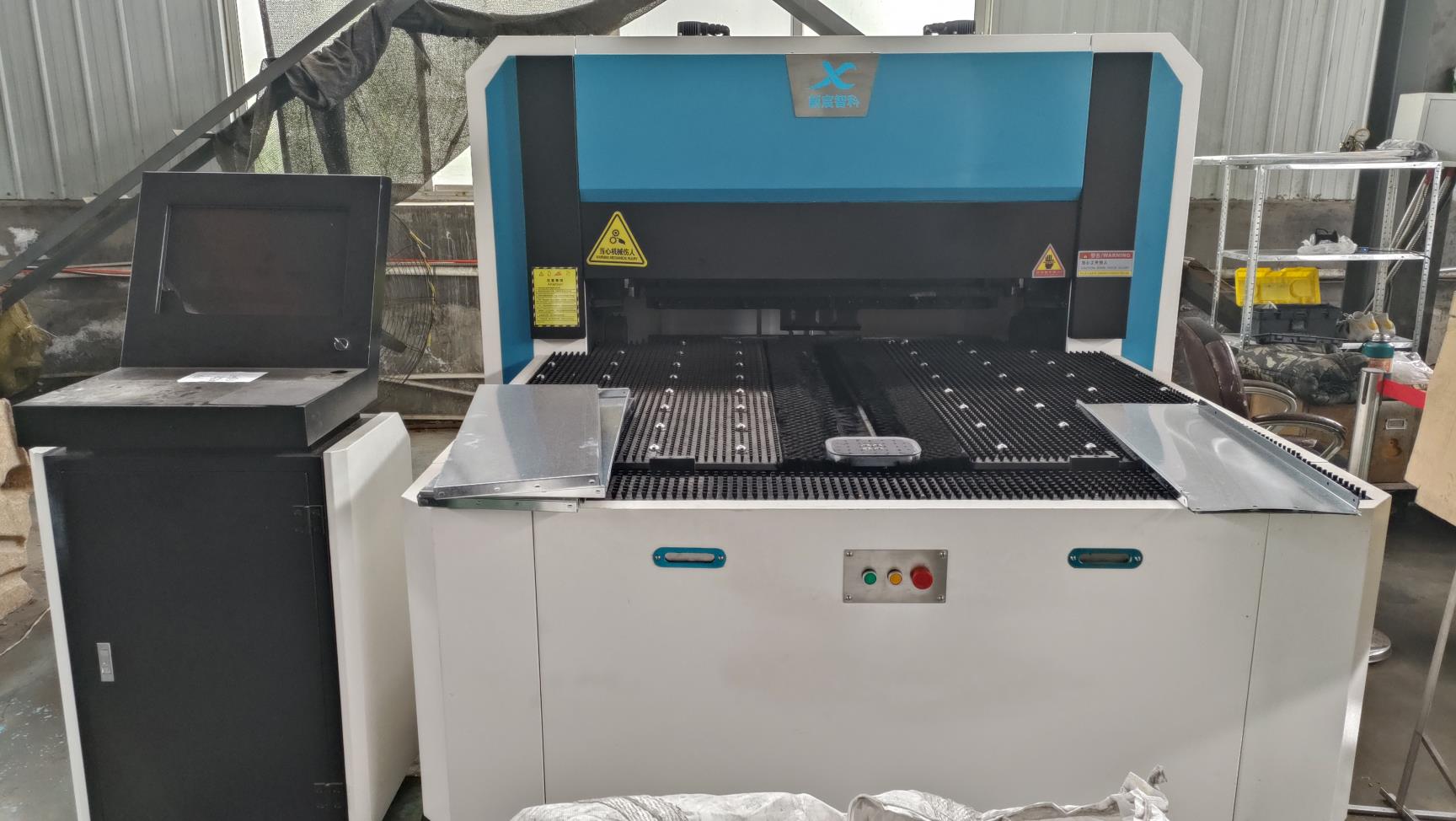
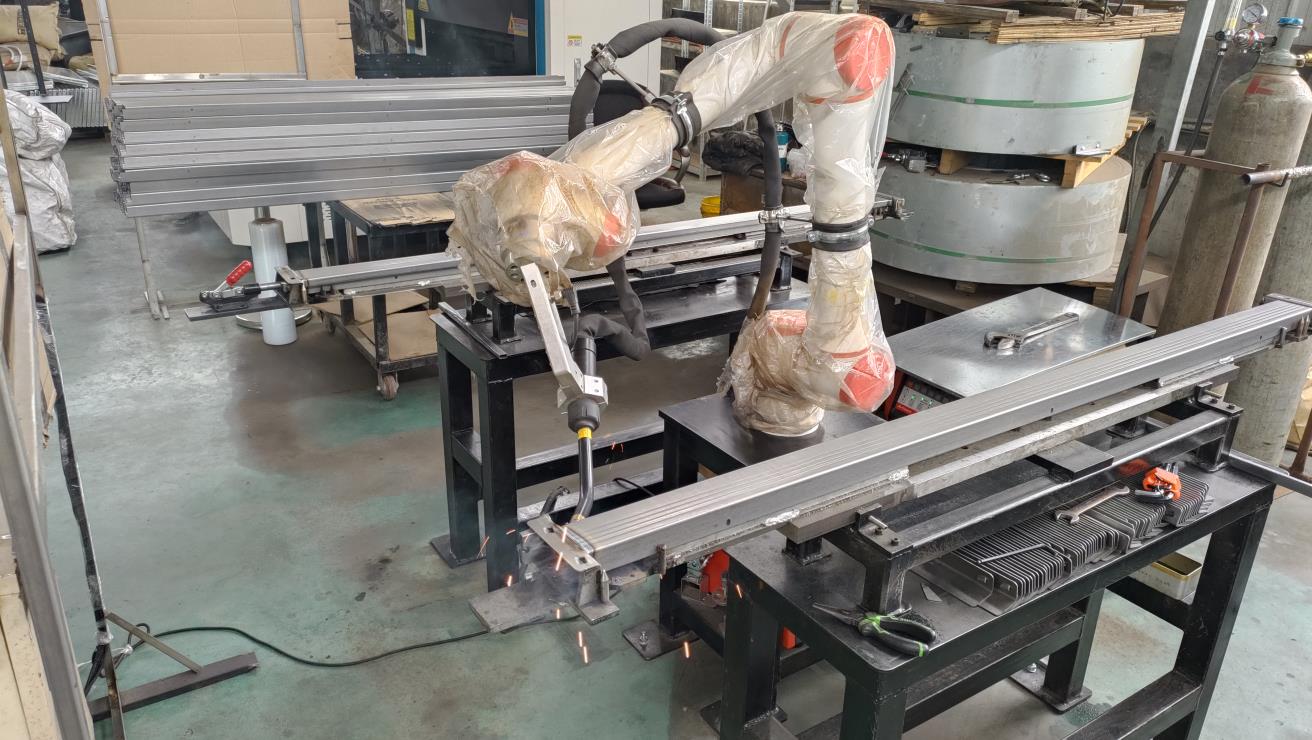
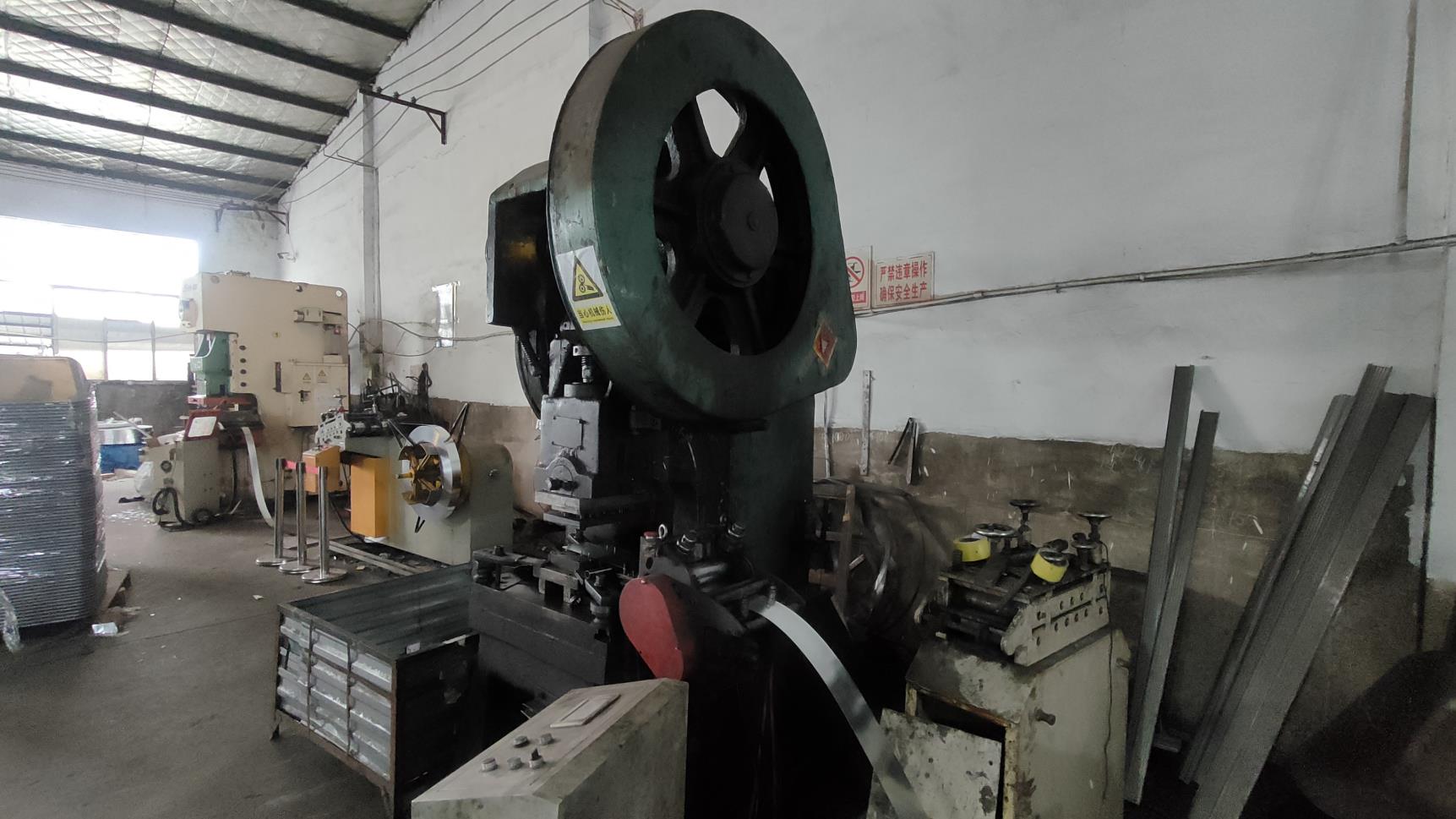
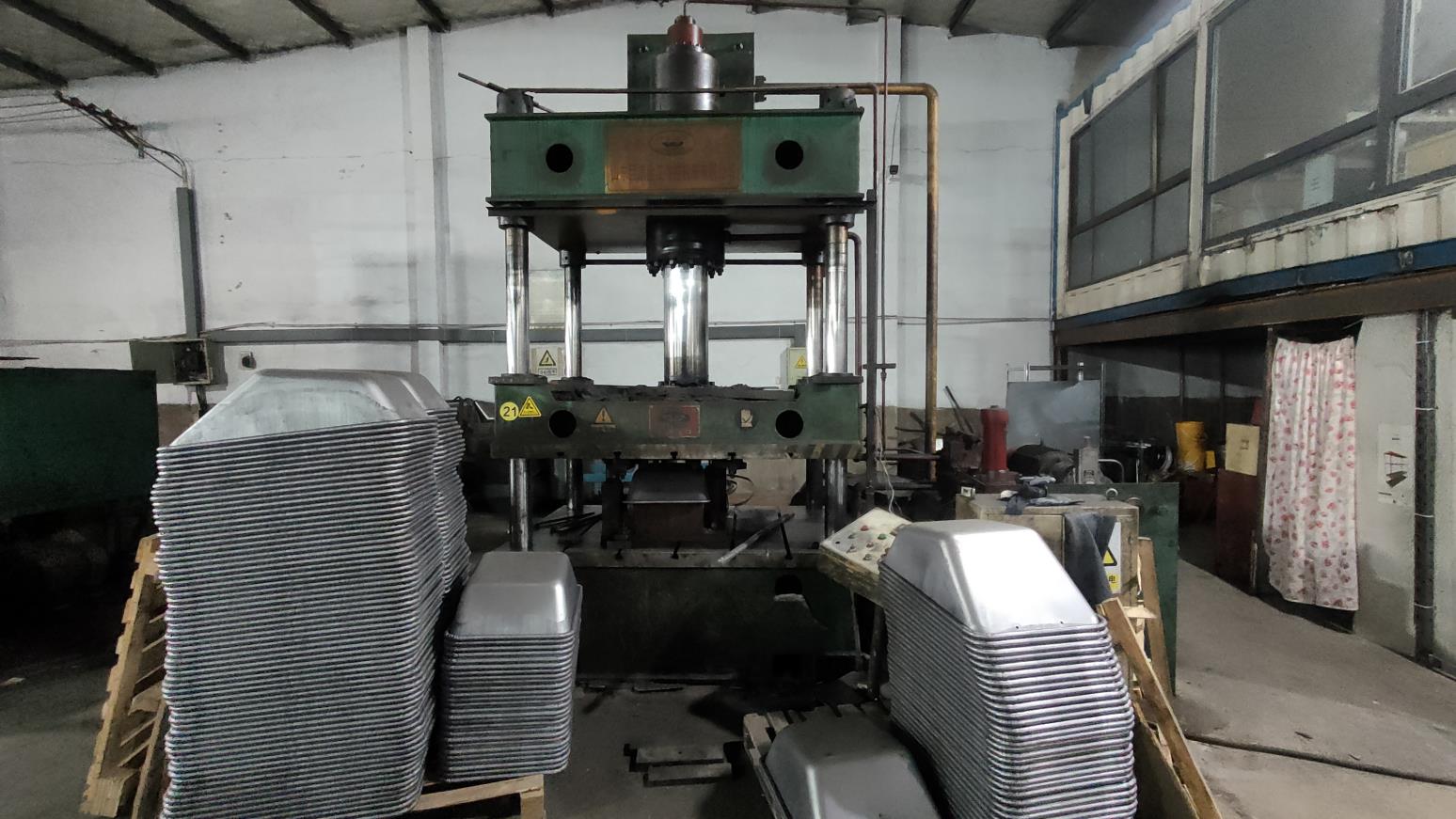
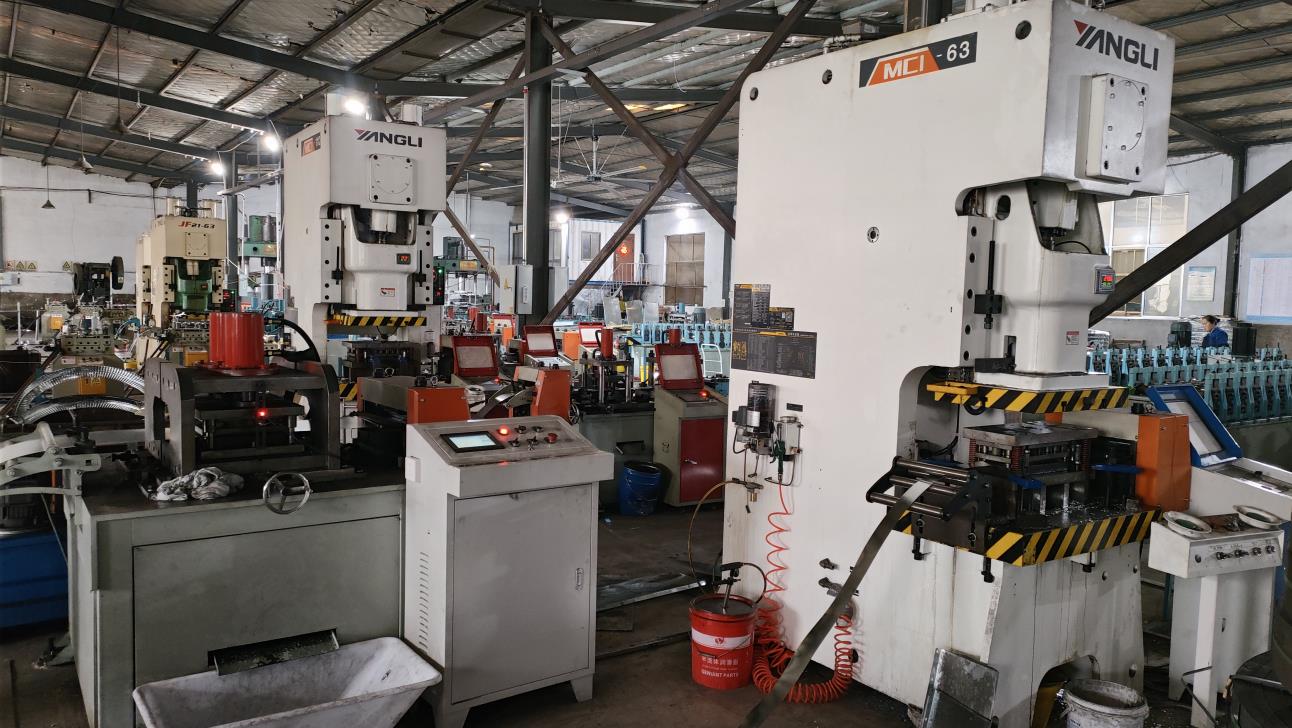
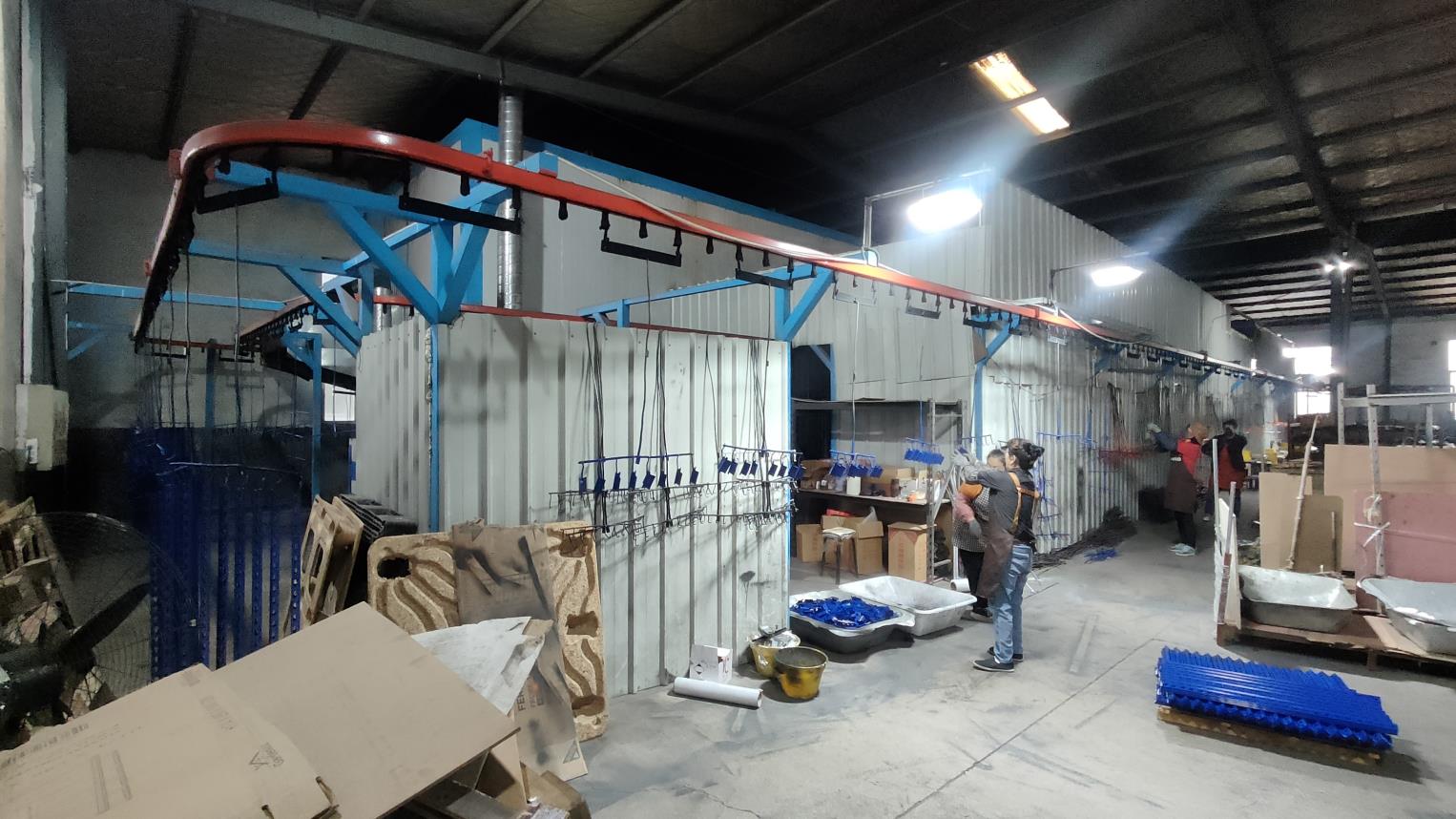
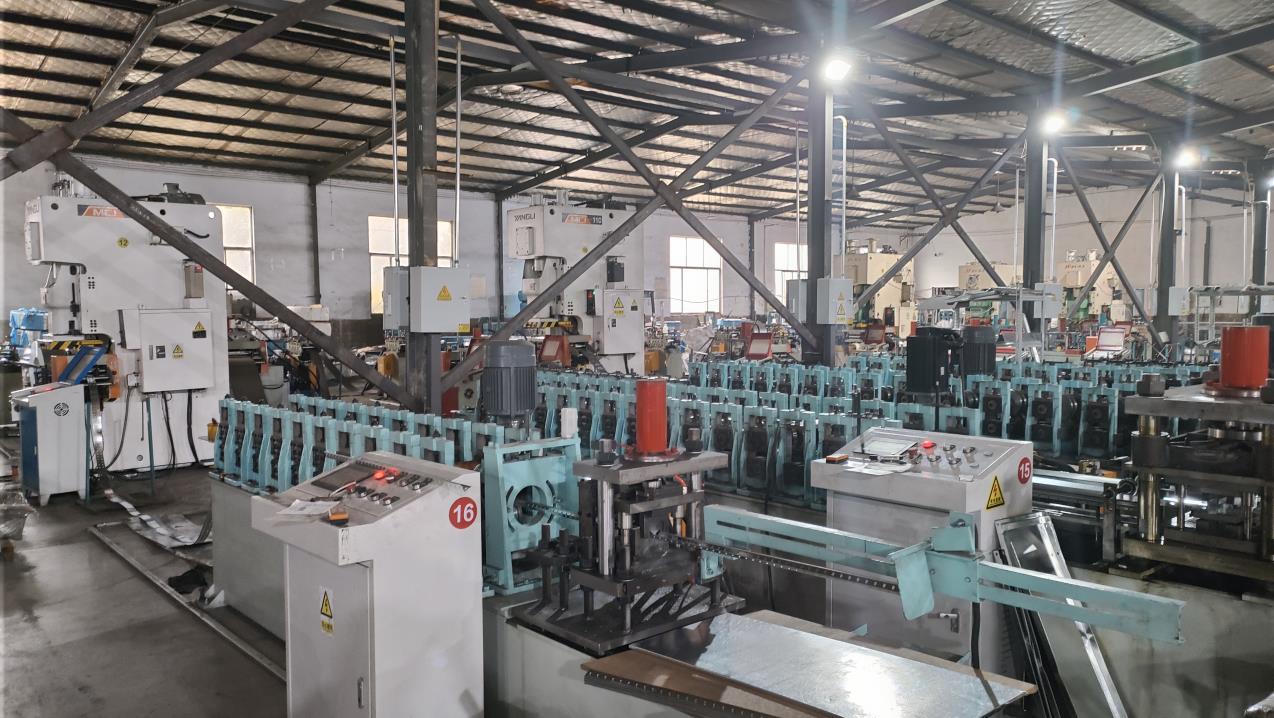
Our commitment to continuous R&D ensures we stay at the forefront of structural engineering and warehouse design.
Traditional structural steel, while strong, adds dead weight to warehouse concrete slabs. The industry is pivoting toward high-tensile, low-alloy (HSLA) steel grades like Q355B and Q420. These raw materials allow us to manufacture uprights and load beams with thinner profiles that meet or exceed traditional loading benchmarks.
This material shift translates to a reduction in rack self-weight by up to 15%, reducing floor loading overhead and lowering oceanic freight shipping costs—a key financial benefit for international distribution partners.
As logistics nodes expand into seismically active territories (e.g., portions of Western Europe, the Americas, and Japan), structural seismic design has become critical. Our R&D center utilizes finite element analysis (FEA) software to simulate seismic shockwaves and model stress propagation throughout our racking configurations.
Our engineering roadmap prioritizes the development of energy-dissipating base plates, customized splice details, and high-ductility frames that absorb and redirect seismic energy, ensuring system durability under dynamic loads.
Different operational formats demand custom racking designs. We engineer systems tailored to target environments.
| Sector / Vertical | Primary Storage Need | Structural Configuration | Typical Load Capacities |
|---|---|---|---|
| Third-Party Logistics (3PL) | High selectivity, rapid SKU rotation | Selective Pallet Racking / Teardrop Racks | 1,000kg – 2,500kg per level UDL |
| E-commerce Fulfillment | Dense storage, manual and automated picking | Multi-Tier Shelving / Boltless Systems | 300kg – 800kg per level UDL |
| Cold Chain & Food Storage | Volumetric density to minimize cooling costs | Drive-In / Push-Back / Mobile Racking | 1,200kg – 2,000kg per pallet position |
| Heavy Industrial / Parts Manufacturing | High payload capability, safety factor resilience | Heavy-Duty Welded / Structural Channel | 3,000kg – 5,000kg per bay level |
Every commercial space has unique layout, safety, and operational challenges. Ningbo Xinyi Metal Products Co., Ltd. provides customized structural modifications. Our 28-person R&D team can customize steel thicknesses, load-beam depths, upright profiles, and powder-coating formulas to suit client specifications.
Whether you require boltless assemblies for quick retail setup, seismic-engineered base plates, or high-humidity corrosion resistance, our team can deliver custom products to support your operations.
Our quality assurance program is designed to deliver reliable performance. The 45-person QA division ensures all production runs undergo systematic testing. Load-capacity testing verify that structures perform safely within calculated limits under uniform distributed loads (UDL).
Additionally, we conduct destructive weld-penetration tests, raw material tensile verification, and salt-spray corrosion analysis to confirm our products perform reliably in high-humidity or cold-storage environments.
Technical details, compliance metrics, and operational advice from our engineering team.
We use Finite Element Analysis (FEA) software to perform structural loading simulations, testing for elastic deformation and structural limit states. Physical prototypes are subjected to structural load testing at our facility. Calculations follow RMI (Rack Manufacturers Institute) and EN standards, applying a safety margin of at least 1.5 to 2.0 times the designated Uniformly Distributed Load (UDL) limit.
We primarily use hot-rolled and cold-rolled carbon steel, such as Q235B and Q355B. Q355B features high tensile and yield strength, allowing for safe weight distribution and reduced material thickness. This provides structural durability and resistance to structural failure under stress.
Our automated spraying line applies a thermosetting epoxy-polyester powder coat, cured at high temperatures to form a durable surface. This coating provides chemical resistance, mechanical abrasion protection, and humidity resistance, helping prevent rust in cold storage and high-moisture industrial spaces.
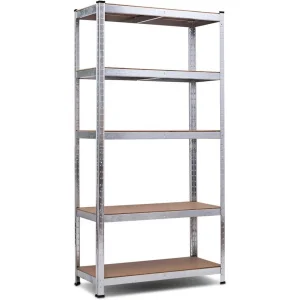
Boltless racking utilizes keyhole or butterfly slots, allowing for assembly without bolts or specialty tools. This simplifies setup and reconfiguration. Bolted racking is typically chosen for heavy industrial pallet systems where rigid, permanent frame joints are needed to support high payload capacities and deep rack arrays.
Yes. Our engineering center works with 28 R&D engineers who can customize rack geometry, profile thicknesses, beam connector styles, and support accessories to match your facility drawings. We also provide customized load capacities and color configurations for commercial branding.
Our manufacturing facilities are accredited under the ISO 9001:2015 Quality Management System. Our products can be manufactured to conform to CE standards for the European Economic Area, and ANSI/RMI MH16.1 specifications for North American markets, ensuring compliance with global regulatory guidelines.
We use customized packaging configurations, including high-strength strapping, protective cardboard corner guards, and plastic wrap, to prevent transit damage. Located close to the Port of Ningbo, we can optimize container loading layouts to reduce ocean freight costs and streamline import handling at the destination port.
Standard production schedules typically range from 20 to 35 days from deposit confirmation and technical drawing approval. Our stable raw material supply chain of over 850 partners helps minimize delays, allowing us to maintain reliable delivery timelines for large projects.
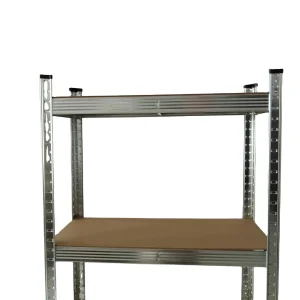
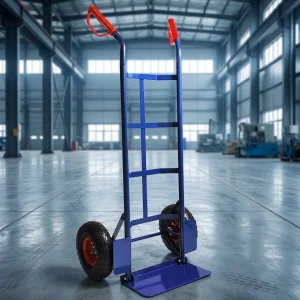
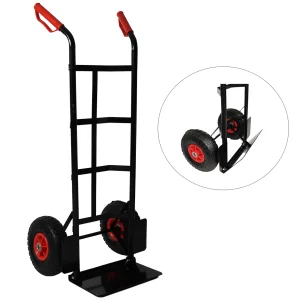
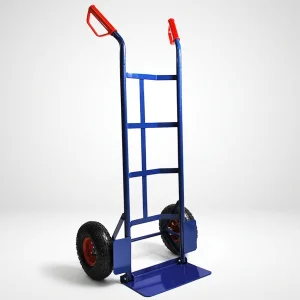
Explore our additional storage and logistics equipment, engineered for efficiency and durability.
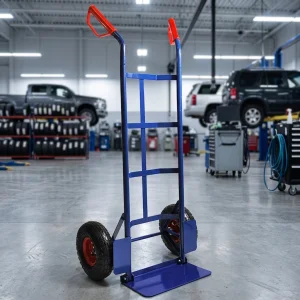
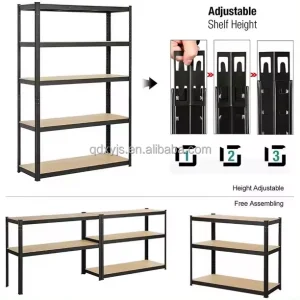
 Xinyi Racking