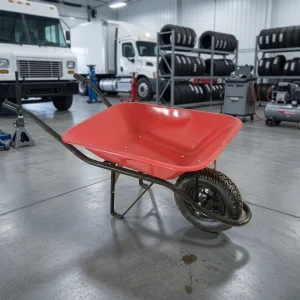
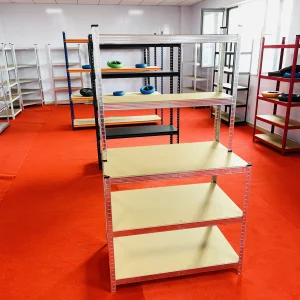
Explore our range of heavy-duty industrial storage racks, hand trucks, and multi-tier utility platforms built to international standards.
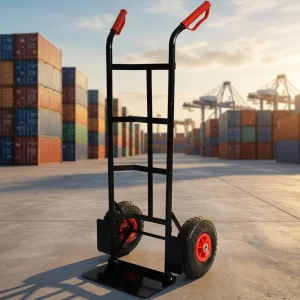
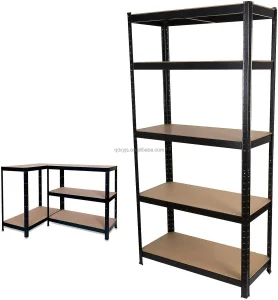
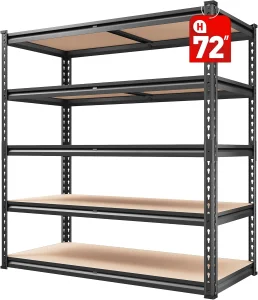
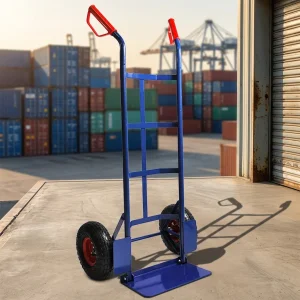

An authoritative analysis on optimizing modern logistics footprint, material handling throughput, and structural integrity.
As enterprise-level logistics operations, cold-chain hubs, and third-party logistics (3PL) providers seek to drive down the cost-per-pallet position, selecting the right manufacturing partner is paramount. High-density storage requires strict structural engineering tolerances. Standard designs must accommodate dynamic load considerations, seismic criteria, and forklift operating clearances to prevent catastrophic system collapse. This document provides a comprehensive guide for global procurement directors, industrial engineers, and material handling distributors seeking reliable, high-performing Drive-in storage solutions engineered and exported directly from China.
For over a decade, we have engineered and exported high-performance warehouse infrastructure solutions.
Established in 2015, Ningbo Xinyi Metal Products Co., Ltd. operates a state-of-the-art facility covering 38,000 square meters. Our high-throughput facility is optimized for the fabrication of industrial-grade heavy-duty storage racks, pallet racking configurations, and customized material handling solutions designed for high-throughput distribution hubs.
With 11 years of structural steel experience and 8 years of dedicated international trade integration, we export over $28 million USD annually. Our distribution channels reach critical global markets in North America, Western Europe, Southeast Asia, and the Middle East, serving major third-party logistics (3PL) centers, large-scale retail chains, and industrial distributors.
Key operational and supply chain advantages offered by China-based manufacturers like Ningbo Xinyi.
Our strategic location allows us to source premium structural carbon steel (primarily Q235B and Q355B grades) from China's leading mills. These grades provide superior yield strength and structural ductility, which are vital for maintaining load bearing calculations under heavy operations.
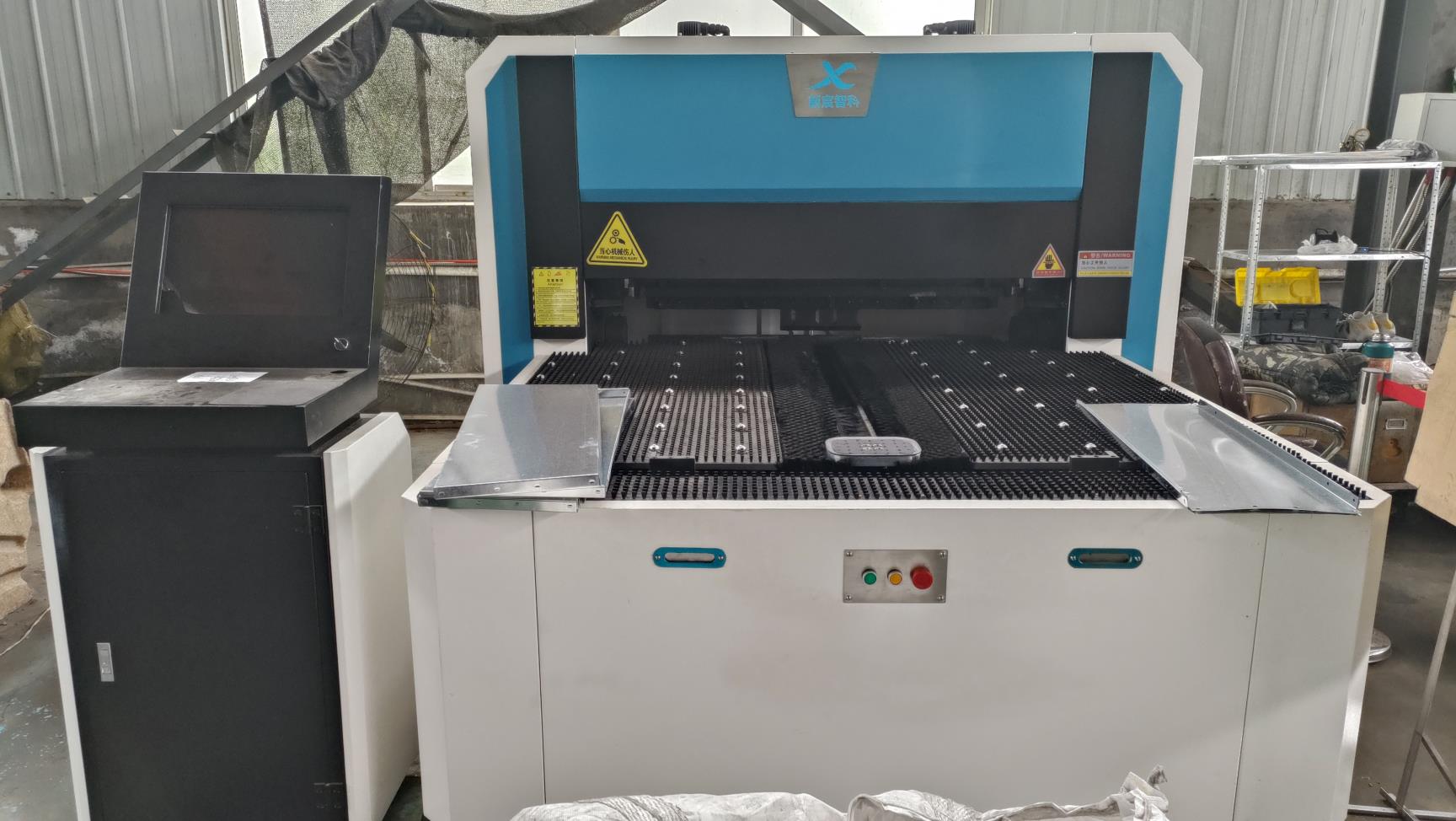
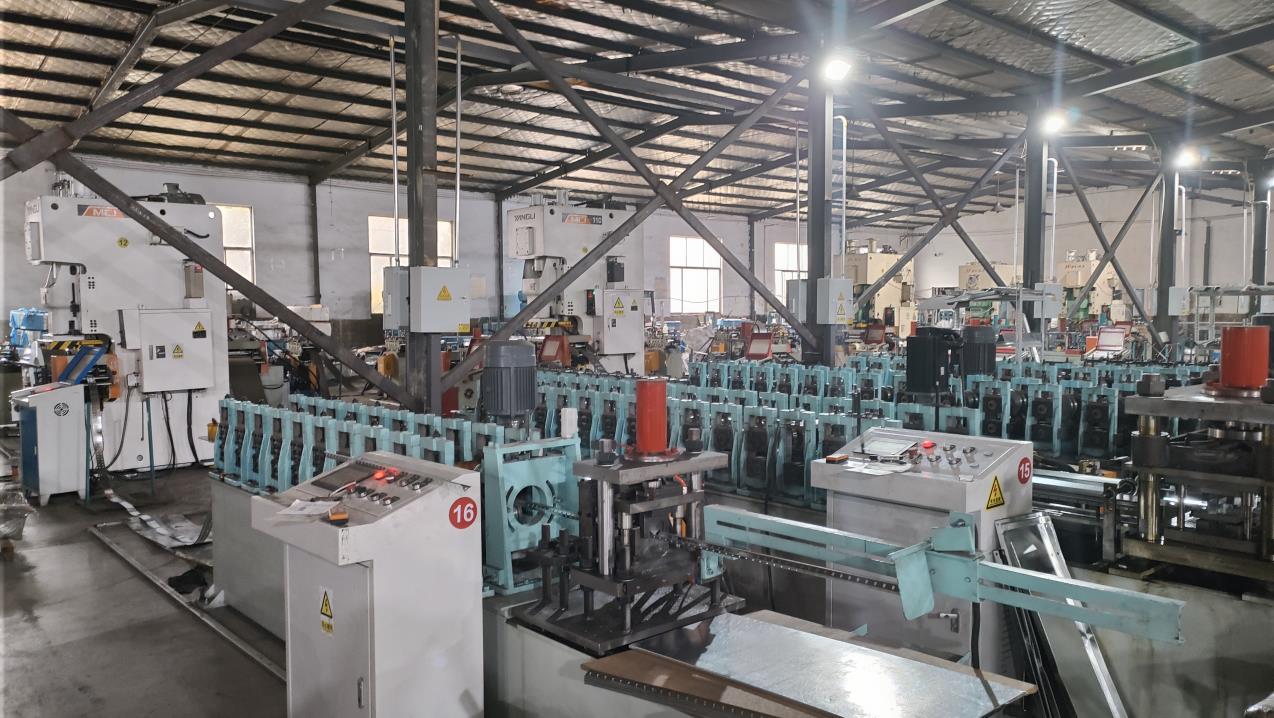
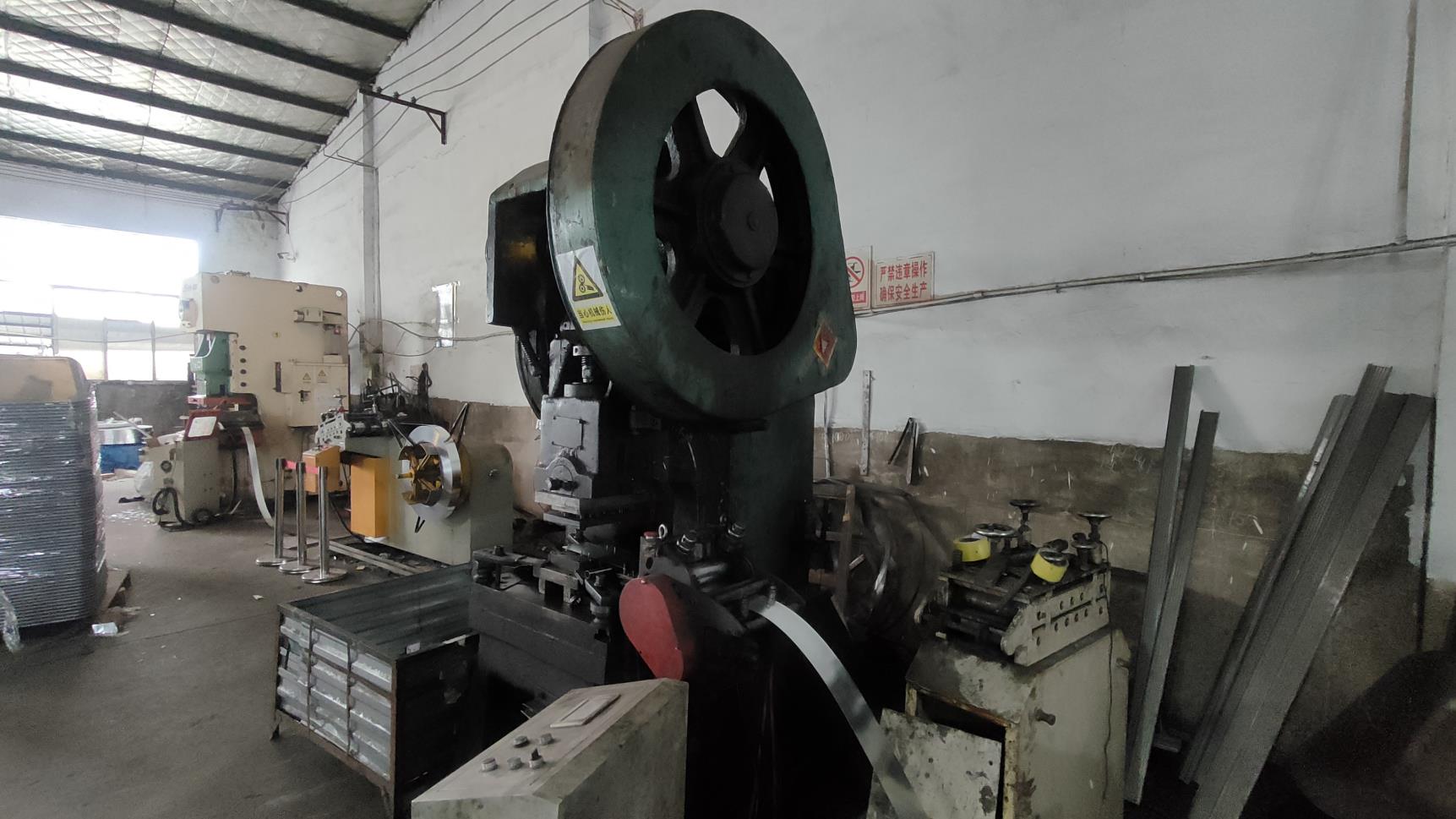
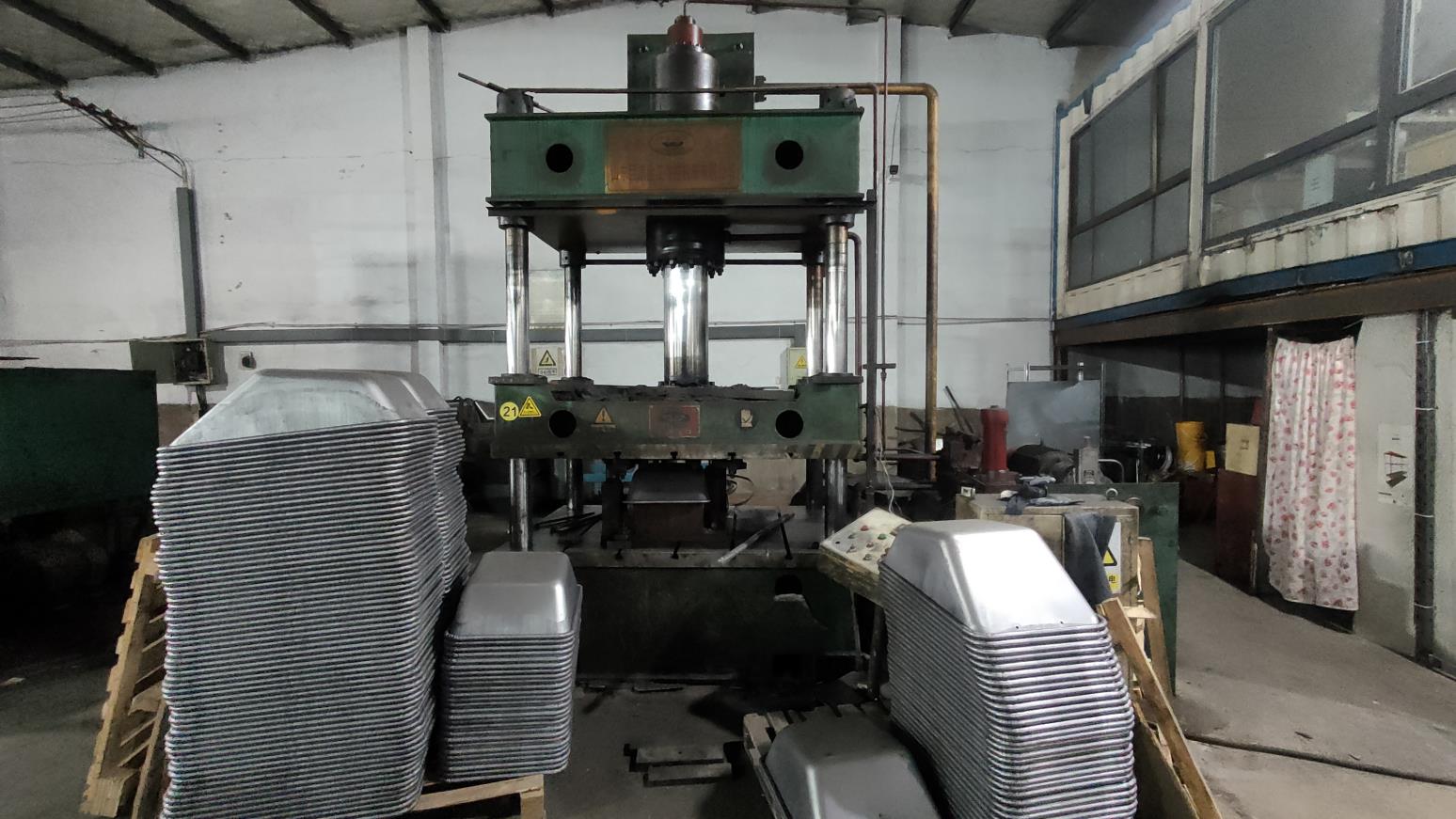
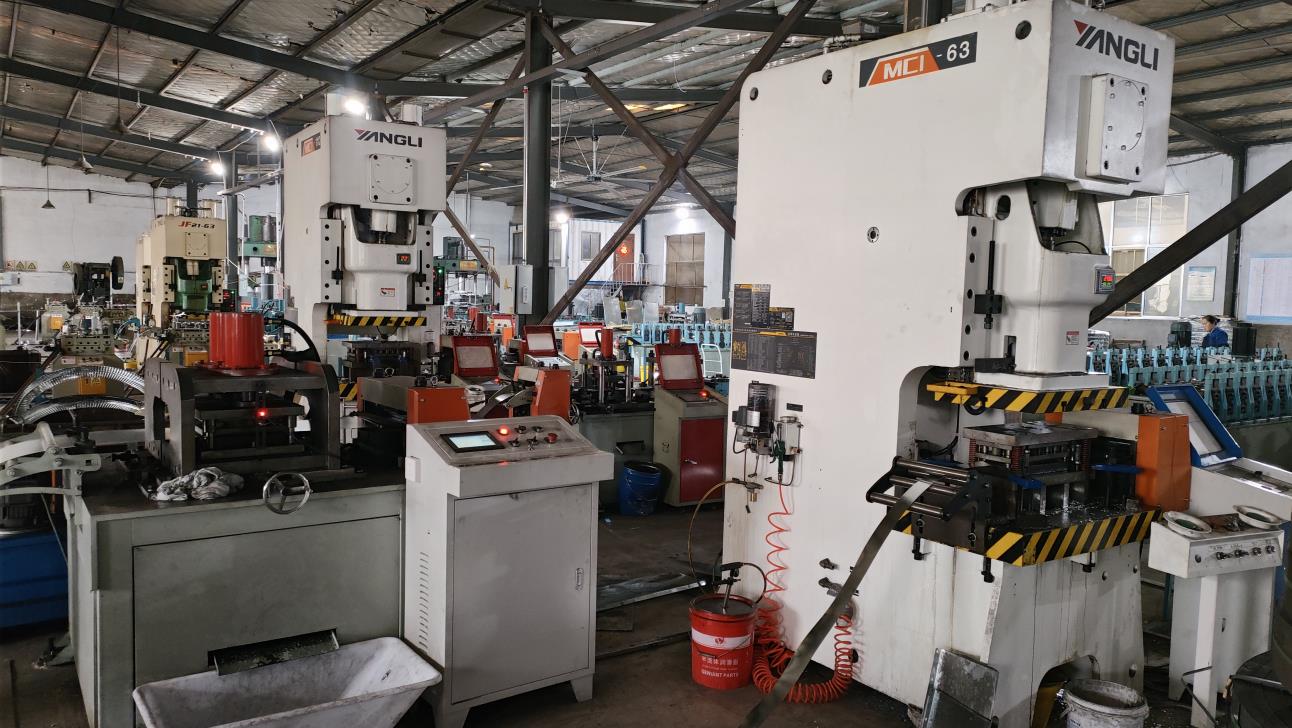
Equipped with robotic continuous welding lines, CNC multi-station punch presses, and automated cold roll-forming mills, our factory ensures consistency down to the millimeter. This mechanical precision is critical for the tight tolerances required by high-bay drive-in racking.
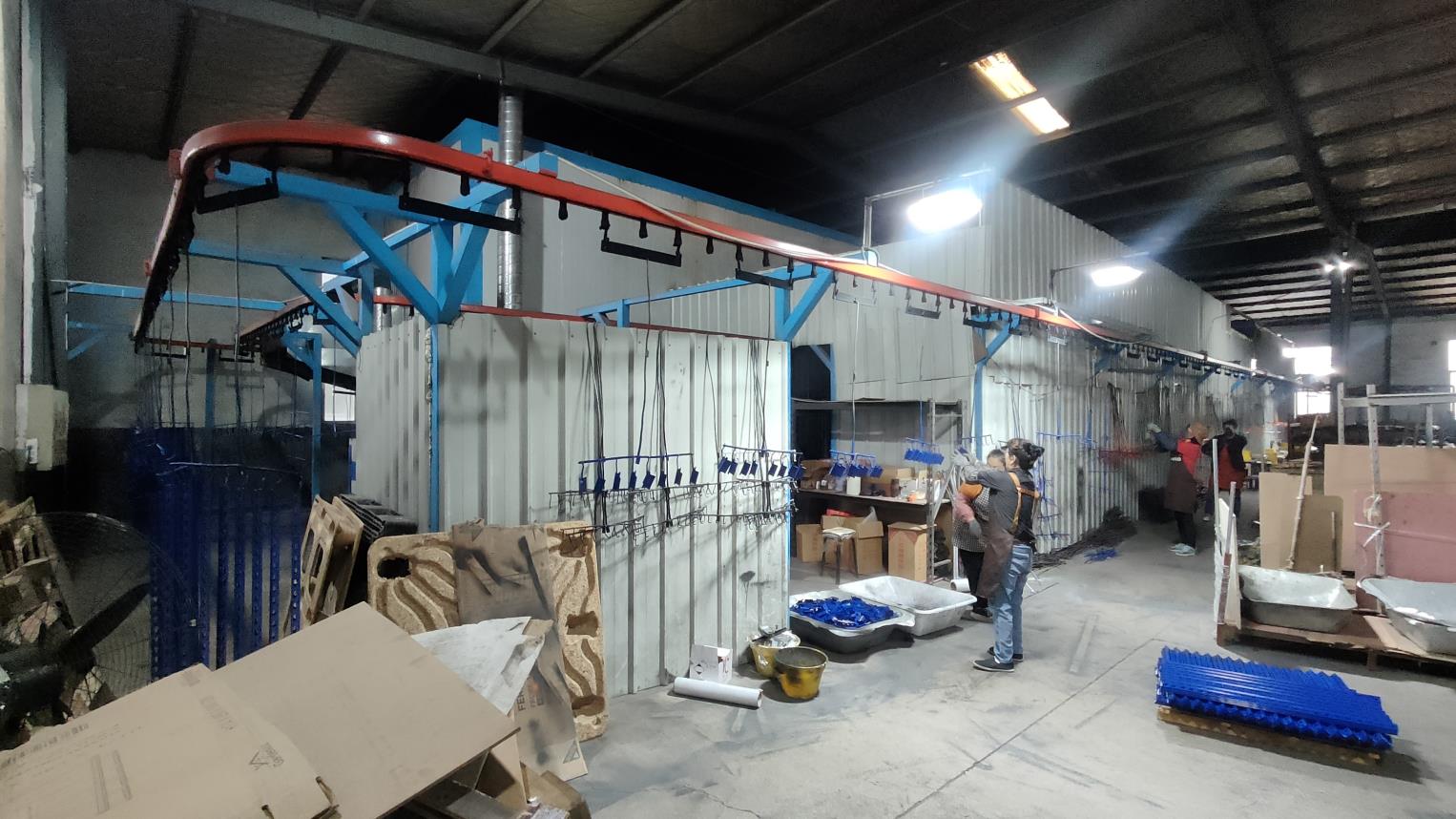
Supported by our 28 R&D engineers, we offer extensive OEM/ODM configurations. We execute detailed seismic simulations, load deflection reviews, and custom paint or hot-dip galvanization specifications to match unique regional safety requirements.
E-E-A-T Compliance: Ensuring the structural integrity and long-term security of your warehouse facility.
At Ningbo Xinyi, safety and structural calculations are treated with the highest priority. Our 45-member Quality Assurance Team implements a rigid test matrix throughout the manufacturing lifecycle to ensure full compliance with international safety codes (including FEM, RMI, and EN standards).
Non-destructive testing (NDT) ensures that beam-to-connector welds and baseplate connections contain zero internal fissures, guaranteeing high fatigue life under cyclical loading conditions.
We run verification tests on every incoming batch of steel, verifying yield point, ultimate tensile strength, and elongation qualities before raw sheet metal goes to the forming line.
Prototypes and batch samples undergo physical load tests. We monitor vertical deflection limits (L/200 and L/300) to confirm structural performance matches engineered safe load configurations.
To support applications in harsh environments such as cold storage and chemical plants, we put powder-coated and galvanized materials through accelerated ASTM B117 salt-spray tests to ensure robust corrosion resistance.
Take a visual tour through our advanced fabrication facility, highlighting the steps involved in our heavy-duty rack manufacturing.
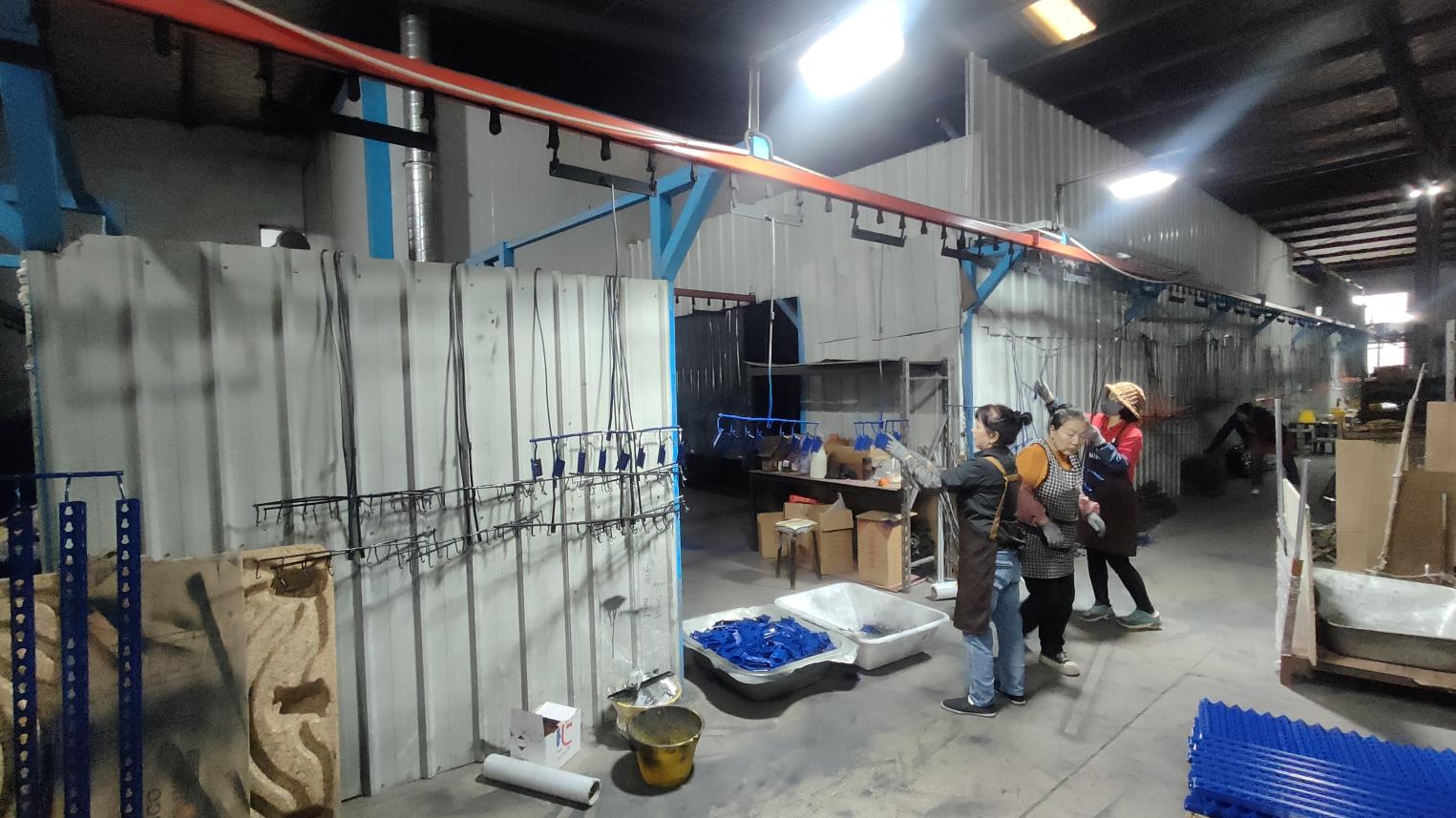
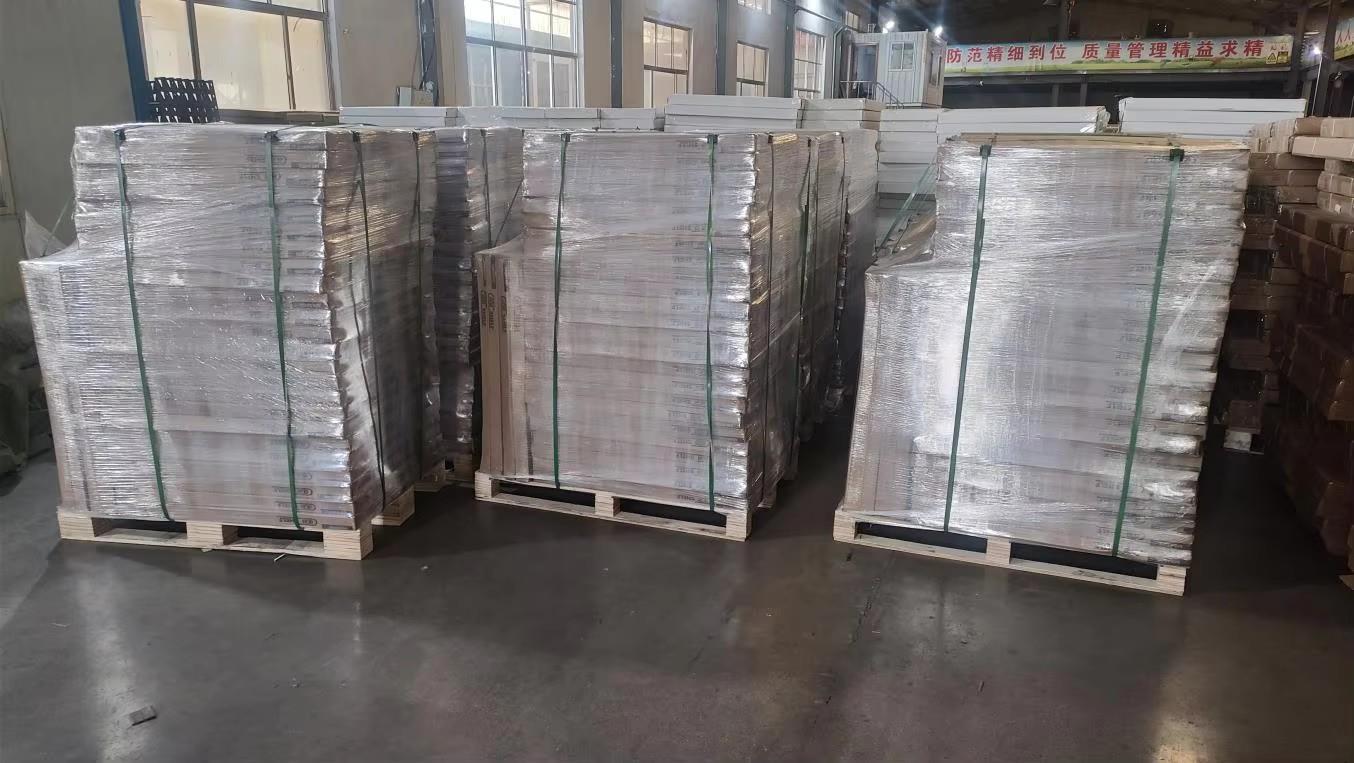
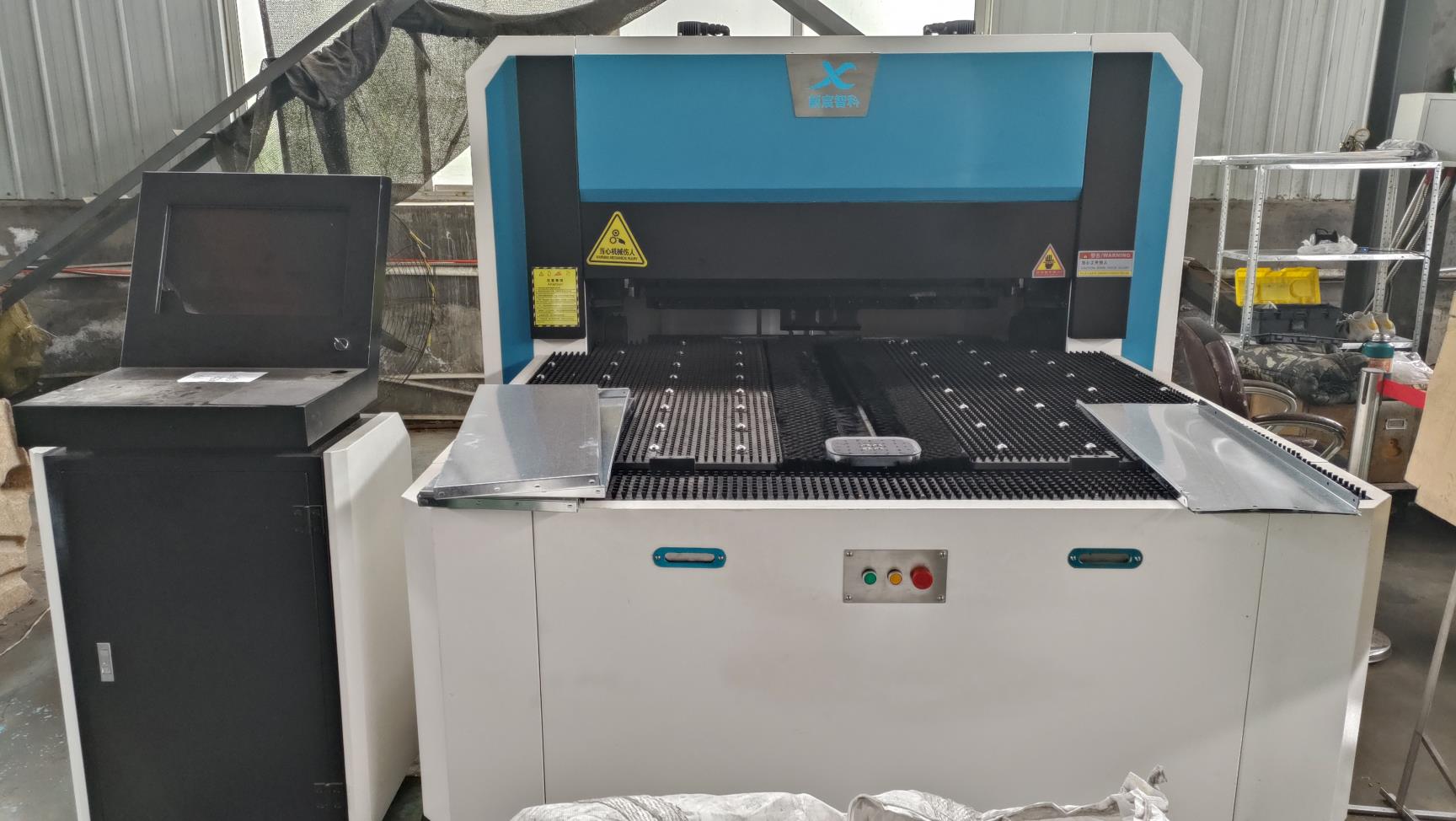
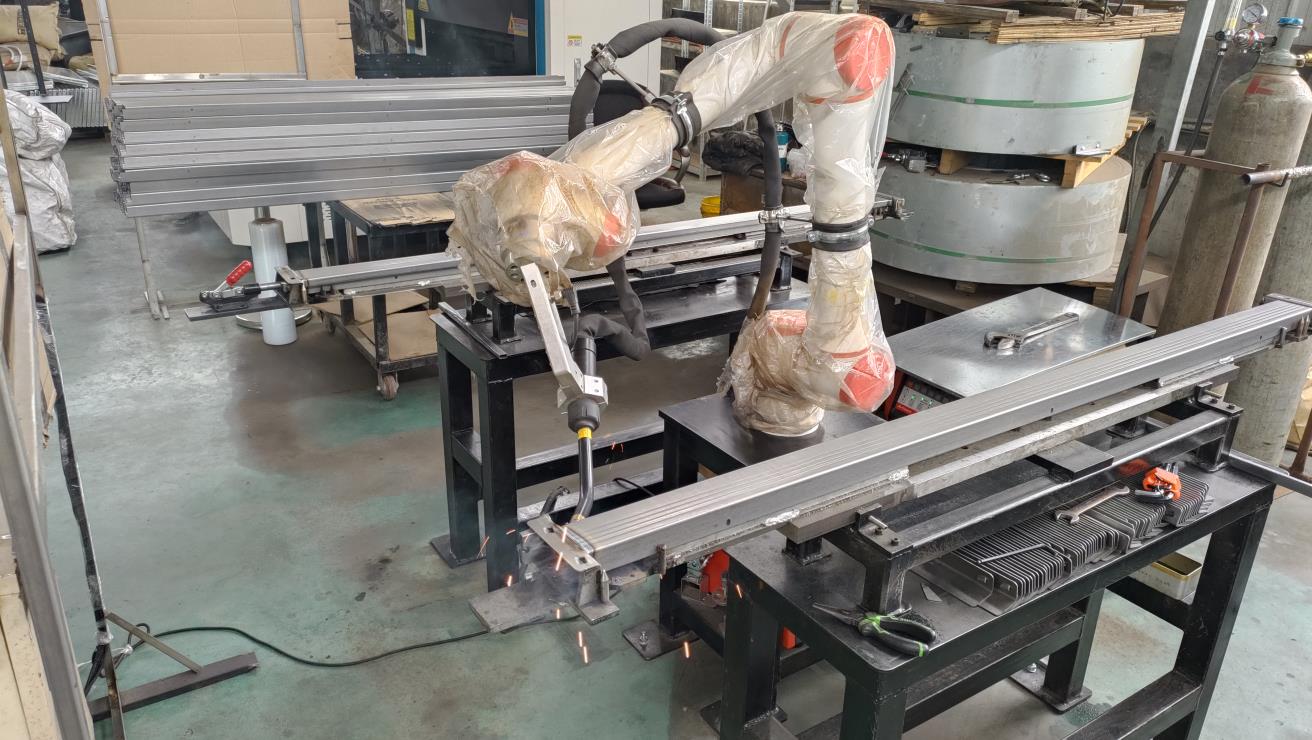
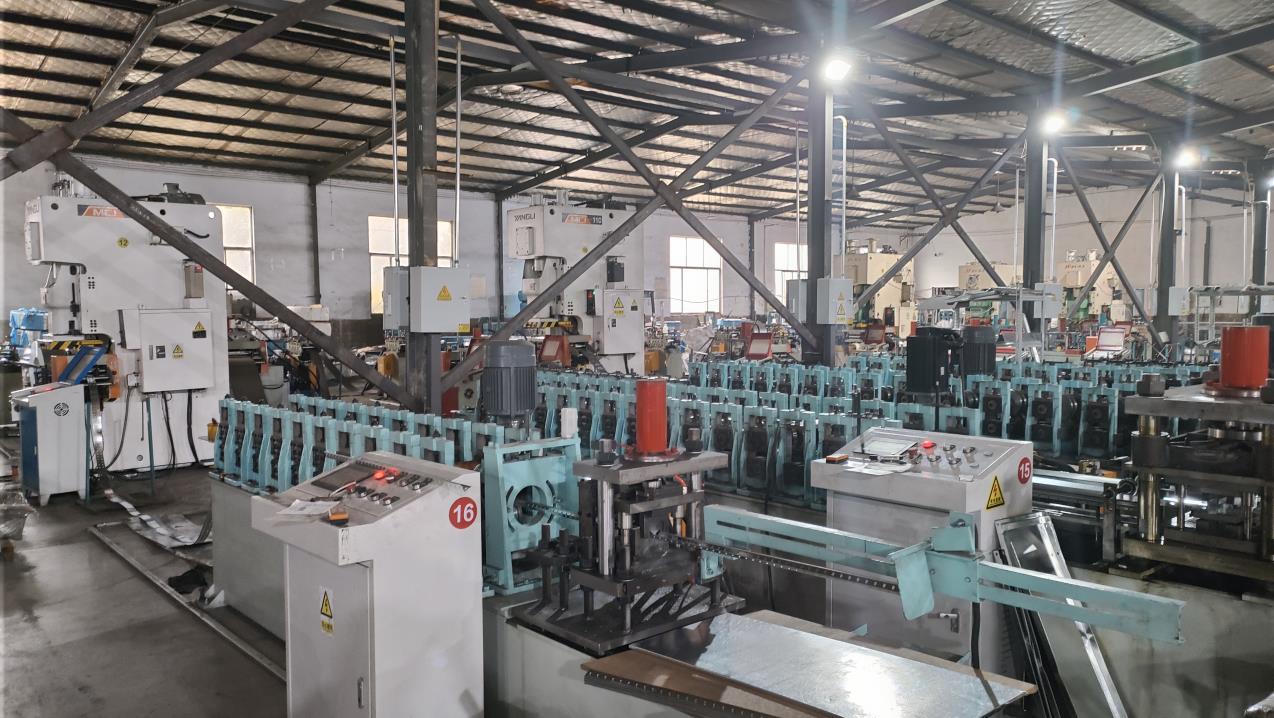
Understanding the structural mechanics, workflow, and load considerations of dynamic storage systems.
Drive-in racking operates on a Last-In, First-Out (LIFO) inventory management principle. The storage system consists of vertical frames that form continuous bays where pallets are stored on horizontal support rails. Forklifts enter the dynamic bays to load or retrieve pallets. This removes the need for access pathways between rows, drastically increasing storage density.
| Racking Attribute | Selective Pallet Racking | Drive-In Storage Systems | Radio Shuttle Racking |
|---|---|---|---|
| Storage Density | Low-Medium (1x Pallet depth) | High (Up to 10+ Pallet depth) | Ultra-High (Up to 40+ Pallet depth) |
| Inventory Rotation | FIFO (First-In, First-Out) | LIFO (Last-In, First-Out) | FIFO or LIFO options |
| Forklift Intervention | Stays in warehouse aisle | Enters the structural bays | Remains outside (automated shuttle) |
| Typical SKU Variety | High SKU variety | Low-Medium SKU, high volume | Low SKU, extremely high volume |
| Floor Area Optimization | approx. 35% - 40% | approx. 65% - 75% | approx. 80% - 85% |
Tailoring high-density storage configurations to specific industrial sectors and global regional demands.
Cold storage facilities have high operational energy costs, making volume optimization essential. Drive-in systems maximize storage volume to retain cooling efficiency. We construct custom configurations with anti-corrosion galvanized or epoxy coatings that can withstand temperatures down to -30°C without structural degradation.
For Fast-Moving Consumer Goods (FMCG) with identical batch profiles, Drive-in storage maximizes space efficiency. This configuration supports high-volume shipping and receiving schedules, helping distribution centers optimize floor space and reduce forklift transit times.
Automotive staging zones require robust, durable storage solutions. Our heavy-duty drive-in systems are built to carry pallet loads exceeding 1,500 kg per position. They accommodate heavy castings, stamping tools, and component containers under high-frequency loading cycles.
Helping procurement managers navigate design parameters, structural compliance, and shipping logistics.
When sourcing steel racking systems internationally, engineering compliance is vital. Global enterprises must ensure that drive-in structures meet regional building regulations. Ningbo Xinyi designs and calculates racking systems to comply with international codes:
Required for imports into the North American market. We ensure our calculations account for cold-formed steel engineering principles, seismic factors, and impact-loading margins.
The European standard governs safety factors, allowable deflection tolerances, and vertical loading margins. We use these parameters to design systems for Western European distribution hubs.
Racking components are heavy and bulky. Our factory packages components securely using steel crates, protective wrapping, and robust banding to prevent damage during sea transit, maximizing container volume utilization.
Professional engineering and purchasing insights to guide your selection process.
While systems can technically extend to 10 or more pallets deep, most standard layouts operate between 4 to 8 pallets deep. Configuring bays beyond 8 pallets can increase forklift travel times within the structure and raise the risk of accidental frame collisions.
High-density systems located in active seismic zones require larger baseplates, thicker structural profiles, and additional diagonal bracing. Ningbo Xinyi's R&D department calculates dynamic seismic loads based on regional standards to ensure structural stability during seismic events.
Most reach trucks and counterbalance forklifts are suitable, provided their overall chassis width fits within the entry clearance of the upright frames. We recommend installing floor-mounted guide rails to guide forklifts safely through the racking bays.
For standard environments, we apply a high-durability epoxy powder coating. For cold storage or coastal facilities with high humidity, we offer hot-dip galvanization (HDG). This process provides a thick, zinc-protective barrier to prevent rust in cold and damp conditions.
We partner with China's leading mills to source certified Q235B and Q355B structural steel. Every material delivery includes factory test certificates. Our QC lab also performs independent tensile and yield tests before production begins.
Lead times vary between 30 to 45 days, depending on project scale and structural specifications. This includes structural design verification, custom tool preparation, rolling, welding, powder coating, and seaworthy packing.
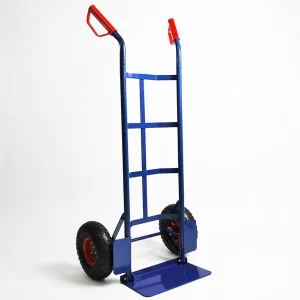
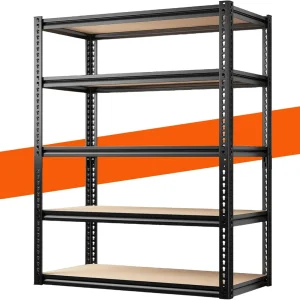
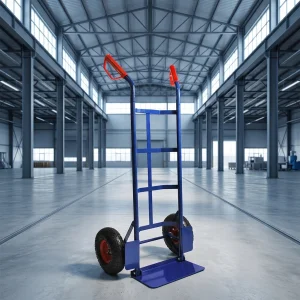
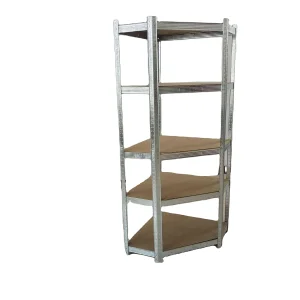
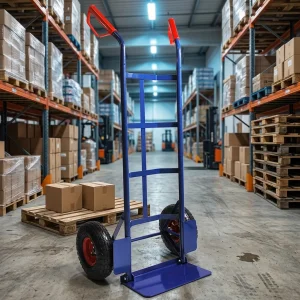
We manufacture high-capacity industrial shelving, transport trolleys, and heavy-duty steel platforms for global markets.
 Xinyi Racking