Engineered structural platforms designed to optimize footprint and reduce material waste.

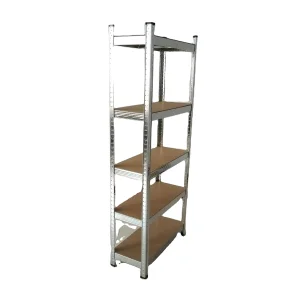
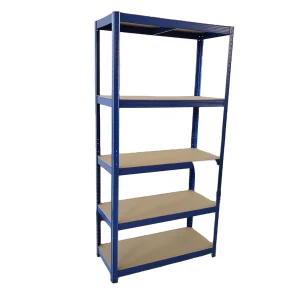
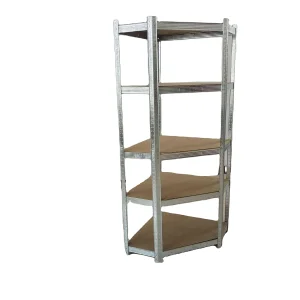
Modern supply chain infrastructure is undergoing a fundamental transformation. As corporations globally align with Net-Zero emissions targets, warehousing facilities—historically evaluated strictly on volumetric density and throughput—are now scrutinized under rigorous ESG (Environmental, Social, and Governance) metrics. Steel production and surface treatment methods are major contributors to industrial carbon footprints, which has elevated the demand for sustainably produced racking systems.
Green racking systems utilize high-strength, low-alloy (HSLA) steel structures manufactured through circular economies. High-grade recycled steel content reduces Scope 3 upstream supply chain emissions by up to 60% compared to virgin steel processing. This shift represents a transition from high-density, energy-heavy configurations to smart, high-durability, lightweight modular frameworks designed to reduce floor load and energy demand in automated storage and retrieval systems (AS/RS).
Governments across Europe, North America, and parts of Asia are enacting strict mandates targeting warehouse lifecycle carbon assessments. This has turned sustainable material handling from a corporate responsibility initiative into a strict compliance standard.
How technical innovations in materials science are optimizing footprint and environmental performance.
Integrating EAF (Electric Arc Furnace) steel scrap feedstock reduces initial energy consumption in structural fabrication. High-purity recycled alloys provide structural ratings equivalent to raw iron ore processing.
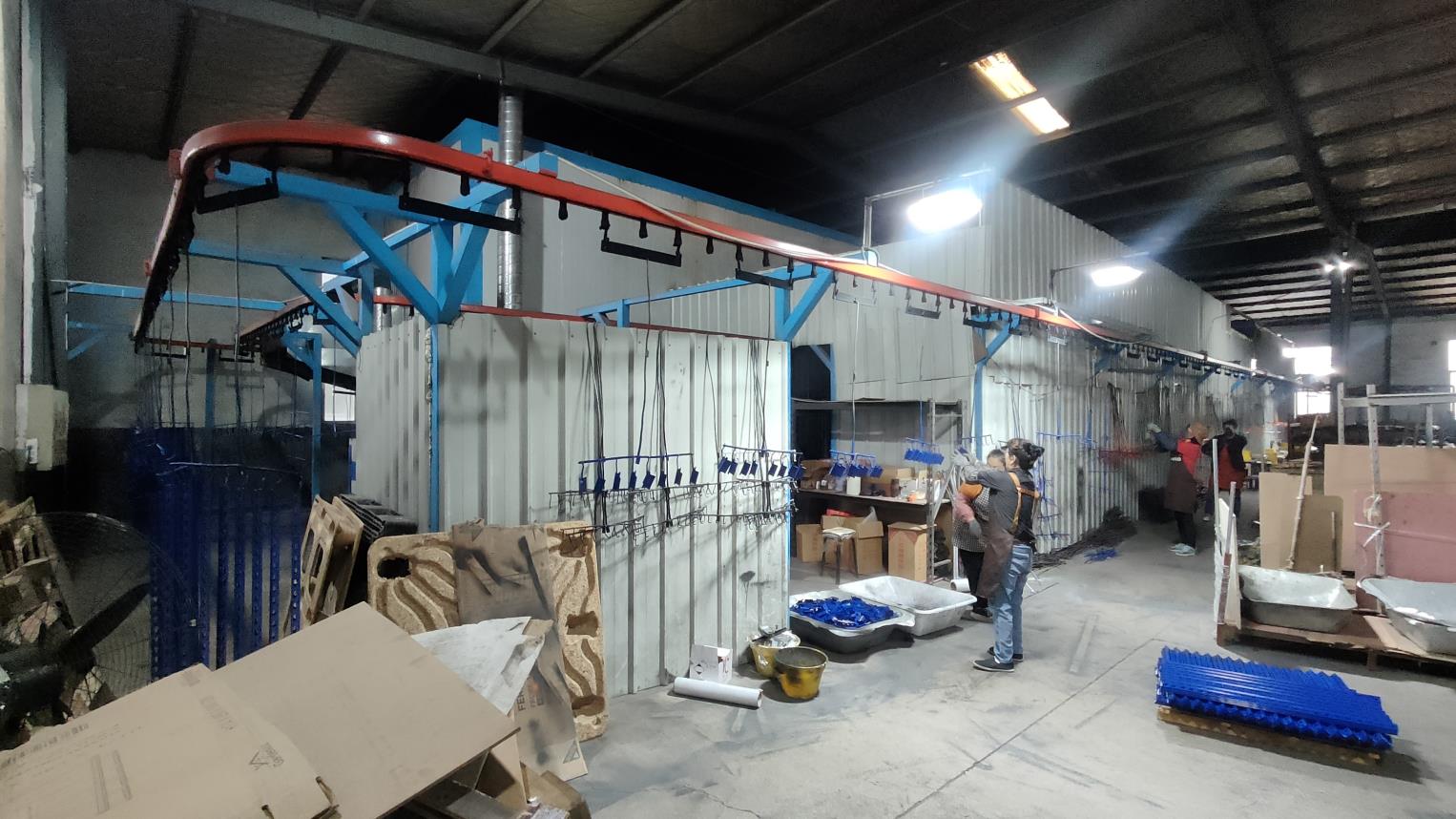
Adopting heavy-metal-free, organic epoxy and polyester formulations. Automated thermal curing processes minimize overspray waste through recovery cyclones, ensuring 98% material utilization.
Using Finite Element Analysis (FEA) to redesign cold-formed uprights and beams. Removing excess steel mass while maintaining structural load deflection values saves raw materials.
Empowering the global supply chain with space-optimized, reliable, and sustainable storage solutions since 2015.
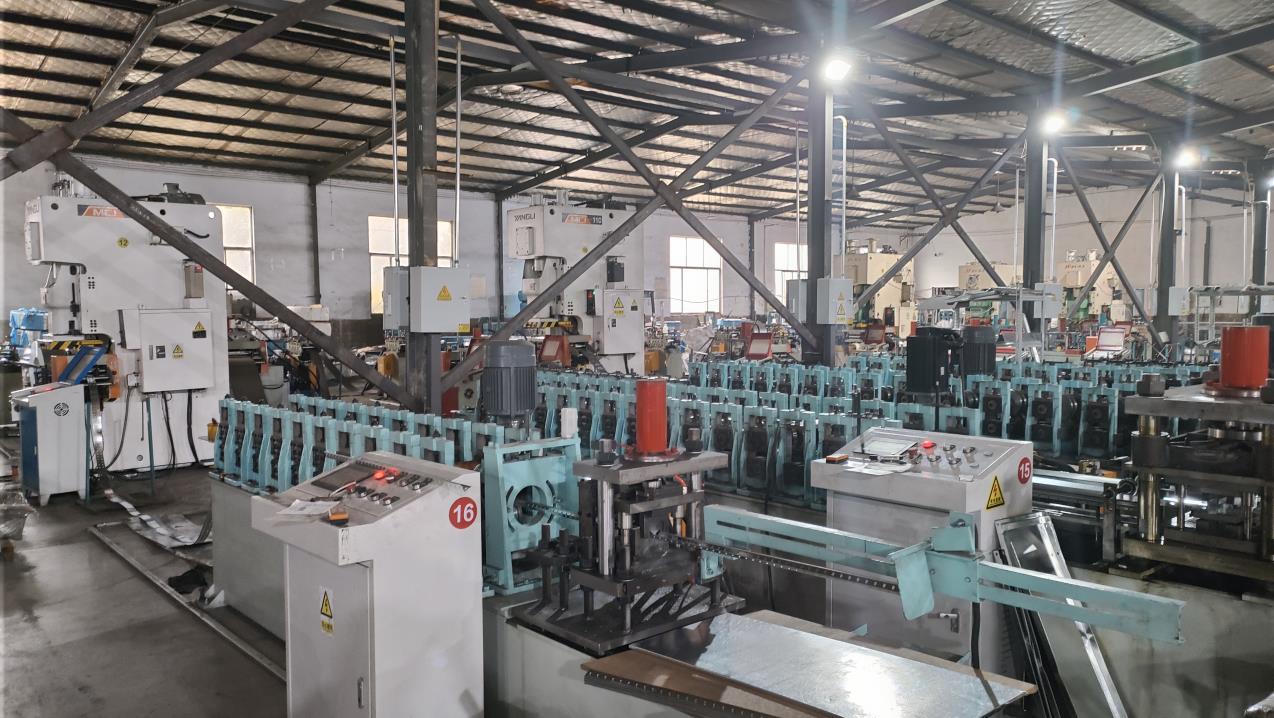
Established in 2015, Ningbo Xinyi Metal Products Co., Ltd. is a leading manufacturer specializing in heavy-duty industrial storage racks, pallet racking systems, and customized warehouse material handling solutions. Spanning a state-of-the-art production facility of 38,000 square meters, we deliver high-performance racking products to global logistical hubs, distributors, and enterprise facilities.
With 11 years of deep industry expertise and 8 years of dedicated international trade experience, our annual export revenue has reached over $28 million USD. Our footprint spans major global markets, including North America, Western Europe, Southeast Asia, and the Middle East, serving diverse client segments such as third-party logistics (3PL) providers, e-commerce fulfillment centers, industrial distributors, and large-scale retail chains.
Driven by strong research and development capabilities, our engineering center hosts 28 experienced R&D engineers who specialize in custom structural design, seismic analysis, and automated storage and retrieval systems (AS/RS). We offer extensive OEM/ODM customization options, including custom load capacities, dimensions, powder-coating finishes, and modular accessory integrations. Last year alone, our R&D team successfully launched 185 new products and customized configurations to meet evolving market demands.
Quality and structural integrity are at the core of our manufacturing processes. Supported by a rigorous Quality Assurance team of 45 certified inspection professionals, we enforce strict full-process quality control. Our quality testing methods integrate ultrasonic weld inspection, raw material tensile testing, load-capacity deflection testing, and salt-spray corrosion resistance evaluation to guarantee long-term durability and safety compliance.
Backing our operational strength is a robust supply chain network of over 850 trusted partners providing premium steel materials, eco-friendly surface coatings, and specialized hardware components.
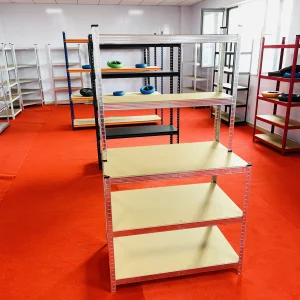
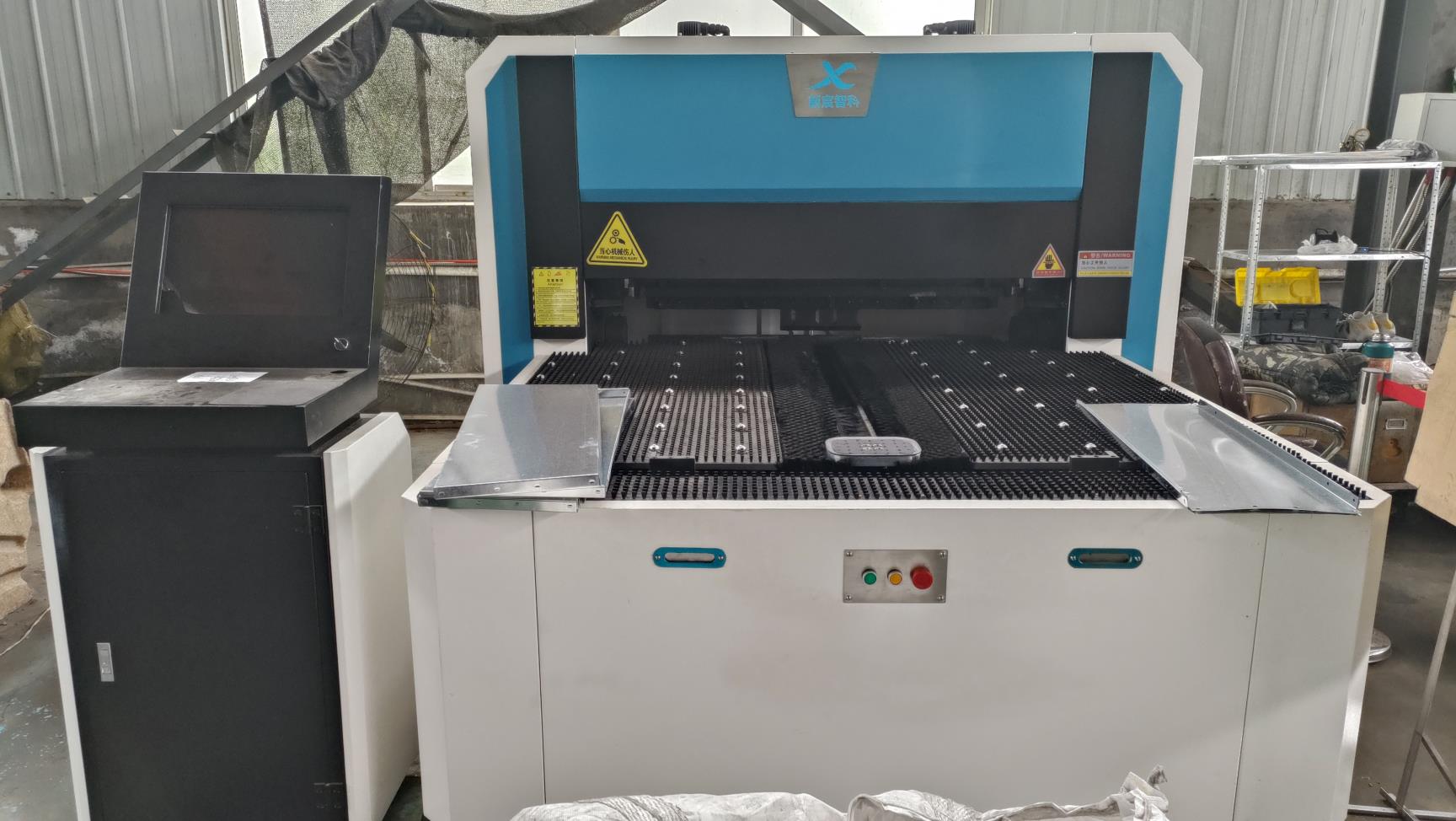
Inside our 38,000 m² state-of-the-art manufacturing facility
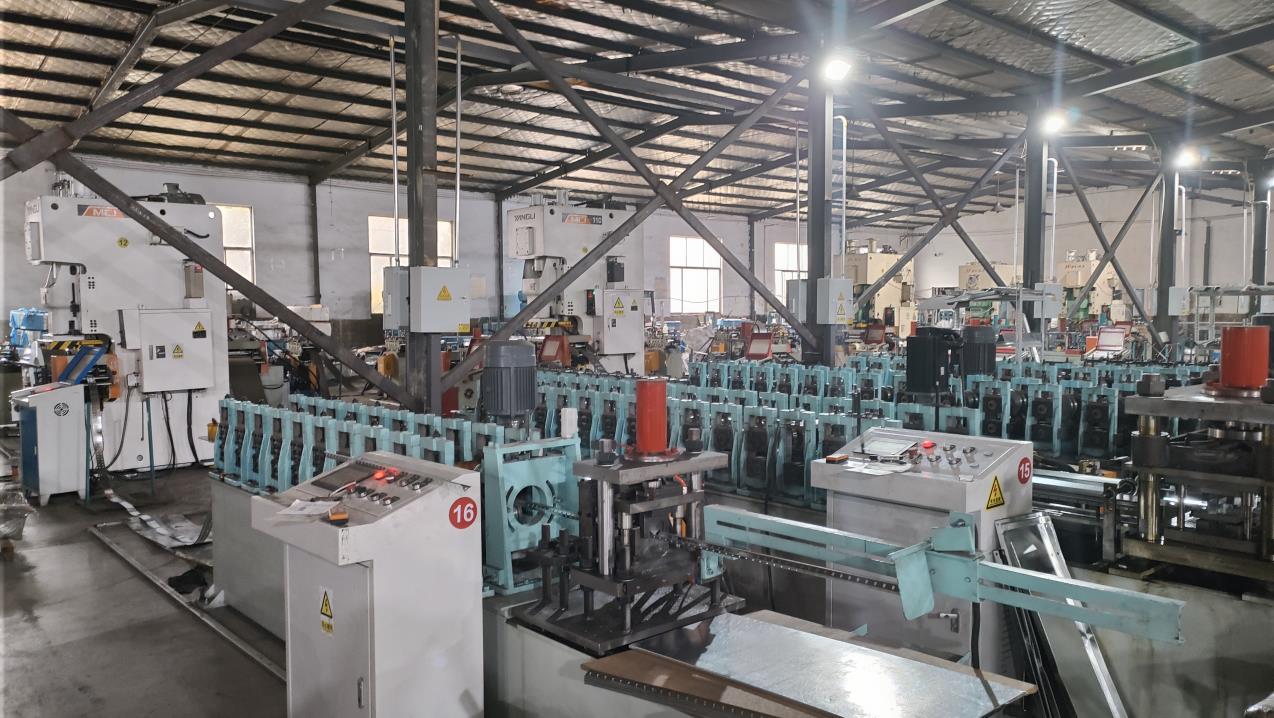
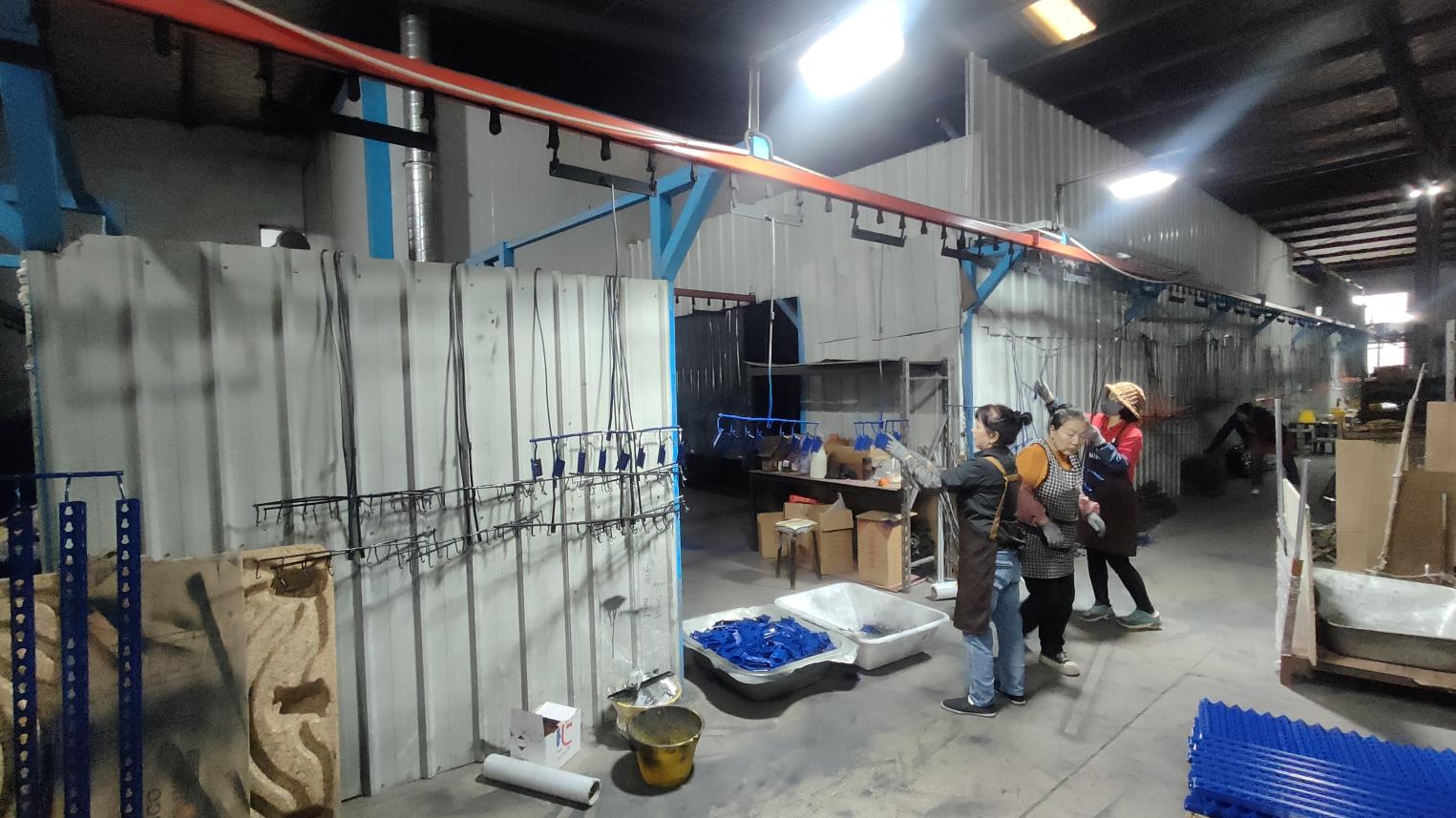
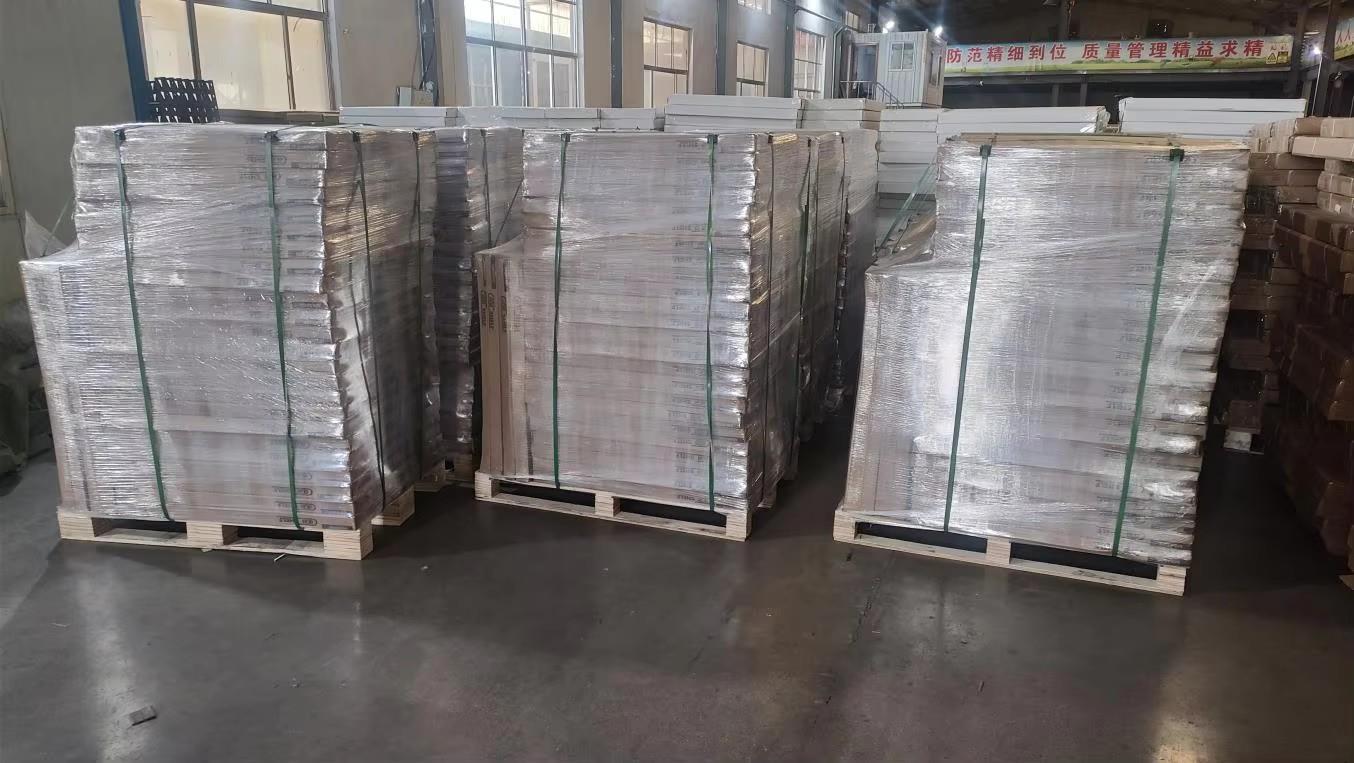
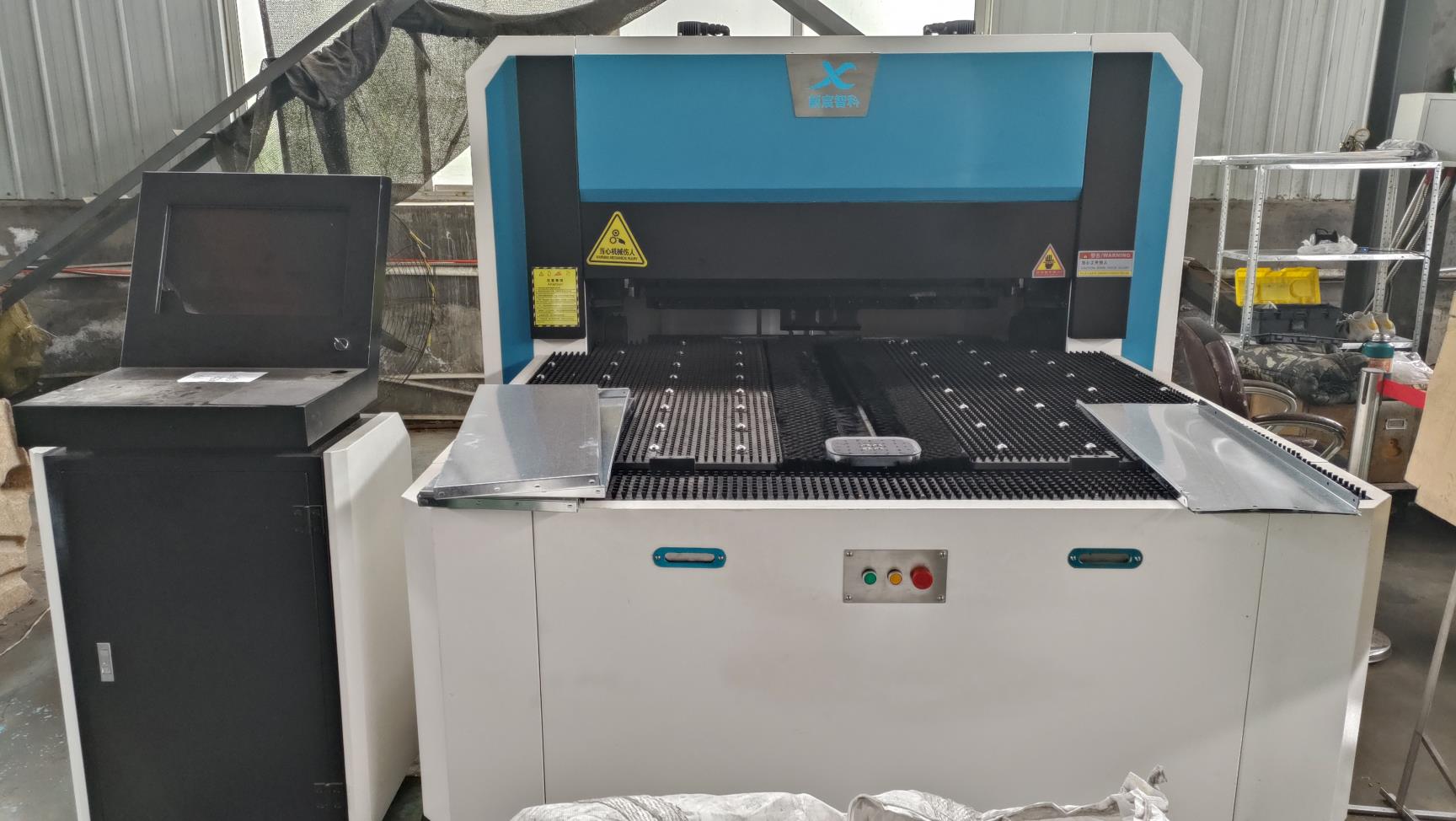
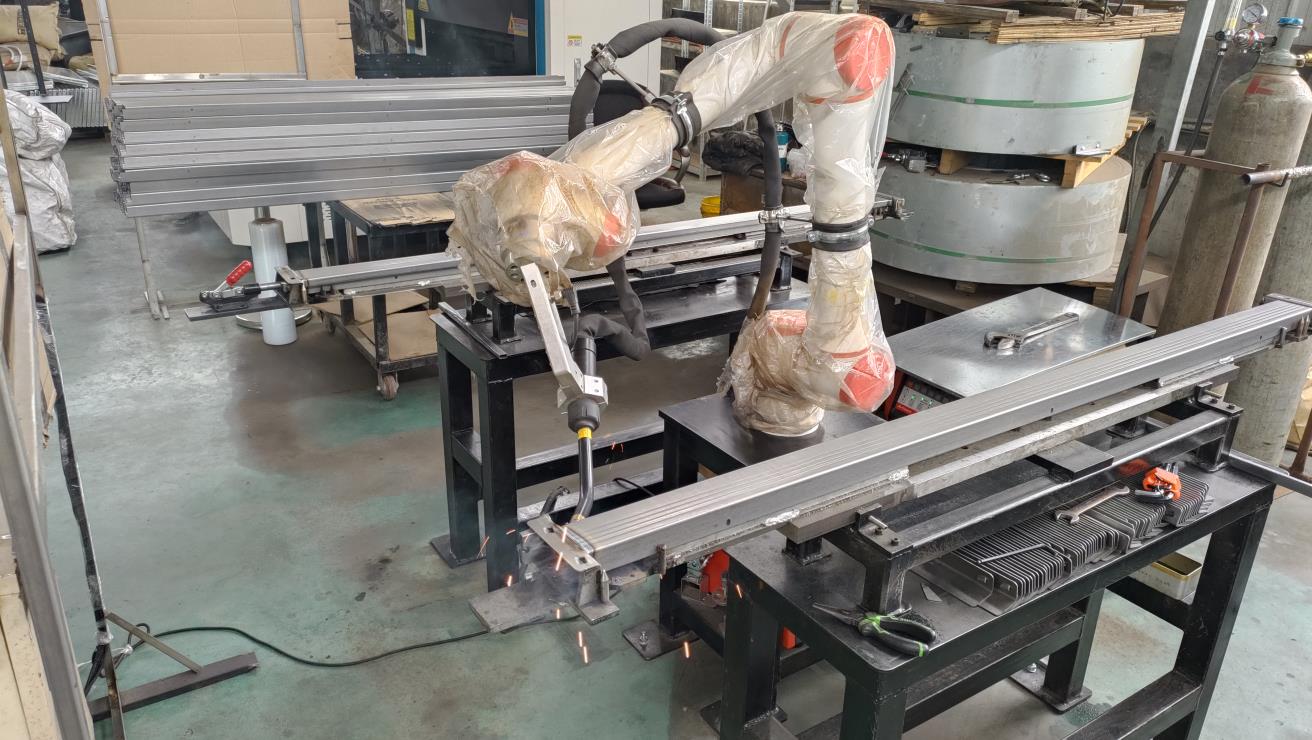
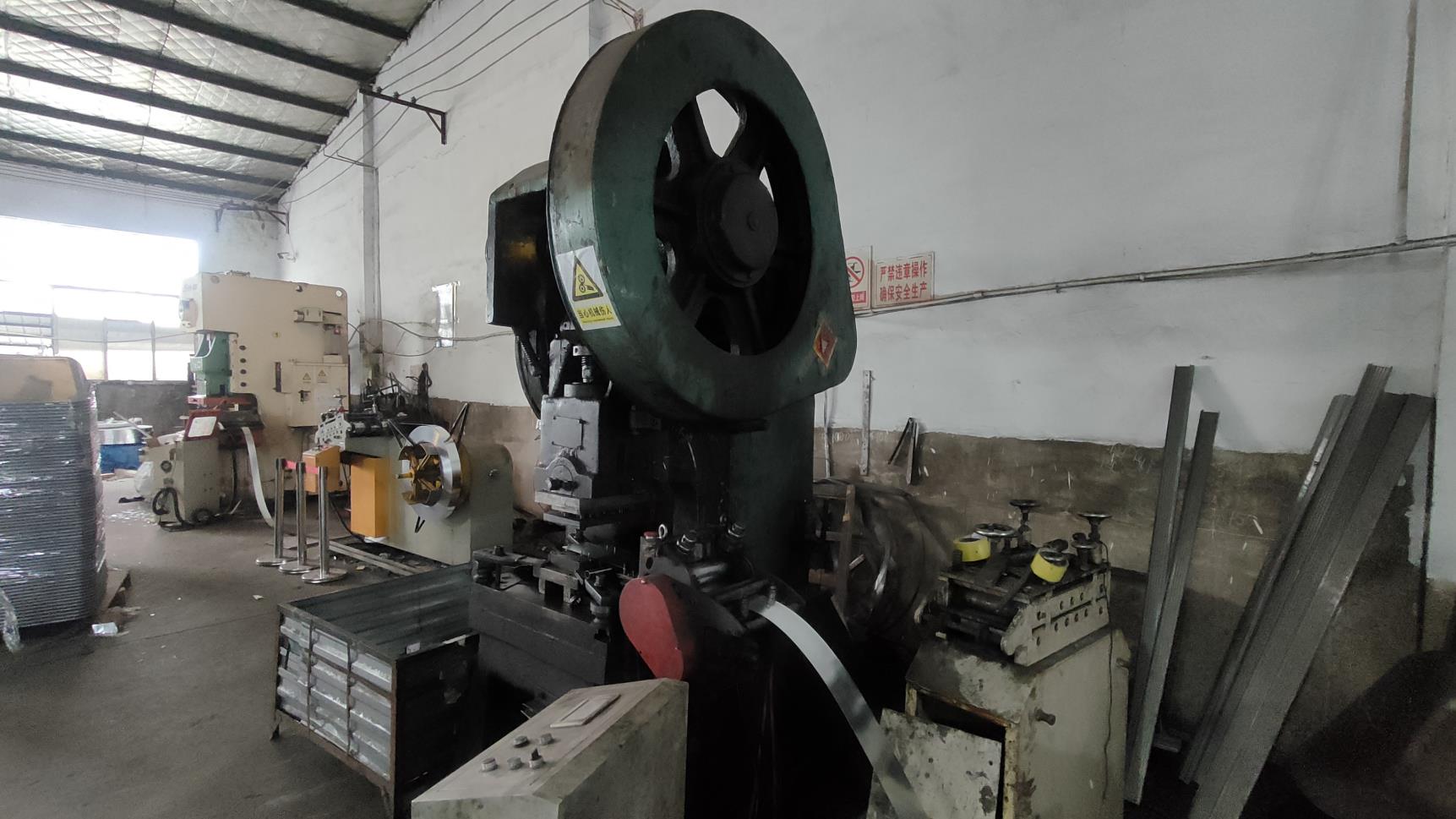
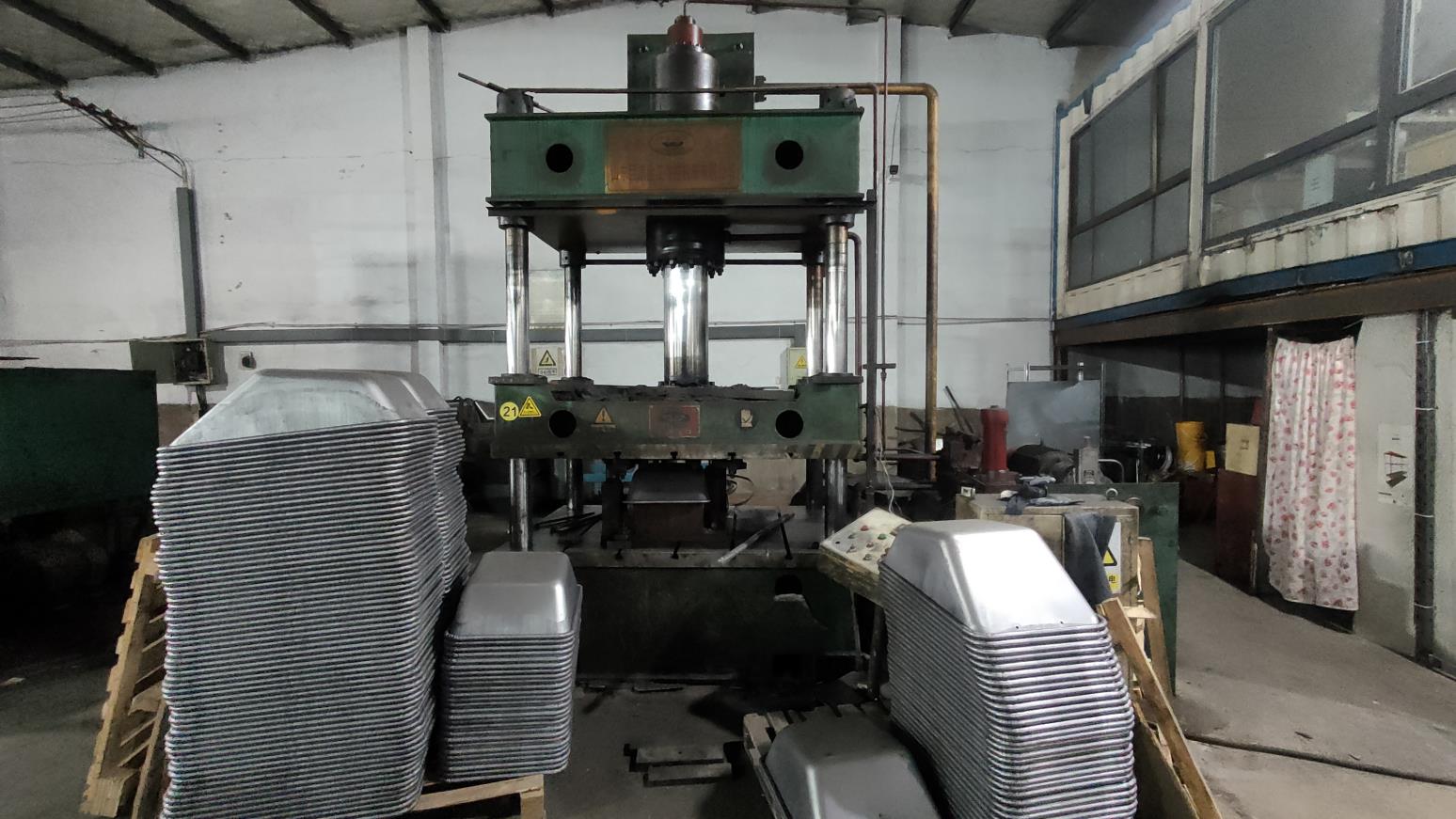
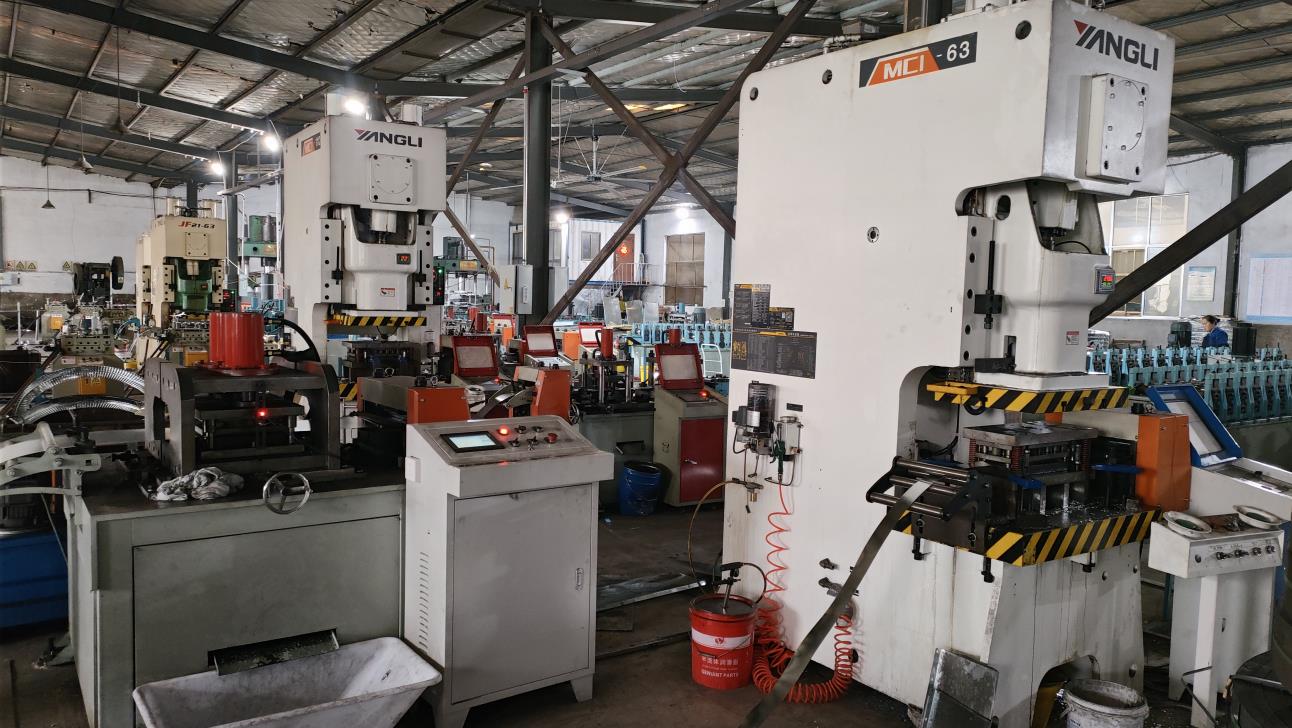
Adapting high-performance green racking structures to regional requirements and environmental demands.
Projects require alignment with Rack Manufacturers Institute (RMI) standards. Designs prioritize structural high-ductility frames for seismic performance in key West Coast regions, combined with raw material traceability for LEED accreditation.
Operation focus centers on EN 15512 and EN 15620 compliance. Demands emphasize zero-emission paint coating profiles and strict environmental lifecycle declarations (EPDs) to support Net-Zero corporate goals.
Extreme temperatures require UV-stable exterior and semi-exterior shelving systems. Galvanized finishes with high salt-spray resistance are utilized to prevent rust and corrosion in harsh, humid coastal areas.
Enterprise clients require integrated material handling architectures that optimize workflow footprint while minimizing overall environmental impact. This is achieved by combining structural optimization with digital automation technologies.
Engineered profiles configured to use less steel per cubic meter of storage capacity without compromising load ratings.
Specialized low-temperature powder coatings and corrosion-resistant racking designed to resist cracking and rust down to -30°C.
Our material engineering lab focuses on developing lightweight, high-performance steel alloys and advanced coating chemistries. We are currently implementing bio-resins derived from agricultural co-products into our powder-coating formulations to reduce dependence on fossil-fuel components.
Future efforts focus on integrating RFID tracking chips and IoT sensors directly into upright structural assemblies. This will enable real-time structural health monitoring, helping operators identify overloading, impact damage, or alignment deflection before structural issues occur, thereby extending the safe operating life of the racking system.
Answering technical and environmental compliance questions for material handling solutions.
Engineered for logistical throughput, storage flexibility, and long-term structural durability.
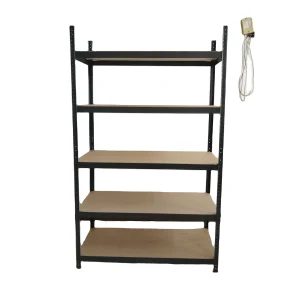
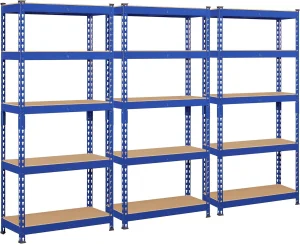

 Xinyi Racking