Engineered for high density storage, stability, and fast logistics handling. Explore our advanced configuration models.
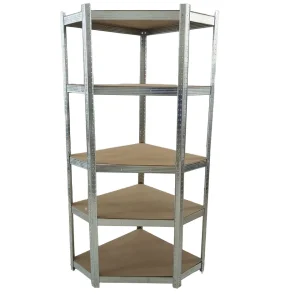

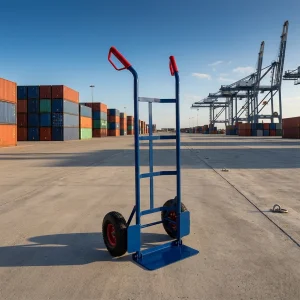
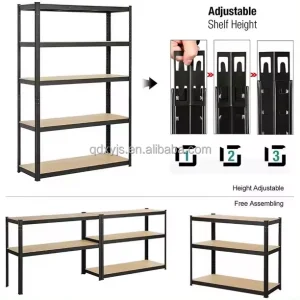
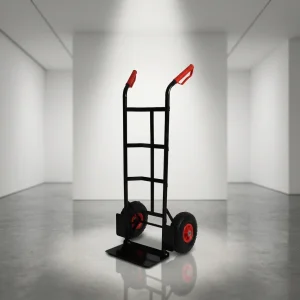
In the current global macroeconomic landscape, real estate cost acceleration and urban distribution network pressures have turned space optimization into a vital KPI. Multi-tier storage systems represent the structural evolution of logistics warehousing. By expanding storage footprints vertically, companies can double or triple operational capacities without expanding physical foundations. Choosing the right industrial storage manufacturer is no longer just a purchasing decision—it is a long-term capital investment affecting safety, system longevity, material handling throughput, and overall supply chain ROI.
The global warehouse management and industrial racking sector is undergoing a major shift. The rapid growth of e-commerce, combined with third-party logistics (3PL) providers and micro-fulfillment centers, has increased demand for smart, high-density storage solutions. Regions like North America, Western Europe, and Southeast Asia are experiencing distinct logistics shifts. Western economies face high labor rates and strict spatial zoning limits, which drive the adoption of structural multi-tier mezzanines, selective pallet flow racks, and complex multi-level steel shelving systems. In contrast, fast-growing Asian logistics hubs favor high-throughput systems that easily integrate with Automated Storage and Retrieval Systems (AS/RS).
Supply chain safety compliance has also become a priority. Heavy manufacturing plants, chemical processing facilities, and bulk logistics hubs now require racking units designed to meet specific local building codes, including seismic parameters, dynamic loads, and fire prevention guidelines. The dynamic interface of multi-tier systems with automated machinery requires highly precise manufacturing tolerances, raising the standard for heavy-duty metal fabrication partners.
“Optimizing physical cubic space through high-integrity multi-tier racking has become a major driver of margin improvement for global 3PL operators and industrial distributors.”
The production of industrial storage systems is shifting from low-tech metal bending to advanced material science and structural engineering. The following trends define the current technology roadmap for top manufacturers:
Multi-tier storage systems are engineered to solve specific operational challenges across different industries:
E-Commerce Fulfillment Centers: High-density multi-tier shelving (often 3 to 4 tiers high) is designed to optimize manual order picking. These structures incorporate integrated walkways, staircases, and slide chutes or vertical conveyors to streamline order processing.
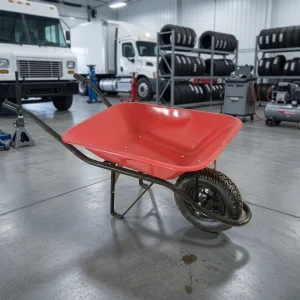
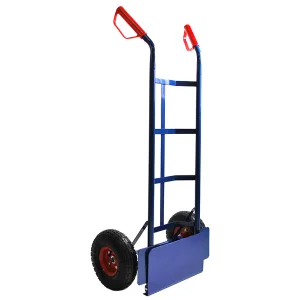
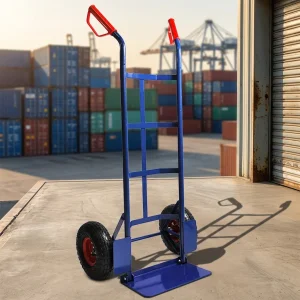
Industrial Manufacturing & Assembly Plants: Heavy-duty racking systems are configured to store raw materials, press molds, and heavy components. These setups must support high load capacities, often requiring heavy-duty platform trolleys and manual handling equipment for secure material transport.
Cold Chain & Sub-Zero Storage: Operating cold storage is energy-intensive, making dense space utilization essential. Multi-tier drive-in, push-back, or automated shuttle racking systems maximize storage density, minimizing the volume of cooled air needed.
Analyzing the operational capabilities and infrastructure of Ningbo Xinyi Metal Products Co., Ltd.
Established in 2015, Ningbo Xinyi Metal Products Co., Ltd. is a leading manufacturer specializing in heavy-duty industrial storage racks, pallet racking systems, and customized warehouse material handling solutions. Spanning a state-of-the-art production facility of 38,000 square meters, we deliver high-performance racking products to global logistical hubs, distributors, and enterprise facilities.
With 11 years of deep industry expertise and 8 years of dedicated international trade experience, our annual export revenue has reached over $28 million USD. Our footprint spans major global markets, including North America, Western Europe, Southeast Asia, and the Middle East, serving diverse client segments such as third-party logistics (3PL) providers, e-commerce fulfillment centers, industrial distributors, and large-scale retail chains.
Quality and structural integrity are at the core of our manufacturing processes. Supported by a rigorous Quality Assurance team of 45 certified inspection professionals, we enforce strict full-process quality control. Our quality testing methods integrate ultrasonic weld inspection, raw material tensile testing, load-capacity deflection testing, and salt-spray corrosion resistance evaluation to guarantee long-term durability and safety compliance.
Driven by strong research and development capabilities, our engineering center hosts 28 experienced R&D engineers who specialize in custom structural design, seismic analysis, and automated storage and retrieval systems (AS/RS). We offer extensive OEM/ODM customization options, including custom load capacities, dimensions, powder-coating finishes, and modular accessory integrations. Last year alone, our R&D team successfully launched 185 new products and customized configurations to meet evolving market demands.
Backing our operational strength is a robust supply chain network of over 850 trusted partners providing premium steel materials, eco-friendly surface coatings, and specialized hardware components. Ningbo Xinyi Metal Products Co., Ltd. remains committed to delivering reliable, safe, and space-optimized storage solutions to empower our clients' global supply chain infrastructure.
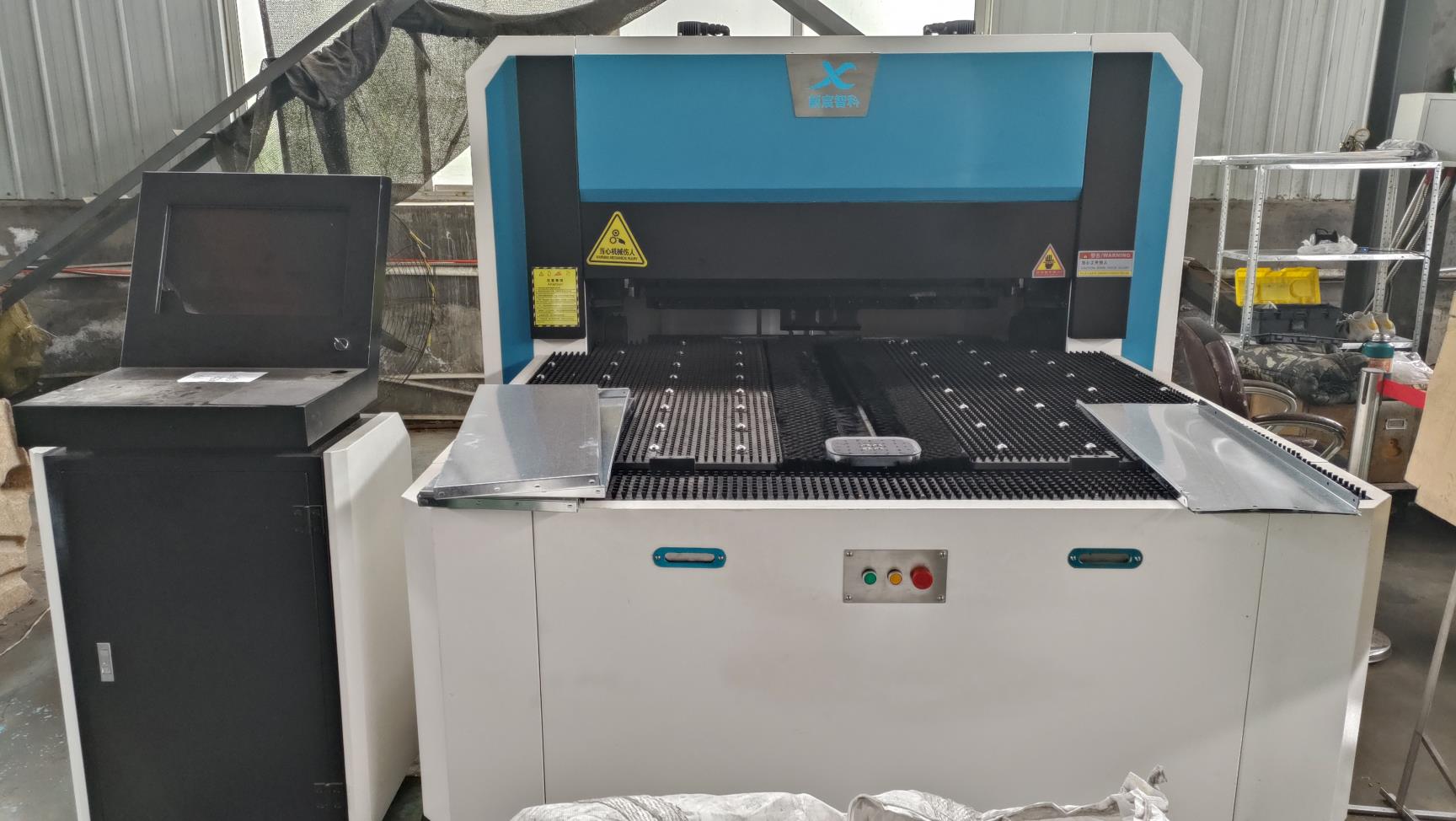
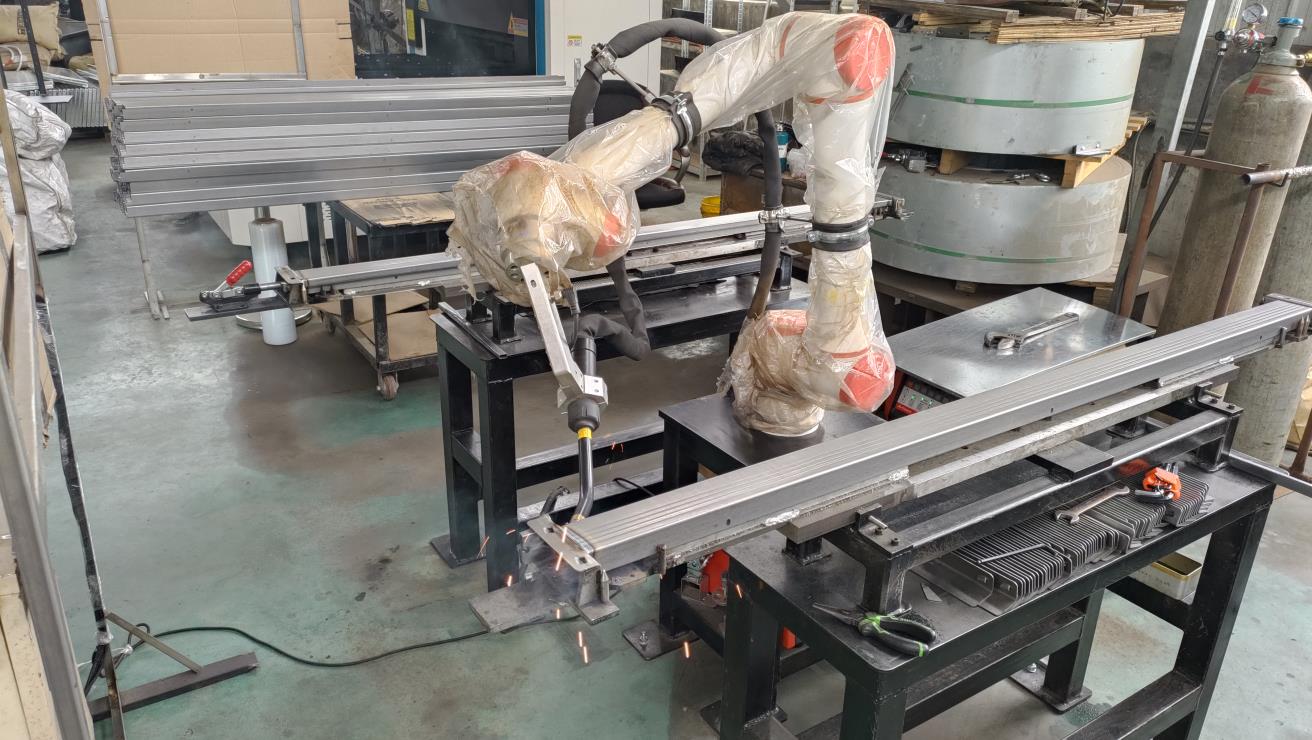
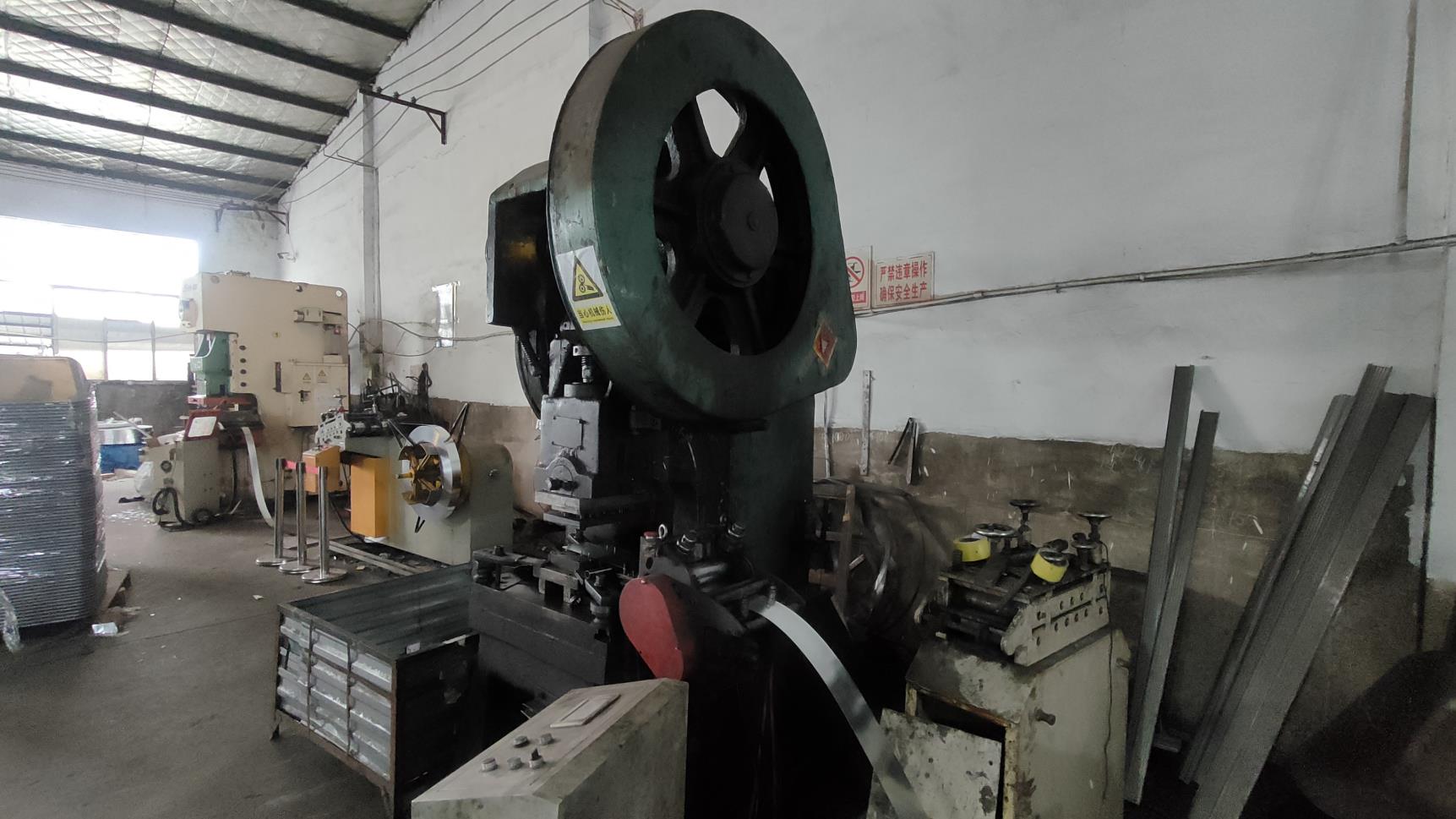
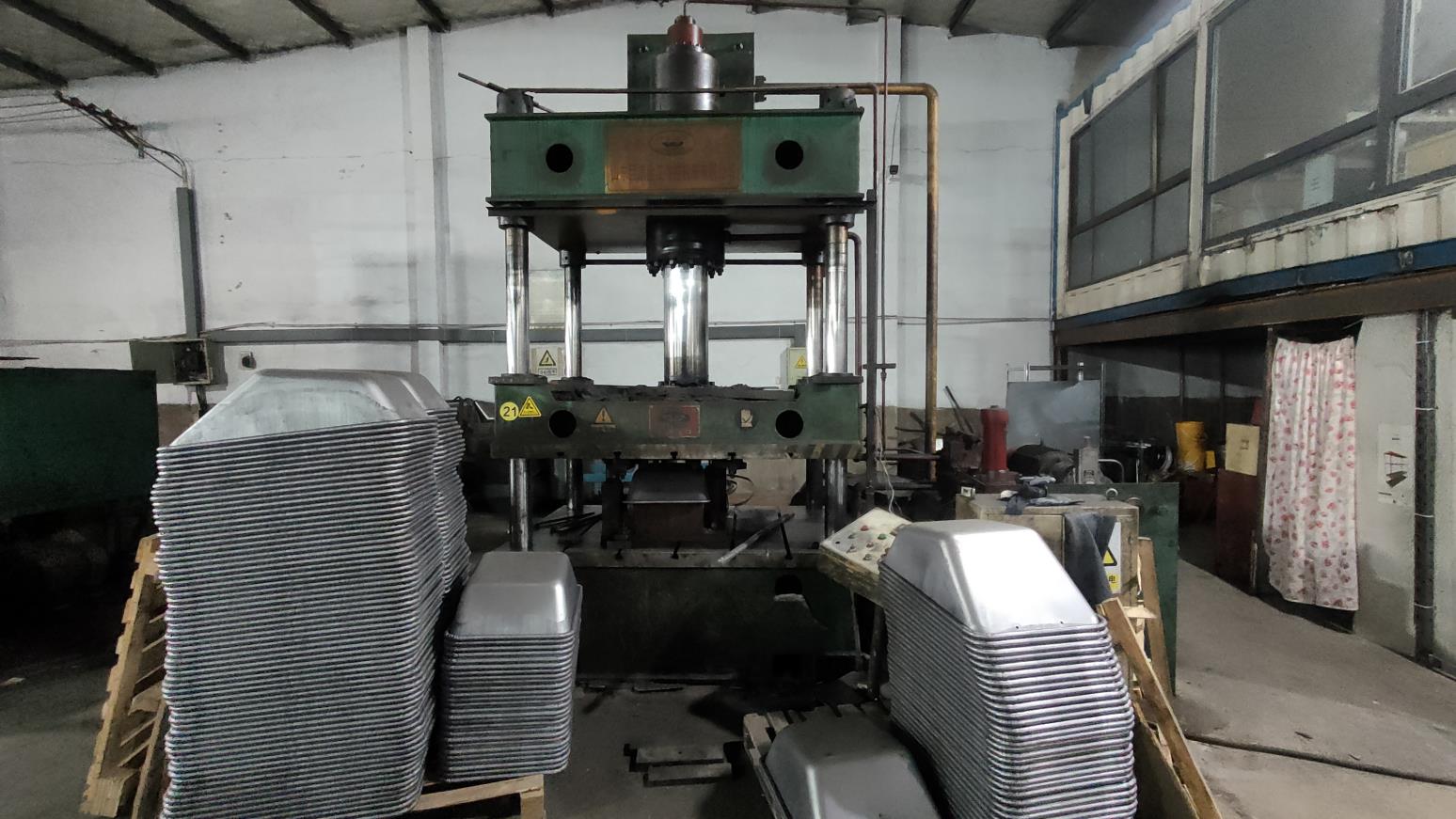
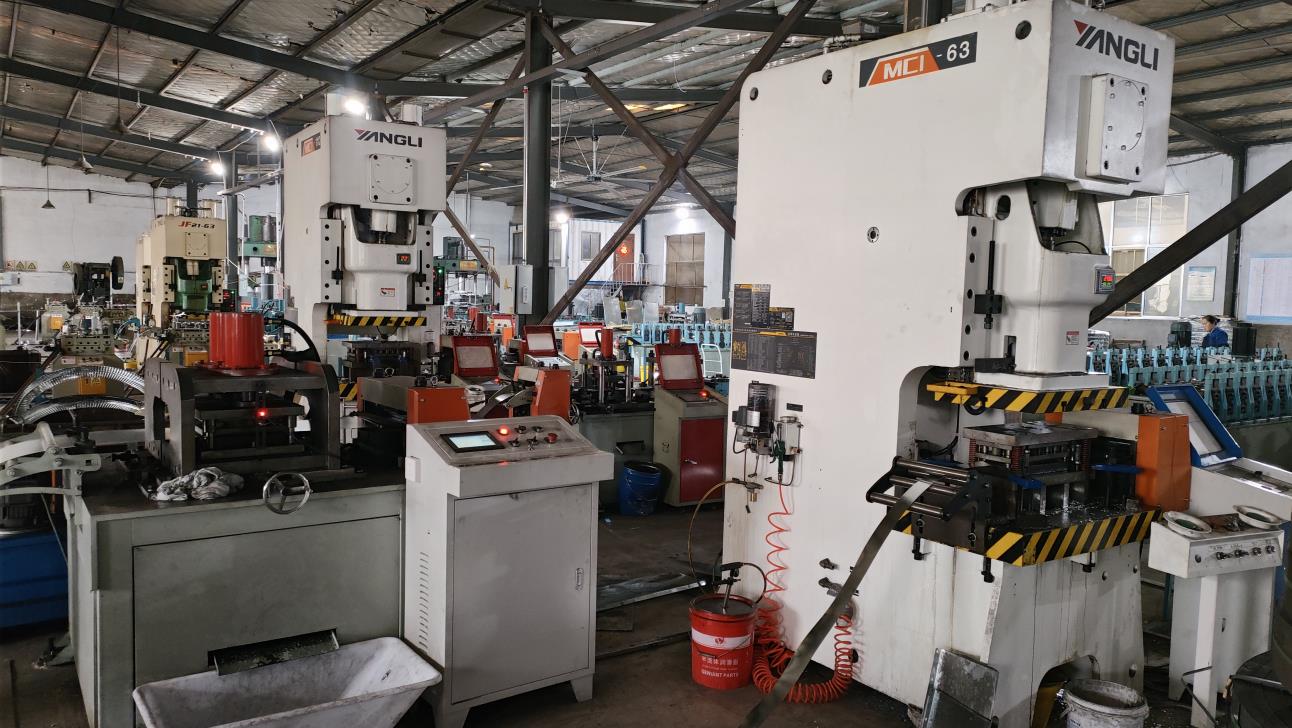
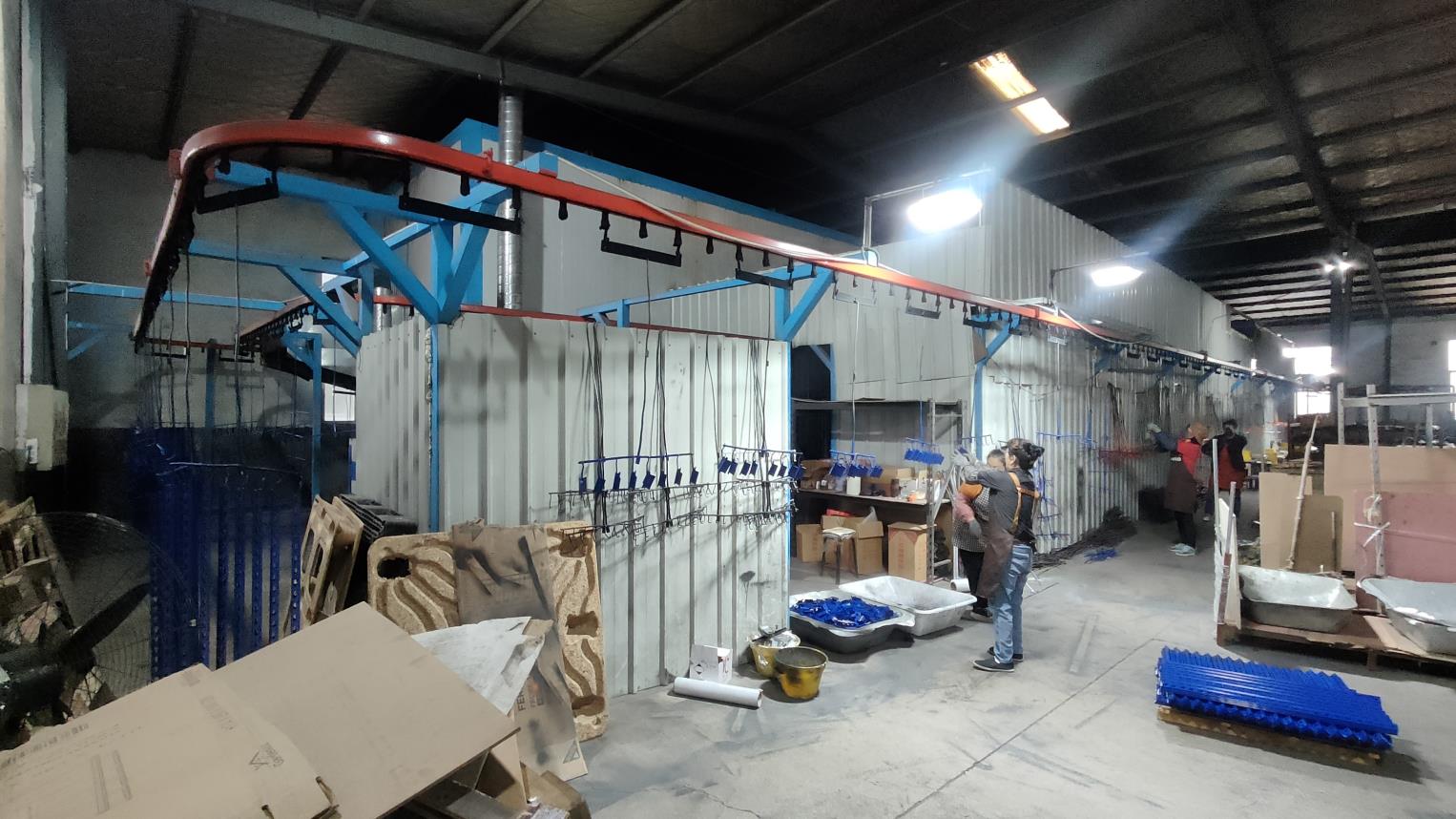
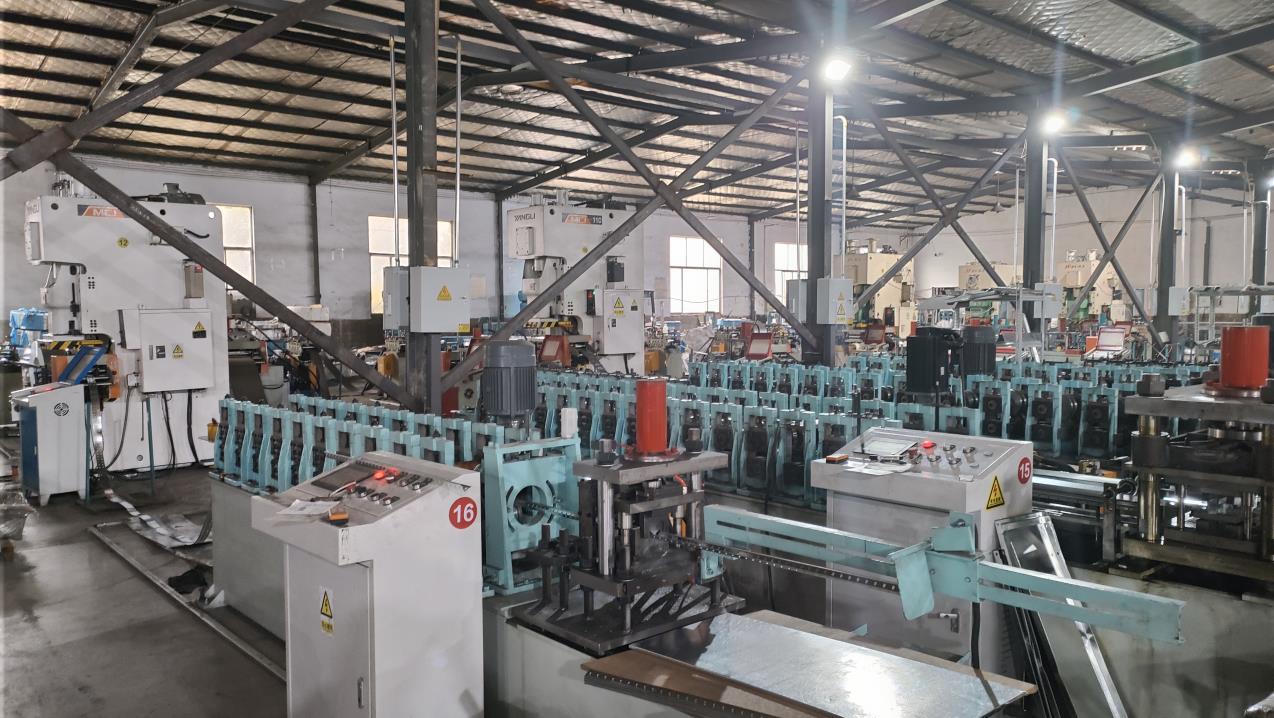
How top-tier manufacturers ensure structural integrity, durability, and project compliance
Modern multi-tier storage design requires advanced structural engineering. Structural failure in high-bay, multi-level platforms can lead to operational downtime, inventory damage, and safety risks. To prevent these failures, manufacturers use a structured engineering validation process:
1. Finite Element Analysis (FEA) Modeling: Before manufacturing begins, engineers create digital 3D models of the racking assembly. FEA software simulates dynamic forces, floor stress, weight distribution, and seismic activity to verify structural stability under load.
2. Raw Material Mechanical Testing: Manufacturers test incoming steel coils for yield strength, tensile limits, and elongation behavior. This ensures the base metal meets load-bearing standards prior to roll forming.
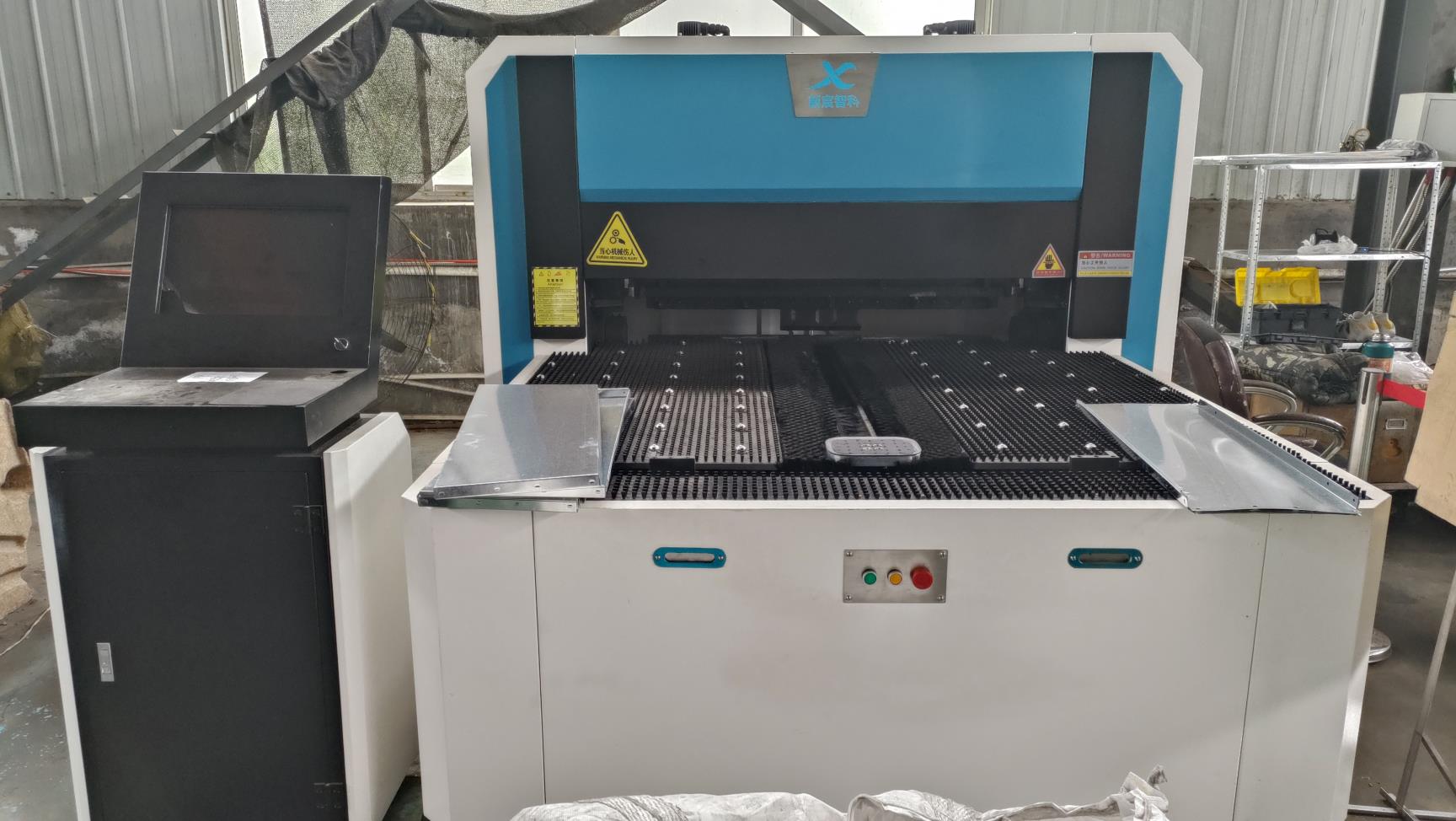
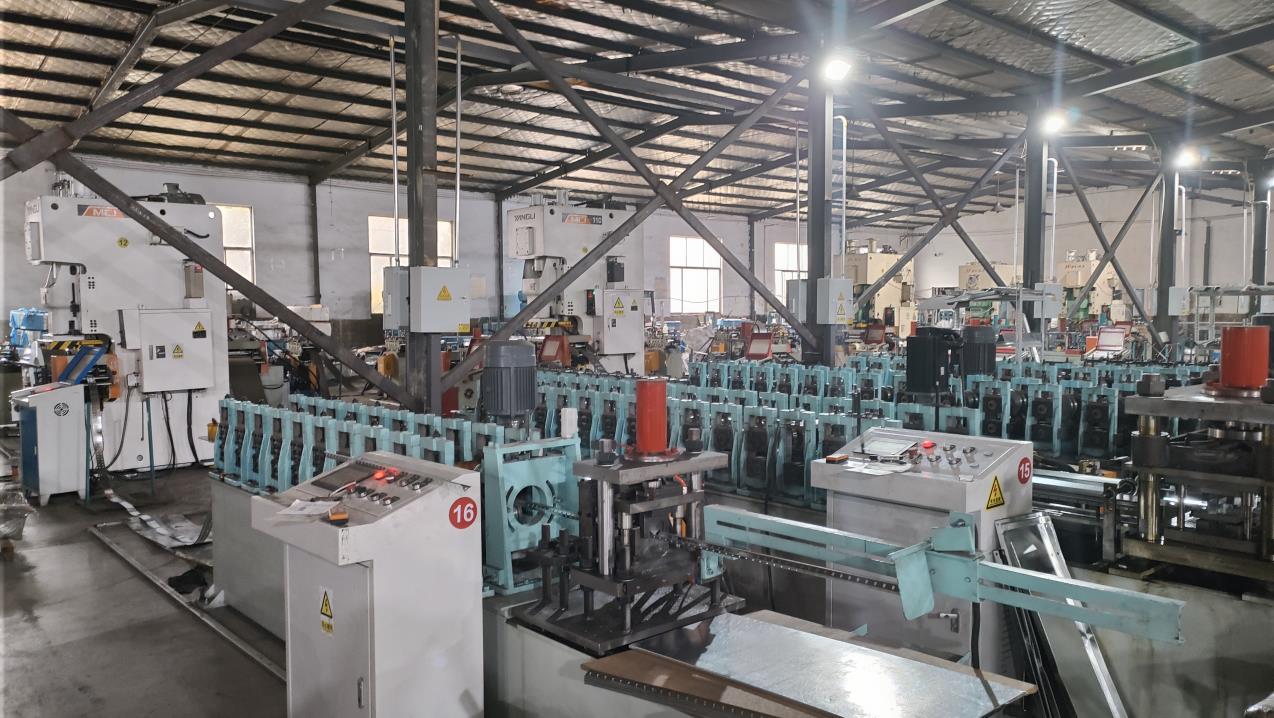
3. High-Tolerance Roll Forming: Precise structural dimensions are essential for quick, secure alignment during field installation. CNC-monitored roll-forming lines shape the columns and beams with high dimensional consistency.
4. Weld Inspection & Verification: Load-bearing components like beam connector clips and baseplates undergo ultrasonic and visual weld testing to identify and eliminate micro-fissures or weld porosity.
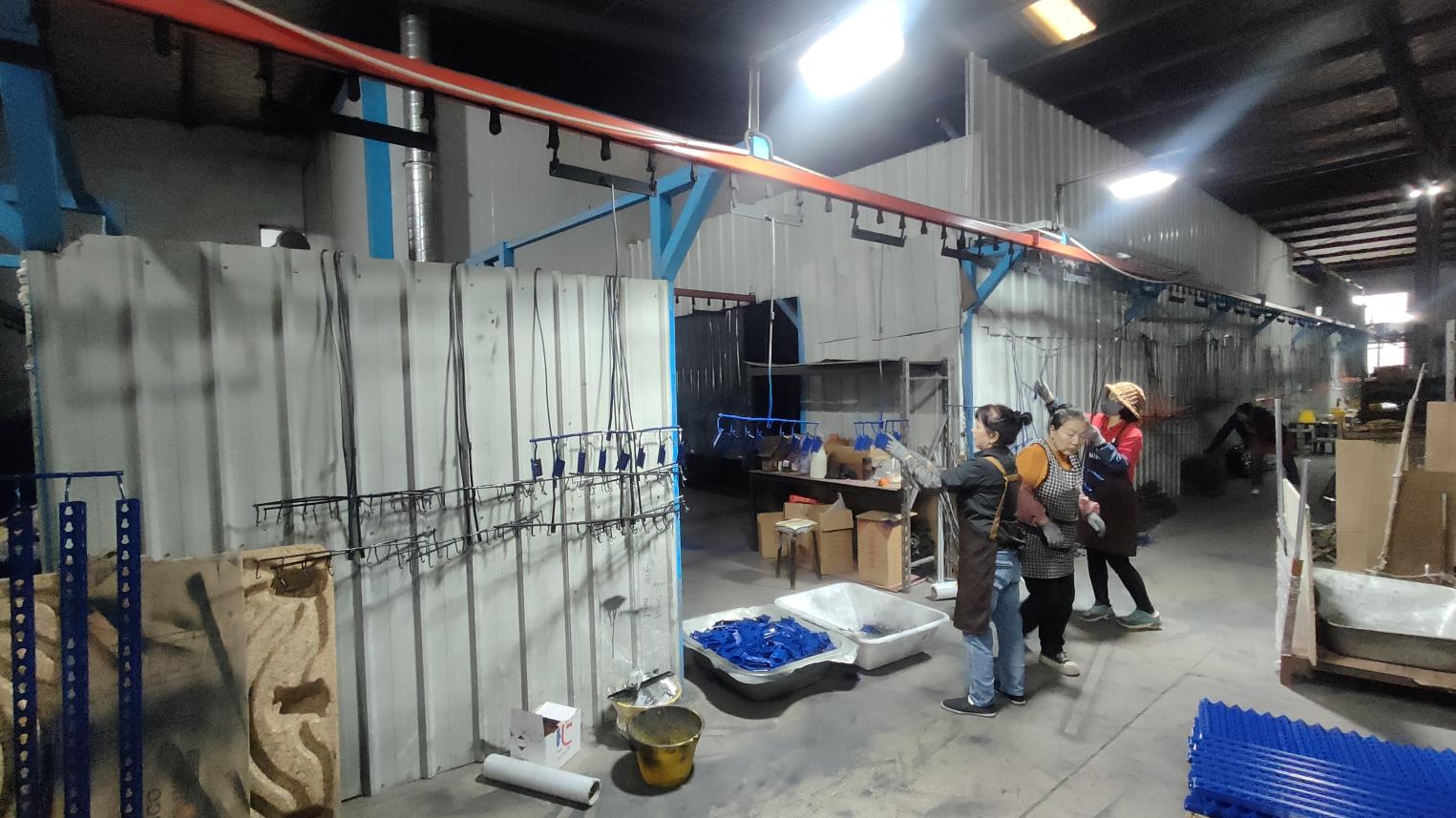
5. Advanced Surface Treatment: Fully automated multi-stage powder coating lines pre-treat the steel with chemical washes and iron phosphatizing. The electrostatic powder is then applied and heat-cured, providing a durable barrier against impacts and moisture.
Technical answers to common questions about choosing, installing, and maintaining multi-tier storage systems
Discover customizable configurations, light-duty utility units, and heavy-duty industrial storage solutions.
 Xinyi Racking