Discover structural grade, load-certified storage trolleys and platform trucks optimized for rapid sorting, high duty-cycles, and long-term durability.
How modern enterprises utilize physical mobility to reduce fulfillment bottlenecks and optimize floor footprint.
Third-Party Logistics (3PL) centers face highly dynamic inventory requirements. Integrating standardized platform trolleys, like our TC1830 series, allows operators to orchestrate manual routing changes instantly. These modular units act as flexible extensions to high-density static racks, supporting batch order sorting, cross-docking operations, and rapid returns handling without consuming power.
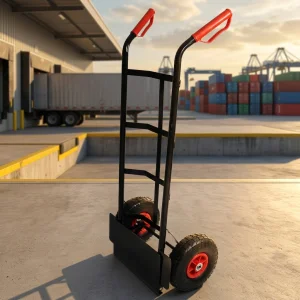
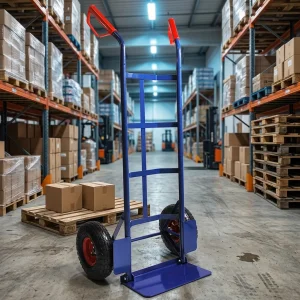
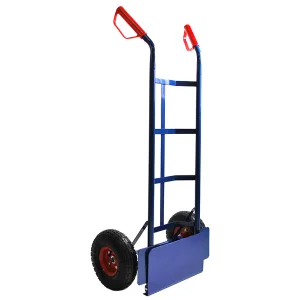
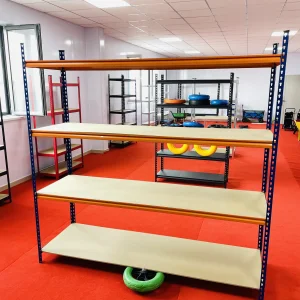
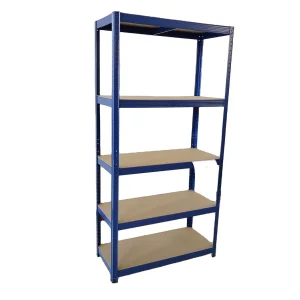
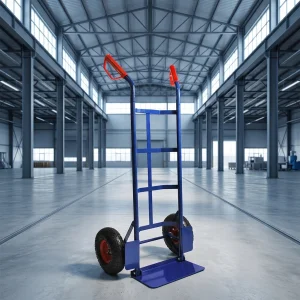
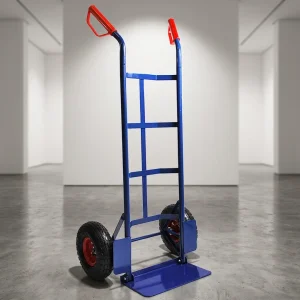
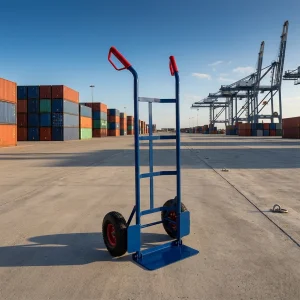
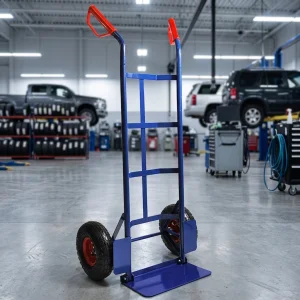
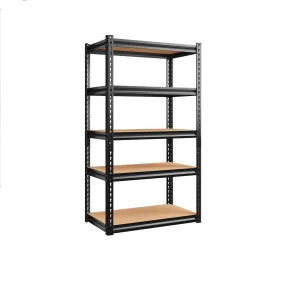
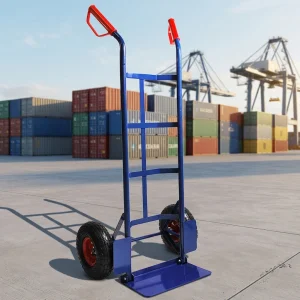
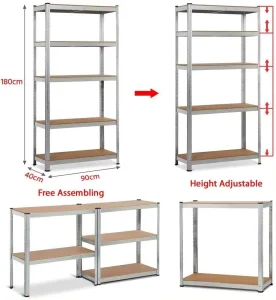
As fulfillment hubs move closer to urban locations, space efficiency dictates profitability. Heavy-duty adjustable steel racking systems combined with narrow-profile, 2-wheel blue cargo trucks enable high pick-density workflows. Quick-turn micro-fulfillment relies on stable manual hand trucks to handle high-frequency movements across multi-tiered mezzanine structures.
Manual material handling presents safety risks if equipment is poorly engineered. Modern design principles dictate that structural trolleys feature calibrated centers of gravity, anti-slip handles, and low-friction rolling resistance. By employing precise geometry in our hand truck platform designs, operator fatigue is minimized, substantially lowering the incidence of occupational strain.
The global industrial handling equipment market is witnessing structural shifts. While fully automated systems (AS/RS) are experiencing rapid adoption, manual and semi-automated utility equipment remain the indispensable baseline for industrial operations. Across North America, Western Europe, and Southeast Asia, logistics providers are choosing robust, non-motorized rolling stock to protect operations against power disruptions and mechanical failure.
Additionally, cost management under inflationary pressure has driven global procurement managers to establish direct relationships with primary Chinese fabricators. The demand for structural-grade cold-rolled steel, high-quality electrostatic powder coating, and precision pneumatic or polyurethane wheels has grown significantly as firms demand a longer lifecycle for their capital investments.
Ningbo Xinyi Metal Products Co., Ltd. answers this call by fabricating systems that bridge structural durability with modular compatibility. By sourcing high-tensile steel locally and employing automated welding techniques, we deliver premium performance without prohibitive capital expenditures.
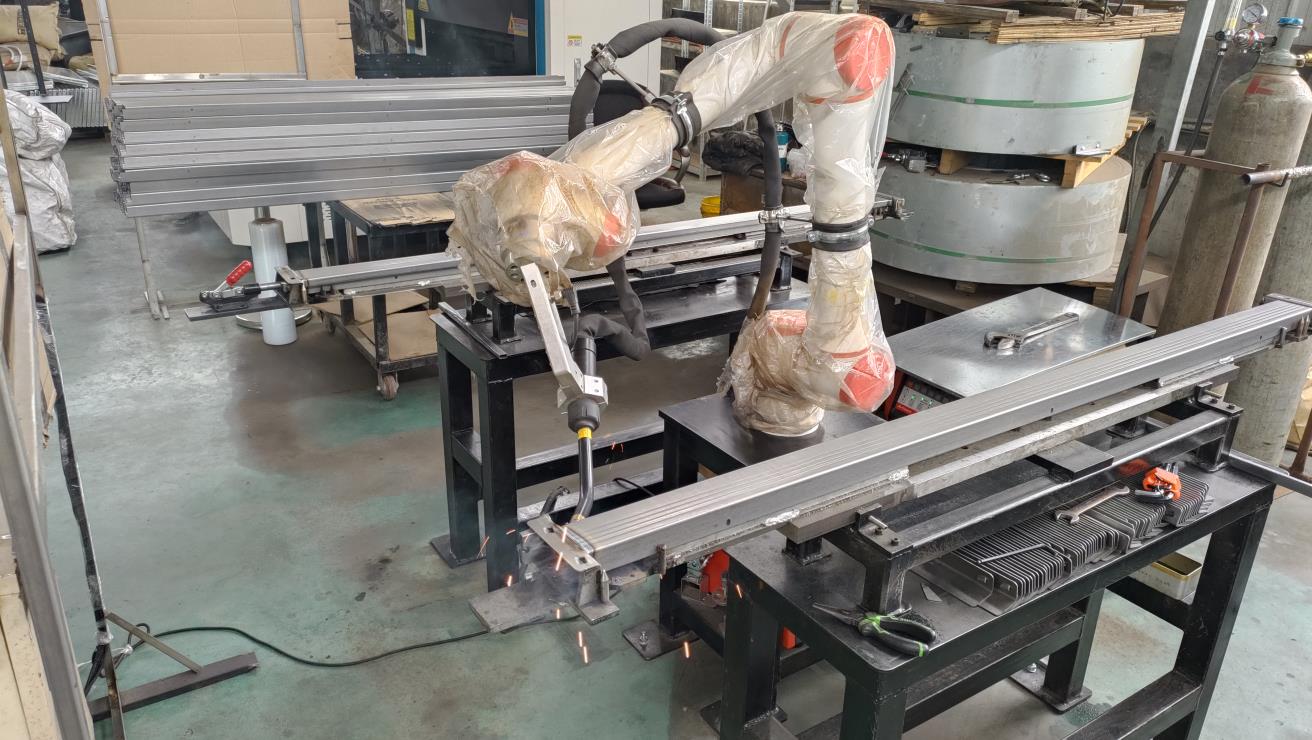
Traditional mild steel trolleys deform under persistent cyclic loading. Structural upgrades using Q235 carbon steel profiles combined with specialized robotic seam welding double the structural fatigue threshold.
Over a decade of manufacturing excellence, setting structural safety benchmarks in material handling.
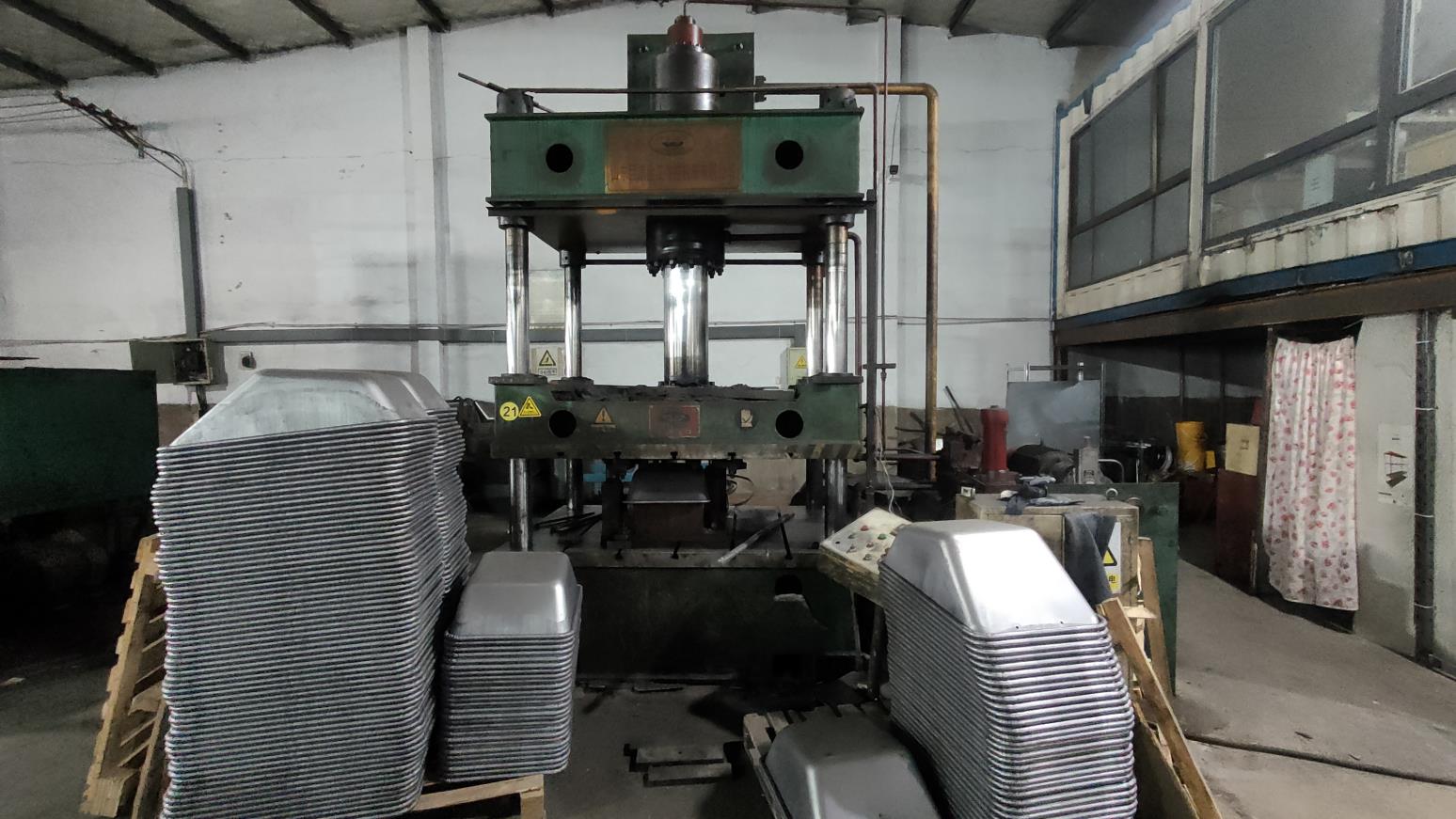
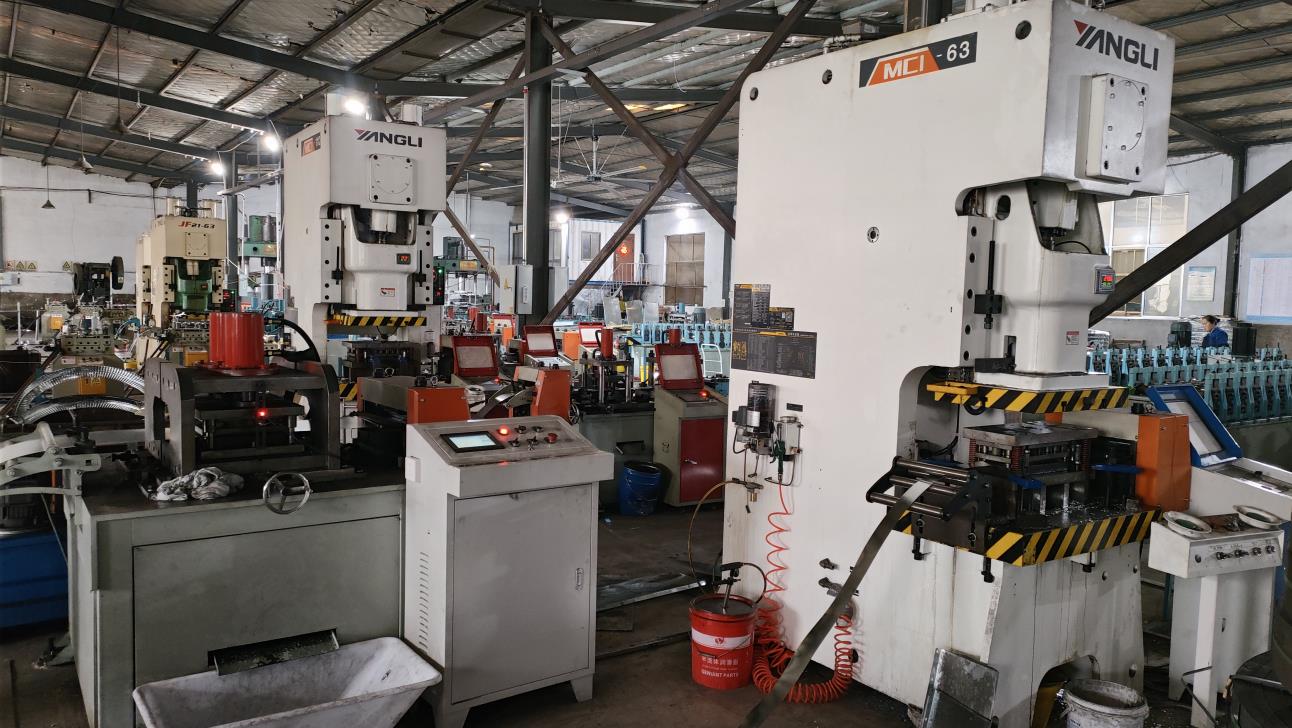
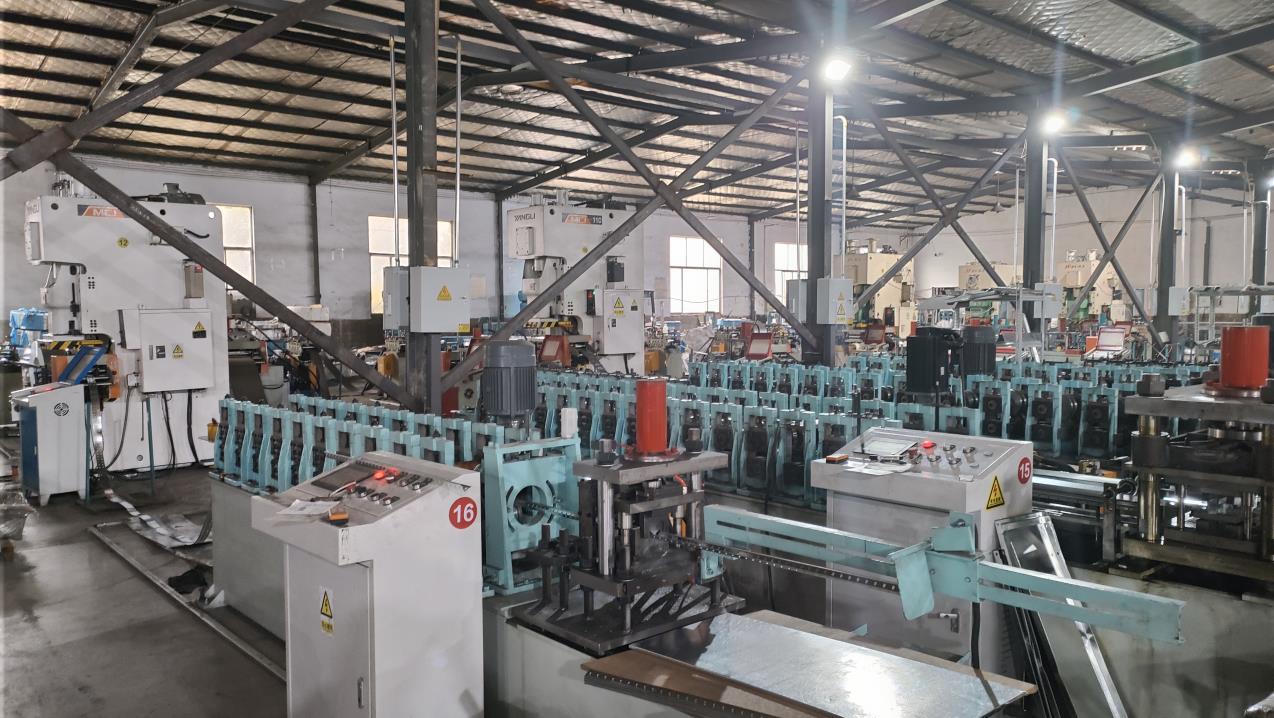
Established in 2015, Ningbo Xinyi Metal Products Co., Ltd. is a leading manufacturer specializing in heavy-duty industrial storage racks, pallet racking systems, and customized warehouse material handling solutions. Spanning a state-of-the-art production facility of 38,000 square meters, we deliver high-performance racking products to global logistical hubs, distributors, and enterprise facilities.
With 11 years of deep industry expertise and 8 years of dedicated international trade experience, our annual export revenue has reached over $28 million USD. Our footprint spans major global markets, including North America, Western Europe, Southeast Asia, and the Middle East, serving diverse client segments such as third-party logistics (3PL) providers, e-commerce fulfillment centers, industrial distributors, and large-scale retail chains.
Quality and structural integrity are at the core of our manufacturing processes. Supported by a rigorous Quality Assurance team of 45 certified inspection professionals, we enforce strict full-process quality control. Our quality testing methods integrate ultrasonic weld inspection, raw material tensile testing, load-capacity deflection testing, and salt-spray corrosion resistance evaluation to guarantee long-term durability and safety compliance.
Driven by strong research and development capabilities, our engineering center hosts 28 experienced R&D engineers who specialize in custom structural design, seismic analysis, and automated storage and retrieval systems (AS/RS). We offer extensive OEM/ODM customization options, including custom load capacities, dimensions, powder-coating finishes, and modular accessory integrations. Last year alone, our R&D team successfully launched 185 new products and customized configurations to meet evolving market demands.
Backing our operational strength is a robust supply chain network of over 850 trusted partners providing premium steel materials, eco-friendly surface coatings, and specialized hardware components. Ningbo Xinyi Metal Products Co., Ltd. remains committed to delivering reliable, safe, and space-optimized storage solutions to empower our clients' global supply chain infrastructure.
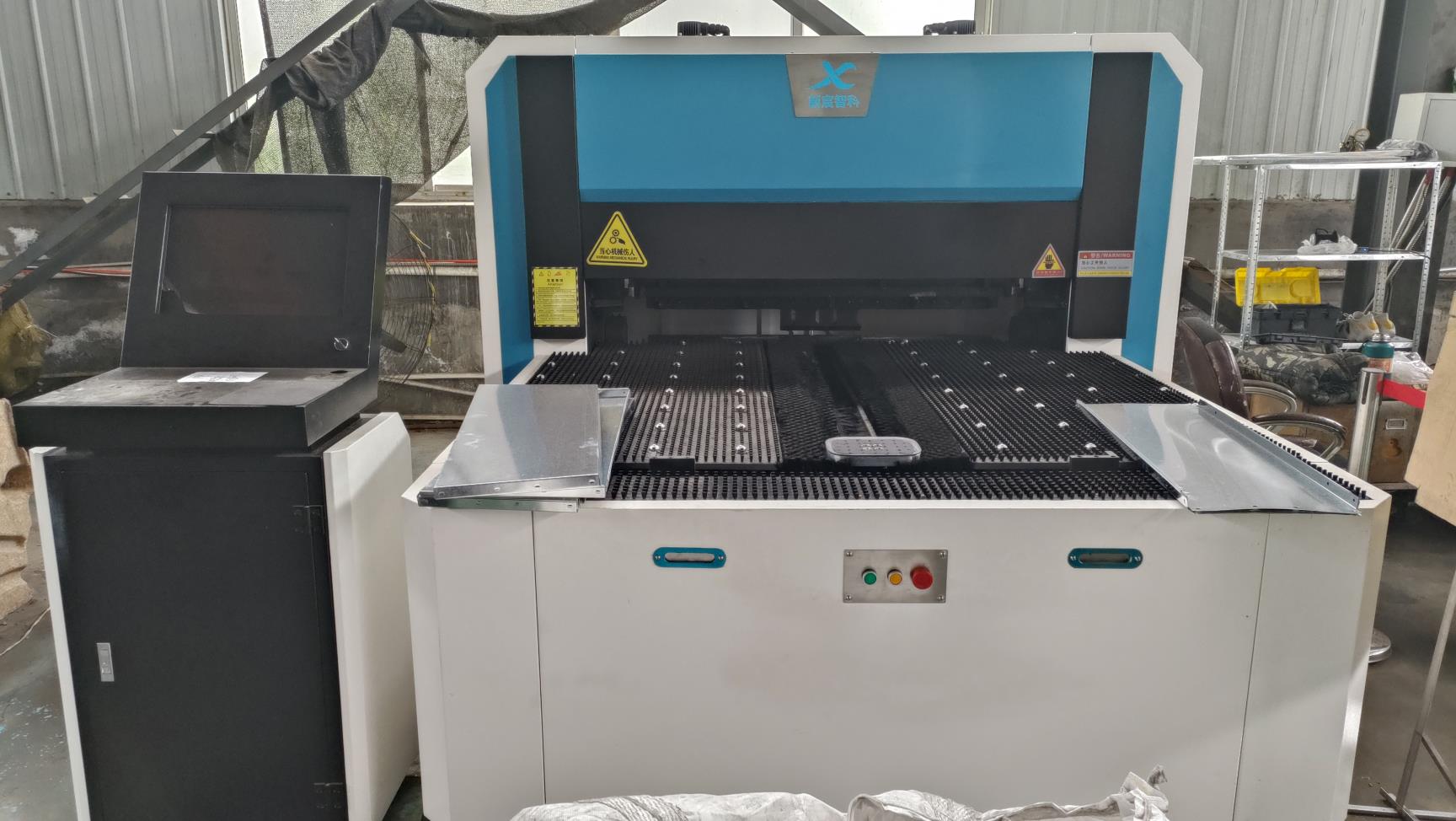
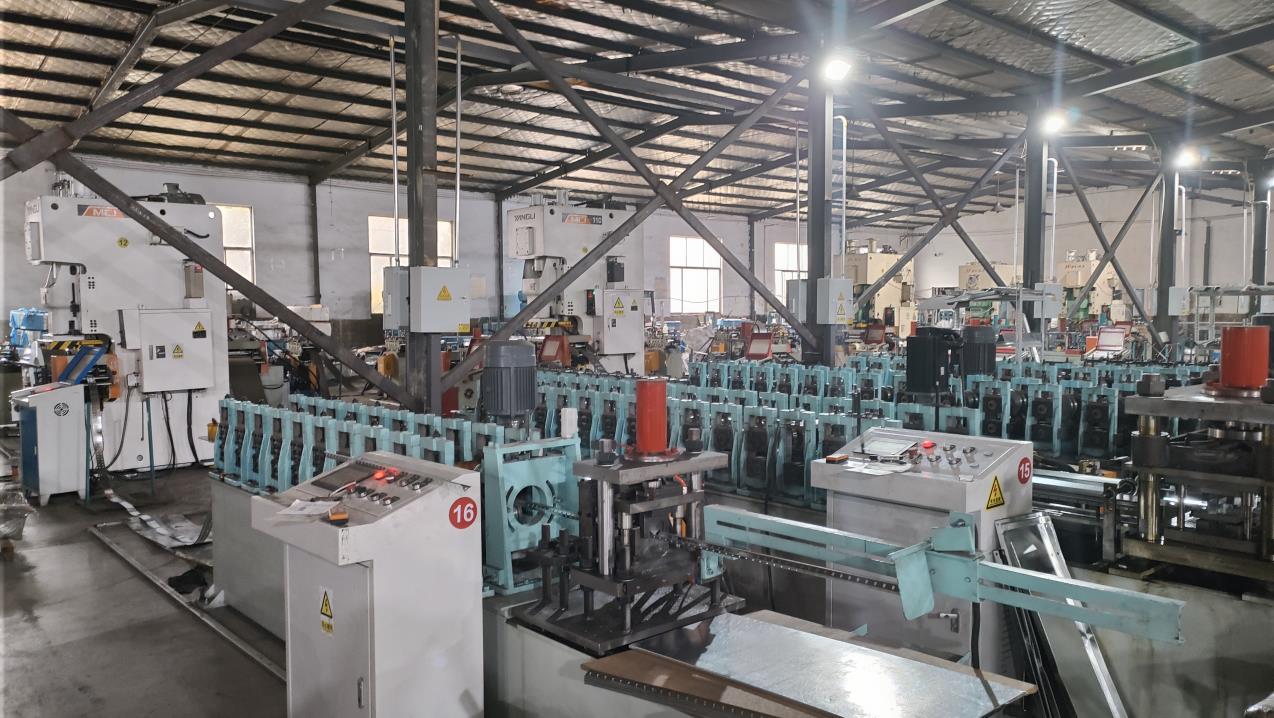
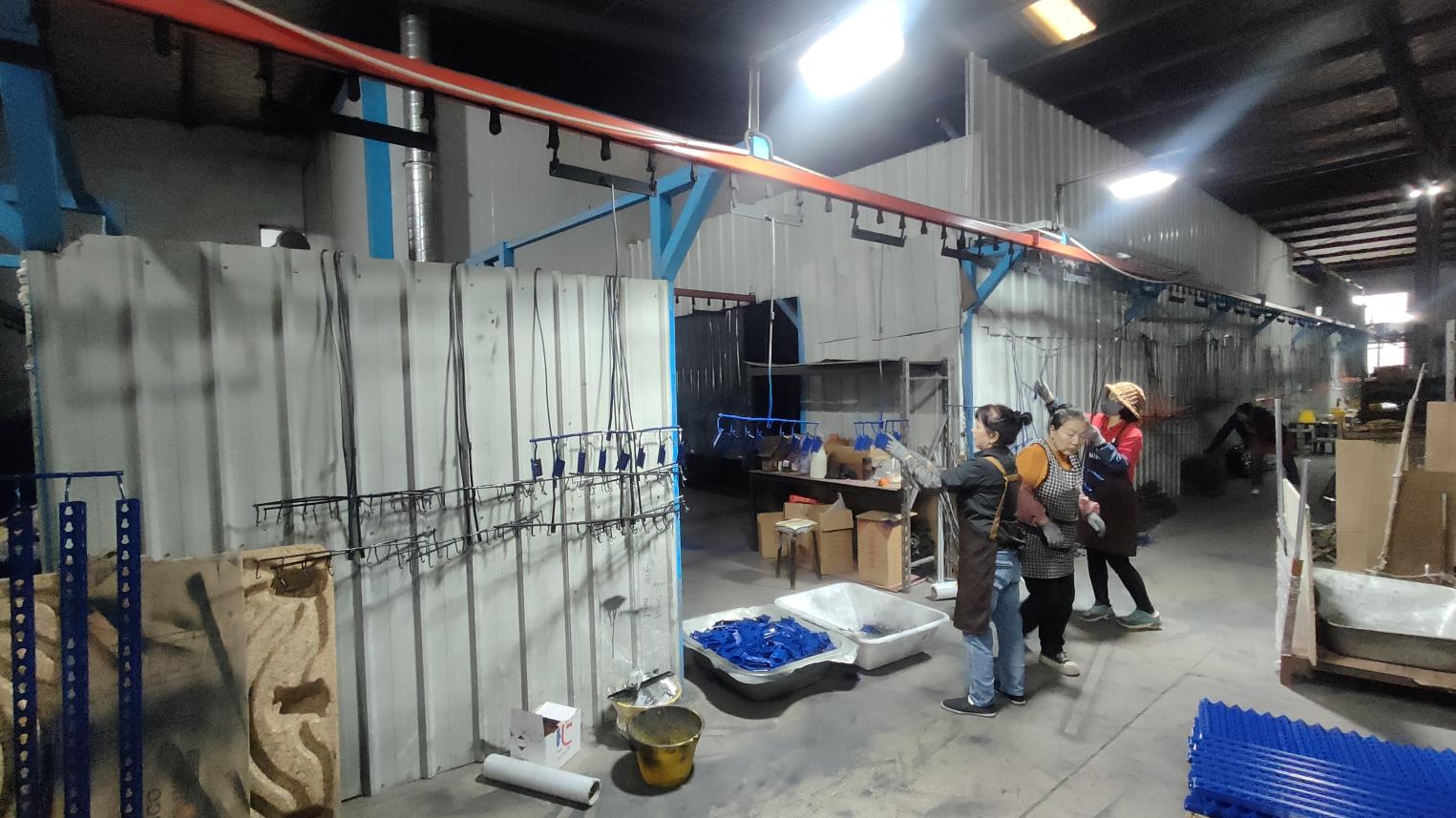
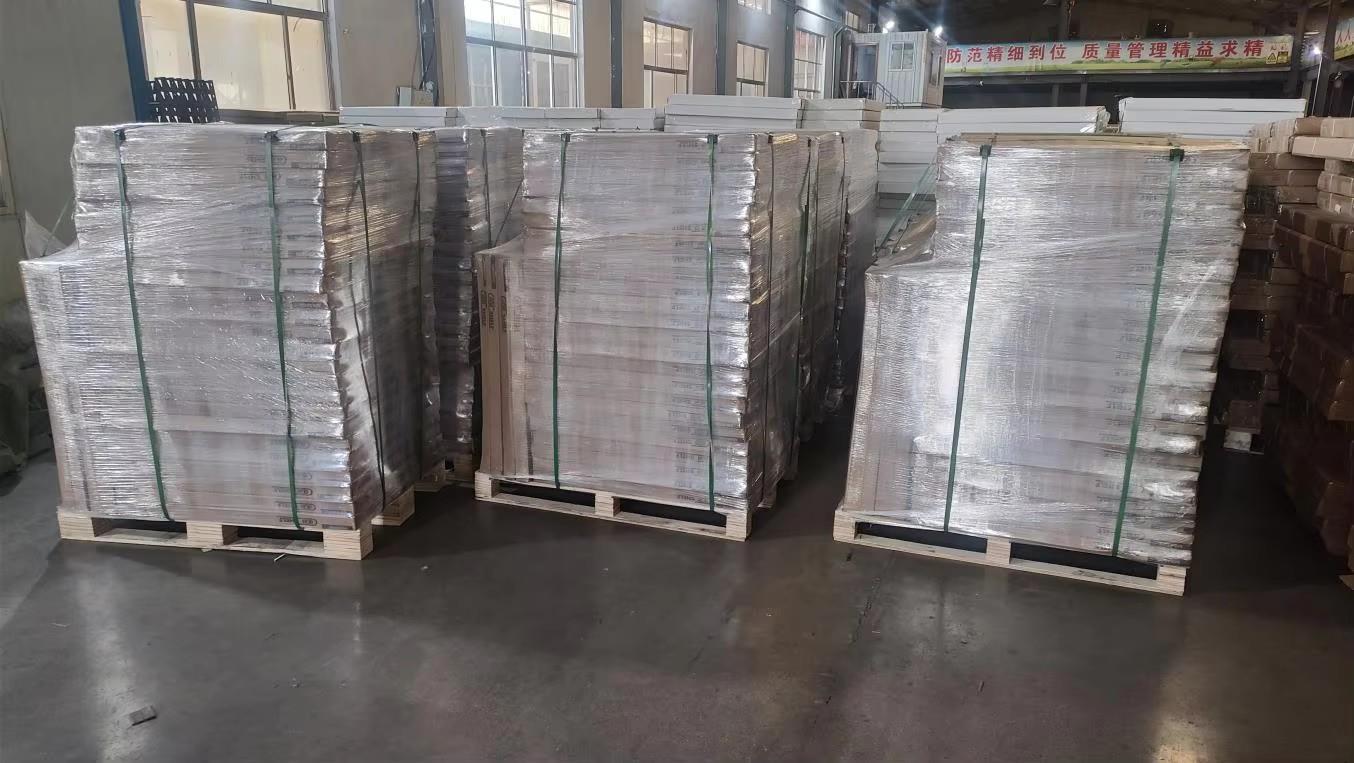
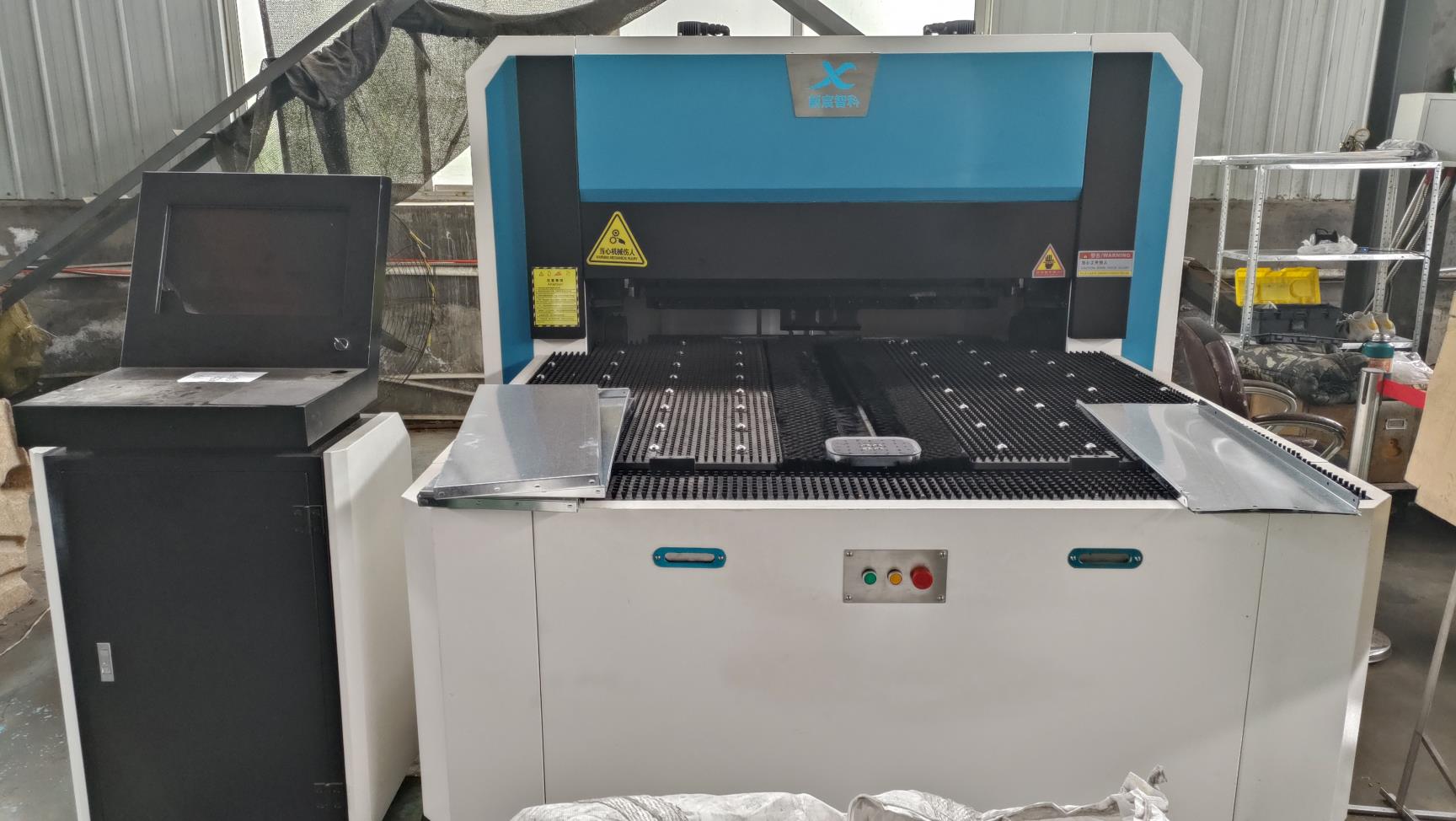
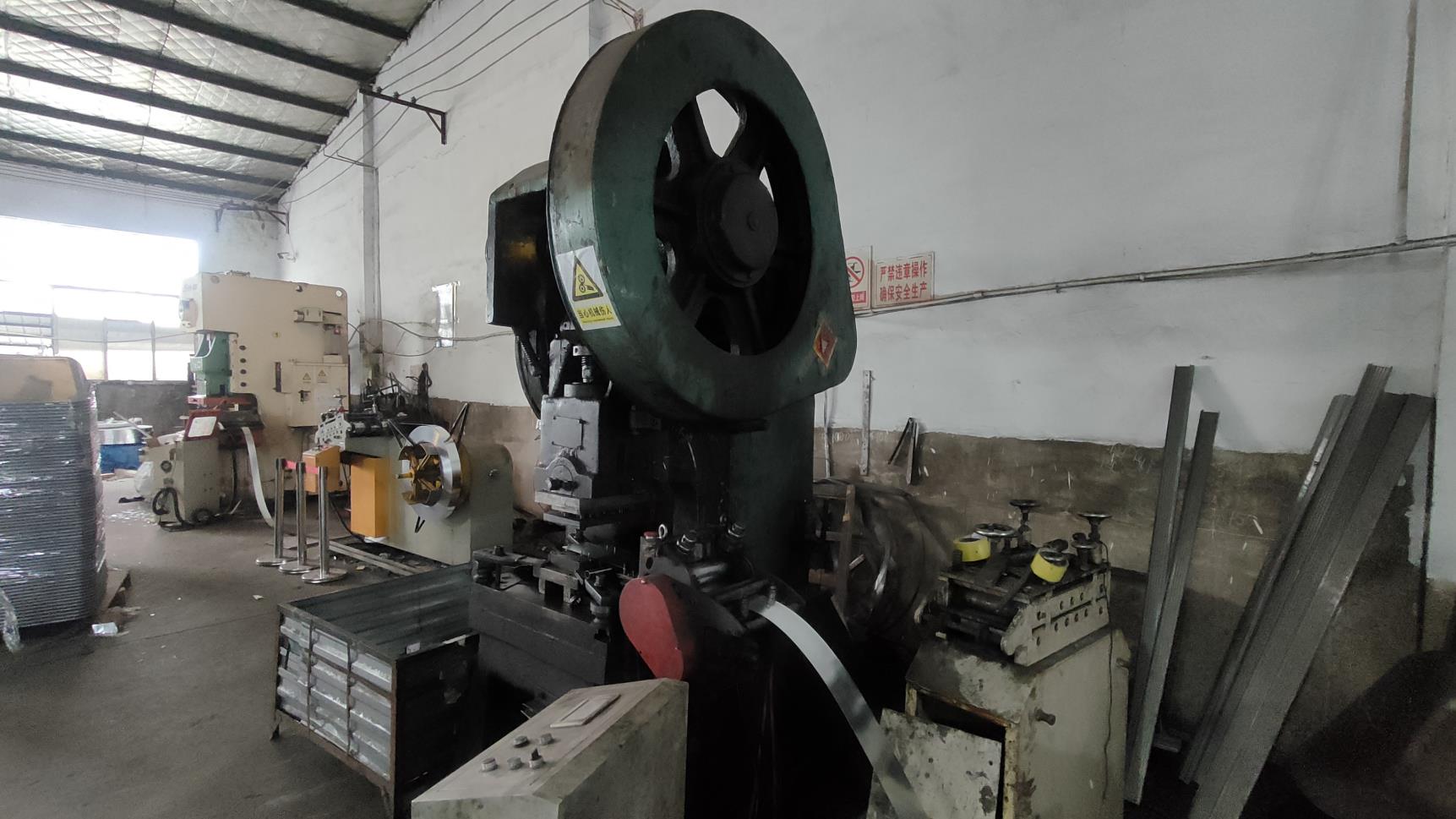
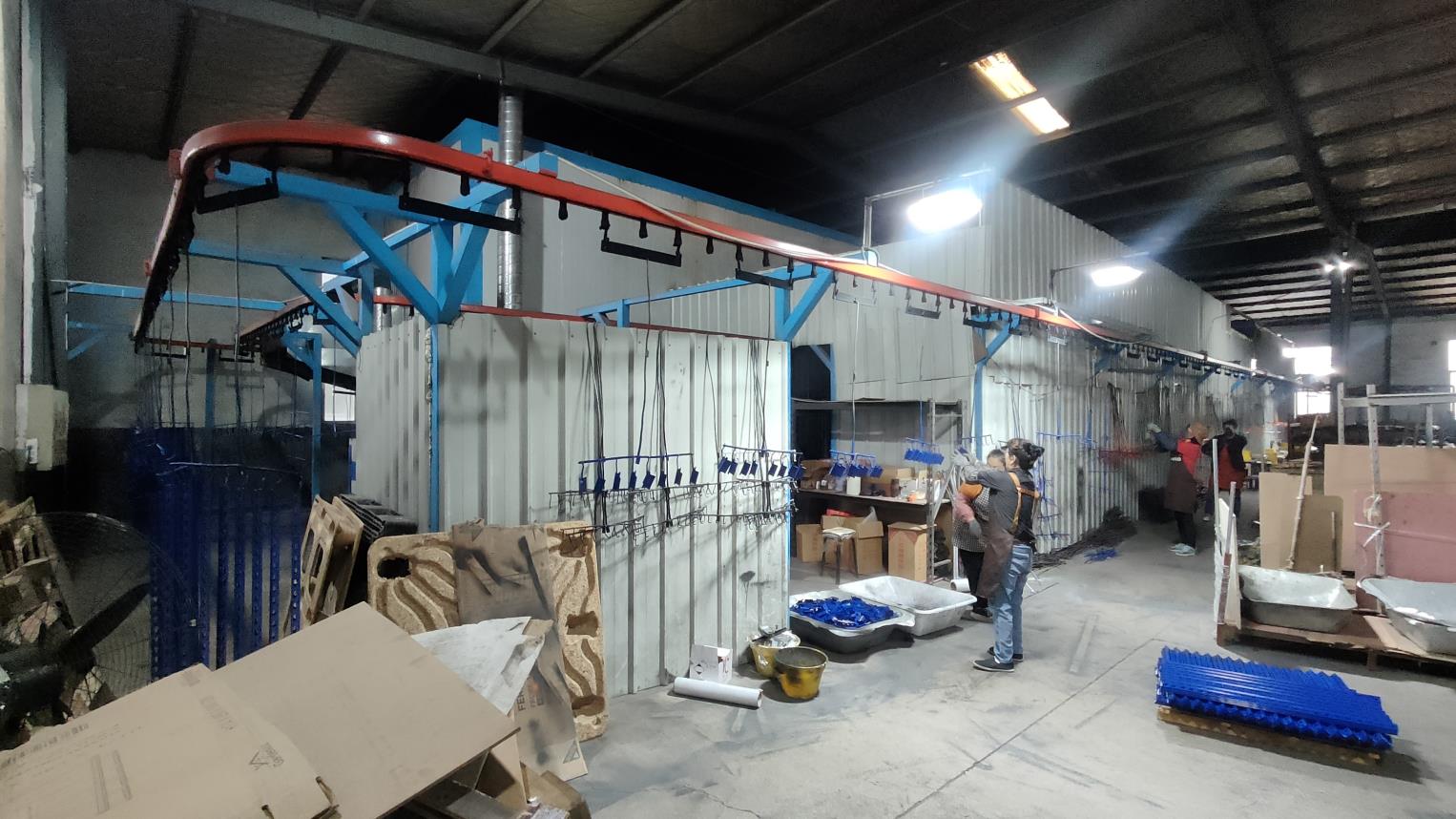
Explore our vertical production capability, ensuring structural reliability through state-of-the-art machinery.
Overcoming logistics and legal challenges through certified standards and global networks.
International shipping of metal products requires adherence to strict structural and safety regulations. Our production lines conform to CE (European Conformity) standards, and all structural racking calculations comply with the FEM 10.2.02 code for steel storage systems and ANSI/MH16.1 specifications. This ensures our products are approved for immediate deployment within public warehouses, healthcare units, and industrial workshops across Europe and North America.
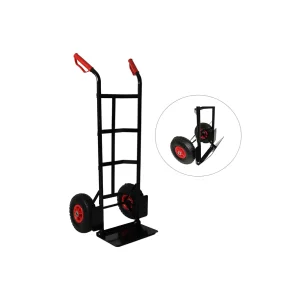
Exporting steel products can involve complex tariff classifications. Our dedicated international trade office leverages years of experience to classify products correctly (e.g., matching the appropriate Harmonized System codes for steel hand trucks vs. static racking components). This limits tariff risks for our distributors and prevents shipping delays. We also offer knock-down (flat-pack) designs for cargo trolleys, maximizing shipping volume and lowering sea freight costs per unit.
Our 45-person QA department subjects every batch to three critical validation gates:
Adapting to automated, ecological, and connected warehousing infrastructures.
Integrating active RFID tags and Bluetooth Low Energy (BLE) micro-transmitters into trolley structural frames. This allows operations managers to analyze warehouse flow bottlenecks, locate rolling stock in real time, and monitor cycle rates.
Re-engineering the structural base of our TC1830 series platform trolleys to support quick-connect automated guided vehicle (AGV) couplings. This enables rapid switching between manual operation and automated train transport.
Transitioning finishing lines to low-cure, bio-based resin powders. This process cuts energy consumption during heat curing by 25% while maintaining excellent resistance to humidity and physical impact.
Direct technical responses addressing common procurement, design, and structural queries.
Our TC1830 series uses Q235 cold-rolled carbon steel for structural components, offering excellent yield strength and weld reliability. The platform is stamped from heavy-gauge sheet steel to prevent bending under point loads, and the structure is protected with electrostatic powder coating or hot-dip galvanization depending on application parameters.
Yes. Our R&D engineering center hosts 28 structural design professionals. We can provide customized modifications for dimensions, tire selections (pneumatic, solid rubber, or non-marking polyurethane), and load ratings ranging from 100kg to over 500kg. CAD drawings and 3D modeling files are delivered for review prior to tooling modifications.
Our logistics team works directly with global customs brokers to ensure accurate HS classification. By shipping products in knockdown (CKD) configurations, we often qualify for component tariff rates rather than fully assembled product tariffs. This also optimizes shipping volume, lowering the freight cost per unit.
Standard production cycles range from 25 to 35 days from deposit confirmation and technical drawing approval. Our production plant utilizes automated bending and robotic welding lines, allowing us to maintain stable, predictable delivery schedules even during high-volume periods.
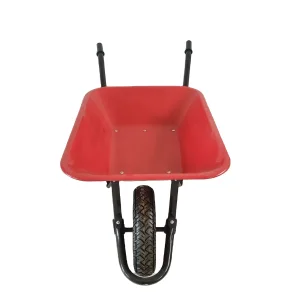
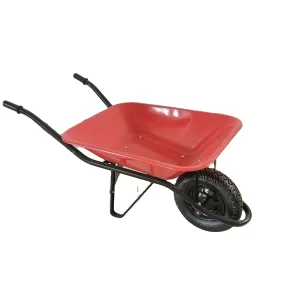
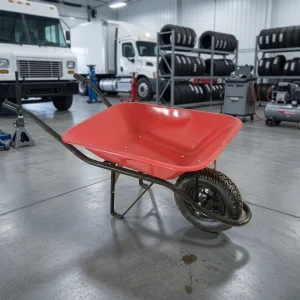
Explore additional specialized designs, ranging from heavy-duty construction wheelbarrows to multi-tiered organizational shelving.
 Xinyi Racking