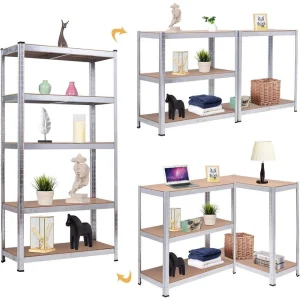
Direct supply options for global warehouse networks, fulfillment centers, and distribution terminals. Engineered for long-term load capacity and high structural integrity.
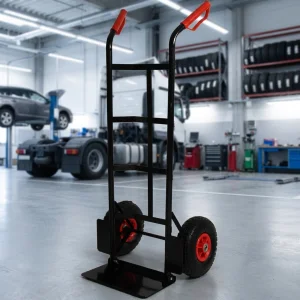
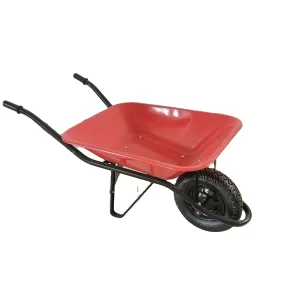
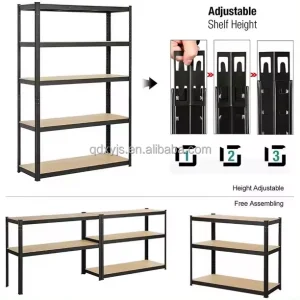
Analyzing key structural demands, material routing parameters, and compliance criteria defining high-density logistics.
In modern industrial warehouse configurations, utility platforms, storage shelving, and manual transport systems represent the critical link in floor-level logistics. Fast-growing global markets like North America, Western Europe, and Southeast Asia have significantly increased structural and material compliance demands. Global B2B procurement professionals no longer treat platforms and racking as basic hardware. They are considered strategic infrastructure directly linked to warehouse safety, worker throughput, and systemic operational longevity.
Key requirements from enterprise procurers concentrate on raw material composition, environmental certifications, and dynamic load tolerances. With heavy warehouse automation on the rise, manual utility systems must seamlessly align with robotic pathways, high-density layouts, and ergonomic safety frameworks. Procurers look for manufacturing partners with verified raw material vertical integration, ensuring low-carbon steel components that withstand cyclical stress testing and long-term corrosion.
"Procurement safety is directly linked to structural load deflection analysis. Choosing racking and utility systems that fail to meet deflection thresholds poses high risk to global 3PL operations. We maintain strict safety parameters under extreme load tests, ensuring all systems meet or exceed international standards."
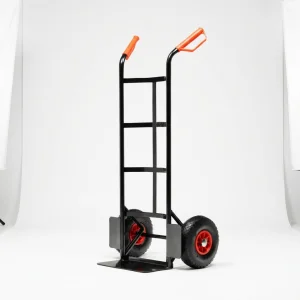
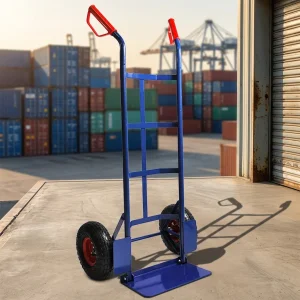
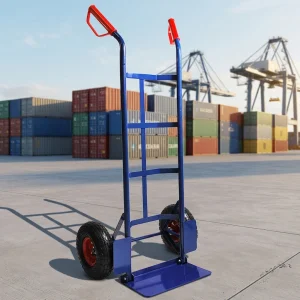
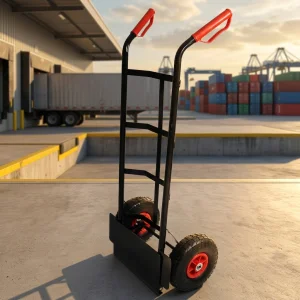
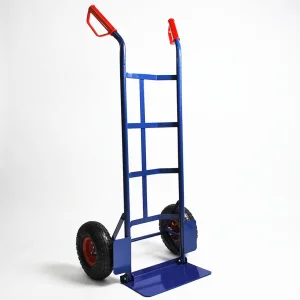
Different industrial landscapes demand tailored handling configurations. A standard cargo trolley engineered for general logistics falls short when subjected to high-turnover ecommerce hubs, or heavy chemical raw material environments where rust prevention is critical. We analyze logistics workflows and develop multi-tiered equipment arrays to fit specific enterprise requirements:
Requires scalable, heavy-duty racking and flexible platform trolleys that handle continuous, multi-shift picking cycles. High durability caster wheels and scratch-resistant coatings are key.
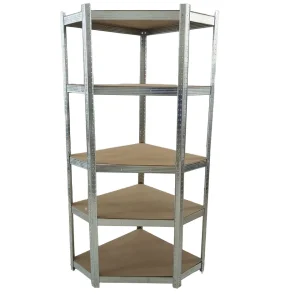
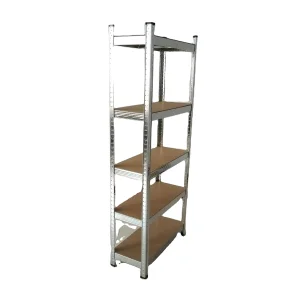
Requires light-weight, highly maneuverable multi-layer pick carts, and adjustable boltless shelving configurations to support high picking density and dynamic SKU layout shifts.
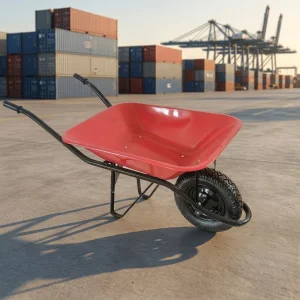
Heavy parts and equipment storage require seismic-tested pallet racking systems, reinforced metal platform structures, and highly specialized rust-resistant wheelbarrows for raw material handling.
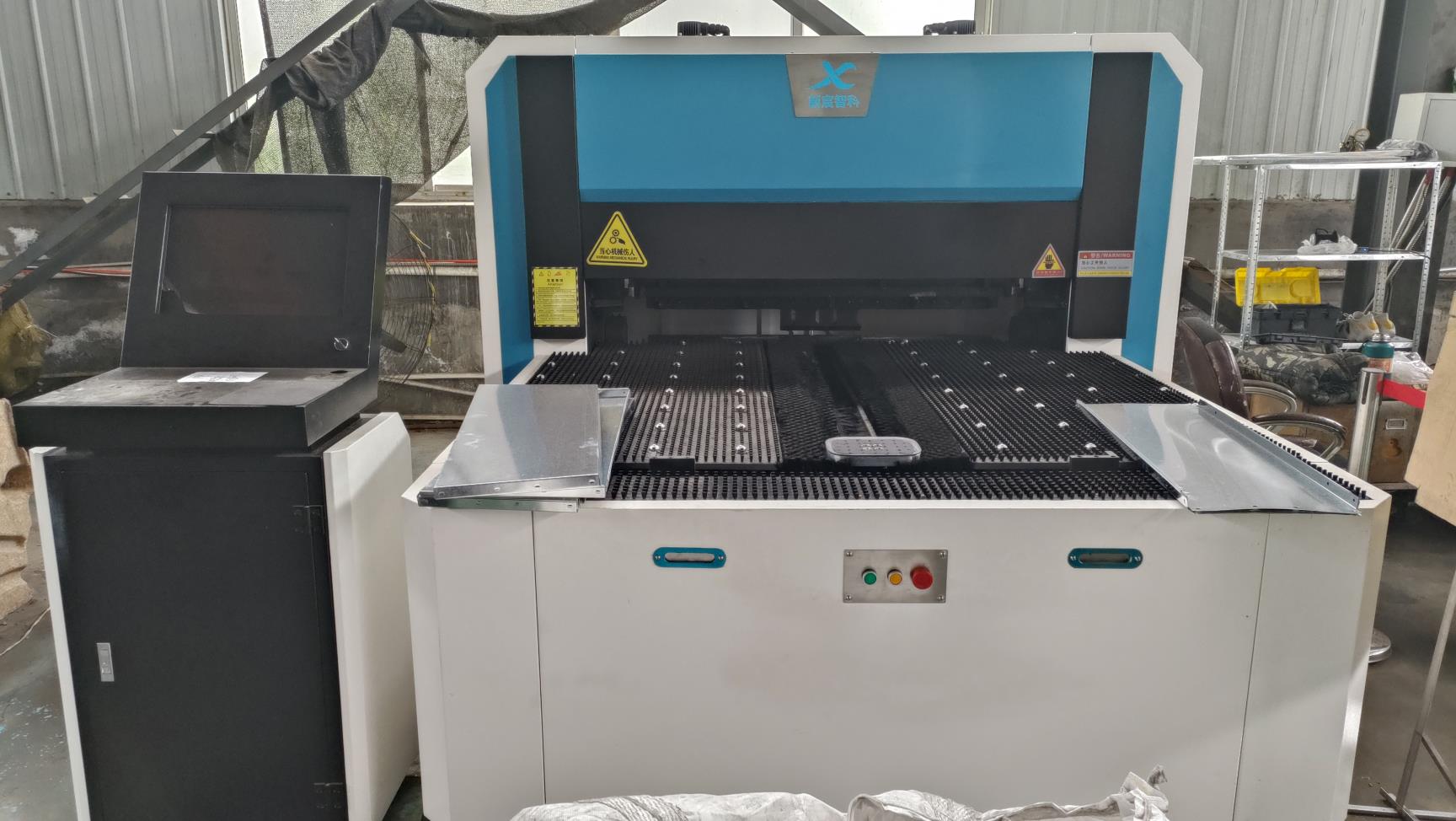
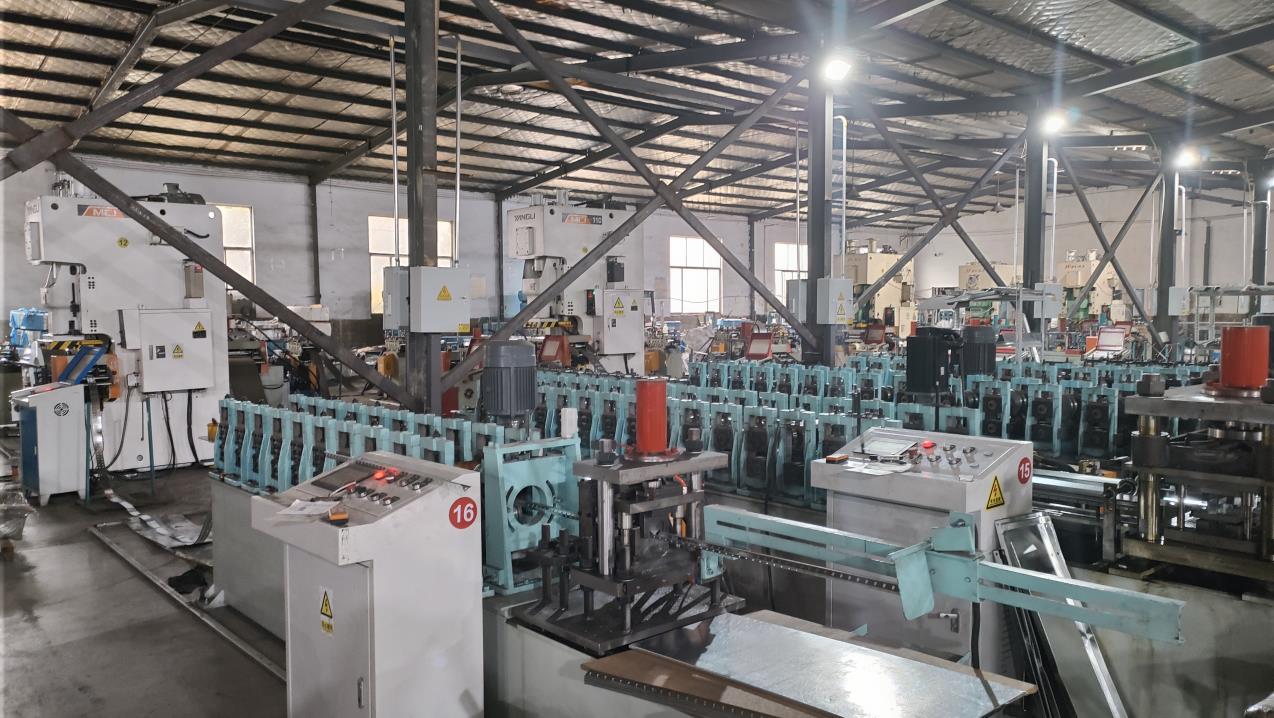
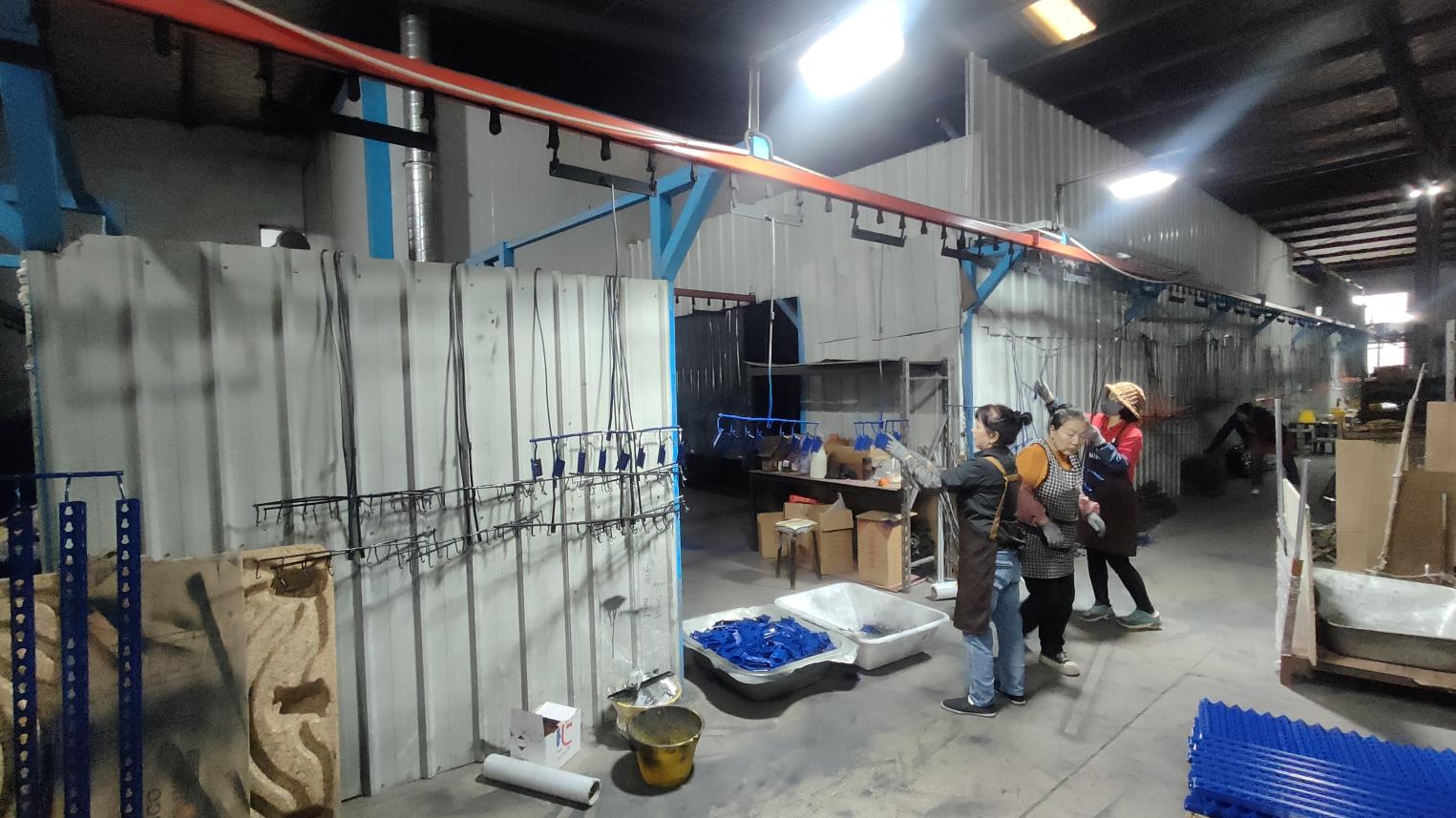
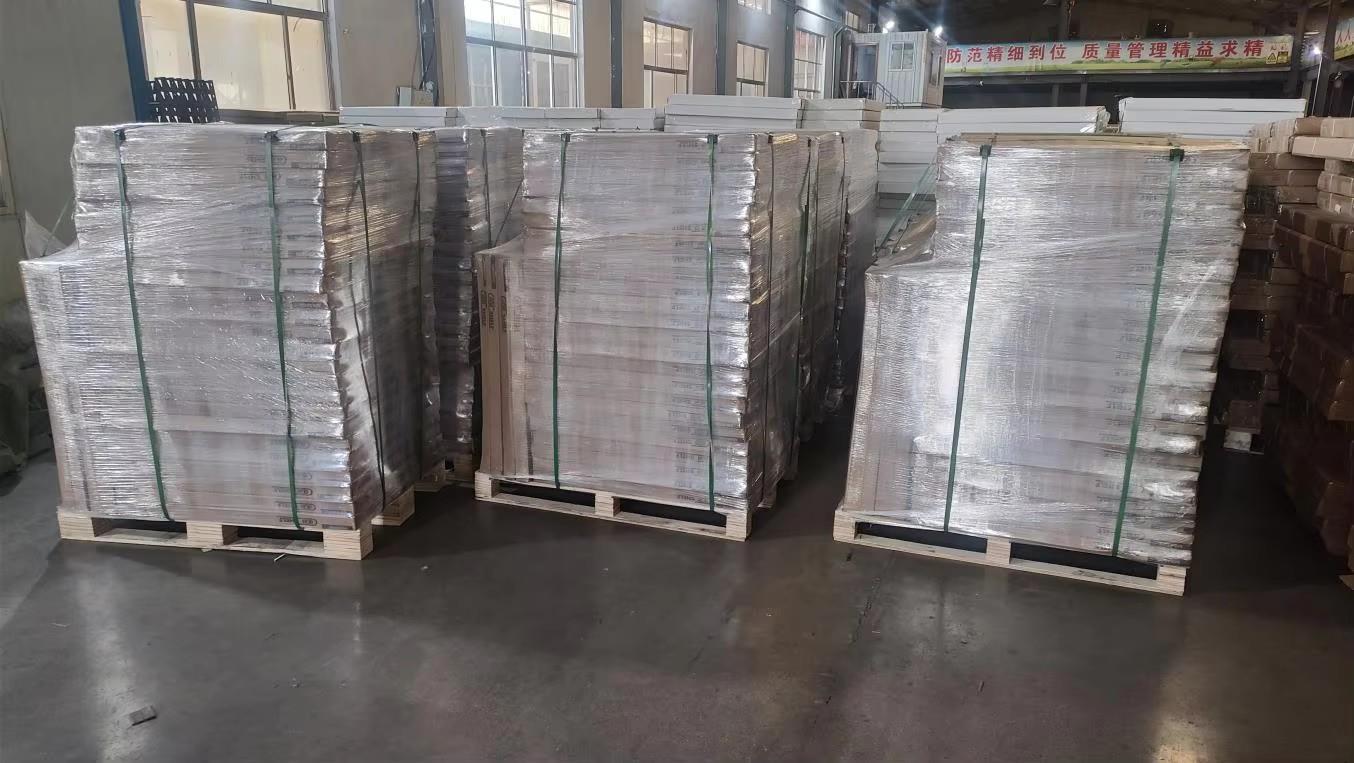
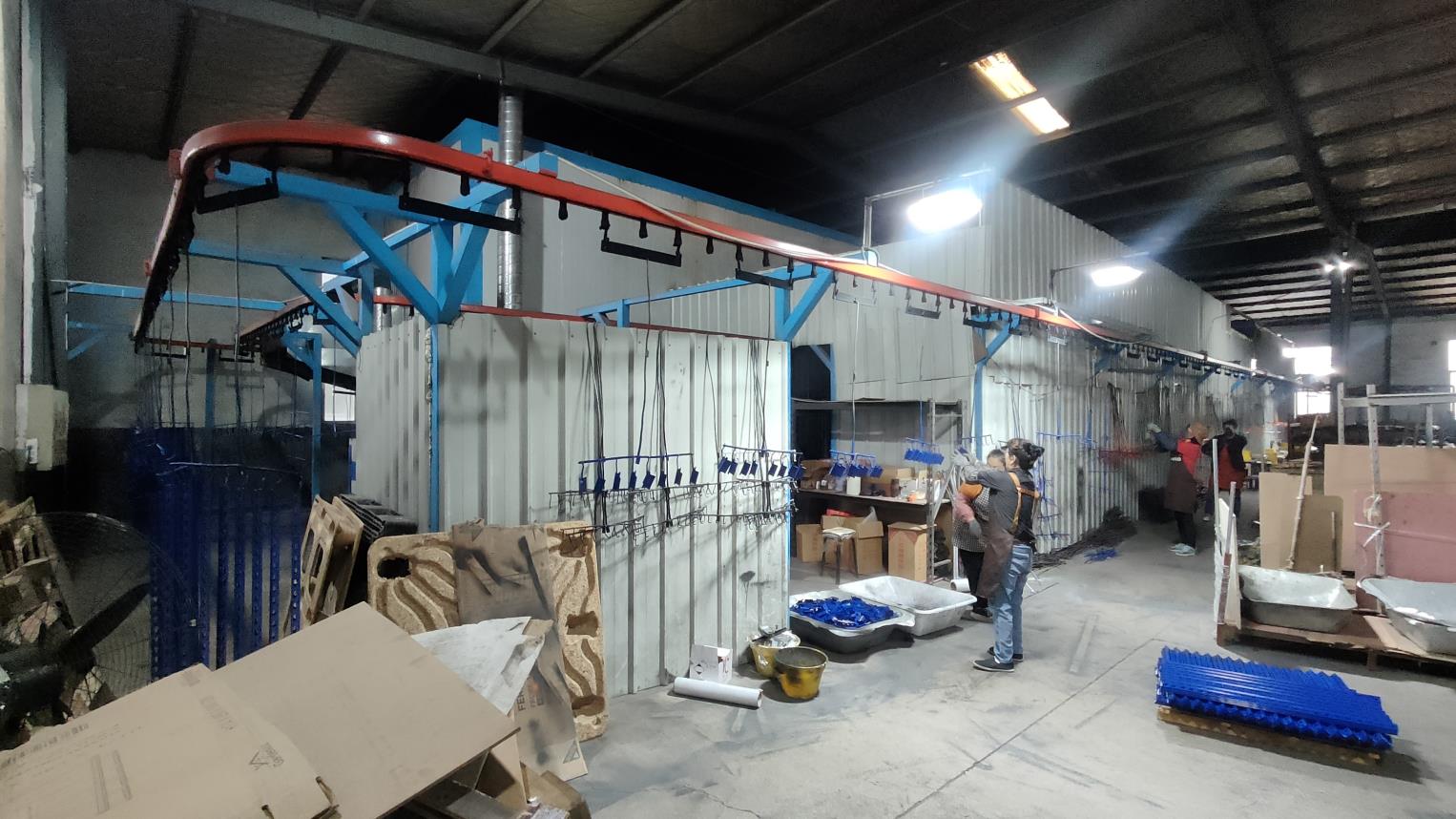
Ningbo Xinyi Metal Products Co., Ltd. operates a specialized 38,000 square meter facility utilizing advanced bending, automated welding, and multi-stage coating lines.
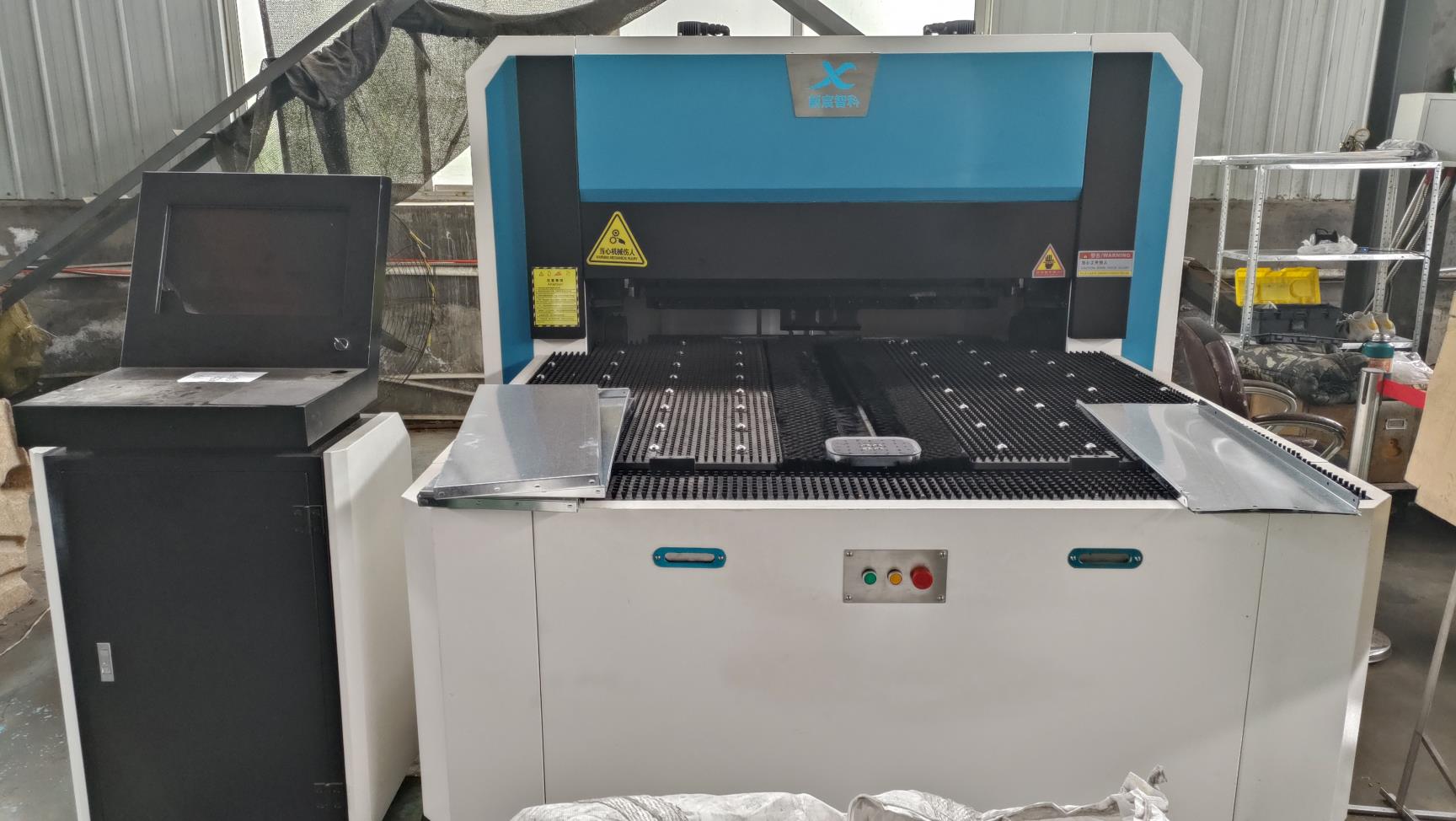
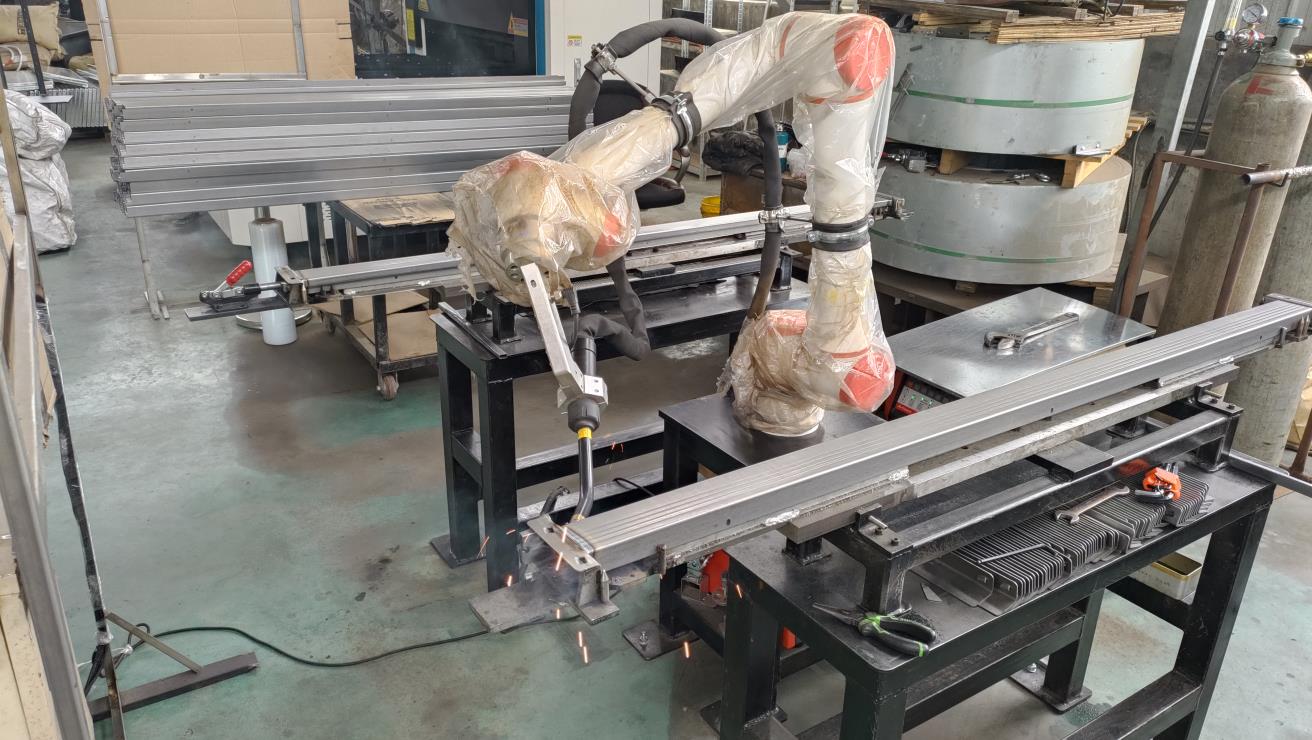
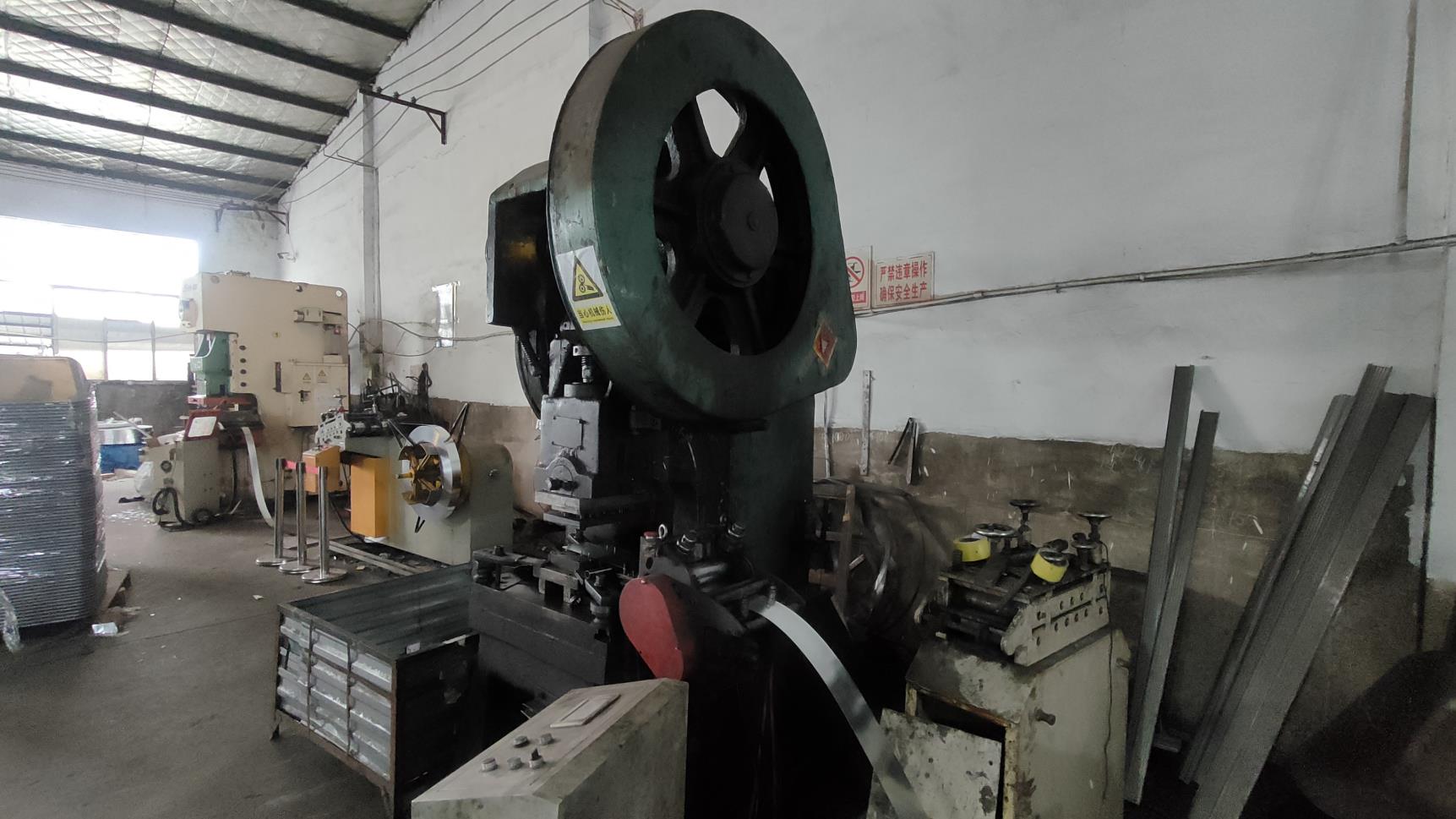
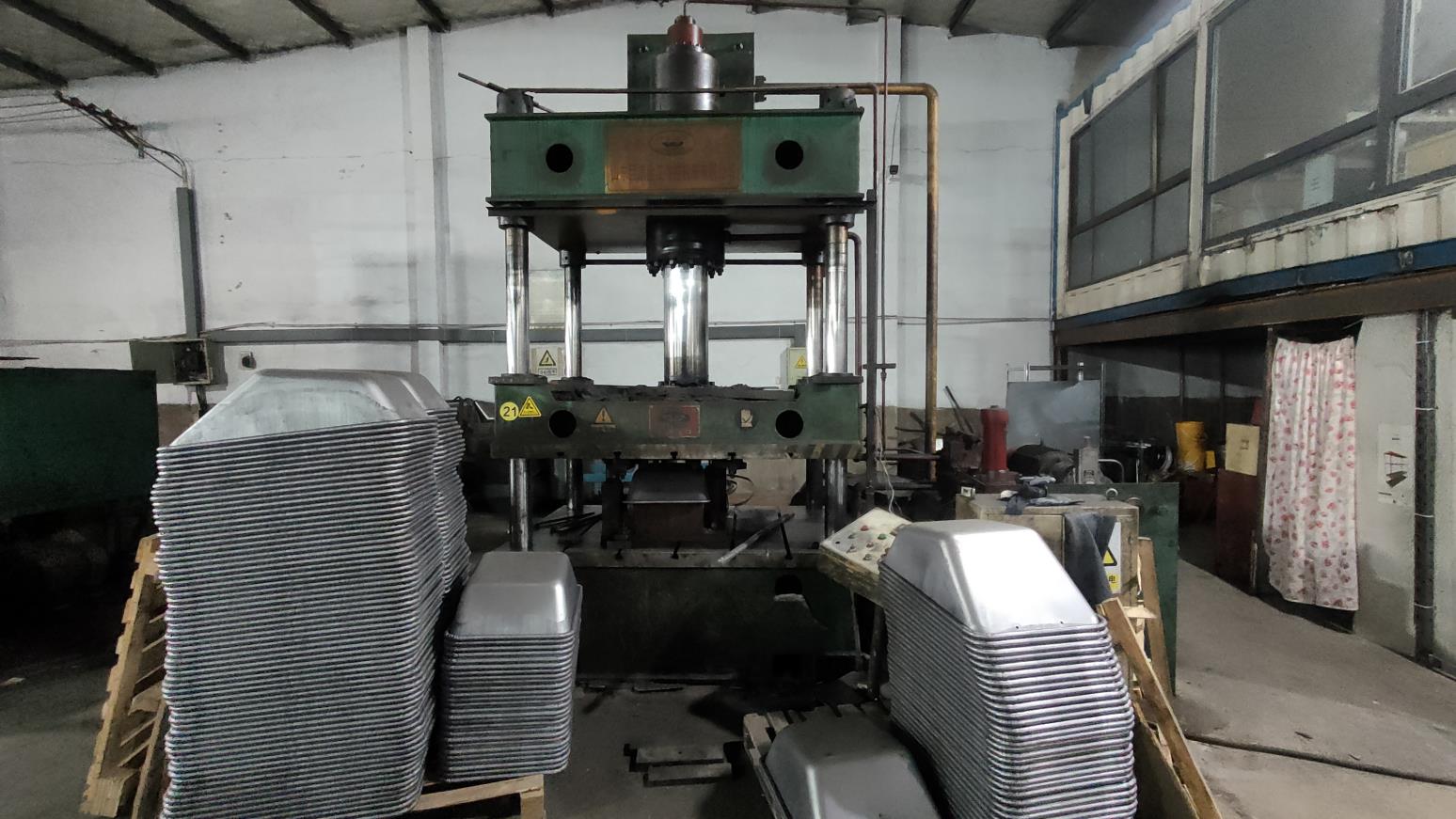
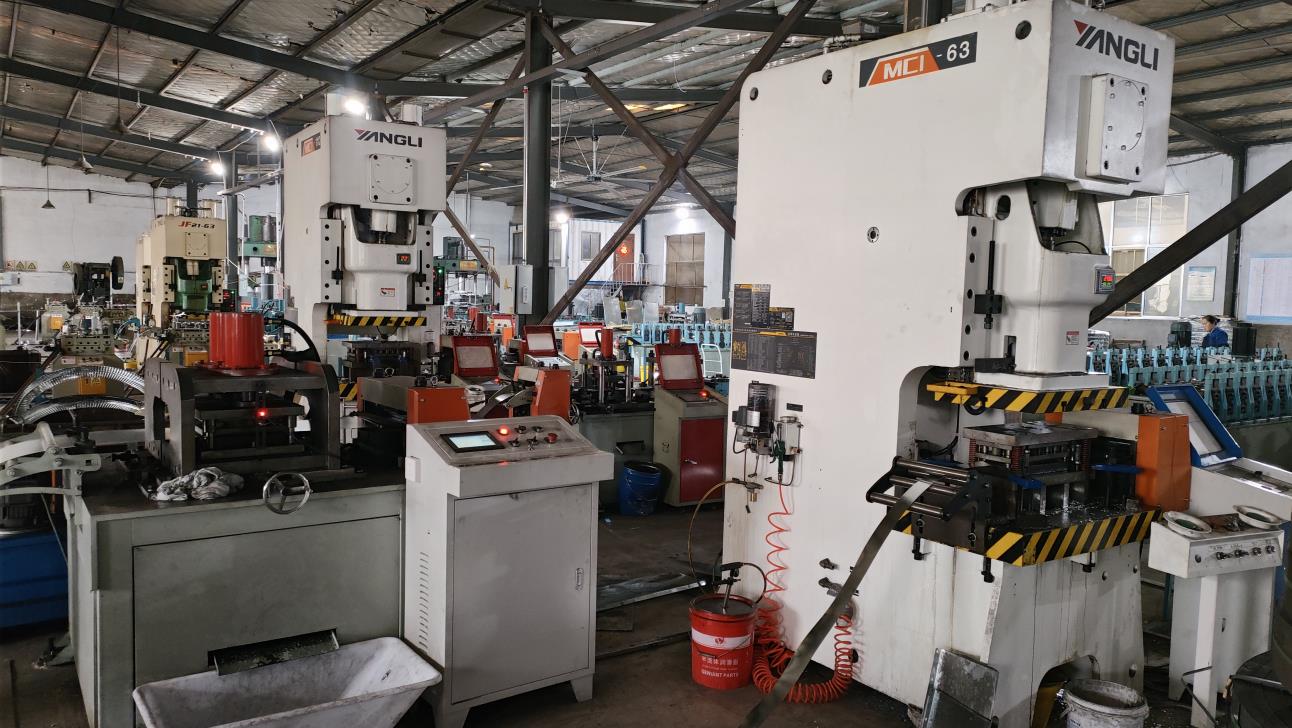
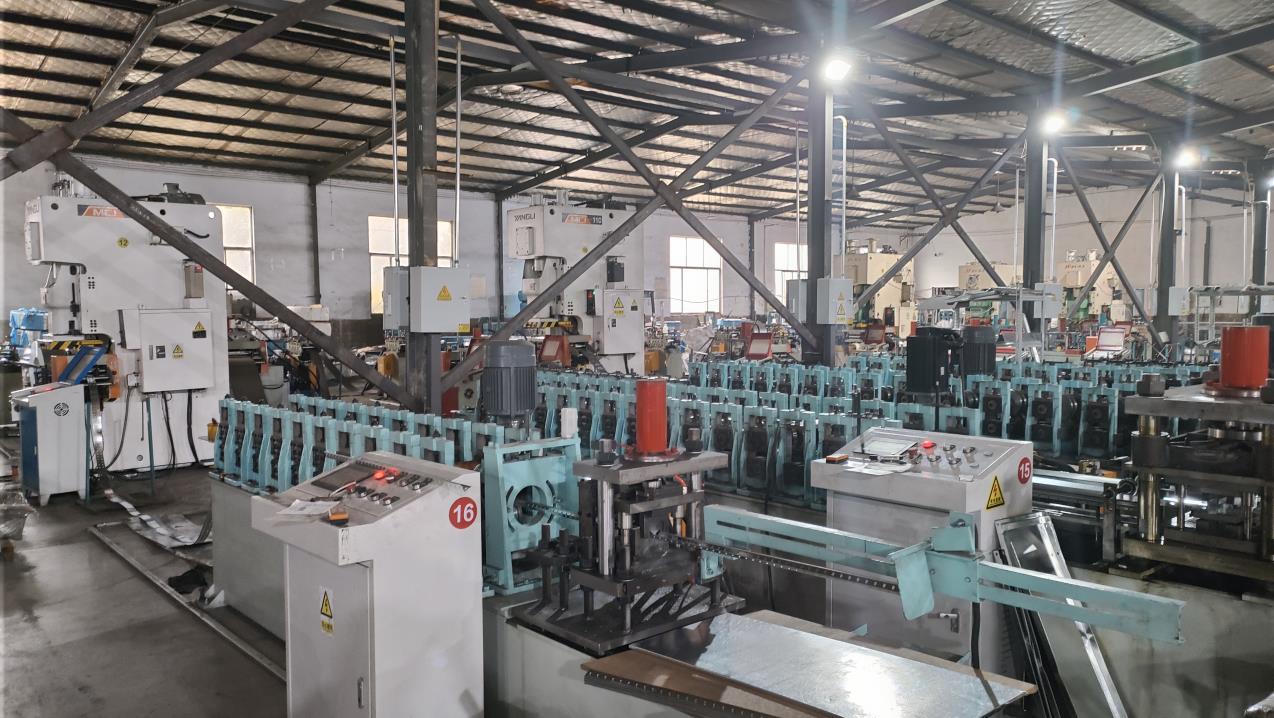
The global storage market is rapidly transitioning from passive static racking systems toward highly integrated semi-automated and automated systems. Over the next decade, our research and engineering resources will focus on this conversion, establishing a framework that bridges mechanical reliability with digital warehouse tracking.
Utilizing premium grade Q235B and Q355B steel to reduce weight while increasing load capacity. Finite Element Analysis (FEA) is performed to model seismic tolerances for earthquake-prone geographic distribution areas.
Implementing multi-stage zinc phosphate pre-treatment lines alongside premium powder coats to withstand long exposure in humid, cold, or hazardous chemical environments without chipping or oxidizing.
Developing racking tolerances optimized for automated storage and retrieval systems (AS/RS). Our upcoming utility platforms will support tracking tags and RFID inserts for smart fleet routing.
To operate reliably in regulated global regions, industrial metal platforms and warehouse shelving must undergo strict mechanical testing. Ningbo Xinyi Metal Products Co., Ltd. employs 45 certified inspection professionals who enforce a rigorous raw-material-to-finished-product tracking program. Testing protocols include:
Ultrasonic Weld Integrity Inspections: Non-destructive checks that scan deep-penetration weld joints for micro-fissures or hidden voids, ensuring maximum load transfers under dynamic weight shifts.
Universal Tensile Testing: Testing steel batches to destruction to verify that yield strength, elongation ratios, and overall tensile limits align with design tolerances.
Salt Spray Anti-Corrosion Evaluation: Exposing coated surfaces to a continuous, concentrated salt mist environment for over 500 hours to confirm compliance with global marine and industrial environment safety norms.
Dynamic Deflection Evaluations: Measuring beam and frame flexure under 1.5 times the rated load limit. Standard codes require the maximum vertical deflection ratio to remain within L/200, guaranteeing high stability and preventing permanent steel deformation.
Technical answers to essential questions regarding structural layout, steel certifications, customized OEM support, and supply chain management.
Browse our extensive selection of storage and transport solutions, engineered for maximum performance and industrial durability.
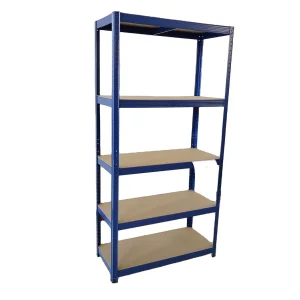
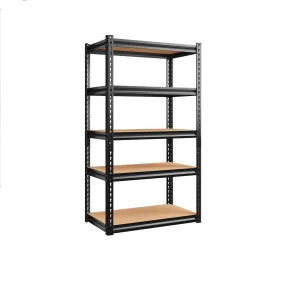
 Xinyi Racking