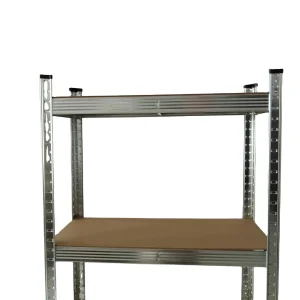
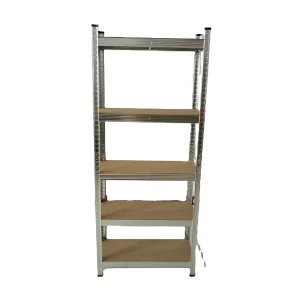
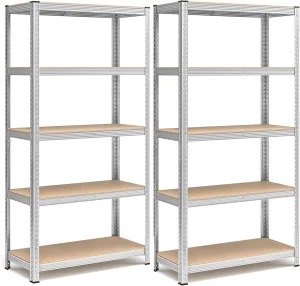
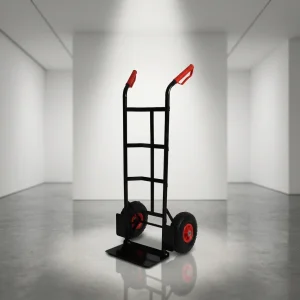
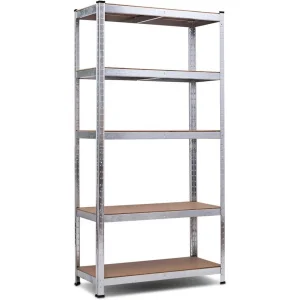
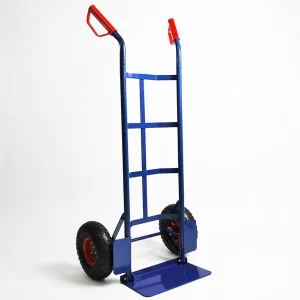
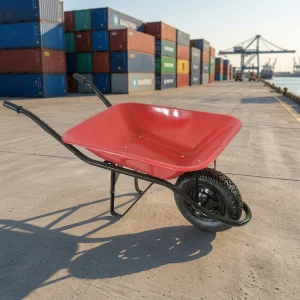
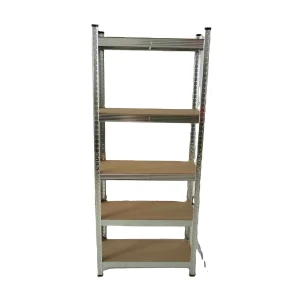
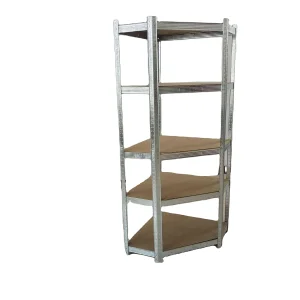
Engineered for high load capacity, optimum floor utilization, and rigorous warehouse safety standards.
A premier engineering powerhouse delivering structural integrity, seismic safety, and smart space planning since 2015.
Ningbo Xinyi Metal Products Co., Ltd. stands as a premier global leader specializing in heavy-duty industrial storage racks, pallet racking systems, and customized warehouse material handling solutions. Backed by 11 years of deep industry expertise and 8 years of international trade operations, our infrastructure enables us to manufacture systems that streamline supply chain efficiency. We serve enterprise facilities, e-commerce fulfillment centers, third-party logistics (3PL) providers, and industrial distributors across North America, Western Europe, Southeast Asia, and the Middle East.
Our operational framework is underpinned by a robust supply chain network of over 850 partners supplying premium structural steel, eco-friendly powder coatings, and specialized hardware. By integrating sophisticated structural engineering with ISO-certified production lines, we ensure that every system deployed meets rigorous international structural and seismic standards.
Take a look inside our high-tech workshops featuring precision bending, automated welding, and advanced coating lines.
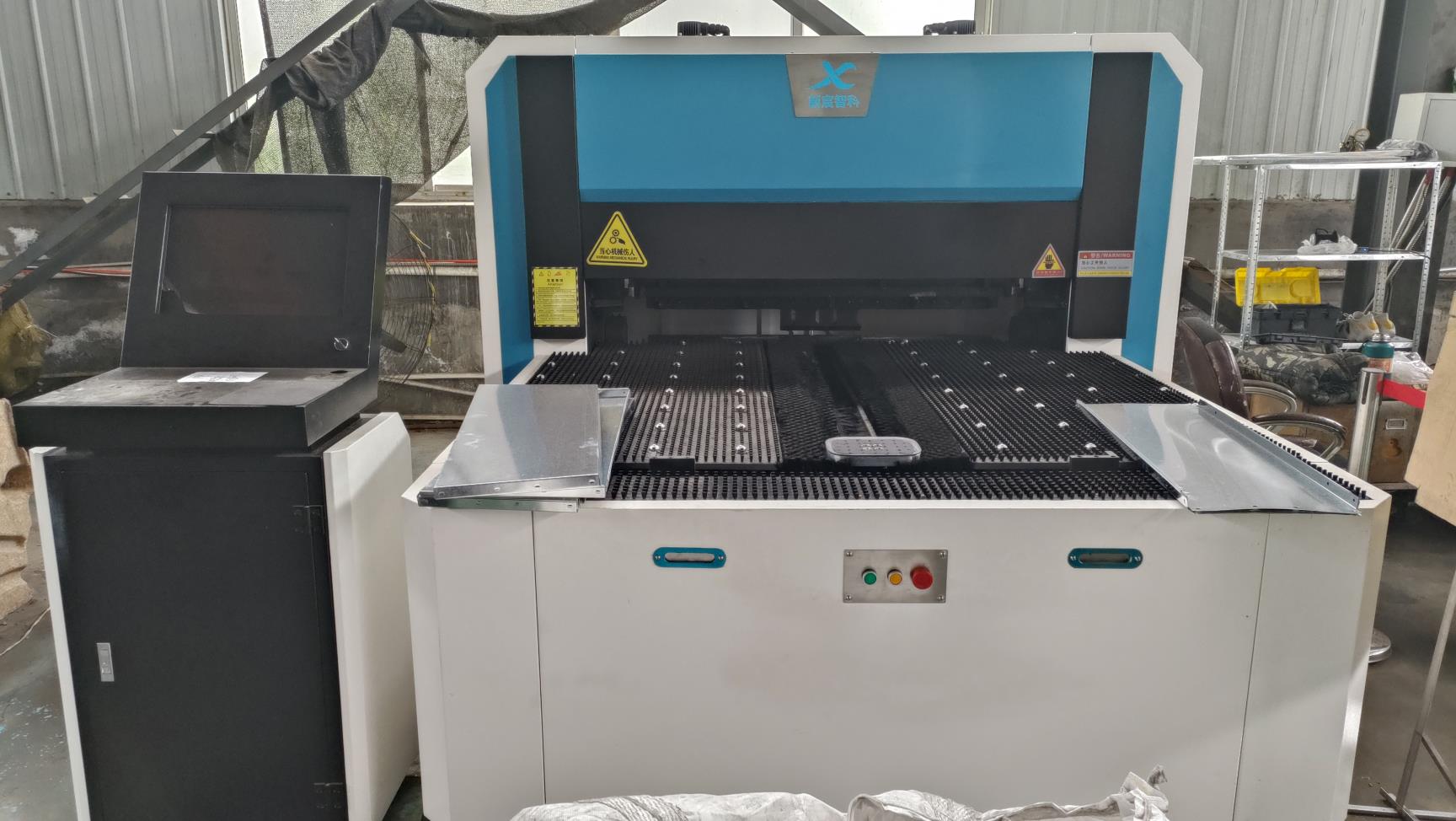
Raw Material Bending
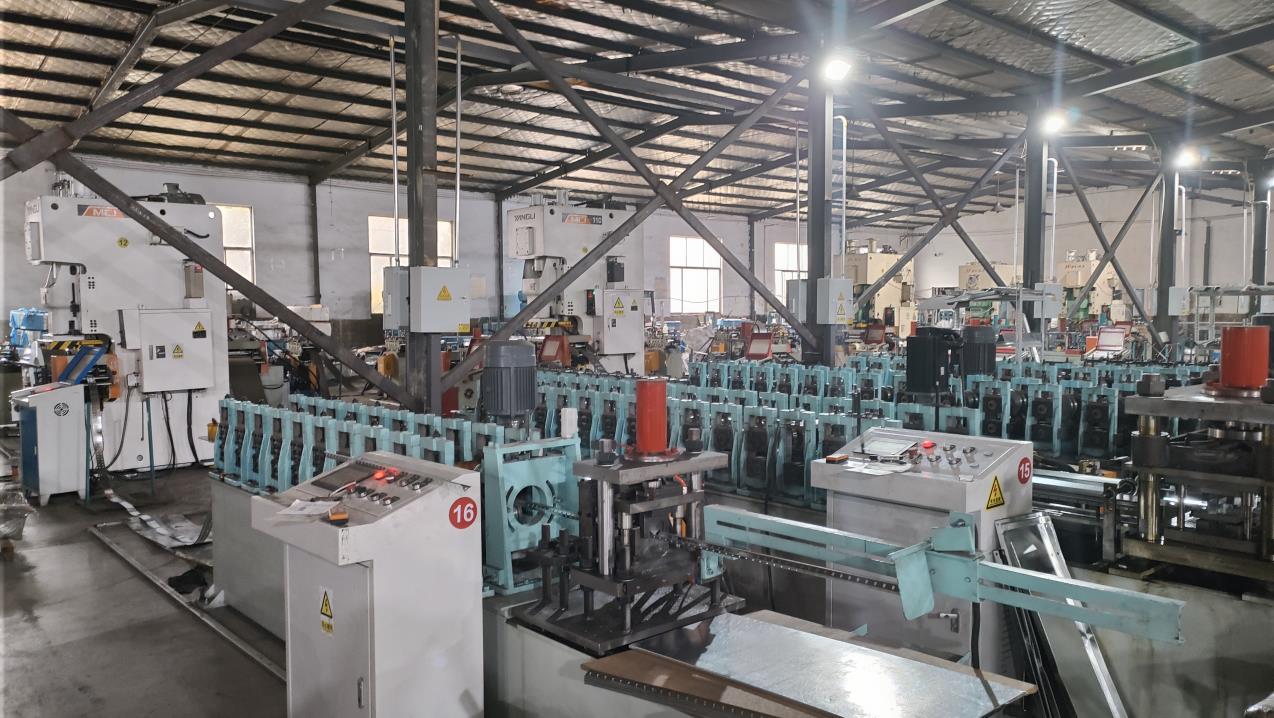
Stamping Forming
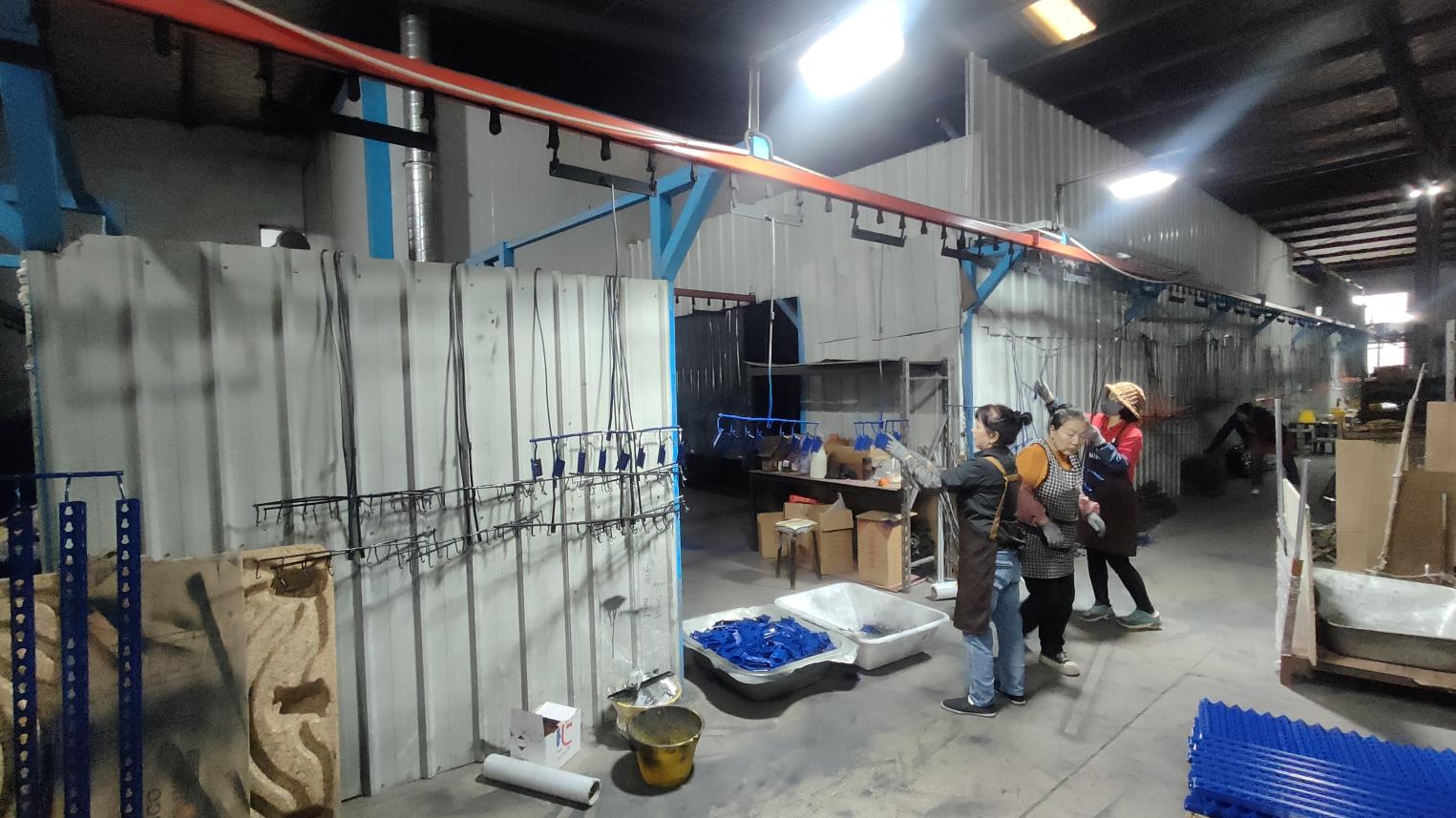
Spray Treatment
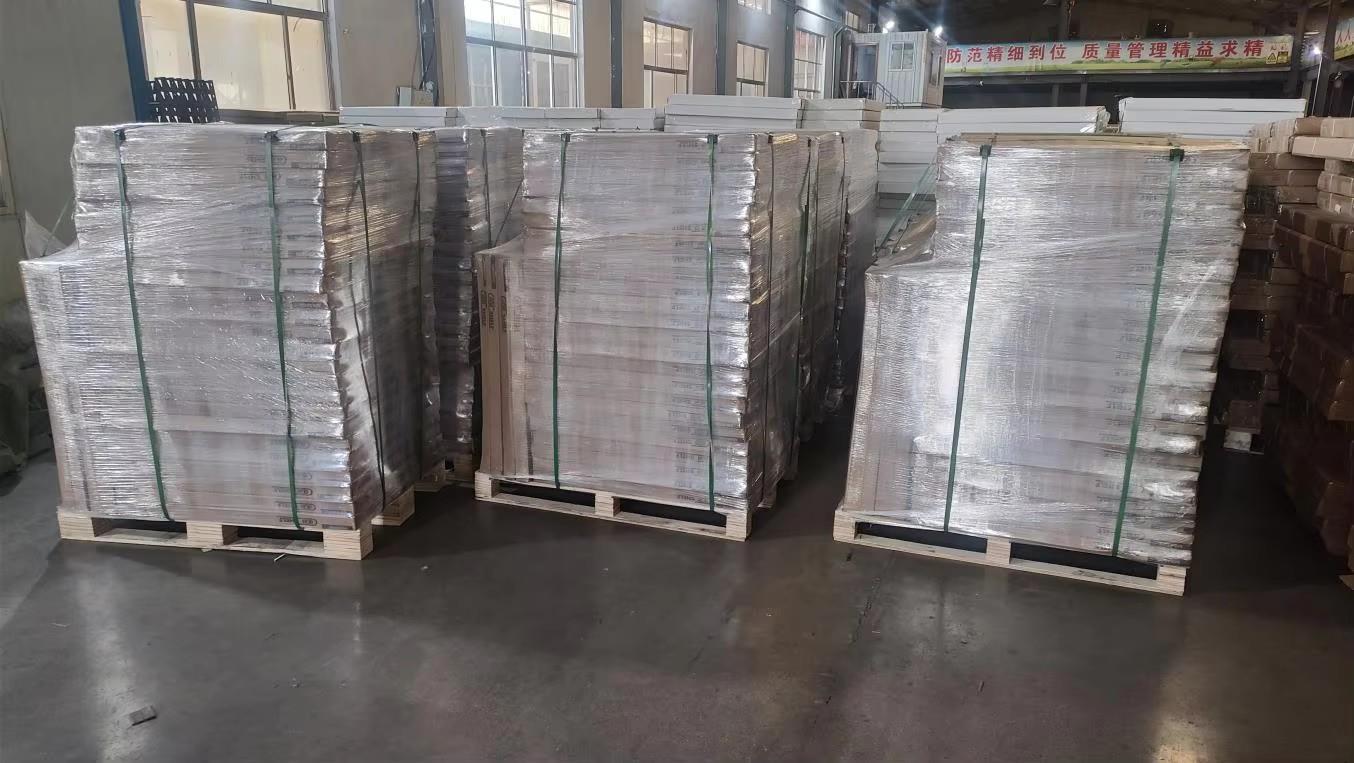
Packaging & Warehousing
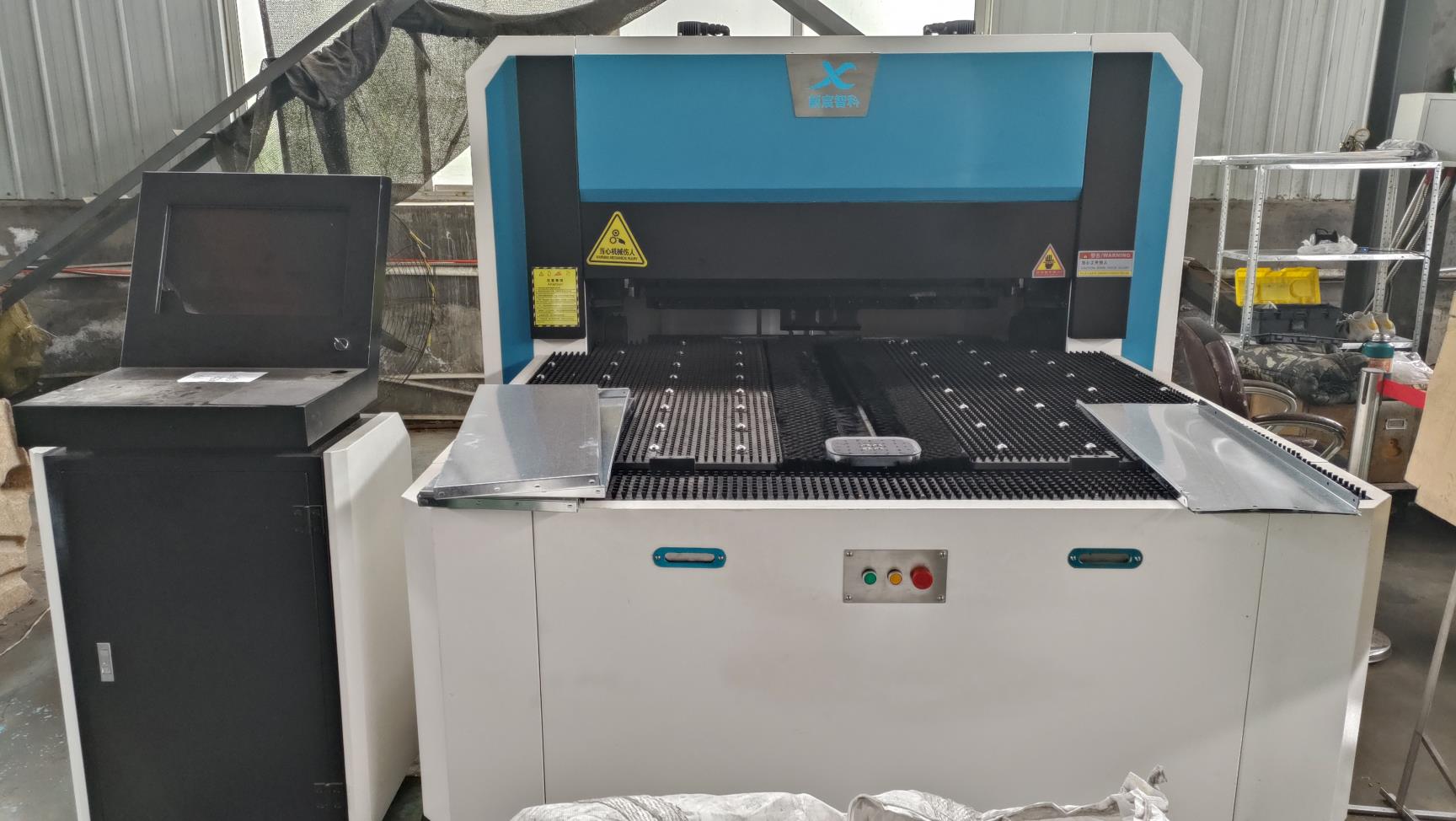
Automatic Bending Machine
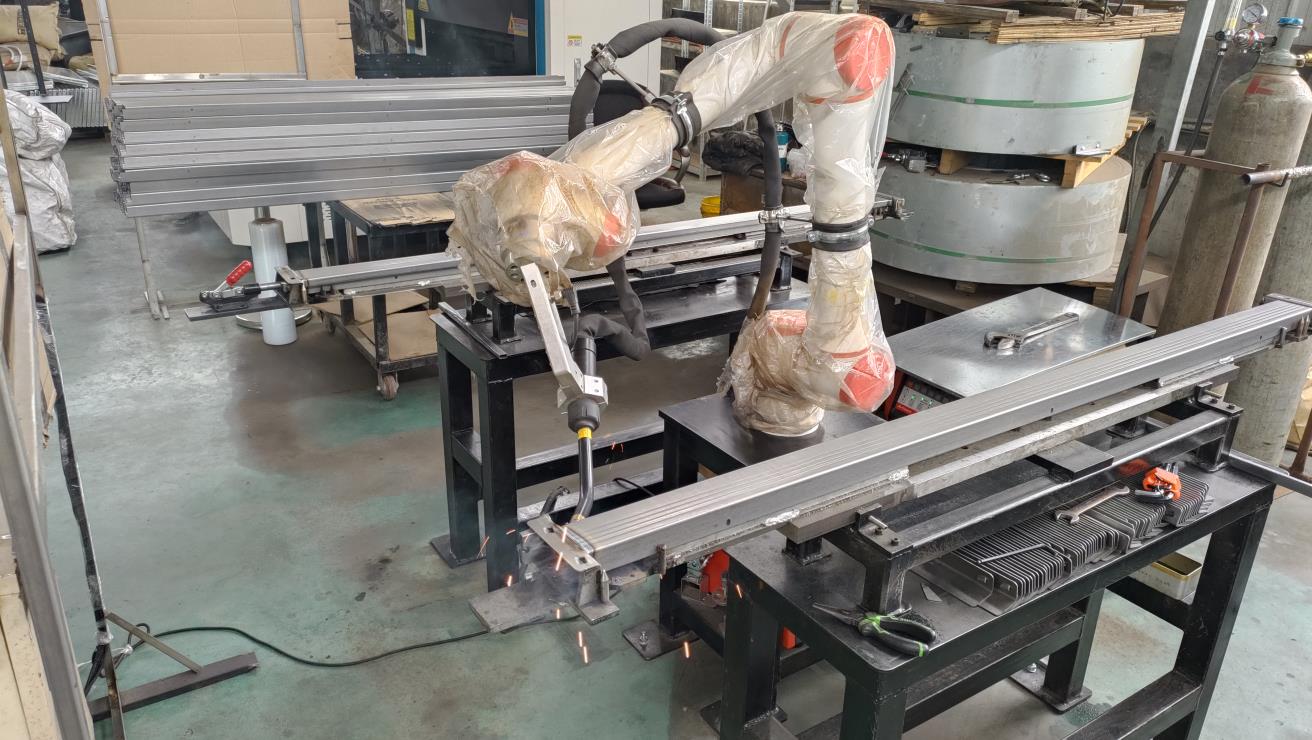
Automatic Welding Machine
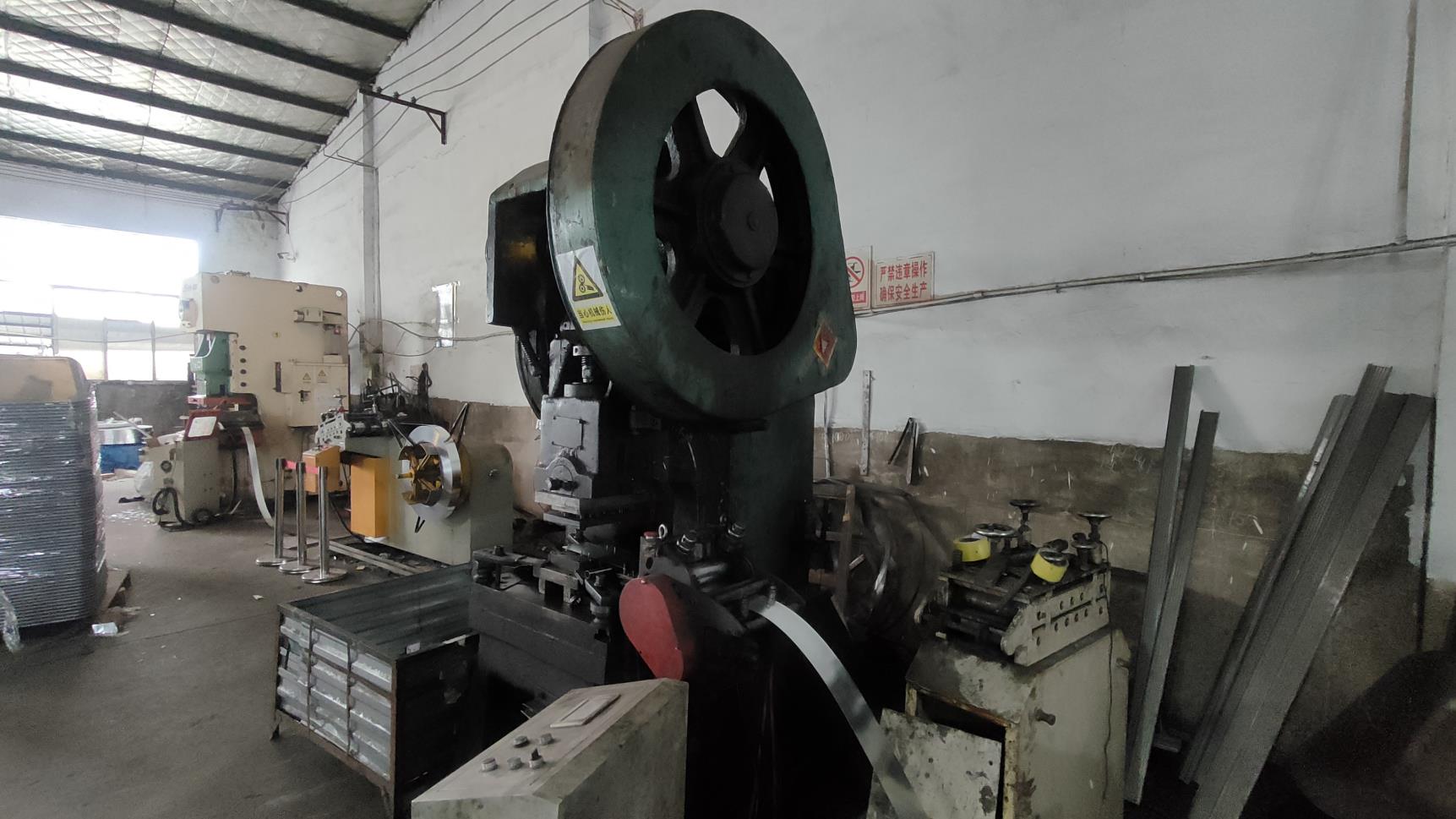
Stamping Press Station
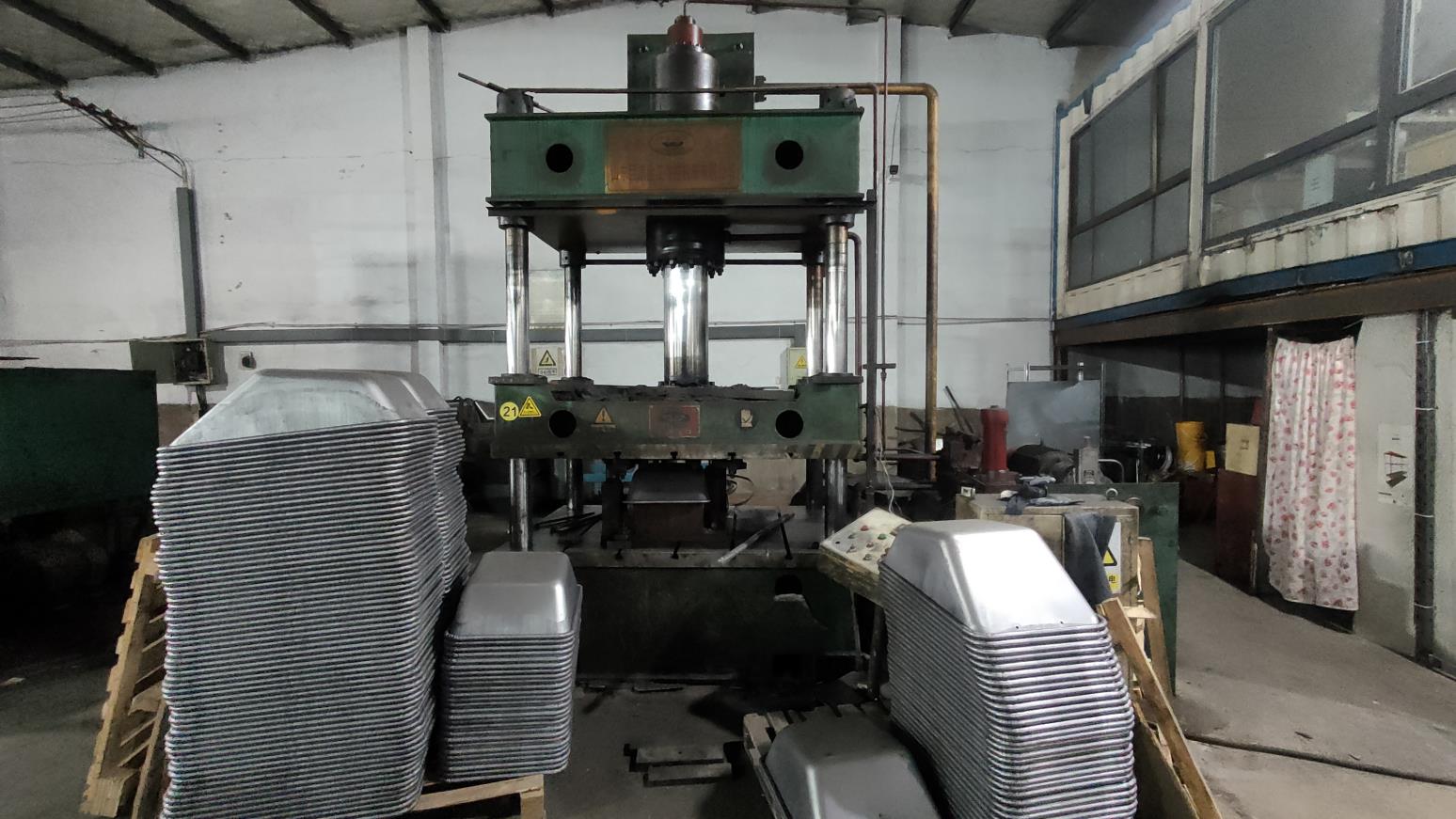
Heavy Press System
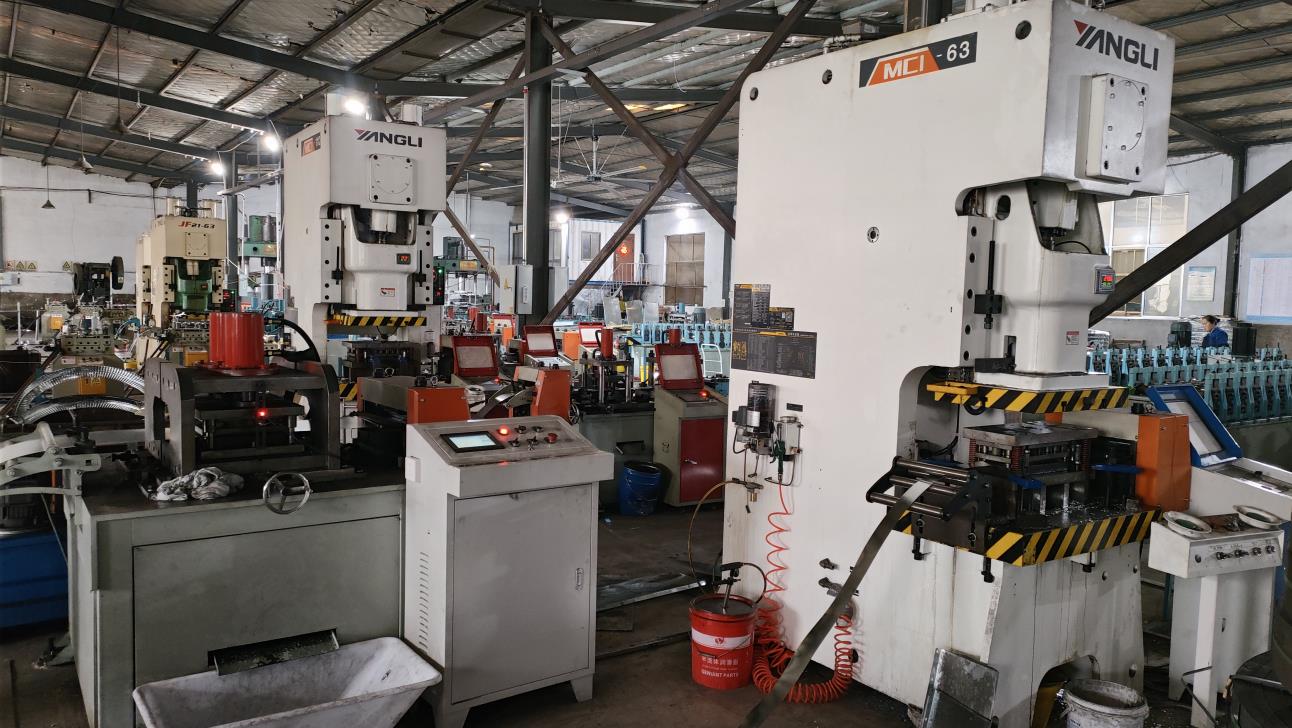
Stamping Press II
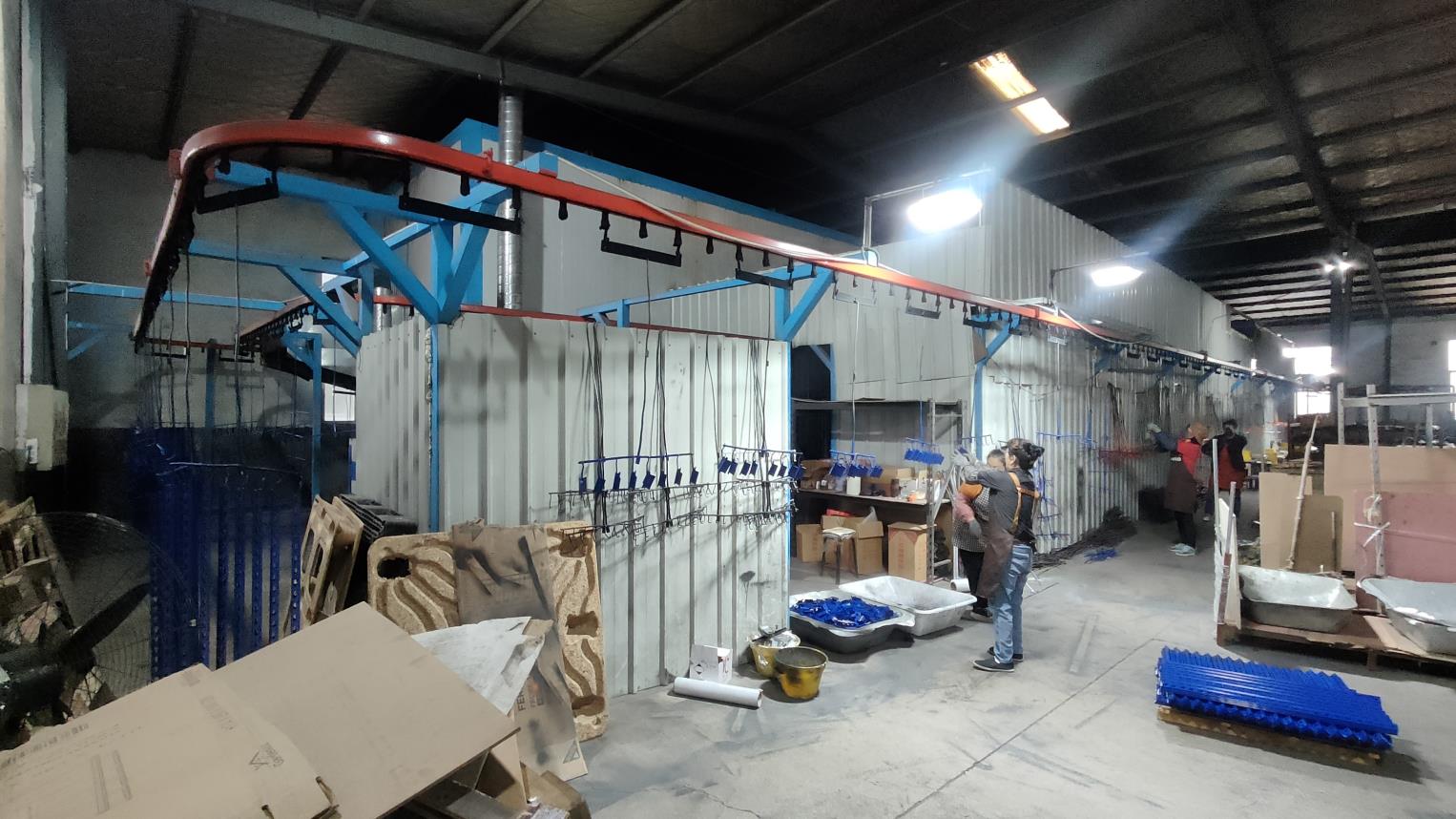
Automatic Spraying Line
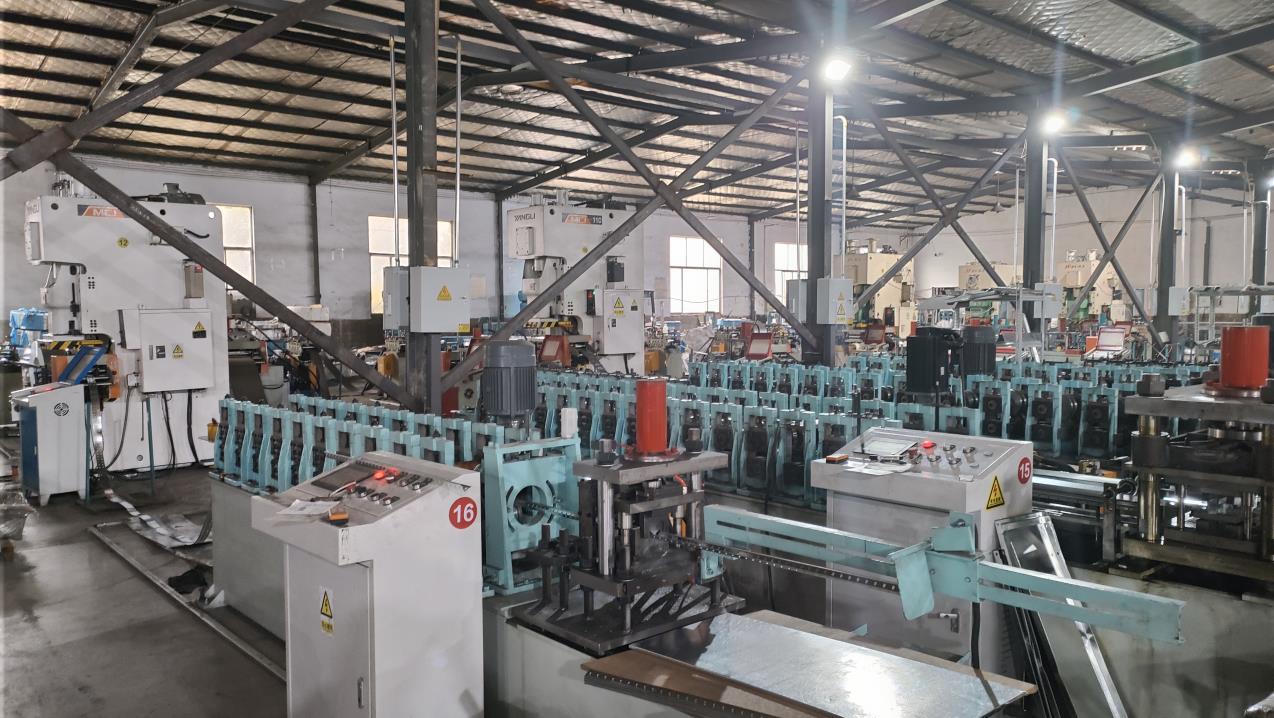
Forming Line
The global warehousing landscape is undergoing a structural paradigm shift. Dynamic macro-economic drivers—most notably the explosive rise of e-commerce, labor availability challenges, and real estate density pressures—have forced operations to move away from legacy static storage. Today’s industrial layouts are defined by vertical maximization, automation readiness, and structural dynamic safety.
With warehouse space costs rising, developers are building higher. Modern warehouses frequently exceed clear heights of 12 to 15 meters, requiring specialized heavy-duty racking columns designed to withstand immense compression forces. These high-density configurations, including VNA (Very Narrow Aisle) systems and Double-Deep pallet racks, reduce aisle widths by up to 50% while demanding tighter manufacturing tolerances (within millimeters) to ensure upright straightness.
Automation is no longer an optional luxury but a core design criteria. Contemporary layouts must interface with Automated Storage and Retrieval Systems (AS/RS), autonomous forklifts, and Autonomous Mobile Robots (AMRs). For racking manufacturers, this means integrating precise guide rails, specialized deck sensors, and highly uniform deflection boundaries. High load stability must be guaranteed because even a 2mm structural deflection can cause an automated crane or shuttle to halt operations.
“Modern material handling demands absolute precision. Standard mechanical tolerances are shrinking as automated systems require exact dimensions to prevent operational downtime and preserve structural health under high-frequency cycles.”
The push for net-zero carbon footprints across supply chains has entered the steel manufacturing and warehousing equipment sectors. Leading factories are shifting toward green steel—manufactured with reduced carbon emissions—and eco-friendly electrostatic powder-coating techniques that completely eliminate Volatile Organic Compounds (VOCs) and hazardous wastes. The longevity of corrosion protection, assessed through standard salt-spray chambers, ensures that systems last longer, decreasing the frequency of replacements and minimizing material lifecycle impacts.
Enterprise procurement departments must balance initial capital expenditure (CAPEX) with long-term structural integrity and compliance. Investing in poorly engineered racks can lead to failures, compliance violations, and production shutdowns. Procurement strategies typically focus on three core variables:
Buyers need verifiable traceability reports for raw structural steel. Using low-grade or inconsistent steel changes structural behavior under load. Factories must supply mill test certificates (typically ASTM or EN standard specifications) to verify yield strength, tensile limits, and chemical composition (carbon equivalents). This guarantees the racking components can withstand load stresses without structural breakdown.
Supply chain dynamics demand agile configurations. Enterprise buyers favor modular boltless assembly designs that allow shelves and beams to be easily reconfigured as inventory dimensions change. Furthermore, with tight commissioning schedules, lead-time dependability and manufacturing capacity are key differentiators. Reliable manufacturers maintain a strong supply network and high production volume to ensure on-time delivery.
A generic, one-size-fits-all rack cannot meet the complex operational requirements of diverse industries. Professional layout planning requires customization based on product movement velocity, SKU variety, storage density, and ambient environments.
E-commerce centers manage thousands of SKUs and require fast turnaround times. The ideal layout integrates pick-modules, multi-tier mezzanine platforms, and dynamic flow racks. This setup separates pedestrian picking zones from heavy vehicle transit lanes, maximizing safety and picking speed.
3PL operators require highly versatile storage layouts to accommodate changing client inventory types. High-capacity selective pallet racking systems, featuring adjustable beams and wire mesh decking, provide the necessary flexibility. They allow storage to easily scale from light retail goods to heavy industrial components without structural modifications.
Cold storage space is expensive to operate, making high-density configurations critical. Drive-In, Push-Back, or Pallet Runner systems maximize storage density and minimize the volume of refrigerated air. Steel selection is critical; cold storage racks must use specialized structural steel grades resistant to low-temperature embrittlement, combined with heavy-duty galvanized coatings to prevent rust from condensation.
To operate safely and legally, storage systems must comply with local engineering codes and safety guidelines. Installing non-compliant equipment exposes enterprises to liability, regulatory fines, and operational hazards.
In seismically active areas, racking systems must be engineered as building-like structures. Calculations must account for dynamic forces, soil classification, and horizontal acceleration factors. Upright bases must be oversized, anchors must be seismically rated, and frame designs must absorb seismic energy without collapsing.
Compliance is verified by adherence to internationally recognized industry testing frameworks:
As logistics technology evolves, storage rack design is transforming from static steel frames into active, intelligent components of the smart warehouse ecosystem.
Future racking systems will feature integrated strain gauges and load sensors. These devices monitor load weights in real time and automatically flag overloaded bays. They can also detect structural shifts caused by forklift impacts, warning managers of safety risks before a failure occurs.
Using Finite Element Analysis (FEA) and generative design software, engineers can optimize steel profiles for maximum load capacity with minimal material weight. This reduces shipping costs, simplifies installation, and lowers the carbon footprint of production.
Advanced nano-technology coatings are replacing standard powder paint. These new coatings provide superior scratch and impact resistance, along with enhanced protection in harsh conditions like coastal environments, chemical storage, or humid facilities.
Answers to common structural engineering, purchasing, and installation questions from procurement managers.
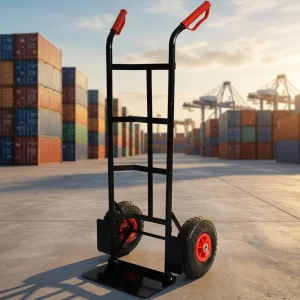
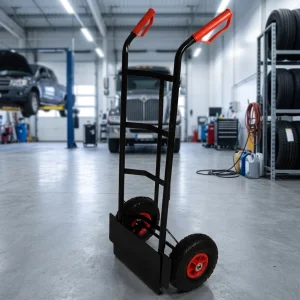
Explore our full line of industrial equipment, built for heavy load capacities and long-term durability in fast-paced logistics hubs.
 Xinyi Racking