Engineered for Philippines Logistics Hubs, Freeport Zones, and Enterprise Distribution Warehouses.
In the rapidly transforming manufacturing landscape of the Philippines—driven by high-growth industrial zones in CALABARZON (Cavite, Laguna, Batangas, Rizal, Quezon), Central Luzon (Clark and Subic Bay), and the southern logistics clusters of Cebu and Davao—operational efficiency is heavily dependent on robust material handling infrastructure. Polyurethane (PU) wheels and casters form the physical backbone of these mobility systems, ensuring that raw material flow, intra-factory transit, and distribution networks operate at peak efficiency.
This comprehensive industry analysis details the technical performance requirements, supply chain configurations, and local economic conditions that define the selection and deployment of high-grade PU wheels and metal racking components in the tropical and maritime industrial environments of the Philippines.
The Philippines’ geographic profile presents unique challenges for storage and transit systems. Highly saline sea breezes from Manila Bay and the Pacific Ocean, combined with indoor relative humidity levels frequently exceeding 85%, pose severe risks to metal structures and wheel bearings. Standard rubber or low-grade nylon wheels deteriorate rapidly under these conditions; rubber experiences dry rot and degradation, while cheap nylon absorbs moisture, leading to dimensional instability and structural failure.
Industrial operations in economic zones like PEZA (Philippine Economic Zone Authority) demand components capable of withstanding these microclimates. Polyurethane wheels are globally recognized as the ideal solution due to their hydrophobic properties, chemical resistance to local cleaning solvents, and high floor-protection capabilities. In warehouses containing heavy-duty racking systems, movable hand trolleys and platform trucks equipped with PU casters minimize floor damage on polished concrete, which is standard in modern Philippine cold storage and e-commerce fulfillment sites.
Tropical climates cause conventional polyurethane formulated with TDI (Toluene Diisocyanate) to undergo accelerated hydrolytic cleavage. For the Philippine market, our engineering team utilizes premium MDI (Methylene Diphenyl Diisocyanate) pre-polymer formulations. This chemical configuration drastically improves resistance to moisture-induced degradation, maintaining structural elasticity and structural integrity in 90%+ humidity environments.
To understand the performance differentiation of premium PU wheels, it is essential to analyze the chemical and mechanical properties that dictate their load capacity, rolling resistance, and life cycle:
| Performance Indicator | Standard PU Wheels (TDI) | Premium Hydrolysis-Resistant PU (MDI) | Impact on Philippine Operations |
|---|---|---|---|
| Shore Hardness Range | 80A - 90A | 90A - 98A (Optimized) | Easier rolling under maximum capacity, reducing operator fatigue on factory floors. |
| Hydrolysis Resistance | Low (Degrades in 12-18 months) | Exceptional (5+ Year Lifespan) | Prevents peeling and cracking in non-air-conditioned warehouses. |
| Dynamic Load Capacity | Up to 350 kg / caster | Up to 1,200 kg / caster | Enables safe transport of heavy machinery parts and steel metal stacking. |
| Elastomeric Memory | Moderate (Susceptible to flat spots) | High (Immediate recovery) | Prevents wheel deformation when trolleys remain static under full load. |
In heavy-duty warehouse applications, the bonding strength between the polyurethane tread and the core (typically cast iron, steel, or aluminum) is critical. Under high humidity, moisture can penetrate the interface and cause tread debonding. Our proprietary chemical bonding agents ensure a molecular-level link that exceeds ASTM D903 peel strength standards by over 40%, preventing disastrous structural separation during high-speed, automated material handling.
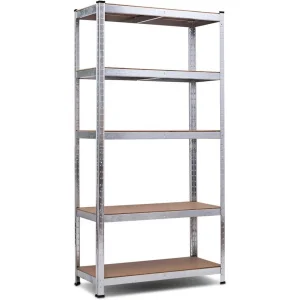
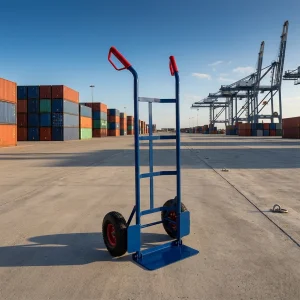
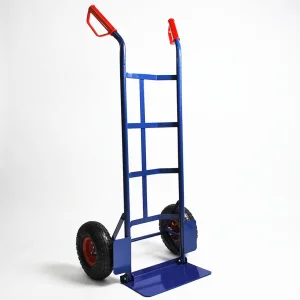
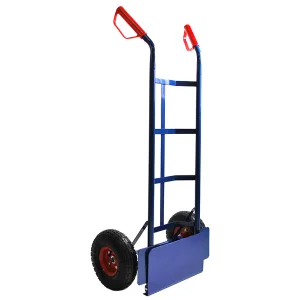
Modern storage design is no longer static. Supply chains require modularity where racking units, metal shelves, and transport trolleys interface seamlessly. In the Philippines, the integration of smart, space-optimized metal storage racks with high-mobility platform trolleys forms the foundation of modern logistics:
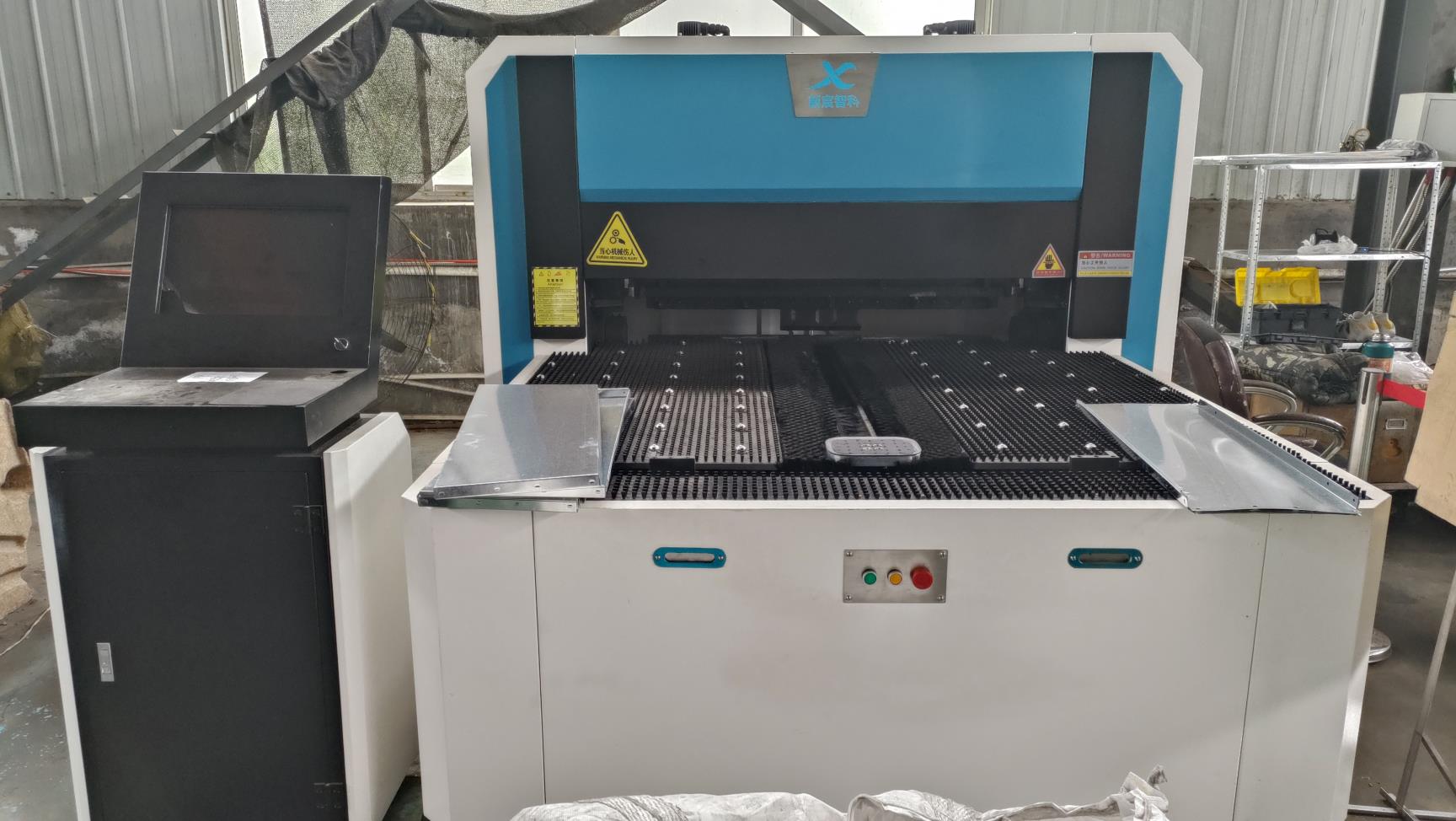
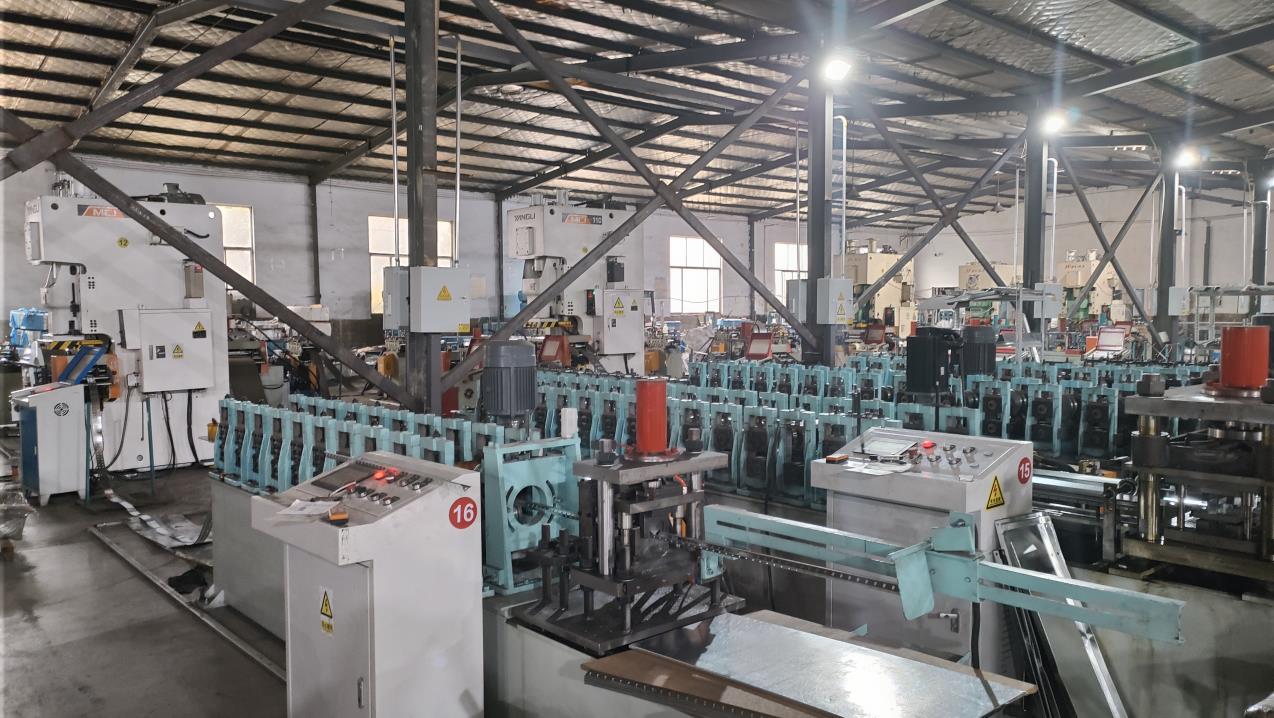
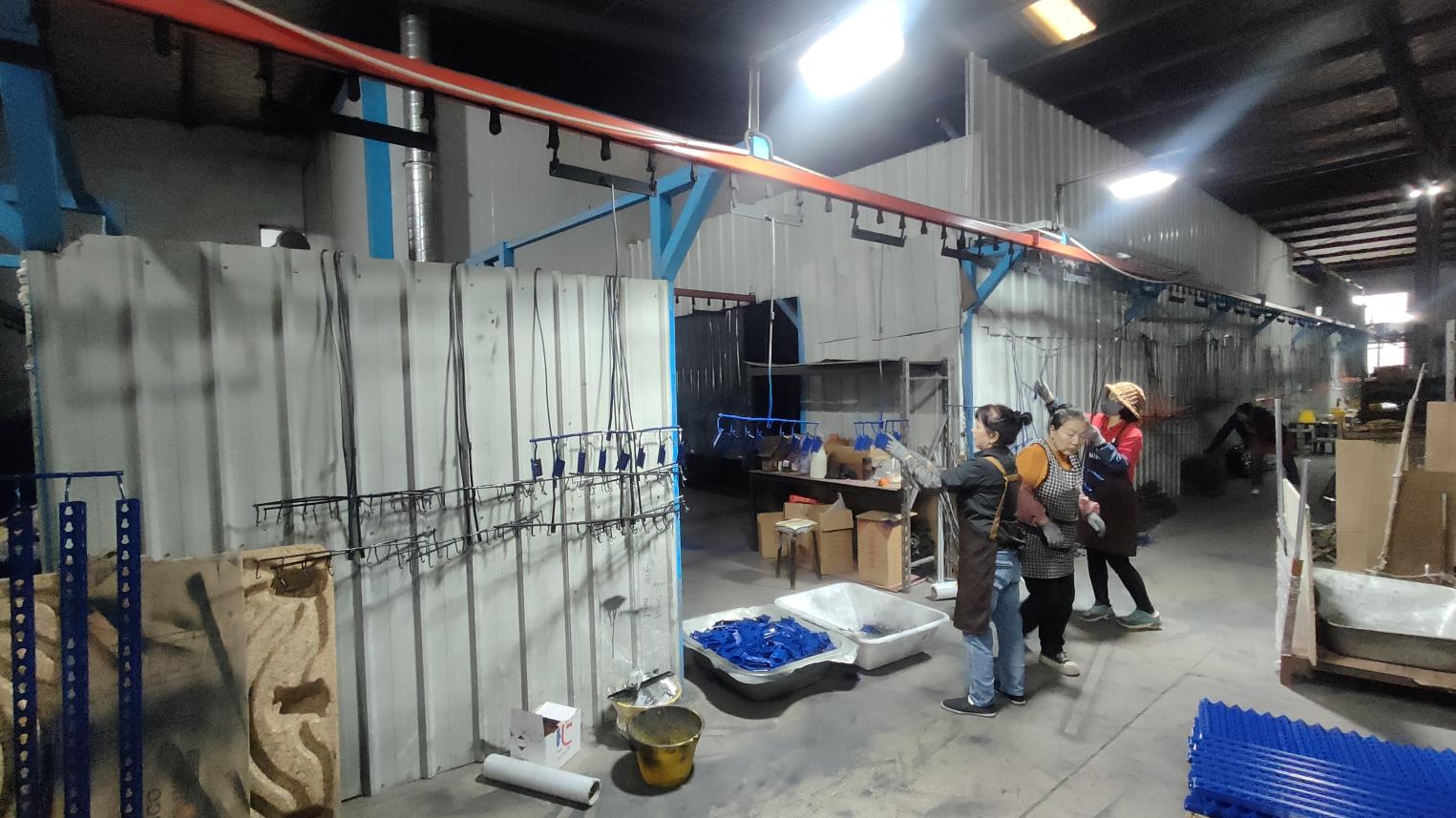
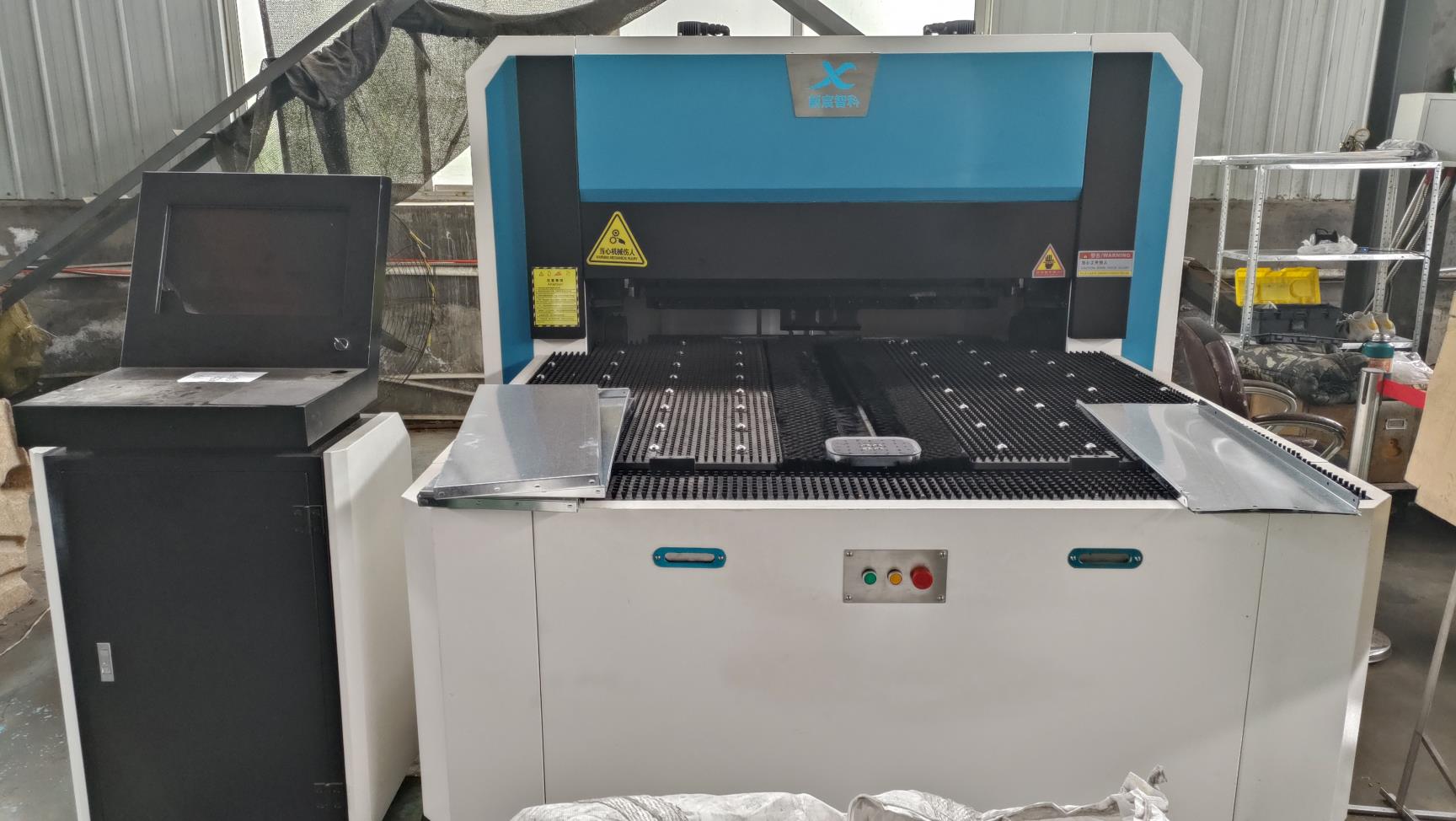
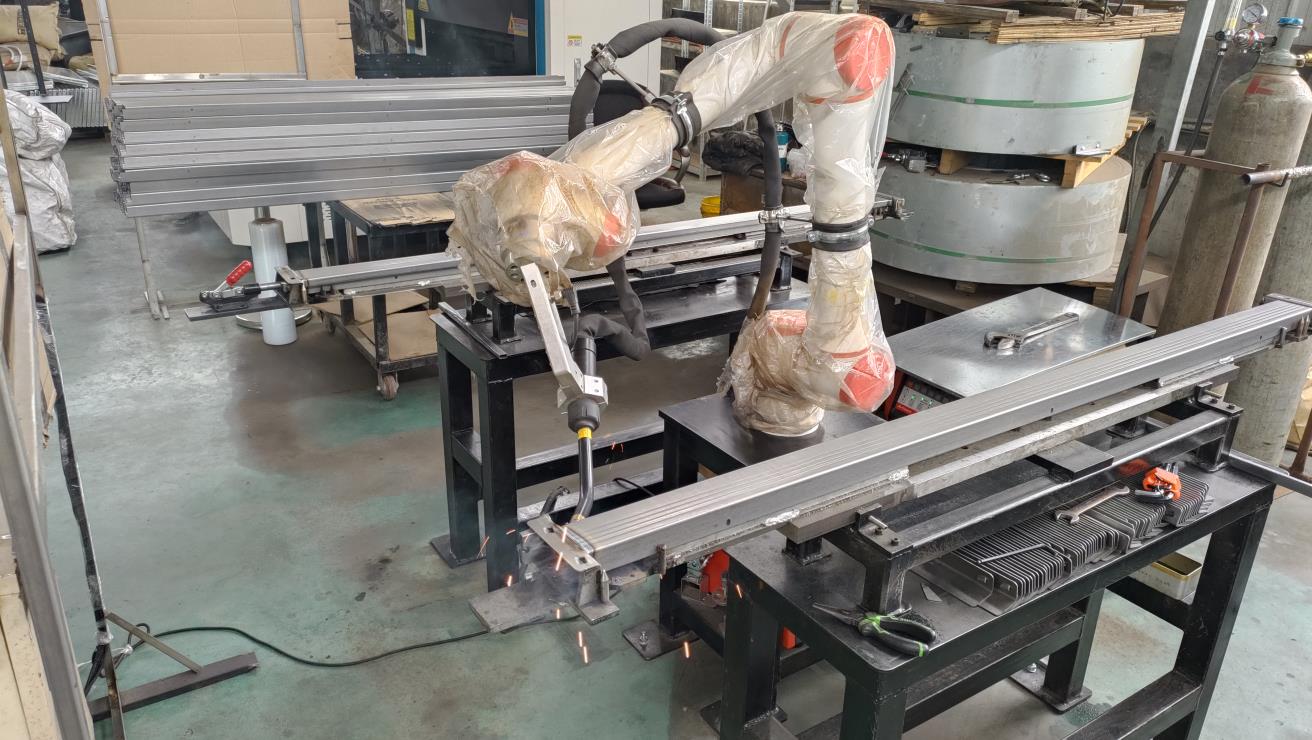
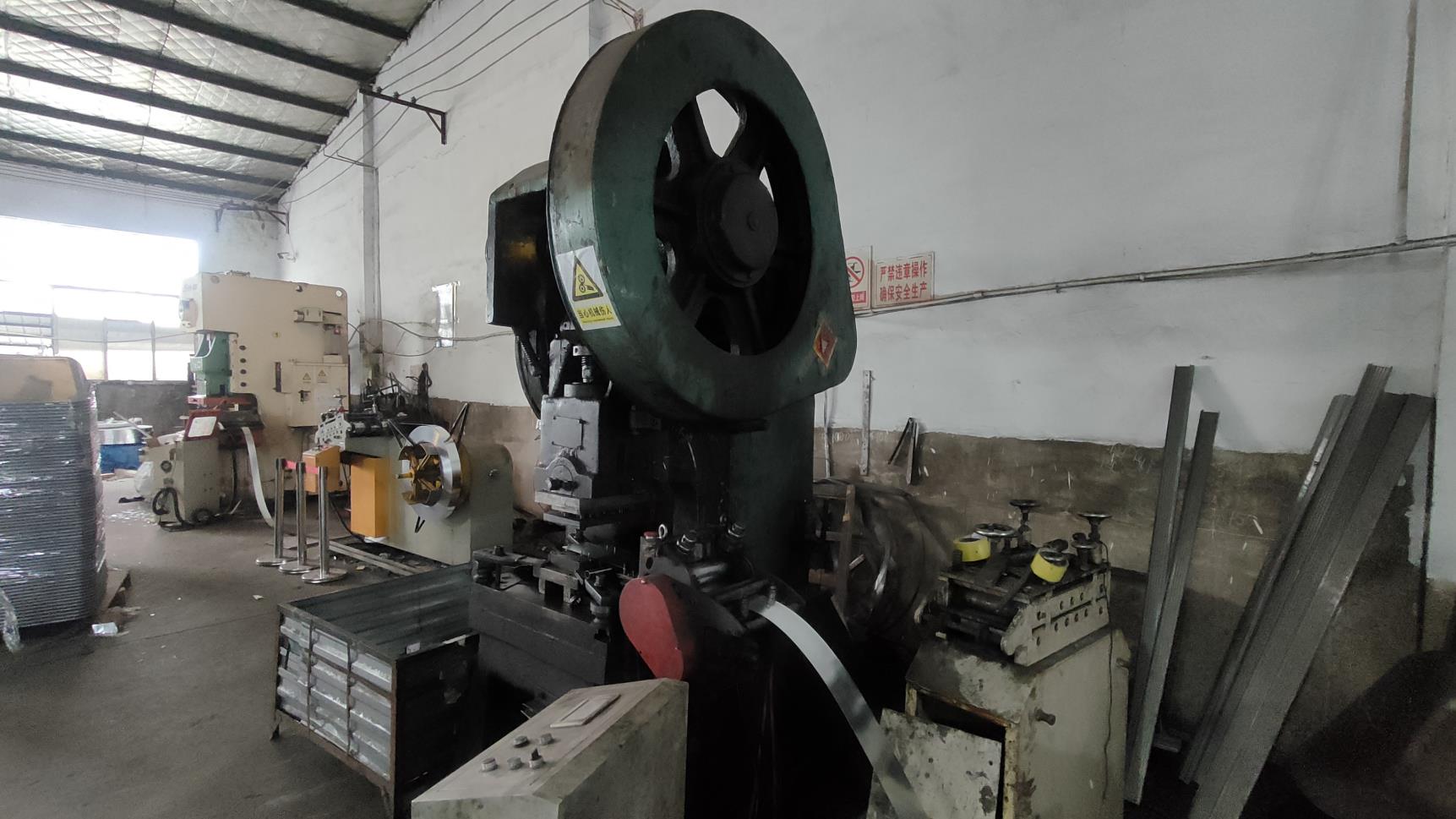
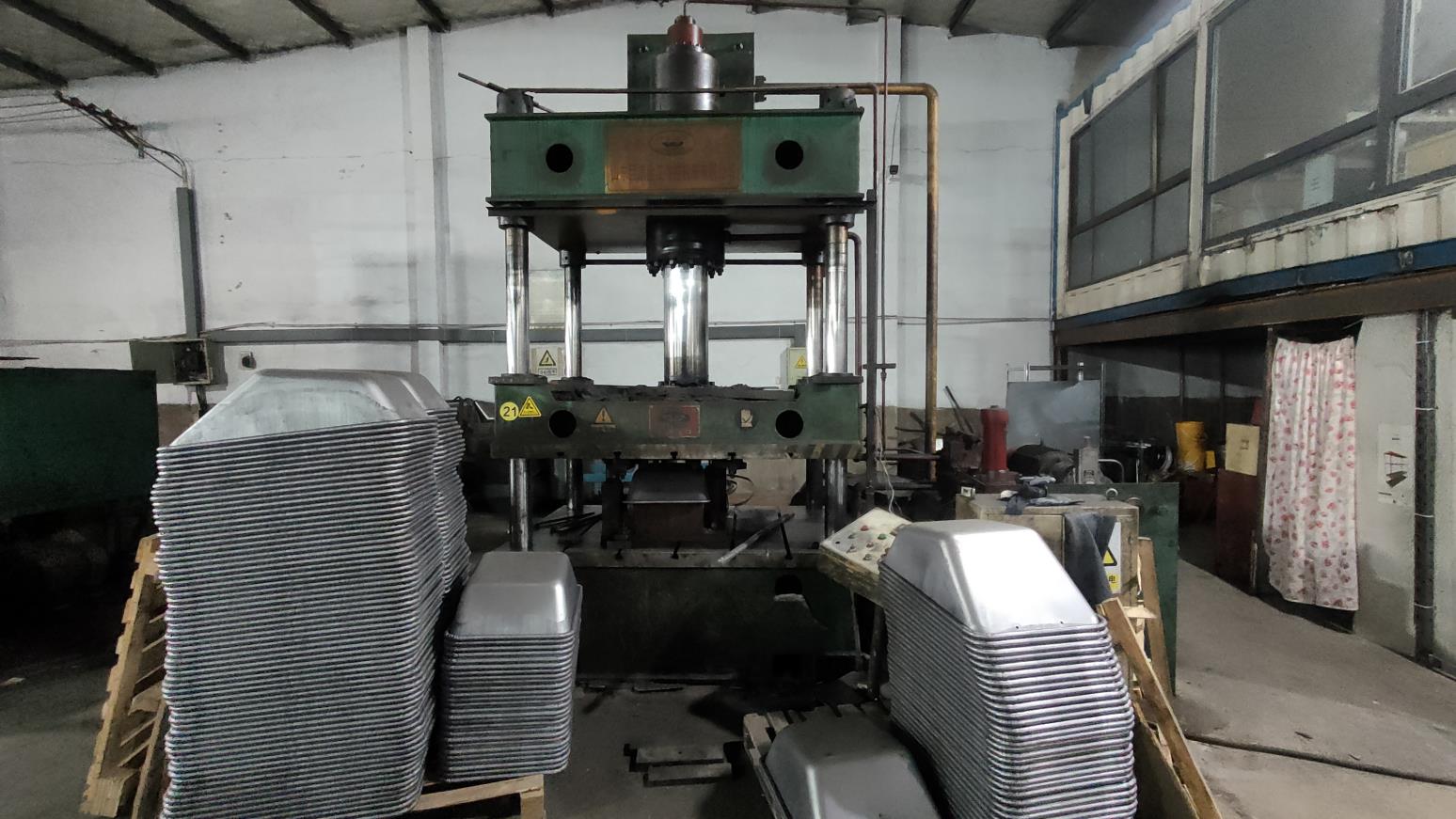
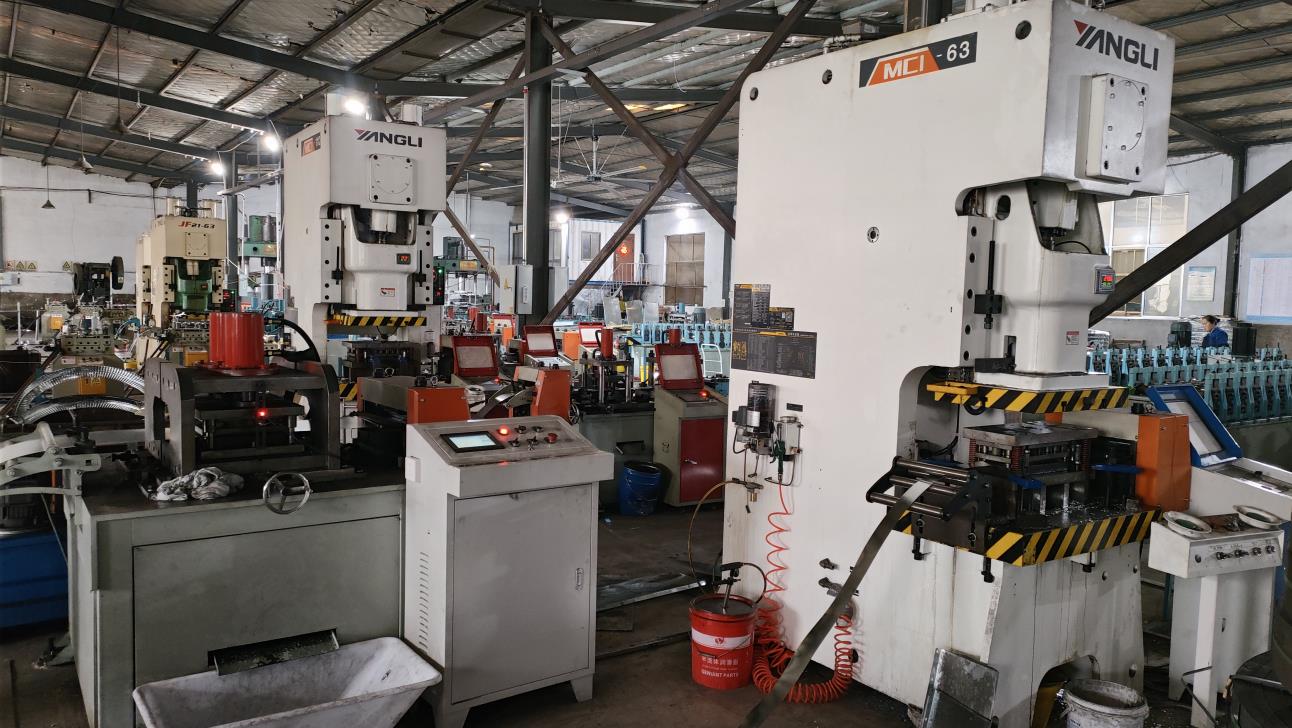
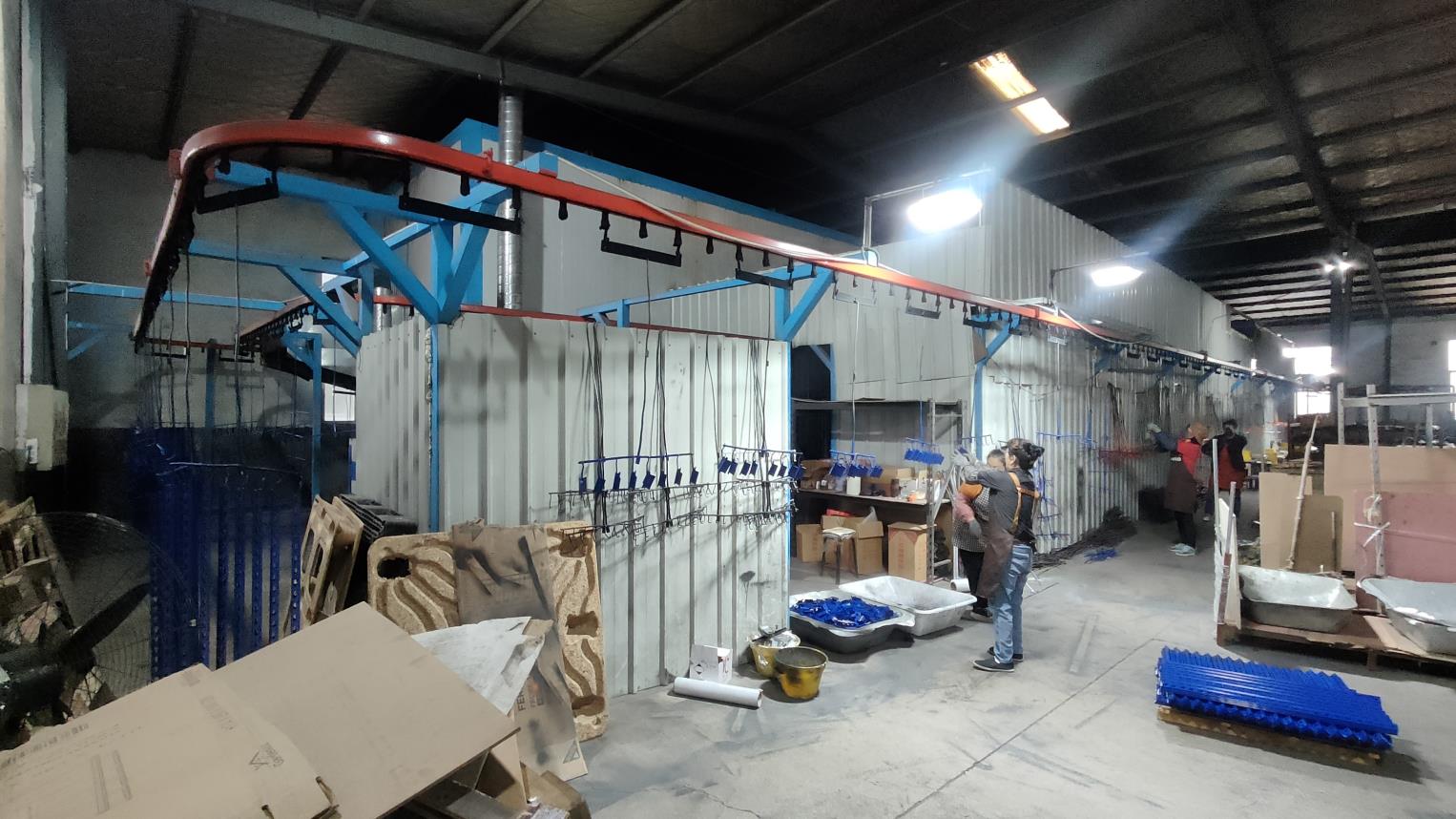
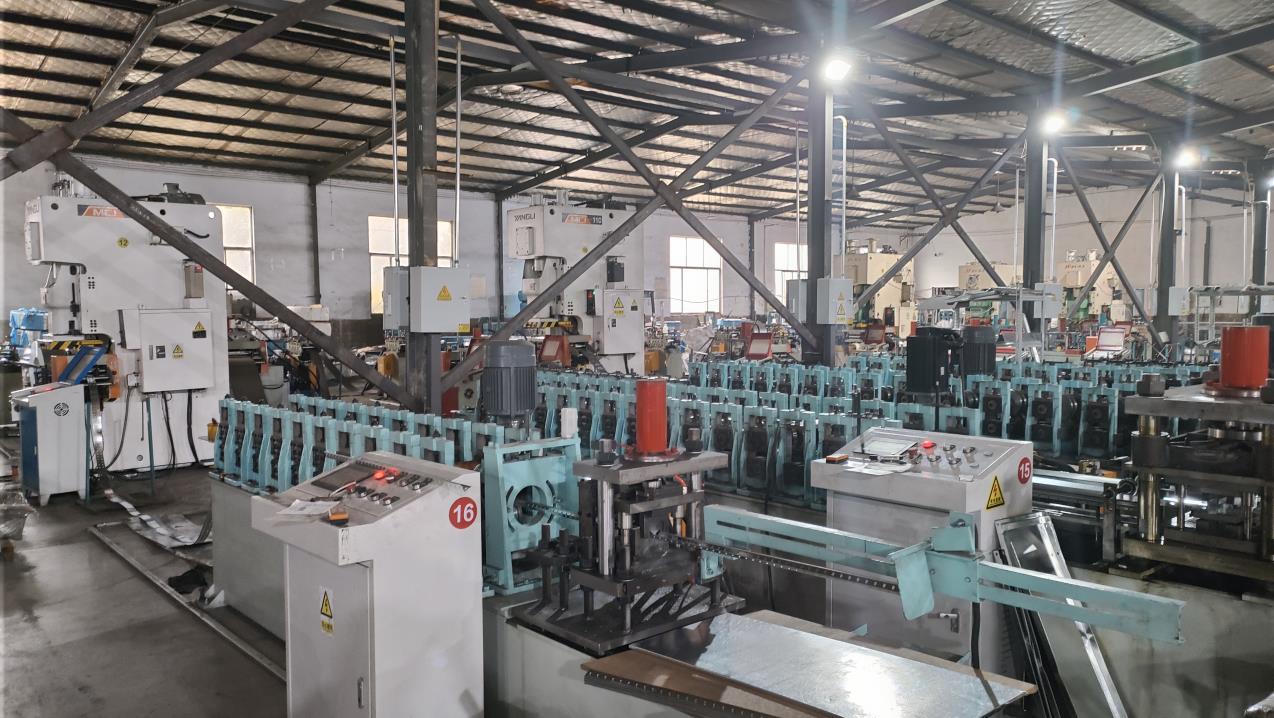
As a global leader in metal fabrication and industrial racking solutions, Ningbo Xinyi Metal Products Co., Ltd. leverage advanced automation and high-capacity supply networks to support the Philippine industrial sector. Our facility operates on a Factory 4.0 model, integrating automated raw material bending, precision stamping, robotic welding, and automated powder coating lines:
Our raw material sourcing relies on a network of over 850 verified partners, ensuring a steady supply of structural steel (Q235 and Q345 grade). By applying strict cold-rolling standards and electrostatic powder coating, our racking and metal trolleys resist paint chipping and rust, even in coastal environments. Our QA team of 45 certified professionals runs continuous quality tests, including salt-spray corrosion chamber tests (up to 500 hours), ultrasonic weld analysis, and structural load deflection calculations. This rigorous process guarantees that all shipments to the Philippines meet international safety codes (including FEM 10.2.02 and RMI standards).
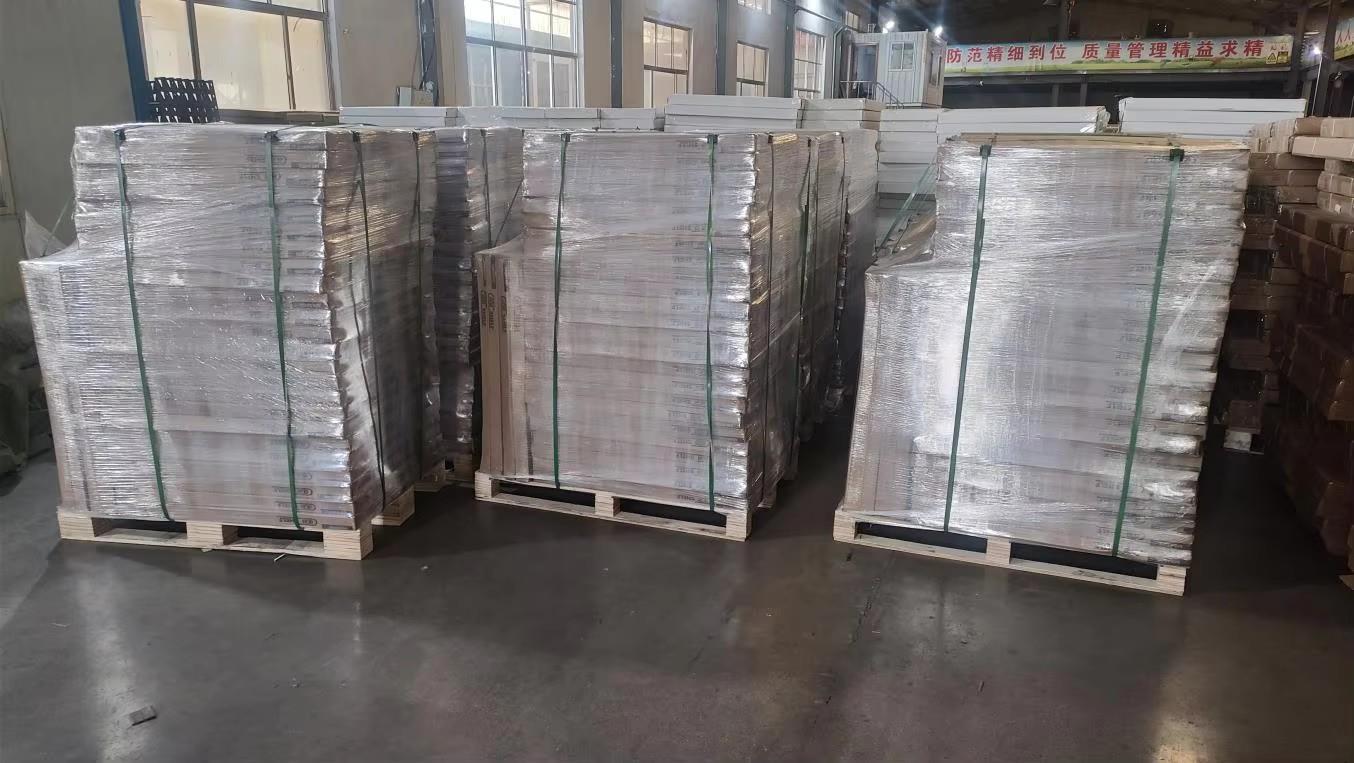
Navigating the import procedures of the Philippines Bureau of Customs (BOC) requires comprehensive documentation and compliance with local standards. Ningbo Xinyi provides full logistics support, offering complete documentation packages including Bills of Lading, Certificates of Origin (Form E for ASEAN-China Free Trade Area, which reduces import tariffs down to 0% on many steel products), packing lists, and mill test certificates.
Our structures and castor assemblies are engineered to align with local design guidelines, including the National Structural Code of the Philippines (NSCP). Because the country is prone to seismic activity, we design our heavy-duty racking systems with larger baseplates, dual floor-anchor configurations, and seismic bracings that calculatedly withstand high lateral acceleration forces. For mobile logistics, we configure castor locks and directional guides to ensure stability and safety on floors that may not be perfectly leveled.
When selecting a PU wheel and racking manufacturer, procurement managers must evaluate the Total Cost of Ownership (TCO) rather than just the initial purchase price. Lower-cost, unbranded castors lead to frequent replacements, downtime on production lines, and potential safety hazards for employees. Partnering with a manufacturer that controls both metal fabrication and quality control lowers maintenance costs, decreases replacement rates, and optimizes warehouse performance.
Located near the Ningbo-Zhoushan Port—one of the busiest shipping hubs in the world—we coordinate direct, cost-effective container routes to key Philippine ports, including Manila North Harbor, Cebu Port, and Davao (Sasa Wharf). Transit times from Ningbo to Manila range between 7 to 9 days, enabling fast project turnaround and keeping logistics pipelines moving.
Partner with a top-tier manufacturer. Request a custom quote for structural storage racks, industrial trolleys, and high-performance PU caster wheel assemblies customized to your requirements.
Get Custom Quote & Technical ConsultFor hot and high-humidity tropical environments like the Philippines, MDI (Methylene Diphenyl Diisocyanate) polyether-based polyurethane wheels are highly recommended. Unlike standard ester-based or TDI-formulated wheels, MDI polyether offers exceptional resistance to hydrolysis (moisture-induced breakdown), preventing the polyurethane tread from cracking, bubbling, or peeling off its core over time.
We provide a comprehensive export documentation package to ensure smooth clearance. This includes commercial invoices, packing lists, detailed product blueprints, test certificates, and the ASEAN-China Free Trade Area Certificate of Origin (Form E). Form E allows Philippine importers to access preferential zero-tariff rates on qualifying metal storage structures and warehouse handling equipment.
Polyurethane wheels offer the optimal balance between floor protection and load capacity. While rubber casters can mark floors and carry limited weight, and nylon casters can be loud and abrasive to concrete, PU wheels roll quietly, absorb vibration, protect epoxy-coated floors, and easily carry heavy dynamic loads without developing flat spots under static pressure.
Yes. Supported by our R&D engineering team of 28 professionals, we offer complete OEM/ODM customization. We can adjust structural dimensions, load capacities, beam configurations, shelf materials (wire deck, steel plate, or wood), and custom-select PU wheels to meet your specific weight limits and building layouts.
Our structural engineers design racking systems in compliance with regional seismic codes (including the National Structural Code of the Philippines). This includes using reinforced upright frames, thick seismic baseplates, dual-anchoring configurations, and high-tensile steel cross-bracing to absorb lateral forces during seismic events, safeguarding your inventory and workforce.
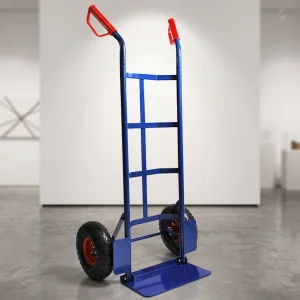
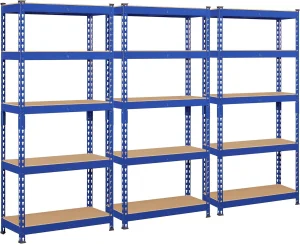
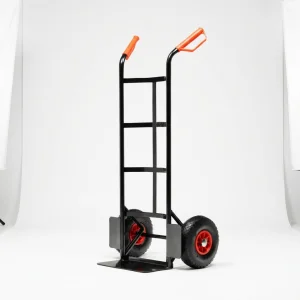
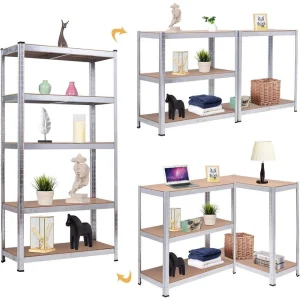
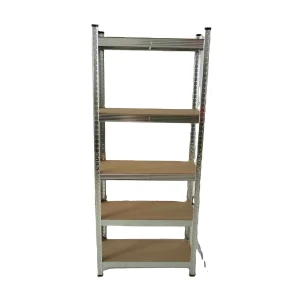
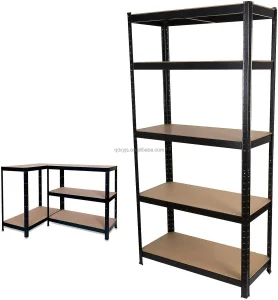
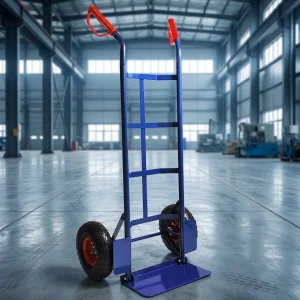
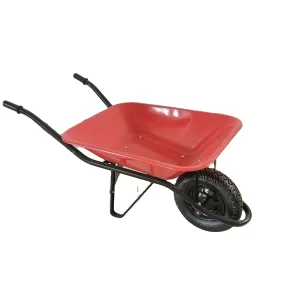
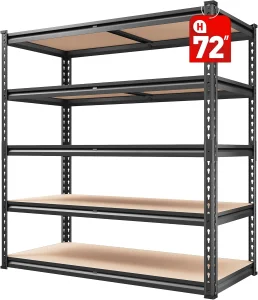
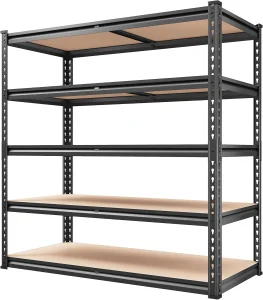
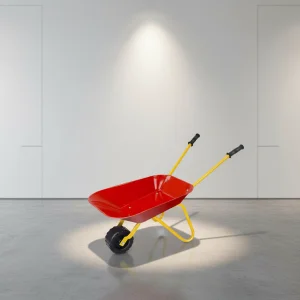
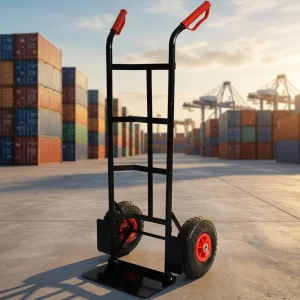
Select from our verified range of steel racking, custom metal trolleys, and utility carts deployed worldwide.
 Xinyi Racking