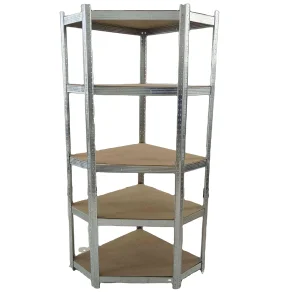
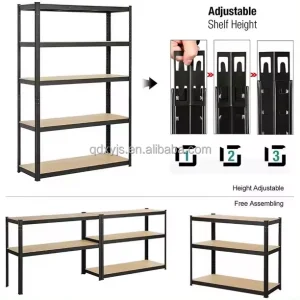
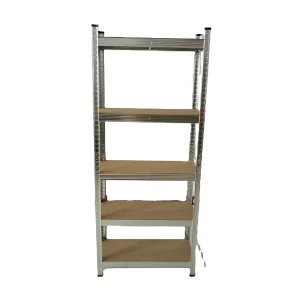
Premium material handling and storage products optimized with heavy-duty structural designs and wear-resistant wheel integrations.
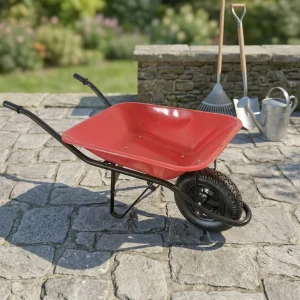
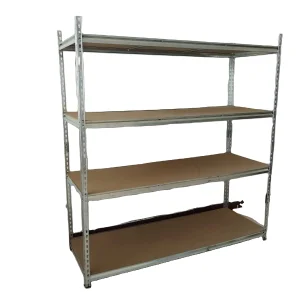
As Vietnam's premier economic hub, Ho Chi Minh City (HCMC) has experienced an unprecedented influx of Foreign Direct Investment (FDI), transforming surrounding zones like Binh Duong, Dong Nai, and Long An into global manufacturing powerhouses. Driven by this structural pivot, the regional supply chain demands heavy-duty logistical mobility systems that can survive punishing industrial environments.
Polyurethane (PU) wheels have emerged as the foundational mechanical link in this logistical chain. Standard rubber wheels and nylon options present critical failure vectors in HCMC's sub-tropical climate. High relative humidity and temperature swings trigger hydrolysis in low-quality polyurethane, leading to early delamination, peeling, and rolling-resistance spikes. To prevent critical operational downtime, HCMC's industrial operators require advanced prepolymer formulations engineered for maximum structural reliability.
From electronics manufacturing plants in Tan Thuan Export Processing Zone to fast-growing automotive assembly centers in Hiep Phuoc Industrial Park, automated guided vehicles (AGVs) and heavy assembly trolleys demand precise mechanical control. Floor protection, vibration damping, and dynamic load capacities are no longer optional. Ningbo Xinyi's custom-formulated PU wheels feature Shore 95A durometers, offering an ideal balance between grip and ultra-low starting resistance. This minimizes battery drain on robotic fleets and ensures absolute structural stability for high-density warehouse racking setups.
A deep dive into our advanced polymer chemical engineering and metal structural optimization designed for world-class supply chains.
We leverage high-performance Diphenylmethane diisocyanate (MDI) prepolymers combined with specific polyols, yielding superior tensile strength and cut/tear resistance compared to generic TDI alternatives. This chemistry prevents thermal build-up under continuous rolling conditions.
Our wheels undergo automated multi-stage chemical surface cleaning, adhesive coating, and pre-heating cycles before hot-casting the PU elastomer. This guarantees bond strengths exceeding ISO 22883 requirements, eliminating the risk of sudden tread separation.
All load-bearing structures utilize cold-rolled steel treated with industrial-grade powder coating or hot-dip galvanization. The castor brackets are designed with dual-ball raceways to absorb vertical impacts and high-speed lateral turns.
Before leaving our factory floor, all heavy-duty castor assemblies and mobile racking integrations are subjected to continuous cycle testing. Our laboratory utilizes automated equipment to verify load capacity limits under simulated high-speed conditions, measuring deflection rates and temperature generation. We verify that our wheel assemblies handle structural limits up to 200% of nominal ratings without flat-spotting or material fatigue, meeting strict safety guidelines required by leading multi-national 3PL operators.
A visual exploration of Ningbo Xinyi's production process. Our 38,000m² manufacturing facility is powered by automated robotic workstations.
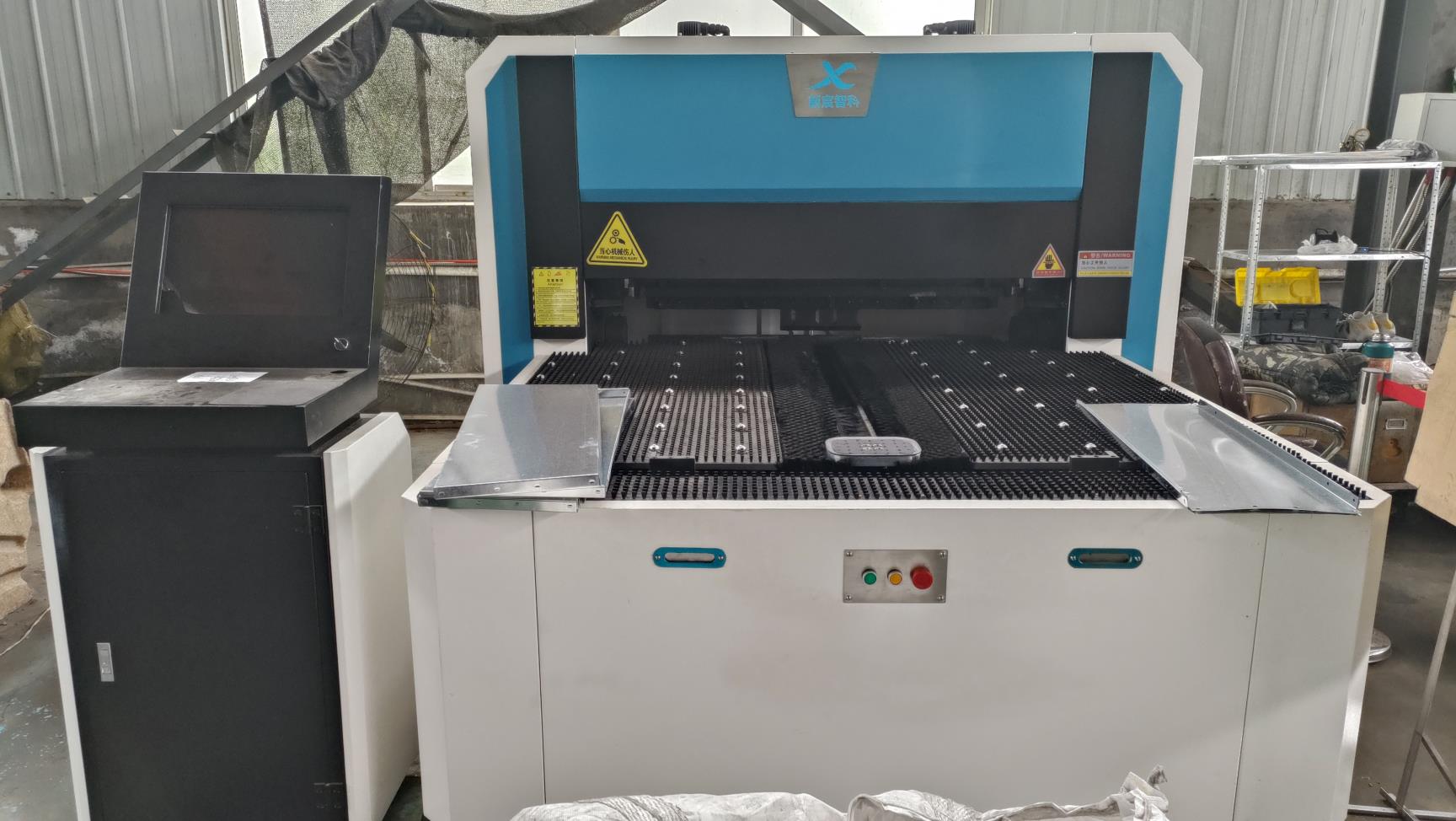
Precision high-capacity CNC bending machines process raw structural steel to form heavy-duty framing elements.
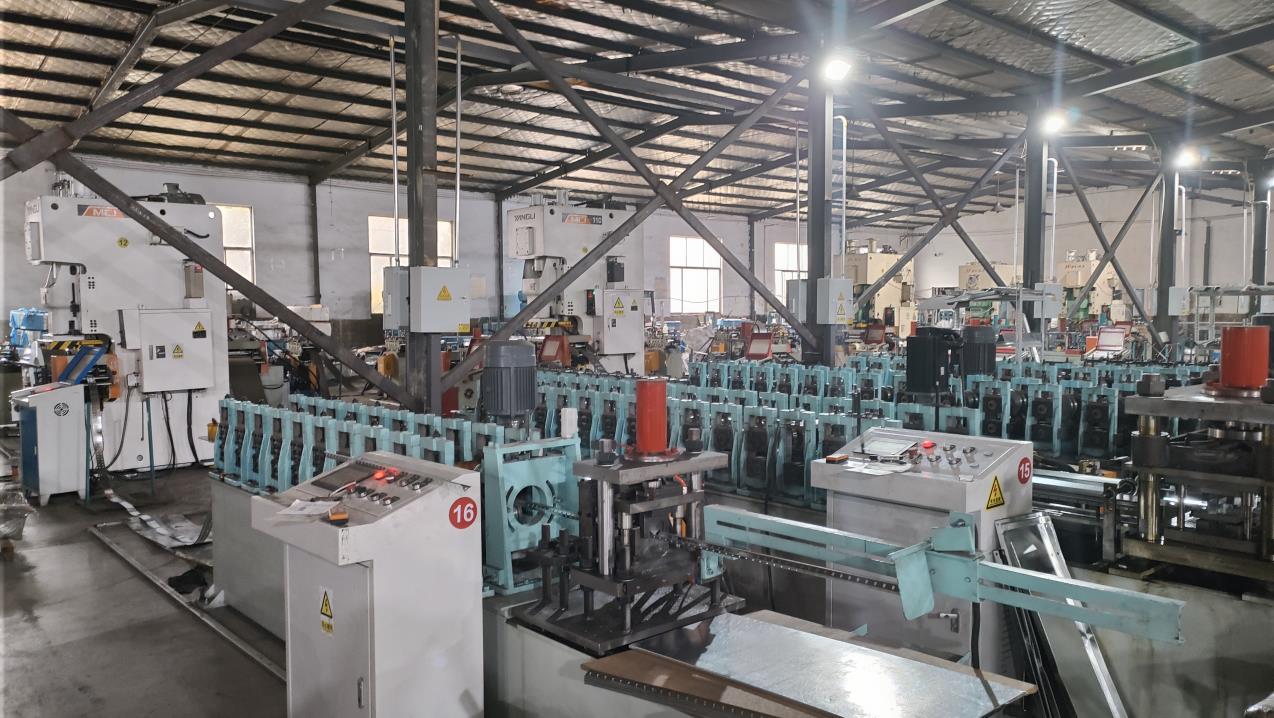
High-pressure progressive stamping presses punch structural components with sub-millimeter tolerances.
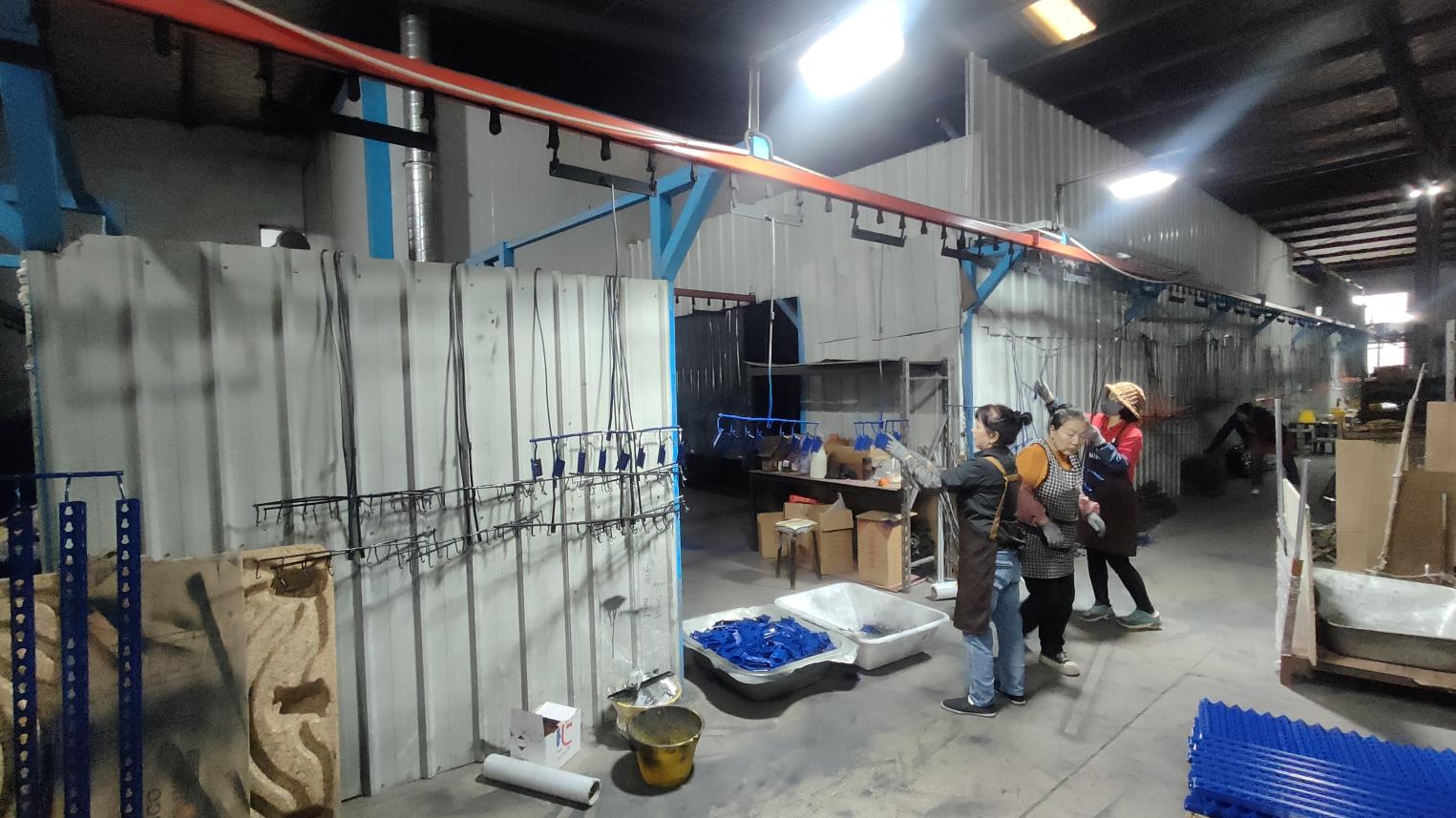
Advanced pre-treatment line cleans and degreases metal surfaces to ensure optimal paint and coating adhesion.
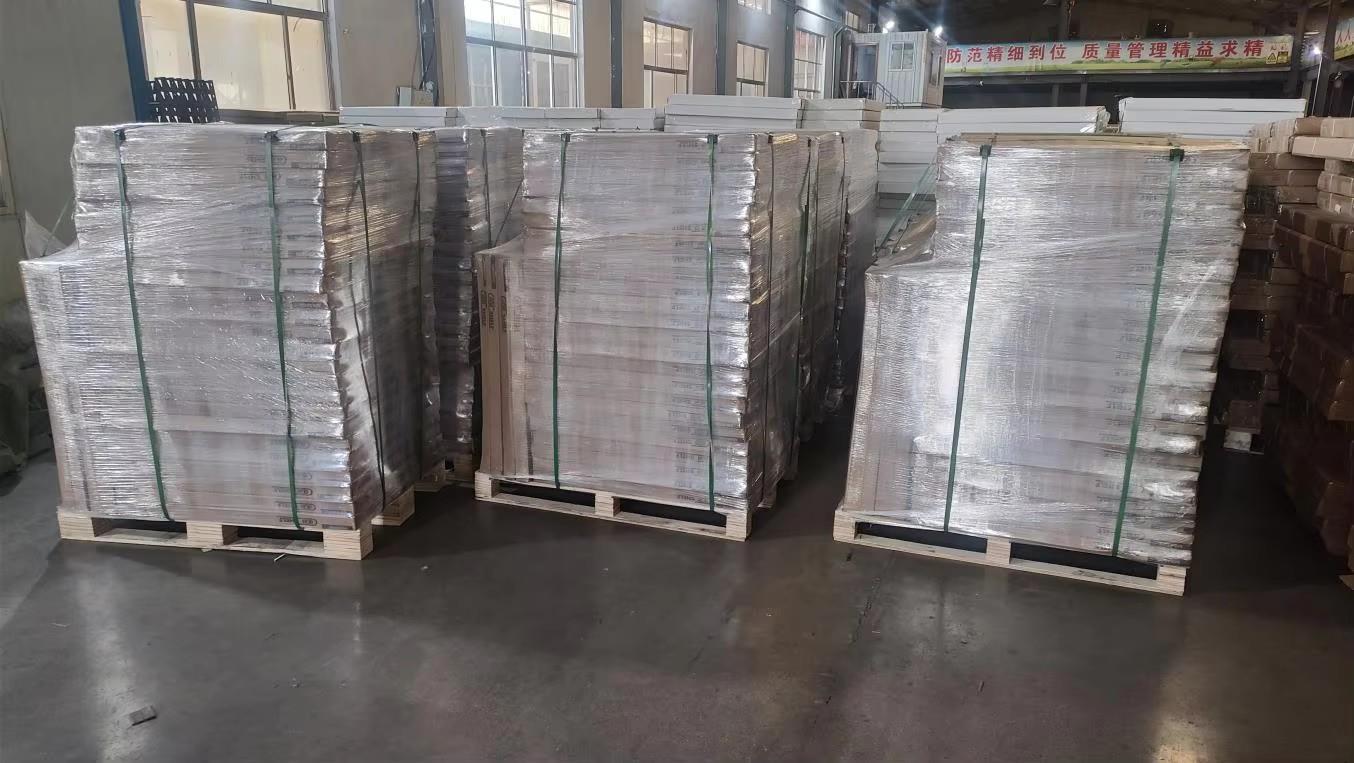
Completed products are securely bundled, wrapped, and prepared for shipping container loading.
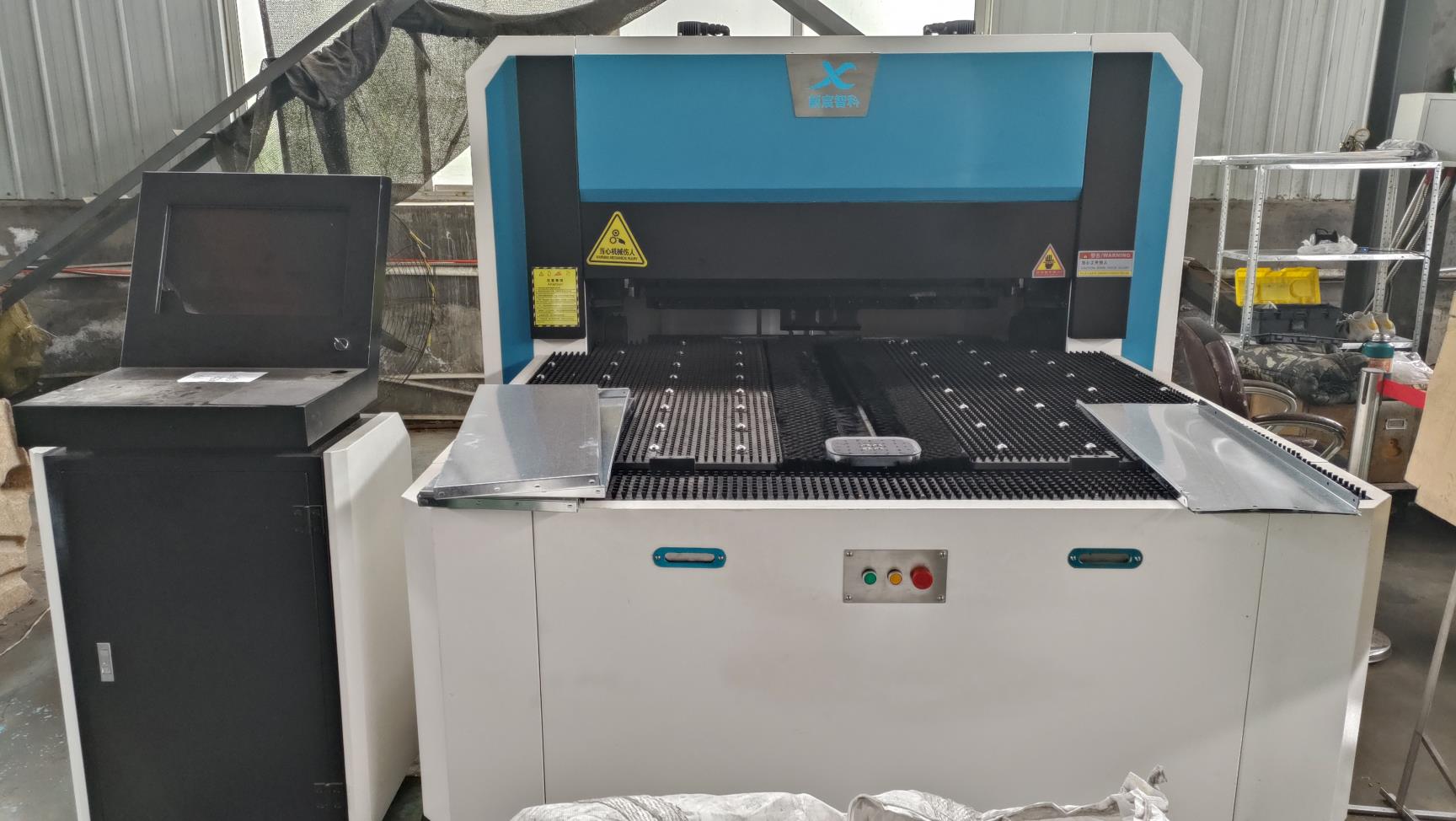
Automated robotic bending stations speed up multi-angle fabrications with consistent structural outputs.
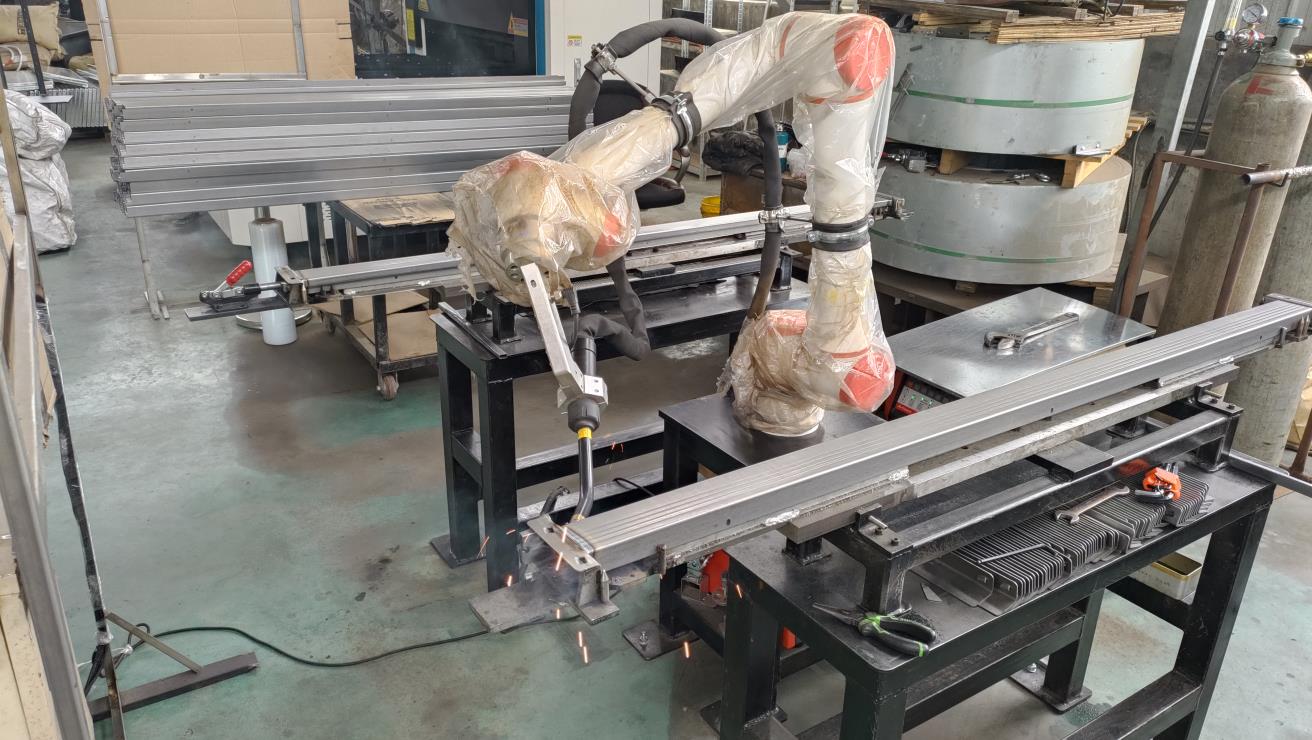
Continuous robotic welding loops produce deep, uniform weld beads on heavy load-bearing frames.
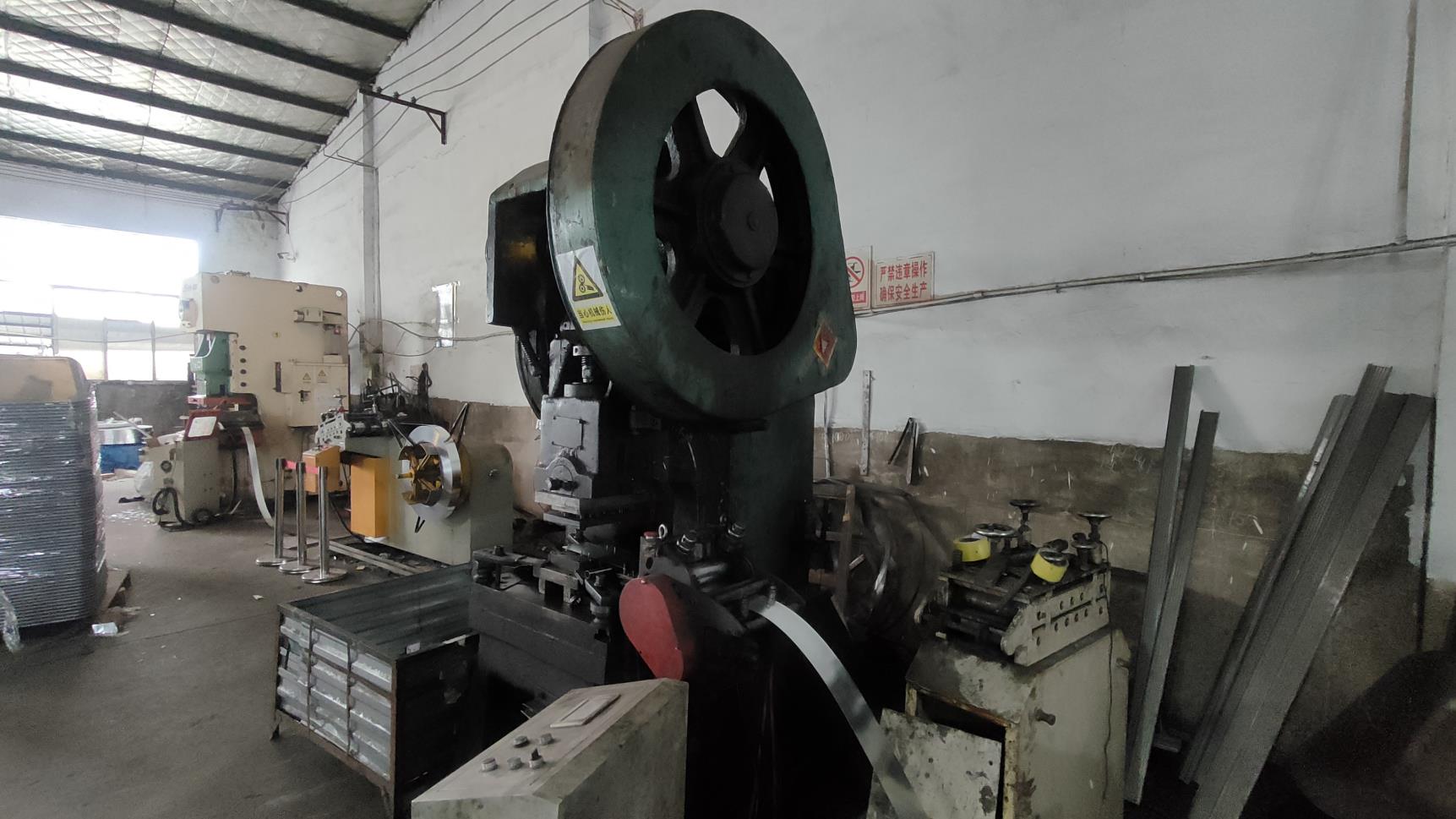
Heavy-duty hydraulic stamping presses shape high-gauge carbon steel plates into caster structural brackets.
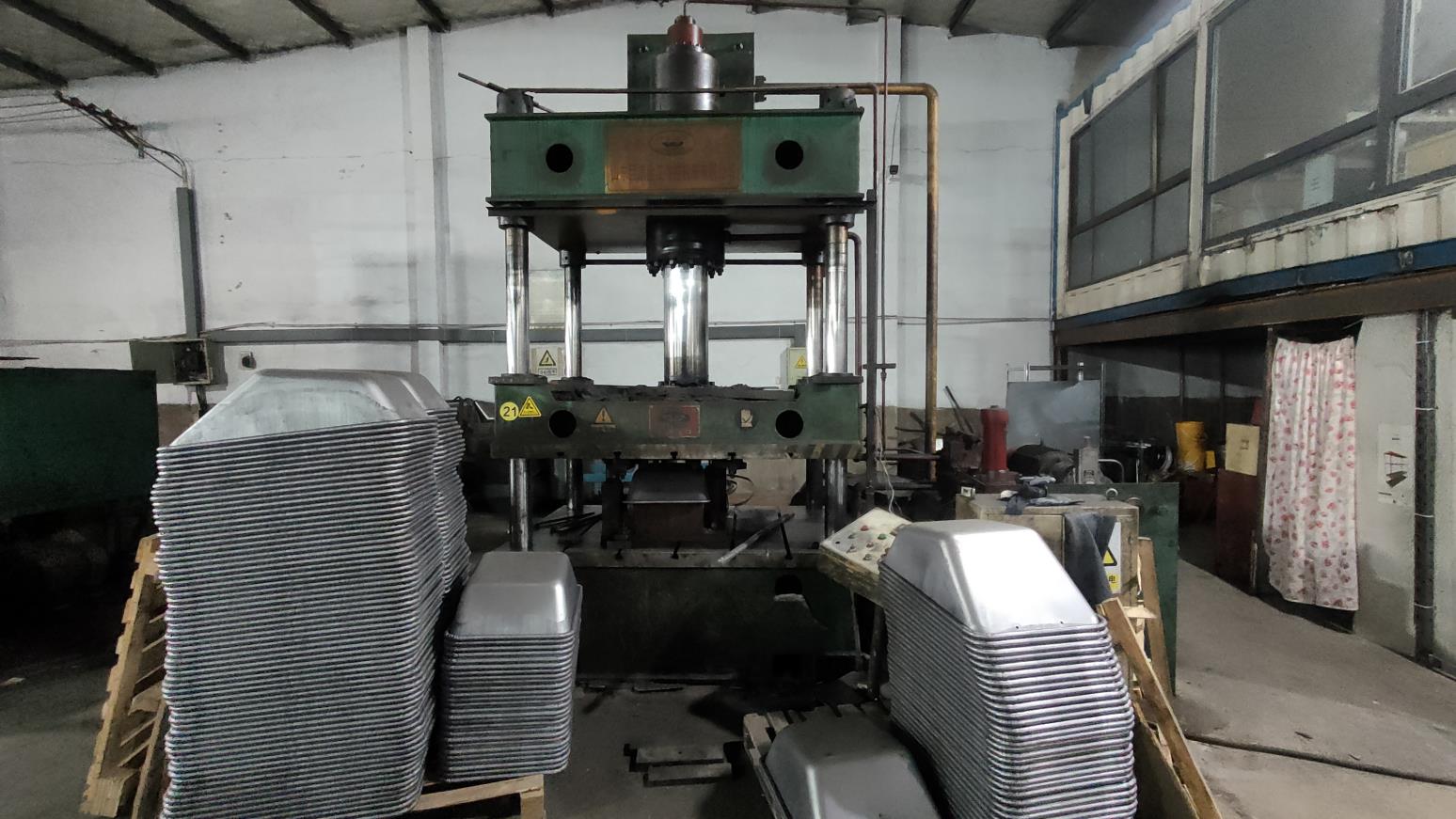
Secondary mechanical presses refine details and calibrate fitting alignments for sub-assemblies.
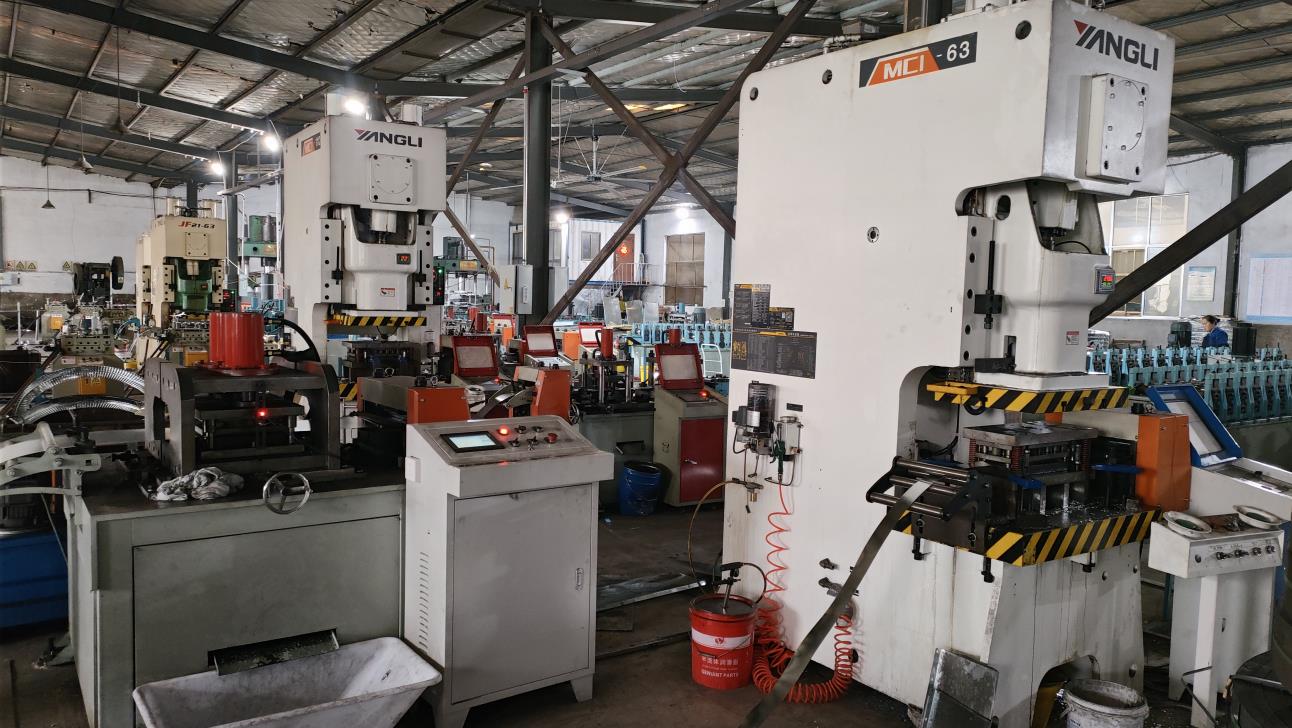
Precision tooling punch systems cut connector plates and specialized structural accessories.
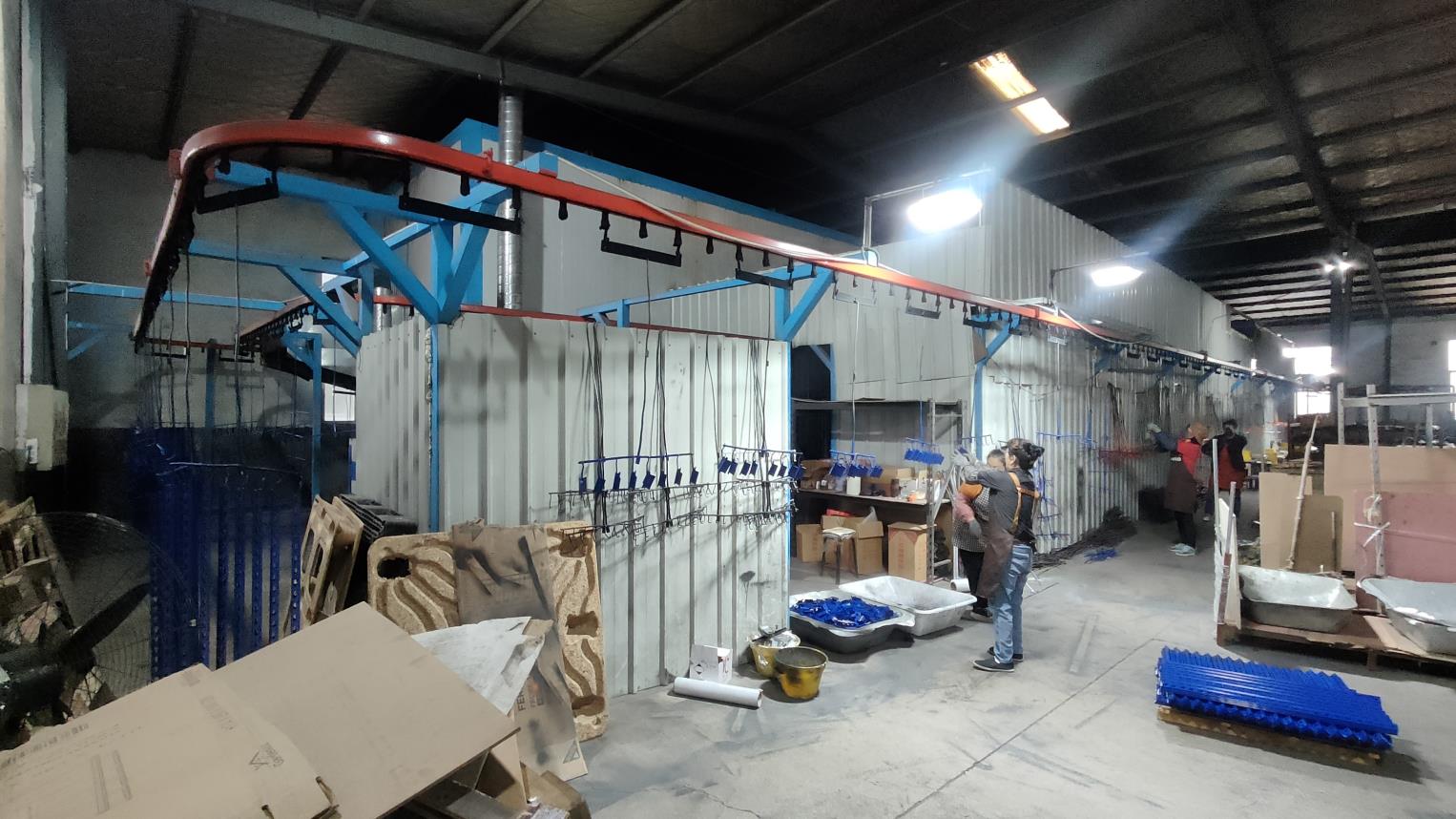
Electrostatic spray booth applies thick protective powder coatings to resist salt-spray corrosion.
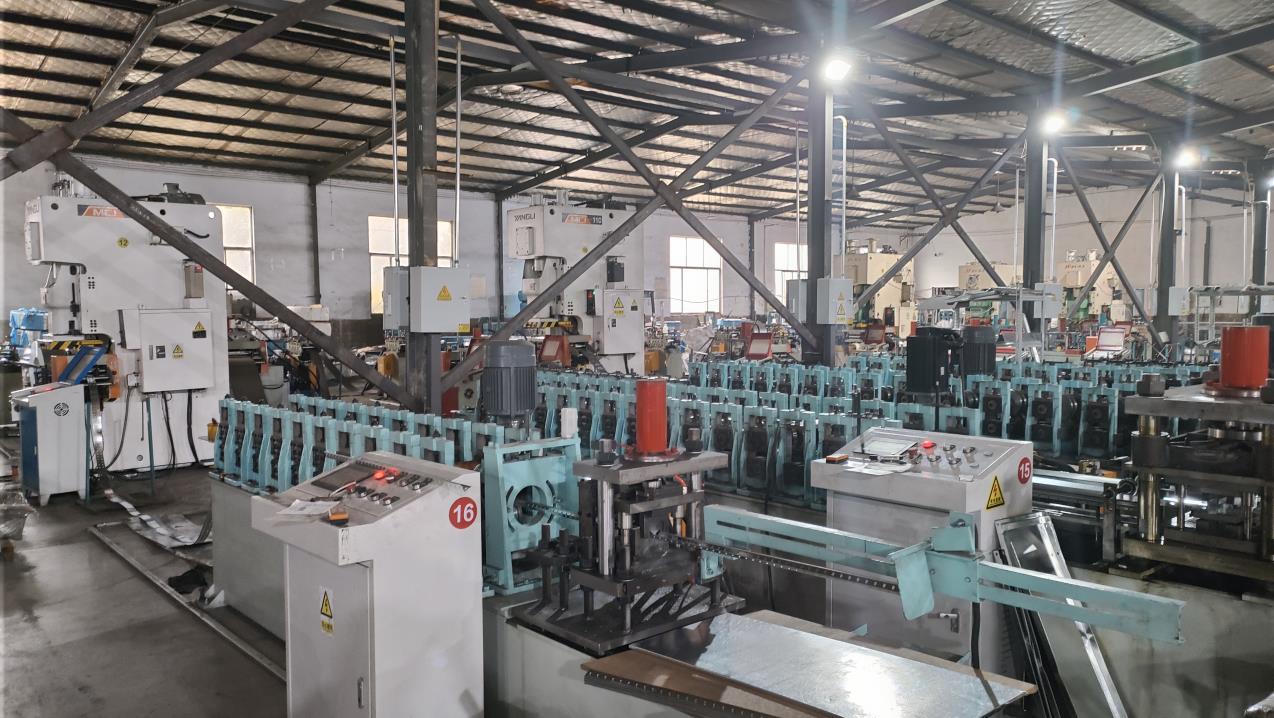
Continuous roll-forming lines process structural sheet metal into high-capacity upright racking sections.
Understanding the unique operational requirements of Ho Chi Minh City's specialized commercial sectors.
HCMC serves as a central hub for Vietnam's agricultural and seafood exports. Storage systems operating in cold rooms down to -30°C face extreme wheel brittleness and tread cracking. We formulate custom polyurethane elastomers with specialized low-temperature plasticizers to maintain structural elasticity and prevent flat-spotting in deep freeze zones.
In modern micro-electronics production lines, electrostatic discharge (ESD) can destroy delicate silicone wafers. We manufacture conductive and semi-conductive ESD-safe polyurethane wheels. These wheels continually dissipate static charges into the ground while maintaining high chemical resistance to cleaning agents.
Proximity to Cat Lai Port exposes equipment to saline air, leading to accelerated rust in steel wheel assemblies. Our mobile steel solutions use galvanized or 304/316 stainless steel rig components paired with high-performance polyurethane castors, providing excellent protection against coastal moisture and chemical exposure.
In-depth technical answers addressing performance, chemistry, and custom installations in Vietnam's local manufacturing conditions.
Delamination in HCMC is primarily caused by hydrolysis—the chemical breakdown of polyurethane bonds due to high humidity (averaging 80%+) and ambient heat. Generic wheels use polyester-based urethanes which degrade under moist conditions. Ningbo Xinyi uses polyether-based prepolymers, which offer superior hydrolytic stability. Additionally, our automated factory process applies a specialized primer coating to the steel cores before casting, creating a robust chemical bond that resists humidity and temperature fluctuations.
For automated guided vehicles (AGVs) and autonomous mobile robots (AMRs), we recommend a Shore hardness of 92A to 95A. This durometer minimizes rolling resistance (reducing battery consumption) and prevents flat-spotting when stationary under load. However, if your factory floor has minor unevenness or debris, a slightly softer 85A tread provides better traction and noise reduction. Our engineering team can customize the hardness rating depending on your floor surfaces and load profiles.
Yes. Supported by 28 R&D engineers, we offer full OEM/ODM customization services. We tailor metal gauge thicknesses, load-bearing capacities, upright dimensions, and connection plates to match your facility requirements. Last year, our team developed and tested 185 unique configurations. We also run seismic and finite element analysis (FEA) to ensure structural safety for elevated storage systems in dynamic environments.
Our manufacturing and testing processes comply with ISO 9001:2015 standards. Our industrial wheels and castors are tested in accordance with EN 12532 (industrial castors and wheels) and EN 12533 (heavy-duty wheels). Additionally, all raw materials, polymer coatings, and polyurethane elastomers are REACH and RoHS compliant to meet export requirements for Europe and the Americas.
Explore our complete catalog of industrial transport trolleys, heavy-duty stacking racks, and material handling systems.
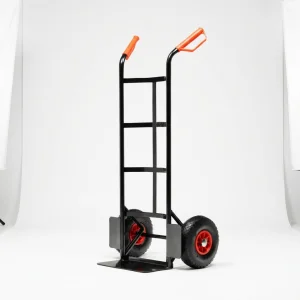
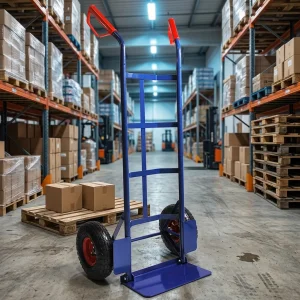
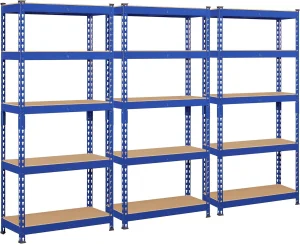
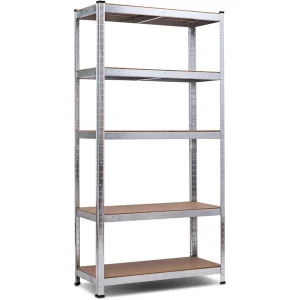
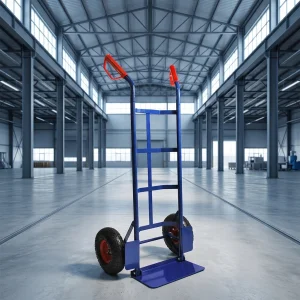
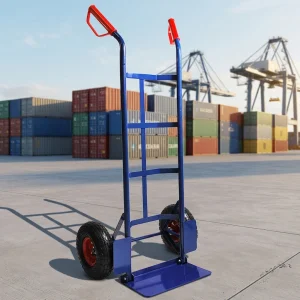
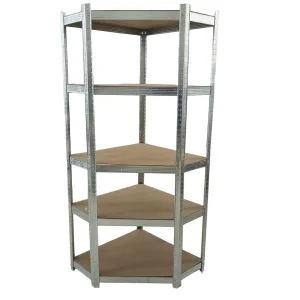
Partner with Ningbo Xinyi Metal Products Co., Ltd. for factory-direct engineering and dedicated support for the Ho Chi Minh City industrial market.
Request Technical Specifications & Pricing Xinyi Racking