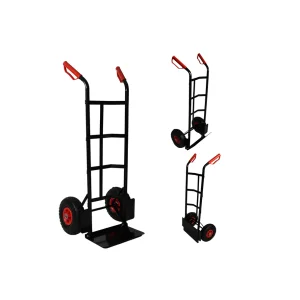
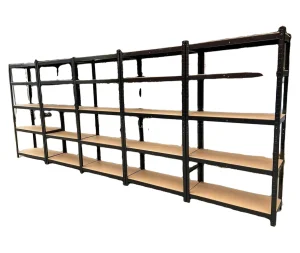
Engineered for immediate deployment across Sydney warehouses, marine logistics terminals, and commercial fulfillment hubs.
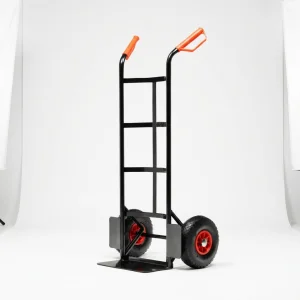
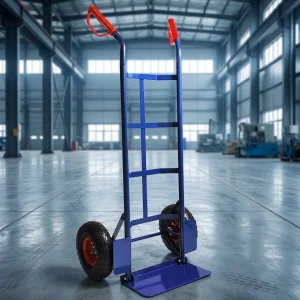
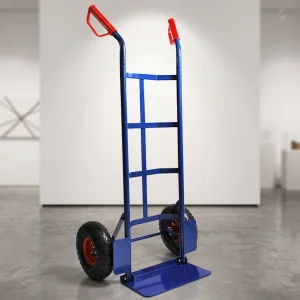
The industrial architecture of New South Wales, particularly within the rapid growth of the Western Sydney Infrastructure Plan and the busy shipping lanes of Port Botany, has created a strong demand for durable material handling components. Heavy-duty polyurethane (PU) wheels have become the preferred industrial caster option to replace traditional rubber and nylon variants.
Sydney's diverse commercial environments—ranging from temperature-controlled cold-storage facilities in Wetherill Park to dry-goods fulfillment centers in Eastern Creek—present unique floor protection and load-bearing challenges. Traditional vulcanized rubber casters often leave black carbon marks on epoxy-coated warehouse floors and are prone to flat-spotting under long-term static loads. Meanwhile, hard nylon casters generate high noise levels and can damage delicate surfaces. Polyurethane casters offer a strong balance of high load capacity, dynamic rollability, noise damping, and floor-protection properties.
MDI Prepolymer Chemistry + Precise Curing Cycle = Exceptional Tear Strength & Load Performance
An analysis of polyurethane material properties and operational parameters for material handling systems.
Our PU wheels are manufactured with a Shore Hardness rating of 90A to 95A. This durometer range provides the optimal balance between load capacity and resilience. It is hard enough to resist compression deformation, yet soft enough to absorb shock and roll over small floor hazards without high vibration.
Specifically treated to resist high moisture environments, our polyurethane formulations prevent hydrolytic degradation. This makes them suitable for transition areas between sub-zero cold-storage zones and high-humidity loading bays in Sydney's coastal climate.
By engineering a strong chemical bond between the polyurethane tire and the cast iron or aluminum wheel hub, we minimize heat build-up under continuous mechanical stress. This design helps prevent delamination failures, which can be common in lower-grade utility wheels.
Original manufacturing details, quality control standards, and international logistics capabilities.
Established in 2015, Ningbo Xinyi Metal Products Co., Ltd. is a leading manufacturer specializing in heavy-duty industrial storage racks, pallet racking systems, and customized warehouse material handling solutions. Spanning a state-of-the-art production facility of 38,000 square meters, we deliver high-performance racking products to global logistical hubs, distributors, and enterprise facilities.
With 11 years of deep industry expertise and 8 years of dedicated international trade experience, our annual export revenue has reached over $28 million USD. Our footprint spans major global markets, including North America, Western Europe, Southeast Asia, and the Middle East, serving diverse client segments such as third-party logistics (3PL) providers, e-commerce fulfillment centers, industrial distributors, and large-scale retail chains.
Quality and structural integrity are at the core of our manufacturing processes. Supported by a rigorous Quality Assurance team of 45 certified inspection professionals, we enforce strict full-process quality control. Our quality testing methods integrate ultrasonic weld inspection, raw material tensile testing, load-capacity deflection testing, and salt-spray corrosion resistance evaluation to guarantee long-term durability and safety compliance.
Driven by strong research and development capabilities, our engineering center hosts 28 experienced R&D engineers who specialize in custom structural design, seismic analysis, and automated storage and retrieval systems (AS/RS). We offer extensive OEM/ODM customization options, including custom load capacities, dimensions, powder-coating finishes, and modular accessory integrations. Last year alone, our R&D team successfully launched 185 new products and customized configurations to meet evolving market demands.
Backing our operational strength is a robust supply chain network of over 850 trusted partners providing premium steel materials, eco-friendly surface coatings, and specialized hardware components. Ningbo Xinyi Metal Products Co., Ltd. remains committed to delivering reliable, safe, and space-optimized storage solutions to empower our clients' global supply chain infrastructure.
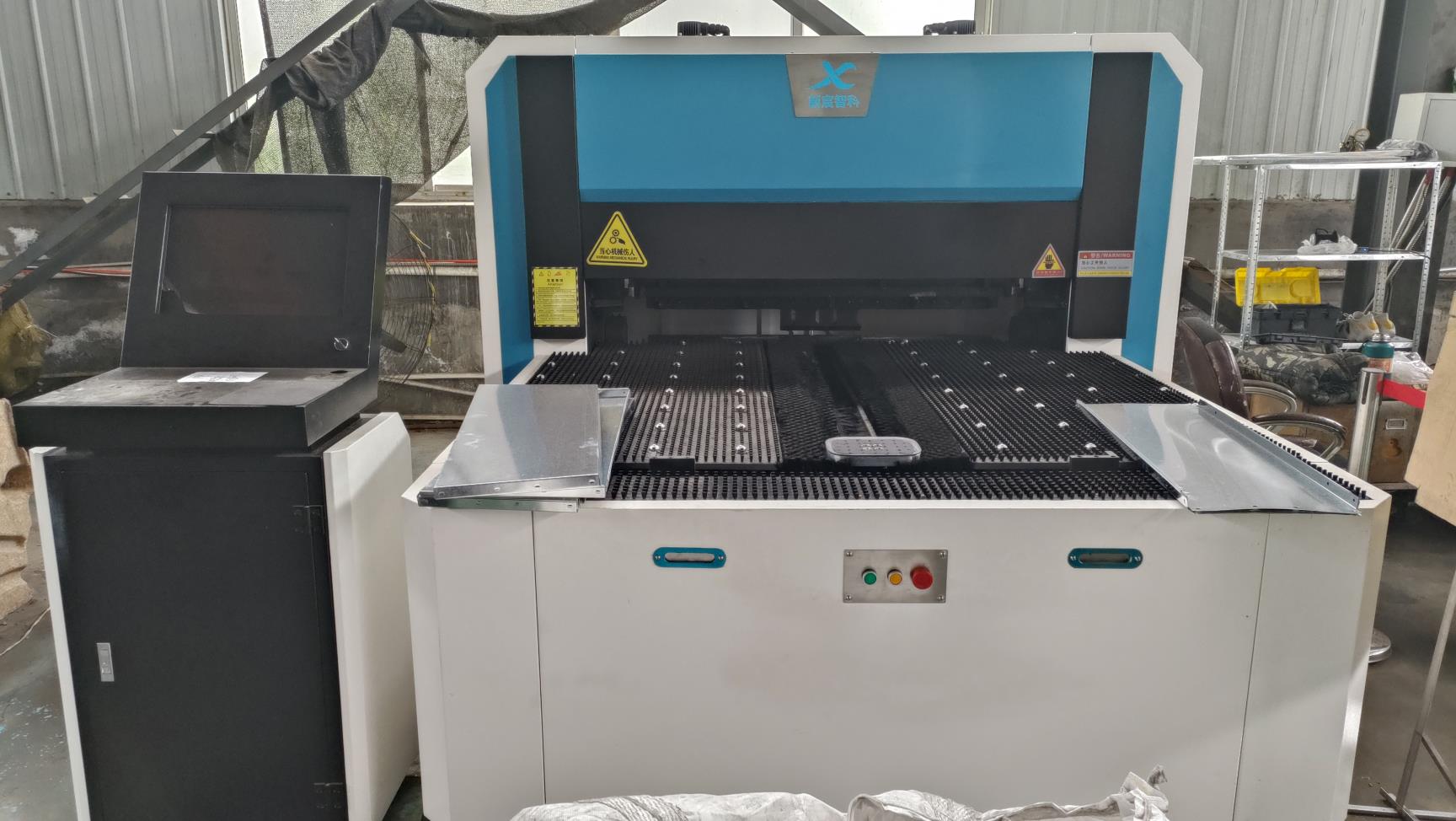
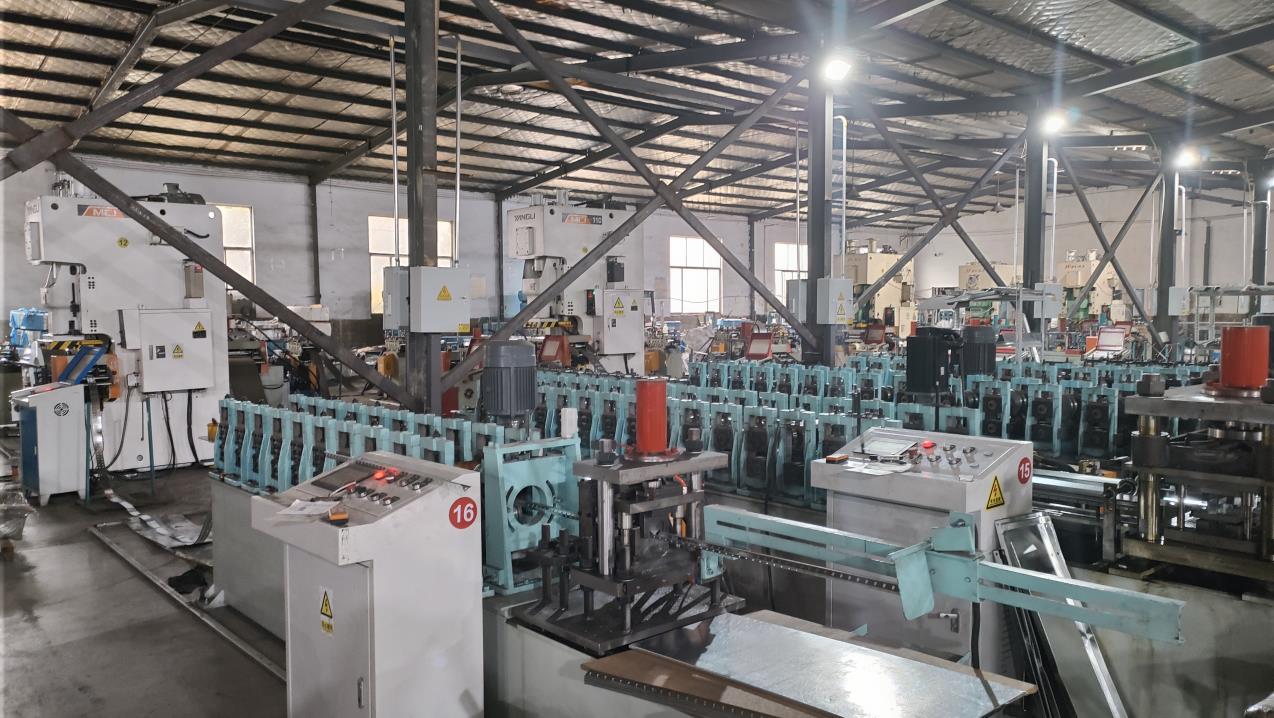
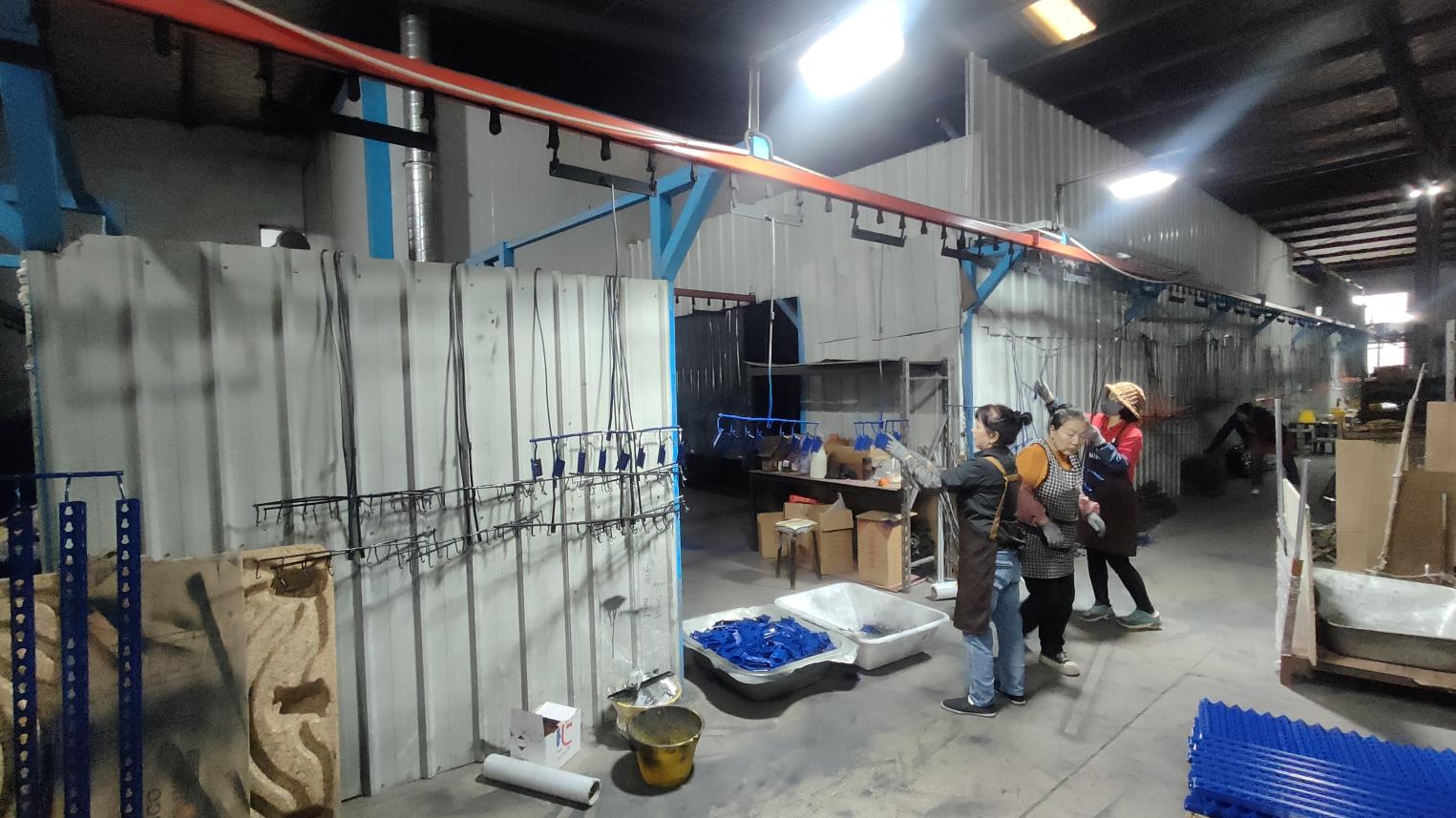
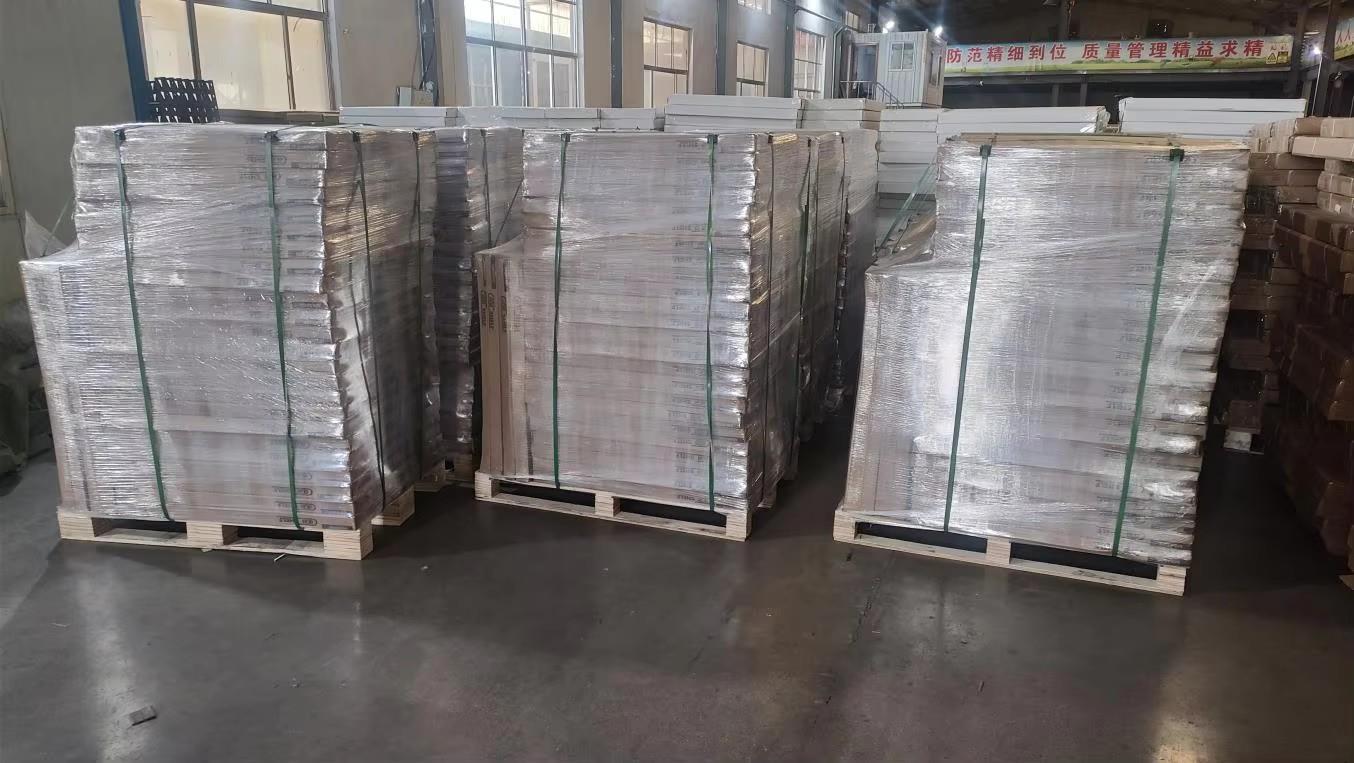
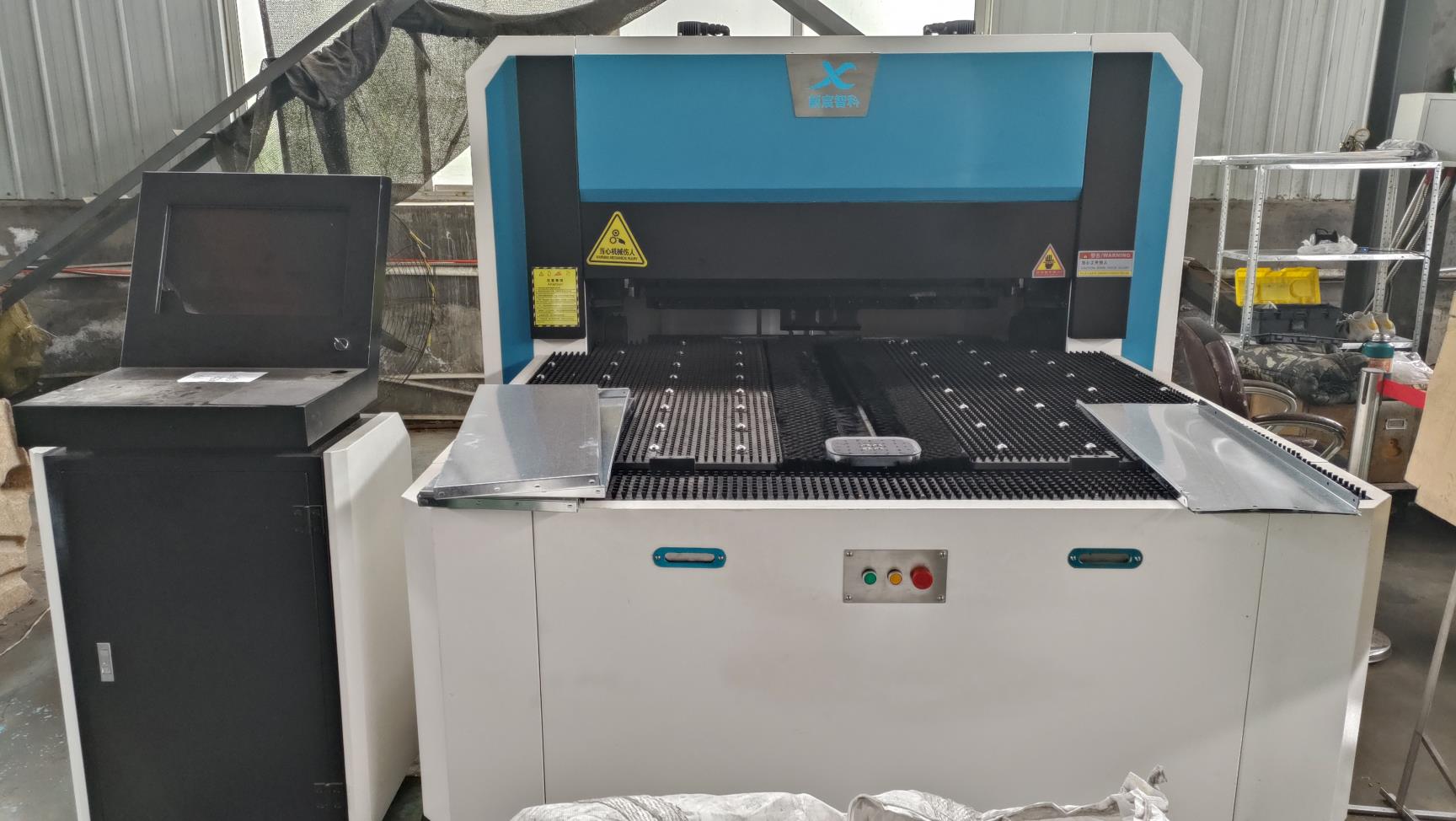
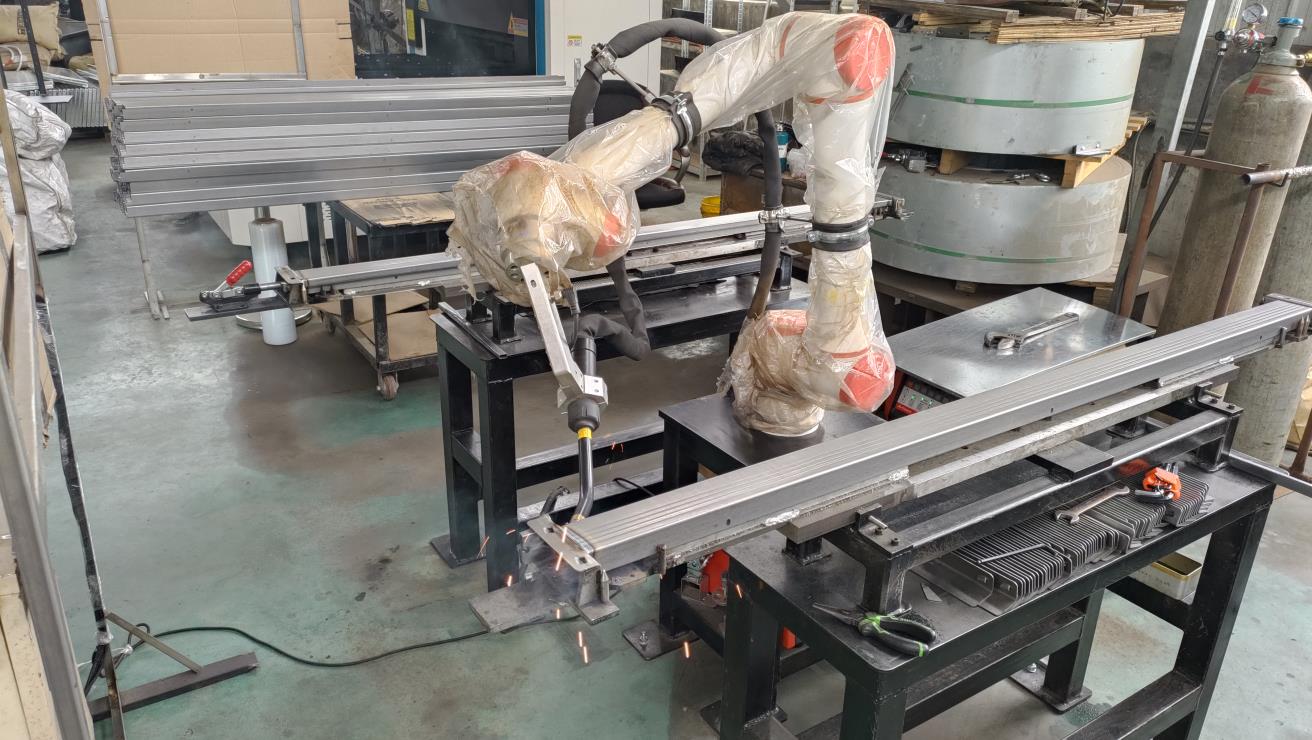
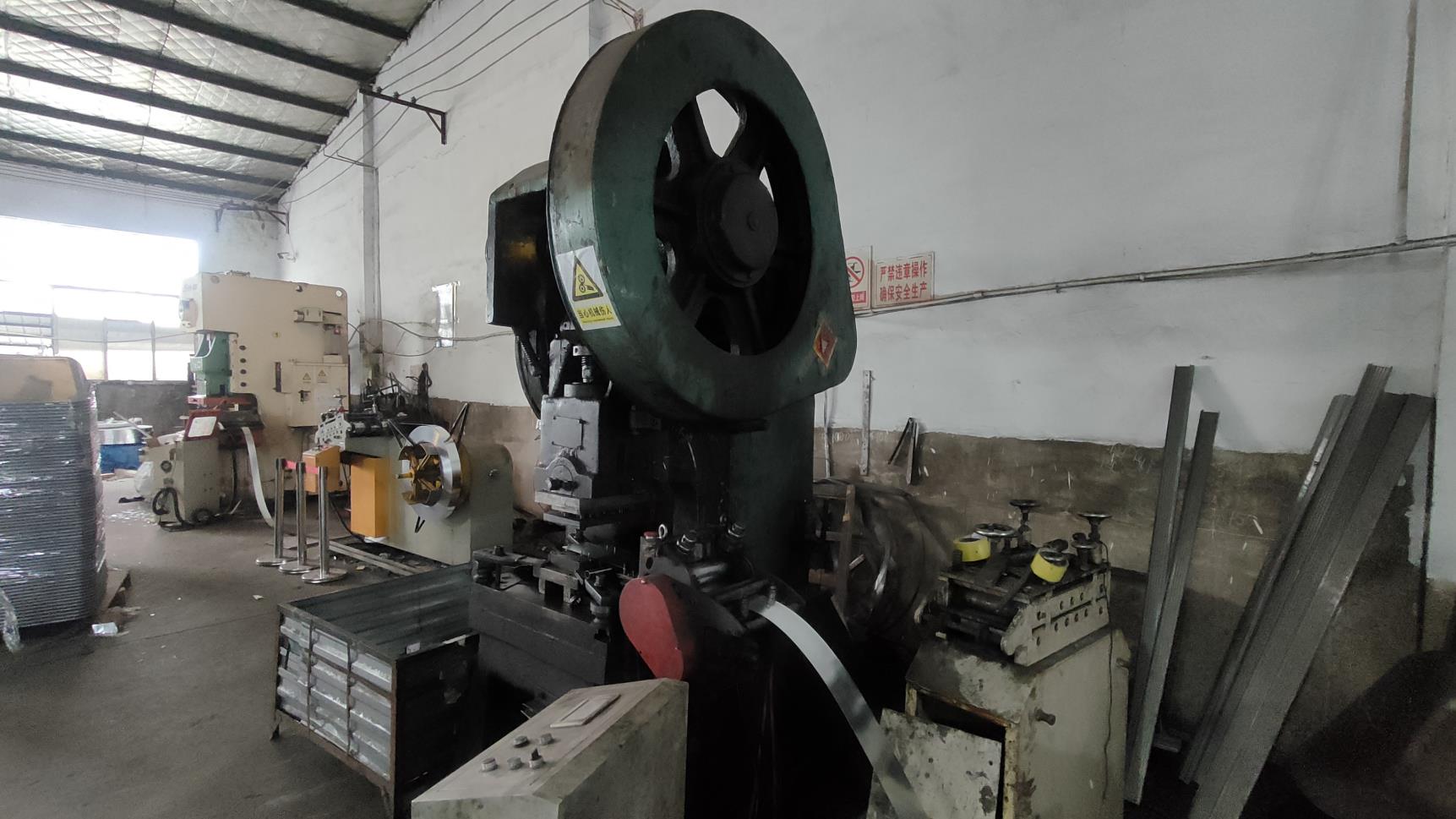
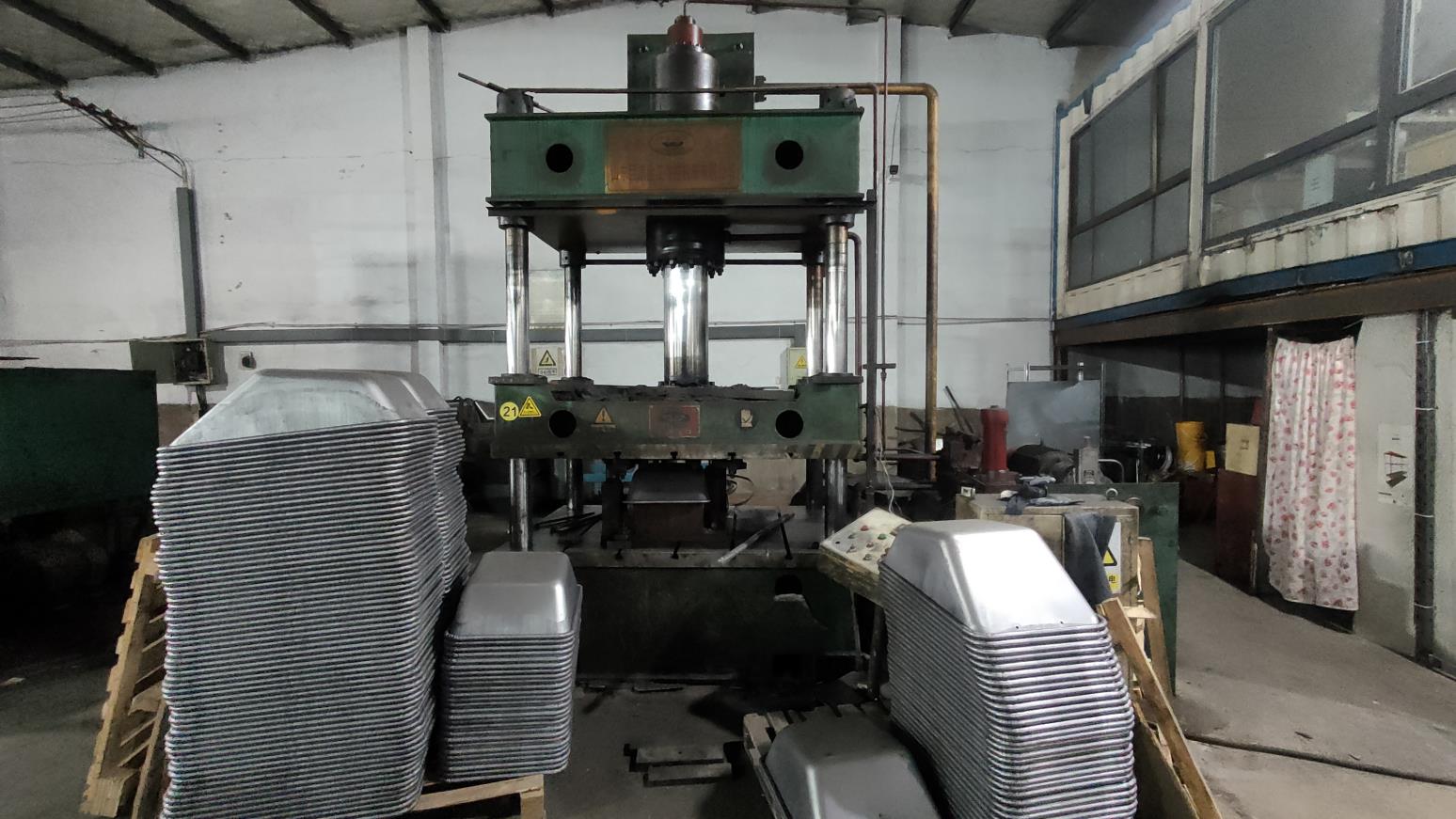
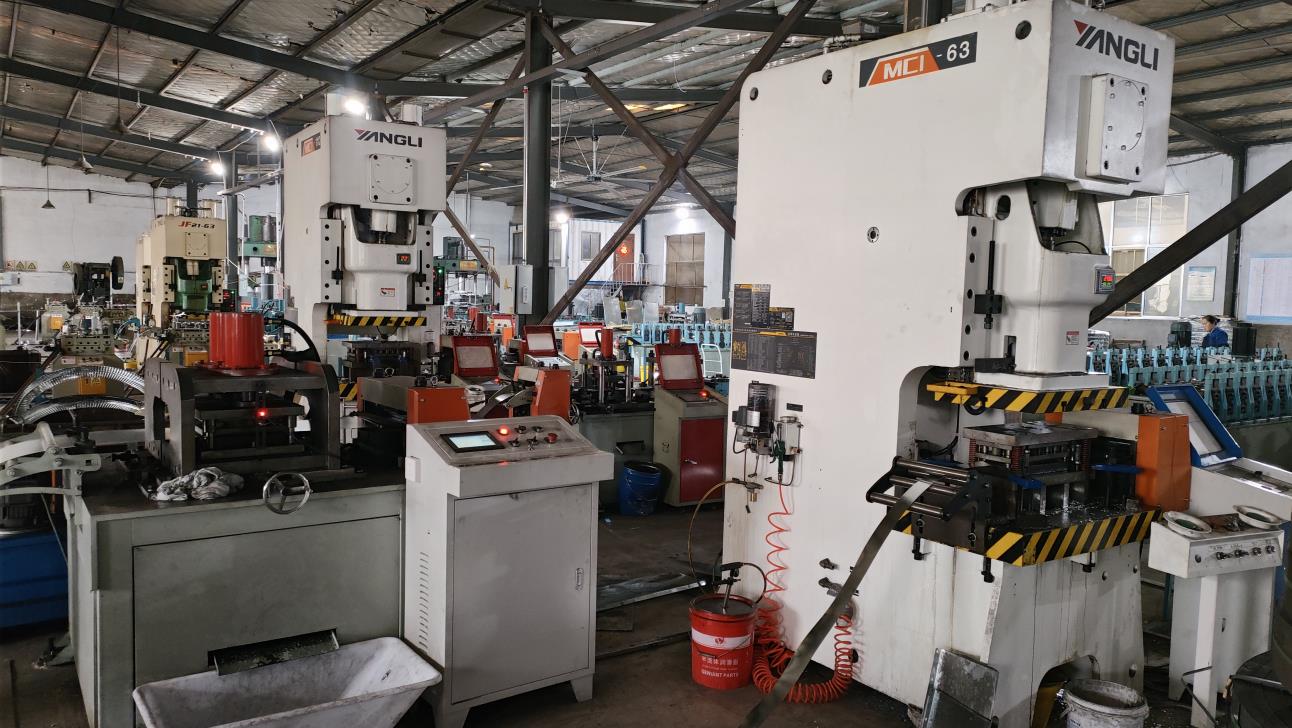
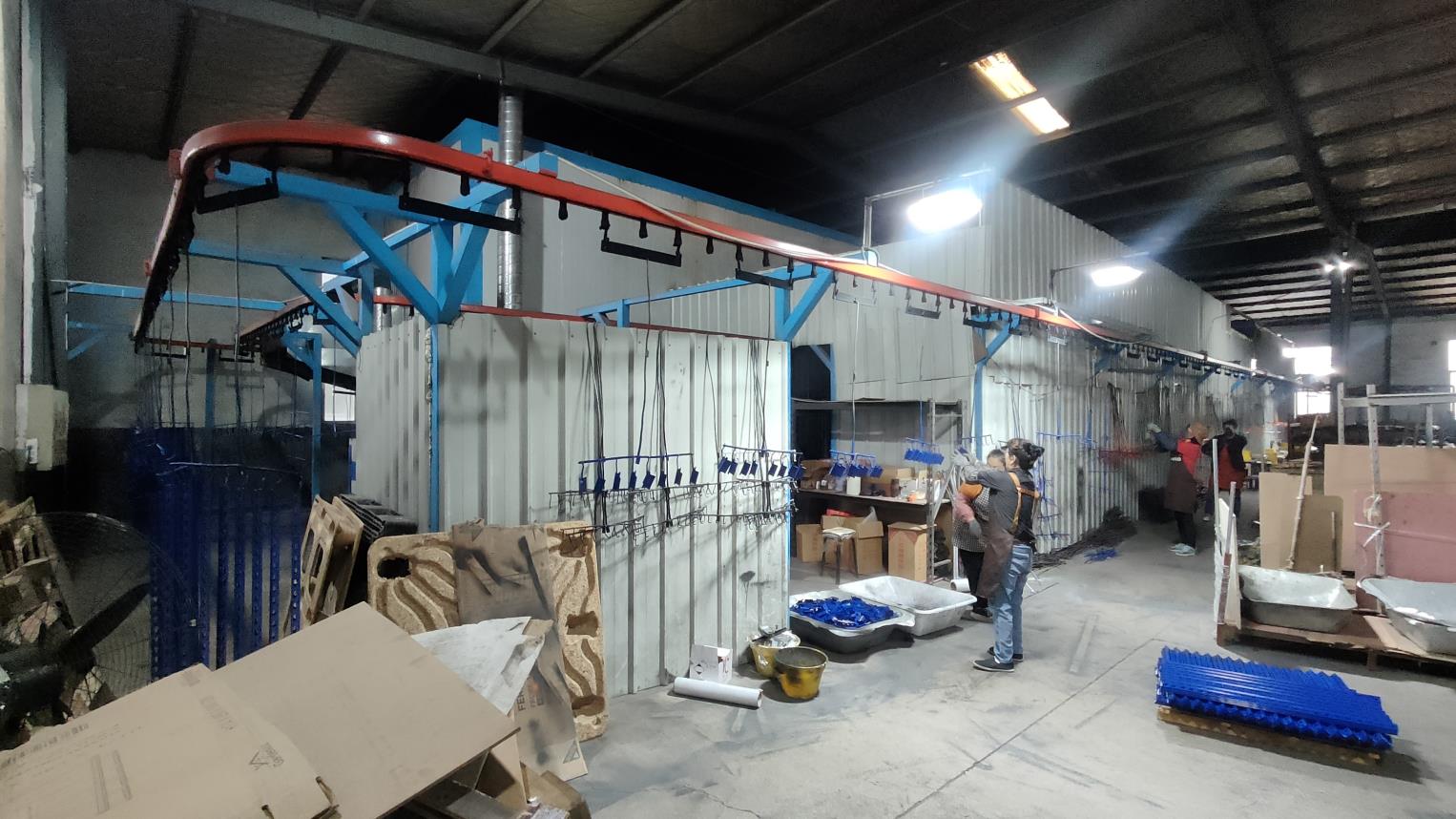
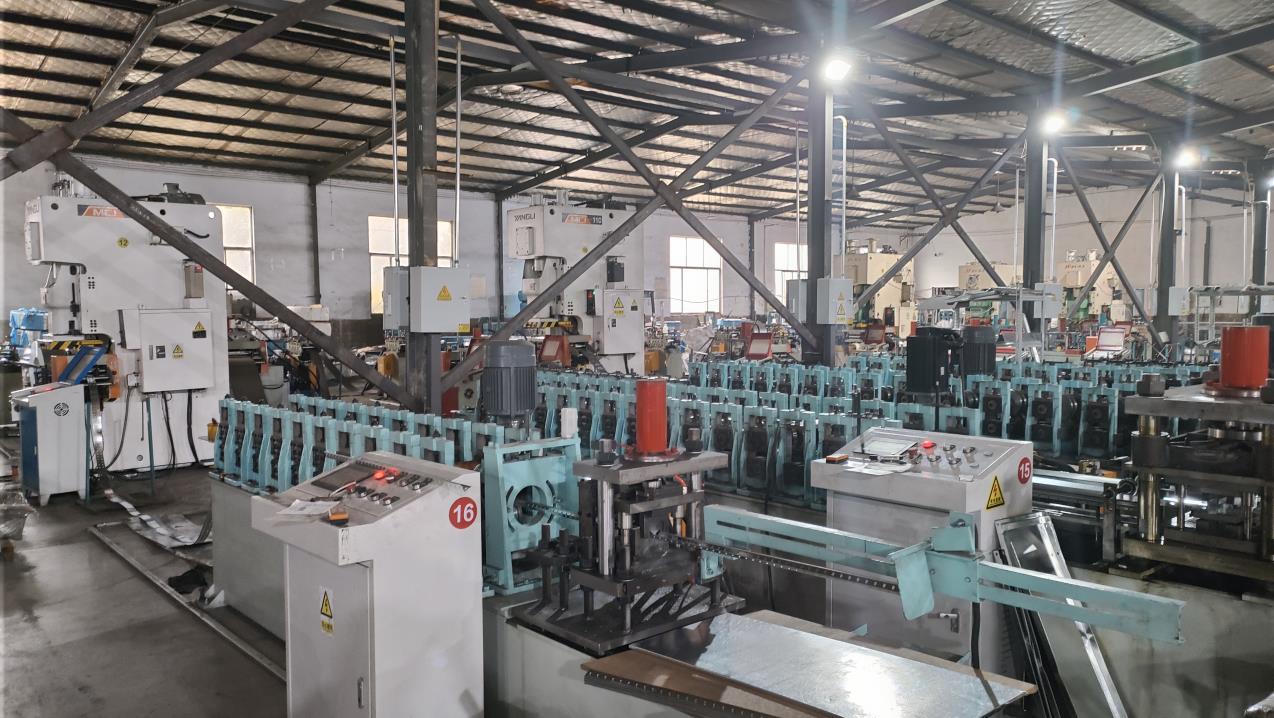
Square Meters Production Facility
Annual USD Export Value
Certified Inspection Professionals
New Custom Configurations Annually
A comparison of wear performance and material parameters under heavy-duty warehouse conditions.
| Performance Metrics | Polyurethane (PU) | Vulcanized Rubber | Molded Nylon |
|---|---|---|---|
| Load Capacity (Static & Dynamic) | High to Very High (Up to 1,500 kg) | Medium (Max 400 kg) | High (Up to 1,200 kg) |
| Floor Protection & Cleanliness | Excellent (Non-marking / Non-destructive) | Poor (Leaves carbon track marks) | Moderate (Can chip concrete/epoxy) |
| Abrasive Wear Resistance | Excellent (High abrasion index) | Moderate (Wears rapidly on asphalt) | High |
| Rolling Noise Level | Low (Acoustic absorption properties) | Very Low | Very High (No vibration damping) |
| Chemical & Oil Resistance | Resistant to most hydrocarbons & oils | Poor (Swells and weakens) | Excellent resistance |
Our fabrication lines follow AS 4084-2023 steel storage racking safety frameworks and ISO 9001 quality workflows.
Importing warehousing solutions requires compliance with local structural standards. At Ningbo Xinyi, our industrial storage systems and integrated mobile platforms are designed to align with AS 4084-2023 Steel Storage Racking safety standards. Our QA processes help ensure that static load limits, structural integrity under load, and dynamic shear variables are met.
We work with logistics and freight partners to ensure delivery across the Sydney Metro area, including the industrial hubs of Blacktown, Silverwater, Botany, and Campbelltown. We provide complete structural engineering document packages to support client verification processes and local WHS audits.
Our engineering team continues to develop materials and products to support next-generation material handling systems.
We are researching the integration of renewable, plant-based polyol compounds to reduce the environmental footprint of our polyurethane wheels. This development aims to maintain dynamic performance while using more sustainable raw materials.
Our research and development team is working on prototype heavy-duty caster systems featuring embedded thermal sensors and wear trackers. These systems are designed to monitor wheel condition in real-time on high-speed automated storage lines.
We have developed low-profile, high-capacity polyurethane wheel designs. These assemblies help lower the center of gravity of heavy industrial storage carts and racks, improving stability and safety in manual and automated transport.
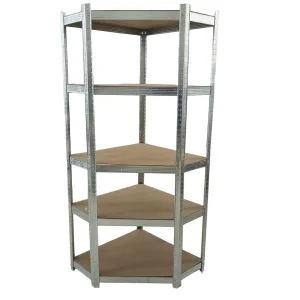
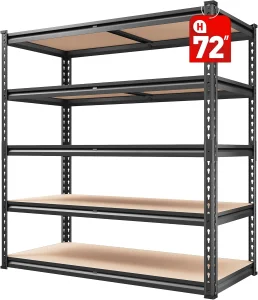
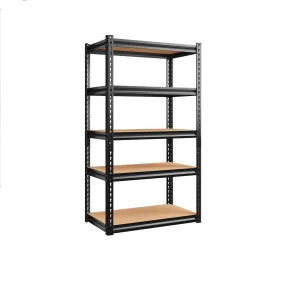
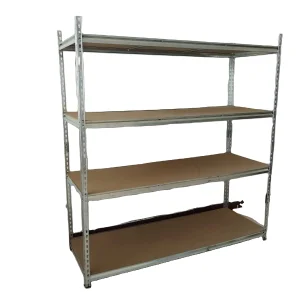
Heavy-duty structural storage racks, boltless shelving units, and cargo handling wheelbarrows built for commercial and industrial use.
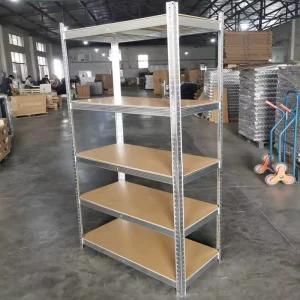
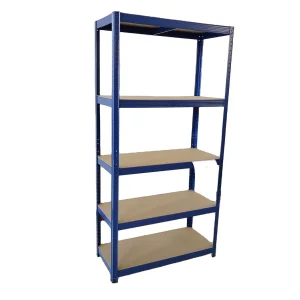
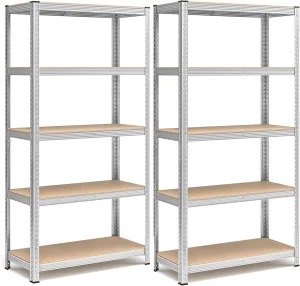
Technical guidance on material specs, loading configurations, and Australian standards compliance.
Polyurethane wheels offer significantly higher load-carrying capacity compared to rubber. They resist flat-spotting under static loads and have a low dynamic rolling resistance, which reduces manual pushing strain. Additionally, PU wheels do not mark epoxy or concrete floors, helping maintain a clean warehouse environment.
Yes. Our heavy-duty racking systems, structural columns, and load-bearing beam profiles are designed and tested to meet the requirements of the AS 4084-2023 steel storage racking code. We provide structural testing analysis, load capacity documentation, and deflecting parameters for warehouse compliance verification.
Our polyurethane elastomer wheels are highly resistant to typical industrial greases, oils, kerosene, gasoline, and ozone. For applications involving strong acids, chlorinated solvents, or steam cleaning, please consult our engineering department to match your requirements with the appropriate PU formulation.
We use a chemical bonding process to secure the PU tread to our cast-iron or aluminum wheel cores. The metal cores are prepared by sandblasting to create a mechanical key, followed by the application of heat-activated primers before pouring the polyurethane elastomer. This process is designed to prevent bond failure under heavy rolling loads.
With 28 R&D engineers on-site, we offer extensive customization options. This includes custom steel thicknesses, polyurethane wheel diameters and widths, specialized wheel bearing assemblies, and custom powder-coating colors. We also design and fabricate bespoke platform carts and modular storage racks based on client-provided specifications.
 Xinyi Racking