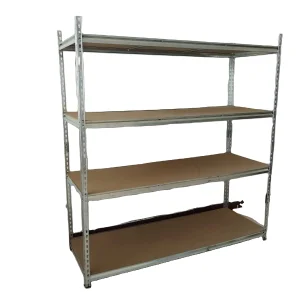
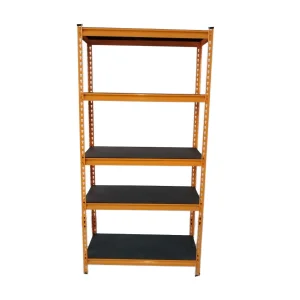
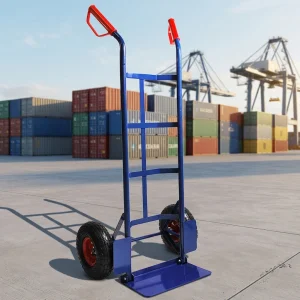
Engineered mobility solutions and modular load storage systems deployed across major Singapore industrial parks.
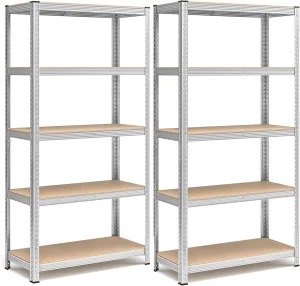
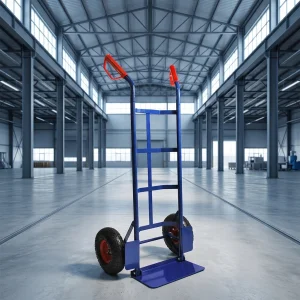
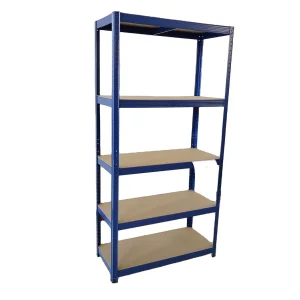
Why next-generation logistics hubs, deepwater ports, and cold-chain complexes in Singapore demand high-grade Polyurethane (PU) material solutions.
Singapore's industrial infrastructure represents one of the most sophisticated logistical markets globally. As a premier global logistics hub, its regional operations rely on precision material handling systems. The local market demand for PU (Polyurethane) wheels is transitioning from simple structural components to high-performance, system-integrated assets. Industry facilities such as the Changi Airfreight Centre, the automated sorting warehouses in Tampines LogisPark, and the chemical plants of Jurong Island require mobility gear that minimizes down-time.
Furthermore, Singapore’s strict workplace safety and health guidelines (WSH) place a major emphasis on noise levels and ergonomic manual operations. Industrial trolleys, material trucks, and manual stackers must move with minimal friction. High-durability polyurethane wheel components significantly reduce rolling resistance compared to steel or nylon, lowering the risk of repetitive motion injuries for warehouse floor operators while ensuring complete floor protection for high-value epoxy coatings.
A deep dive into polyurethane elastomers, load limits, and core vulcanization processes.
To understand why polyurethane wheels are the optimal choice for modern industrial applications, one must examine their structural material composition. Unlike standard rubber, which relies on sulfur vulcanization, polyurethane is a block copolymer composed of alternating hard and soft segments. This unique combination allows chemical engineers to tailor hardness, resilience, and dampening properties to specific industrial workloads.
Industrial polyurethane systems are typically built on two main prepolymers: Toluene Diisocyanate (TDI) and Methylene Diphenyl Diisocyanate (MDI).
The choice of Shore hardness determines the load capacity, noise attenuation, and rolling resistance of the industrial wheel. For standard warehouse platforms, a Shore 95A durometer polyurethane provides the perfect balance of heavy loading and floor compliance. Below is a detailed technical matrix comparison of wheel elastomer materials:
| Elastomer Material | Durometer Range | Rolling Resistance | Floor Protection Rating | Load Capacity (per unit) | Hydrolysis Resistance (90%+ Humidity) |
|---|---|---|---|---|---|
| Standard Rubber | 70A - 80A | High (Needs High Effort) | Excellent | Light to Medium (<200 kg) | Good |
| Cast Polyurethane (TDI/MOCA) | 90A - 95A | Low (High Efficiency) | Excellent | Heavy Duty (500 - 2,000 kg) | Moderate |
| Hydrolysis-Resistant MDI PU | 92A - 98A | Very Low | Very Good | Ultra Heavy Duty (1,000 - 5,000 kg) | Outstanding (Recommended for SG) |
| Nylon (Polyamide) | 70D - 80D | Minimal | Poor (Can Chip Floors) | Heavy Duty (<1,500 kg) | Impervious |
For automated storage and retrieval systems (AS/RS), selecting an engineered MDI polyurethane wheel with a Shore 98A durometer ensures that automated shuttles operate smoothly at speeds exceeding 4m/s, avoiding structural deformation (flat-spotting) during prolonged stationary periods.
Analyzing current global logistics shifts and the rise of automated heavy-duty fulfillment platforms.
Global supply chains are undergoing structural transformations. High-cost hubs like Singapore are moving aggressively toward automated fulfillment, where fleets of small robotic storage trolleys, sorting conveyors, and vertical heavy-duty rack complexes run continuously. The reliance on individual wear components, especially caster wheels and guidance guide-bearings, has highlighted a critical vulnerability: unexpected downtime is extremely costly.
Procurement teams from Europe, North America, and Southeast Asia are no longer merely sourcing the lowest unit-cost wheel component. The total cost of ownership (TCO) model has taken precedence. High-performance PU wheels that last 3 to 4 times longer than generic rubber or injection-molded PVC wheels minimize intervention schedules and maintenance costs.
In response to this shift, strategic buyers are focusing on integrated suppliers that can customize not just the polyurethane tread, but also the internal mechanical components, including:
International standards require all AGV and automated material handling wheels to meet rigorous test cycles. Our systems are engineered in accordance with DIN 15185 (Criteria for industrial truck aisles and automated guided vehicle systems) and EN 12532 (Casters and wheels for industrial use).
How Ningbo Xinyi Metal Products Co., Ltd. leverages advanced industrial automation to deliver unmatched consistency for international markets.
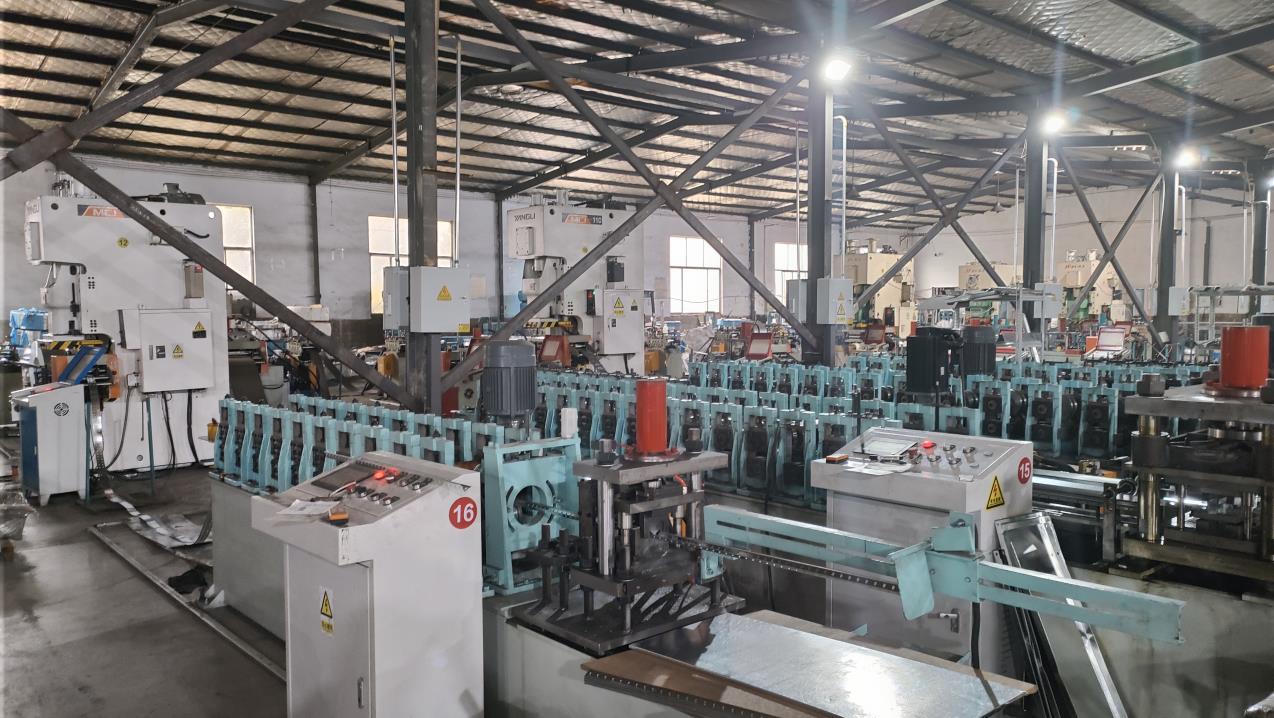
The manufacturing backbone of high-capacity storage racks and associated material handling equipment is undergoing a major evolution. By integrating Factory 4.0 principles, Ningbo Xinyi Metal Products Co., Ltd. provides global and local Singapore logistics systems with a reliable stream of high-grade steel structures and automated handling components.
Established in 2015, Ningbo Xinyi Metal Products Co., Ltd. is a leading manufacturer specializing in heavy-duty industrial storage racks, pallet racking systems, and customized warehouse material handling solutions. Spanning a state-of-the-art production facility of 38,000 square meters, we deliver high-performance racking products to global logistical hubs, distributors, and enterprise facilities.
With 11 years of deep industry expertise and 8 years of dedicated international trade experience, our annual export revenue has reached over $28 million USD. Our footprint spans major global markets, including North America, Western Europe, Southeast Asia, and the Middle East, serving diverse client segments such as third-party logistics (3PL) providers, e-commerce fulfillment centers, industrial distributors, and large-scale retail chains.
Quality and structural integrity are at the core of our manufacturing processes. Supported by a rigorous Quality Assurance team of 45 certified inspection professionals, we enforce strict full-process quality control. Our quality testing methods integrate ultrasonic weld inspection, raw material tensile testing, load-capacity deflection testing, and salt-spray corrosion resistance evaluation to guarantee long-term durability and safety compliance.
Driven by strong research and development capabilities, our engineering center hosts 28 experienced R&D engineers who specialize in custom structural design, seismic analysis, and automated storage and retrieval systems (AS/RS). We offer extensive OEM/ODM customization options, including custom load capacities, dimensions, powder-coating finishes, and modular accessory integrations. Last year alone, our R&D team successfully launched 185 new products and customized configurations to meet evolving market demands.
Backing our operational strength is a robust supply chain network of over 850 trusted partners providing premium steel materials, eco-friendly surface coatings, and specialized hardware components. Ningbo Xinyi Metal Products Co., Ltd. remains committed to delivering reliable, safe, and space-optimized storage solutions to empower our clients' global supply chain infrastructure.
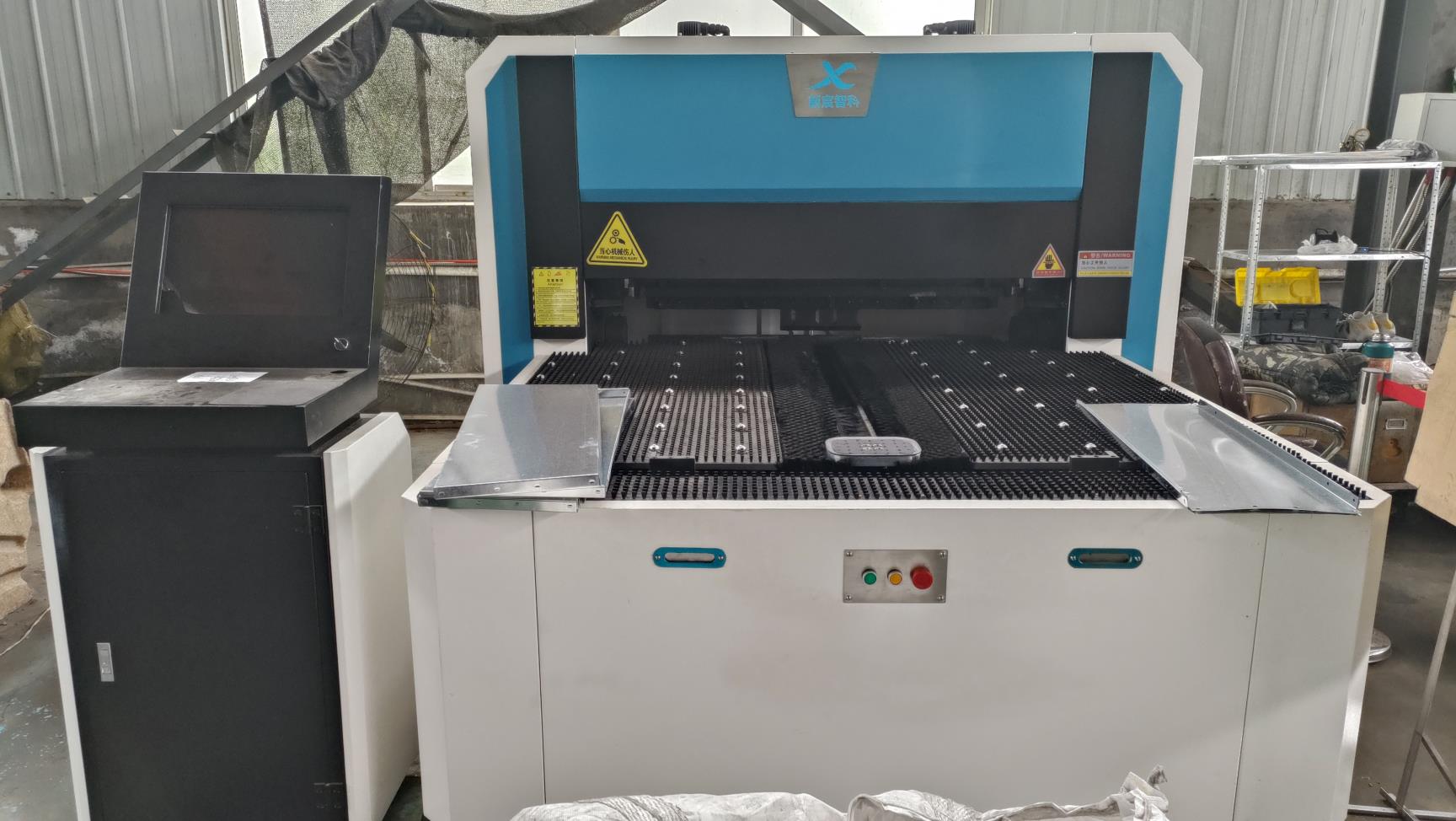
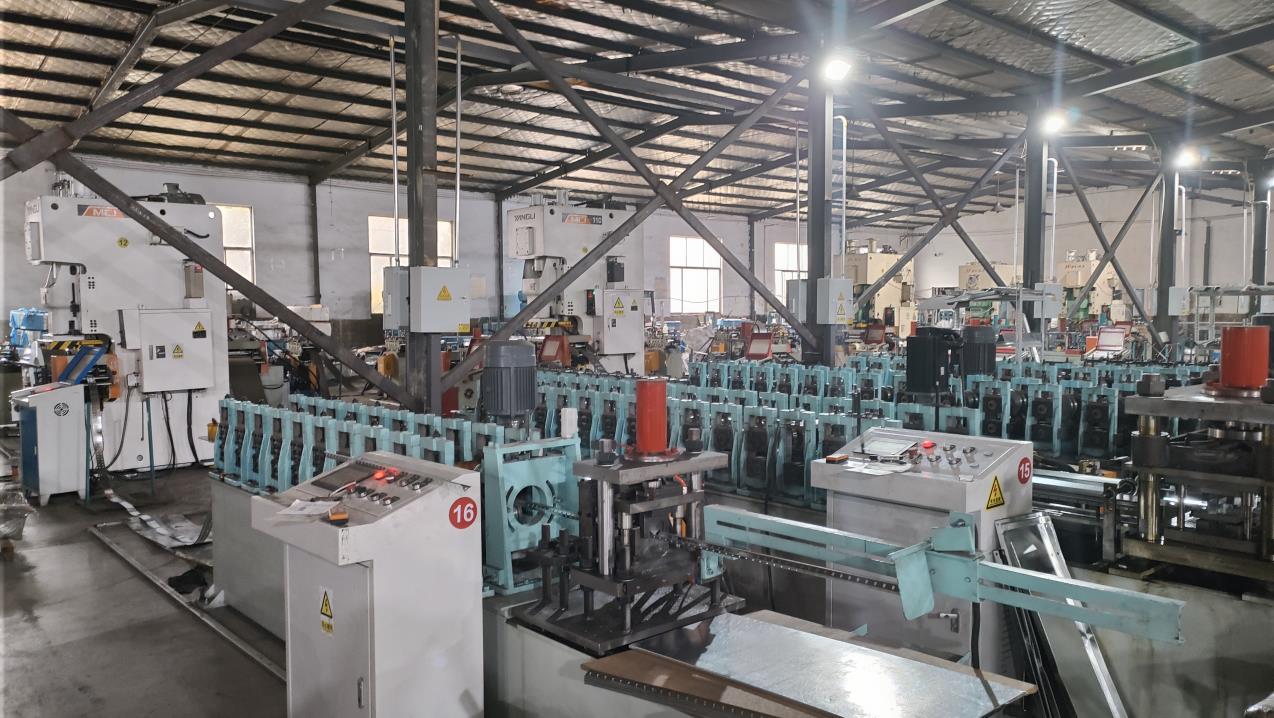
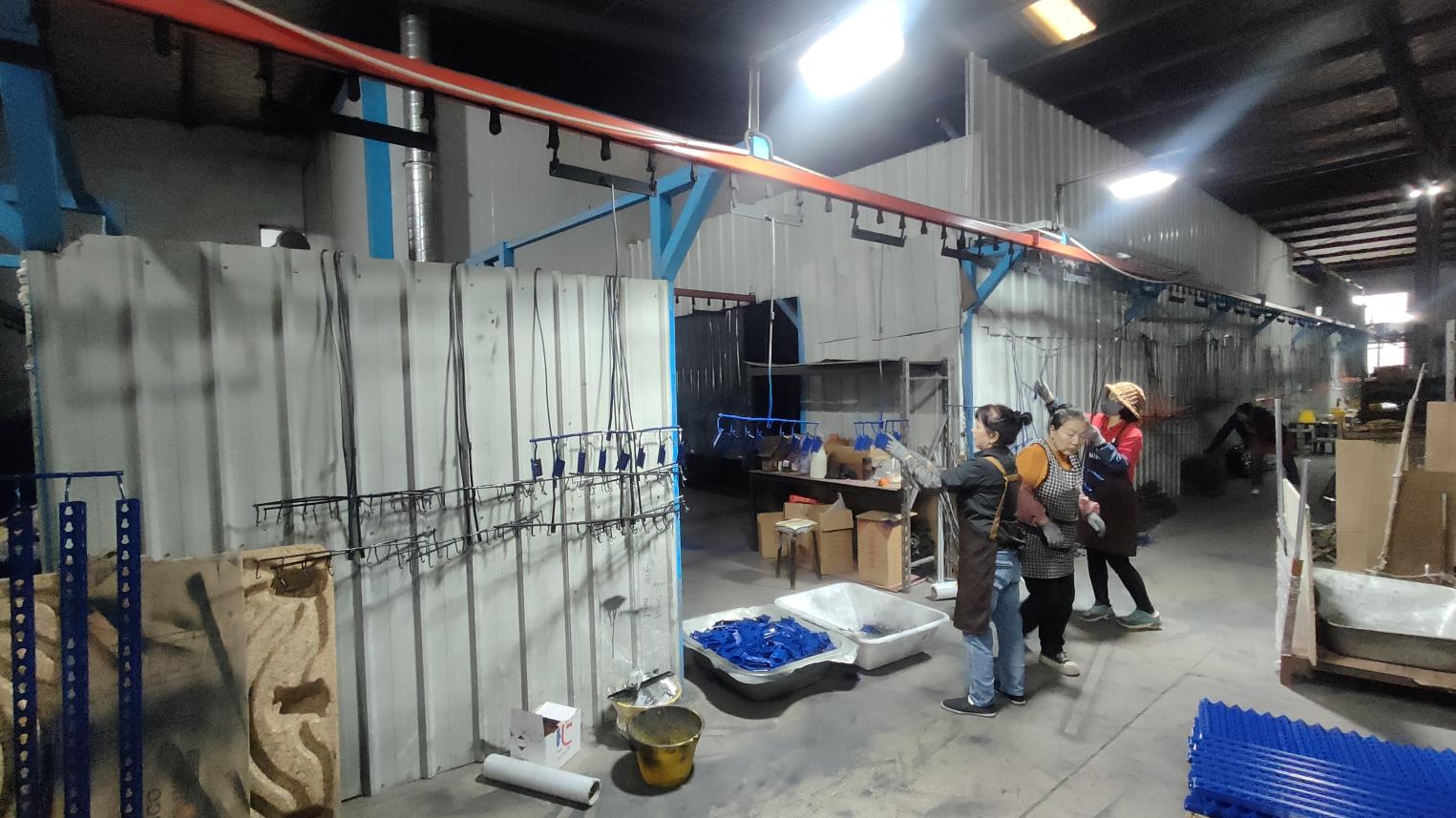
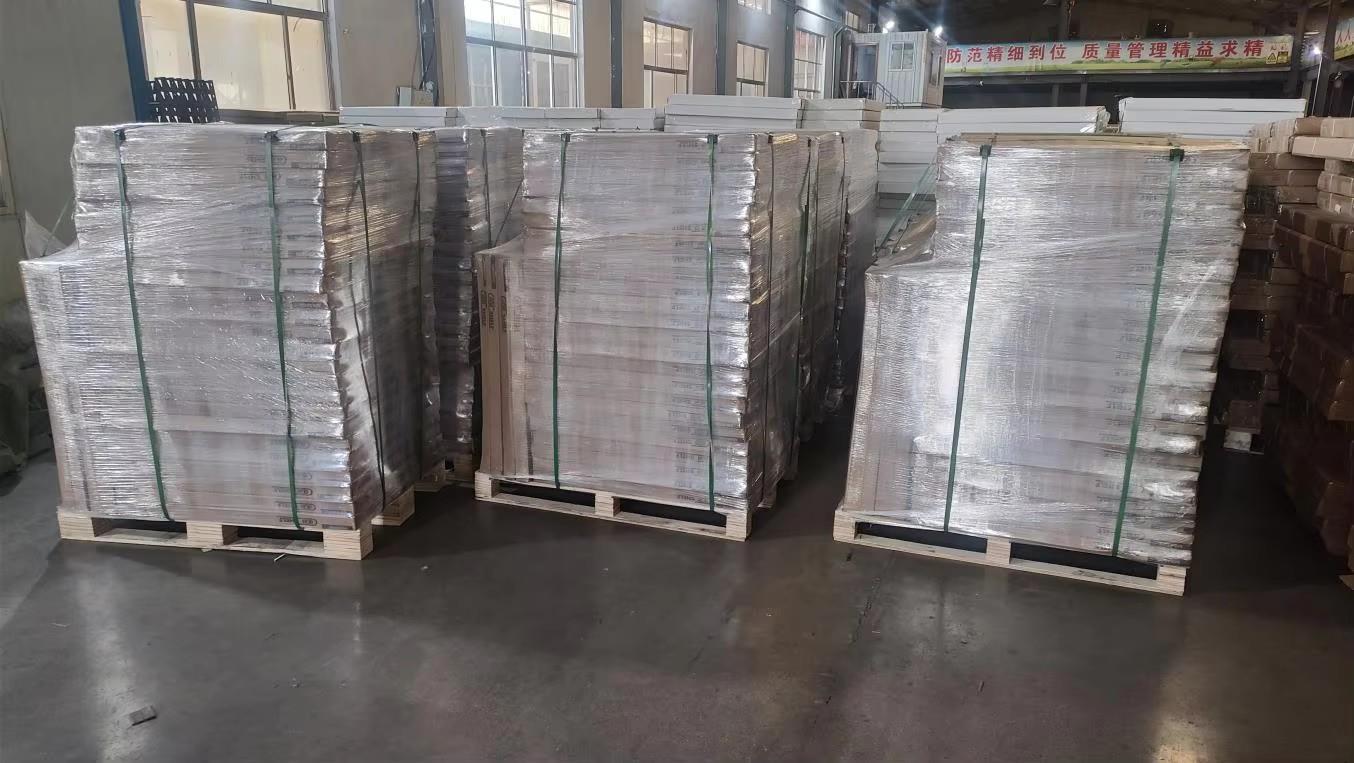
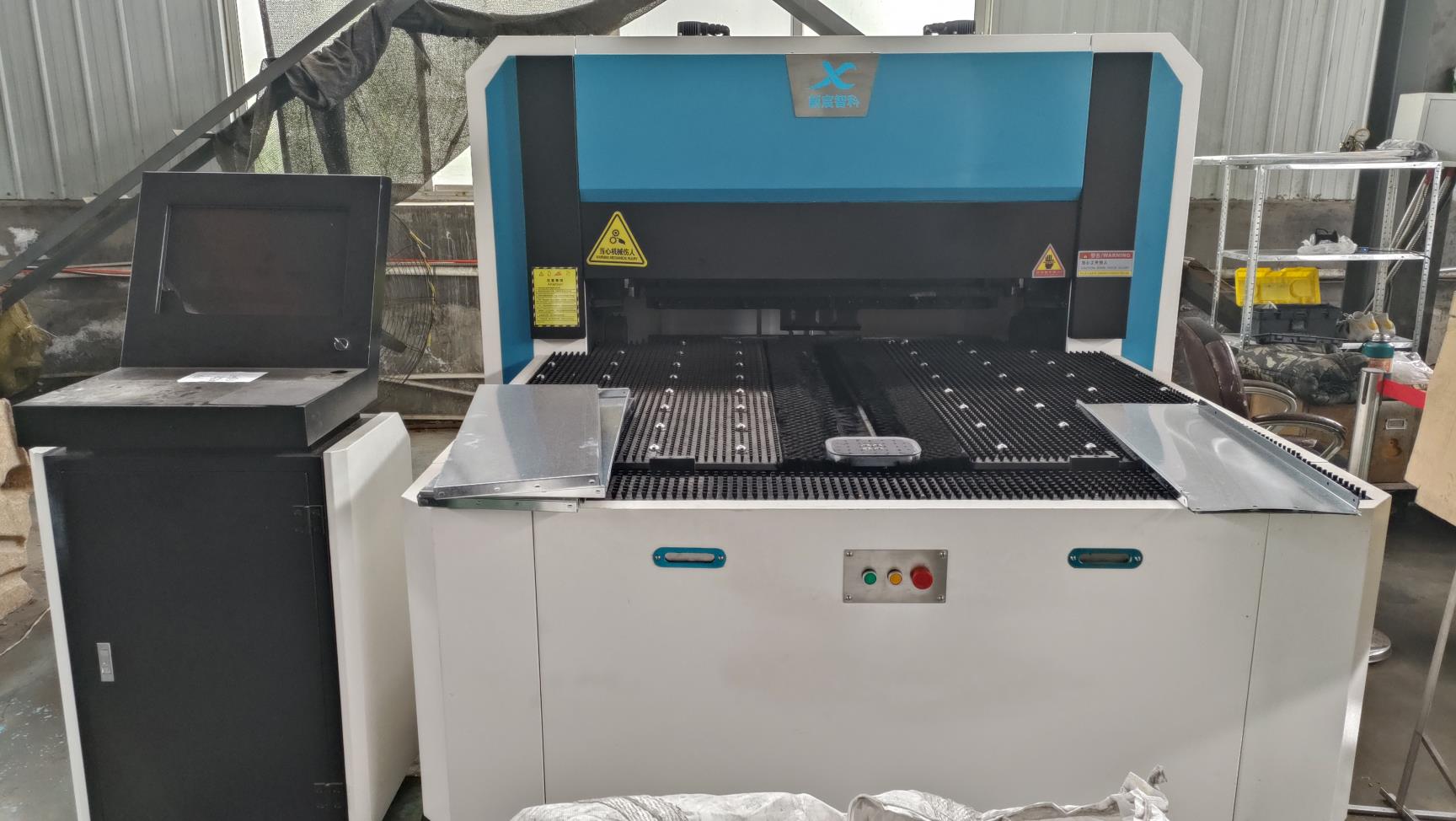
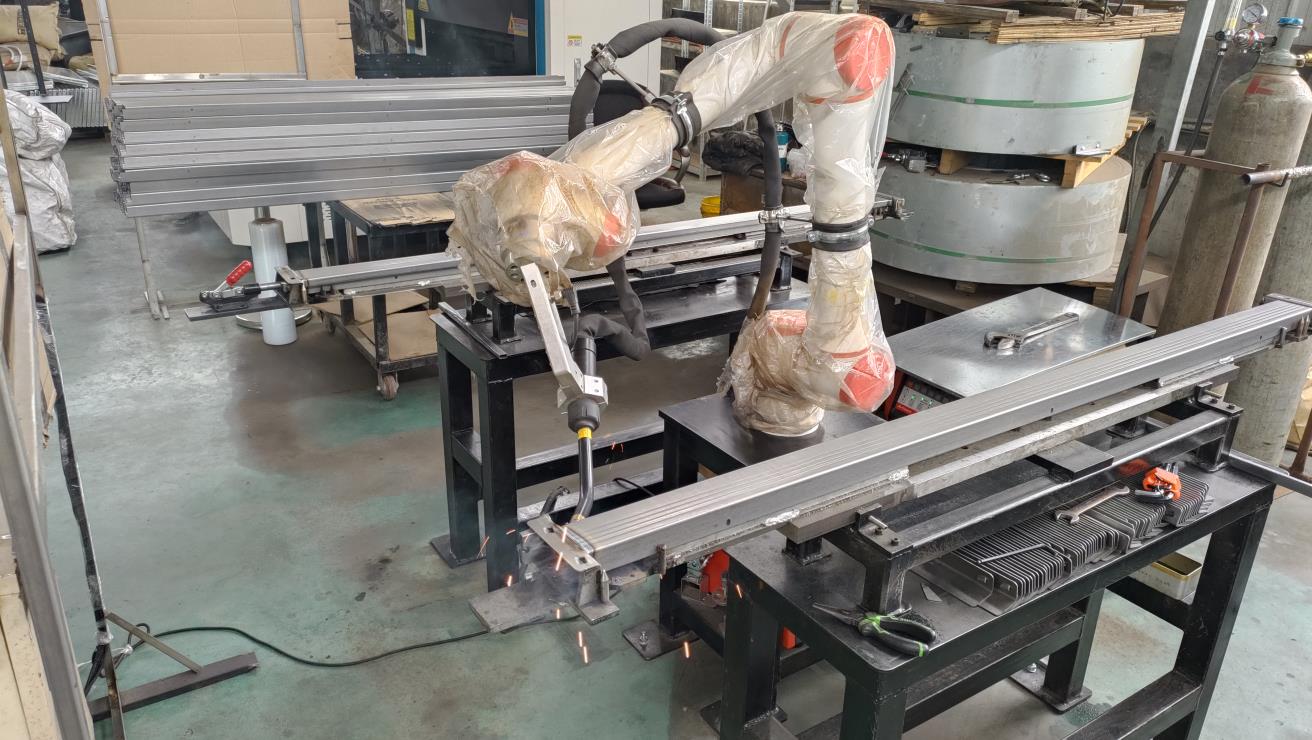
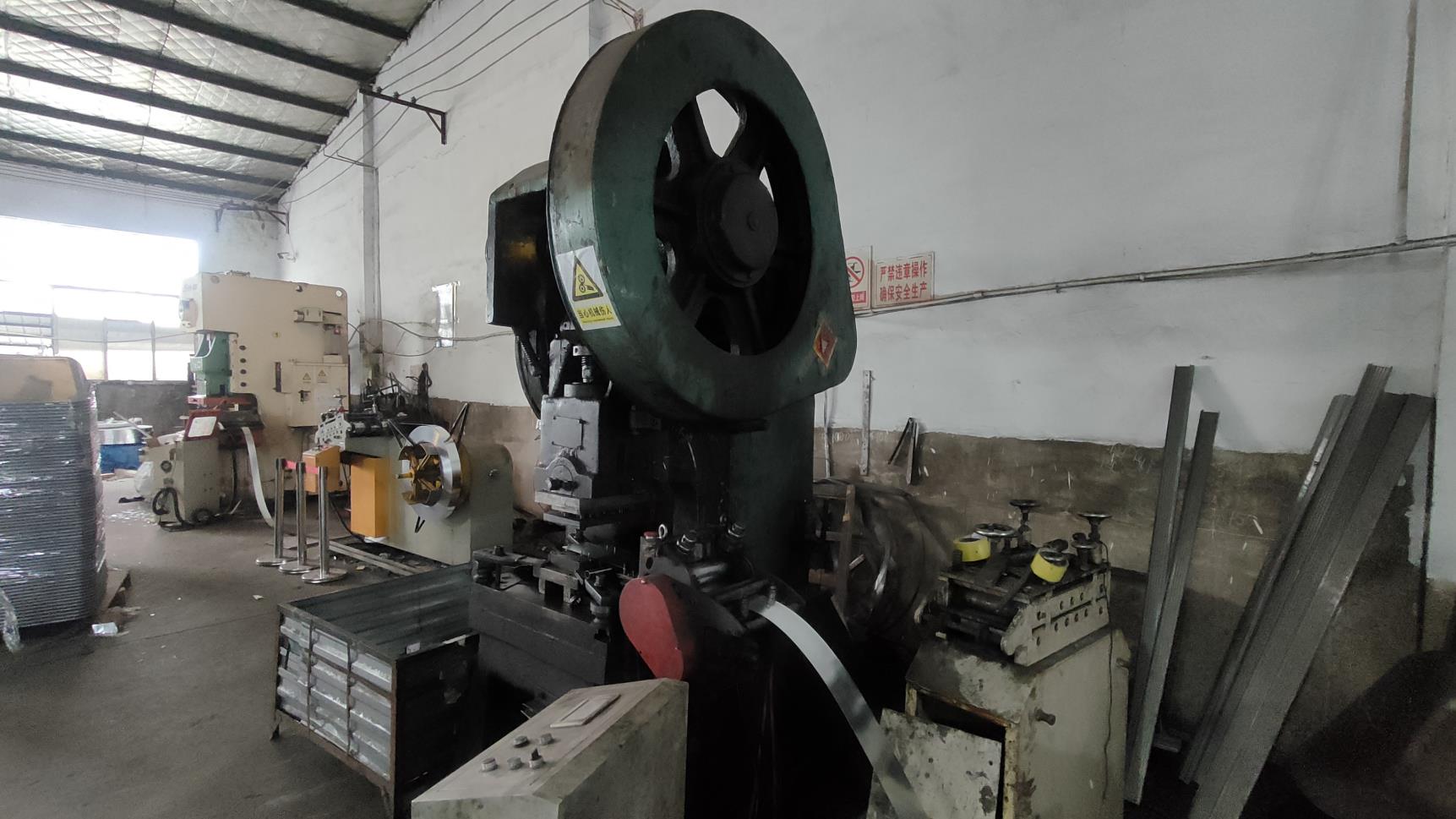
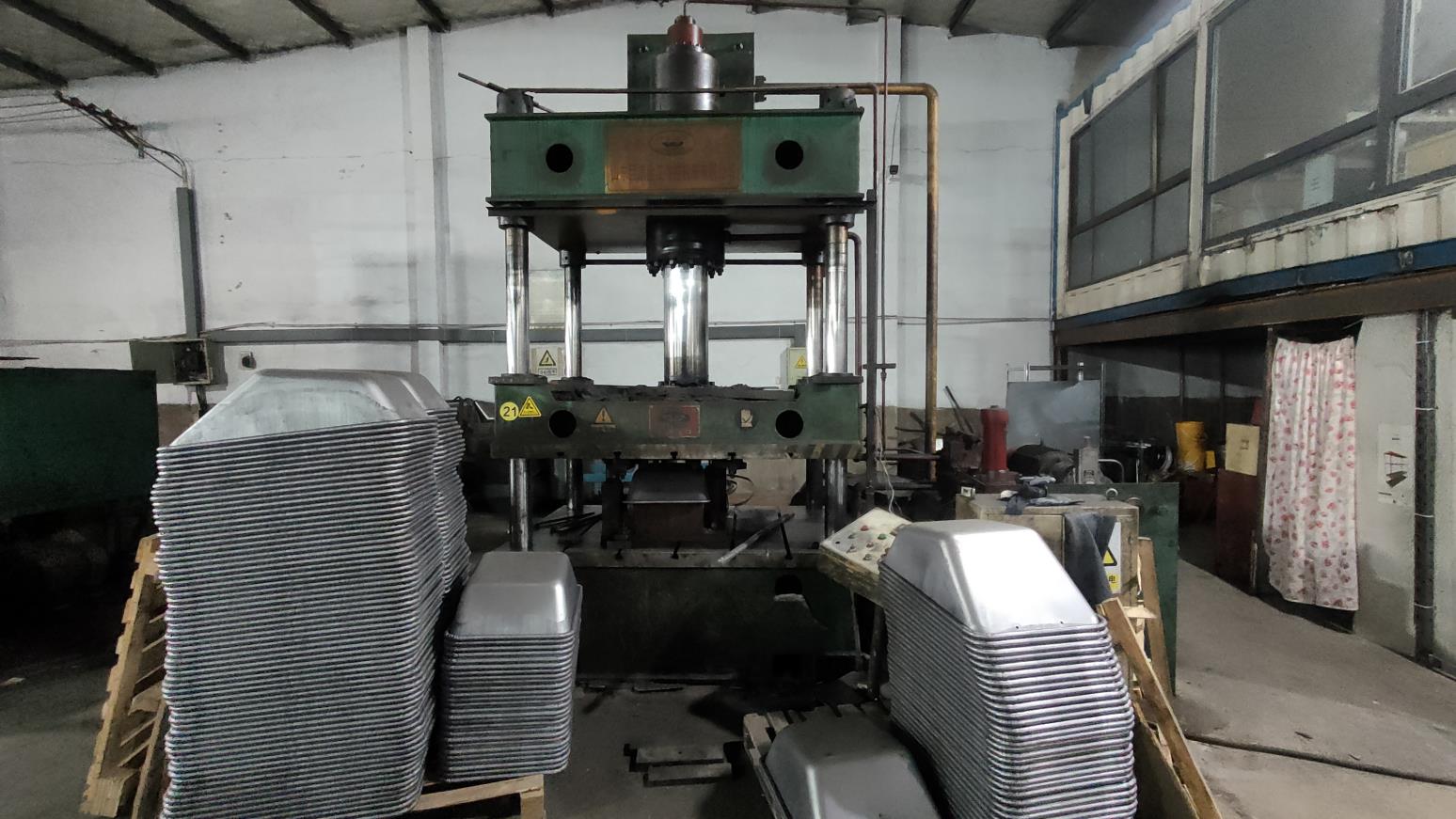
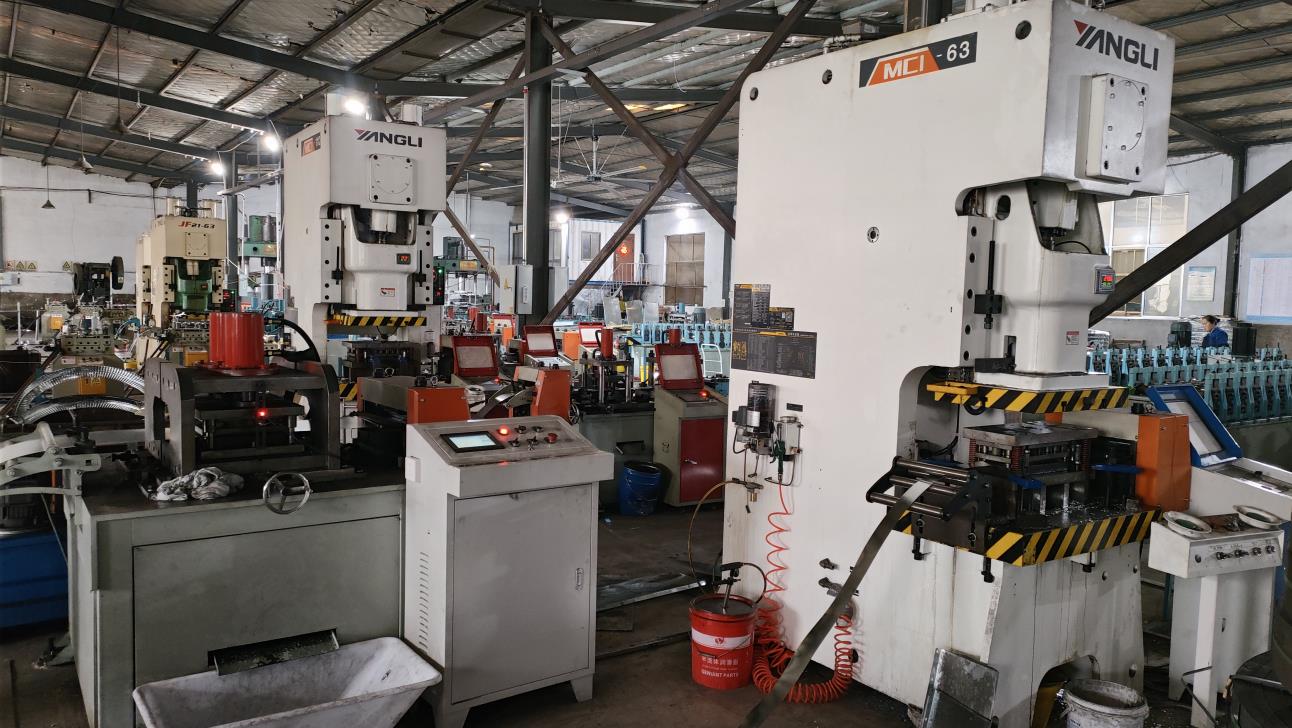
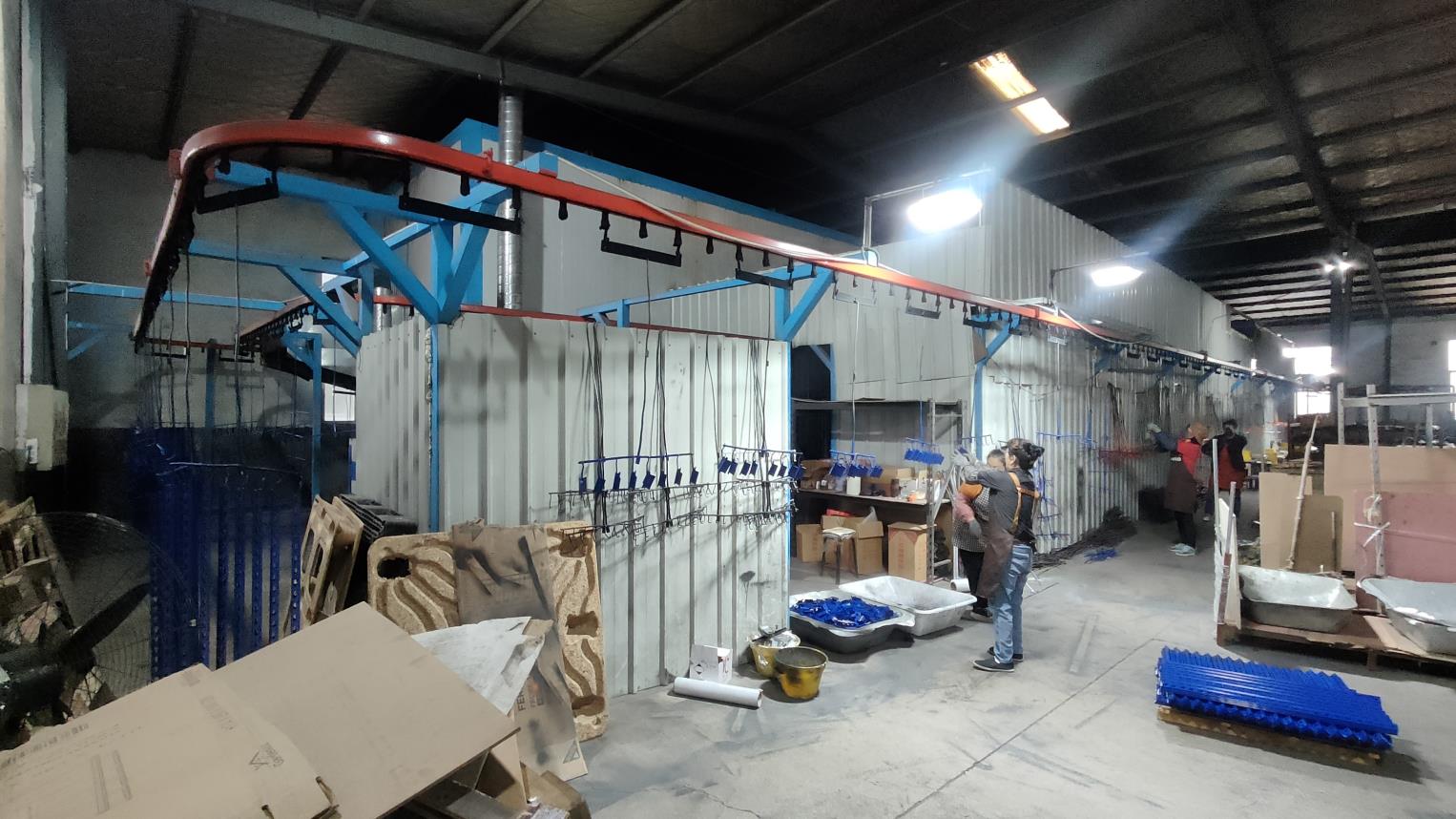
A look inside our automated production lines where high-grade raw steel is processed into heavy-duty racking systems and platform trolley components.
Adapting advanced storage technologies and high-load wheel components to real-world industrial environments.
In cold storage centers, space optimization is critical due to the high refrigeration costs. Our heavy-duty racking systems are paired with customized mobile racks that run on specialized guide rails. By equipping the mobile bases with high-performance polyurethane rollers, the systems can handle dynamic loads of several tons per upright without damaging the subterranean floor insulation.
Cleanrooms require materials that generate zero particulate wear. Standard rubber or nylon components pose contamination risks to microchips. Our custom platform trolleys utilize dual-shielded, precision-ground stainless steel bearings combined with high-grade polyurethane tread wheels. These wheels prevent electrostatic discharges (ESD) while maintaining absolute operational hygiene.
Corrosion resistance is crucial when transporting chemical containers. By matching hot-dipped galvanized platform structures with heavy-duty cast PU caster wheels, our material handling trucks endure acid/base exposure, constant chemical washes, and salt spray without degrading.
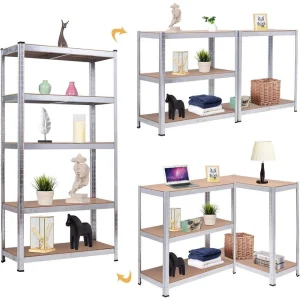
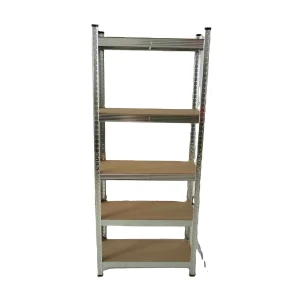
Engineered for durability, modular expansion, and high dynamic weight capacities.
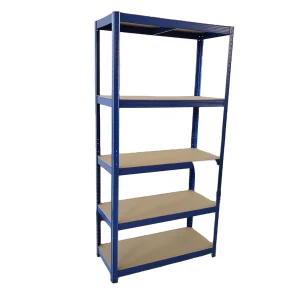
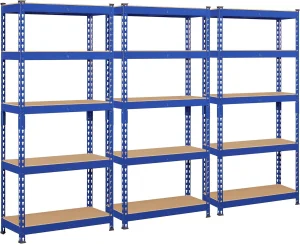
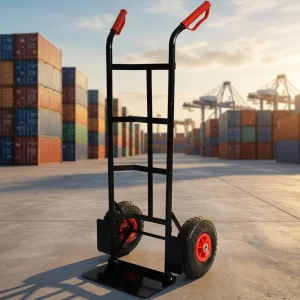
Essential insights for procurement managers and engineers sourcing logistics material gear for Southeast Asian operations.
 Xinyi Racking