Engineered to withstand heavy loads, monsoon humidity, and rough concrete flooring typical of regional distribution centers.
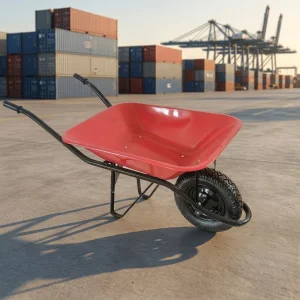
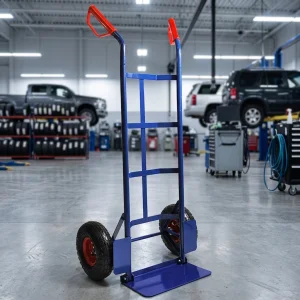
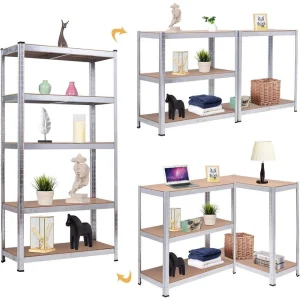
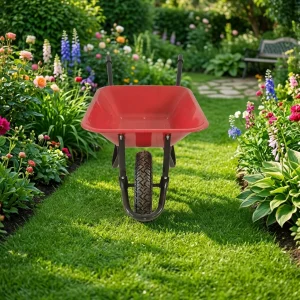
India’s rapid industrialization under the national "Make in India" initiative has catalyzed an unprecedented expansion in high-throughput logistics, automated warehouses, and heavy manufacturing corridors. E-commerce fulfillment hubs across Delhi-NCR, Mumbai, Bengaluru, and Chennai demand continuous, high-efficiency movement of cargo. This micro-ecosystem places unique structural demands on material handling components—specifically wheels and casters.
Traditional rubber wheels and nylon casters frequently fail to meet the performance criteria in Indian conditions. Challenges such as extreme ambient temperatures exceeding 45°C during peak summer, moisture absorption during heavy monsoon seasons, and abrasive concrete flooring lead to premature degradation, delamination, and excessive rolling resistance.
With an advanced 38,000 m² production facility, we supply globally tested material handling structures to key industrial partners.
Established in 2015, Ningbo Xinyi Metal Products Co., Ltd. has developed into a leading manufacturer specializing in heavy-duty industrial storage racks, custom logistics carts, and integrated material handling hardware. Our comprehensive understanding of high-load dynamics enables us to supply PU wheels and transport chassis that align with both European DIN guidelines and Indian Bureau of Standards (BIS) specifications.
With over 11 years of structural engineering expertise and a decade of dedicated international trade operations, we process over $28 million USD in annual exports. Our QA department comprises 45 certified inspection professionals executing ultrasonic weld testing, tension trials on premium steel grades, and salt-spray corrosion evaluations to guarantee lasting stability under demanding warehouse loads.
A deep dive into why high-grade Cast PU (TDI and MDI polymer matrices) represents the future of heavy load logistics.
While traditional nylon and rubber wheels represent lower initial expenditure, they fail under heavy cyclic loads. Ningbo Xinyi's high-grade PU wheels extend replacement intervals by up to 250% in humid manufacturing hubs, significantly lowering operational downtimes.
Offering Durometer ranges from 85 Shore A to 98 Shore A. The material yields a low rolling resistance coefficient (μ=0.015 to 0.020) that reduces battery drain on automated guided vehicles (AGVs) operating in Indian logistics centers.
Specially customized static-dissipative PU compounds prevent electro-static discharges (ESD), protecting sensitive components in automotive electronics plants across Gujarat and Tamil Nadu.
Every step of construction, from structural design and automatic bending to electrostatic powder coating, is handled within our 38,000 m² ISO-compliant production facility.
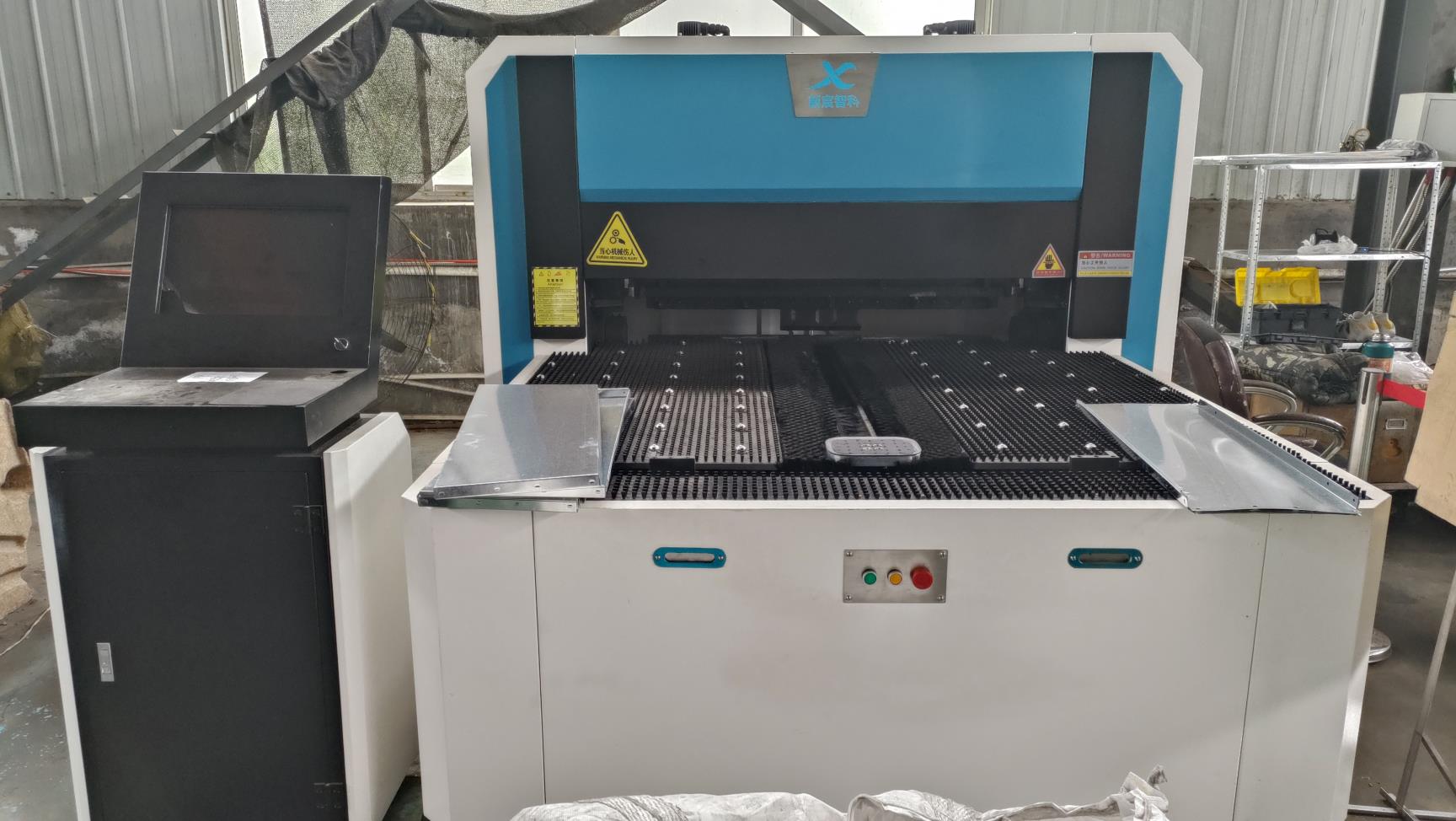
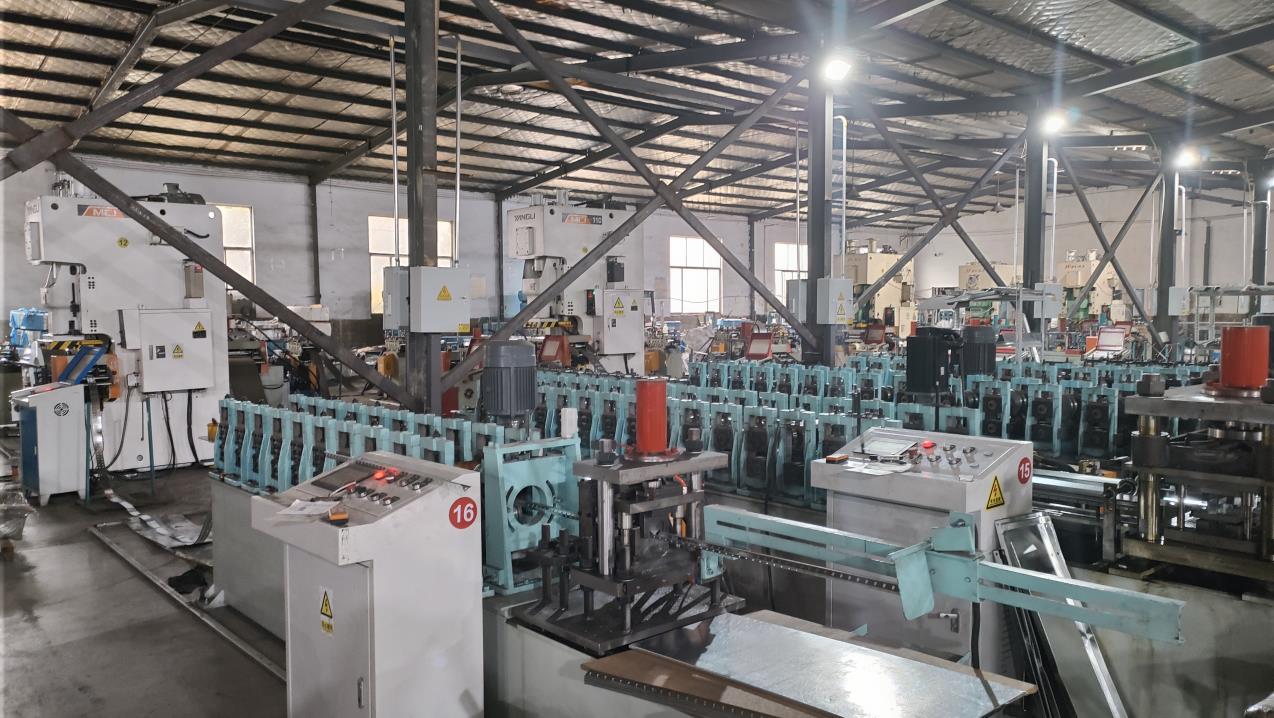
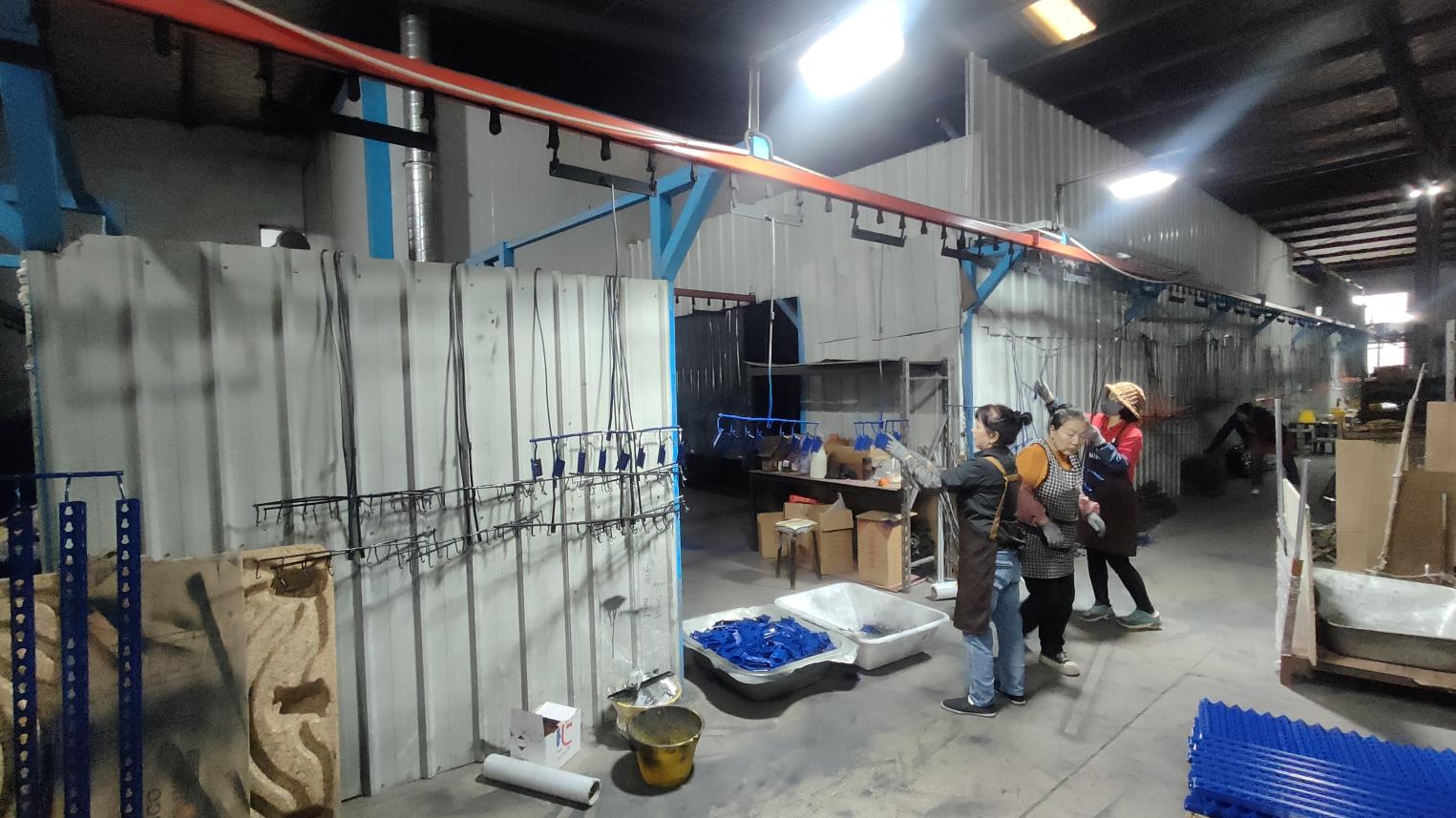
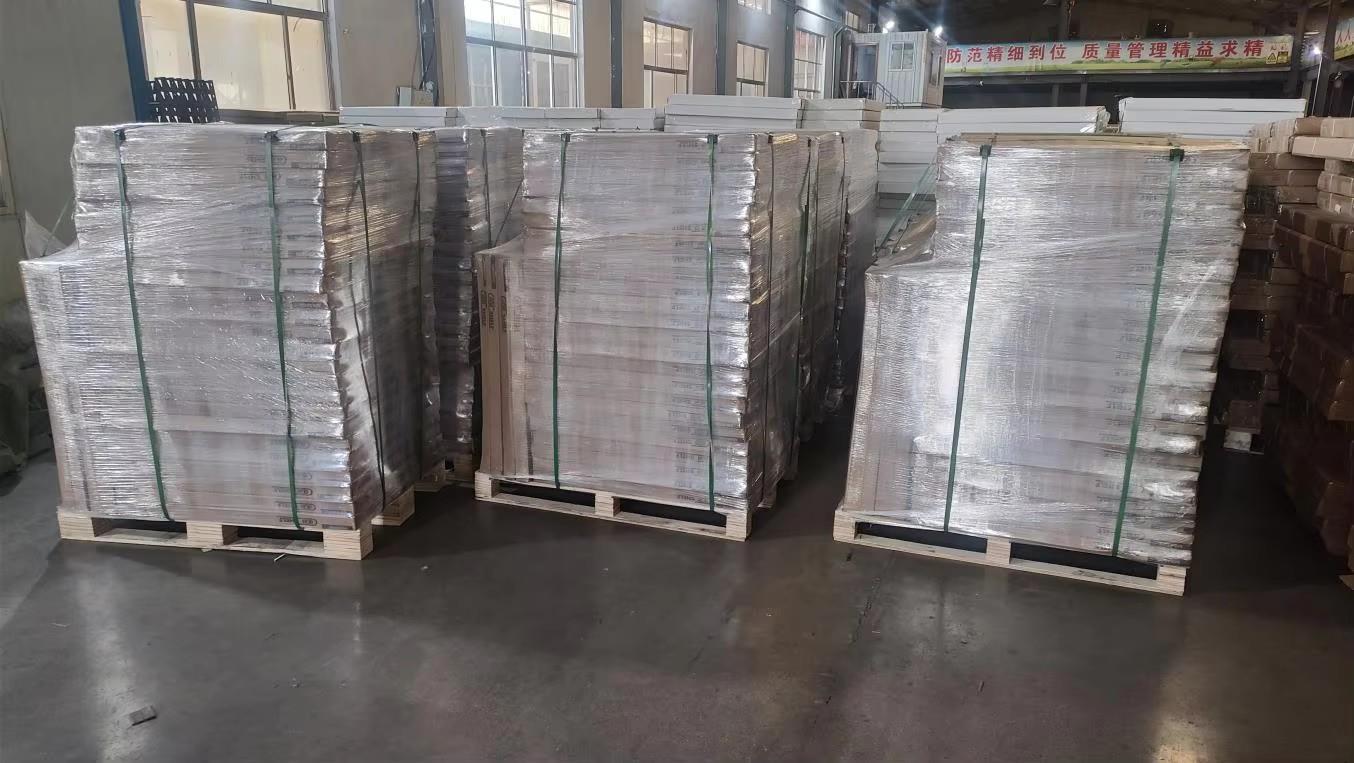
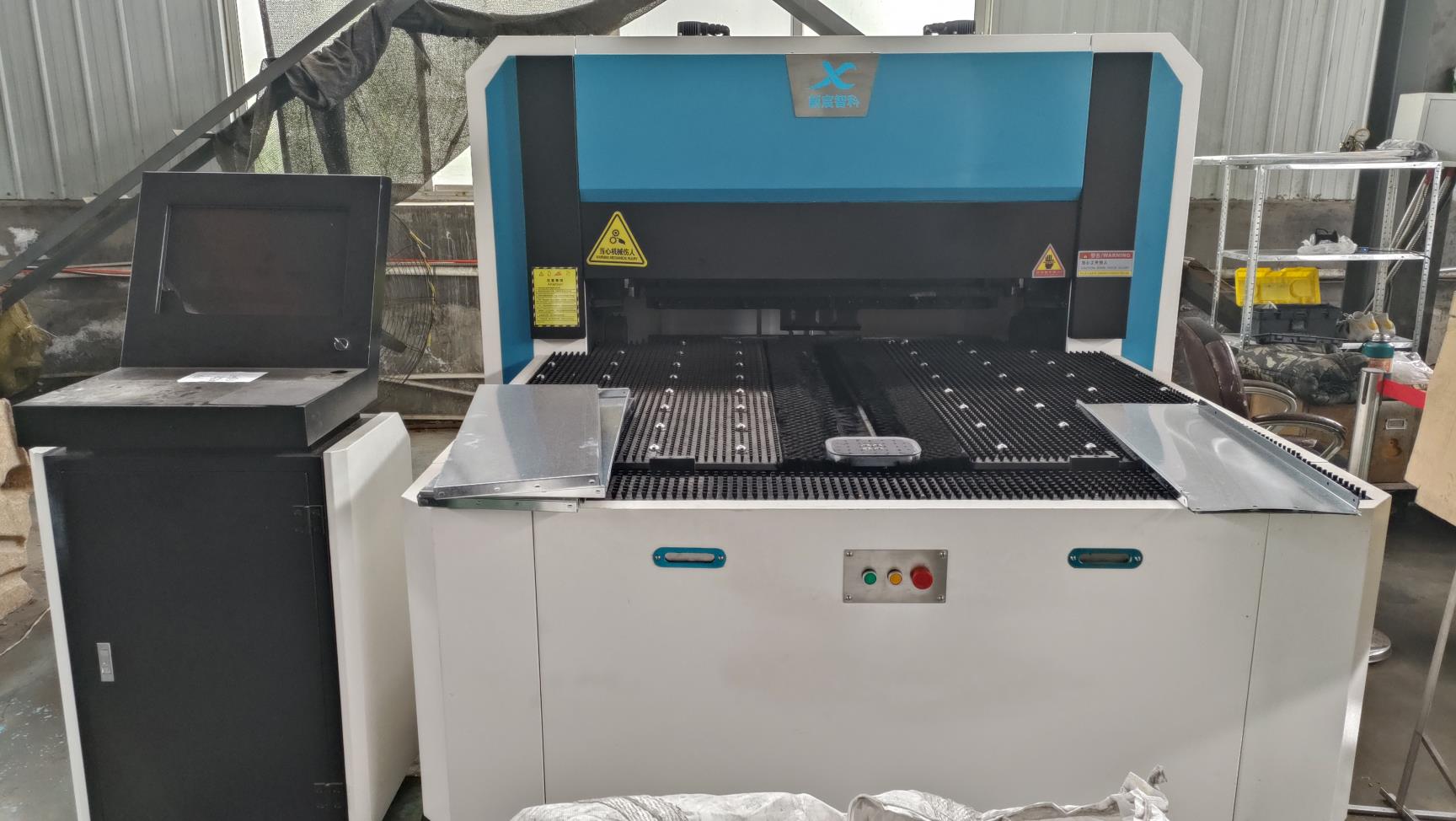
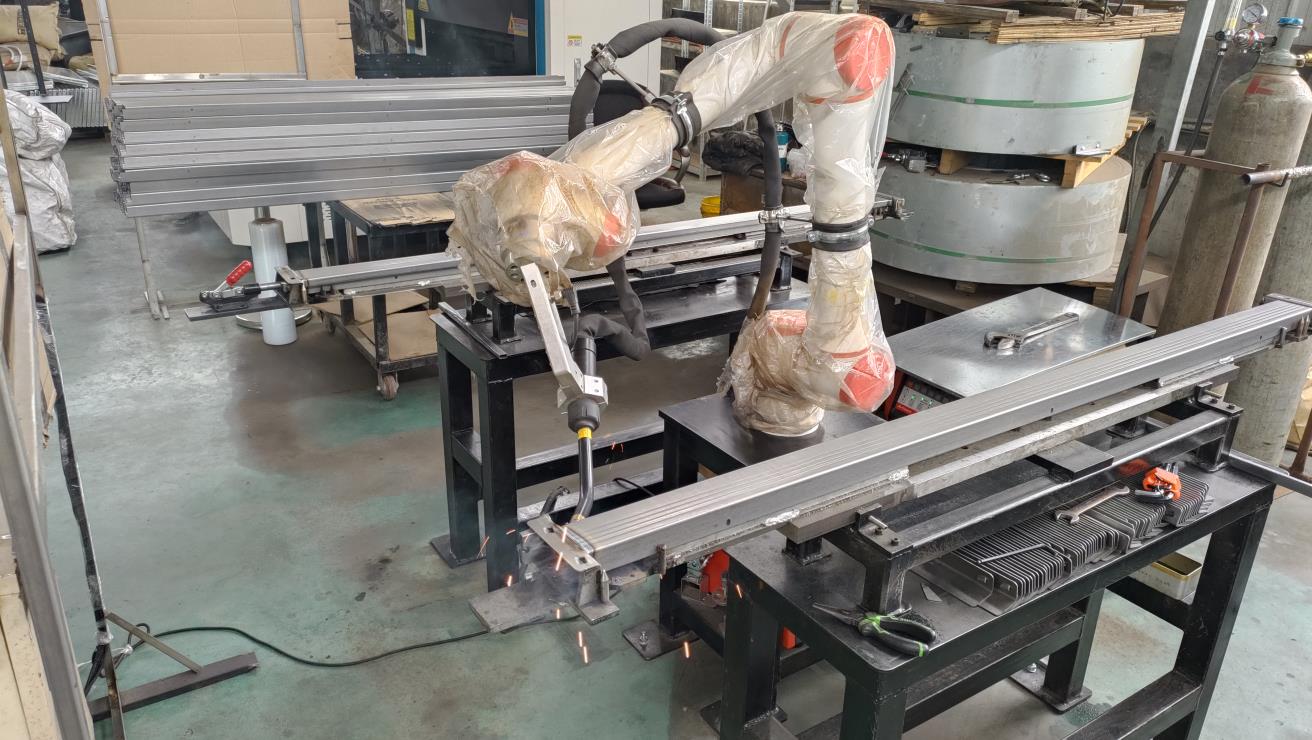
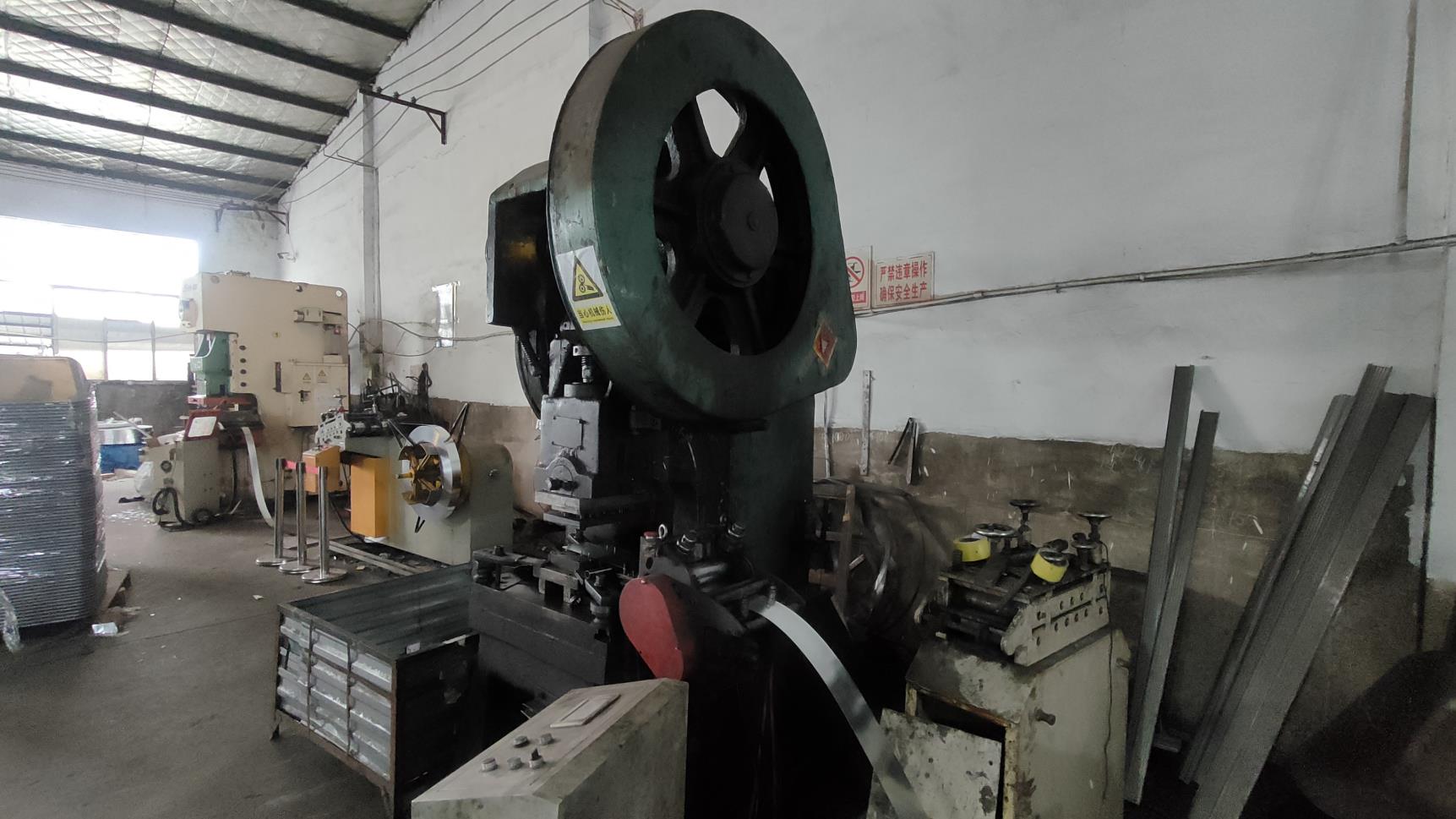
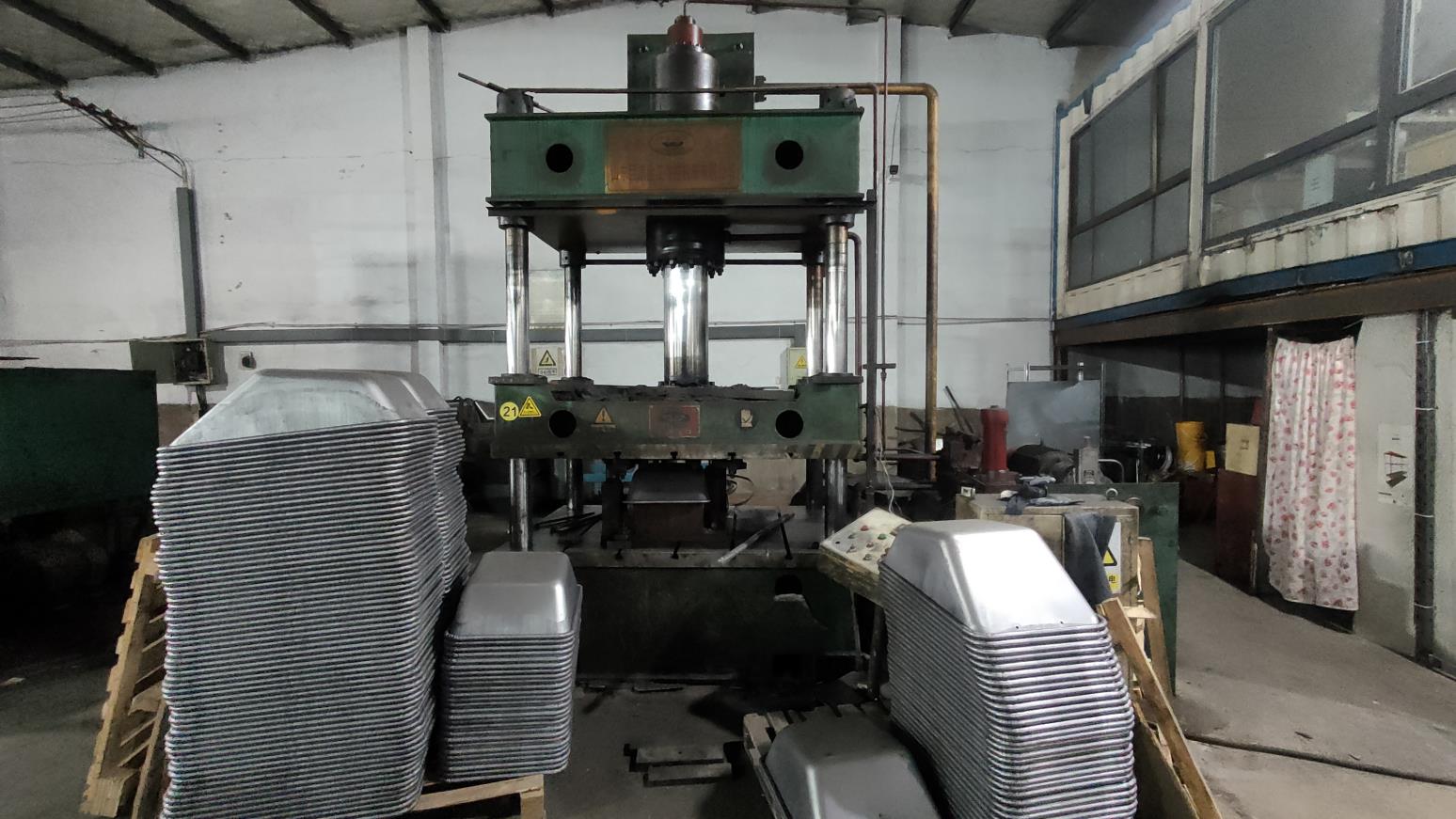
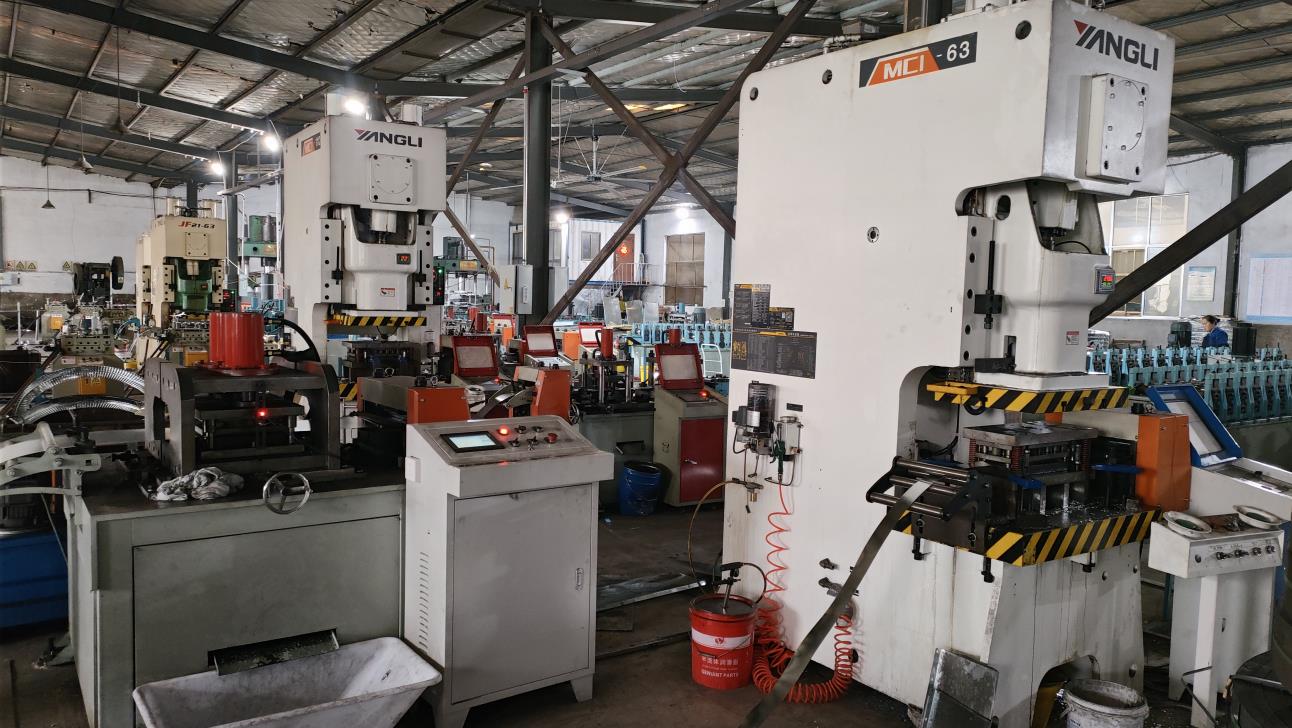
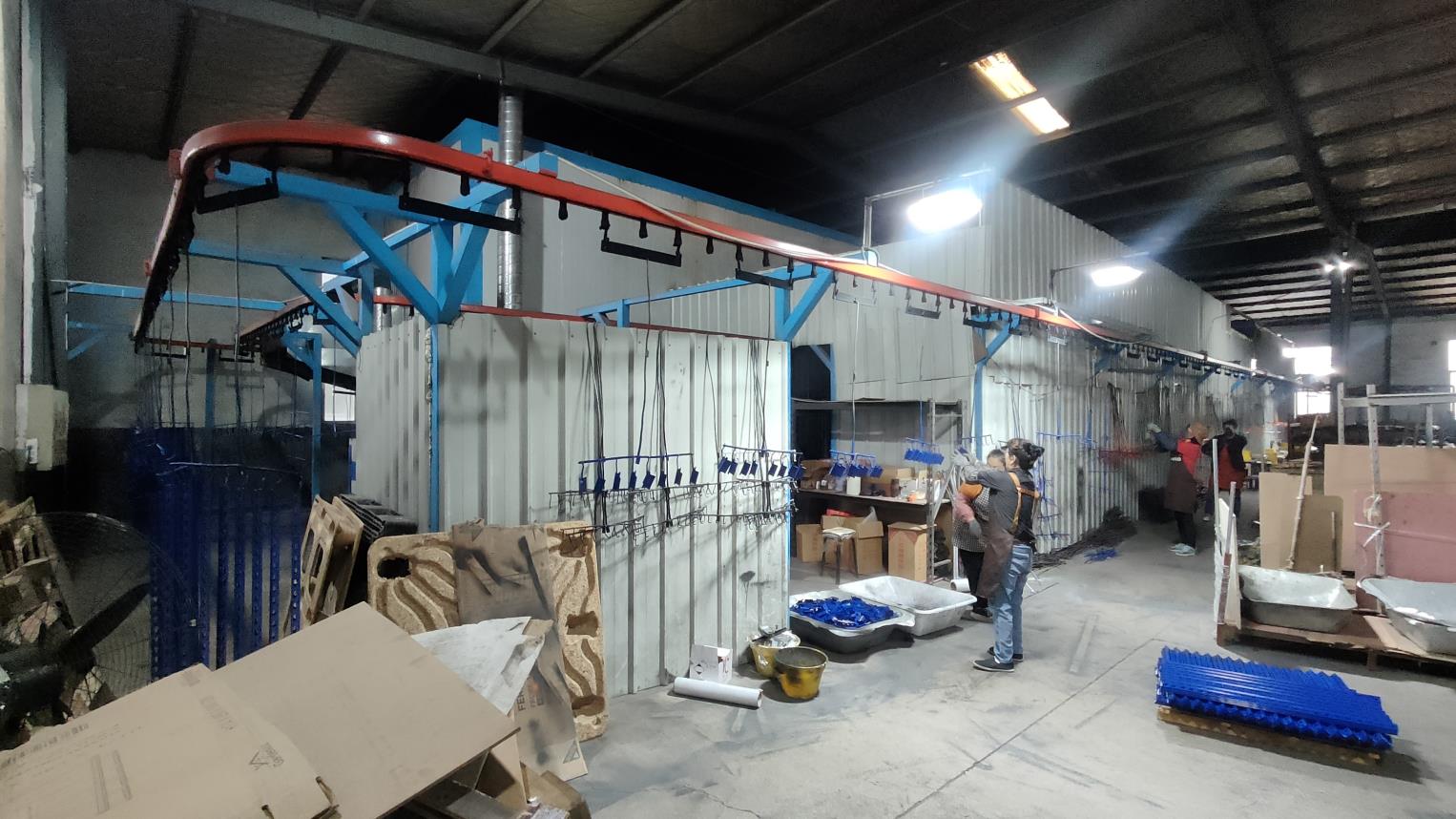
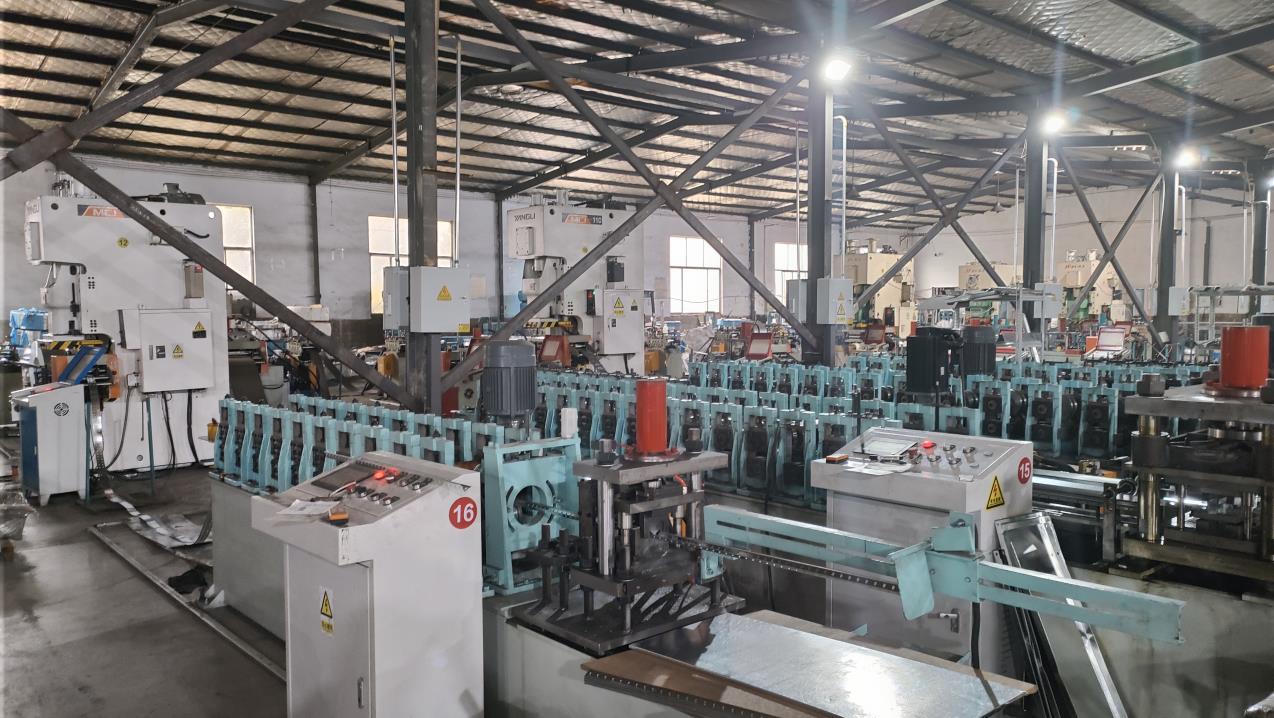
How our structural steel and PU wheel configurations solve targeted industrial requirements across different operational environments.
In major manufacturing zones like Pune, Chennai (Oragadam), and Gurugram, production lines run continuously. Trolleys carrying complex chassis panels require high-tensile PU wheels that prevent floor scoring. Our polyurethane-on-iron-core wheels support dynamic capacities of up to 1,200 kg per caster, reducing dynamic drag and allowing manual operators to manipulate heavy assemblies with minimal fatigue.
India's cold chain networks require materials that can withstand temperature swings from ambient subtropical heat down to -30°C. Standard plastic components turn brittle and crack under these conditions. Our custom formulation features low-temperature dynamic flexibility, preventing flat spots and maintaining steady traction on ice-slicked floors.
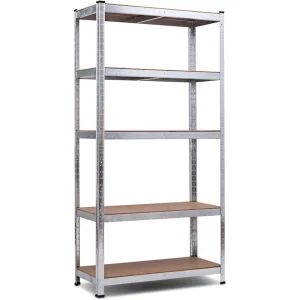
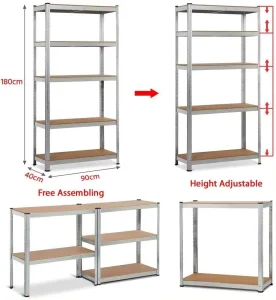
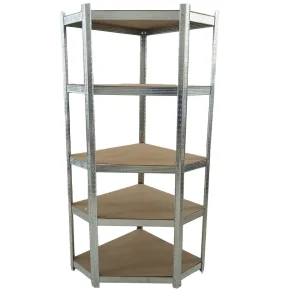
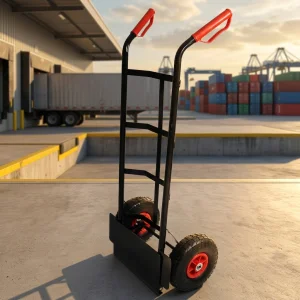
Fulfillment centers handling consumer electronics and fast-moving consumer goods (FMCG) prioritize noise reduction and structural adaptability. Our heavy-duty boltless steel racking systems and platform trucks facilitate quiet operations, protecting epoxy coatings and keeping noise levels under 65 decibels for improved workplace ergonomics.
Operating near major coastal gateways like Mundra, Nhava Sheva, and Cochin requires components with high corrosion resistance. Ningbo Xinyi's hot-dip galvanized finishes and zinc-plated structural steel brackets are tested for up to 500 hours of continuous salt-spray exposure, ensuring long-term durability in high-salinity air.
High-grade structural products, manufactured using certified processes, with options for dynamic cargo customization across all major sectors in India.
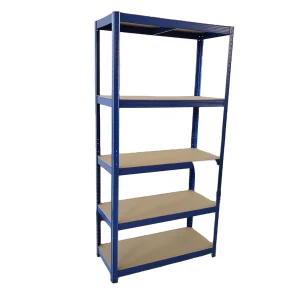

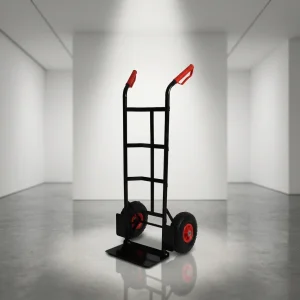
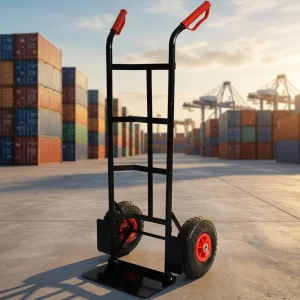
How we ensure every structural frame and wheel assembly meets international B2B logistics requirements.
Structural failure in high-bay racking systems or heavy cargo trolleys poses severe safety risks and can halt operations. To prevent component failure under maximum dynamic loads, Ningbo Xinyi implements a multi-step quality control system supervised by our 45-person QA department.
1. Spectrochemical Steel Verification: Every batch of incoming cold-rolled and galvanized steel strip is verified for yield point, tensile strength, and alloy composition. This step guarantees consistent weld performance and load capacity.
2. Dynamic Life-Cycle Testing: Our wheel assemblies undergo testing on drum testing rigs that simulate continuous floor travel under overloaded conditions. The test measures heat generation in the PU matrix, tread wear, and bearing retention.
3. Accelerated Environmental Chamber Testing: Racking and metal components are subjected to salt-spray tests to evaluate the corrosion resistance of our polyurethane coatings, helping to ensure long-term durability in high-humidity climates.
| Testing Standard | Application Metric |
|---|---|
| ISO 9001:2015 | Total Quality System certification across production plants. |
| EN 15635 | Structural guidelines for the design and safety of steel storage racking systems. |
| ASTM B117 | Standardized salt-spray testing for anti-corrosion powder coatings. |
| Shore Hardness ISO 868 | Verification of polyurethane elastomer tread durometers. |
Detailed technical answers to common queries from procurement specialists, operations managers, and facility design teams.
High humidity and exposure to water degrade polyester-based polyurethane through hydrolytic degradation (hydrolysis), which splits the ester chemical bonds and leads to crumbling and loss of tensile strength. Polyether-based polyurethane offers superior resistance to water and humidity, making it better suited for humid manufacturing hubs and coastal regions.
For standard concrete floors, we recommend a Shore A hardness of 90 to 95. This range provides a balanced mix of floor protection, noise reduction, and low rolling resistance. For rougher concrete surfaces or heavy manual transport, a softer 85 Shore A tread can help absorb vibrations, while high-capacity automated vehicles (AGVs) typically perform best with a harder 98 Shore A or Shore D tread.
Our engineering division utilizes structural analysis software to customize racking components, cart platforms, and wheel dimensions to your specifications. Our customization options include adjusted load capacities, customized mounting plates, non-standard hub offsets, and specified powder coat colors to match your operations.
Typically, our production cycle requires 25 to 35 days from structural design approval to shipping container loading. Marine transit from Ningbo port to major Indian destinations (Nhava Sheva, Mundra, or Chennai) takes approximately 18 to 25 days, depending on route conditions. We provide tracking updates and container documentation to facilitate local customs clearance.
 Xinyi Racking