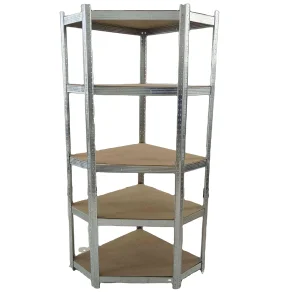
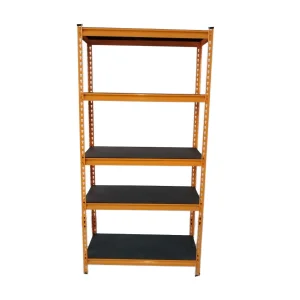
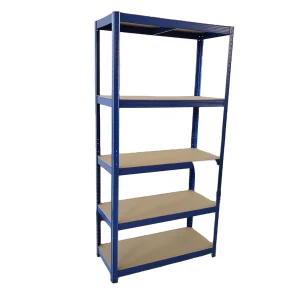
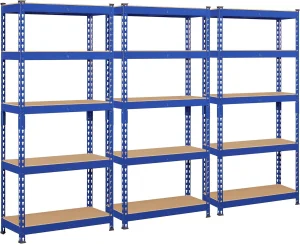
Premium-grade storage units designed to meet Chicago's warehouse safety standards and high-load distribution demands. Our initial tier features heavy-duty adaptability and professional commercial finishes.
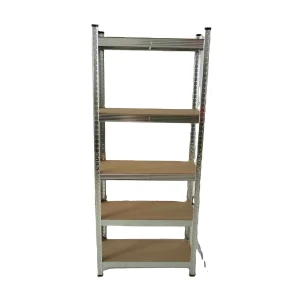
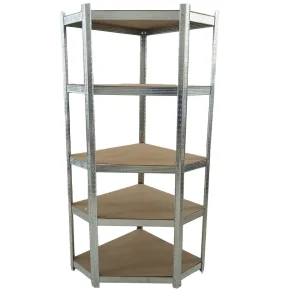
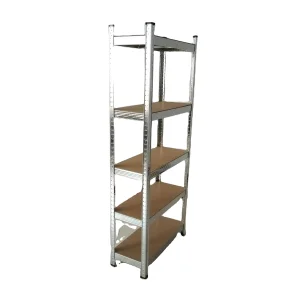
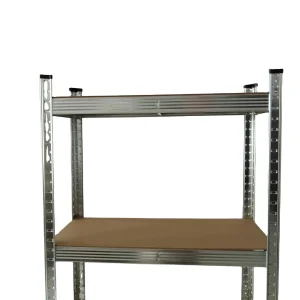
As the third-largest metropolitan area in the United States, Chicago acts as the focal intersection for North American logistics, rail, and third-party logistics (3PL) distribution. Industrial properties spanning regions like the Joliet-Elwood corridor, O'Hare industrial cluster, and the I-80 distribution corridor demand robust, structurally certified steel shelving systems. Building regulations under municipal codes necessitate strict seismic calculation profiles and compliance with RMI (Rack Manufacturers Institute) standards.
At Ningbo Xinyi Metal Products, we bridge the gap between heavy industrial requirements and budget optimization. Our steel storage systems are precision-engineered to withstand the rigorous demands of temperature-controlled storage, high-throughput fulfillment centers, and heavy-payload industrial environments.
Aligning engineering parameters with Midwest regional fire-safety, seismic class, and architectural building load limits.
From custom upright heights to heavy-load wire decking, meeting precise engineering specs for multi-tier industrial shelves.
Established in 2015, Ningbo Xinyi Metal Products Co., Ltd. is an industry-leading manufacturer specializing in industrial shelving, pallet racking, and high-performance warehouse storage accessories.
"Spanning a state-of-the-art production facility of 38,000 square meters, we deliver high-performance racking products to global logistical hubs, distributors, and enterprise facilities."
Supported by 11 years of deep industry expertise and an international trade team with 8+ years of dedicated service, our solutions have been integrated into global logistical pathways across North America, Western Europe, and Southeast Asia.
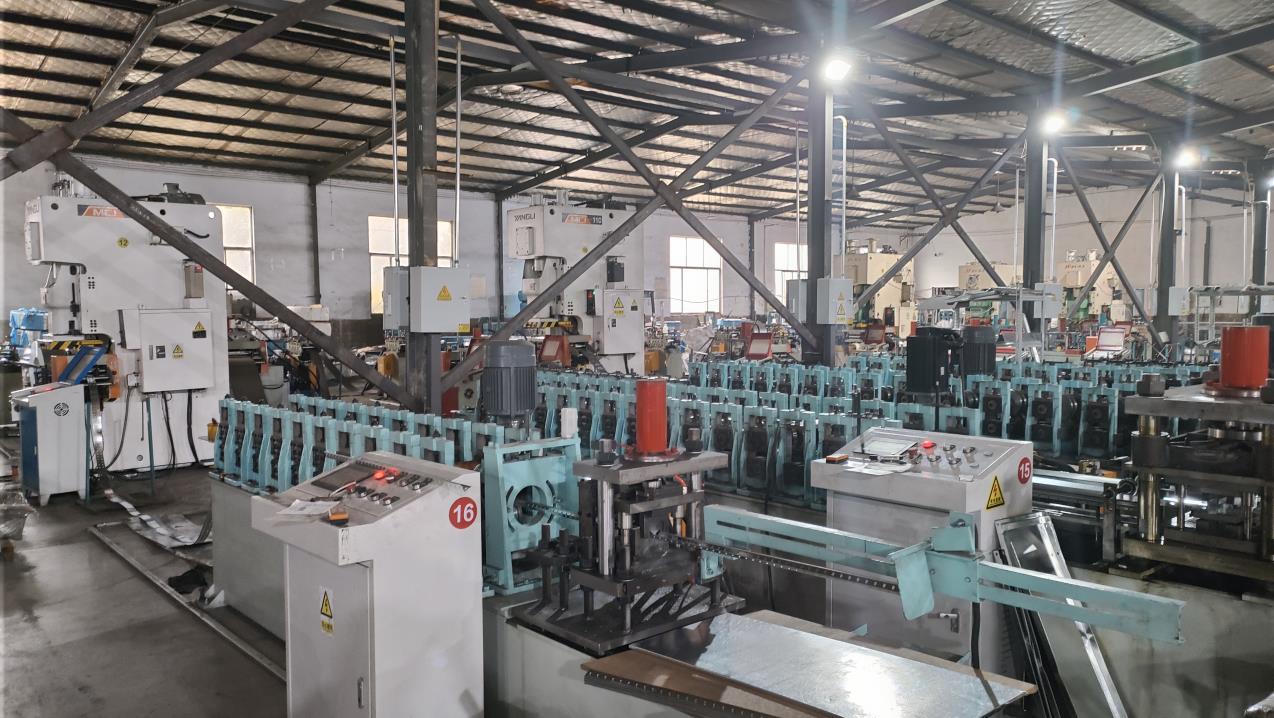
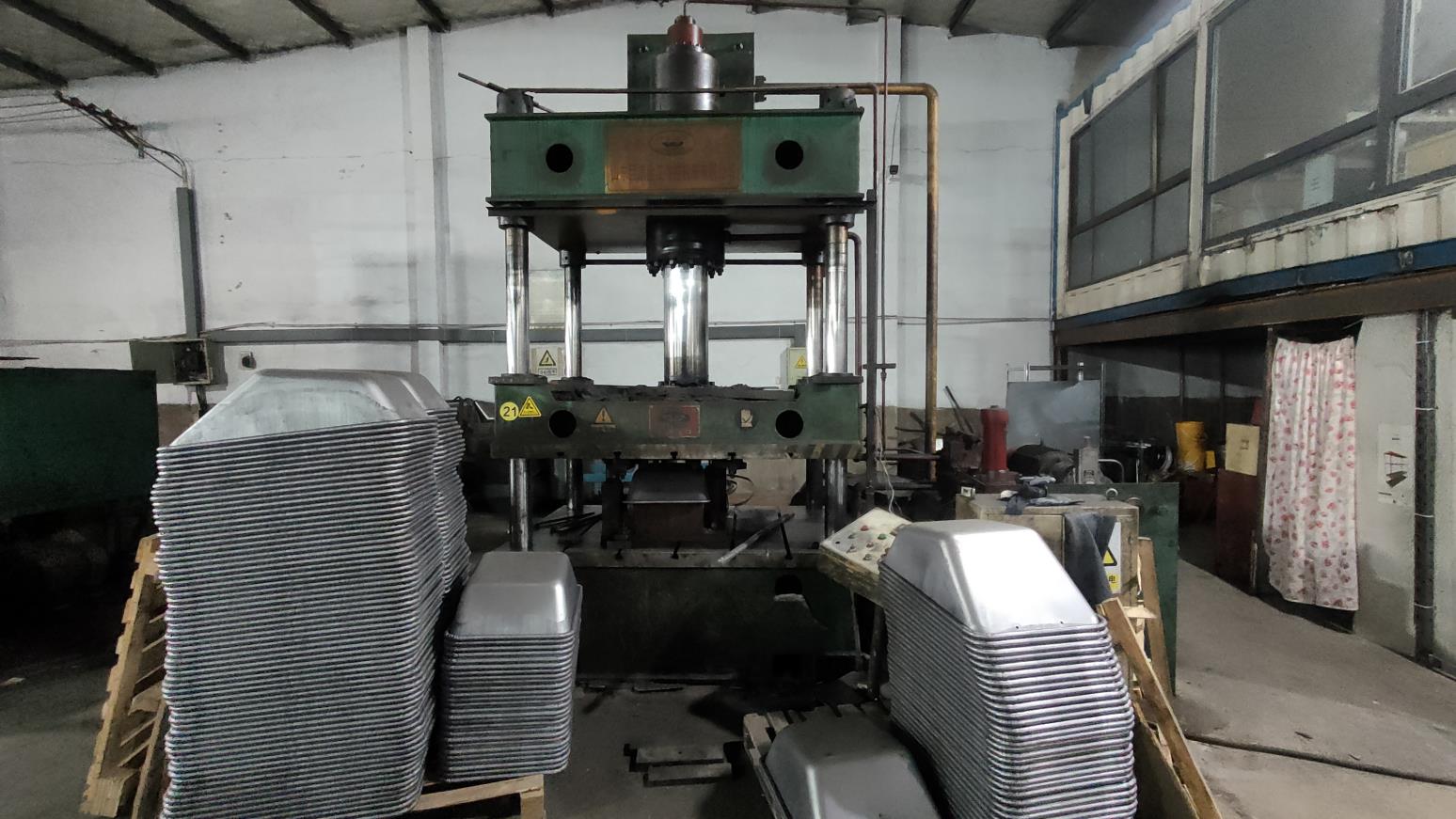
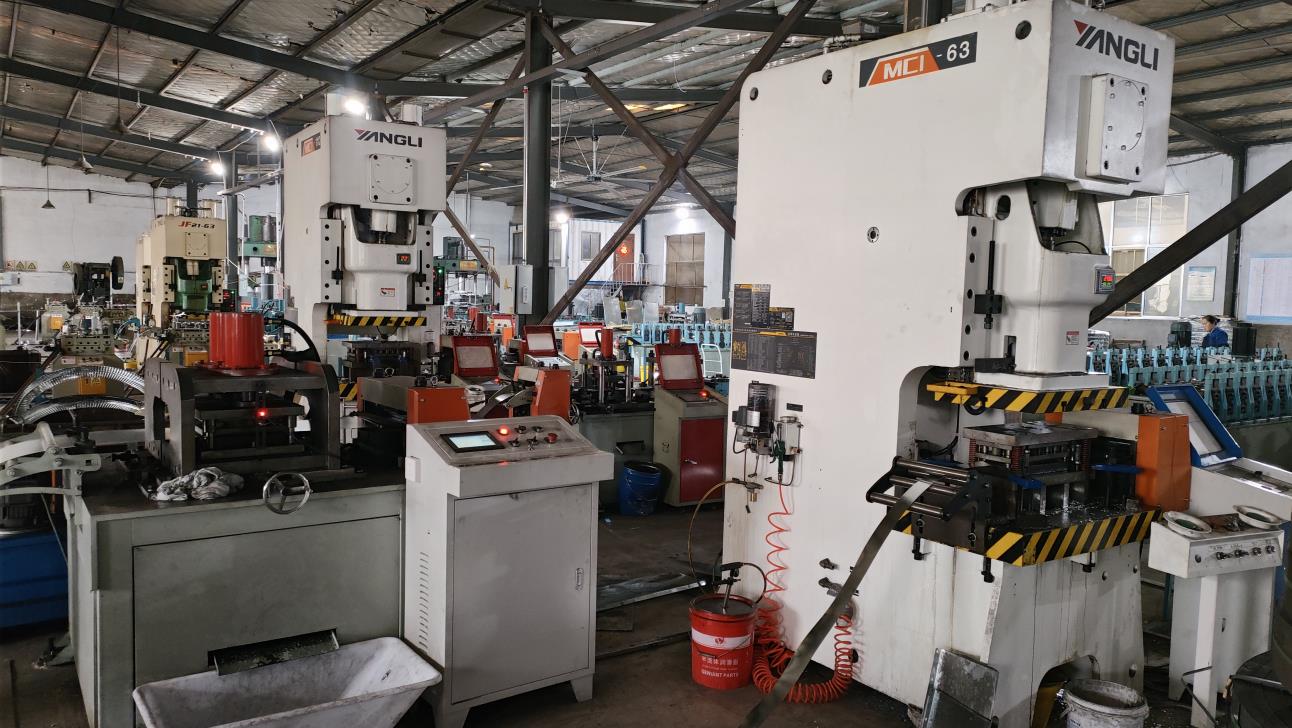
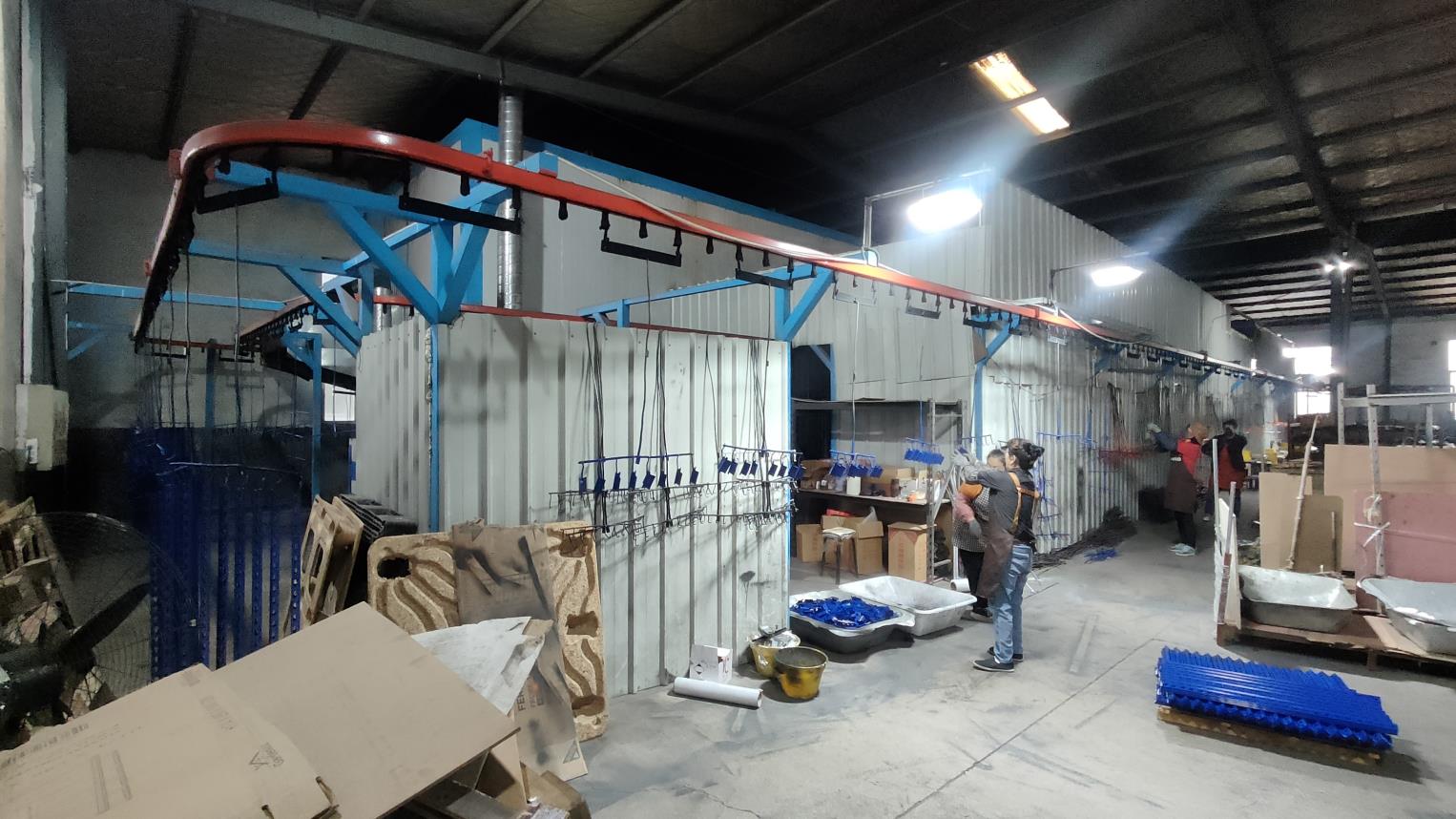
Our engineering facility utilizes high-tensile structural steel profiles, computerized cold-roll forming lines, and multi-stage powder-coat processes to guarantee mechanical longevity.
| Technical Characteristic | Standard Specification | Operational Advantage / Target Use-Case |
|---|---|---|
| Raw Material Grade | Q235B / Q355B Structural Carbon Steel | Optimized load-bearing capacities under static & dynamic shear forces |
| Profile Forming Process | High-speed multi-station continuous roll-forming | Dimensional accuracy within ±0.05mm, preventing structural wobble |
| Deflection Deficit Rating | Under L/140 limits according to ANSI MH16.1 | Guarantees minimal structural sagging under maximum continuous payload |
| Surface Treatment | Electrostatic thermosetting epoxy-polyester powder coating | Exceptional scratch resistance, rust-proofing, salt-spray certified (ASTM B117) |
| Safety Verification Protocol | Deflection, weld-integrity, and destructive load-testing | Certified reliability across 3PL, e-commerce, and commercial cold-storage |
High-density display systems customized to support retail shopfitting, commercial food display, and flexible indoor space optimization.
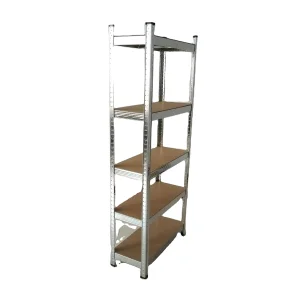
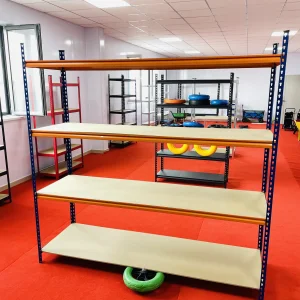
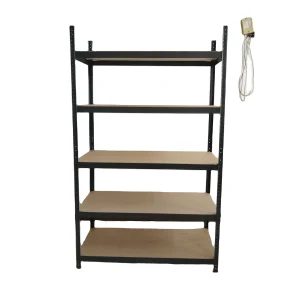
How advanced shelving systems and automation integration are transforming spatial footprint management in standard distribution networks.
Modern land constraints are forcing facility layout planners to look vertically rather than horizontally. High-bay racking frameworks integrated with Automated Guided Vehicles (AGVs) demand extreme structural precision. A misalignment of even 2mm at the top tier can cause automated retrieval arms to jam. Our automated welding and roll-forming systems ensure that every shelving upright and shelf support maintains micro-tolerance standards.
Global industrial procurement teams now demand environmental footprint data for materials. Our manufacturing processes utilize eco-friendly thermosetting finishes that release zero volatile organic compounds (VOCs). Additionally, our close partnership with 850+ sustainable steel manufacturers allows us to trace carbon output throughout the raw material processing phase.
Chicago's location adjacent to Lake Michigan subjects open-yard storage and high-load distribution structures to high dynamic wind forces and minor seismic activity. Specialized structural engineering calculations determine base plate thickness, anchor bolt patterns, and cross-bracing angles. Our in-house engineering team calculates seismic force distributions, ensuring safe floor loads for heavy stack configurations.
With 28 expert R&D engineers, we released over 185 custom products and structural profiles last year. Our engineering capabilities include Finite Element Method (FEM) analysis for load and stress distribution modeling.
Our facility integrates automated roll-forming machines, robotic laser welding lines, and multi-stage powder coat technology to deliver heavy-duty performance.
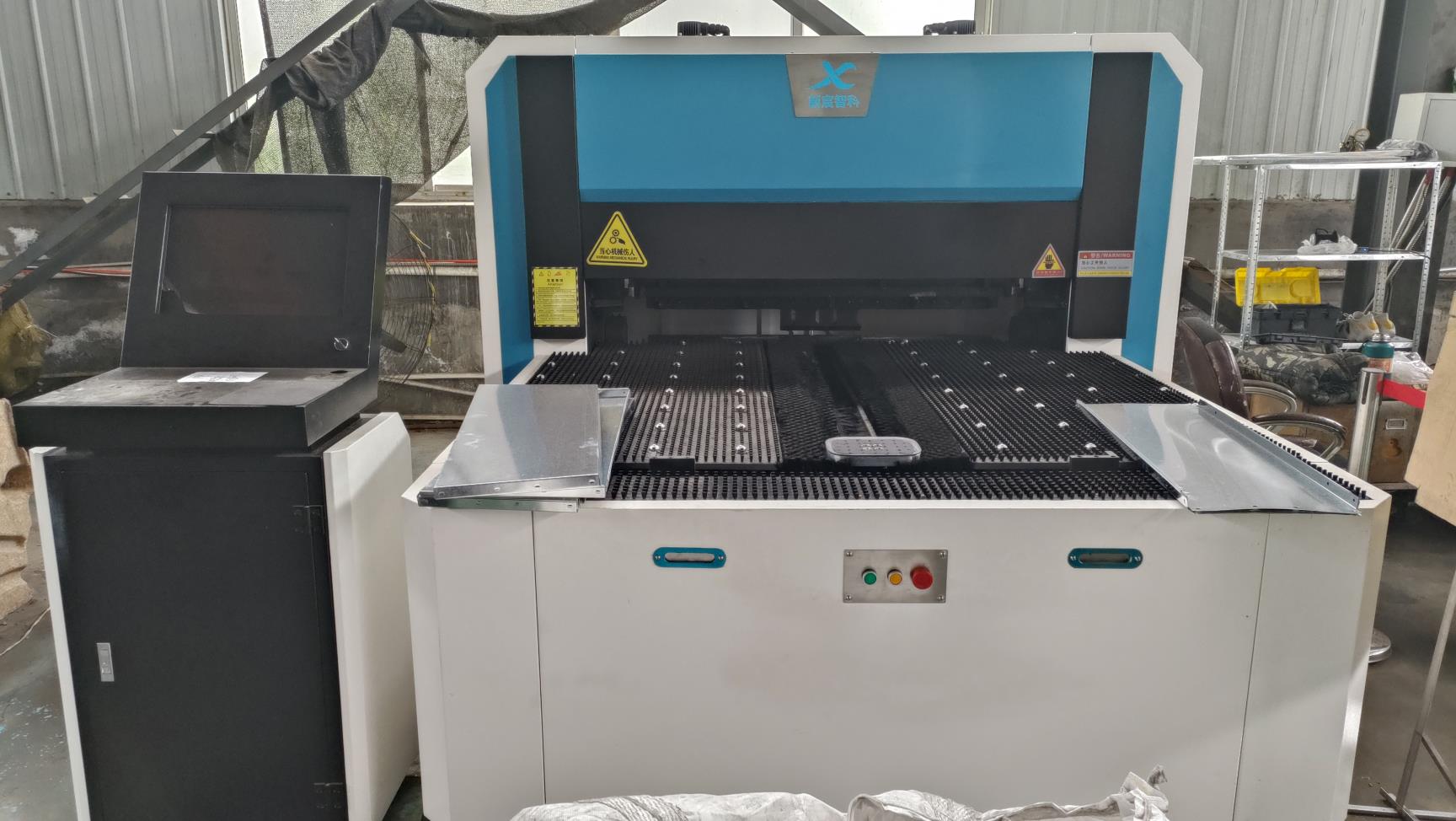
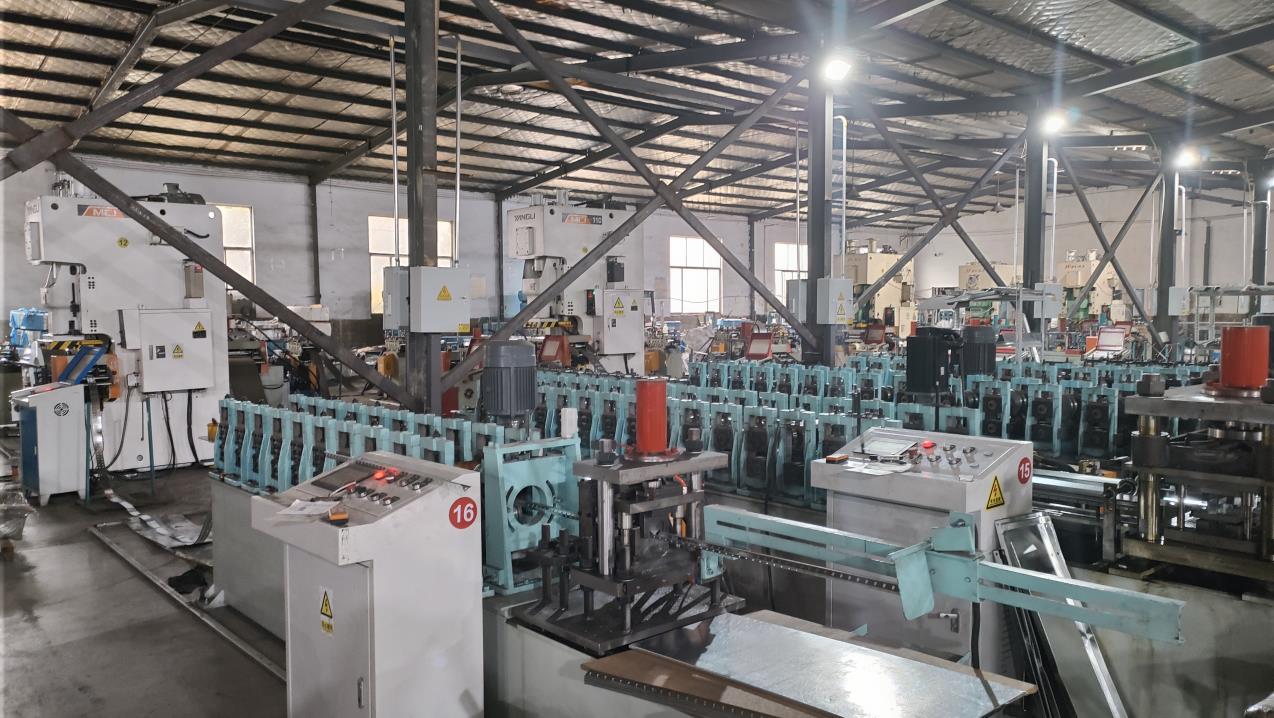
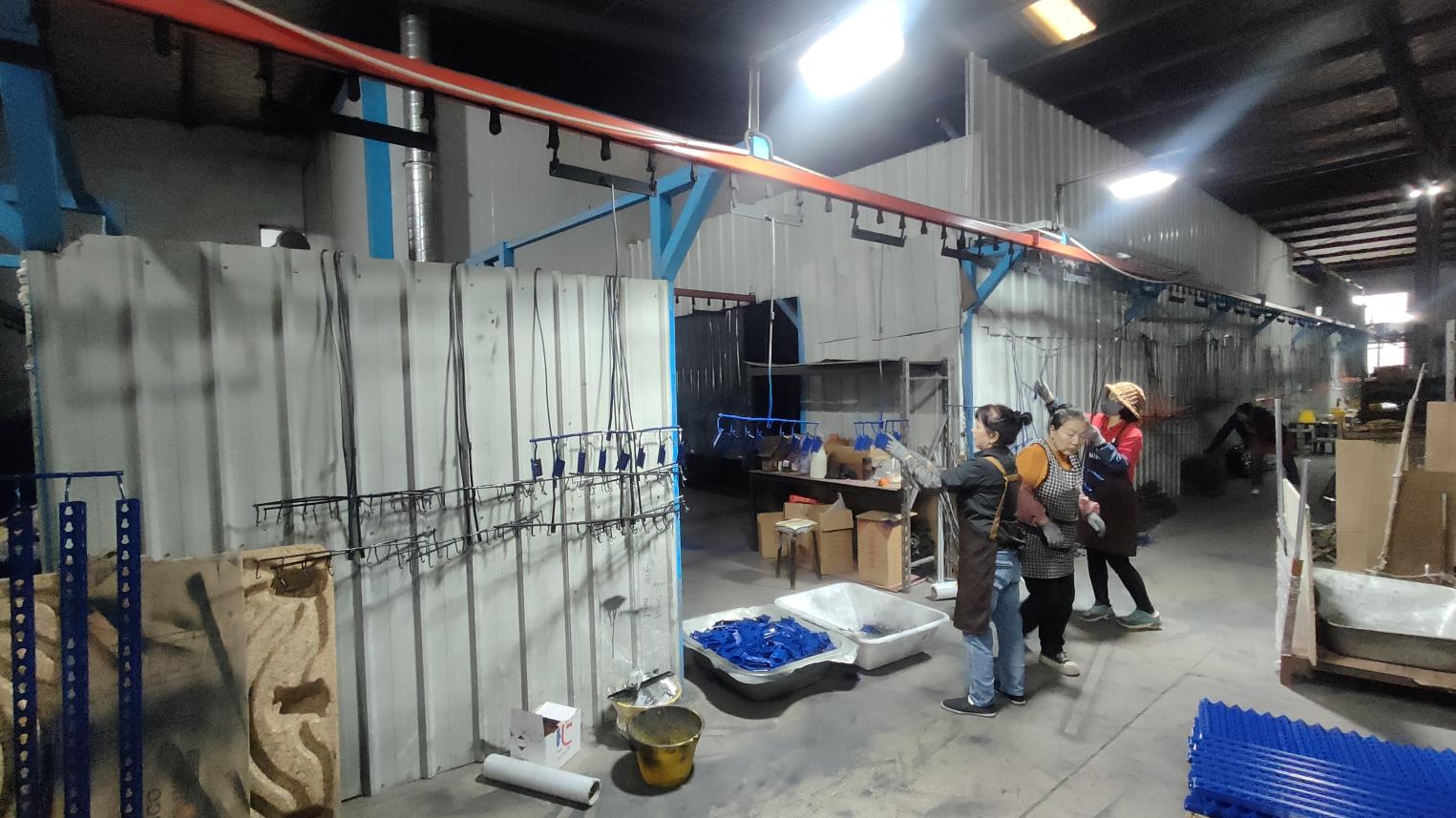
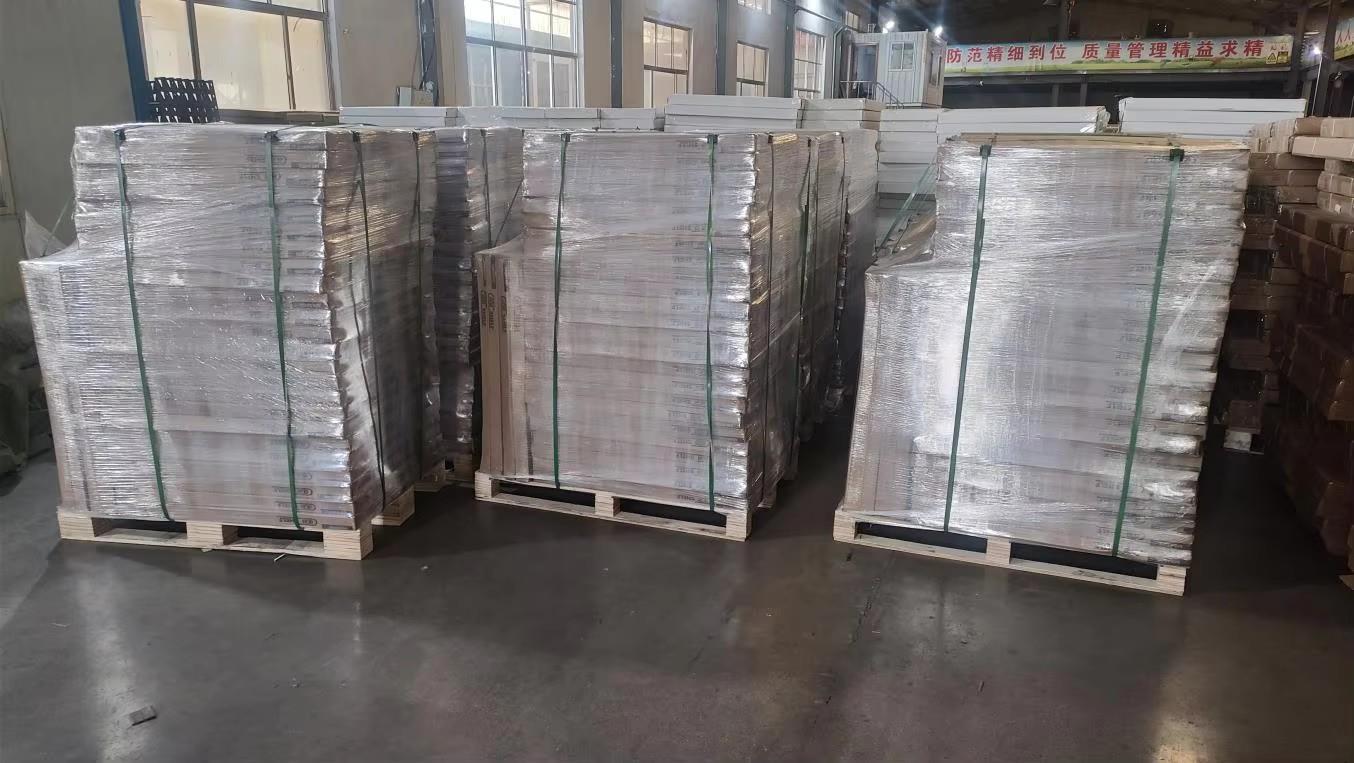
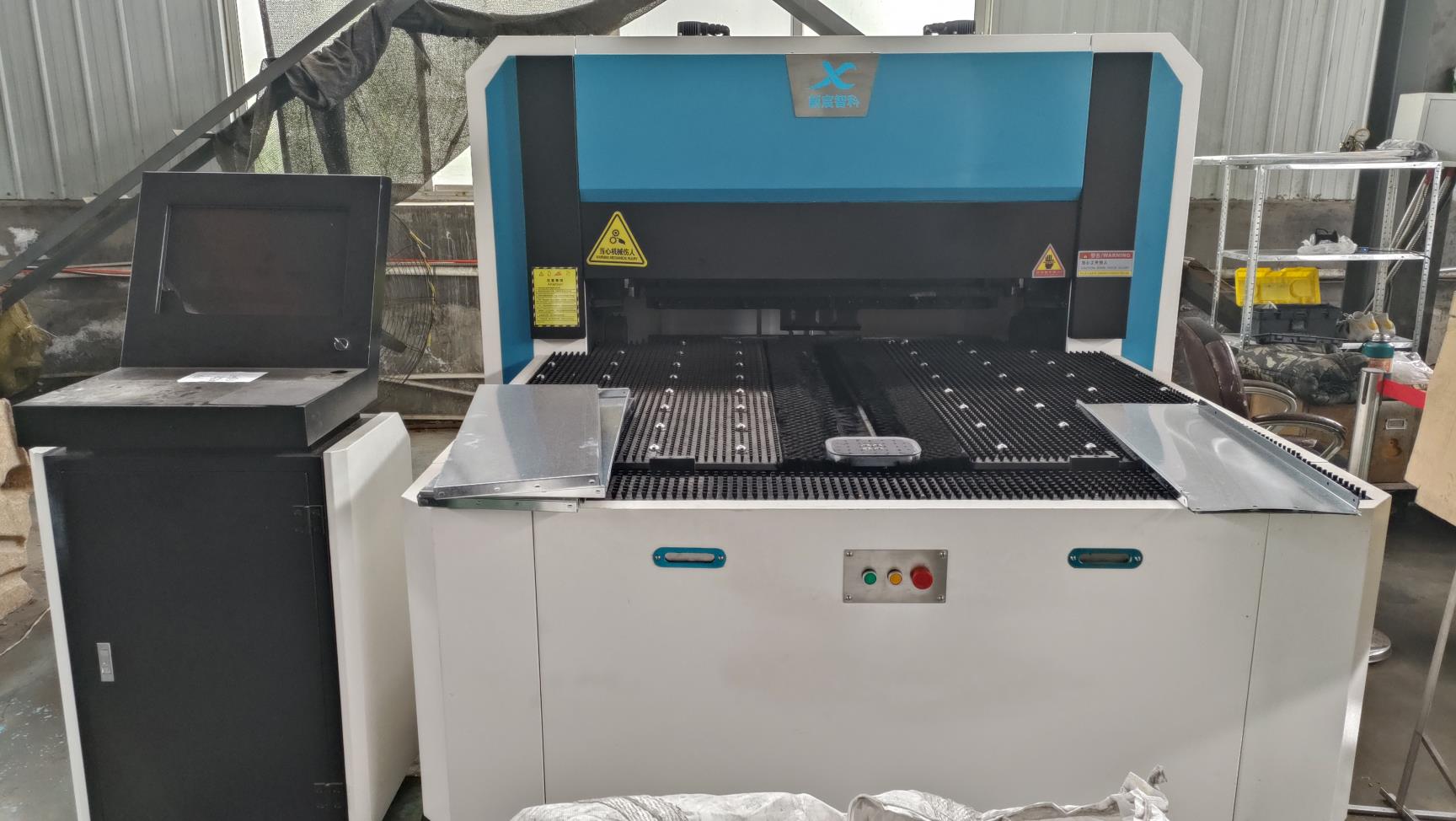
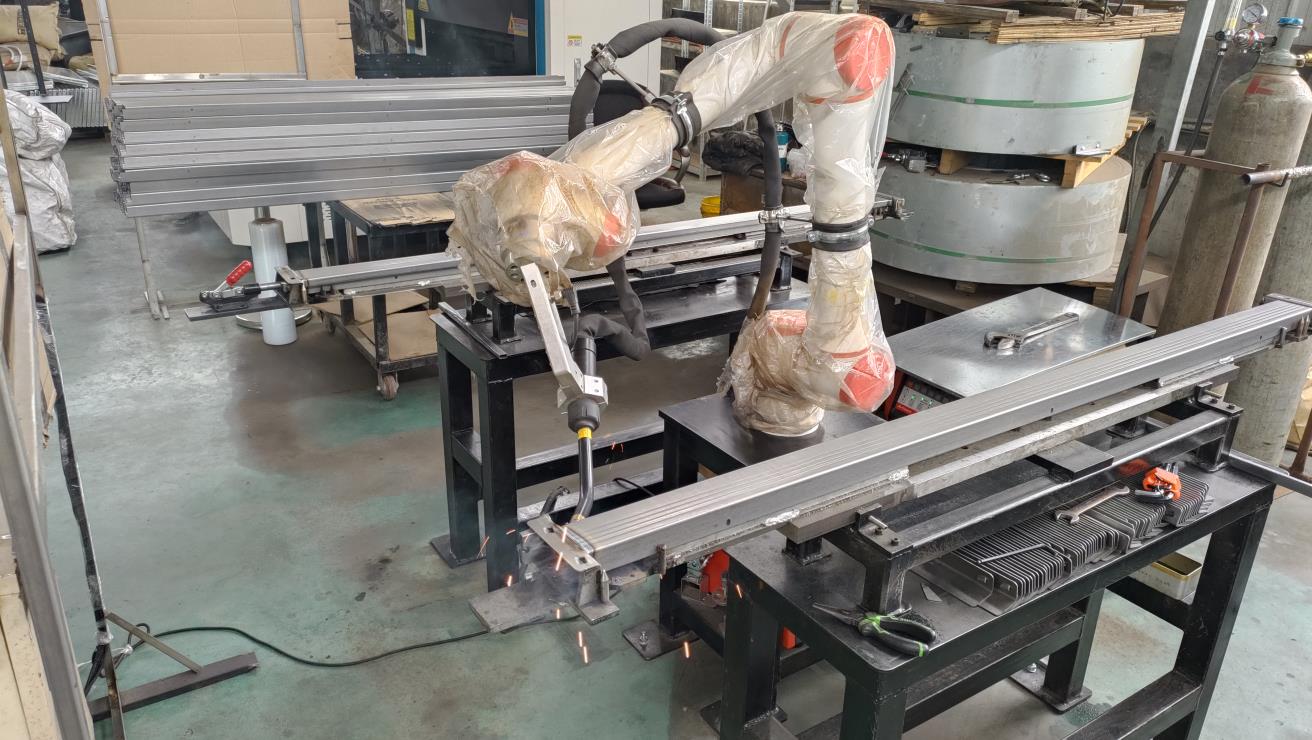
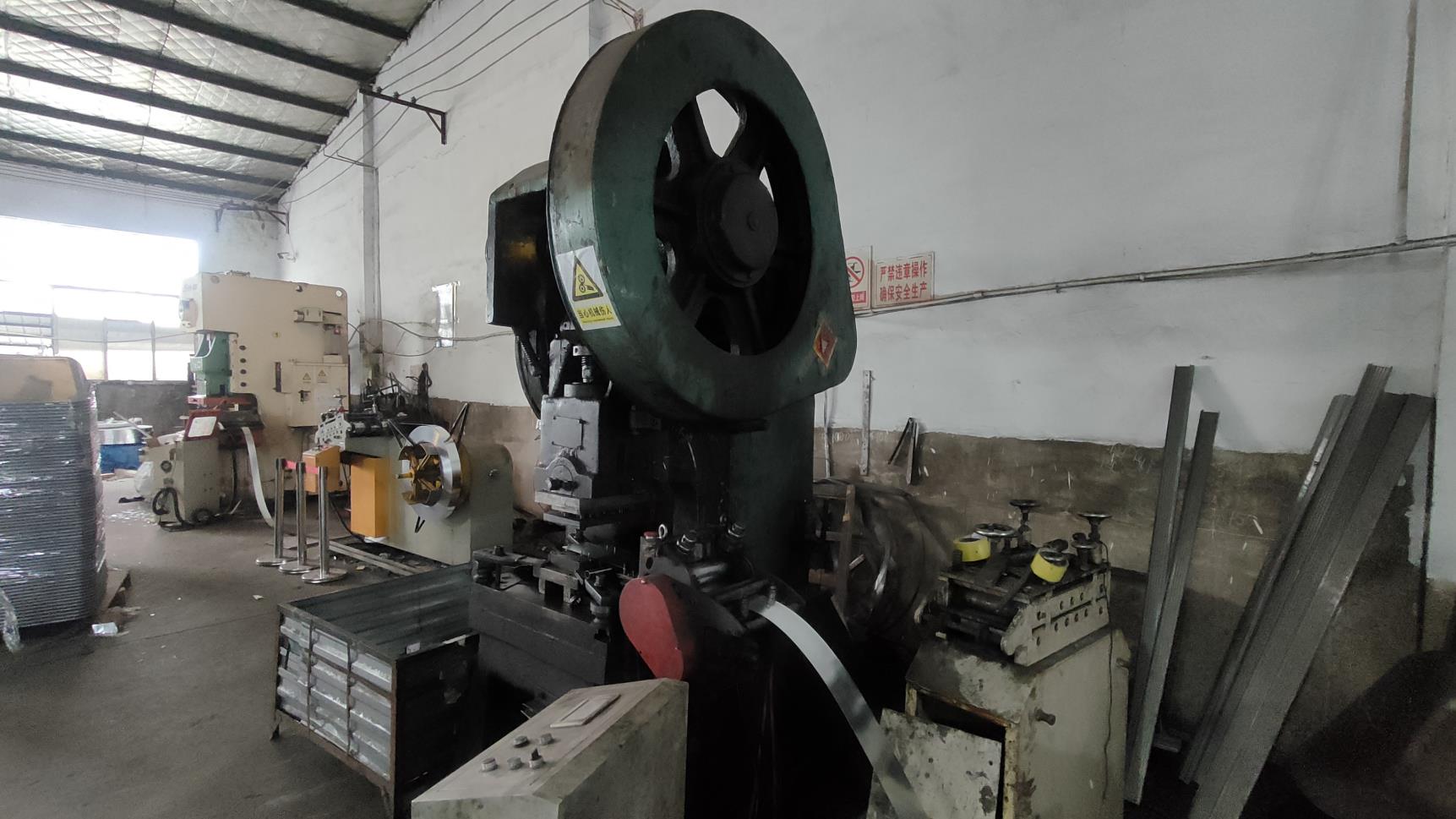
Key technical responses compiled by our R&D structural engineering department regarding calculations, steel formulations, and regulatory certifications.
We calculate maximum load capacity utilizing Finite Element Analysis (FEA) modeling under static load environments, verifying that beam deflection conforms strictly to RMI standards (typically L/140, meaning deflection under maximum load does not exceed 1/140th of the span length). Our QA inspectors perform destructive physical testing to confirm structural yield points.
Seismic coefficients govern vertical frame design, horizontal bracing patterns, baseplate sizes, and anchor-bolt specifications. Our engineers specialize in adapting shelving systems to local geographic building requirements, ensuring structural integrity under high structural shear-stress events.
Our raw carbon steel undergoes an 8-stage pre-treatment wash (including degreasing, acid pickling, and phosphating) followed by electrostatic powder deposition of epoxy-polyester coatings. For aggressive environments, like cold rooms or open-air hubs, we offer hot-dip galvanization to stop oxidation.
Yes. Our automated punch and roll-forming systems allow upright holes to be cut on custom pitch spacing (e.g., 50mm, 75mm, or 76.2mm). This provides structural modularity, enabling direct integration into existing AGV or stacker-crane automation environments.
Engineered for 3PL facilities, heavy manufacturing, logistics hubs, and retail distribution centers requiring proven load capacities.
 Xinyi Racking