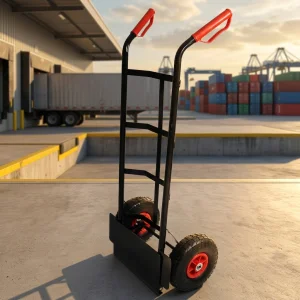
Engineered for high load capacities, smooth silent operation, and long-term durability in fast-moving urban fulfillment centers.
Japan's warehousing and logistics sectors are experiencing a monumental transformation. Propelled by the "2024 Logistics Problem" (働き方改革 - overtime limits enforced on truck drivers), Japanese companies are shifting their focus toward optimized warehouse efficiency and minimizing intra-hub transit delays. Additionally, with one of the world's most rapidly aging labor forces, ergonomics is no longer a luxury—it is a regulatory and social necessity. Warehouse cars, platform trolleys, and high-density material handling systems must now comply with strict ergonomic standards to minimize starting resistance and structural fatigue on operators.
In highly dense industrial clusters like Tokyo, Osaka, and Nagoya, urban warehouses are restricted in footprint. Micro-fulfillment centers (MFCs) and multi-story logistical hubs require high-capacity, exceptionally quiet, and compact equipment. In these environments, material handling equipment (MHE) must feature silent castors, robust corrosion-resistant frames, and seamless safety mechanisms to ensure worker protection and compliance with the Japanese Industrial Standards (JIS B 8920 for platform carts).
Strategic Intelligence: The Japanese market values absolute structural safety and operational quietness (静音). Standard warehouse carts must undergo strict load-deflection and decibel testing to meet the rigorous expectations of local 3PL conglomerates such as Yamato Transport and SG Holdings.
Three main trends define the current Japanese material handling ecosystem:
Integrating state-of-the-art production technologies to deliver robust, high-tolerance material handling solutions to the global market.
Established in 2015, Ningbo Xinyi Metal Products Co., Ltd. is a leading manufacturer specializing in heavy-duty industrial storage racks, pallet racking systems, and customized warehouse material handling solutions. Spanning a state-of-the-art production facility of 38,000 square meters, we deliver high-performance racking products and specialized warehouse cars to global logistical hubs, distributors, and enterprise facilities. With 11 years of deep industry expertise and 8 years of dedicated international trade experience, we have configured our production lines to meet the strict structural integrity demanded by the Japanese market.
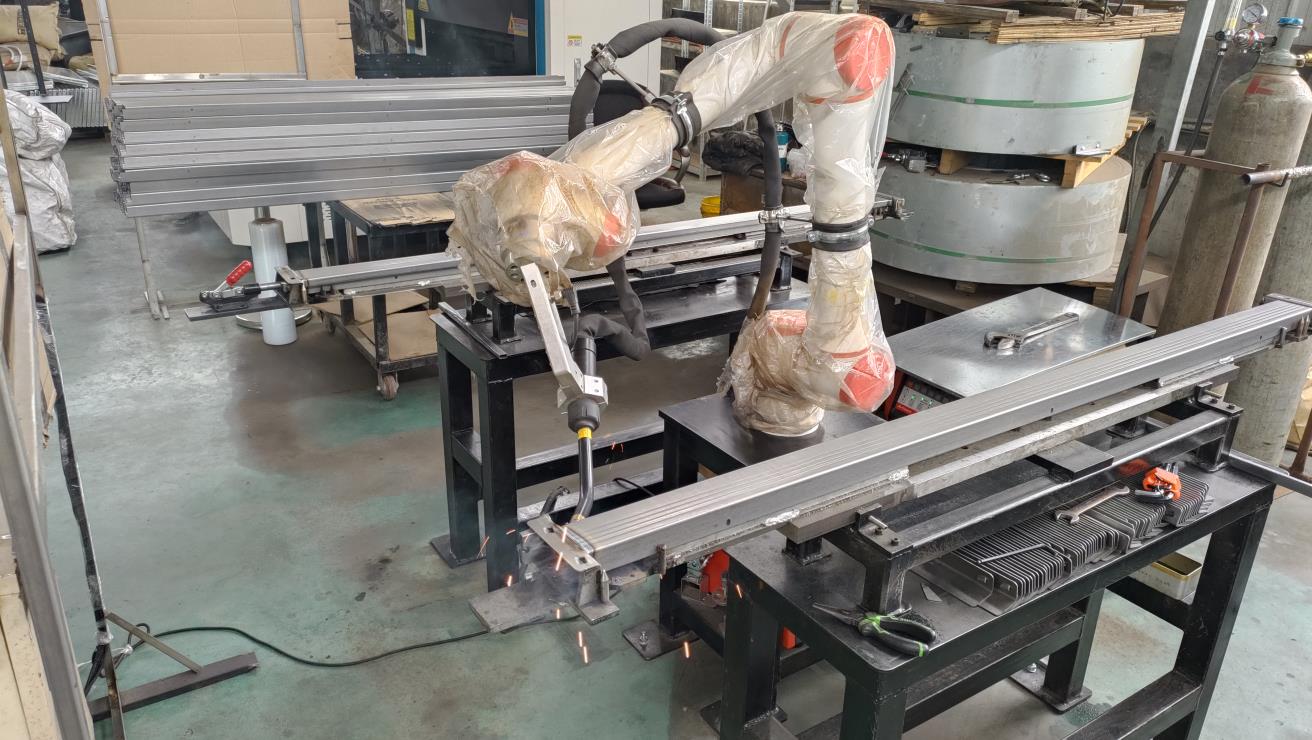
Quality and structural safety are at the core of our manufacturing processes. Supported by a rigorous Quality Assurance team of 45 certified inspection professionals, we enforce strict full-process quality control. Our quality testing methods integrate ultrasonic weld inspection, raw material tensile testing, load-capacity deflection testing, and salt-spray corrosion resistance evaluation to guarantee long-term durability and safety compliance. Powered by a team of 28 R&D engineers, we customize configurations (OEM/ODM) to adapt to the specific requirements of Japanese 3PL providers, e-commerce fulfillment centers, and heavy industrial lines.
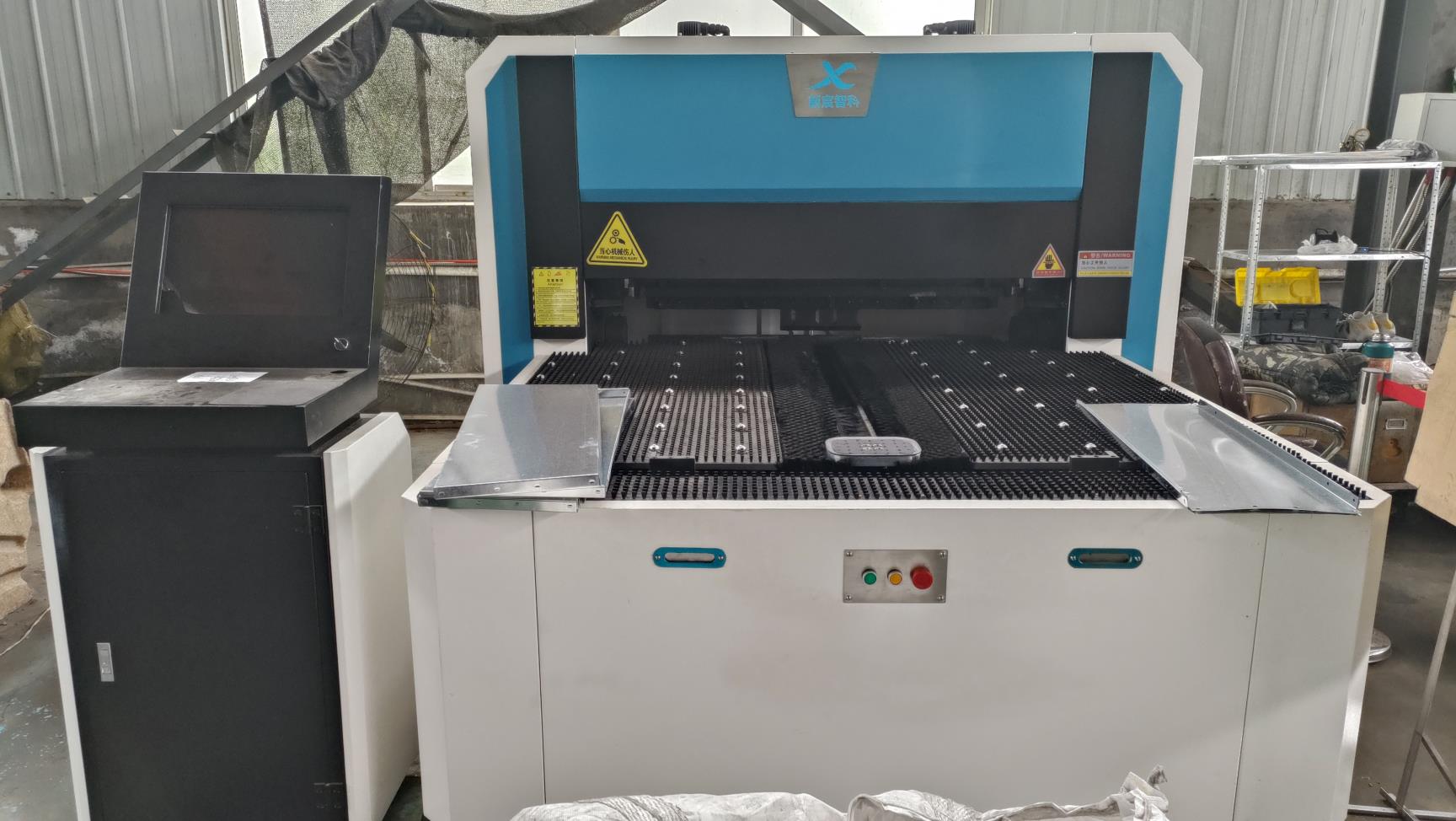
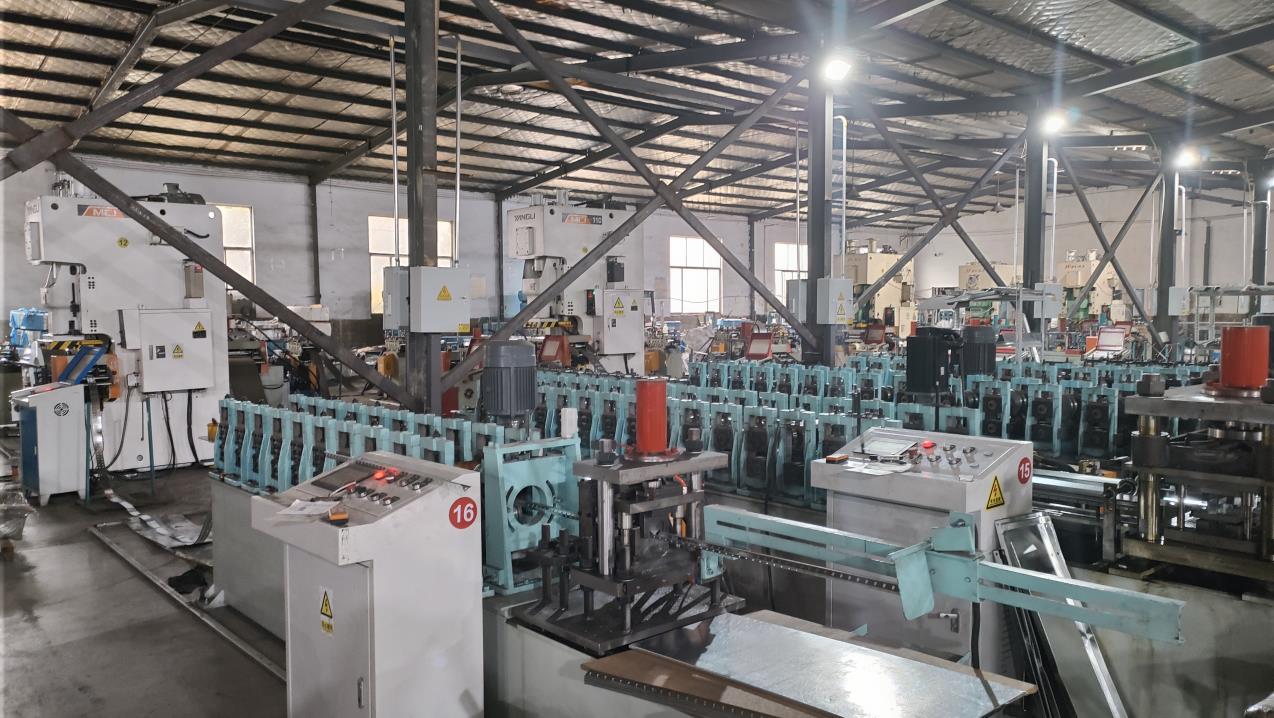
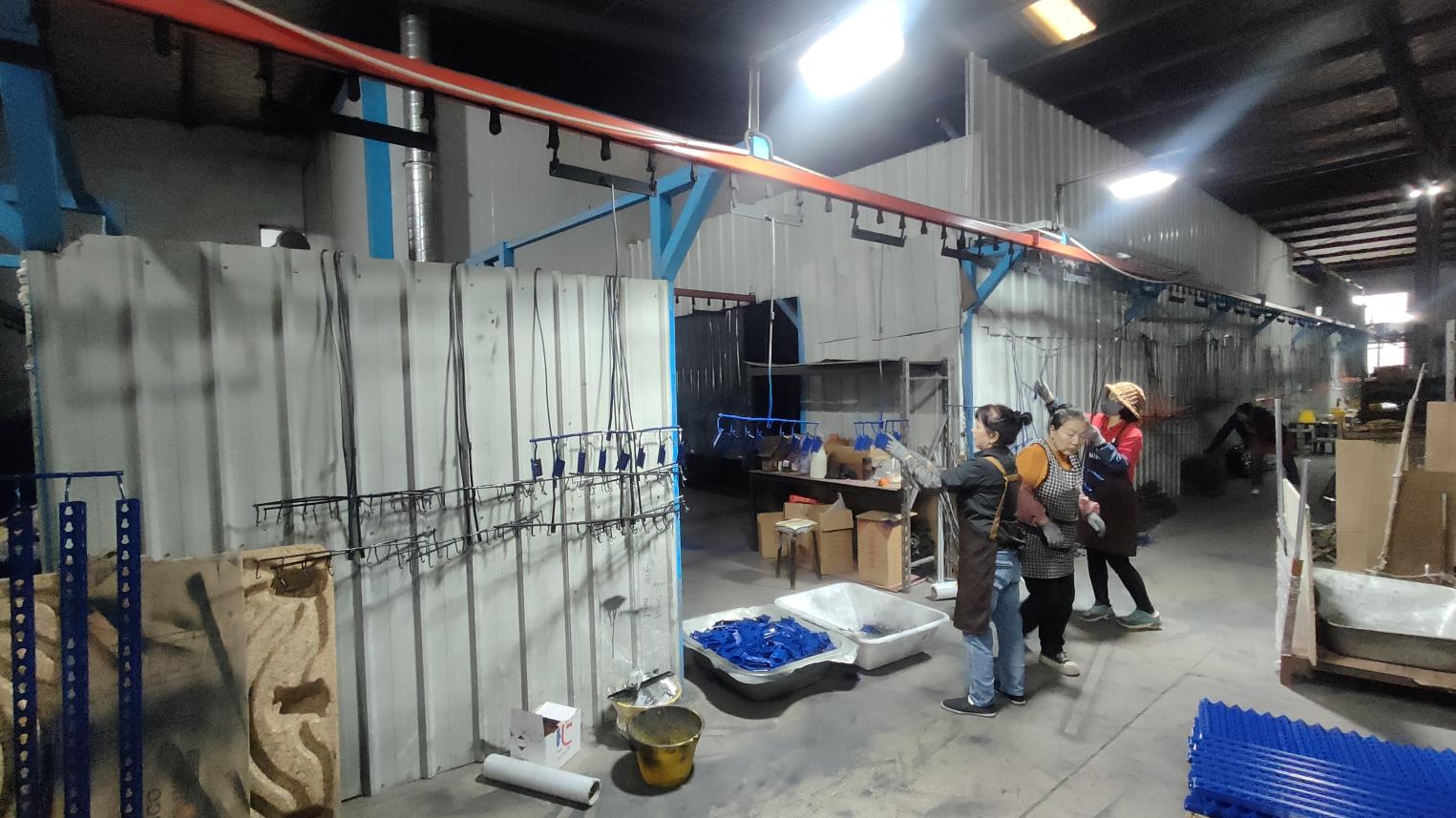
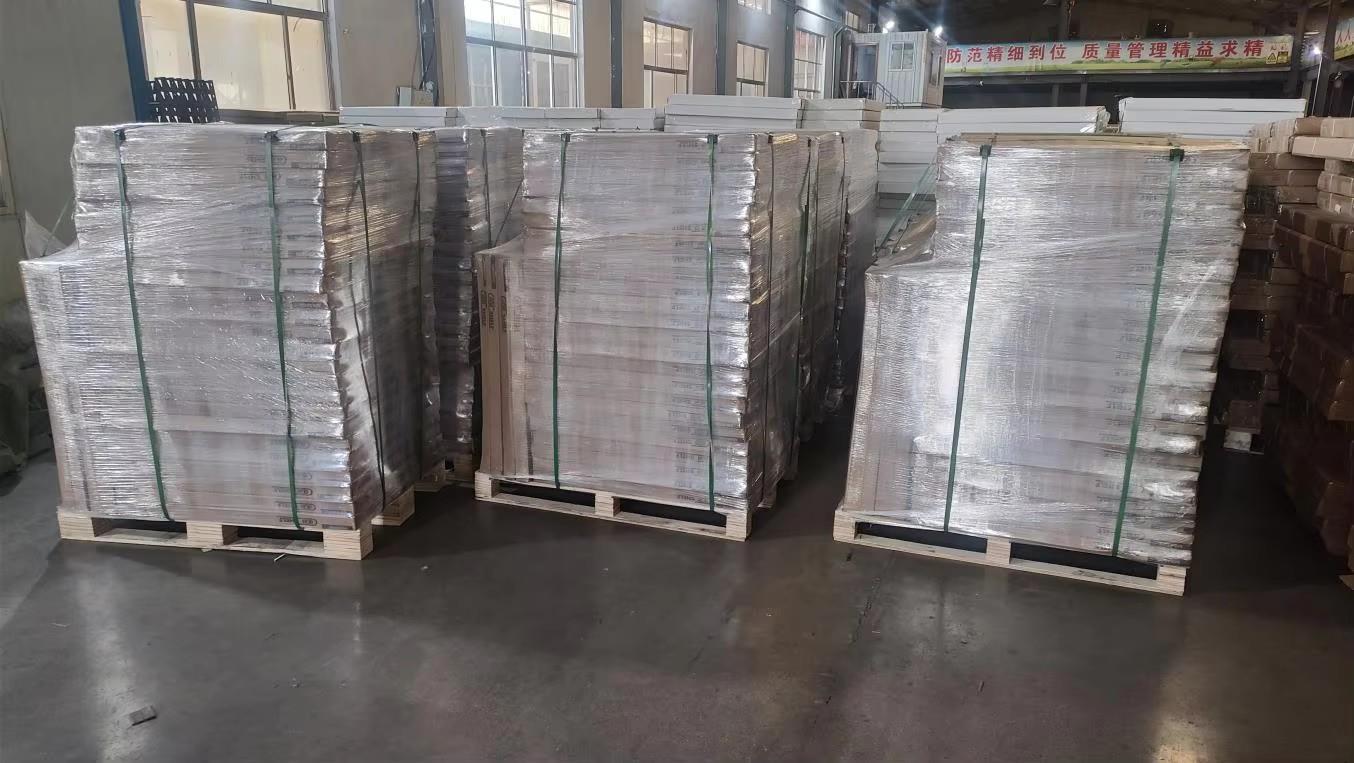
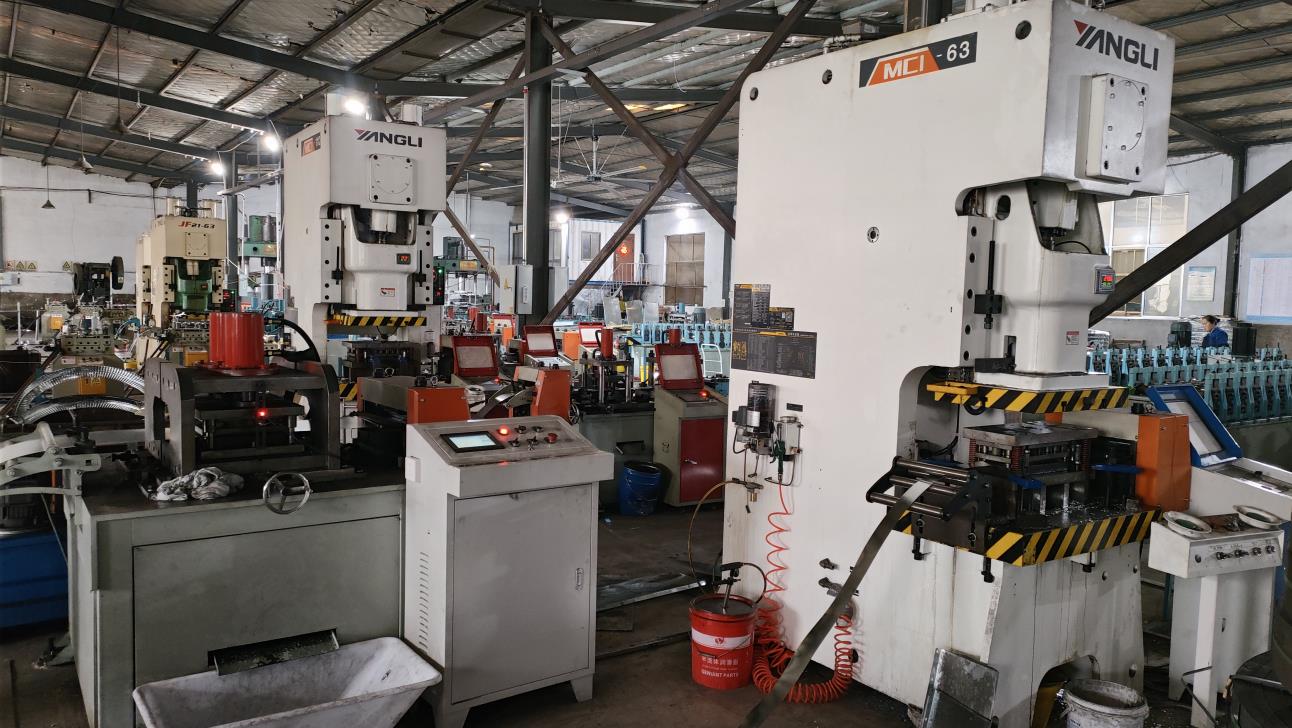
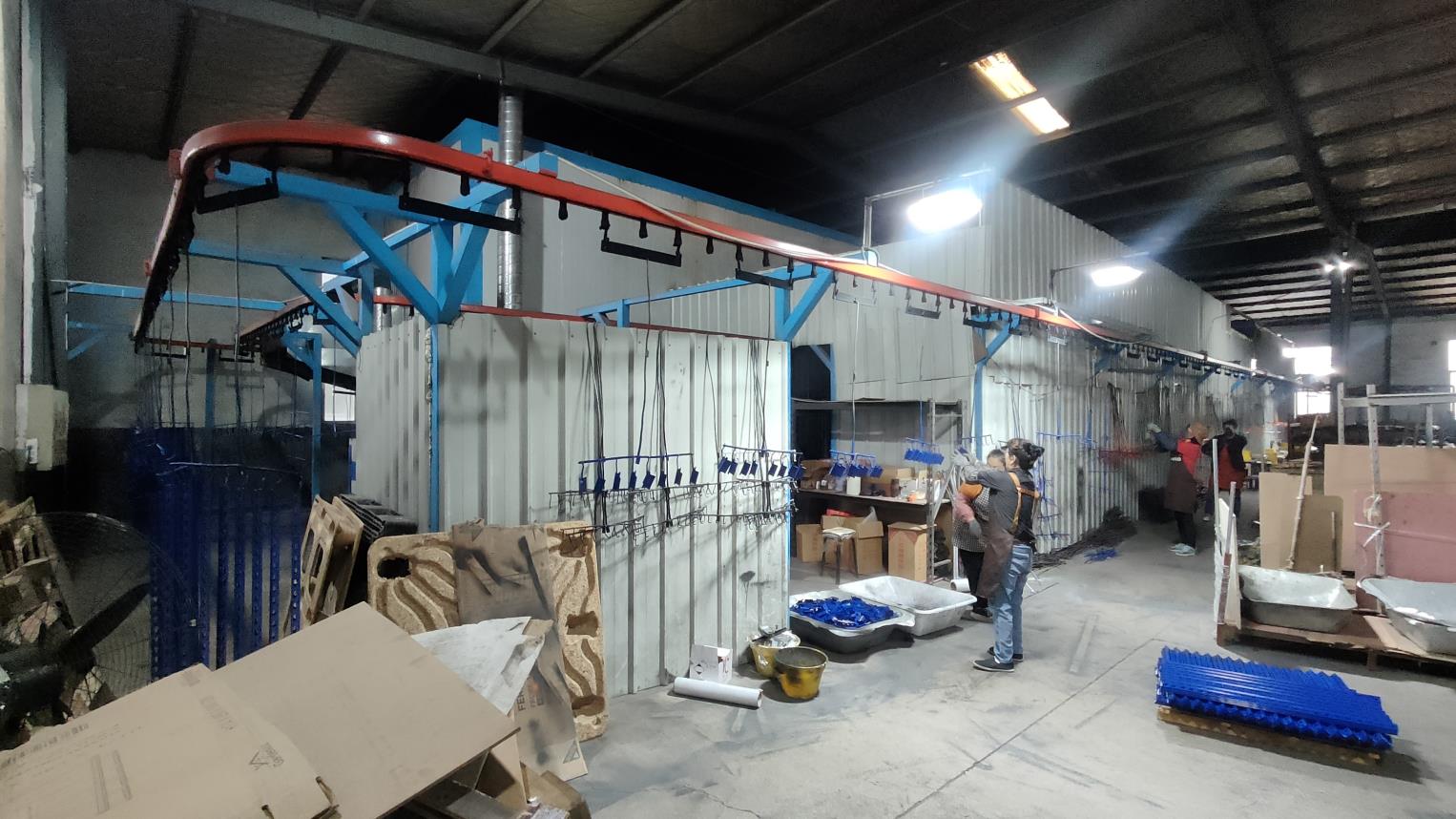
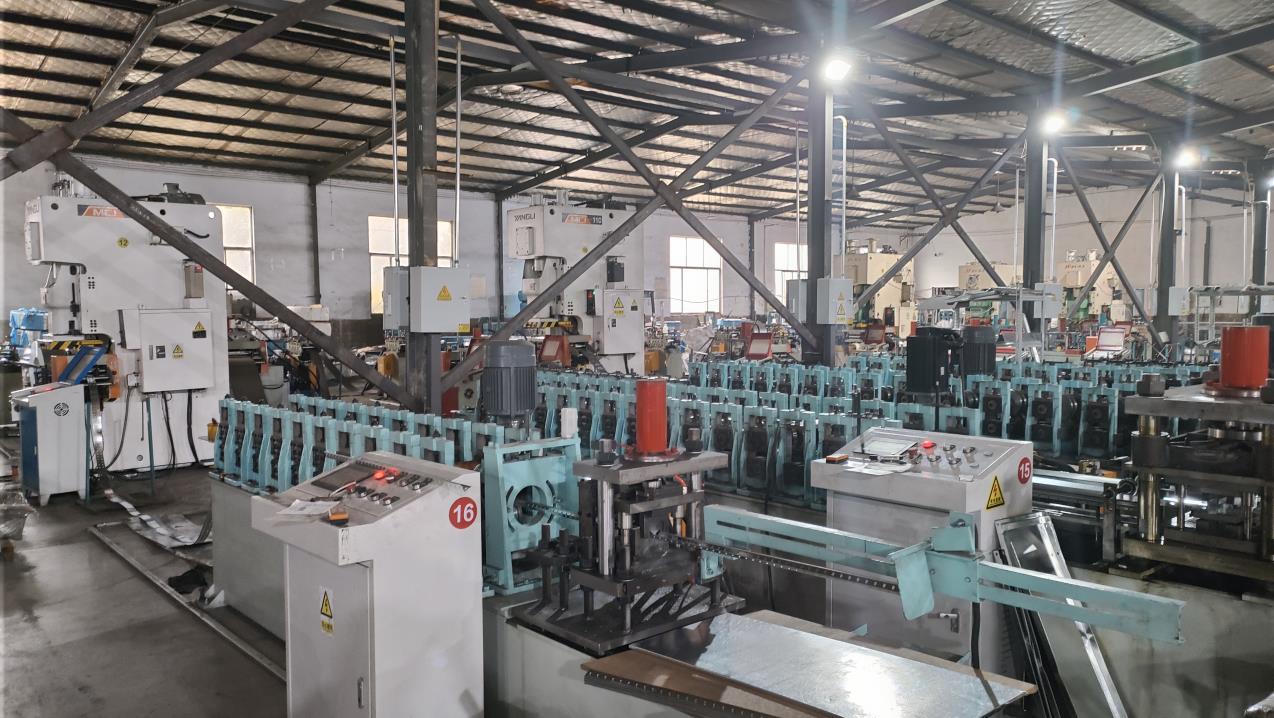
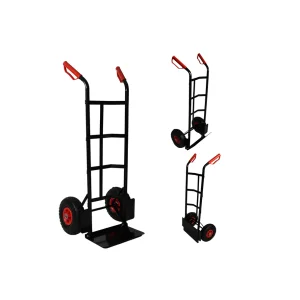
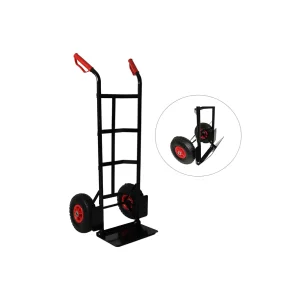
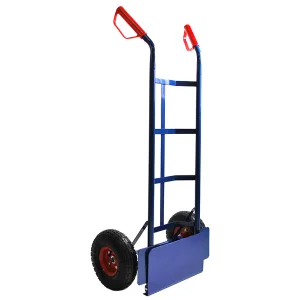
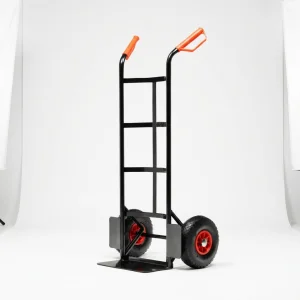
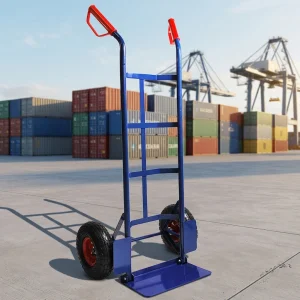
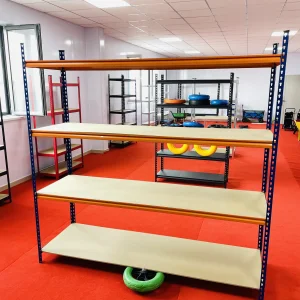
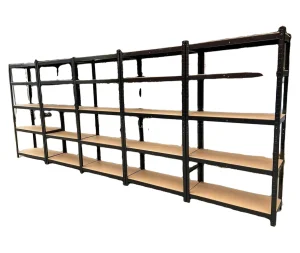
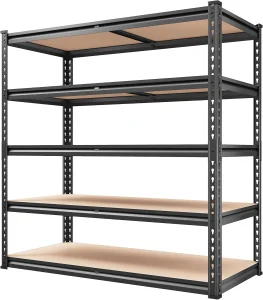
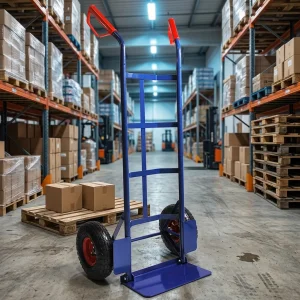
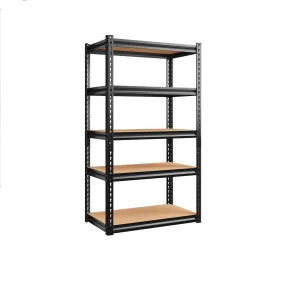
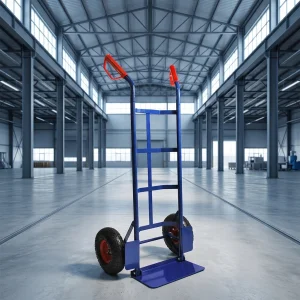
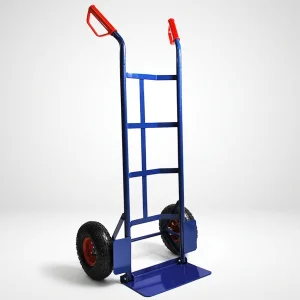
Premium 2-wheel trolleys, storage shelves, and heavy-duty logistics equipment configured for high-capacity warehouse operations.
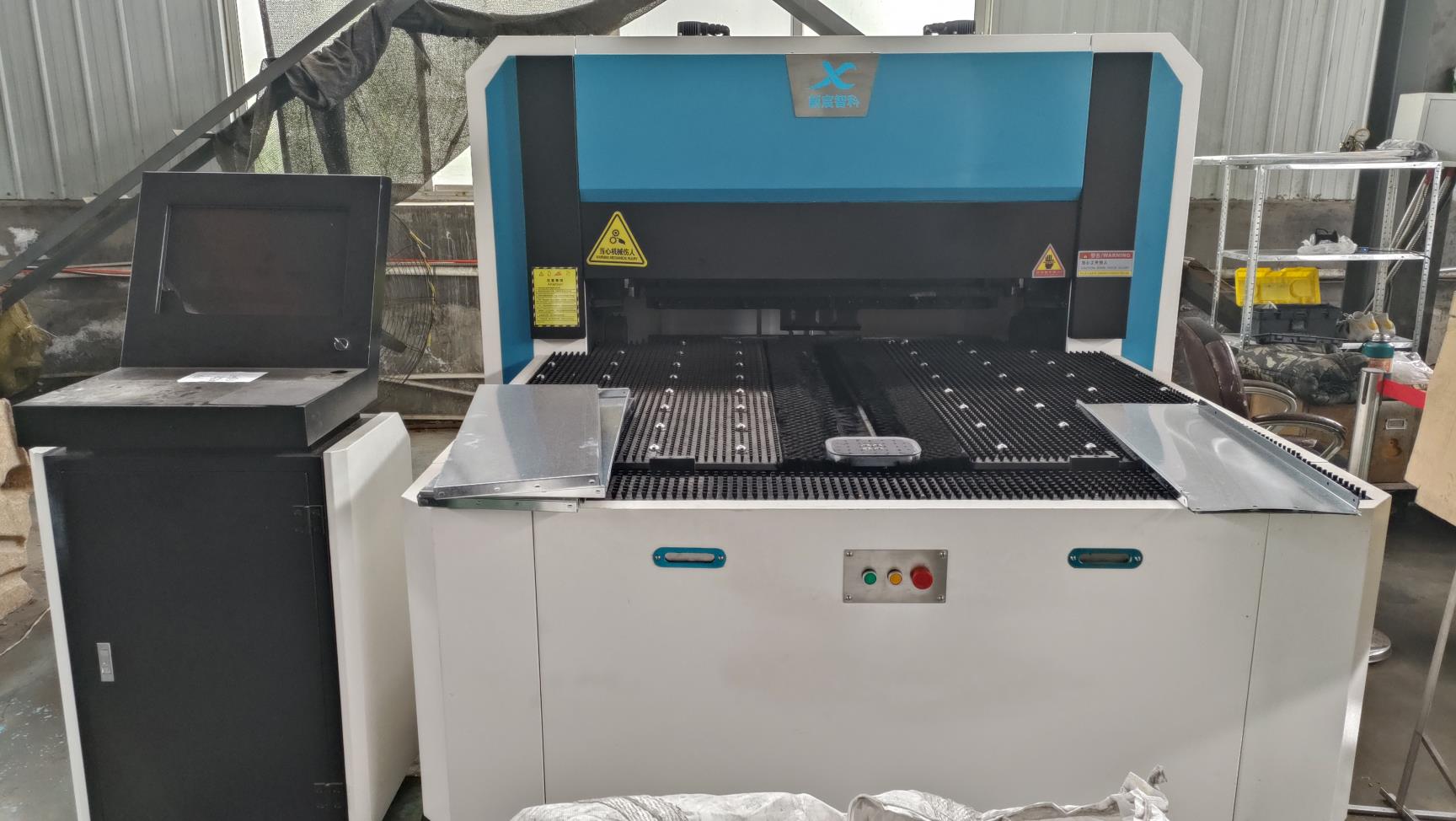
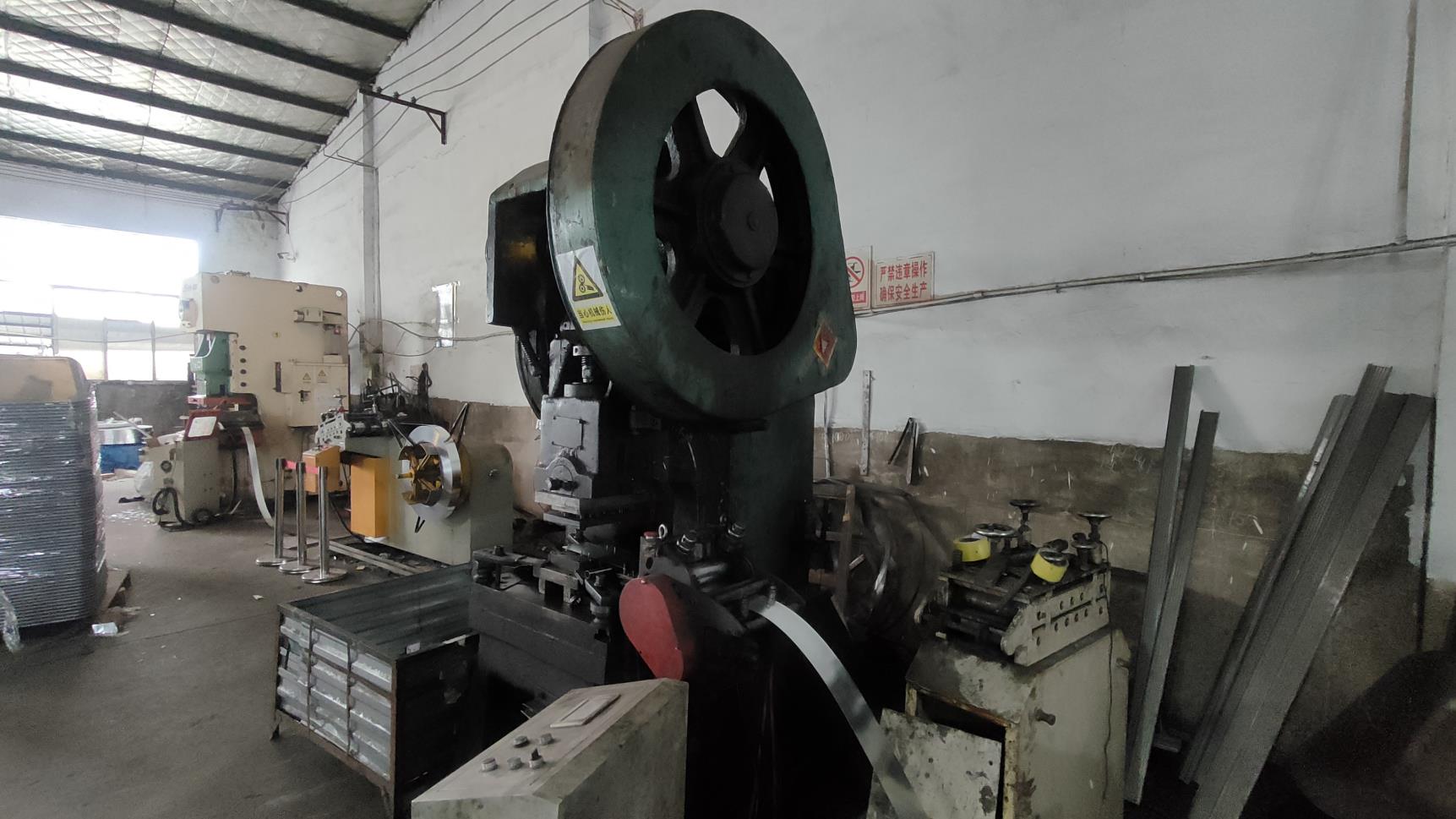
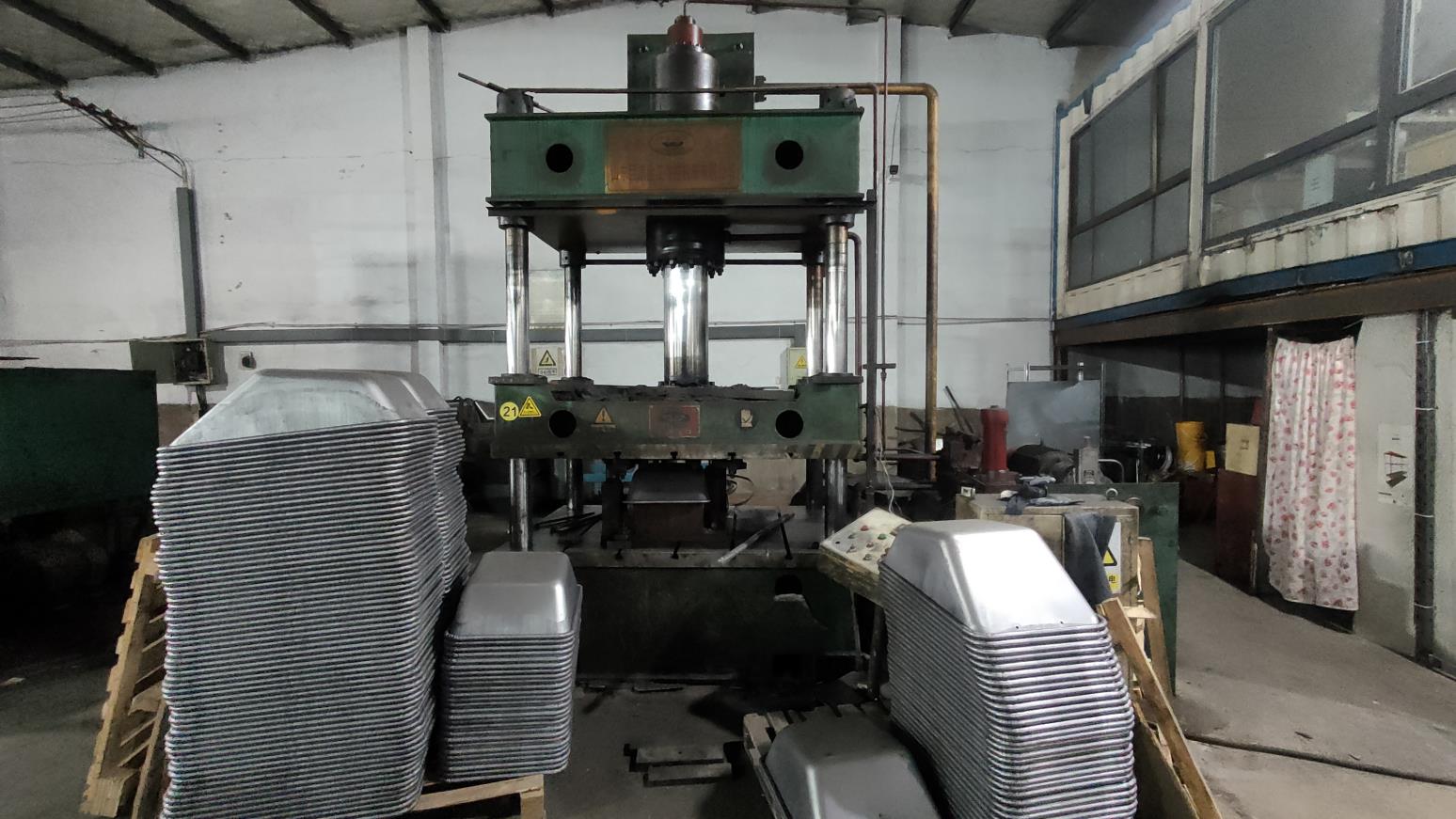
In a world characterized by geopolitical shifts and unstable raw material pricing, building a resilient supply chain is paramount. For Japanese and global buyers, sourcing from Ningbo Xinyi provides a strong buffer. Leveraging China's high-tech manufacturing corridors allows us to integrate raw material bending, robotized stamping, automated electrostatic spraying lines, and structural validation under one single, ISO-accredited production framework.
Our supply chain ecosystem of over 850 verified material and component partners ensures that production runs are never delayed. This scale offers a distinct advantage over smaller domestic suppliers in the Kanto region who face supply bottlenecks. By maintaining a vast inventory of industrial-grade cold-rolled steel and utilizing automated, high-precision forming machinery, we drastically shorten lead times while keeping prices highly competitive for our Japanese partners.
Ningbo Xinyi's engineering team works closely with Japanese importers to adjust dimensions to local standards. Standard US or European cart sizes are often too wide for the narrow aisles (often less than 900mm) found in historic urban warehouses in Tokyo and Osaka. We design and customize special low-profile warehouse cars featuring:
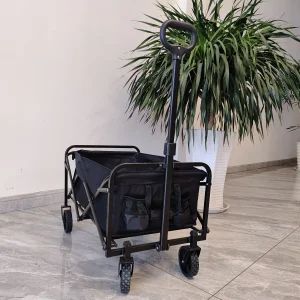
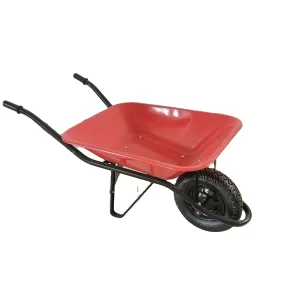
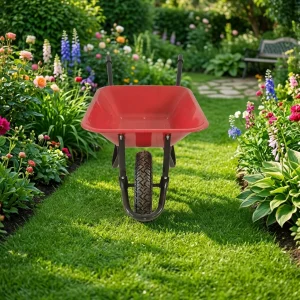
Heavy-duty construction and agricultural grade wheelbarrows, along with premium steel platform systems for demanding environments.
Providing direct, data-driven answers to compliance, logistics, custom manufacturing, and ordering procedures.
Get in touch with our engineering team today to receive structural layouts, CAD designs, salt-spray validation certificates, and a competitive custom quote tailored for the Japan market.
 Xinyi Racking