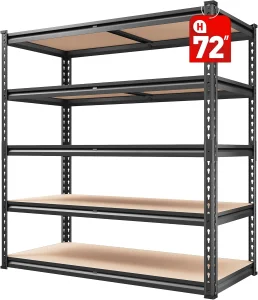
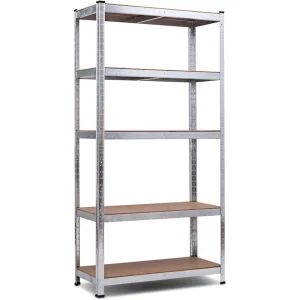
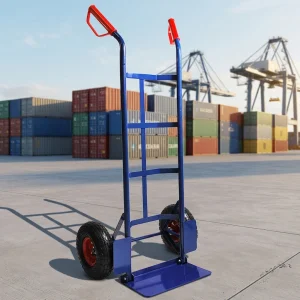
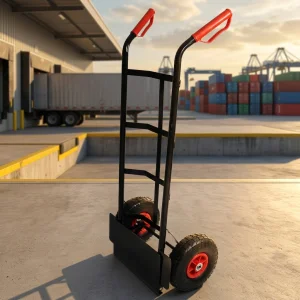
Engineered for compliance with European safety standards, these high-capacity systems represent our primary configurations optimized for Berlin's modern warehousing layouts.
An analytical overview of logistics optimization, European regulatory demands, and custom manufacturing solutions.
The Berlin-Brandenburg metropolitan region has rapidly evolved into one of the most critical logistical hubs in Central Europe. Strategically positioned along major Trans-European Transport Networks (TEN-T), including the Orient/East-Med and North Sea-Baltic corridors, Berlin serves as a primary distribution node connecting Western Europe with rapidly expanding markets in Eastern and Central Europe. Freight Villages (Güterverkehrszentren or GVZs) such as GVZ Großbeeren, GVZ Wustermark, and GVZ Schönefelder Kreuz handle millions of tons of cargo annually, putting extreme stress on localized warehouse material handling infrastructure.
In this high-velocity environment, traditional static storage methods are no longer sufficient. Enterprise operations, third-party logistics (3PL) providers, and e-commerce fulfillment centers require robust, heavy-duty "warehouse cars" (industrial trolleys, platform carts, and hand trucks) alongside highly adjustable, high-capacity shelving systems. These systems must support uninterrupted operations, minimize worker fatigue through ergonomic engineering, and withstand the structural strain of continuous multi-shift loading cycles.
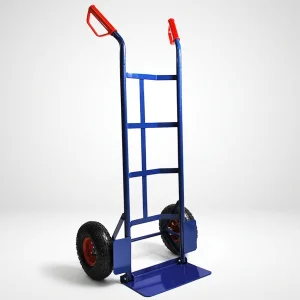
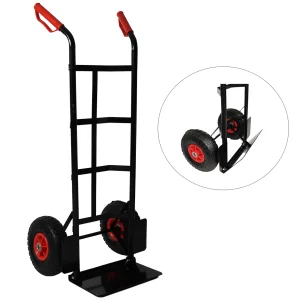
On a global scale, the material handling industry is undergoing a dual-pronged evolution. While automation, Automated Guided Vehicles (AGVs), and Automated Storage and Retrieval Systems (AS/RS) dominate long-term infrastructure designs, manual material handling solutions like the TC1830 platform cargo truck remain indispensable. These manual "warehouse cars" bridge the critical gap in flexible, dynamic, and non-linear movement of specialized components, express picking lines, and maintenance gear where automated systems lack agility.
Moreover, modern procurement strategies prioritize adaptability. In response to fluctuating global supply chains, international buyers are transitioning from fixed, permanent structures to modular, boltless shelving solutions. Modular racking allows warehouse managers to adjust vertical deck clearances without tools, rapidly reconfiguring space allocations to accommodate changing product form factors or peak inventory surges.
As a leading Chinese industrial metal products manufacturer, Ningbo Xinyi Metal Products Co., Ltd. delivers the structural integrity and supply chain efficiency required to compete globally. Leveraging localized raw material sourcing in China's premier steel manufacturing clusters, we utilize high-grade Q235 and Q355 structural steel, which offers optimal tensile strength and yield ratios. Our automated fabrication processes allow us to offer unmatched price-to-performance metrics, enabling European enterprise buyers to achieve substantial capital expenditure savings while securing industrial-grade hardware that meets or exceeds DIN EN standards.
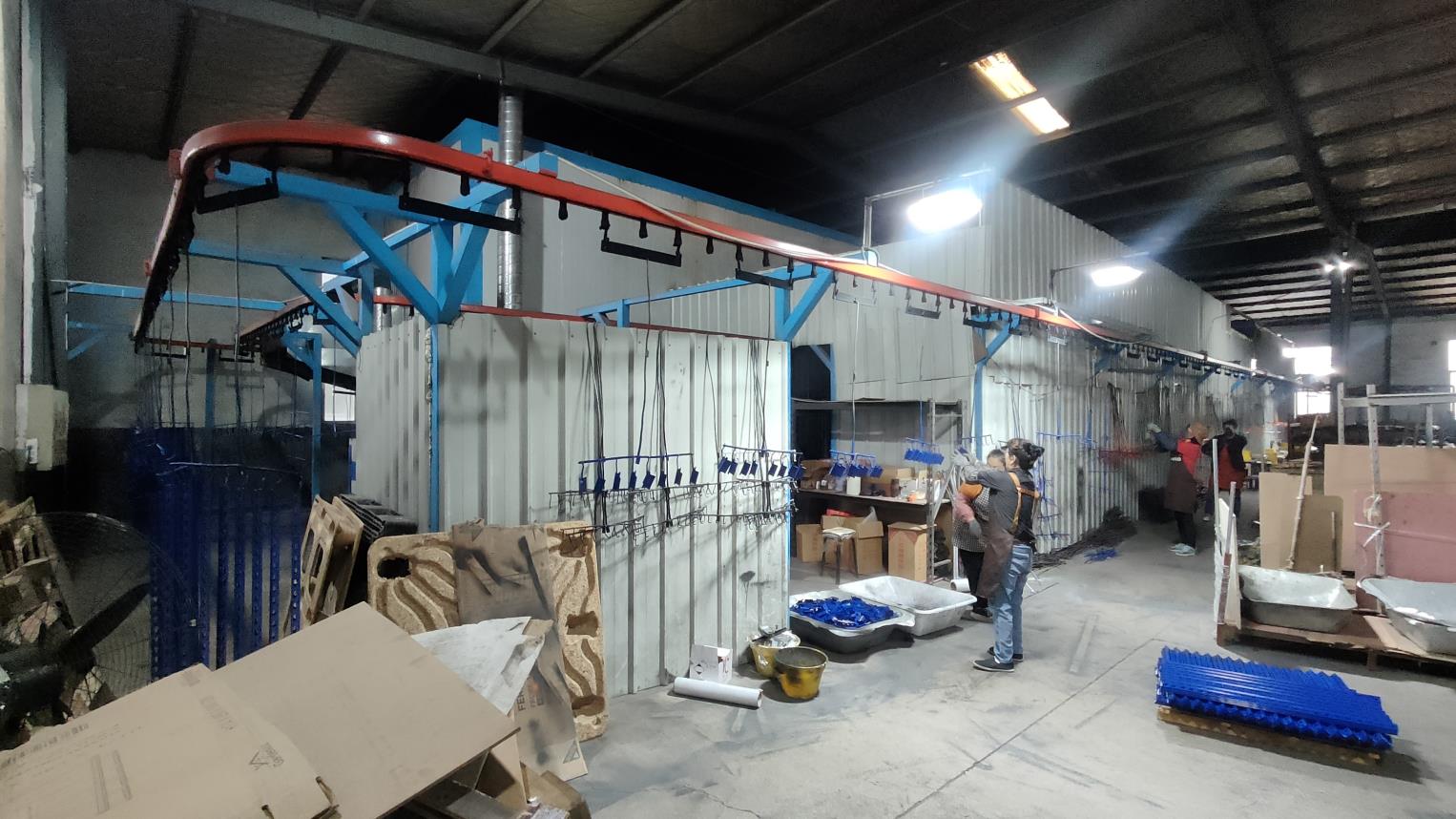
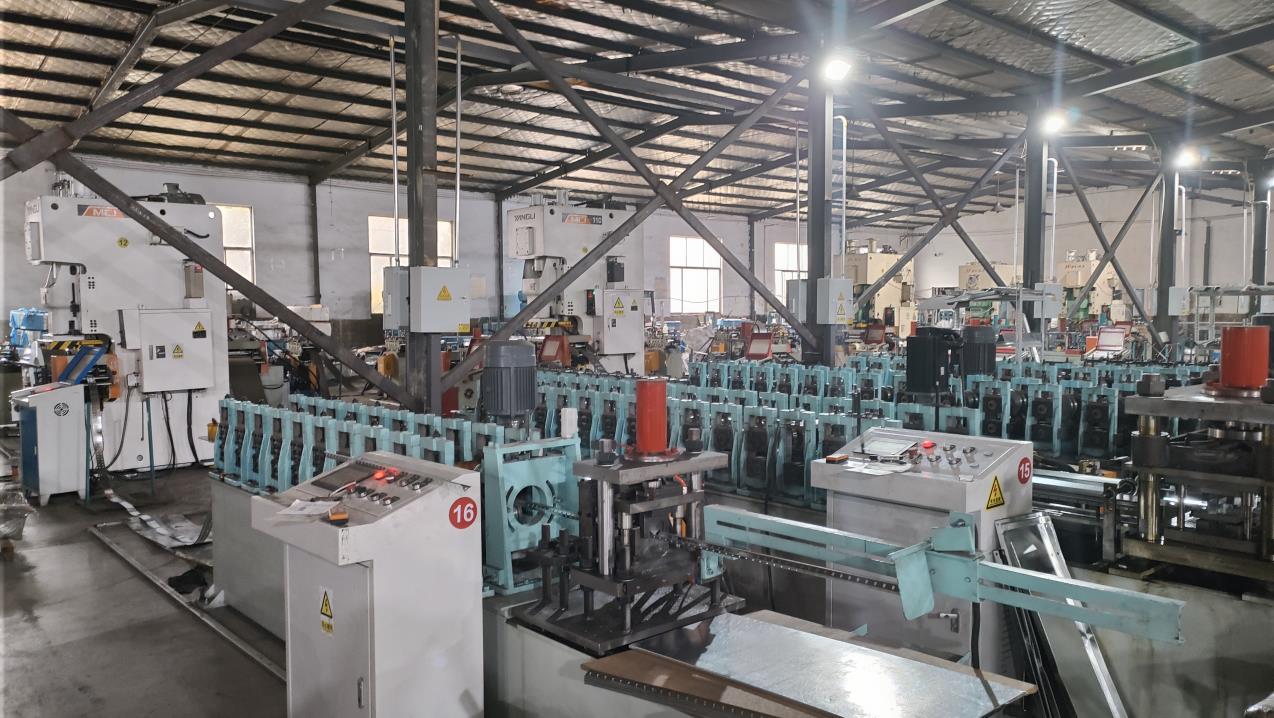
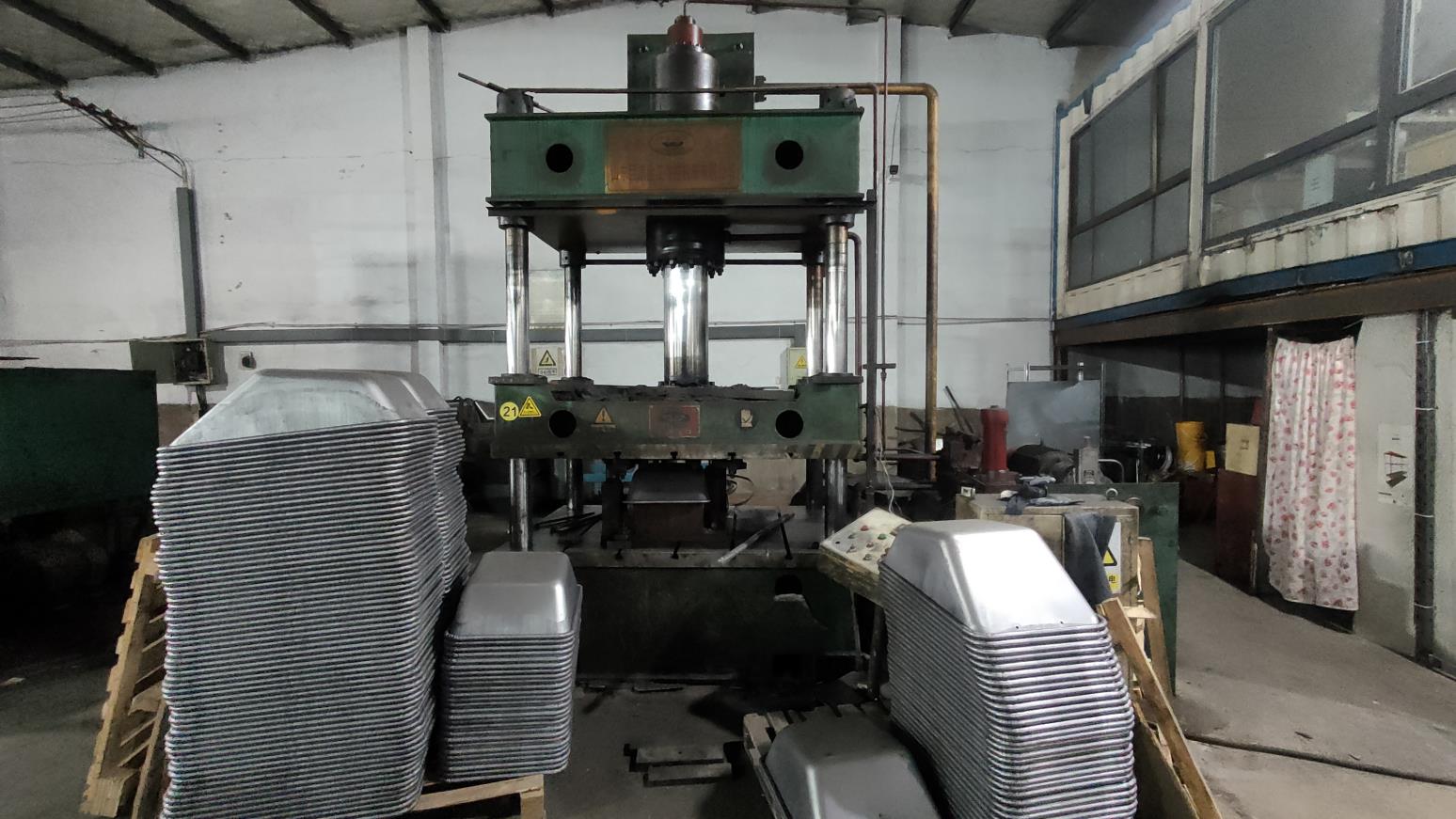
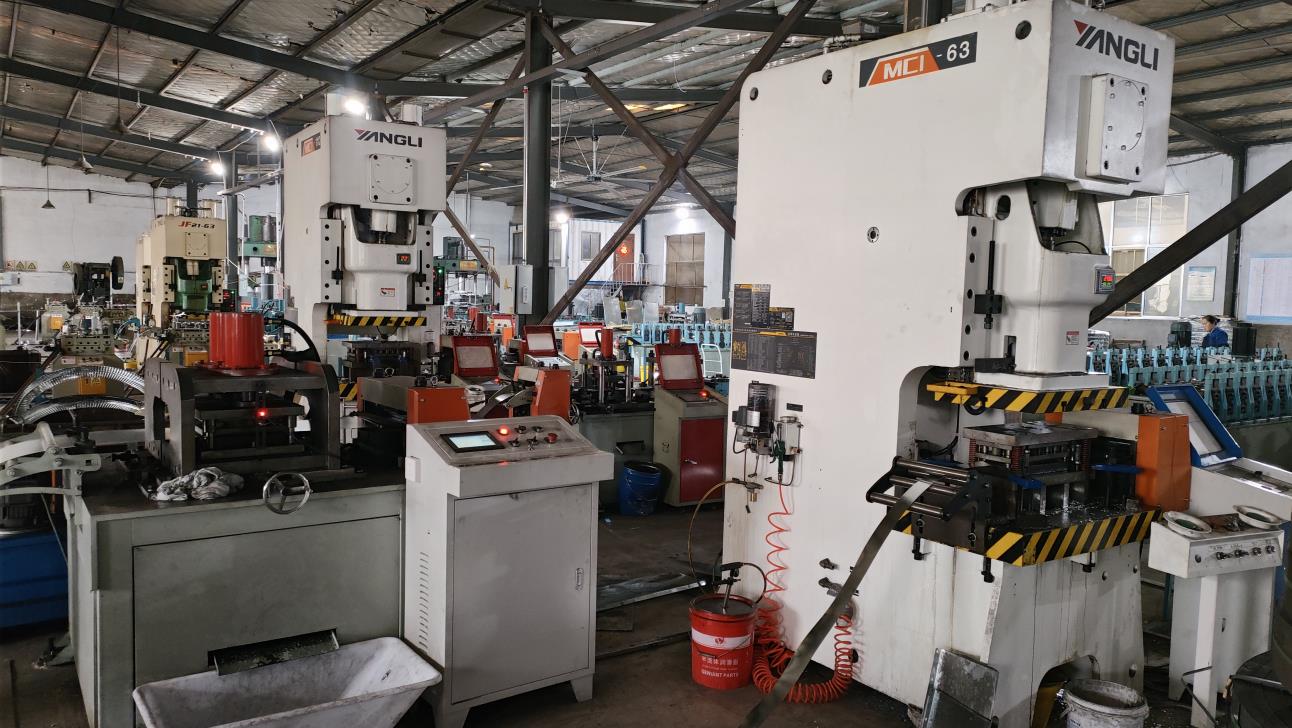
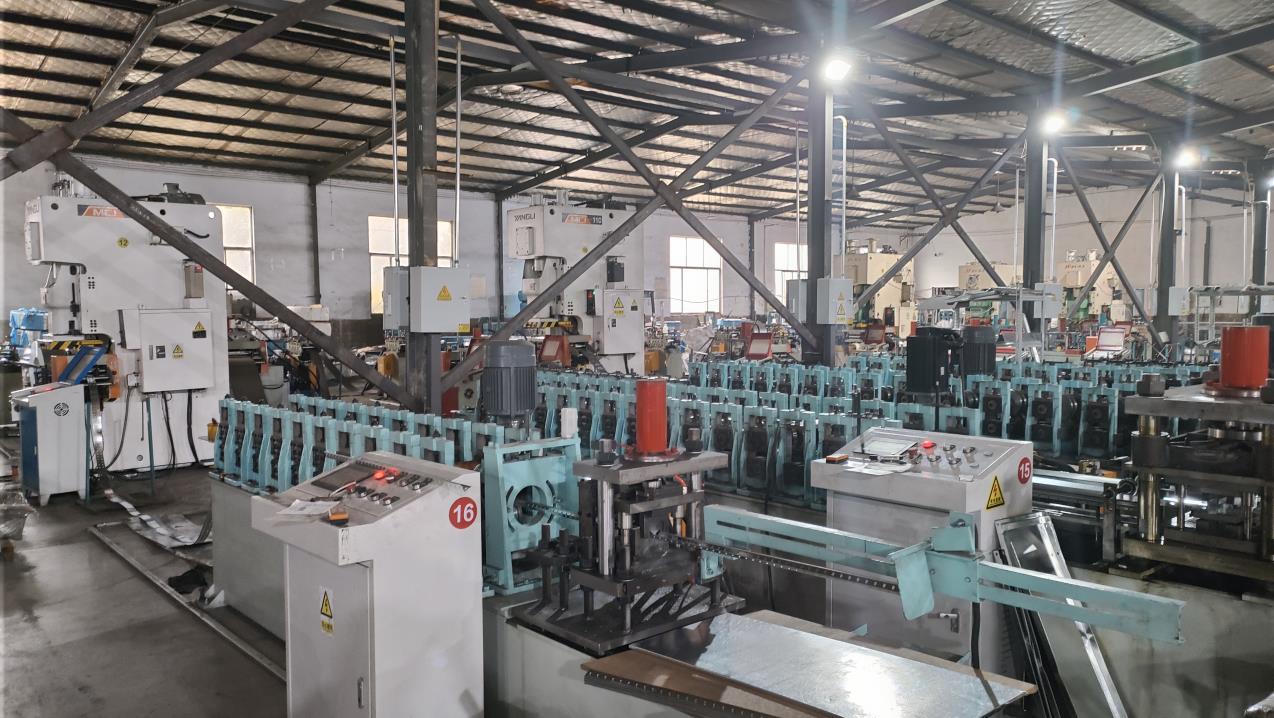
Our state-of-the-art facility integrates advanced robotics, precise mechanical forming, and continuous electrostatic powder-coating lines to ensure superior structural stability and finish durability.
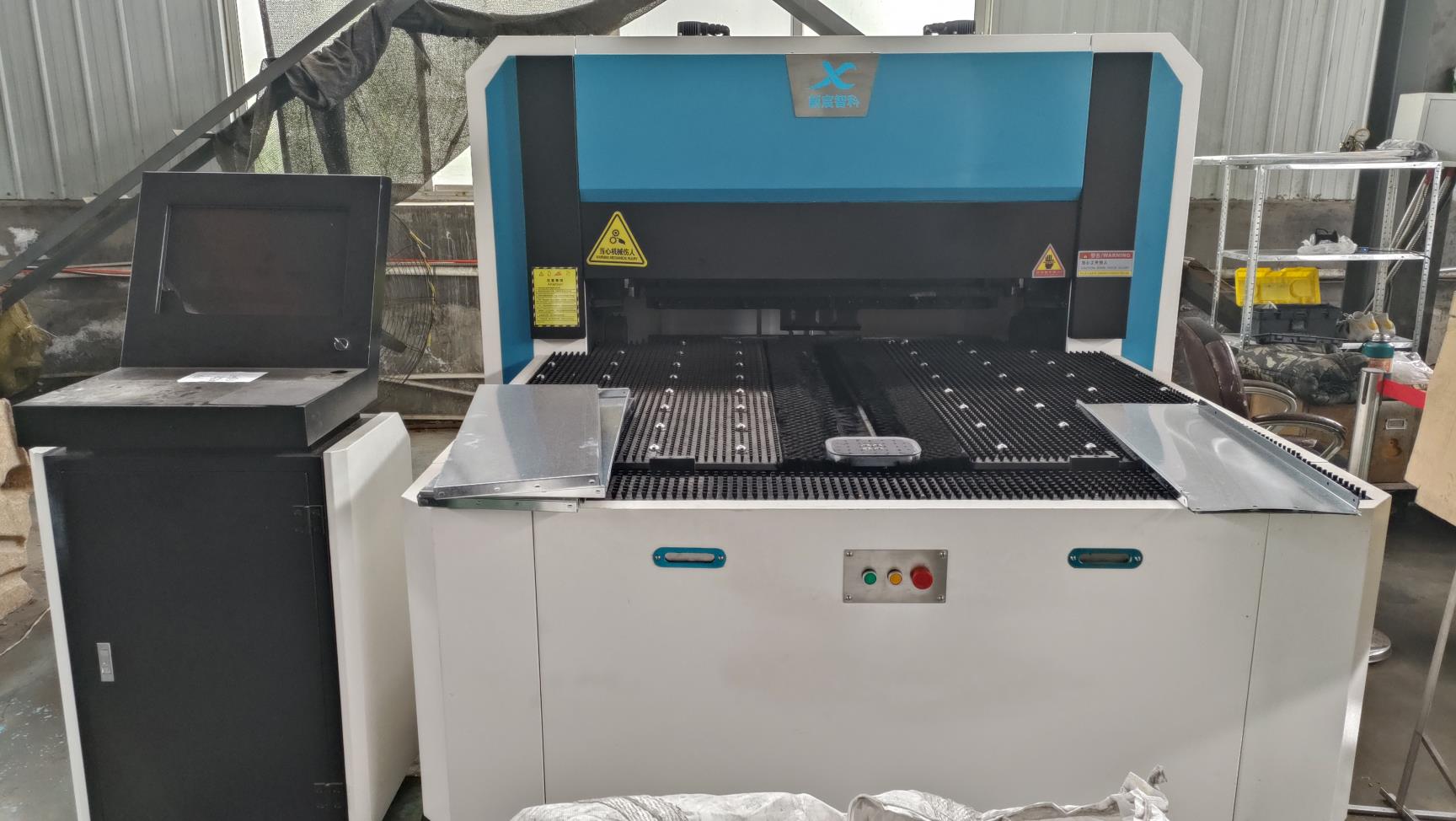
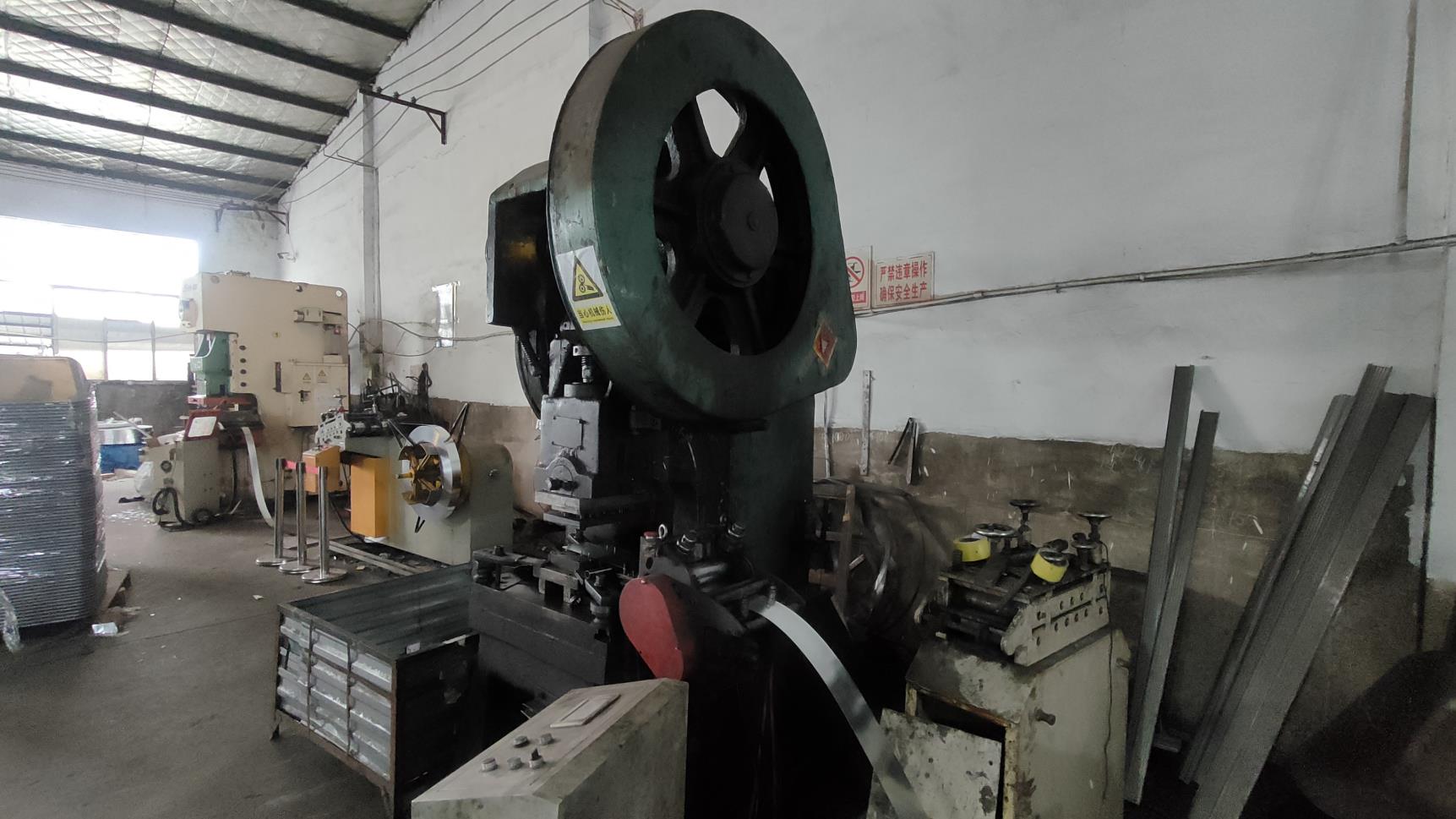
Ningbo Xinyi relies on highly automated continuous roll-forming lines to shape upright frames and beams with precise tolerances. Our heavy-duty press lines execute high-precision stamping to form keyholes and connection tabs that guarantee structural alignment during modular boltless assembly.
By enforcing sub-millimeter precision at every bend, we prevent eccentric loading risks, ensuring that structural forces are evenly transferred down the upright frame to the warehouse concrete floor.
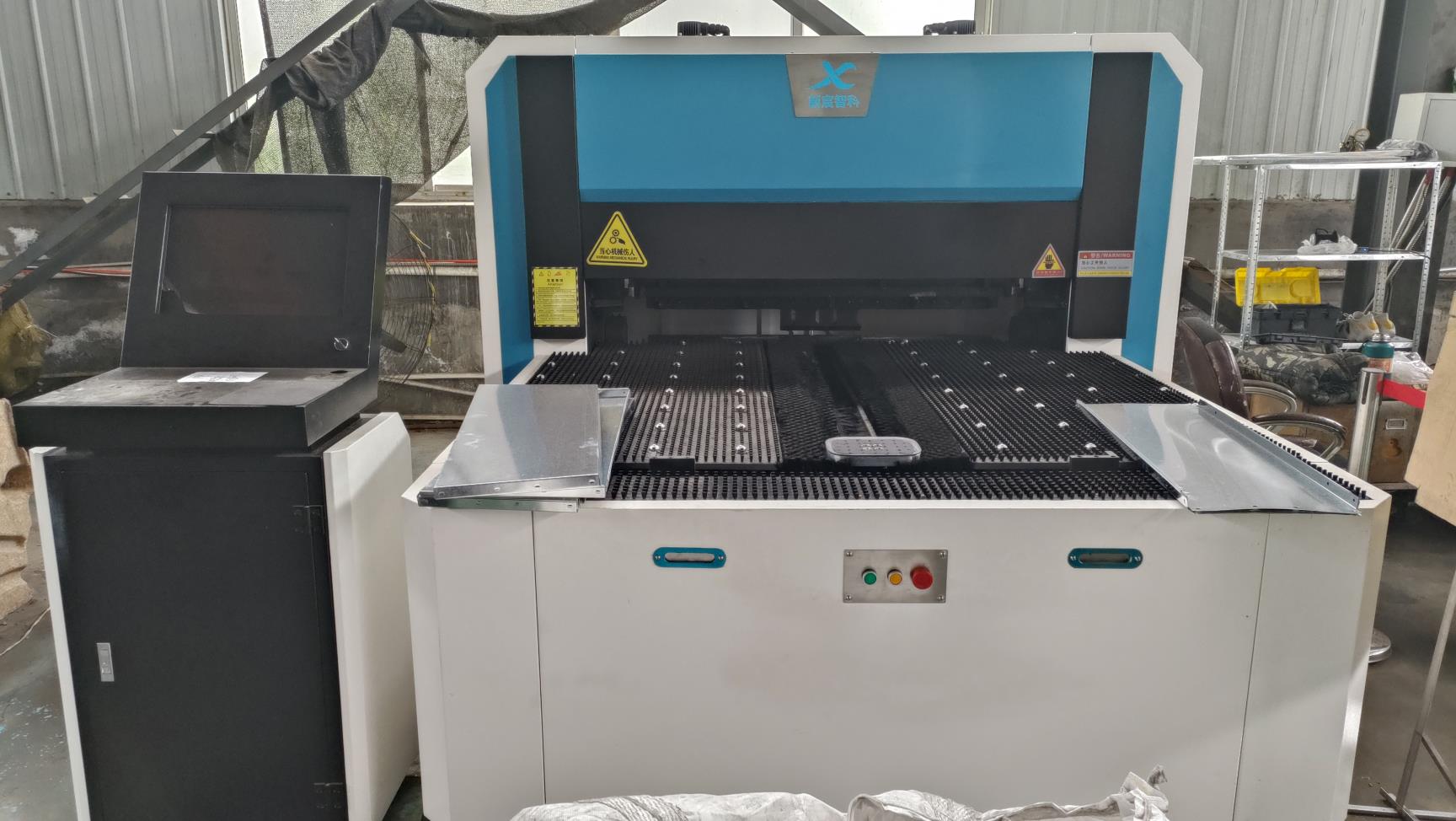
To eliminate manual weld inconsistencies, our factory employs state-of-the-art multi-axis robotic welding cells. These automated arms perform continuous, deep-penetration metal active gas (MAG) welding on platform trolleys and structural support brackets.
This automated approach prevents weld porosity and guarantees uniform load distribution, eliminating structural failure risks under dynamic transit stress.
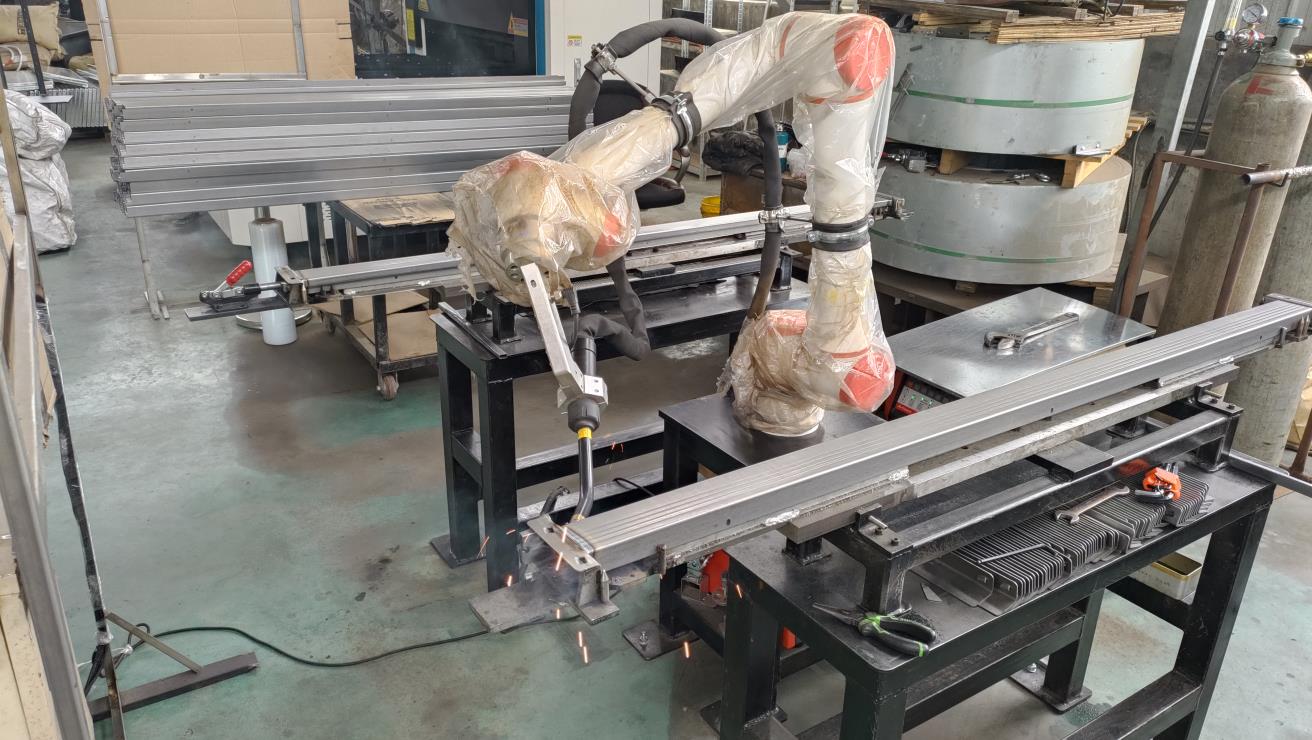
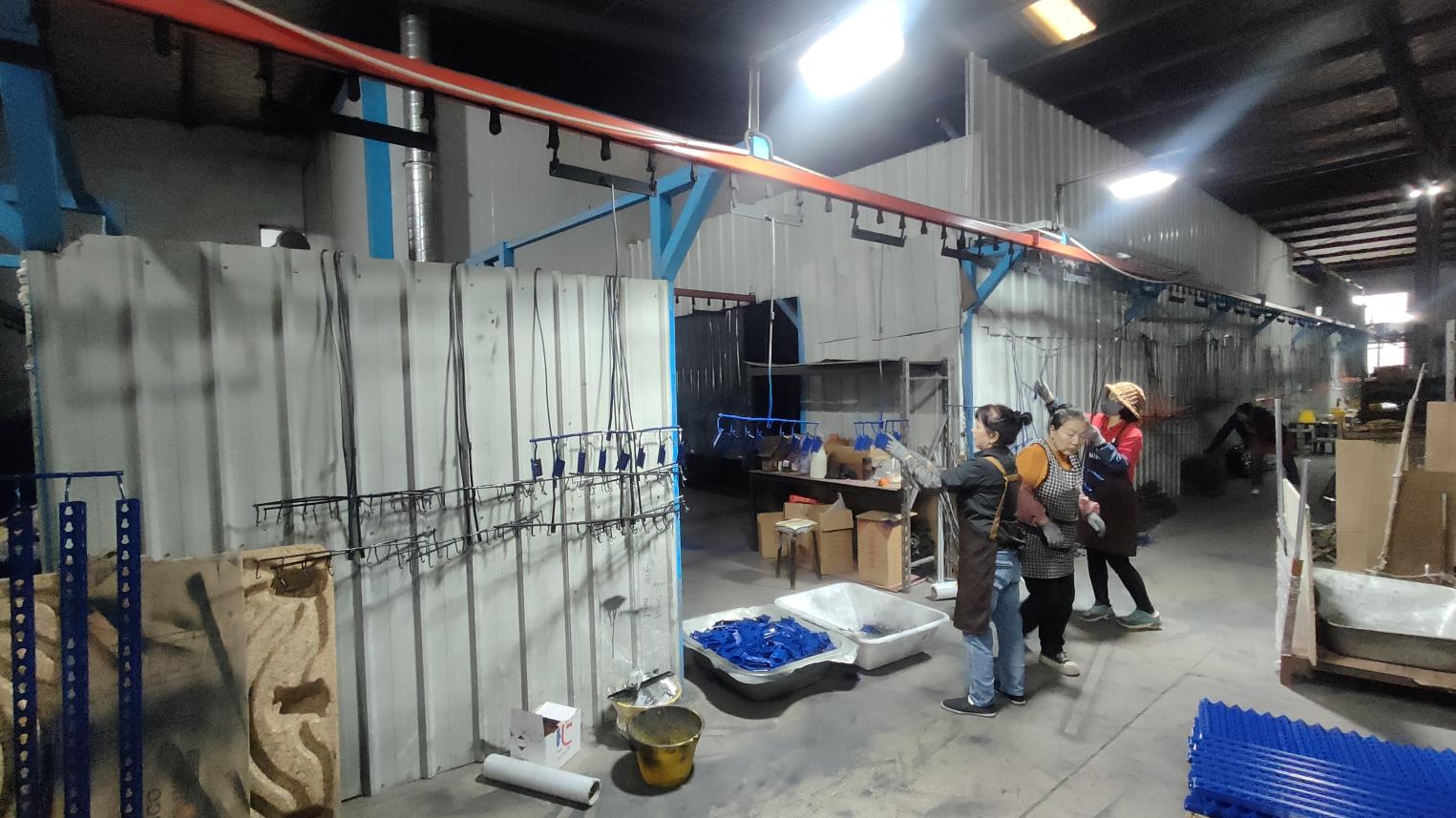
All structural metal surfaces undergo a rigorous multi-stage pre-treatment wash, including chemical degreasing and zinc-phosphate conversion coating, before entering our automated electrostatic powder spray line.
The resulting cured epoxy-polyester powder finish provides excellent abrasion resistance, impact protection, and chemical durability, making it ideal for the demanding, high-humidity, or chemical-exposure environments often found in European cold chain and industrial plants.
Tailored physical solutions for the diverse industrial sectors driving the Berlin-Brandenburg regional economy.
Automotive assembly lines in Grünheide demand precise, high-capacity, heavy-duty shelving. Our modular racks and specialized cargo trolleys support parts flow from storage zones to robotic assembly lines, maintaining continuous operation.
Major 3PL fulfillment hubs near GVZ Großbeeren handle massive parcel volumes daily. Hand trucks like the TC1830 platform cargo cart and boltless storage racks maximize space utilization and optimize manual order picking.
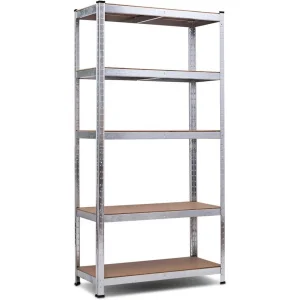
With specialized food processing plants in Berlin-Brandenburg, our galvanized, rust-resistant steel shelving systems offer structural durability in cold rooms and temperature-controlled storage, preventing bacterial growth.
Sub-distribution hubs and local home improvement stores utilize adjustable 5-tier storage shelving to safely store bulk, heavy goods, providing quick access and high visibility for shop floor restocking.
Explore our complete catalog of industrial material handling equipment. Each model is fully customizable to meet the specific requirements of your warehouse operation.
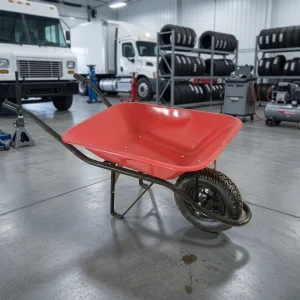
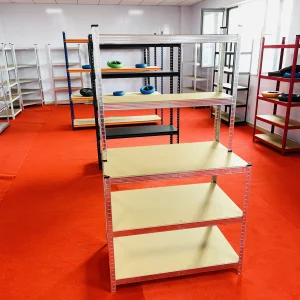
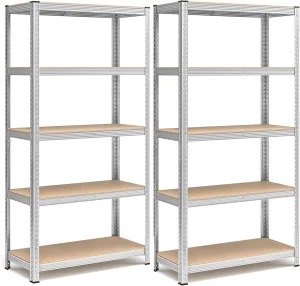
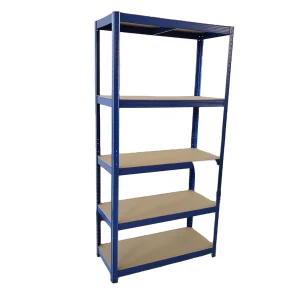
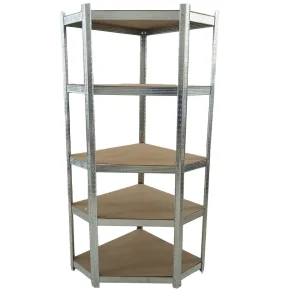
Essential criteria for selecting material handling and storage systems in compliance with European standards.
When purchasing racking and cargo trolleys from Chinese factories for deployment within Germany, enterprise buyers must look beyond basic dimensions and unit prices. Key compliance, structural, and chemical factors include:
Ningbo Xinyi Metal Products Co., Ltd. has served the global market since 2015, manufacturing heavy-duty industrial storage racks, pallet racking systems, and customized material handling carts. Spanning a state-of-the-art facility of 38,000 square meters, we export over $28 million USD annually to logistics hubs across Western Europe, North America, and the Middle East.
Our engineering division employs 28 R&D specialists who utilize advanced CAD and finite element analysis (FEA) software to model load distributions, design custom components, and perform seismic evaluations. Supported by a rigorous quality assurance team of 45 inspection professionals, we carry out raw material tensile testing, ultrasonic weld verification, and salt-spray corrosion resistance tests to guarantee reliability.
Direct technical answers to the most common queries raised by warehouse managers, supply chain directors, and retail purchasing agents.
Our manufacturing processes follow strict international quality controls. Our design team applies FEM 10.2.02 and EN 15512 standards to calculate load limits. We also run ongoing raw material tensile strength testing, load-deflection testing, and ultrasonic weld checks to meet strict European warehouse safety standards.
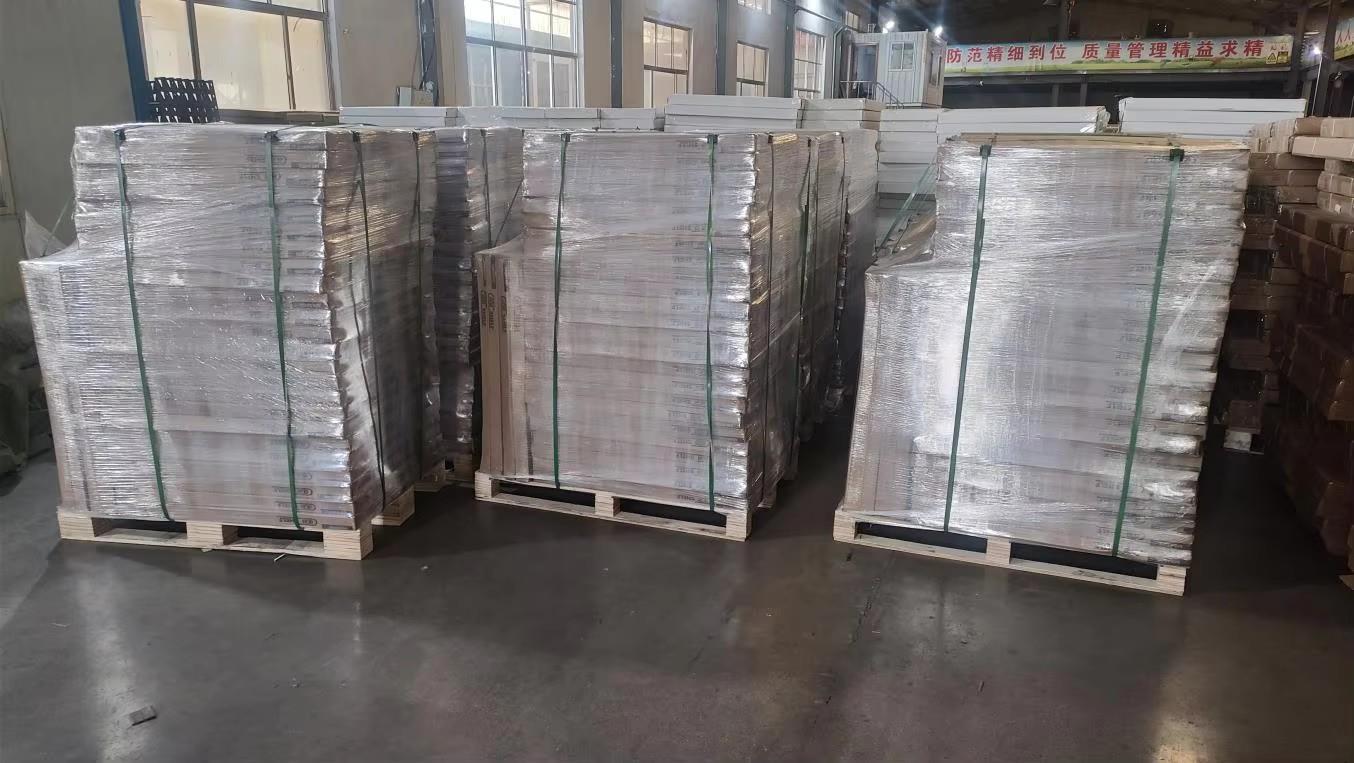
For standard bulk configurations, production takes 25 to 30 days. Custom OEM/ODM orders requiring specialized tooling take 35 to 45 days. Ocean shipping from Ningbo port to Hamburg or Bremen, followed by rail freight transport to GVZ Berlin hubs, typically adds 35 to 40 days.
For cold-storage and high-humidity applications, we recommend hot-dip galvanizing, which provides long-term protection against rust. Alternatively, we offer zinc-rich primer pre-treatments combined with high-durability epoxy powder coatings to prevent corrosion under extreme temperature shifts.
Yes, our R&D team specializes in custom requests. We can modify the dimensions, integrate heavy-duty 4-wheel steering systems, add locking brakes, customize the cargo side rails, or swap wheels to suit specific floor types, including high-friction concrete or warehouse surfaces.
 Xinyi Racking