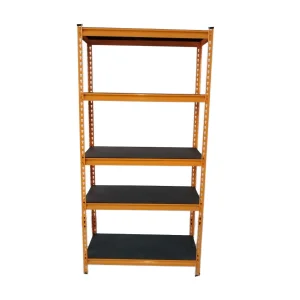
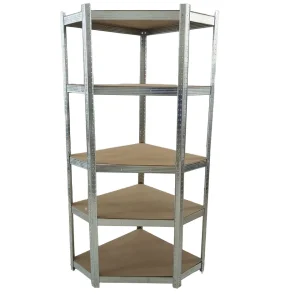
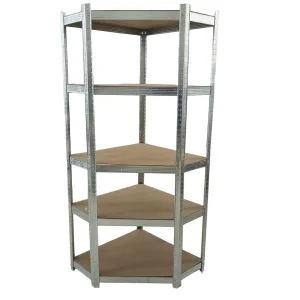
Engineered for the demanding environments of Callao Port, Lima Distribution Hubs, and regional Peruvian supply chains.
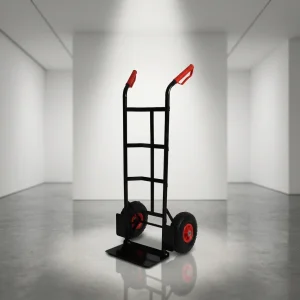
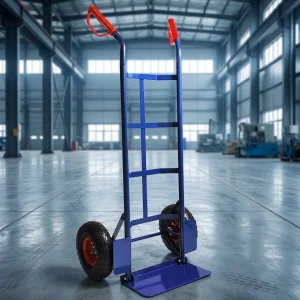
An analysis of trade corridors, micro-fulfillment, and material handling requirements in South America's fastest-growing logistics sector.
Peru has established itself as a critical maritime and logistics hub along the Pacific coast of South America. Driven by key infrastructural developments, including the consolidation of APM Terminals Callao and the highly anticipated completion of the Chancay Megaport, the demand for efficient, high-durability material handling equipment (such as warehouse cars, manual trolleys, and stacking racks) has experienced an unprecedented upward trajectory. Modern logistics facilities in Lima, Callao, Arequipa, and Trujillo are shifting from basic warehousing practices to automated and highly optimized high-density storage frameworks.
In this dynamic economic paradigm, the optimization of the "last 100 meters" inside a logistics hub or manufacturing plant has become a key competitive differentiator for 3PL (third-party logistics) providers, agro-exporters in the Ica region, and mining suppliers operating in southern Peru. The integration of robust manual transport vehicles, such as metal platform trolleys and warehouse cars, directly mitigates picking cycle delays and minimizes localized transport bottlenecks. As Peruvian firms struggle to optimize storage space per square meter, modular stacking racks and mobile platform systems have emerged as default requirements rather than luxury upgrades.
The Peruvian logistics corridor is divided into highly specialized zones, each requiring dedicated hardware specifications:
Seismic validation, metallurgical standards, and multi-layer corrosion protection protocols.
To ensure high operational integrity and compliance with local safety regulations (including INDECI audits), warehouse storage racks and mobile equipment must meet strict structural standards. At Ningbo Xinyi Metal Products Co., Ltd., our engineering team integrates advanced finite element analysis (FEA) to simulate dynamic loading stresses, ensuring our products withstand the challenges of seismic regions.
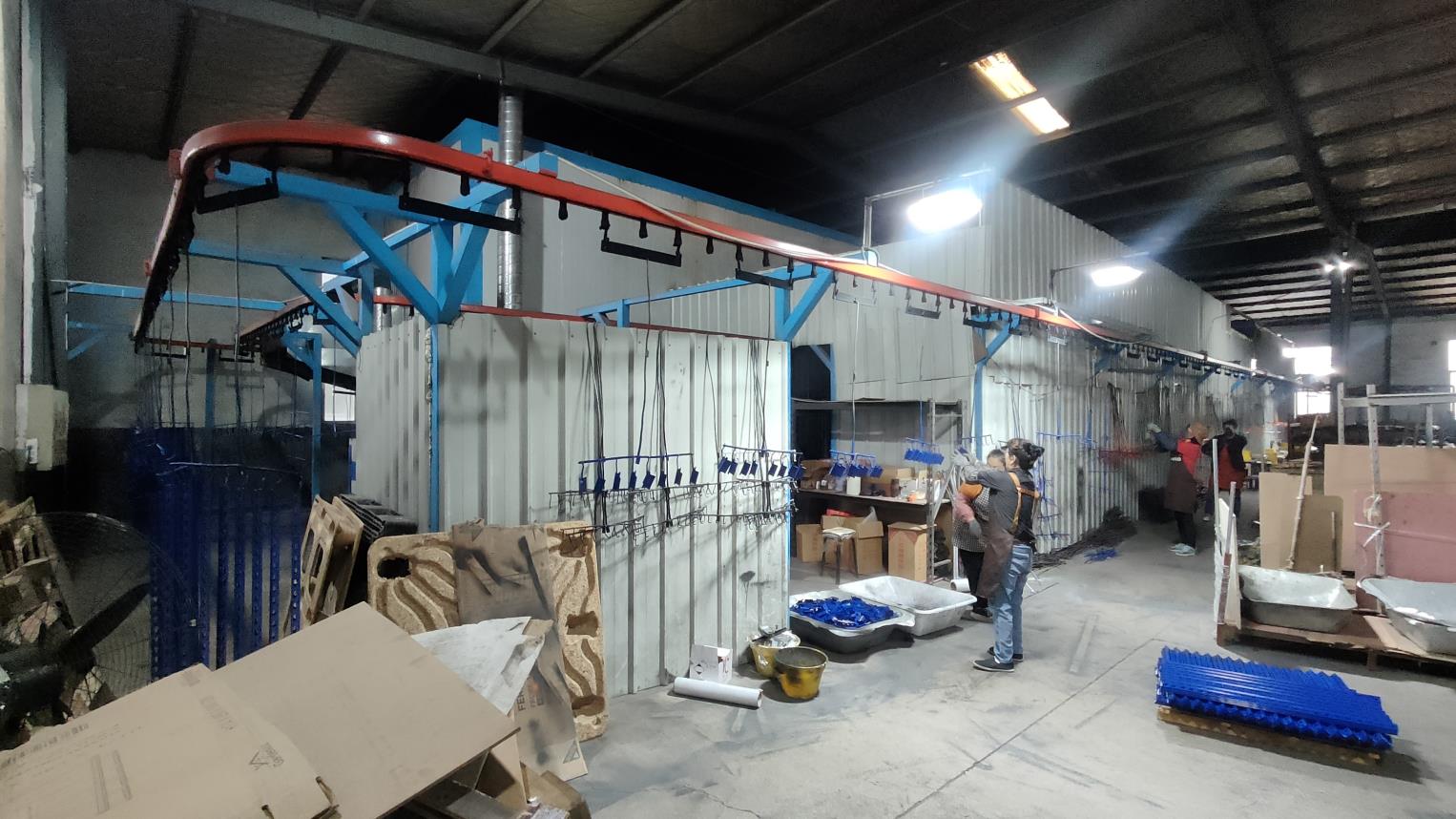
Callao's proximity to the Pacific Ocean subjects metal structures to a high-salinity environment, corresponding to atmospheric corrosivity category C4 or C5 under ISO 12944. Standard spray paints quickly degrade, leading to structural failures. To prevent this, our manufacturing process employs a rigorous pre-treatment phase followed by specialized powder coatings:
| Treatment Stage | Process Description | Target Specification / Performance Metric |
|---|---|---|
| Alkaline Degreasing | Removal of industrial oils, mill scales, and drawing compounds from raw Q235B steel. | 100% clean metal surface tension compliant with ASTM D5946. |
| Zinc Phosphating | Application of a crystalline phosphate layer to improve paint adhesion and prevent under-film corrosion. | Phosphate coating weight: 1.5 - 3.0 g/m² under ASTM C1289. |
| Electrostatic Powder Coating | High-performance thermosetting epoxy-polyester powder applied electrostatically. | Dry Film Thickness (DFT): 80 to 120 microns; Salt Spray Resistance > 500 hours (ASTM B117). |
| Polyurethane Wheel Vulcanization | Caster core thermal bonding with high-grade polyurethane elastomers. | Hardness Shore A 92-95; low rolling resistance, chemical and oil resistance. |
All structural components, including the upright columns of our stacking racks and the load-bearing frames of our platform trolleys, are fabricated from premium Q235B or Q345B steel. Under load, these components maintain their shape, ensuring safety even during sudden seismic shifts. Our designs maintain deflection limits within L/240 (ratio of deflection to span), exceeding the standard L/180 requirements to provide an extra margin of safety for warehouses in seismic zones.
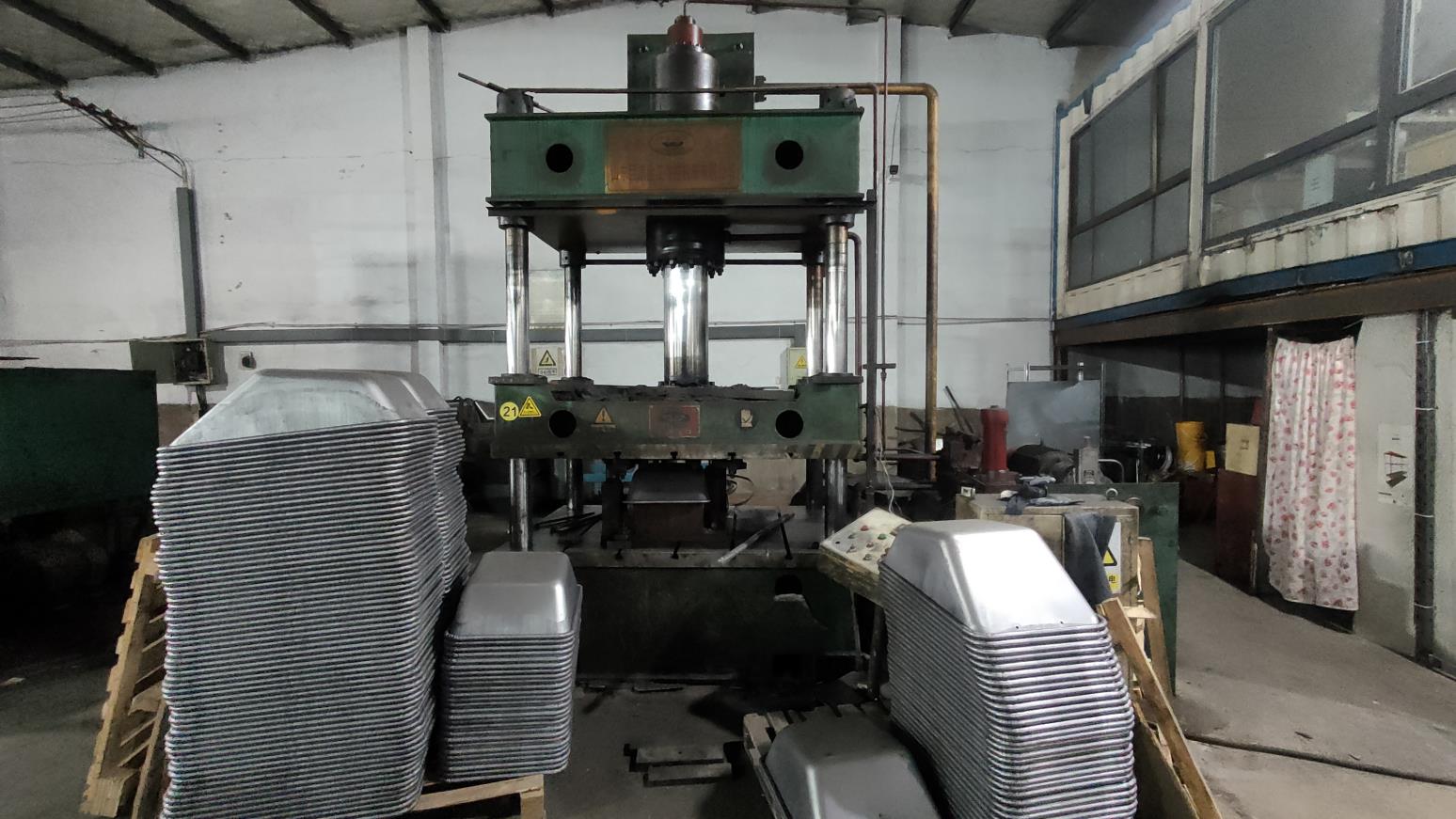
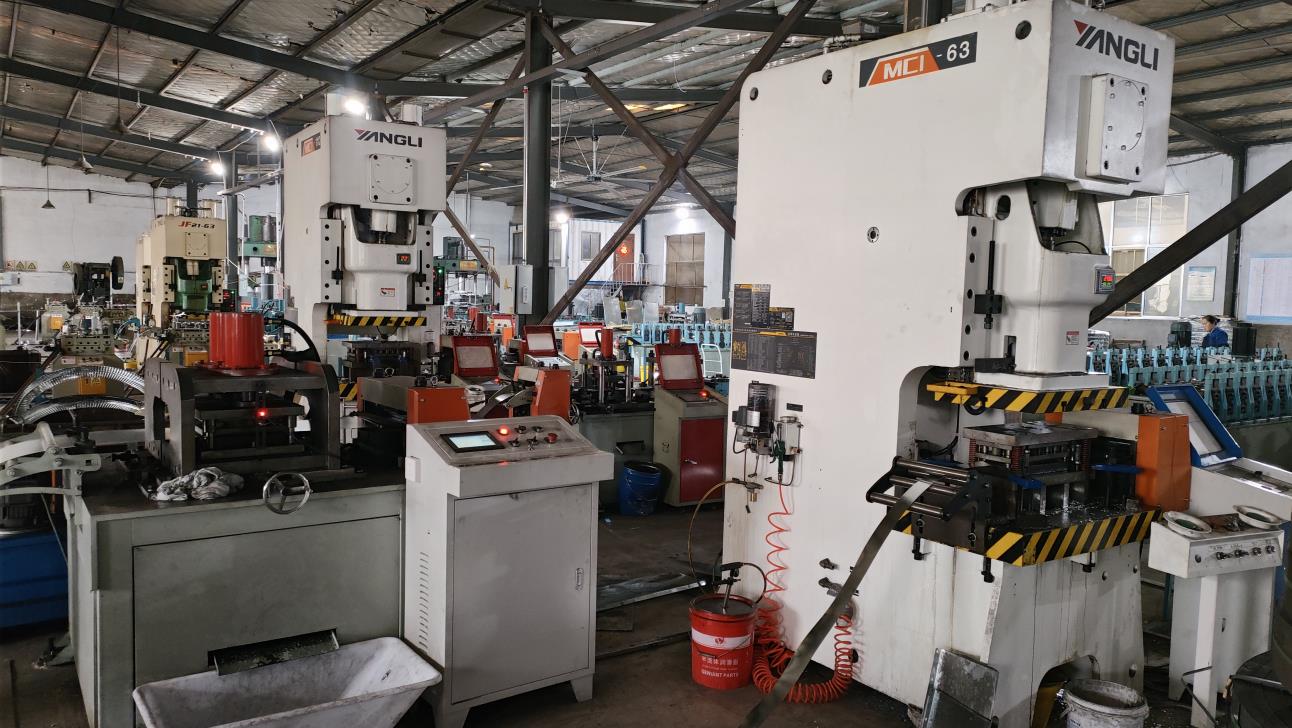
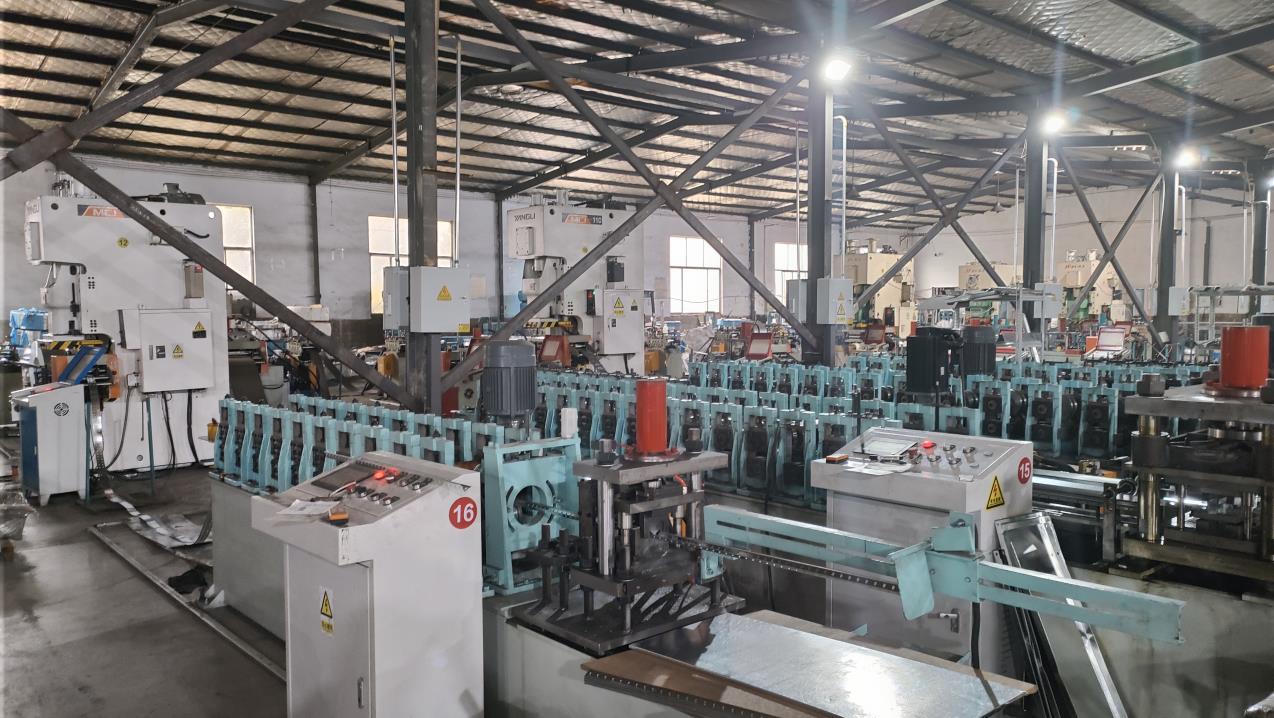
Explore our state-of-the-art facility where raw materials are transformed into certified material handling systems.
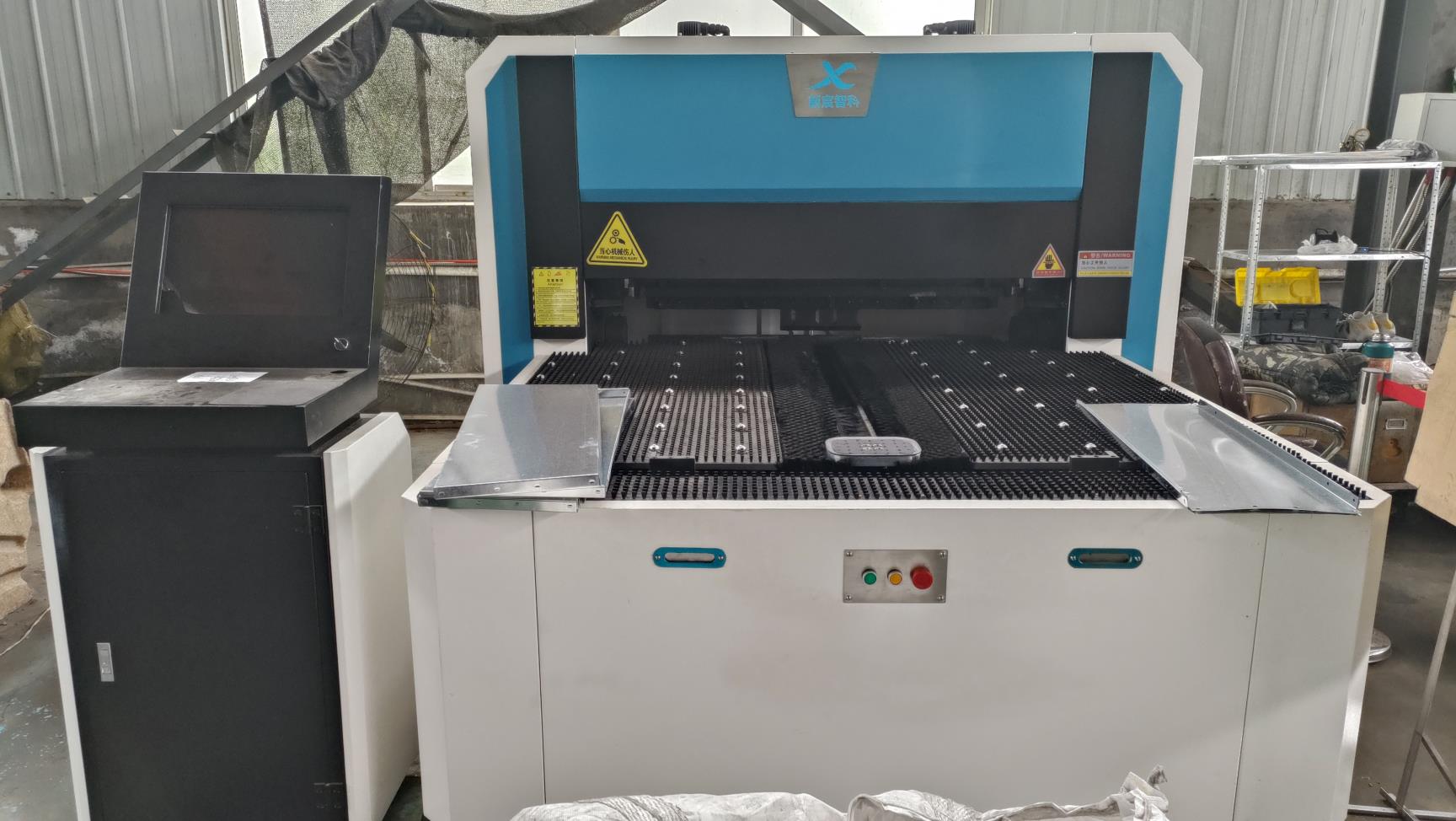
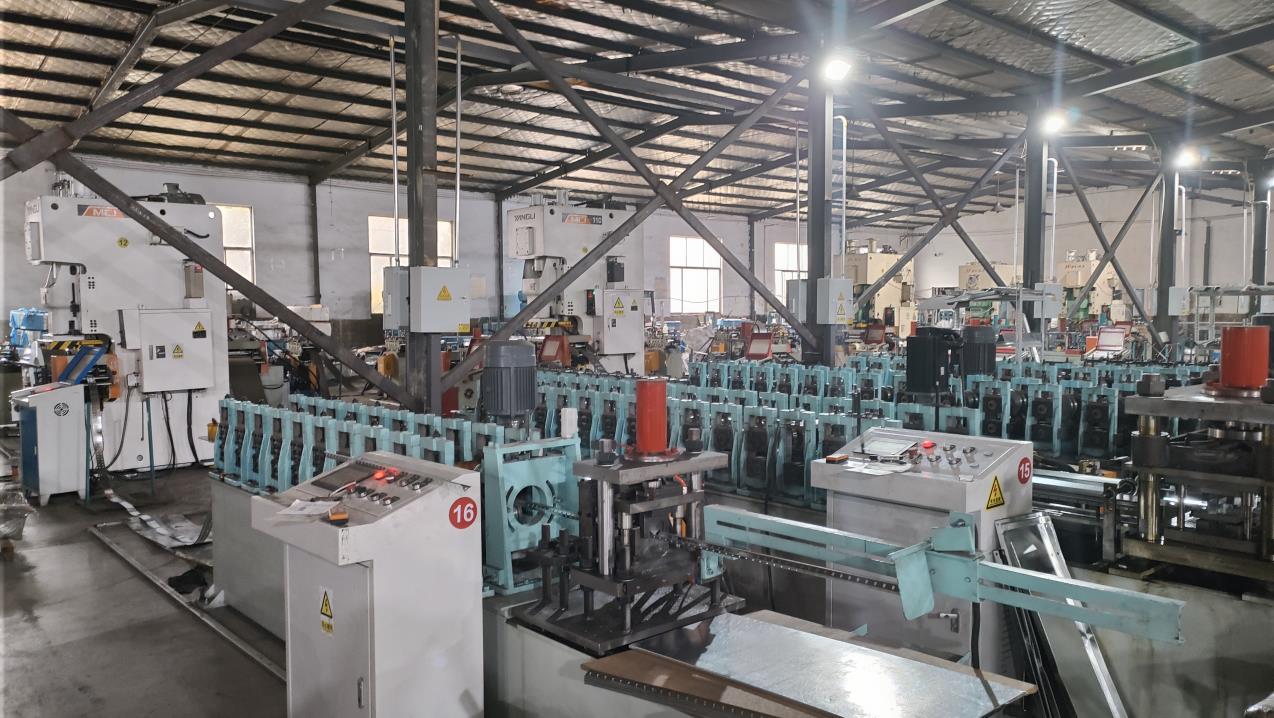
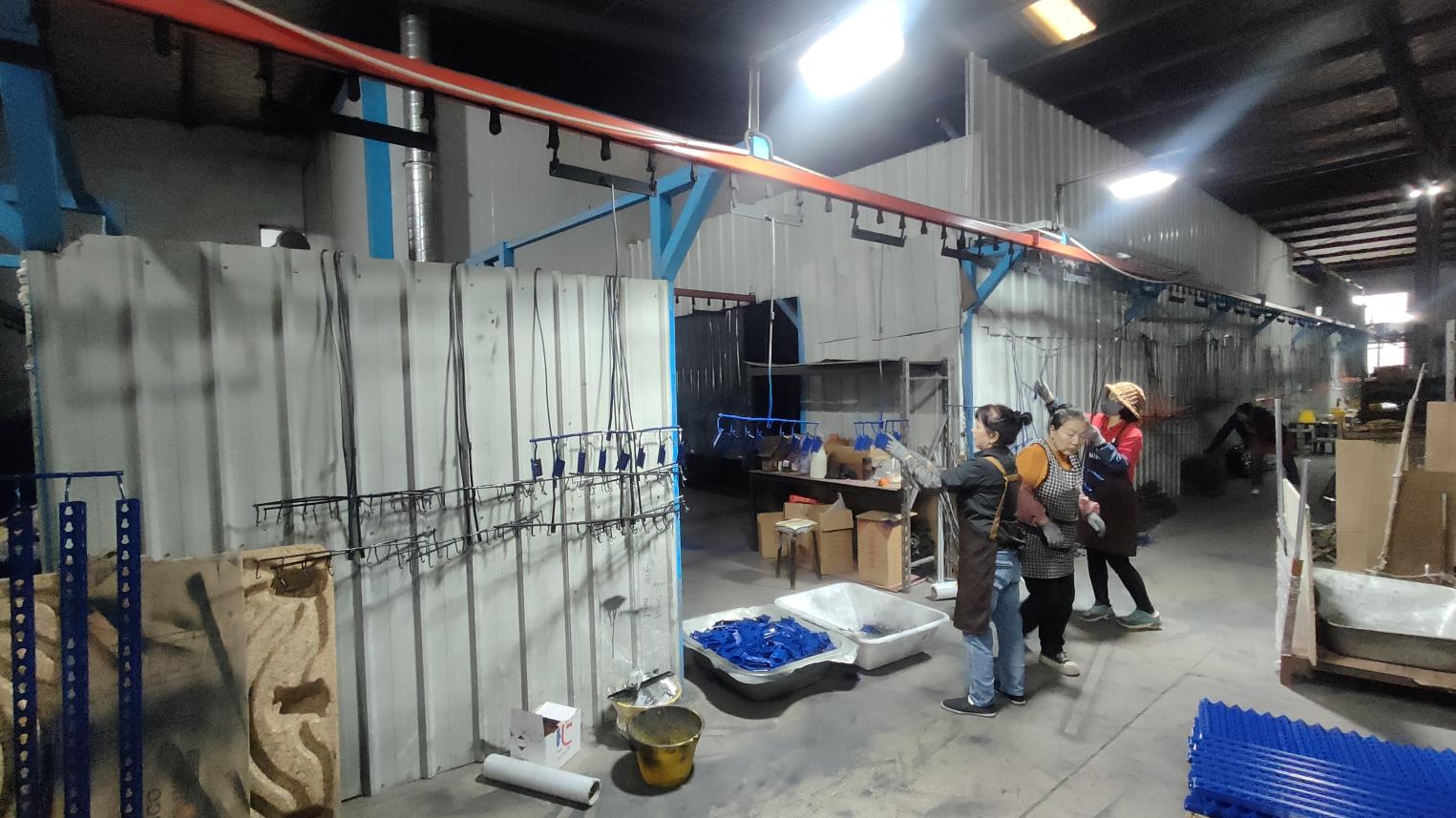
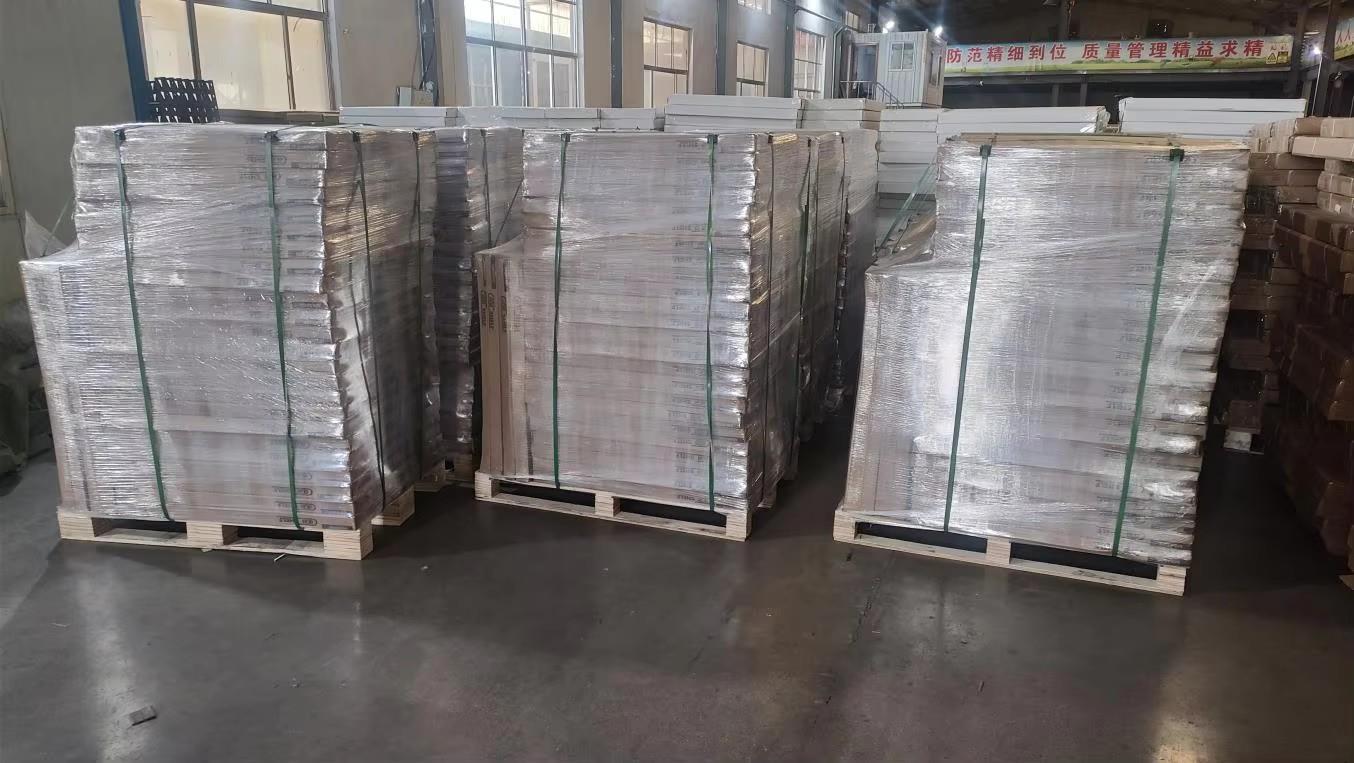
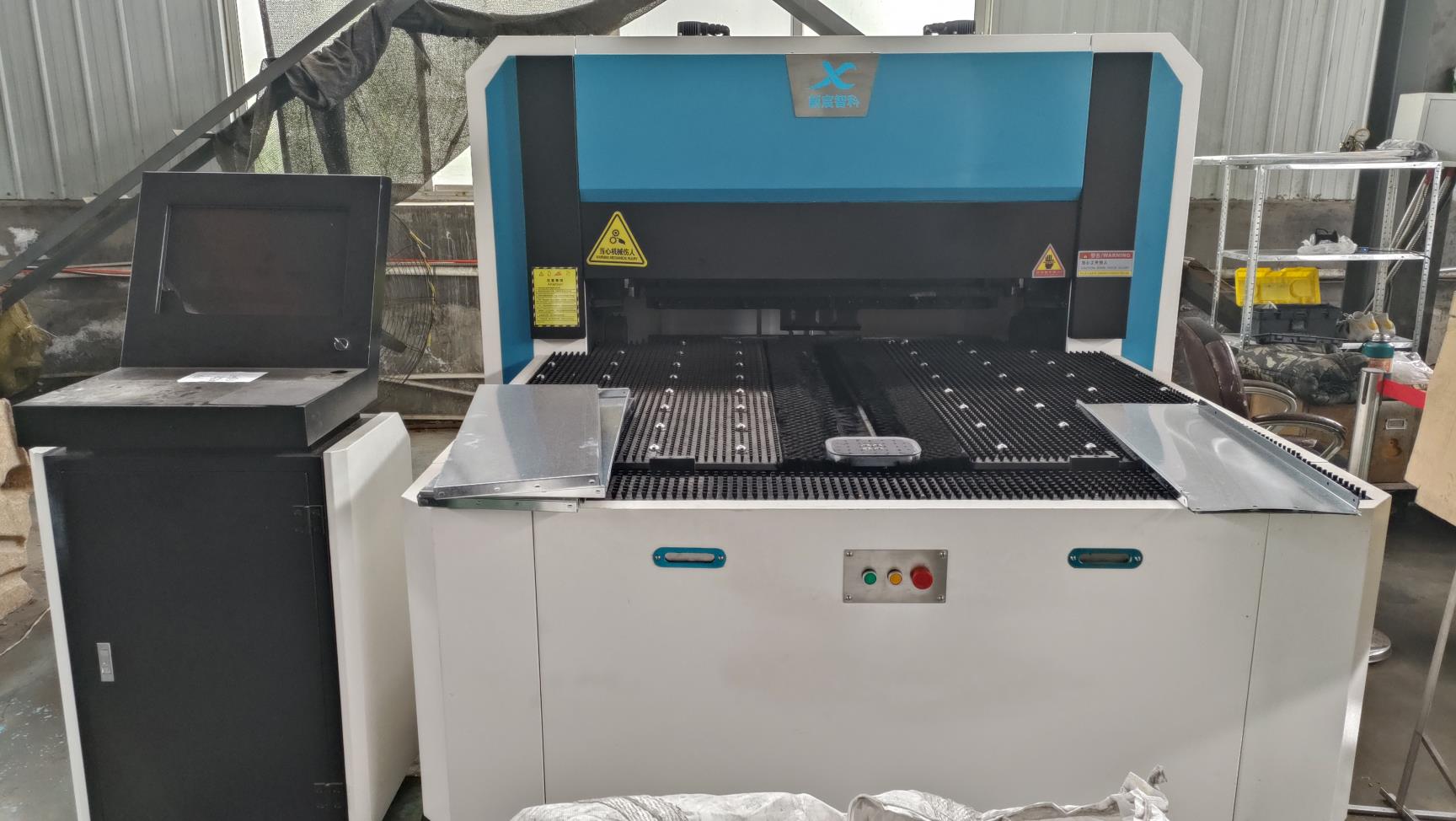
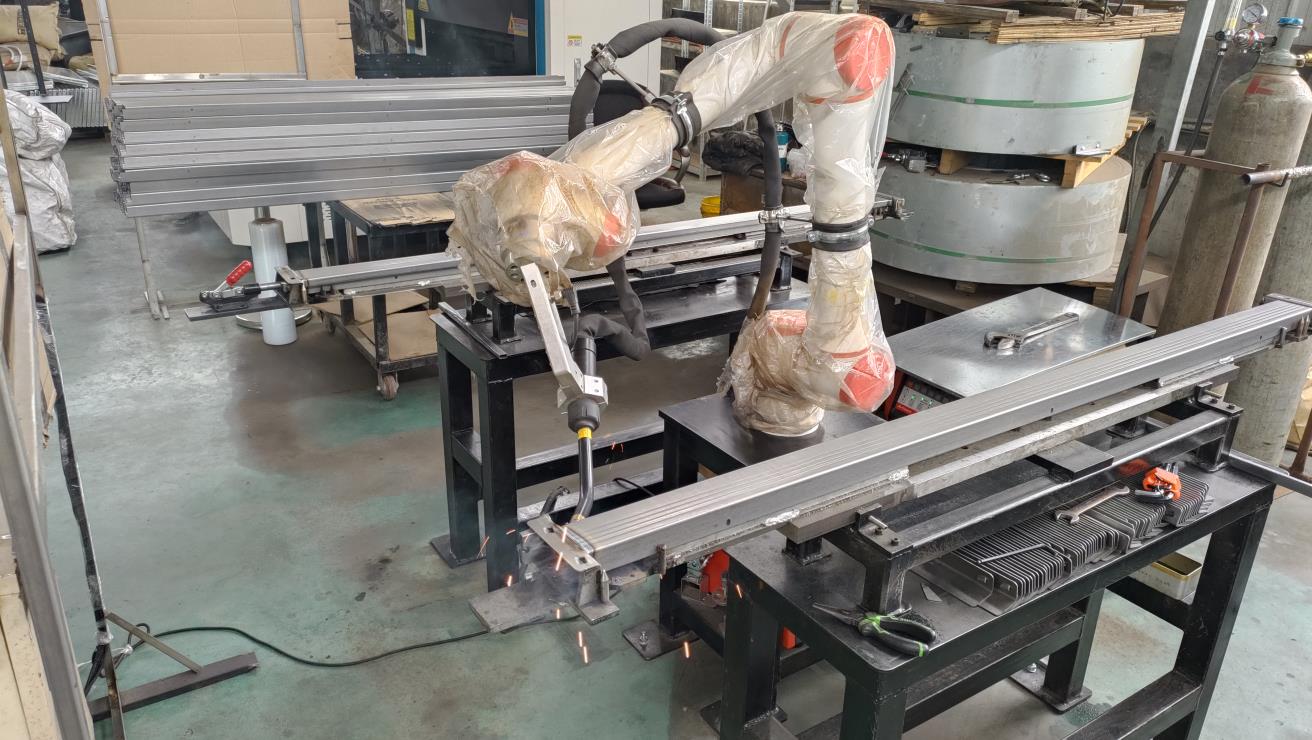
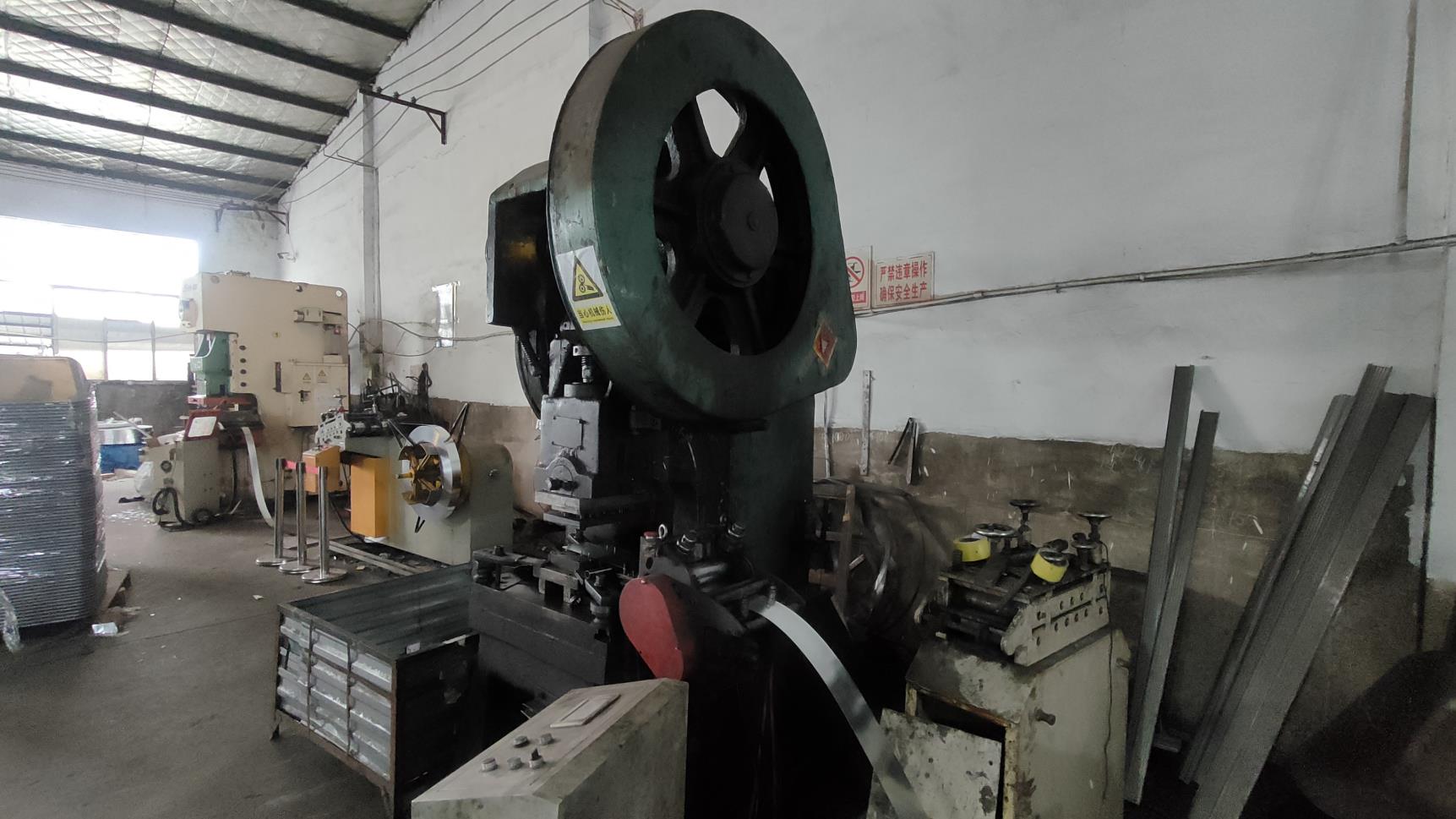
Streamlining the procurement pipeline from Ningbo to Callao Port: Taxes, freight, and localization.
Purchasing warehouse cars and industrial racking systems directly from Ningbo, China, allows Peruvian procurement managers to bypass intermediate local markups, saving up to 35% in capital expenditures. However, managing this international supply chain requires clear visibility over import mechanics, freight times, and compliance with Peruvian customs authorities (SUNAT).
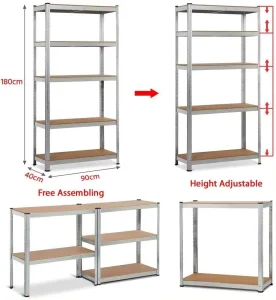
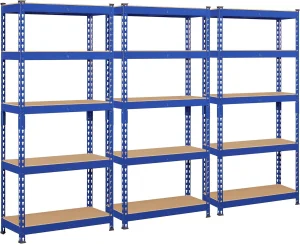
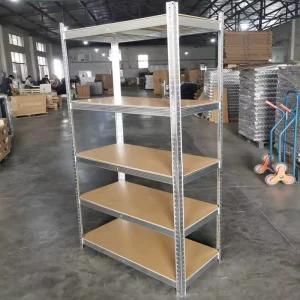
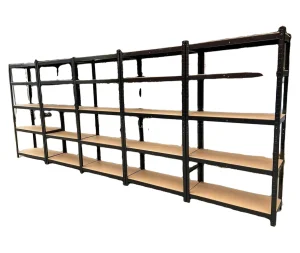
Freight and Transit Time: Ocean freight from Ningbo Port (CNGBG) to Callao Port (PECALL) typically ranges between 32 to 42 days via direct Pacific routes. Large carriers like COSCO, MSK, and CMA CGM offer stable service options. We optimize container space by packing products in a knocked-down (KD) structure. For example, our 5-Layer Boltless Storage Shelves are shipped in flat-pack formats, maximizing container capacity and reducing per-unit shipping costs.
Customs Duties and Trade Agreements: Thanks to the China-Peru Free Trade Agreement (FTA), many material handling products and steel structures qualify for reduced tariffs. By providing a valid Certificate of Origin (Form F), our Peruvian clients can import these goods duty-free or under reduced tariff rates, significantly lowering landed costs.
Industrial-grade systems engineered for logistics centers, commercial retail, and heavy warehousing.
How smart logistics and automation are reshaping material handling in modern warehouses.
The global material handling industry is undergoing a digital transformation. While manual warehouse cars and traditional stacking racks remain essential foundation blocks, their integration into automated ecosystems is the next major step. At Ningbo Xinyi, we are updating our product designs to support this shift:
Essential information regarding structural safety, import regulations, custom designs, and logistics.
 Xinyi Racking