Xinyi Racking
Market Dynamics: Heavy Material Handling in Thailand
Analyzing localized demands, agricultural requirements, and structural construction challenges within Southeast Asia’s second-largest economy.
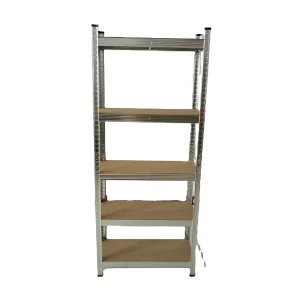
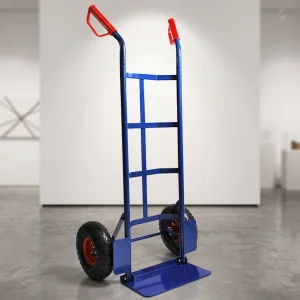
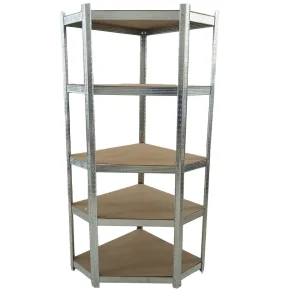
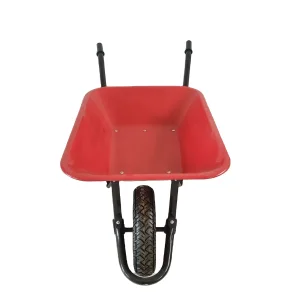
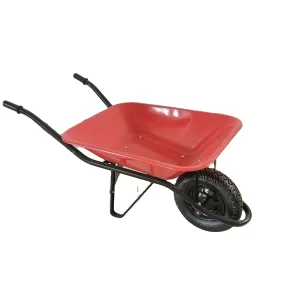
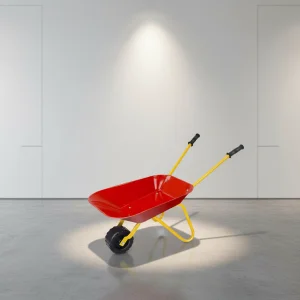
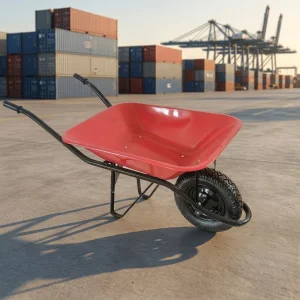
Thailand's industrial, infrastructural, and agricultural sectors are experiencing a major transition toward advanced, highly durable material handling equipment. Driven by mega-infrastructure projects under the Eastern Economic Corridor (EEC) initiative and agricultural cultivation expansions (such as rubber, oil palm, and durian plantations), the market demand for durable transport solutions like wheelbarrows, hand trolleys, and industrial storage racking is at an all-time high.
However, importing standard-tier equipment into Thailand often leads to rapid mechanical failures. The local environment presents specific metallurgical challenges:
Extreme Tropical Humidity
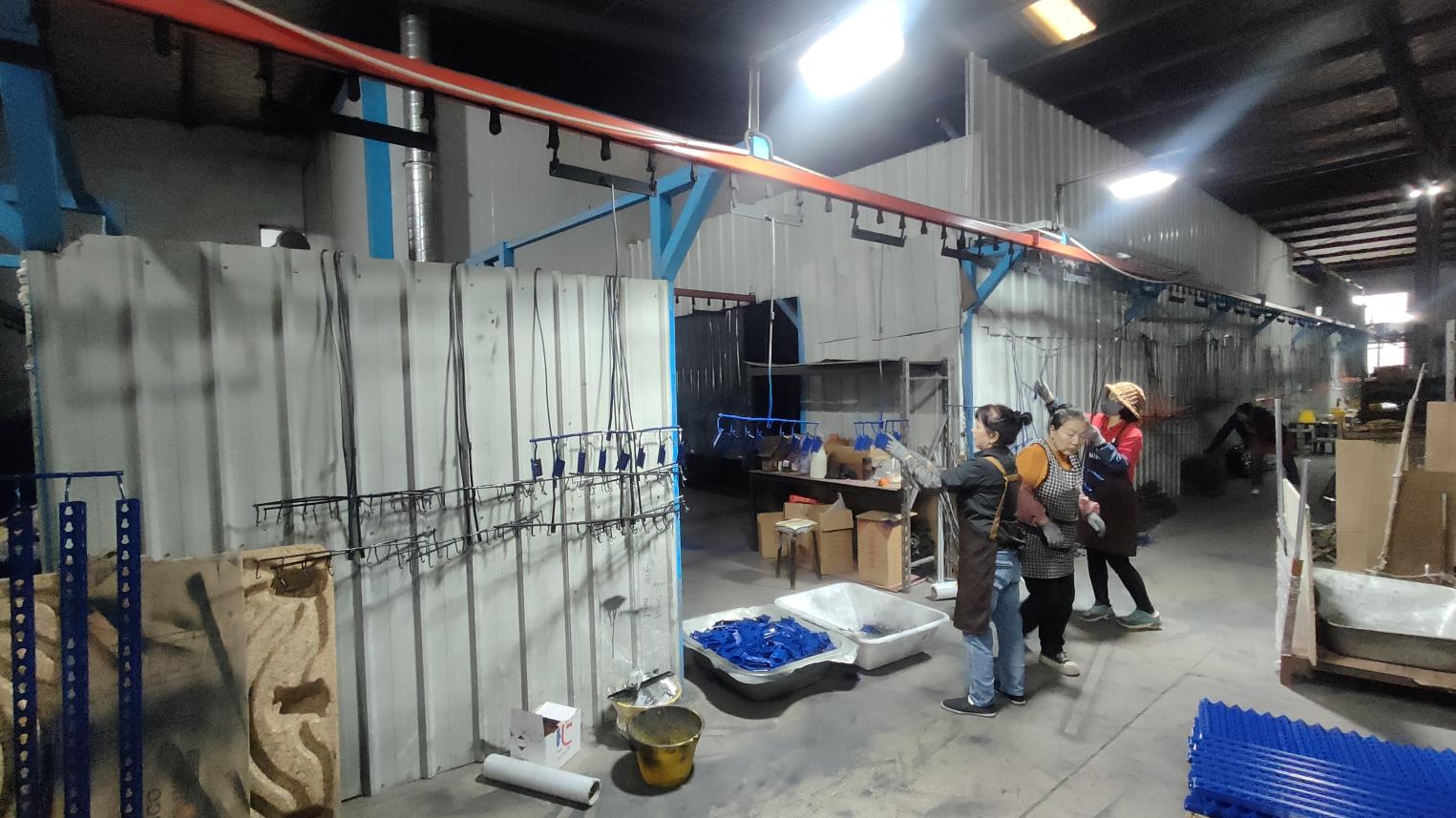
Thailand's average humidity levels hover between 70% and 90% year-round. Standard steel trays rust within months if not treated with premium-grade hot-dip galvanization or electrostatic powder coatings.
Corrosive Fertilizer Exposure
In agricultural settings, wheelbarrows frequently transport organic and chemical fertilizers containing nitrates, potassium, and phosphates, which actively accelerate steel degradation.
Challenging Terrain Layouts
From muddy rubber plantations in Southern Thailand to rugged, uneven construction zones in downtown Bangkok, heavy loads demand robust chassis frames and impact-absorbing pneumatic wheels.
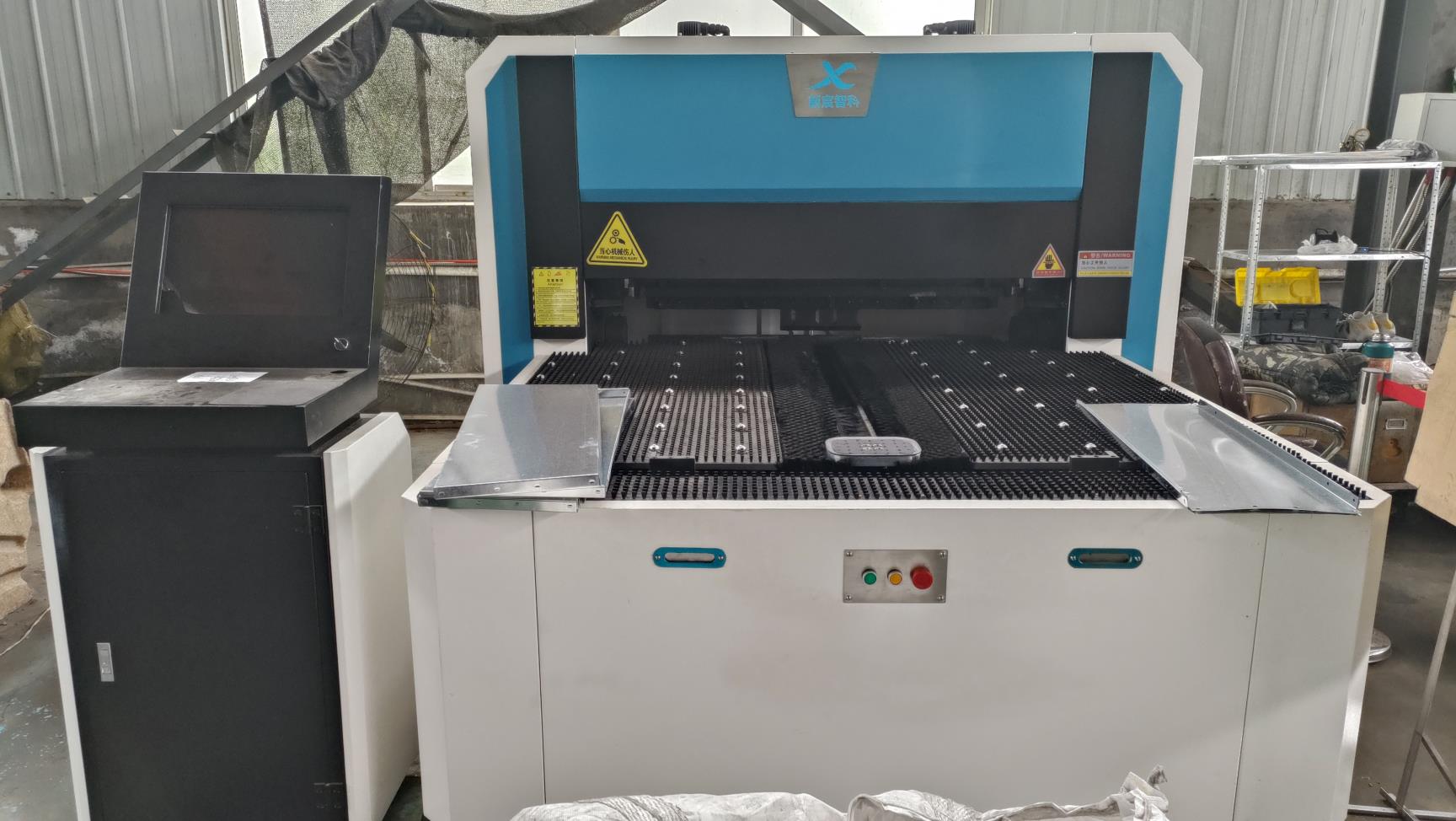
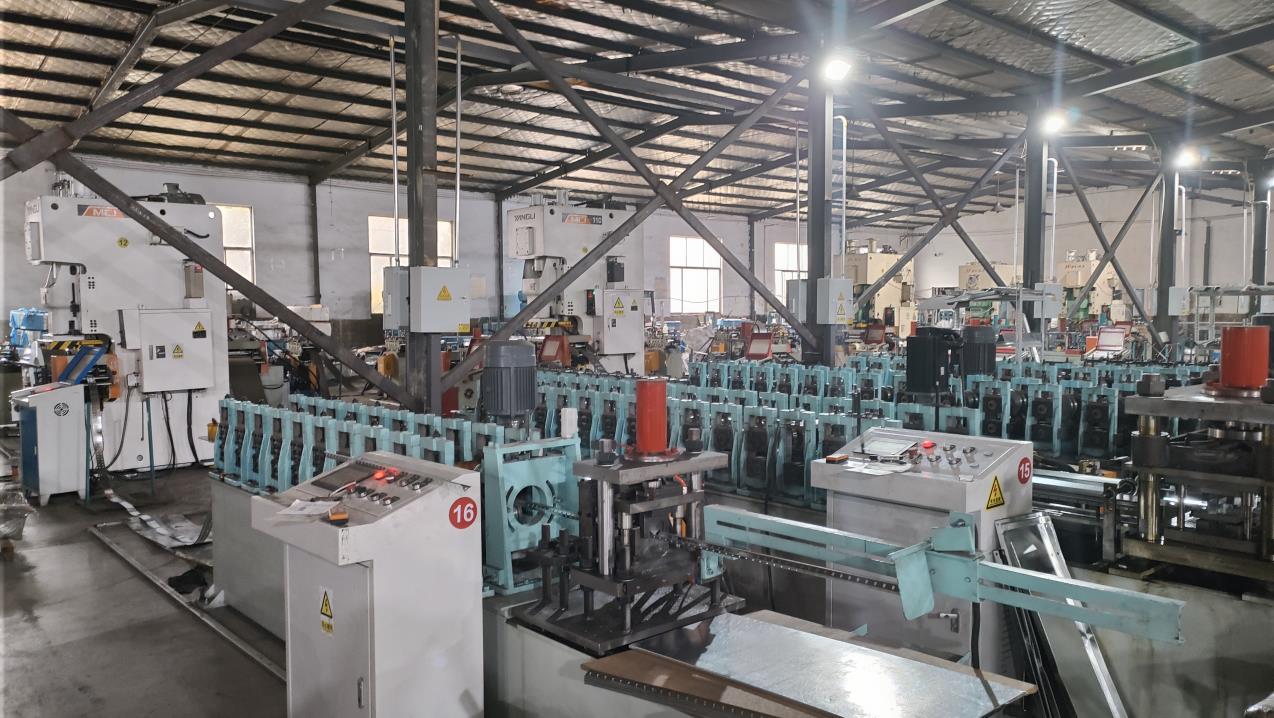
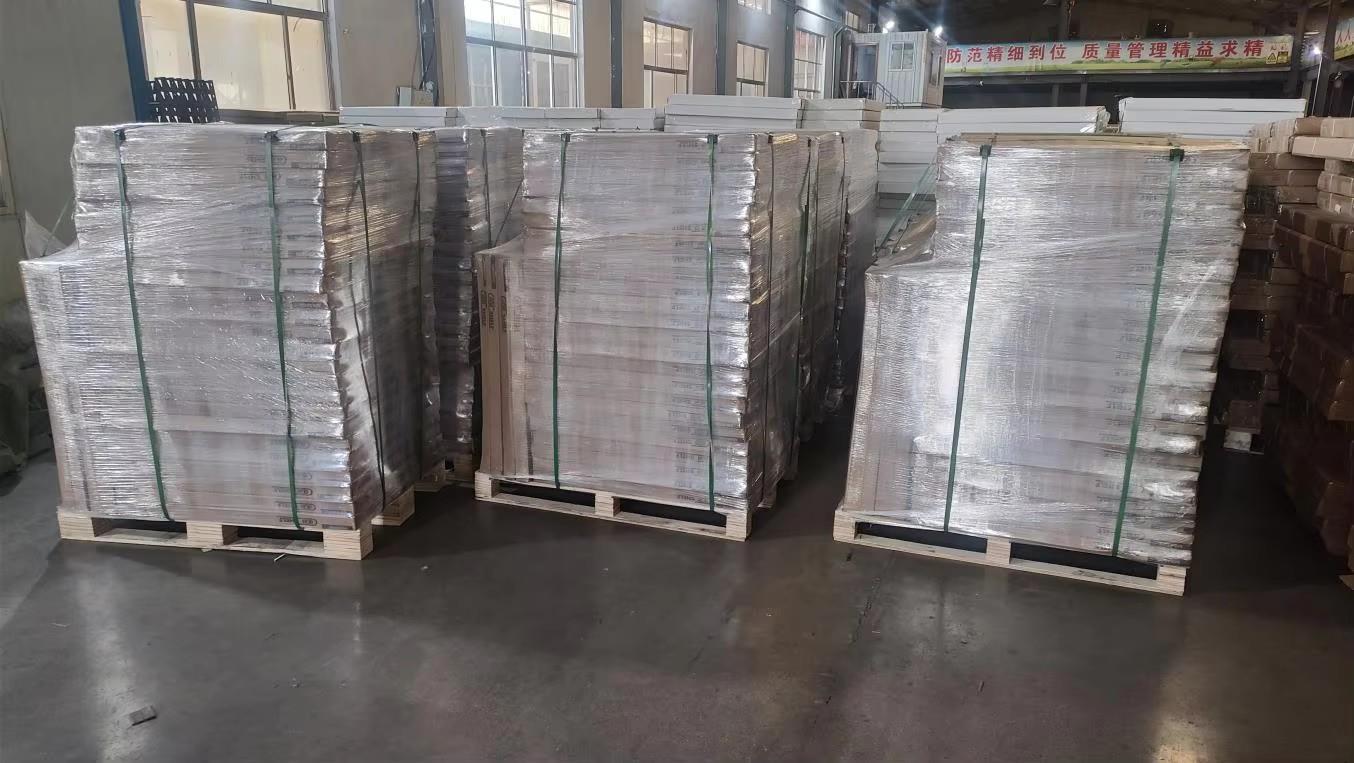
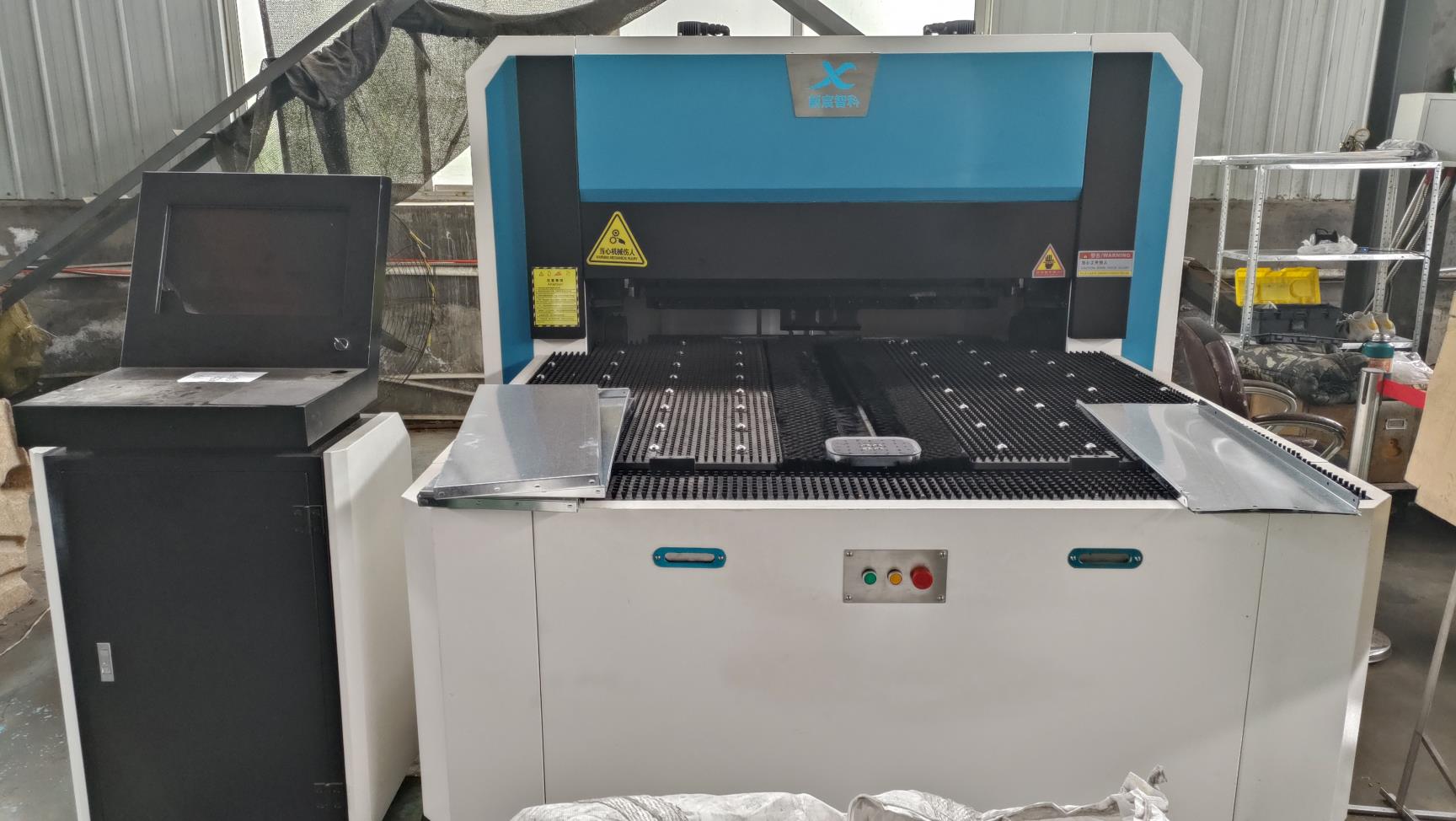
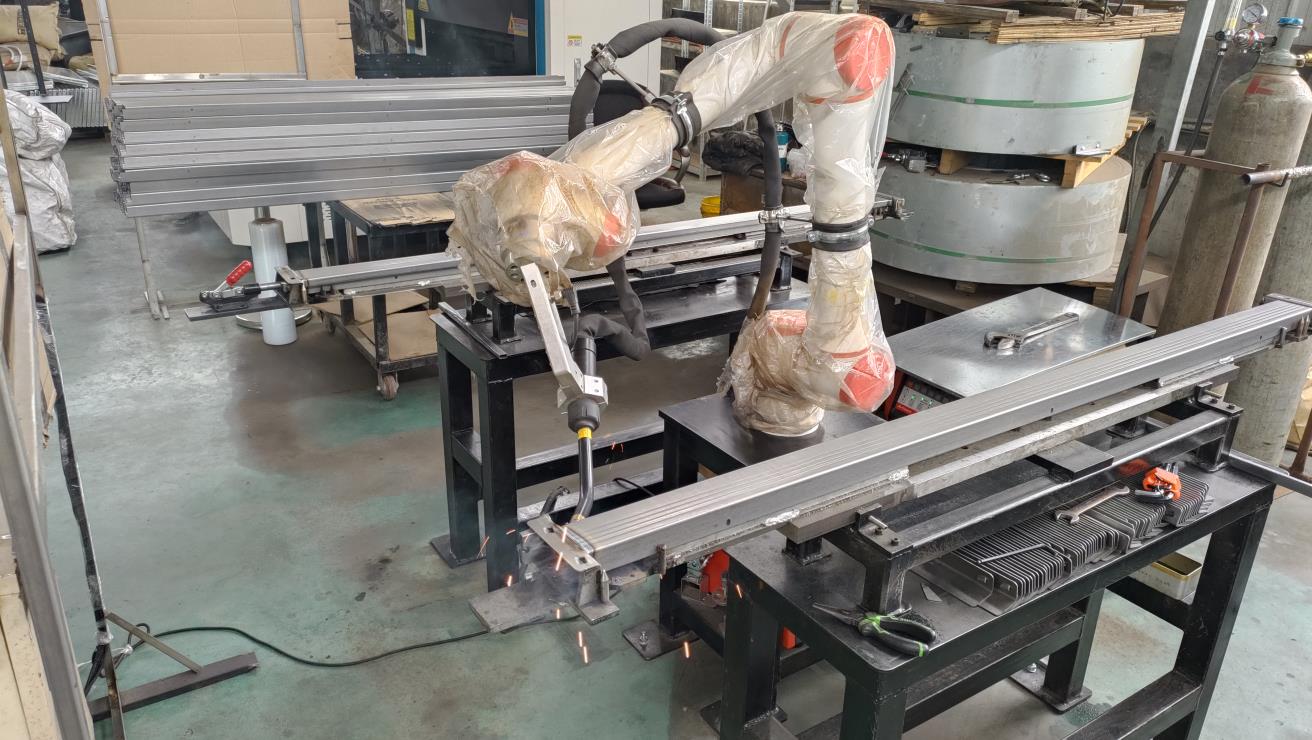
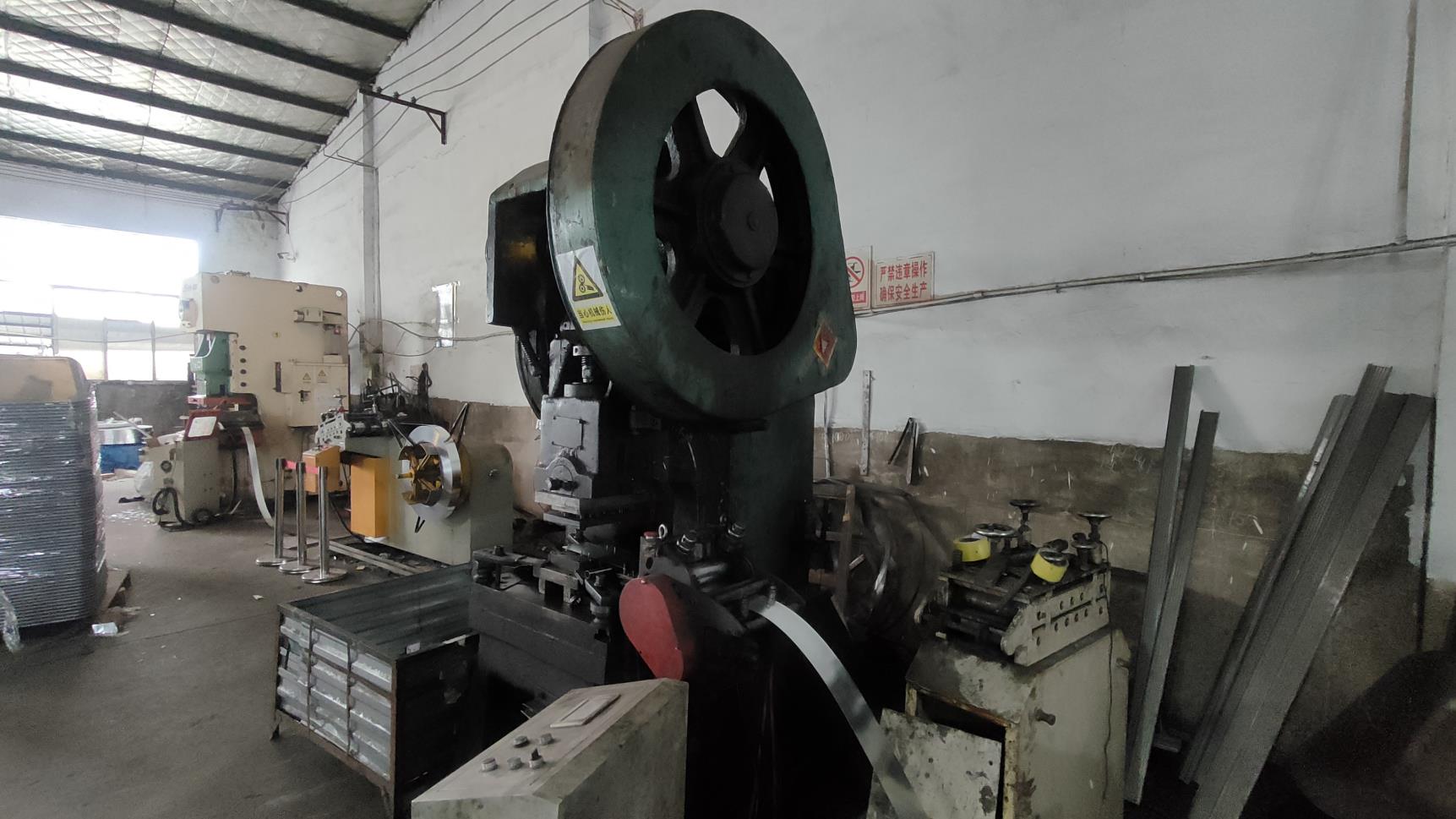
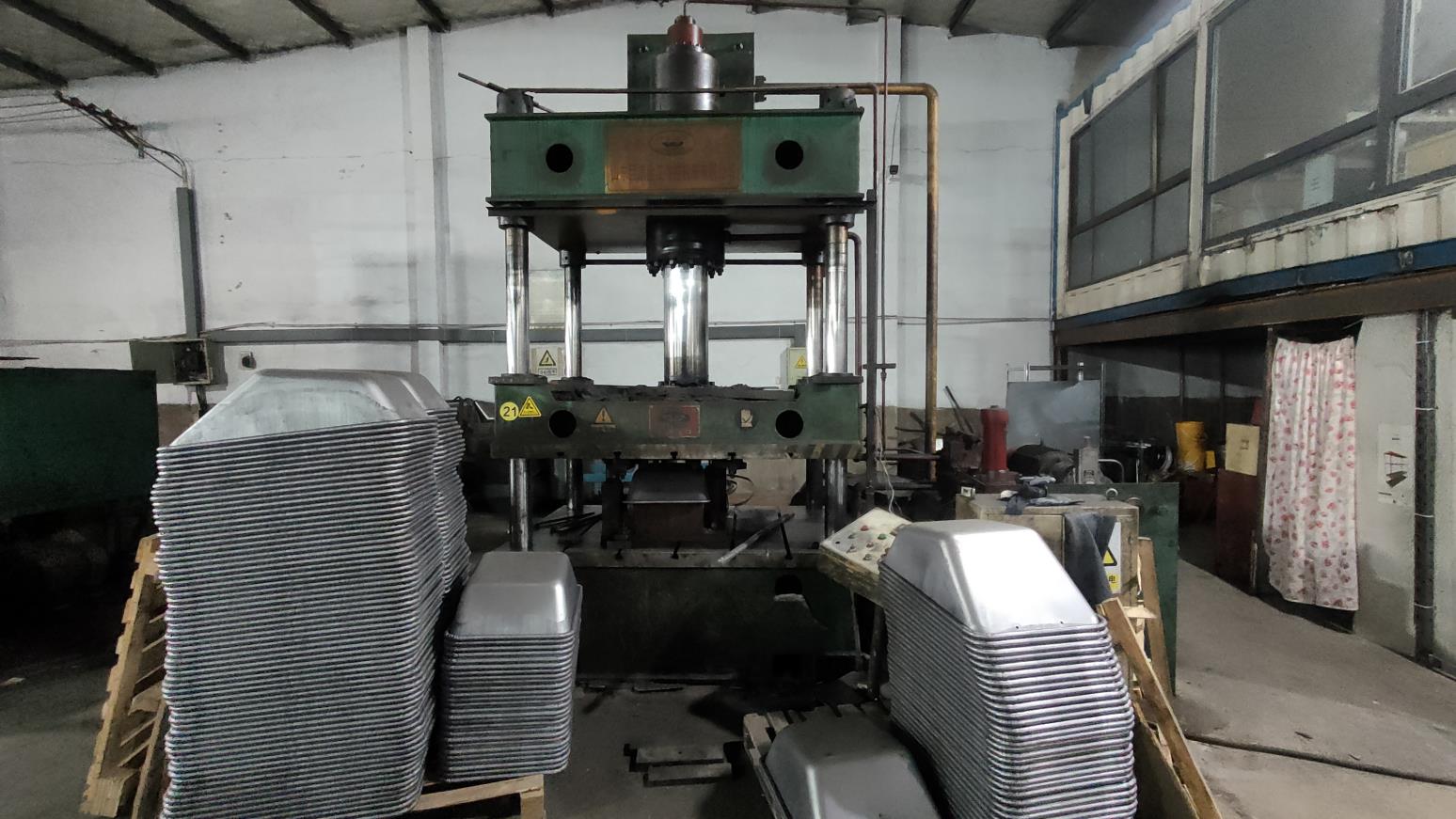
As a dedicated global manufacturer with robust logistics channels to Laem Chabang and Bangkok ports, Ningbo Xinyi Metal Products Co., Ltd. customizes wheelbarrows and industrial racking specifically designed to withstand these aggressive environmental factors, providing Thai importers with unparalleled operational reliability and cost efficiencies.